
Signs of Poor Crawl Space Drainage
Poor crawl space drainage is one of the most common causes of long-term moisture problems beneath homes. When water is not directed away from the foundation or drained properly from the crawl space, moisture begins to accumulate in the soil, structural wood, insulation, and surrounding materials. Over time, those conditions can affect the floor system, indoor air, and the durability of materials beneath the home.
Many homeowners assume crawl space drainage problems only exist when standing water is visible. In reality, the early signs often appear long before puddles form. Damp soil, musty odors, recurring moisture after rain, and sagging insulation are all warning signals that drainage is not functioning correctly.
If you are already noticing drainage-related moisture, it helps to understand how crawl spaces fit into broader water-control systems. The guide on how to waterproof basements and control water intrusion explains how drainage, groundwater control, vapor barriers, and moisture management work together beneath homes.
This article focuses on the most common signs of poor crawl space drainage so you can recognize problems early and determine when further inspection or repairs are necessary.
What Poor Crawl Space Drainage Looks Like
Poor crawl space drainage usually shows up as a repeated moisture pattern, not one isolated wet spot. Water moves toward the foundation faster than it can drain away, leaving damp soil, humid air, stains, mud, or moisture-damaged materials beneath the home.
These signs often become more noticeable after rainfall, seasonal storms, clogged gutters, short downspouts, or changes in yard drainage. The key warning sign is recurrence: the same areas keep getting damp even after they appear to dry.
Early Indicators That Drainage Is Not Working Properly
In the early stages, poor drainage does not usually produce standing water. Instead, it creates repeated moisture patterns that slowly worsen over time.
- Damp soil that stays dark or sticky days after rain
- A musty odor that gets stronger after storms
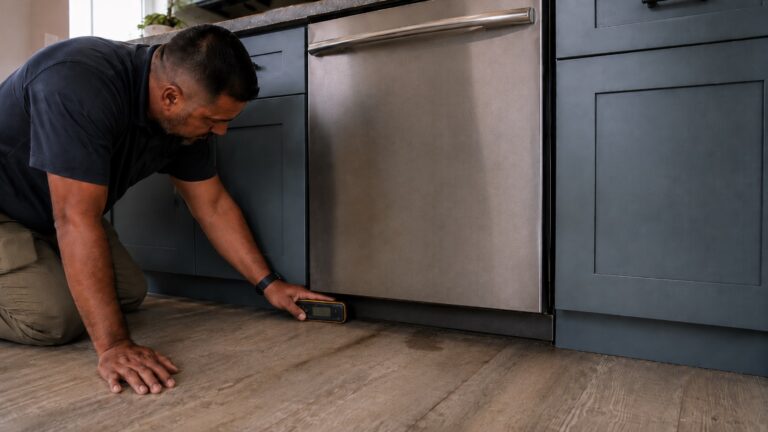
- Humid, heavy air beneath the floor system
- Dark stains on foundation walls, piers, or low wood framing
- The same wet areas returning after each rainfall
These signs matter because they show repeated water movement before obvious puddles or major damage appear.
If visible puddles are already forming, you may also want to review the symptoms described in signs of standing water in crawl spaces, which covers the more advanced stage of drainage failure.
Water or Mud That Returns After Rain
One of the clearest signs of poor crawl space drainage is water or mud that repeatedly appears after rainfall. This pattern usually means roof runoff, yard runoff, or saturated soil is reaching the crawl space instead of draining away from the foundation.
Recurring Moisture After Storms
If your crawl space becomes wet after nearly every rain event, drainage problems are highly likely. This may occur even if standing water disappears within a few days.
Signs of recurring moisture after storms include:
- Muddy patches forming beneath the home
- Water stains on foundation walls
- Damp soil concentrated near foundation edges
- Moisture patterns that match rainfall timing
- Wet areas returning in the same locations
This repeated wetting cycle matters because the crawl space may look dry between storms while soil, insulation, and wood continue holding moisture.
Rain-related water entry patterns are discussed further in why crawl spaces flood during heavy rain, which explains how outdoor drainage conditions influence interior crawl space moisture.
Soil That Feels Soft or Spongy
Healthy crawl space soil should feel firm and relatively dry most of the time. When drainage problems exist, the soil remains soft, sticky, or muddy long after rainfall has ended.
Spongy soil is concerning because it can keep releasing moisture into the crawl space air after visible water disappears. That hidden moisture load can affect insulation, wood framing, and indoor humidity above the crawl space.
If you suspect that water is entering from multiple locations, it may be useful to review how to detect water intrusion in crawl spaces, which helps identify hidden moisture movement patterns.
Damp Soil That Never Fully Dries
One of the most reliable indicators of poor crawl space drainage is soil that remains damp long after the last rain. Proper drainage lets water move away from the foundation and crawl space floor; failed drainage leaves moisture trapped in the ground.
This matters because damp soil can keep feeding humidity into the crawl space even when no puddles are visible.
How Damp Soil Develops from Drainage Failure
Soil beneath a home naturally absorbs some water during rainfall. However, when exterior grading slopes toward the house or drainage pipes are clogged or damaged, the soil becomes oversaturated. Instead of draining away, water lingers beneath the structure.
Over time, repeated wetting cycles prevent the soil from drying properly. This creates a chronic moisture environment that gradually worsens structural conditions.
Homeowners who notice damp soil should consider reviewing how to inspect crawl space drainage systems, which explains how drainage components function and where failures often occur.
Visible Signs of Persistent Soil Moisture
Damp soil often appears darker than surrounding areas and may feel sticky or muddy when touched. In some crawl spaces, patches of wet soil remain visible for days or weeks after rainfall.
- Dark-colored soil that stays wet
- Sticky mud that clings to tools or surfaces
- Wet areas concentrated near foundation walls
- Soil that feels cool and damp even during dry weather
- Repeated moisture patterns in the same locations
Persistent soil moisture increases crawl space humidity, which leads to secondary moisture damage in nearby materials.
Musty Odors and Humid Air in the Crawl Space
Odors are often among the earliest warning signs of poor crawl space drainage. A musty smell typically develops when damp soil and materials begin releasing moisture into the air. Even if water is not visible, odor changes often signal hidden drainage problems.
These odors may remain confined to the crawl space or spread into living areas through floor openings, ductwork, or wall cavities.
Why Drainage Problems Create Musty Smells
When water accumulates beneath the home, organic materials such as wood, dust, and insulation absorb moisture. Over time, microorganisms begin growing in these damp environments. The result is a distinct musty odor that becomes stronger as moisture exposure continues.
Unlike temporary humidity spikes, drainage-related odors often return repeatedly after rain events. This recurring pattern is an important diagnostic clue.
If the odor returns after rain, treat it as a drainage clue rather than a simple ventilation problem.
Signs of Excess Humidity Beneath the Home
High humidity inside a crawl space often accompanies drainage failure. Moist air forms when damp soil continuously releases water vapor.
- Air feels damp or heavy inside the crawl space
- Condensation appears on surfaces
- Metal components show early rust
- Wood surfaces feel slightly damp to the touch
- Odors intensify during humid weather
When these humidity signs appear with damp soil or rain-related wet spots, drainage is more likely than ventilation alone.
Moisture Damage to Insulation and Crawl Space Materials
Insulation materials often provide some of the clearest evidence of poor crawl space drainage. Because insulation is lightweight and porous, it quickly absorbs moisture when drainage systems fail.
Once insulation becomes wet, it loses effectiveness and may collapse or detach from floor joists.
Sagging or Falling Insulation
One of the most visible signs of moisture problems is insulation that begins to sag between floor joists. This typically occurs when insulation absorbs water and becomes too heavy to remain in place.
- Fiberglass insulation hanging downward
- Loose insulation partially detached from joists
- Wet insulation surfaces
- Insulation resting on the crawl space floor
- Dark or mold-stained insulation materials
Wet insulation not only reduces thermal performance but also traps moisture against structural wood, accelerating deterioration.
Discoloration and Dampness on Wood Components
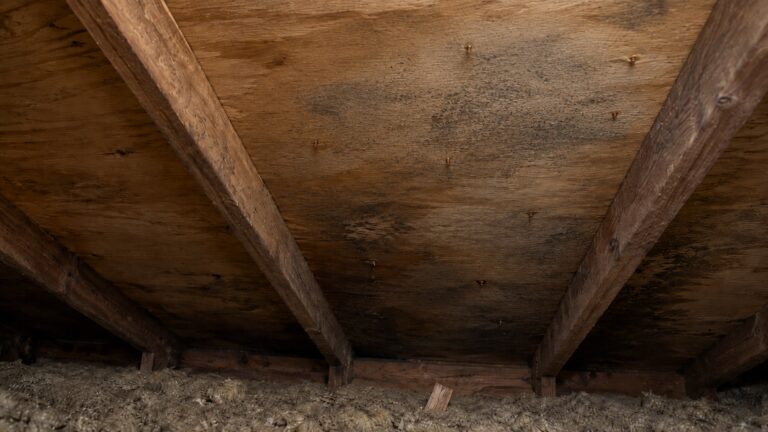
Structural wood such as joists, beams, and subfloor materials responds slowly to moisture exposure. Early signs of wood damage often include surface discoloration and mild dampness.
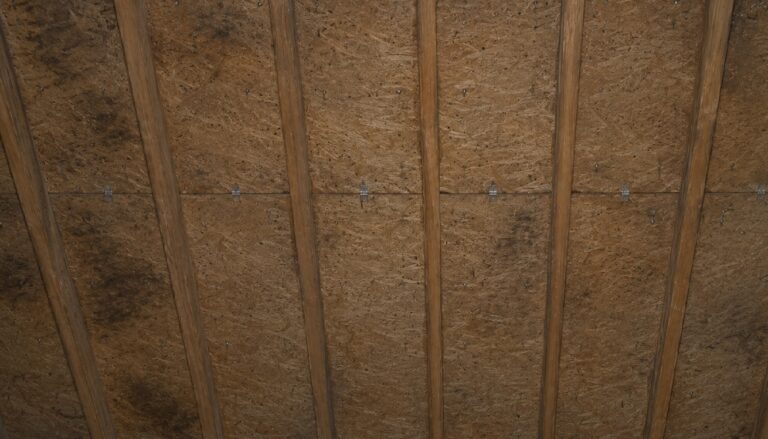
- Darkened wood surfaces
- Water staining along joists
- Slight swelling of wood fibers
- Early mold growth patterns
- Persistent damp textures
If these signs are present along with damp soil or recurring wet areas, drainage problems may already be affecting the floor system. More advanced symptoms are covered in signs of long-term crawl space moisture damage.
Moisture Signs on Foundation Walls and Structural Surfaces
Foundation walls often reveal drainage problems before the crawl space floor looks flooded. When water repeatedly collects outside the home, the effects may appear as stains, mineral residue, damp patches, or water trails along foundation surfaces.
Efflorescence and White Mineral Deposits
Efflorescence appears as a chalky white or powder-like residue on foundation walls. It forms when water moves through concrete or masonry and leaves mineral deposits behind as it evaporates.
This is one of the clearest signs that water is repeatedly contacting foundation materials.
- White powdery streaks on concrete walls
- Light-colored stains forming in vertical patterns
- Mineral residue near soil level
- Repeated buildup in the same areas
- Visible staining after rainy periods
Efflorescence alone does not always mean severe damage, but it does confirm ongoing moisture movement. If ignored, these conditions can eventually lead to larger drainage failures.
Damp Foundation Surfaces and Water Trails
Another warning sign of poor crawl space drainage is the presence of visible dampness along foundation walls. This may appear as darkened concrete surfaces or thin water trails that follow vertical paths downward.
These trails often indicate that water is entering from outside and flowing along structural surfaces.
- Darkened wall sections near the ground
- Water streaks forming after rainfall
- Wet patches that reappear in the same areas
- Moisture concentrated near corners
- Foundation surfaces that feel cool and damp
If water movement continues unchecked, these conditions can eventually produce standing water. More advanced signs are explained in signs of standing water in crawl spaces, which covers severe drainage failure scenarios.
Exterior Clues That Drainage Problems Are Affecting the Crawl Space
Many drainage failures begin outside the home. In fact, the crawl space often acts as the final destination for water that cannot properly drain away from the structure. Exterior warning signs frequently provide the earliest indication that problems are developing.
By observing outdoor conditions, homeowners can often identify drainage issues before major damage occurs beneath the house.
A single puddle after an unusually heavy storm is less concerning than the same wet area returning after normal rainfall. Repetition is what makes exterior drainage clues meaningful.
Water Pooling Near the Foundation
Water pooling near the base of the home is one of the strongest indicators of poor drainage. After rainfall, water should move away from the foundation quickly. If puddles remain for extended periods, drainage failure is likely.
- Standing water along foundation edges
- Wet soil forming depressions near walls
- Puddles that remain for hours or days
- Repeated pooling in the same areas
- Water collecting near crawl space vents
Pooling water increases the risk of water intrusion beneath the home. Over time, this repeated exposure creates long-term moisture buildup.
Improper Yard Grading
Yard grading plays a major role in directing water away from the home. Ideally, soil should slope gently away from the foundation. When grading slopes toward the home, water flows directly toward crawl space walls.
Signs of poor grading include:
- Soil sloping toward the foundation
- Erosion lines leading toward crawl space vents
- Water flowing toward the house during storms
- Uneven landscaping near the structure
- Repeated wet areas close to the foundation
Improper grading often works together with drainage system failures. These combined issues significantly increase the likelihood of crawl space moisture problems.
Clogged or Short Downspouts
Roof drainage systems play a major role in crawl space moisture behavior. When downspouts discharge water too close to the home, large volumes of water accumulate near foundation walls.
Warning signs include:
- Downspouts ending close to the foundation
- Overflowing gutters during rain
- Erosion marks beneath gutter outlets
- Water splashing against foundation walls
- Debris blocking drainage outlets
These exterior problems often lead directly to crawl space water intrusion. If water entry patterns seem connected to storms, the article on why crawl spaces flood during heavy rain provides additional insight into how rainfall affects drainage behavior.
How Poor Drainage Differs From Ventilation Problems
Crawl space moisture problems are sometimes blamed on ventilation alone. While ventilation plays an important role in controlling humidity, it does not remove groundwater or redirect exterior water flow.
Understanding the difference between drainage problems and ventilation issues helps prevent misdiagnosis and wasted repairs.
Signs More Likely Caused by Drainage Failure
- Water appearing after rain events
- Damp soil beneath the home
- Puddles forming near foundation walls
- Water stains following predictable rain patterns
- Repeated moisture in specific locations
These signs typically indicate water movement problems rather than airflow concerns.
Signs More Likely Caused by Ventilation Problems
- High humidity during warm weather
- Condensation forming without rainfall
- Moisture buildup during seasonal humidity changes
- Minimal visible soil moisture
- Moisture evenly distributed throughout the space
Ventilation-related moisture behaves differently than drainage failure. Identifying the correct cause is essential before attempting repairs.
If uncertainty exists, further inspection methods described in how to detect water intrusion in crawl spaces can help confirm whether water entry patterns are present.
Advanced Warning Signs of Severe Drainage Failure
As drainage problems worsen, the signs become harder to ignore. Pest activity, visible mold, saturated insulation, and soft wood usually indicate that moisture has been present for more than a short period.
Increased Pest Activity
Persistent moisture attracts insects and other pests. Many pests prefer damp environments because moisture supports food sources such as mold and decaying wood.
- Termites appearing near crawl space wood
- Ant activity increasing beneath the home
- Rodent presence in damp insulation
- Insect nests forming in moist areas
- Evidence of burrowing near foundation walls
Pest activity often indicates that moisture conditions have existed for an extended period.
Mold Growth on Crawl Space Surfaces
Visible mold is a serious indicator of prolonged drainage failure. Mold develops when moisture remains trapped for extended periods.
- Dark or fuzzy growth on wood surfaces
- Mold forming on insulation materials
- Persistent musty odor increasing over time
- Visible discoloration spreading across surfaces
- Recurring mold after cleaning attempts
Mold growth often signals that drainage problems have progressed beyond early warning stages and require corrective action.
When Poor Crawl Space Drainage Requires Professional Repair
This article is focused on signs, not repair design. However, some warning signs mean the problem should not be handled as a simple cleanup issue.
Repeated moisture after rain, saturated insulation, soft wood, spreading mold, or water returning after basic gutter and downspout corrections usually points to a drainage problem that needs professional evaluation.
Signs That Professional Help Is Likely Needed
If multiple warning signs are present at once, professional evaluation is usually the safest option. These conditions often indicate system-level drainage failure rather than minor moisture accumulation.
- Water returning after nearly every rain event
- Soil that remains wet for extended periods
- Visible mold spreading across surfaces
- Wood that feels soft or weakened
- Insulation repeatedly falling or becoming saturated
- Strong musty odors entering living areas
- Repeated moisture problems despite cleanup efforts
When these conditions occur, the drainage system itself may be failing. The causes behind system breakdowns are explained in why crawl space drainage systems fail, which helps homeowners understand the underlying reasons repairs may be required.
Why Repeated Warning Signs Should Not Be Ignored
Persistent drainage problems create a cycle of moisture exposure that slowly damages structural components. Wood absorbs moisture, insulation traps humidity, and soil continues releasing water vapor into the crawl space air.
Over time, these conditions can lead to:
- Structural wood rot
- Mold contamination
- Foundation moisture damage
- Pest infestations
- Indoor air quality concerns
If moisture problems continue despite minor adjustments, professional repair strategies discussed in how to fix persistent crawl space drainage problems may become necessary.
What to Check Next After Identifying Drainage Warning Signs
Once symptoms of poor crawl space drainage are identified, the next step is determining exactly where water movement is occurring. Identifying the source helps prevent unnecessary repairs and ensures that the correct drainage components are addressed.
Check Exterior Drainage Paths
Start by observing how water flows around the home during rainfall. Exterior drainage conditions often determine whether crawl space moisture develops.
- Confirm that gutters are free of debris
- Verify that downspouts direct water away from the foundation
- Look for soil slopes that direct water toward the house
- Watch for pooling water around foundation walls
- Inspect landscaping features that may block drainage flow
Exterior water movement frequently explains why crawl space moisture appears during storms. If the problem appears tied to gutters, grading, or runoff, review how to improve drainage around crawl spaces for the next practical steps.
Inspect Crawl Space Conditions Safely
If it is safe to do so, visually inspect the crawl space from the access point. Look for patterns that match rainfall or exterior drainage activity.
Do not enter a crawl space with standing water near electrical components, sewage-like odors, strong mold contamination, unstable framing, or obvious pest activity.
- Observe soil moisture patterns
- Look for damp areas along walls
- Check insulation condition
- Identify mold or discoloration
- Note repeated moisture locations
Detailed inspection techniques are covered in how to inspect crawl space drainage systems, which explains how to safely evaluate drainage components beneath the home.
Frequently Asked Questions About Poor Crawl Space Drainage
Is standing water always caused by drainage problems?
Standing water often results from drainage failure, but not always. Plumbing leaks, groundwater pressure, and flooding events can also produce water accumulation. However, repeated standing water after rainfall strongly suggests drainage issues.
Can poor crawl space drainage cause mold growth?
Yes. Poor drainage can keep soil, insulation, wood, and foundation surfaces damp long enough for mold to develop. Mold risk is higher when musty odors, visible staining, or recurring humidity appear after rain.
Why does my crawl space stay damp even when water is not visible?
Water absorbed into soil can continue releasing moisture into the air long after visible water disappears. This creates ongoing humidity that keeps crawl space materials damp.
Can a vapor barrier hide drainage problems?
A vapor barrier can reduce ground moisture evaporation, but it does not remove water entering from outside. Drainage failures may still occur beneath or around the barrier.
When should I call a professional for crawl space drainage problems?
Call a professional when water returns after normal rain, insulation becomes saturated, wood feels soft, mold spreads, or basic gutter and downspout corrections do not stop the moisture pattern.
Conclusion
Poor crawl space drainage usually reveals itself through recurring patterns: damp soil after rain, musty odors, humid air, foundation stains, sagging insulation, or the same wet areas returning again and again. These signs matter most when they repeat, spread, or appear after ordinary rainfall.
If you notice several warning signs at the same time, start with exterior drainage paths, then inspect the crawl space safely from the access point. Persistent moisture should be traced to its source before cleanup, vapor barriers, insulation replacement, or repair work are treated as permanent solutions.
2 Comments
Comments are closed.