
Why Mold Forms in Attic Insulation: Causes, Moisture Sources, and Prevention Factors
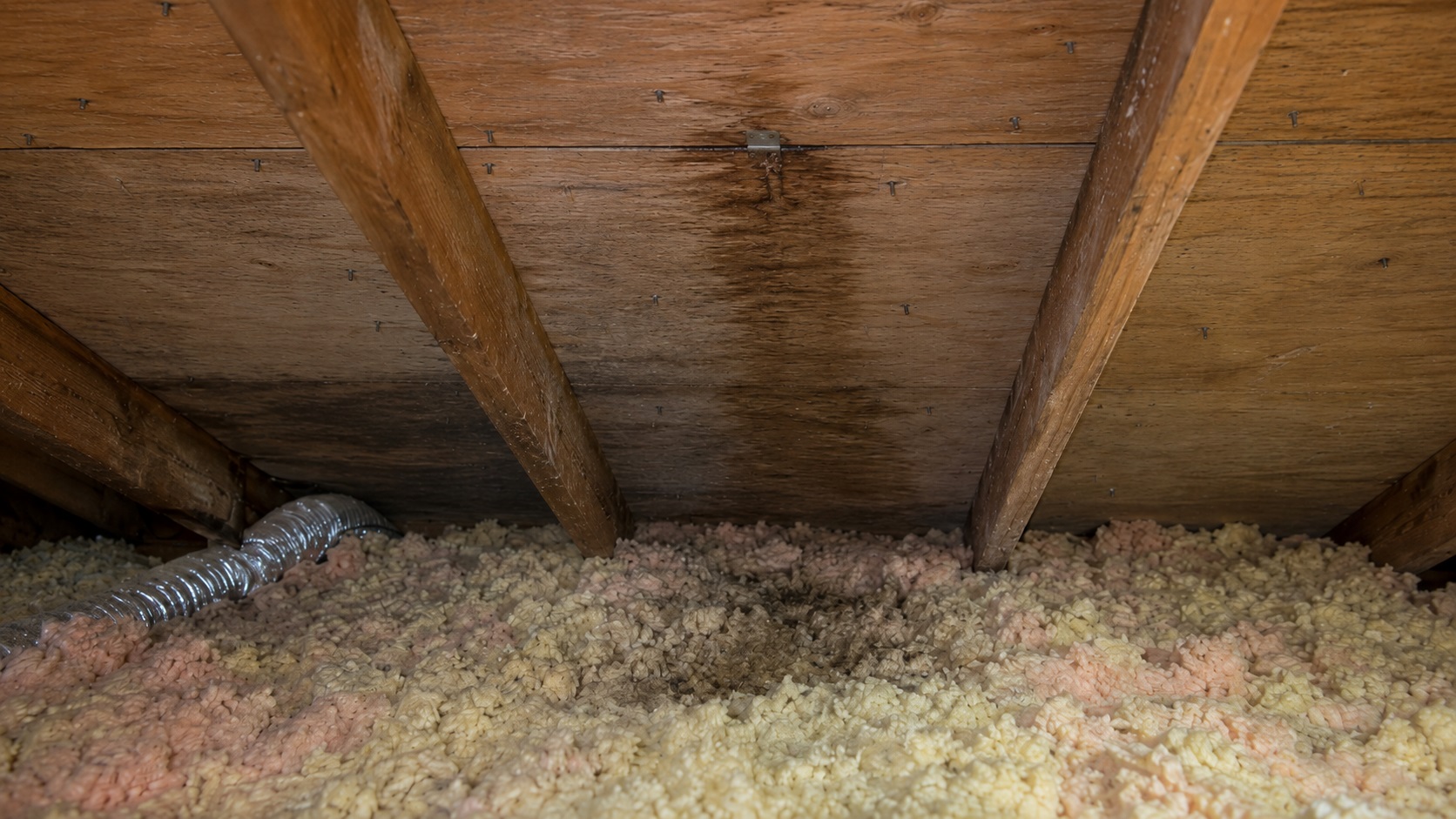
Mold forms in attic insulation when moisture repeatedly enters or collects inside the insulation layer long enough to support growth. While many homeowners assume insulation mold only happens after a major roof leak, the cause is often gradual: warm air leaks, condensation, poor ventilation, small roof leaks, or exhaust ducts releasing humid air into the attic.
If mold has already been discovered in an attic, understanding how insulation behaves differently from wood framing or roof surfaces is essential. Insulation traps moisture, slows drying, and holds organic debris that mold can use as a food source. These combined conditions explain why insulation mold often develops even when surrounding attic materials appear dry.
Because attic insulation mold is usually a recurring moisture problem, it also fits into the broader pattern explained in why moisture problems keep returning. The key is not only finding mold in the insulation, but identifying the moisture pathway that keeps feeding it.
This guide focuses specifically on why mold forms in attic insulation: how moisture enters the insulation layer, why damp insulation dries slowly, and which conditions allow mold growth to continue.
Why Attic Insulation Is Especially Vulnerable to Mold
Attic insulation behaves very differently from exposed wood or drywall. While framing lumber and roof sheathing can sometimes dry when exposed to airflow, insulation materials are designed to trap air and slow heat transfer. That same property also slows moisture evaporation, allowing dampness to remain hidden inside insulation layers.
Several characteristics make attic insulation particularly vulnerable to mold growth:
- Insulation slows drying once moisture enters
- Air movement inside insulation layers is limited
- Dust and debris provide nutrients for mold growth
- Moisture often remains trapped below the surface
- Temperature differences encourage condensation inside insulation
Insulation Traps Moisture Inside Its Structure
Most attic insulation materials contain thousands of small air pockets. These pockets reduce heat movement, improving energy efficiency. However, they also limit airflow and evaporation once moisture enters.
When insulation becomes wet, moisture may not remain visible on the surface. Instead, water can spread between fibers and remain hidden inside the insulation mass. Even when the top surface appears dry, internal moisture may still be present.
This hidden moisture retention is one of the main reasons mold forms inside insulation layers after repeated humidity exposure.
If insulation appears compressed, heavy, or uneven, it may indicate long-term moisture retention. These physical changes often align with the warning patterns described in signs of moisture in attic insulation, which help identify insulation that may already be holding moisture.
Organic Debris Provides Nutrients for Mold
Many homeowners believe fiberglass insulation cannot support mold growth because it is made from synthetic materials. While fiberglass itself does not serve as food for mold, insulation rarely remains perfectly clean.
Over time, airborne particles accumulate within insulation layers, including:
- Dust particles carried through air leaks
- Skin cells and organic debris
- Wood fibers from construction materials
- Outdoor contaminants entering through vents
- Pollen and microscopic organic particles
These materials provide enough nutrients to support mold colonies once moisture becomes available. Even small amounts of trapped organic matter can sustain growth if moisture levels remain elevated.
Understanding how debris collects inside insulation also explains why mold often appears in areas with strong airflow movement from the home below. If indoor air regularly escapes into the attic, insulation contamination becomes more likely.
Reduced Airflow Inside Insulation Slows Drying
Drying requires airflow, warmth, and a clear evaporation path. Insulation restricts air movement between fibers, so moisture can remain trapped even when the attic air above the insulation seems dry.
This is why insulation mold often develops without obvious standing water. Small amounts of trapped moisture can remain long enough for mold colonies to establish.
If the source is unclear, how to detect hidden moisture in attics explains the inspection process. The cause of insulation mold usually comes down to moisture entering, collecting, and staying trapped long enough for growth to begin.
Most Common Causes of Mold in Attic Insulation
Mold rarely forms in attic insulation without a moisture source. In most homes, the moisture enters through predictable pathways, and repeated small exposures can contaminate insulation even when no major leak is visible.
Warm Air Leakage From Living Spaces
The most common cause of mold in attic insulation is warm, humid air leaking upward from the living space below. Everyday activities such as cooking, showering, and laundry generate moisture that naturally rises with warm air.
This air often escapes into the attic through small openings such as:
- Ceiling light fixtures
- Electrical wiring penetrations
- Plumbing pipe openings
- Attic access hatches
- Unsealed drywall joints
- Bathroom fan housings
Once humid indoor air enters the attic, it can condense when it reaches colder insulation, roof sheathing, nail tips, or framing. Staining, frost patterns, or damp insulation directly above ceiling penetrations often point to air leakage rather than a roof leak.
Over time, repeated condensation events create damp insulation zones that allow mold to develop. Many homeowners overlook these air leakage pathways until visible moisture problems appear. If indoor humidity movement is suspected, reviewing why attics develop hidden moisture problems can help clarify how warm air movement contributes to insulation moisture buildup.
Small Roof Leaks That Slowly Soak Insulation
Roof leaks do not always produce obvious ceiling stains or dripping water. In many cases, small leaks allow water to enter slowly and soak localized areas of insulation.
These slow leaks commonly occur near:
- Roof valleys
- Flashing around chimneys
- Vent pipe penetrations
- Skylight installations
- Roof transitions or intersections
Because insulation can hold water within its fibers and air spaces, even minor leaks can saturate small areas over time. Wet insulation may remain damp long after nearby framing or sheathing looks dry.
If suspected water intrusion is present, comparing symptoms with those outlined in signs of roof leaks inside the house can help determine whether roof damage is contributing to insulation moisture problems.
Poor Attic Ventilation Allowing Humidity Buildup
Ventilation plays a critical role in removing moisture from attic spaces. When airflow is restricted, humidity accumulates and condensation becomes more likely.
Common ventilation problems that contribute to insulation mold include:
- Blocked soffit vents
- Undersized ridge vents
- Improper vent placement
- Debris obstructing airflow pathways
- Inadequate ventilation design
When humid air becomes trapped, insulation remains exposed to elevated moisture levels. Even without direct water entry, high humidity alone can support mold growth within insulation layers.
If airflow restrictions are suspected, how to prevent moisture build-up in attics explains the broader prevention steps. For this article, the key point is that poor ventilation lets moisture remain in contact with insulation longer.
Exhaust Fans Venting Into the Attic
Bathroom and kitchen exhaust fans are designed to remove humid air from living spaces. However, in some homes—especially older ones—these fans terminate inside the attic rather than venting outdoors.
This condition releases large volumes of moisture directly into insulation areas. Over time, insulation becomes saturated with humidity, creating ideal conditions for mold growth.
Warning signs associated with improper exhaust venting include:
- Damp insulation near duct outlets
- Localized mold patches around vent discharge points
- Condensation forming on nearby roof sheathing
- Persistent moisture during winter months
Improper exhaust termination is one of the most common overlooked moisture sources. If repeated moisture buildup occurs despite roof repairs, resolving long-term humidity patterns described in how to fix persistent attic moisture problems may help determine whether ventilation redesign is necessary.
Seasonal Condensation Cycles Inside Insulation
Seasonal temperature changes create repeated condensation cycles inside attic spaces. During cold weather, warm indoor air rises into the attic and meets colder roof surfaces.
This temperature difference causes moisture to condense, forming frost or water droplets that eventually soak insulation. When temperatures rise, melting frost releases water into insulation layers.
Over multiple seasons, these freeze-thaw cycles can gradually saturate insulation without producing obvious leaks. The result is slow mold development that may go unnoticed until discoloration appears.
Understanding seasonal condensation patterns is essential when investigating recurring attic mold conditions. If condensation appears during colder months, comparing symptoms with those outlined in signs of moisture in attic insulation can help identify whether seasonal moisture cycles are affecting insulation performance.
Why Moisture Stays Trapped Inside Attic Insulation
Moisture entering insulation does not always drain or evaporate quickly. In many cases, insulation holds moisture inside its fibers, making it difficult to detect and slow to dry. This trapping effect is one of the main reasons mold forms inside insulation even when surrounding attic materials appear dry.
Moisture Spreads Through Insulation Fibers
Insulation materials act like a network of small pathways that allow moisture to spread internally. When water or humidity enters insulation, it rarely stays confined to one spot. Instead, it moves between fibers, spreading moisture across a wider area.
This internal movement allows mold growth to develop beyond the original moisture source. A small leak or condensation zone may eventually create a much larger area of contamination.
Because moisture spreads internally, visual inspection alone may not reveal the full extent of dampness. This is why moisture detection techniques discussed in how to detect hidden moisture in attics often play an important role in confirming how far moisture has traveled.
Compressed Insulation Holds Moisture Longer
When insulation becomes wet, it often compresses and loses thickness. Compression reduces the air spaces that normally allow heat and moisture to move through insulation.
This change creates several moisture-related problems:
- Reduced airflow within insulation layers
- Slower evaporation rates
- Greater moisture retention
- Increased likelihood of long-term dampness
Once insulation becomes compressed, it may remain damp even when surrounding materials dry out. This condition significantly increases the risk of mold development.
If insulation appears flattened or uneven, it may indicate long-term moisture exposure. Conditions like these are often associated with recurring moisture patterns explained in why attic insulation stays damp, which explores how moisture persistence affects insulation performance.
Surface Drying Does Not Mean Internal Drying
One of the most misunderstood aspects of insulation moisture is the difference between surface dryness and internal dryness. Insulation may appear dry on the outside while still holding moisture deep within its fibers.
This hidden moisture creates a false sense of resolution. Homeowners may assume the problem has ended, while mold continues to grow below the visible surface.
Indicators that moisture may still be trapped inside insulation include:
- Persistent musty odors despite dry surfaces
- Insulation that feels heavy compared to surrounding areas
- Localized cold spots within insulation zones
- Recurring mold growth after cleaning
When internal moisture remains, mold colonies may continue developing even after visible water disappears. In these situations, drying strategies discussed in how to dry attic insulation after moisture exposure help determine whether insulation recovery is possible.
Why Mold Can Return After Insulation Appears Dry
Many attic mold problems return after temporary improvements because moisture remains hidden inside insulation. Even when visible water disappears, mold colonies may survive in damp pockets that continue to support growth.
Persistent mold conditions usually indicate that moisture sources were not fully eliminated or that drying was incomplete.
Residual Moisture Creates Ongoing Mold Conditions
Residual moisture refers to water that remains inside insulation after surface drying occurs. This moisture may not be visible but still creates humidity conditions suitable for mold growth.
Residual moisture commonly develops when:
- Insulation becomes saturated during leaks
- Ventilation remains inadequate
- Humidity levels stay elevated
- Air leakage continues unchecked
Without proper drying conditions, trapped moisture may take weeks or months to evaporate. During that time, mold colonies continue to expand.
Understanding how moisture continues to affect insulation over time helps explain recurring mold problems. Long-term persistence patterns described in why attic insulation stays damp highlight how insulation retains moisture even after environmental changes occur.
Hidden Moisture Allows Mold to Re-Establish
Mold spores are naturally present in most indoor environments. When hidden moisture remains inside insulation, these spores quickly re-establish colonies even after cleaning attempts.
This is why mold may return within weeks if the insulation was cleaned or disturbed before the moisture source was corrected.
Recurring mold problems often indicate incomplete moisture control. When mold repeatedly appears in insulation areas, it usually signals unresolved moisture pathways rather than isolated contamination.
Environmental Conditions Continue Supporting Mold Growth
Even after insulation dries partially, environmental conditions may continue supporting mold activity. Factors such as poor airflow, high humidity, and temperature fluctuations create favorable conditions for regrowth.
Common environmental contributors include:
- Seasonal humidity increases
- Cold attic surfaces encouraging condensation
- Restricted ventilation airflow
- Ongoing indoor air leakage
These ongoing environmental conditions explain why insulation mold often becomes a recurring issue rather than a one-time event.
Conditions That Accelerate Mold Growth in Attic Insulation
Not all attic environments support mold growth at the same rate. Some conditions dramatically increase how quickly mold develops inside insulation. When several of these factors occur together, mold formation can happen faster than most homeowners expect.
High Indoor Humidity Levels
Indoor humidity is one of the strongest drivers of attic insulation mold. Activities such as cooking, bathing, laundry, and humidifier use increase moisture inside the home. When this moisture escapes into the attic, insulation absorbs humidity and becomes vulnerable to mold growth.
Homes with consistently high humidity levels often experience recurring attic moisture problems. If humidity remains elevated indoors, even properly ventilated attics may struggle to remain dry.
Monitoring indoor humidity conditions—alongside inspection steps described in signs of moisture in attic insulation—can help determine whether indoor air moisture is contributing to insulation mold formation.
Cold Weather Temperature Differences
Winter conditions create strong temperature differences between indoor spaces and attic environments. Warm indoor air carries moisture upward into cold attic areas, increasing the likelihood of condensation inside insulation.
Repeated seasonal temperature changes can produce ongoing freeze-thaw cycles that gradually saturate insulation layers. Even without visible leaks, this repeated condensation pattern can lead to long-term mold formation.
Understanding how seasonal conditions affect attic moisture helps explain recurring winter mold problems. These environmental cycles often connect to airflow and humidity patterns discussed in why attics develop hidden moisture problems.
Blocked or Inadequate Ventilation
Proper ventilation removes moisture from attic spaces. When vents become blocked or undersized, humidity remains trapped, increasing moisture exposure within insulation layers.
Common ventilation-related risks include:
- Insulation covering soffit vents
- Debris blocking intake or exhaust vents
- Improper vent spacing
- Restricted airflow paths
- Ventilation systems that do not match attic size
Ventilation problems often go unnoticed until mold becomes visible. Preventive airflow improvements outlined in how to prevent moisture build-up in attics help reduce the risk of long-term insulation moisture accumulation.
Long-Term Moisture Exposure
Mold development depends heavily on time. Short-term moisture exposure may not always lead to mold, but long-term dampness almost always creates favorable conditions for growth.
Long-term exposure often results from:
- Undetected minor leaks
- Slow condensation cycles
- Ongoing humidity infiltration
- Persistent ventilation failures
When insulation remains damp for extended periods, mold colonies gain time to establish themselves and expand.
When Molded Insulation Must Be Replaced
Not all mold-contaminated insulation can be safely restored. In many cases, replacement becomes the safest and most effective solution—especially when contamination spreads deeply within insulation layers.
Replacement decisions also depend on the insulation type. Loose-fill cellulose and heavily contaminated blown-in insulation are often harder to restore than a small, localized area of fiberglass batt insulation.
Avoid disturbing moldy insulation without proper protection, especially if the affected area is large, the insulation is heavily contaminated, or the moisture came from contaminated water. Disturbing insulation can release dust, fibers, and mold particles into the attic air.
Replacement may be necessary when:
- Insulation remains compressed after drying attempts
- Mold covers large areas or extends below the surface
- Persistent musty odors remain despite cleaning
- Insulation has absorbed significant water
- Moisture conditions continue returning after repairs
Compressed or heavily contaminated insulation often loses its thermal performance. Even if mold is removed, damaged insulation may no longer provide effective temperature control.
When replacement decisions are being considered, reviewing drying methods described in how to dry attic insulation after moisture exposure can help determine whether recovery is possible or full replacement is necessary.
For long-term moisture issues that continue after repairs, comprehensive solutions discussed in how to fix persistent attic moisture problems may help identify structural or ventilation changes needed to prevent recurrence.
Frequently Asked Questions About Mold in Attic Insulation
Why does fiberglass insulation grow mold if it is not organic?
Fiberglass itself does not feed mold, but insulation collects organic debris such as dust, pollen, and skin particles. These materials provide enough nutrients for mold growth when moisture becomes available.
Can mold grow inside insulation that looks dry?
Yes. Insulation may appear dry on the surface while still holding moisture internally. Hidden moisture often supports mold growth even when visible water is not present.
Does mold always return if insulation is not replaced?
Not always, but mold recurrence is likely when moisture sources remain unresolved. If moisture continues entering insulation, new mold growth may occur even after initial cleaning.
Can better attic ventilation alone stop mold in insulation?
Ventilation improvements help reduce humidity, but ventilation alone may not eliminate mold if insulation remains wet or contaminated. Removing moisture sources and ensuring proper drying are both necessary steps.
How long does it take for mold to form in insulation?
Mold can begin developing within days when moisture conditions remain favorable. However, visible mold often takes longer to appear, depending on humidity levels and insulation exposure patterns.
What This Means for Preventing Recurring Insulation Mold
Mold forming in attic insulation is almost always the result of trapped moisture combined with limited airflow. Whether moisture enters through air leaks, condensation, roof damage, or ventilation problems, insulation creates an environment where moisture can remain hidden long enough for mold to grow.
The most important next step is to match the mold pattern to the moisture source: air leakage from below, roof leakage from above, exhaust discharge, blocked ventilation, or condensation cycles. Once the source is corrected, damaged insulation can be evaluated for drying or replacement.
When insulation mold appears repeatedly or spreads across large areas, professional evaluation may be necessary to identify hidden moisture pathways and prevent structural damage.
2 Comments
Comments are closed.