Why Attics Develop Hidden Moisture Problems
Attics develop hidden moisture when warm indoor air, cold roof surfaces, weak ventilation, roof leaks, or improper exhaust venting add more moisture than the attic can release. The problem often stays hidden because condensation forms on roof decking, nails, insulation, or framing before stains appear on ceilings below.
If damp insulation, mold growth, or ceiling stains are already visible, start with the signs of moisture in attic insulation. This article focuses on the causes behind those symptoms so the same moisture problem does not return after repairs.
How Moisture Forms in Attics
Attics experience large temperature swings throughout the day and across seasons. When humid indoor air enters a cooler attic, it can reach the dew point and release moisture as condensation on roof decking, nails, vent pipes, and framing.
Warm Air Movement From Living Spaces
Warm air inside a home naturally rises upward. This upward movement, often called the stack effect, pushes humid air toward ceiling surfaces and eventually into the attic.
Even small ceiling gaps matter because they can leak warm air every day during heating season. A tiny bypass around a fixture, pipe, or hatch can add more moisture over time than a homeowner expects.
Common pathways that allow warm air into the attic include:
- Ceiling light fixtures
- Electrical boxes
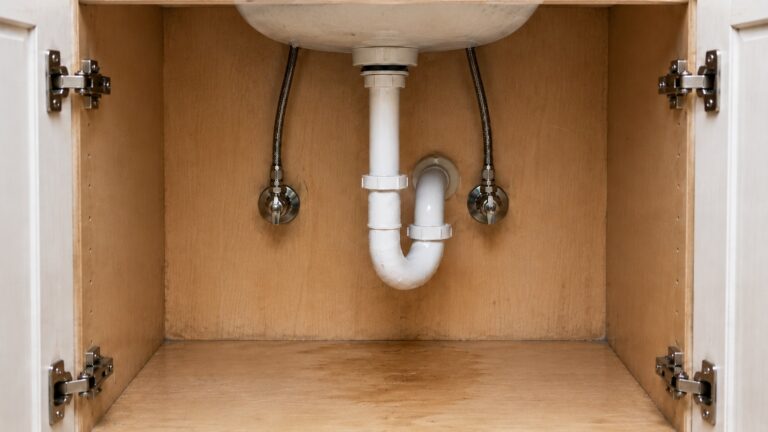
- Pipe penetrations
- Attic access panels
- Unsealed ceiling joints
These bypasses matter most in cold weather, when escaping indoor air can condense on the underside of roof sheathing before the homeowner sees any ceiling stain.
Repeated Moisture Cycles Increase Damage Risk
Moisture problems rarely result from a single event. Instead, condensation often occurs repeatedly under the same conditions.
Typical moisture cycles include:
- Warm air entering attic spaces
- Condensation forming on cold surfaces
- Moisture partially drying
- New condensation forming during the next cycle
Over time, these repeated cycles lead to persistent moisture conditions that affect insulation performance and structural materials.
Air Leakage From Living Spaces Is the Most Common Cause
Air leakage from living spaces is one of the leading causes of hidden attic moisture. Small gaps in ceilings allow warm, humid air to escape into the attic, where it condenses on cooler surfaces.
Because these leaks are often hidden behind fixtures or inside walls, they may remain undetected for years.
Recessed Lighting Fixtures Allow Moisture Escape
Recessed lighting fixtures frequently create gaps between living spaces and attic areas. Older fixtures may not be properly sealed, allowing air movement around their edges.
These gaps allow moisture to:
- Enter insulation layers
- Condense on nearby wood surfaces
- Accumulate around electrical housings
- Spread into surrounding materials
Over time, repeated condensation around lighting fixtures may lead to localized insulation damage and mold growth.
Attic Access Panels Often Leak Air
Attic access doors and hatches commonly allow air movement into attic spaces. Poor sealing around these openings creates a direct pathway for indoor air to escape.
Typical problems associated with access panels include:
- Unsealed edges
- Loose-fitting covers
- Missing insulation barriers
- Gaps between framing materials
These openings often become major contributors to attic humidity buildup.
Pipe and Wiring Penetrations Create Hidden Air Paths
Small openings created for plumbing pipes and electrical wiring frequently allow air leakage into attic spaces. Because these penetrations are often hidden beneath insulation, they may not be visible during routine inspections.
Air leakage through these openings can lead to:
- Localized condensation beneath insulation
- Wet insulation patches
- Rust formation on metal fasteners
- Moisture migration along framing surfaces
Once moisture accumulates in these areas, inspection methods in how to detect hidden moisture in attics can help confirm whether hidden air paths are active.
Poor Attic Ventilation Traps Moisture Inside
Attic ventilation reduces moisture by moving air from intake vents to exhaust vents. When that path is blocked, undersized, or unbalanced, humid air lingers long enough for condensation to form on cold roof surfaces.
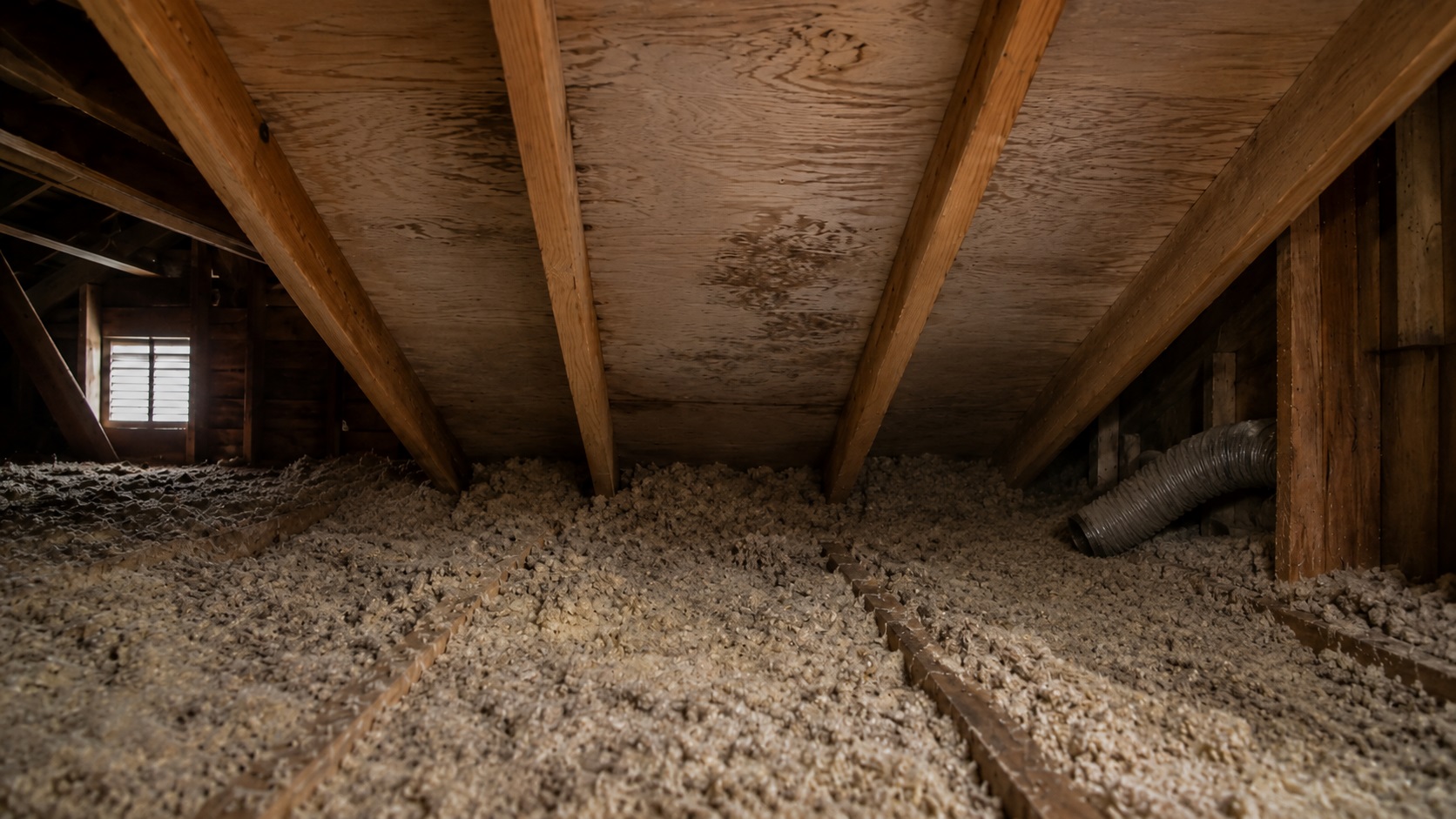
Ventilation problems often develop gradually, so the first clues may be damp insulation, rusty nails, frost, or dark roof sheathing. Those warning signs are covered more fully in signs of moisture caused by ventilation failure.
Blocked Soffit Vents Restrict Incoming Airflow
Soffit vents provide intake air that allows attic ventilation systems to function properly. When these vents become blocked, airflow decreases and moisture remains trapped inside the attic.
Common causes of soffit blockage include:
- Insulation covering vent openings
- Dust or debris buildup
- Bird, wasp, or rodent nesting material inside vent channels
- Improper insulation installation near eaves
Without sufficient intake airflow, warm, humid air cannot be replaced with fresh outdoor air. This creates stagnant conditions that encourage condensation formation.
Clogged Ridge Vents Reduce Exhaust Efficiency
Ridge vents allow moist air to exit the attic. When ridge vents become clogged, trapped moisture accumulates beneath the roof structure.
Clogging often occurs due to:
- Dust accumulation
- Roof debris
- Insect or pest activity
- Deterioration of vent materials
In many older homes, mesh-style ridge vents are more prone to clogging over time. Reduced airflow from clogged ridge vents allows moisture to remain trapped beneath roof decking and insulation layers.
Unbalanced Ventilation Systems Create Moisture Zones
Ventilation systems must maintain balance between intake and exhaust airflow. When airflow becomes unbalanced, certain areas of the attic may receive insufficient ventilation.
This imbalance can produce:
- Localized moisture accumulation
- Uneven temperature distribution
- Persistent condensation in isolated zones
- Increased risk of mold growth
When moisture collects in specific areas rather than across the entire attic, ventilation imbalance is often responsible.
Roof Leaks Introduce Direct Water Into Attic Spaces
Roof leaks are a separate cause of attic moisture because they introduce liquid water directly into the attic. Small leaks may run along roof decking, rafters, or insulation before a ceiling stain appears, which can make the moisture source look like condensation at first.
Flashing Failures Around Roof Features
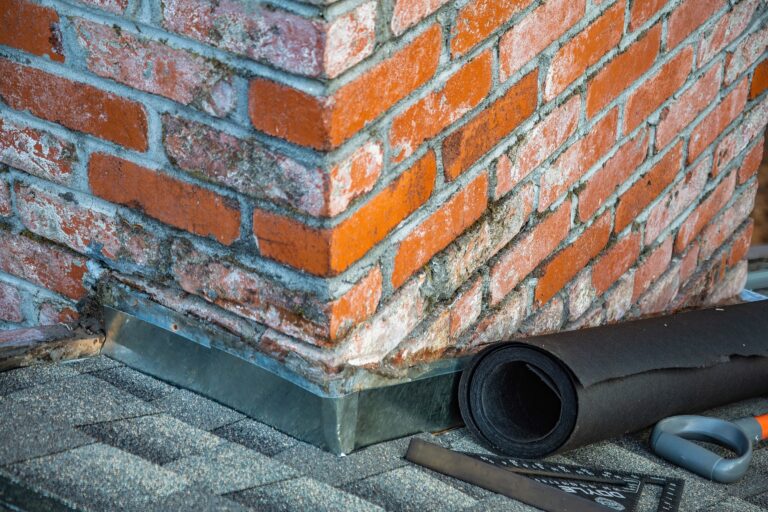
Flashing protects roof penetrations and joints from water entry. When flashing materials deteriorate or shift out of position, water can seep into attic spaces.
Flashing-related leak locations commonly include:
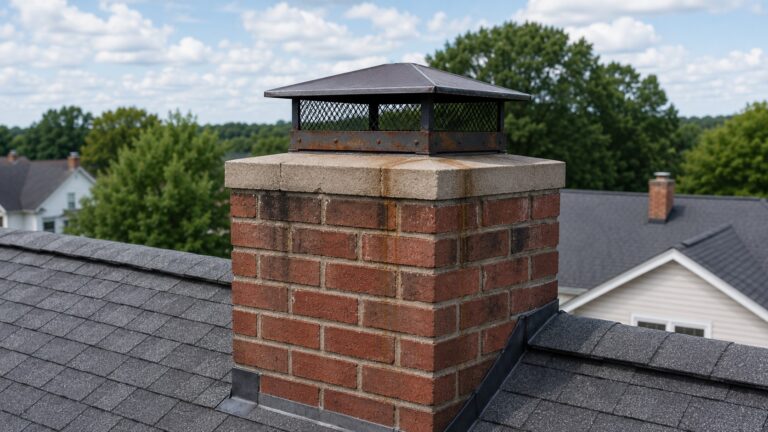
- Chimneys
- Roof valleys
- Skylights
- Vent pipe bases
- Roof transitions
Leaks originating from flashing failures often produce localized moisture zones beneath specific roof sections.
Damaged Roofing Materials Allow Water Entry
Roof coverings deteriorate over time due to weather exposure. When shingles crack, lift, or lose protective granules, water can penetrate beneath roofing materials.
Typical damage patterns include:
- Broken or missing shingles
- Loose roofing materials
- Granule loss exposing underlying layers
- Worn seal strips
These failures allow water to enter slowly, spreading across attic surfaces before reaching insulation.
Minor Leaks Can Create Major Long-Term Damage
Small leaks often appear harmless initially but can produce significant moisture accumulation over time. Because moisture spreads across wood surfaces, it may travel far from the original leak location.
Common outcomes of slow leaks include:
- Hidden moisture beneath insulation
- Gradual wood deterioration
- Rust formation on fasteners
- Persistent damp conditions
Once insulation begins showing symptoms of moisture exposure, the problem may already be well established. Many of these visible changes are described in signs of moisture in attic insulation.
Improper Exhaust Venting Adds Large Amounts of Moisture
Exhaust systems remove humid air from kitchens, bathrooms, and laundry areas. When exhaust ducts fail to discharge moisture outdoors, large volumes of humid air enter the attic.
Any exhaust duct that vents into the attic instead of outdoors should be treated as an active moisture source, not just a ventilation detail.
Bathroom Exhaust Fans Venting Into Attics
Bathroom exhaust fans generate large amounts of moisture during showers and baths. When these fans vent directly into attic spaces rather than outdoors, moisture accumulates rapidly.
Typical warning signs of improper bathroom venting include:
- Damp insulation near duct outlets
- Condensation forming on duct surfaces
- Localized mold growth
- Rusting fasteners near duct termination points
Repeated moisture discharge from bathroom vents can saturate insulation quickly.
Loose or Disconnected Exhaust Ducts
Exhaust ducts may become disconnected over time due to vibration or improper installation. When this occurs, moisture escapes into attic spaces instead of exiting the home.
Loose ducts often produce:
- Localized condensation around connections
- Wet insulation beneath ducts
- Visible moisture streaking
- Persistent humidity buildup
Even minor duct separation can release significant moisture into attic environments.
Dryer Vents Contribute High Moisture Loads
Clothes dryers release large amounts of moisture during operation. If dryer vents terminate inside attic spaces, the resulting humidity can quickly overwhelm ventilation systems.
Moisture from dryer vents may produce:
- Widespread damp insulation
- Condensation on roof surfaces
- Rapid mold development
- Persistent attic humidity
Because dryer exhaust contains warm, humid air, improper venting often accelerates moisture-related damage.
High Indoor Humidity Increases Attic Moisture Load
Indoor humidity can overload an attic even when the roof is not leaking. Cooking, bathing, laundry, humidifiers, and crowded living conditions all add water vapor to indoor air. If that humid air leaks through ceiling gaps, the attic receives more moisture than ventilation alone may remove.
Daily Household Activities Produce Significant Moisture
Normal household routines release moisture continuously. Over time, these moisture sources add up and increase attic humidity exposure.
Common indoor moisture sources include:
- Cooking meals
- Boiling water
- Showering and bathing
- Laundry washing and drying
- Dishwashing
- Indoor plant watering
- Aquariums
- Humidifier use
When indoor humidity increases, attic moisture risk rises — especially if air sealing or ventilation systems are inadequate.
Seasonal Changes Can Make the Problem Appear and Disappear
Attic moisture often becomes most noticeable during cold weather because roof sheathing, nails, and framing stay colder than the air leaking from the rooms below. The same attic may look drier later, even though the air leaks or ventilation problems that caused the moisture are still present.
Insulation Mistakes Can Trap Moisture or Block Airflow
Insulation installation quality significantly affects attic airflow and moisture behavior. Improper installation can trap moisture and block ventilation pathways.
Even well-intended insulation upgrades can unintentionally create moisture problems when airflow paths are restricted.
Insulation Blocking Soffit Vents
One of the most common installation errors occurs when insulation blocks soffit vents. Without clear intake airflow, ventilation systems cannot remove moisture effectively.
This condition leads to:
- Stagnant air inside attic spaces
- Increased condensation formation
- Localized damp insulation
- Persistent humidity buildup
Blocked soffits often develop gradually and may remain unnoticed until moisture symptoms appear.
Uneven Insulation Coverage Creates Temperature Imbalances
Gaps or uneven insulation coverage allow temperature differences to develop across attic surfaces. These temperature differences increase condensation risk.
Typical uneven coverage issues include:
- Thin insulation layers in certain areas
- Gaps near framing components
- Compressed insulation reducing airflow
- Missing insulation sections
These conditions create cold spots where condensation forms more easily.
Improper Insulation Depth Reduces Moisture Control
Insulation depth plays an important role in regulating temperature differences between indoor and attic environments. Insufficient insulation allows heat to escape into the attic, increasing condensation risk.
Low insulation depth may produce:
- Higher attic humidity levels
- Cold surface formation
- Increased frost buildup
- Repeated condensation cycles
When insulation depth falls below recommended levels, attic moisture risk increases significantly.
Attic Layout Can Create Moisture Pockets
Some attics trap moisture because their layout creates areas where air does not move evenly. Valleys, intersecting roof planes, low slopes, and poorly placed vents can leave certain sections colder, stiller, or slower to dry than the rest of the attic.
Complex Roof Designs Create Airflow Challenges
Roofs with multiple slopes, valleys, or intersecting surfaces often create areas with restricted airflow. These locations may trap moisture more easily than simpler roof structures.
Common design-related moisture risks include:
- Multiple roof valleys
- Intersecting roof planes
- Irregular ventilation paths
- Hidden airflow pockets
These structural complexities increase the likelihood of localized condensation zones.
Low Roof Slopes Slow Moisture Drainage
Low-sloped roofs drain water more slowly than steep roofs. When water remains on roof surfaces longer, the chance of leakage increases.
Moisture risks associated with low slopes include:
- Water lingering longer on roof surfaces
- Slower drying cycles
- Greater flashing stress
- Higher leak probability
These conditions increase the potential for hidden attic moisture formation.
Why Attic Moisture Problems Often Return After Repairs
Attic moisture often returns after repairs because the visible damage was corrected but the moisture source remained. Replacing insulation, cleaning mold, or repainting a ceiling will not solve the problem if warm air is still leaking upward, vents are still blocked, or a roof leak is still active.
This recurring pattern is part of a broader moisture-control problem explained in why moisture problems keep returning.
Multiple Causes Often Exist at the Same Time
Attic moisture problems rarely result from a single failure. Instead, several contributing factors usually work together to create moisture conditions.
For example:
- Air leakage allows warm air into the attic
- Ventilation is insufficient to remove moisture
- Cold weather increases condensation
- Insulation traps moisture against structural materials
If only one of these factors is addressed, moisture conditions may return quickly.
Temporary Fixes May Hide the Real Cause
Some repairs treat symptoms rather than addressing the root cause. For example, replacing wet insulation without correcting airflow problems often leads to repeated moisture buildup.
Common temporary fixes include:
- Replacing insulation without sealing air leaks
- Cleaning mold without correcting ventilation problems
- Repairing ceiling stains without fixing roof leaks
- Installing fans without improving airflow balance
Long-term success depends on identifying the original source of moisture. Detection techniques in how to detect hidden moisture in attics help confirm whether moisture sources remain active.
Seasonal Conditions Can Trigger Recurring Moisture
Some attic moisture problems appear seasonal because environmental conditions change throughout the year. Winter condensation cycles, summer humidity increases, and spring storms can all trigger moisture buildup.
Seasonal recurrence patterns often indicate:
- Temperature-driven condensation cycles
- Insufficient ventilation during cold weather
- Humidity overload during warm seasons
- Roof vulnerabilities exposed during storms
Recognizing seasonal patterns helps identify the root causes responsible for recurring moisture problems.
What to Check After You Understand the Cause
Once the likely cause is clear, check whether the moisture has already affected insulation, roof sheathing, fasteners, or framing. The inspection process is explained in how to inspect attic areas for moisture damage.
After the affected areas are confirmed, use targeted prevention steps instead of general cleanup. Those measures are explained in how to prevent moisture build-up in attics.
Key Takeaways
- Hidden attic moisture often starts when warm indoor air leaks upward and condenses on cold roof sheathing, nails, ducts, or framing.
- Ceiling penetrations, attic hatches, recessed lights, pipe openings, and wiring gaps are common air-leak paths.
- Blocked soffit vents, clogged ridge vents, and unbalanced ventilation can trap moisture inside the attic.
- Roof leaks and exhaust ducts that vent into the attic introduce moisture directly and should not be treated as normal humidity problems.
- Insulation mistakes can block airflow, create cold spots, or hide damp materials until damage becomes more visible.
- Attic moisture often returns when visible damage is fixed but the air leak, venting problem, roof leak, or exhaust issue remains active.
FAQ — Why Attics Develop Hidden Moisture Problems
What is the most common cause of attic moisture?
The most common cause is air leakage from living spaces combined with poor ventilation. Warm indoor air enters the attic and condenses on cold surfaces, creating repeated moisture cycles.
Can attic moisture happen without roof leaks?
Yes. Many attic moisture problems occur without leaks. Condensation caused by air leakage, humidity buildup, and ventilation failure is often responsible.
Why is attic moisture worse during winter?
Winter increases condensation risk because warm indoor air meets cold attic surfaces. Frost forms during cold conditions and melts later, creating repeated wetting cycles.
Can an attic have moisture even if the vents look open?
Yes. Vents may look open from the outside while insulation blocks soffit airflow, ridge vents clog with debris, or air leaks from the house add more moisture than the ventilation system can remove.
Why does attic moisture return after insulation is replaced?
New insulation will get damp again if the original cause remains. Air leaks, blocked soffit vents, roof leaks, or exhaust ducts venting into the attic can keep adding moisture even after damaged insulation is removed.