
Signs Water Is Collecting in Your Crawl Space
Water in a crawl space is not always obvious when you first look for it. Some crawl spaces only flood after heavy rain, while others show indirect signs such as muddy soil, wet vapor barriers, water stains, sagging insulation, rust, musty odors, or higher indoor humidity.
The clearest warning is visible pooling, but the more useful clues are the marks water leaves behind after it drains, evaporates, or soaks into the soil. This guide focuses on the signs that water is collecting in your crawl space, not the full repair process.
Standing water often enters through structural gaps that allow water into crawl spaces, especially when exterior drainage pushes water toward the foundation. If water keeps returning after rain, the issue may also connect to broader crawl space drainage problems.
Why Water Collecting in a Crawl Space Is a Serious Warning Sign
Water collecting in a crawl space is not normal. Damp soil may appear briefly after heavy rain, but puddles, water stains, wet vapor barriers, sagging insulation, rust, or repeated musty odors show that moisture is entering faster than the space can drain or dry.
The longer water remains below the home, the more likely it is to raise indoor humidity, support mold growth, damage insulation, and keep wood framing damp. If mold-like odors or discoloration are already present, compare those symptoms with signs of mold growth in crawl spaces.
Repeated water after storms may also point to drainage or foundation problems. If the pattern appears mainly after heavy rainfall, the cause may be similar to the conditions explained in why crawl spaces flood during heavy rain.
Most Common Visible Signs Water Has Collected in a Crawl Space
Water collecting in a crawl space often leaves visible clues before severe damage develops. Some signs are obvious, such as puddles or wet soil, while others appear as stains, sagging materials, rust, or damp surfaces.
Even if you do not enter your crawl space regularly, visible damage inside the home may still point to water accumulation beneath the structure. When signs appear, combining visual inspection with guidance from how to detect water intrusion in crawl spaces can help confirm whether standing water is present.
Water Pooling on Crawl Space Floors
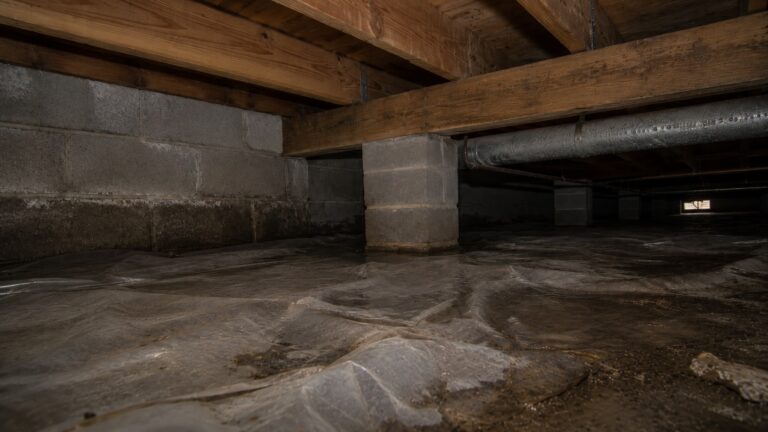
The most obvious sign of standing water is visible pooling on the crawl space floor. This water typically collects in low areas where soil has settled or where drainage is limited. Pools may range from shallow puddles to several inches of water, depending on how much water has entered the space.
Safety note: Do not enter a crawl space if water is near electrical wiring, outlets, HVAC equipment, sewage, fuel lines, or unknown contamination. In those situations, inspect from the access opening and call a qualified professional.
Standing water usually appears near:
- Foundation walls
- Low areas in the crawl space floor
- Locations where water enters through cracks
- Areas below exterior drainage outlets
In some cases, standing water appears only after rainfall or snowmelt. If puddles form repeatedly during storms, this strongly suggests that water is entering from outside rather than developing from condensation alone.
Even shallow water accumulation should be taken seriously. Water that remains in place for more than a day or two often indicates poor drainage or a blocked water exit path.
Mud or Soil Displacement
Standing water does not remain perfectly still. As water moves across soil surfaces, it changes the appearance and structure of the ground beneath the home. Mud formation is a common sign that water has been present long enough to saturate soil.
Look for:
- Wet, sticky soil that remains soft
- Muddy patches where dry soil should be present
- Soil that appears washed away or uneven
- Small channels formed by flowing water
These signs suggest that water is not only entering the crawl space but also moving across the soil. That pattern often points to drainage or grading problems rather than simple humidity.
Wet or Floating Vapor Barriers
Many crawl spaces contain plastic vapor barriers placed over the soil to reduce moisture evaporation. These barriers provide one of the clearest indicators of standing water. When water collects above or below the plastic, it changes the way the material behaves.
Visible warning signs include:
- Water pooling on top of the vapor barrier
- Plastic appearing wrinkled or lifted
- Sections of plastic floating above the soil
- Water trapped beneath the barrier
If water appears under the vapor barrier, groundwater or poor subsurface drainage may be involved. If water collects on top of the barrier, it may be entering from foundation edges, vents, plumbing leaks, or drainage paths above the plastic.
Persistent vapor barrier moisture usually indicates larger drainage concerns that should be evaluated alongside how to inspect crawl space drainage systems, especially if water returns after rainfall.
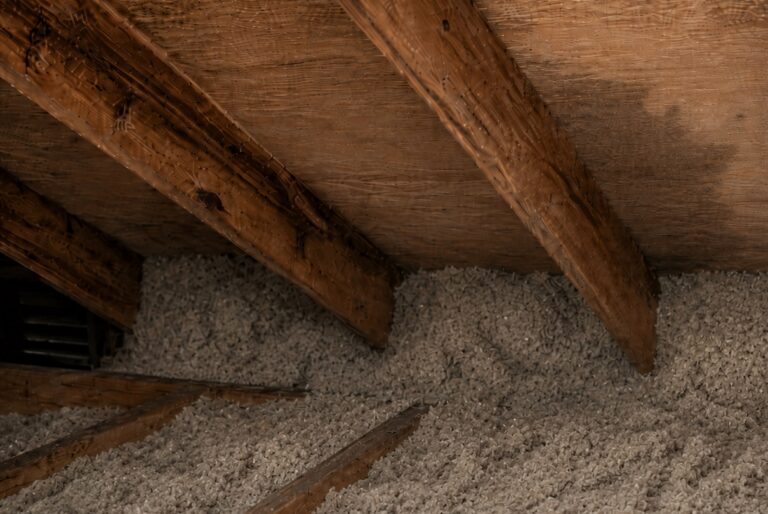
Sagging or Detached Insulation
Crawl space insulation is highly vulnerable to water exposure. Most insulation materials are lightweight and absorb moisture easily. Once wet, insulation becomes heavy and begins to sag or detach from its original position.
Signs of insulation damage include:
- Insulation hanging loosely from joists
- Wet or compressed insulation materials
- Insulation resting on the ground
- Darkened or stained insulation surfaces
Wet insulation loses its thermal effectiveness and may trap moisture against structural wood. This creates conditions that accelerate mold growth and wood deterioration.
If insulation damage is visible, it often means water has been present for an extended period rather than a single short-term event.
Water Stains on Foundation Walls
Standing water often leaves visible marks on foundation walls. These stains form as water evaporates and leaves behind mineral deposits or discoloration patterns. Over time, repeated exposure creates noticeable lines or patches on masonry surfaces.
Typical signs include:
- Dark vertical streaks on foundation walls
- White mineral deposits known as efflorescence
- Water lines showing previous flood height
- Peeling or flaking surface coatings
These marks provide valuable clues about how high water levels have reached in the past. If stains continue to appear after rainfall, water intrusion is likely recurring rather than isolated.
Rusting Metal Components
Metal parts inside crawl spaces react quickly to moisture. When standing water remains present, exposed metal begins to corrode. Rust formation is often one of the earliest signs of long-term moisture exposure.
Look for rust on:
- Metal support columns
- Fasteners and brackets
- Ductwork components
- Plumbing connections
Rust may appear as small surface discoloration at first, but it gradually spreads if moisture persists. Over time, corrosion weakens structural connections and increases maintenance costs.
Persistent Damp Surfaces
Even when standing water is not immediately visible, surfaces inside the crawl space may remain damp to the touch. Persistent dampness often indicates that water recently accumulated and has not fully dried.
Common areas where dampness appears include:
- Wood framing near the ground
- Foundation wall surfaces
- Vapor barrier edges
- Low areas in the crawl space floor
Surfaces that remain damp for extended periods typically signal repeated moisture exposure rather than a single isolated event. If dampness continues, it may lead to mold growth or structural damage over time.
Visible clues are the strongest evidence, but water does not always remain in sight. Some crawl space water problems first show up as odors, humidity changes, condensation, flooring changes, or mold-like symptoms inside the home.
Hidden Signs Water Is Collecting Beneath the Home
Standing water in crawl spaces is not always visible. In many homes, access is limited, lighting is poor, or water collects in areas that are difficult to reach. Because of this, hidden warning signs often appear inside the home before puddles are discovered beneath it.
Recognizing these indirect indicators is important, especially if crawl space inspections are infrequent. If you suspect water accumulation but cannot see it directly, comparing symptoms with those described in signs of moisture in crawl spaces can help confirm whether underlying water problems are developing.
Persistent Musty Odors Inside the Home
One of the earliest hidden signs of standing water is a musty smell that spreads through living spaces. Crawl spaces sit directly below floors, allowing moisture odors to travel upward through gaps, cracks, and ventilation openings.
These odors often:
- Appear stronger during humid weather
- Become noticeable after rainfall
- Remain even after cleaning indoor surfaces
- Develop gradually over time
Musty smells typically form when moisture remains trapped long enough to support microbial growth. Even without visible mold, damp materials beneath the home can release odors that signal standing water below.
If musty odors persist despite cleaning or ventilation improvements, standing water may be present beneath the structure. In these cases, moisture may also be supporting early mold development similar to the conditions described in signs of mold growth in crawl spaces.
Higher Indoor Humidity Levels
Standing water significantly increases humidity beneath the home. As water slowly evaporates, moisture enters the crawl space air and gradually rises into living areas. Over time, indoor humidity levels may increase enough to create noticeable comfort problems.
Signs of elevated humidity include:
- Air feeling damp or heavy indoors
- Windows developing condensation
- Floors feeling cool or slightly damp
- Indoor humidity readings rising unexpectedly
Even moderate standing water can increase humidity throughout the home. Because crawl spaces are enclosed environments, evaporation occurs slowly but continuously. This slow release of moisture creates persistent humidity that may be difficult to identify without careful observation.
Condensation on Structural Wood or Surfaces
Condensation is another hidden indicator of standing water. When warm, humid air contacts cooler surfaces inside crawl spaces, moisture condenses into visible droplets. This process creates a damp environment even when water is not immediately visible.
Common locations where condensation appears include:
- Wood joists and beams
- Metal ductwork
- Foundation walls
- Plastic vapor barriers
Repeated condensation suggests that humidity levels remain high for extended periods. Since standing water continuously releases moisture into the air, condensation often develops before visible mold or rot begins.
If condensation appears frequently, it may indicate persistent moisture conditions similar to those explained in why crawl spaces stay damp, especially when water remains trapped beneath the home.
Soft or Warped Flooring Above the Crawl Space
Standing water beneath the home can affect flooring materials above it. Moisture traveling upward through subflooring gradually weakens wood components. As wood absorbs moisture, it may expand and lose structural stability.
Signs of moisture-related flooring problems include:
- Soft or spongy floor areas
- Warped or uneven floor surfaces
- Squeaking that develops unexpectedly
- Sections of flooring that feel unstable
These changes usually occur slowly, making them easy to overlook at first. However, if flooring behavior changes after periods of rain or humidity, standing water below the home may be responsible.
Flooring changes should be evaluated alongside structural moisture indicators described in signs of moisture damage in crawl space joists, since joist damage often develops beneath affected flooring.
Unexplained Mold Growth Inside Living Areas
Standing water in crawl spaces frequently contributes to mold growth inside living spaces. Moisture rising from below creates ideal conditions for mold to develop on walls, baseboards, or flooring materials.
Mold growth may appear:
- Near floor-level surfaces
- Behind furniture placed against exterior walls
- Inside closets or low-airflow areas
- Along baseboards and lower wall sections
When mold appears without an obvious interior leak, crawl space moisture should be considered as a possible source. Moisture moving upward from standing water can create mold-friendly conditions in areas far from the original water accumulation.
Sudden Increase in Pest Activity
Standing water often attracts pests seeking moisture sources. Insects and rodents are drawn to damp environments where water and shelter are available. Increased pest activity inside the home may indicate moisture conditions below the structure.
Common pest-related warning signs include:
- Increased insect presence indoors
- Evidence of rodents beneath flooring
- Unusual pest activity after rainfall
- Visible nesting materials near crawl space access points
Pests often exploit crawl space conditions before homeowners notice structural moisture damage. While pest presence alone does not confirm standing water, it frequently appears alongside other moisture-related symptoms.
Persistent Damp Odors After Rainfall
If damp smells appear only after storms, this strongly suggests that water is entering the crawl space during rainfall events. These odors typically fade slowly as moisture evaporates, then return during the next rain cycle.
This repeating pattern indicates water intrusion rather than isolated condensation. Repeated moisture exposure increases the likelihood of standing water accumulating beneath the home.
Hidden signs become more meaningful when they appear after storms. A repeating rain-related pattern usually points to water entry from outside rather than an isolated indoor humidity problem.
Signs Water Collects After Rainfall
Standing water in crawl spaces often follows predictable patterns tied to weather events. Many homeowners notice problems only after heavy rain, snowmelt, or long periods of wet weather. Recognizing these patterns helps confirm that water is entering from outside sources rather than forming from indoor humidity alone.
Water Appearing Shortly After Storms
If standing water appears consistently after rainfall, it usually indicates drainage or grading problems around the home. This pattern often develops gradually, beginning with damp soil and eventually progressing to visible pooling.
Watch for:
- Puddles appearing within hours of rainfall
- Wet soil developing along foundation edges
- Water collecting in the same location after each storm
- Standing water that remains for days after rain ends
These repeated patterns strongly suggest water intrusion rather than isolated moisture buildup. The underlying causes are often explained in why crawl spaces flood during heavy rain, especially when exterior water flow overwhelms existing drainage paths.
Wet Foundation Walls After Rainfall
Foundation walls provide valuable clues about water entry patterns. When water accumulates outside the home, it often seeps through small cracks or porous materials. Wet foundation surfaces are one of the most reliable indicators that water is entering from exterior sources.
Typical warning signs include:
- Darkened foundation wall surfaces
- Moisture streaks forming vertically
- Water droplets forming along wall joints
- Repeated dampness near corners
If foundation surfaces remain wet after storms, water may be collecting outside the structure and forcing its way inward. These signs often appear before full flooding occurs.
Exterior Drainage Problems Near the Foundation
Standing water in crawl spaces is frequently linked to visible drainage problems outside the home. Water flowing toward the structure instead of away from it greatly increases the likelihood of crawl space flooding.
Common exterior warning signs include:
- Water pooling near foundation walls
- Clogged or overflowing gutters
- Downspouts discharging water too close to the home
- Soil sloping toward the structure instead of away
If these conditions exist, standing water beneath the home is likely to recur. Addressing exterior drainage conditions is often necessary to prevent future flooding, as described in how to prevent standing water in crawl spaces.
When Water Collecting in a Crawl Space Becomes Dangerous
Some signs mean the crawl space needs prompt attention instead of continued observation.
Water Depth Continues to Increase
If water depth increases after each rainfall, the situation is becoming progressively more dangerous. Rising water levels indicate that drainage pathways are failing or blocked.
Danger signs include:
- Water depth exceeding one inch
- Water reaching insulation materials
- Water contacting structural wood
- Water spreading to new areas
Increasing water levels suggest that corrective action should be taken promptly.
Water Remains for More Than 48 Hours
Water that remains for extended periods creates an environment suitable for mold and structural damage. In most crawl spaces, standing water should begin draining or evaporating shortly after rainfall ends.
If water persists longer than two days, it usually indicates:
- Poor drainage
- Blocked outlets
- High groundwater pressure
- Improper grading
Persistent standing water requires careful evaluation and often professional assistance.
Electrical or Mechanical Systems Are Exposed
Crawl spaces sometimes contain electrical wiring, outlets, or mechanical systems such as pumps or heaters. Water contact with these systems creates immediate safety hazards.
Situations requiring urgent attention include:
- Water reaching electrical outlets
- Submerged wiring
- Water contacting heating or cooling equipment
- Visible corrosion near electrical components
In these cases, avoid entering the crawl space until it has been professionally assessed.
When to Call a Professional
Some crawl space water problems can be addressed through drainage improvements, but others require professional evaluation. Knowing when to seek help prevents small issues from becoming major structural repairs.
Consider contacting a professional if:
- Standing water returns after every rainfall
- Water depth increases over time
- Mold growth becomes visible
- Structural materials appear weakened
- Water persists despite temporary drying efforts
- Water may contain sewage, floodwater, fuel, or unknown contamination
Professional inspection is often necessary to identify likely entry points and determine the most effective long-term solution. Inspection procedures described in how to inspect crawl space drainage systems help determine whether drainage systems are functioning properly.
Frequently Asked Questions About Water Collecting in Crawl Spaces
How long can standing water remain in a crawl space before damage occurs?
Damage timelines vary depending on temperature, humidity, and material exposure. In many cases, mold growth can begin within 24 to 48 hours if moisture remains present. Structural wood damage typically develops over longer periods but becomes more likely as moisture persists.
Is a small puddle normal in a crawl space?
Small puddles are not considered normal. Even minor water accumulation indicates that moisture is entering faster than it can drain. Repeated puddles suggest ongoing drainage problems that should be investigated.
Can standing water disappear on its own?
Standing water may evaporate or soak into the soil, but that does not mean the problem is fixed. If puddles return after rain, leave water marks, or keep the vapor barrier wet, the crawl space still has a drainage or water-entry problem.
Does standing water always cause mold?
Standing water does not always cause visible mold immediately, but it raises crawl space humidity and keeps nearby materials damp. Musty odor, dark spots on joists, wet insulation, or mold inside lower living areas are stronger signs that moisture has already started supporting mold growth.
How much water is considered dangerous?
Any amount of standing water should be treated seriously. Water depths greater than one inch, persistent moisture lasting more than two days, or water contacting structural materials significantly increases risk.
Key Takeaways
- Water collecting in a crawl space is always a warning sign of drainage or moisture problems.
- Visible puddles, mud, and wet insulation are common early indicators.
- Hidden symptoms such as musty odors and high humidity may appear before water is seen.
- Repeated flooding after rainfall usually signals exterior drainage failure.
- Water that persists longer than 48 hours significantly increases mold and structural risks.
- Professional inspection may be necessary when water keeps collecting, spreading, or returning after rain.
3 Comments
Comments are closed.