
Why Crawl Spaces Stay Damp
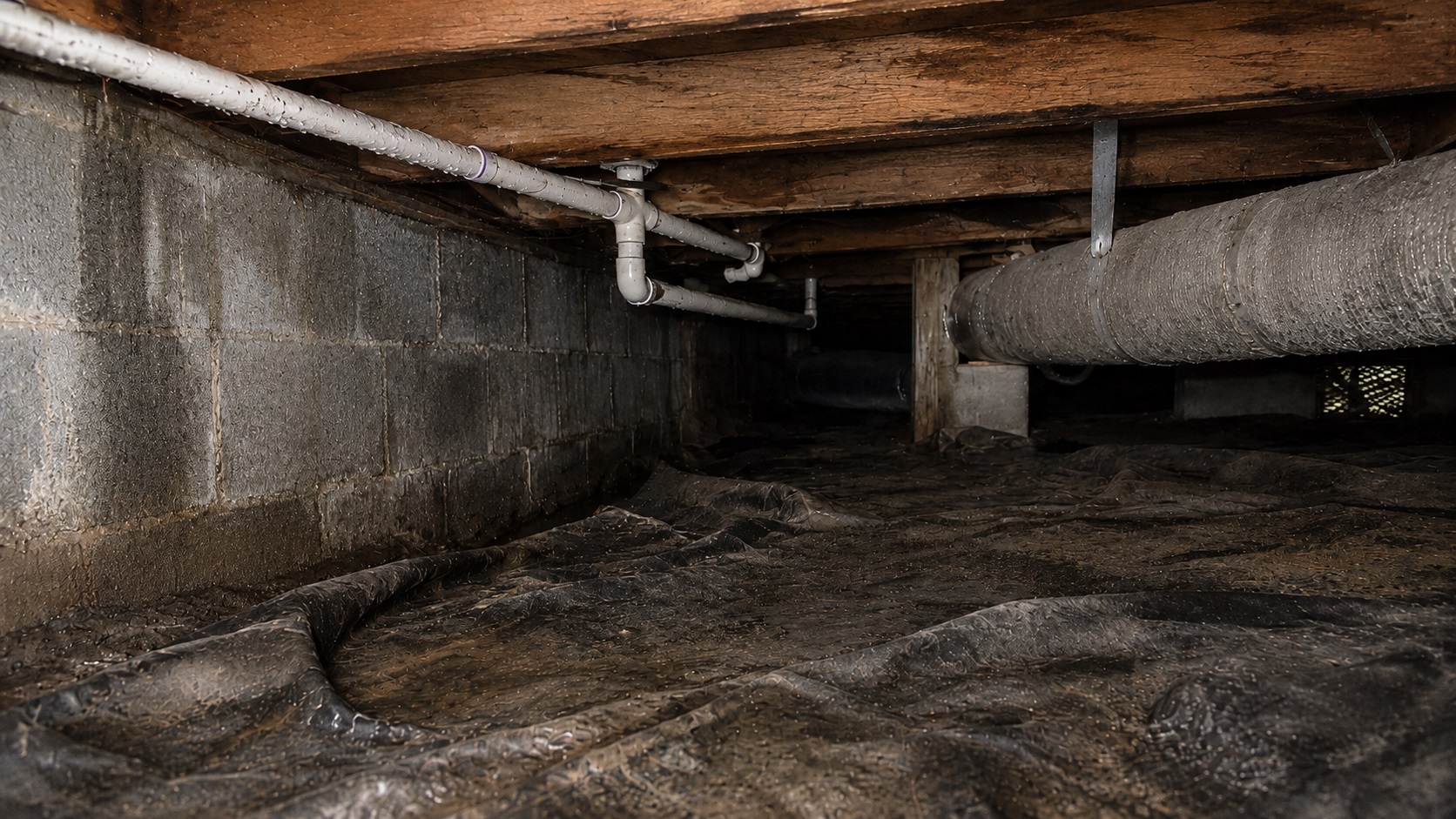
Crawl spaces stay damp when moisture keeps entering, remains trapped in materials, or returns faster than it can dry. Even after standing water is removed, soil vapor, wet insulation, condensation, poor airflow, and seasonal humidity can keep the space humid beneath the home.
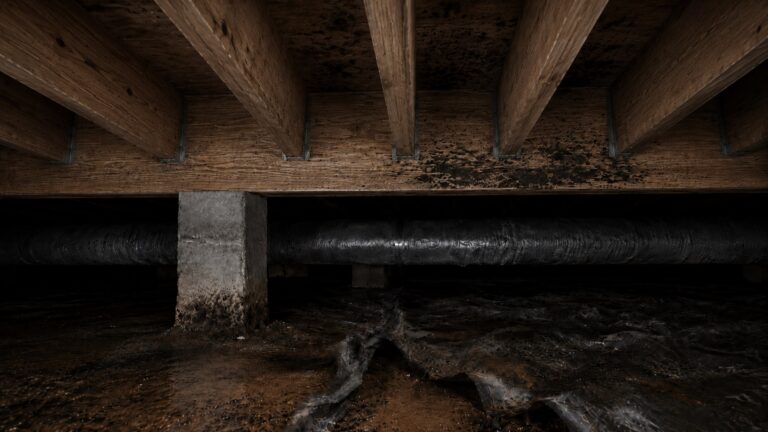
Persistent dampness is more than a nuisance. It can lead to mold growth, insulation failure, wood damage, musty odors, and declining indoor air quality. If you have already noticed visible moisture symptoms, reviewing signs of moisture in crawl spaces can help confirm whether damp conditions are still present.
Understanding why crawl spaces stay damp requires looking beyond one water event. In many cases, dampness continues because moisture sources remain active, drying conditions are incomplete, or crawl space materials keep releasing trapped moisture back into the air. This is one reason crawl space dampness often fits into the larger pattern of moisture problems that keep returning.
Why Crawl Spaces Rarely Dry Naturally
Unlike open living spaces, crawl spaces do not dry quickly on their own. Their enclosed design limits airflow and reduces exposure to sunlight, both of which help speed evaporation in other parts of the home. Without strong airflow and controlled humidity, moisture remains trapped beneath the structure.
Several natural characteristics make crawl spaces difficult to dry:
- Limited ventilation compared to open rooms
- Cool temperatures that slow evaporation
- Shaded conditions without direct sunlight
- Soil surfaces that release continuous moisture
- Restricted space that limits air movement
These conditions explain why simply removing standing water is rarely enough. Even when puddles disappear, moisture remains inside wood framing, insulation, and soil beneath the crawl space.
Time alone rarely solves a damp crawl space if the same soil vapor, humidity, airflow, or drainage conditions remain in place.
If drying steps were previously attempted but moisture returned, reviewing how to dry crawl spaces after moisture exposure may help identify areas where drying efforts were incomplete.
What to Check First in a Damp Crawl Space
Before assuming the entire crawl space has one moisture source, look for patterns. A damp crawl space often tells you where the moisture is coming from if you compare the ground, insulation, framing, pipes, ducts, vents, and foundation walls.
- Moist soil or droplets under plastic often point to ground vapor.
- Sagging or stained insulation often points to trapped water above the crawl space floor.
- Wet pipes or ducts often point to condensation.
- Damp areas near vents, corners, or foundation openings may point to airflow or drainage problems.
- Repeated dampness after rain may point to exterior grading, drainage, or water entry rather than humidity alone.
Ground Moisture That Never Stops Rising
One of the most overlooked reasons crawl spaces stay damp is continuous moisture rising from the soil below. Even when the ground appears dry on the surface, soil naturally contains moisture that slowly evaporates into the air. This process continues year-round, especially in areas with moderate to high rainfall.
Ground moisture becomes a long-term problem when crawl spaces lack complete vapor barriers or when existing barriers are damaged. Small tears, uncovered sections, or loose seams allow moisture vapor to enter the crawl space air continuously.
Common signs that ground moisture is contributing to persistent dampness include:
- Soil that feels cool or slightly moist
- Water droplets forming beneath plastic sheeting
- Humidity levels rising without visible water
- Damp odors that return even after drying efforts
Ground moisture often causes dampness to return gradually after initial drying. Even when fans and dehumidifiers remove moisture temporarily, vapor rising from soil can replace the lost moisture over time.
This steady moisture supply explains why damp crawl spaces may never fully dry without proper moisture control measures. Understanding the connection between ground moisture and mold risk is explained further in why mold forms in crawl spaces.
Poor Airflow That Traps Moisture
Airflow plays a major role in removing moisture from crawl spaces. When air movement is limited, moisture becomes trapped and humidity levels remain elevated. Even small airflow restrictions can significantly slow the drying process.
Poor airflow conditions commonly develop due to:
- Blocked or obstructed crawl space vents
- Insulation covering ventilation openings
- Structural walls dividing airflow paths
- Stored materials limiting air circulation
Without adequate airflow, moisture remains concentrated in specific areas rather than dispersing evenly. These localized damp zones often become the starting point for mold growth.
Airflow problems are especially common in crawl spaces with low ceilings or complex layouts. In these environments, air may circulate in some areas while remaining stagnant in others.
Even when fans are used temporarily, poor airflow pathways can limit their effectiveness. Air must move continuously across wet materials to support effective drying.
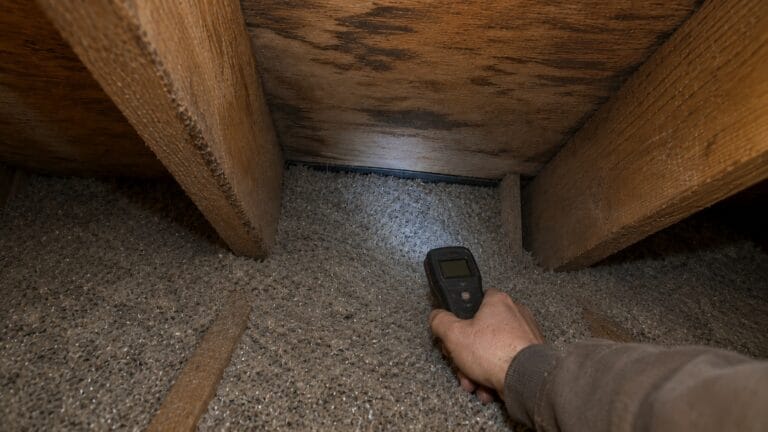
If moisture remains in certain areas despite previous drying attempts, reviewing how to detect hidden moisture in crawl spaces can help identify zones where airflow is insufficient.
When air stays stagnant, damp areas dry unevenly. One section of the crawl space may look acceptable while another remains humid enough to keep wood, insulation, or soil surfaces damp.
Wet Insulation Holding Moisture in Place
Wet insulation is one of the most common reasons crawl spaces stay damp long after visible water has been removed. Insulation materials can absorb and retain moisture, trapping humidity against nearby wood and preventing proper drying. In many homes, damp insulation becomes a hidden moisture source that continues releasing moisture back into the air.
Fiberglass insulation itself does not absorb water in the same way wood does, but it traps water between fibers and holds moisture against surrounding materials. Insulation with paper backing is particularly vulnerable because the paper surface provides organic material that supports mold growth.
Common signs that insulation may be contributing to persistent dampness include:
- Insulation that feels heavy or compressed
- Sagging insulation pulling away from joists
- Visible staining or mold on insulation backing
- Persistent damp odors even after drying attempts
When insulation remains wet, it prevents air from circulating freely across wood surfaces. This trapped moisture slows the drying process and keeps humidity levels elevated. In many cases, removing heavily saturated insulation allows drying to resume more effectively.
If mold begins forming on insulation or nearby materials, reviewing signs of mold growth in crawl spaces can help identify whether moisture has persisted long enough to support mold development.
Cold Surfaces That Create Ongoing Condensation
Condensation is another major factor that keeps crawl spaces damp. This occurs when warm, humid air contacts cooler surfaces such as pipes, ducts, or foundation walls. Water droplets form on these surfaces and drip onto surrounding materials.
Condensation-related dampness often appears in specific locations rather than throughout the entire crawl space. These localized wet areas can remain damp even when the rest of the space appears dry.
Common surfaces where condensation occurs include:
- Cold water pipes running beneath the home
- Metal air ducts carrying cooled air
- Foundation walls exposed to cooler temperatures
- Uninsulated structural components
Condensation may occur repeatedly whenever warm humid air enters the crawl space. This cycle can happen daily during certain seasons, especially in warm climates where outdoor humidity remains high.
Because condensation produces new moisture continuously, drying efforts alone may not solve the problem. Without addressing temperature differences or humidity sources, dampness often returns.
Seasonal Humidity Changes That Reintroduce Moisture
Seasonal humidity shifts frequently contribute to persistent crawl space dampness. During warmer months, outdoor air often contains higher moisture levels. When this humid air enters the crawl space, it increases moisture levels even if no water intrusion occurs.
Seasonal dampness patterns may include:
- Damp crawl spaces during summer months
- Increased humidity following heavy rainfall
- Moisture buildup during warm, humid weather
- Temporary drying during cooler seasons
These seasonal cycles explain why some crawl spaces appear dry part of the year but damp during specific months. Humidity-driven moisture changes often go unnoticed until mold or odors develop.
If dampness appears to follow predictable seasonal patterns, the problem may be related to recurring environmental conditions rather than isolated water events. Understanding these patterns helps explain why moisture returns even after successful short-term drying.
Structural Design That Traps Moisture
Some crawl spaces remain damp because their structural layout naturally traps moisture. Even when drying efforts are applied, certain design features make it difficult for air to circulate and moisture to escape. These structural limitations create areas where dampness lingers long after visible water disappears.
Common structural conditions that trap moisture include:
- Low-clearance crawl spaces that restrict airflow
- Multiple foundation compartments that block air movement
- Uneven ground surfaces that collect water
- Poorly graded soil beneath the structure
- Hidden cavities where moisture accumulates
These design features can create isolated damp zones that remain wet even when surrounding areas begin to dry. In some cases, moisture becomes concentrated in low areas beneath the home, especially where soil slopes unevenly.
When moisture collects repeatedly in the same locations, it may indicate that structural conditions are preventing proper drainage or airflow. These situations often require more than simple drying to resolve long-term dampness.
Why Dampness Returns After Drying
Many homeowners successfully dry their crawl space only to find that dampness returns weeks or months later. This cycle usually occurs when underlying moisture sources remain active or when drying efforts were incomplete.
Recurring dampness often follows a predictable pattern:
- Water enters the crawl space during rain or humidity events
- Drying efforts temporarily remove moisture
- Hidden moisture sources continue releasing vapor
- Dampness gradually returns over time
This repeating cycle explains why a crawl space may seem dry for a short time and then become damp again after rain, humid weather, or seasonal changes. Each time moisture reappears, wood, insulation, and exposed soil surfaces become more vulnerable to mold and structural damage.
If dampness repeatedly returns despite drying, identifying the root cause becomes essential. The same moisture cycles that keep a crawl space damp can also explain why mold forms in crawl spaces when wood, insulation, or exposed soil stay humid for too long.
When Persistent Dampness Becomes a Serious Risk
Persistent damp crawl spaces eventually create risks beyond a musty smell or a wet ground surface. When moisture remains present for extended periods, wood framing, insulation, and nearby materials beneath the home can begin to deteriorate.
Warning signs that dampness has become a serious concern include:
- Repeated mold growth despite previous cleaning
- Strong musty odors inside the home
- Wood framing that remains damp for weeks
- Insulation that frequently becomes wet
- Increasing humidity inside living areas
If the crawl space has sewage contamination, floodwater, electrical hazards, widespread mold, soft structural wood, or standing water near wiring or equipment, stop DIY inspection and call a qualified professional before entering.
At this stage, moisture conditions often affect more than the crawl space itself. Indoor air quality problems and structural deterioration may develop if dampness continues unchecked.
If these warning signs appear, reviewing how to fix persistent crawl space moisture problems can help determine when more permanent moisture control solutions are needed.
Key Takeaways
- Crawl spaces rarely dry naturally due to limited airflow and constant moisture sources.
- Ground moisture vapor is one of the most common causes of persistent dampness.
- Wet insulation can trap moisture and prevent complete drying.
- Condensation on cold surfaces creates localized damp zones.
- Seasonal humidity changes often reintroduce moisture.
- Recurring dampness usually indicates unresolved moisture conditions.
Frequently Asked Questions About Why Crawl Spaces Stay Damp
Why does my crawl space stay damp after drying?
Crawl spaces often remain damp because moisture sources such as soil vapor, condensation, or airflow problems continue introducing moisture after drying. Removing visible water does not eliminate hidden moisture sources.
Will opening crawl space vents make a damp crawl space dry out?
Opening vents may help in some dry conditions, but it can also bring humid outdoor air into the crawl space. If the outside air is damp, ventilation alone may keep humidity high instead of drying the space.
Does soil moisture cause crawl space dampness?
Yes. Soil beneath the crawl space releases moisture vapor continuously, especially when vapor barriers are missing or damaged. This steady vapor release is a major contributor to persistent dampness.
Why does humidity stay high in crawl spaces?
Humidity remains elevated when airflow is limited, moisture sources remain active, or environmental conditions introduce additional humidity. Poor ventilation and trapped air often prevent humidity from dropping.
Why does my house smell musty when the crawl space is damp?
Musty odors can move from a damp crawl space into living areas through floor gaps, plumbing penetrations, duct leaks, and air pressure differences. The odor does not always mean visible mold is present, but it does mean moisture conditions should be investigated.
Conclusion
Crawl spaces stay damp when soil vapor, trapped insulation moisture, condensation, poor airflow, seasonal humidity, or drainage conditions keep adding moisture faster than the space can dry. If dampness returns after repeated drying, the next step is not simply more fans. The moisture source, trapped materials, and airflow pattern need to be identified so the crawl space can stop cycling back into the same damp condition.

4 Comments
Comments are closed.