
How to Find the Source of Moisture in Your Home
Finding moisture in your home is only the first step. The more important question is where that moisture is actually coming from. A water stain, musty smell, damp baseboard, soft floor, or patch of mold may show you where moisture appeared, but it does not always show you where the problem started.
Moisture can travel behind drywall, under flooring, through insulation, along framing, down roof decking, across concrete, or behind trim before it becomes visible. That is why a ceiling stain may come from a roof leak, plumbing above the room, attic condensation, or old moisture that was never fully dried. A damp wall may come from a hidden pipe leak, exterior water intrusion, condensation, basement seepage, or high indoor humidity.
To find the source, start with the pattern: when the moisture appears, where it shows up first, what materials are reacting, and whether the area dries or keeps returning. If the problem affects several rooms or systems, it may also help to review how to find, fix, and prevent moisture problems in your home so you can place source detection inside the larger moisture-control process.
Why You Need to Find the Source Before Fixing the Damage
Many moisture repairs fail because the visible damage is treated before the source is identified. Painting over a stain, cleaning mold, replacing swollen trim, or drying a damp patch of carpet may make the area look better for a while, but the moisture will usually return if the original source is still active.
The source matters because each moisture problem follows a different pattern. A leaking supply line may keep a wall damp under pressure. A roof leak may appear only during wind-driven rain. Condensation may form only when humid air reaches a cold surface. Basement seepage may follow saturated soil, cracks, or porous masonry. High indoor humidity may affect several rooms without one obvious leak.
Before you repair the damaged material, work through four clues in order:
- When does the moisture appear?
- Where does it show up first?
- What materials are reacting to it?
- Does it dry out, spread, or keep returning?
These clues help separate symptoms from sources. Mold, stains, odors, peeling paint, and warped flooring show that moisture is or was present, but they do not prove whether the source is plumbing, roofing, condensation, humidity, groundwater, or exterior water intrusion.
If the problem is hidden inside a wall, floor, ceiling, basement, attic, or cabinet area, the source may not be visible from the room where the damage appears. In those cases, you may need to compare the symptom with the surrounding structure. For a broader location-based approach, see this guide on finding hidden moisture in different areas of your home.
Start With When the Moisture Appears
Timing is one of the strongest clues when tracing a moisture source. Dampness after rain points to a different problem than dampness after showering, running the dishwasher, using the air conditioner, or closing the house during humid weather.
Instead of starting with the stain itself, start with the pattern. Write down when the moisture gets worse, when it dries, and what happened beforehand: rain, fixture use, HVAC operation, high humidity, or a seasonal change.
Moisture That Appears After Rain
If moisture appears during or after rain, the source is often exterior water entry or groundwater pressure. Check the roof, flashing, siding, windows, exterior doors, foundation walls, basement floors, crawl spaces, gutters, downspouts, grading, and exterior drainage.
Rain-related moisture does not always appear immediately. Water can enter at one location and travel along framing, sheathing, insulation, or masonry before it shows up inside. A roof leak may stain a ceiling several feet away from the actual entry point. Water entering behind siding may appear as damp drywall near a window, baseboard, or exterior wall corner. Basement seepage may show up hours after heavy rain once the soil around the foundation becomes saturated.
Clues that point toward rain-related moisture include:
- Stains that darken after storms
- Dampness on exterior-facing walls
- Water marks below windows or doors
- Moisture near chimneys, roof valleys, skylights, or attic areas
- Basement dampness after heavy rain
- Efflorescence, damp concrete, or seepage along foundation walls
If ceiling moisture appears after storms, one of the next steps is to find roof leaks before mold forms before assuming the stain is only cosmetic. If the moisture is near an exterior wall, window, door, or siding area, the source may be related to how water enters homes through structural gaps rather than an indoor plumbing issue.
Moisture That Appears After Plumbing Use
If moisture appears after using a sink, toilet, shower, bathtub, washing machine, dishwasher, refrigerator water line, or other plumbing fixture, the source may be a supply line, drain line, seal, connection, valve, trap, hose, or hidden pipe. Plumbing-related moisture often follows use patterns. A drain leak may only appear when water is running. A supply leak may stay damp more consistently because the line is under pressure. A toilet seal leak may appear around the base after flushing or may slowly wet flooring underneath.
Look for moisture near:
- Bathrooms and kitchens
- Under sink cabinets
- Behind toilets
- Below showers and tubs
- Behind dishwashers and refrigerators
- Laundry rooms
- Walls or ceilings below plumbing fixtures
Plumbing leaks can be especially misleading because the visible moisture may be below or beside the actual leak path. Water can run down pipes, framing, or wall cavities before it stains drywall or flooring. If the damp area is near a wall that contains supply or drain lines, it may be worth learning how to detect plumbing leaks inside walls.
Moisture That Appears When the HVAC System Runs
If moisture appears when the heating or cooling system runs, the source may be related to condensation, drain lines, ducts, air handlers, humidity control, or airflow problems. Air conditioners remove moisture from indoor air, but that water must drain properly. If a condensate drain line clogs, a pan overflows, insulation is missing from cold ductwork, or airflow is restricted, moisture may collect around the HVAC system or nearby building materials.
HVAC-related moisture may show up as:
- Water near the indoor air handler
- Wet spots near HVAC closets
- Condensation on ductwork
- Musty odors when the system runs
- Ceiling stains near attic-mounted HVAC equipment
- Damp insulation around ducts or air handlers
- Humidity that stays high even when the air conditioner is running
This type of moisture is often confused with roof leaks or plumbing leaks because HVAC equipment may be located in attics, closets, basements, crawl spaces, or utility areas. The timing matters. If the moisture appears mostly during cooling cycles or humid weather, HVAC condensation or drainage should be part of the investigation.
Moisture That Changes With the Season
Seasonal moisture patterns often point to humidity, condensation, ventilation, insulation, or weather-related water entry. A problem that appears mostly in winter may involve cold-surface condensation, attic ventilation issues, window condensation, or warm indoor air reaching cold materials. A problem that gets worse in summer may involve high indoor humidity, crawl space humidity, basement dampness, air conditioning issues, or outdoor moisture entering the home.
Winter moisture commonly appears near cold surfaces such as windows, exterior wall corners, attic sheathing, roof framing, and poorly insulated areas. Summer moisture may appear in basements, crawl spaces, bathrooms, HVAC areas, closets, and rooms with poor airflow.
Seasonal clues are important because they help separate active leaks from environmental moisture. A wall that is damp only during cold weather may not be leaking from outside. It may be collecting condensation because warm indoor air is meeting a cold surface. A basement that feels damp every summer may be affected by humidity and vapor movement even without standing water.
Moisture That Never Fully Goes Away
Moisture that never fully dries is a warning sign. It may point to a slow hidden leak, trapped water inside materials, ongoing groundwater pressure, chronic humidity, failed ventilation, or incomplete drying after a previous leak. Even if the surface feels dry at times, the deeper material may still be damp.
Constant or recurring moisture may show up as:
- A musty smell that returns after cleaning
- A stain that slowly expands
- Mold that comes back in the same area
- Baseboards that stay swollen
- Flooring that remains soft or cupped
- Drywall that feels cool, soft, or damp
- Humidity that stays high despite normal ventilation
If moisture keeps returning after cleanup, drying, or repair, the issue may no longer be a simple one-time leak. It may be part of a recurring moisture pattern. In that case, the next step is to understand why moisture problems keep returning before replacing materials again.
Use the Location to Narrow Down the Source
After timing, use location to narrow the source. The place where you see dampness is not always where water entered, but it gives you a starting zone. A ceiling stain, damp baseboard, wet cabinet, musty closet, or soft floor each points toward a different set of likely moisture paths.
Ceiling Moisture
Ceiling moisture often points to something above the ceiling, but the exact source depends on what is located there. In a one-story home, ceiling moisture may come from a roof leak, attic condensation, wet insulation, roof flashing failure, or HVAC equipment in the attic. In a two-story home, it may also come from a bathroom, laundry room, supply line, drain line, or appliance above the stained area.
Look at the timing first. If the ceiling stain grows after rain, the roof, flashing, chimney, skylight, attic, or exterior water path should be investigated. If the stain appears after showers, toilet use, laundry, or sink use upstairs, plumbing becomes more likely. If the moisture appears during cold weather or near attic areas, condensation or poor attic ventilation may be involved.
Ceiling moisture should be taken seriously because water can collect in insulation and drywall before the surface shows obvious damage. Sagging drywall, soft ceiling texture, active dripping, electrical fixtures near stains, or dark mold growth are signs to stop DIY investigation and call a professional.
Wall Moisture
Wall moisture can come from both inside and outside the home. Interior wall moisture often points toward plumbing, bathroom fixtures, kitchens, laundry areas, HVAC lines, or condensation inside wall cavities. Exterior wall moisture may come from siding failures, window leaks, door leaks, flashing problems, roof runoff, poor drainage, or wind-driven rain.
Start by asking what is inside or outside the wall. If the wall contains plumbing, moisture may be coming from a supply line, drain, shower valve, toilet connection, or fixture seal. If the wall faces outside, look for exterior water entry, poor caulking, failed flashing, damaged siding, or condensation on cold surfaces. If moisture is low on the wall near the floor, water may be wicking upward from wet flooring, basement dampness, a slab issue, or damp baseboards.
Wall moisture is especially easy to misread because drywall can show damage after water has already moved inside the cavity. A small stain may reflect a larger wet area behind the wall. A musty smell, peeling paint, bubbling drywall tape, swelling trim, or recurring mold at the same corner can all suggest hidden moisture beyond the visible surface.
Floor Moisture
Floor moisture can come from above, below, or beside the flooring. In kitchens, bathrooms, laundry rooms, and appliance areas, the source may be a plumbing leak, appliance leak, toilet seal leak, shower leak, dishwasher leak, refrigerator water line leak, or wet cabinet base. In basements or slab areas, moisture may come from groundwater, concrete vapor, cracks, poor drainage, or hydrostatic pressure. In rooms over crawl spaces, moisture may rise from damp soil, poor ventilation, standing water, or missing vapor protection.
Flooring materials often hide moisture until damage becomes visible. Hardwood may cup, crown, darken, or separate. Laminate may swell at seams. Vinyl may lift, bubble, or trap moisture underneath. Carpet may smell musty or feel damp at the pad even when the surface seems dry. Tile may hide subfloor damage until grout, baseboards, or nearby trim show symptoms.
Soft flooring is a stronger warning sign than surface dampness alone. If the floor feels spongy, uneven, swollen, or structurally weak, the issue may involve the subfloor or framing, not just the finished flooring.
Basement or Crawl Space Moisture
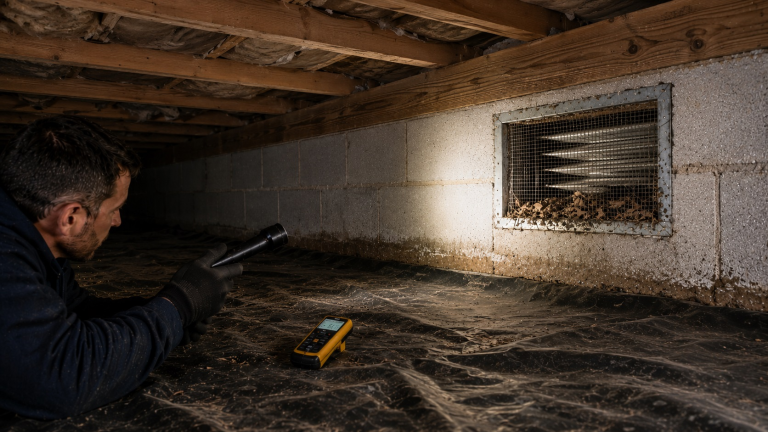
Basements and crawl spaces are common moisture source areas because they are close to soil, drainage systems, foundation walls, vapor movement, and groundwater pressure. Moisture in these areas may come from rain runoff, poor grading, clogged gutters, foundation cracks, porous masonry, sump pump failure, drainage failure, plumbing leaks, humid outdoor air, or exposed soil.
Basement moisture often appears as damp walls, wet floor edges, musty odors, efflorescence, peeling coatings, dark concrete patches, or seepage after rain. Crawl space moisture may show up as standing water, damp soil, condensation on ducts, wet insulation, wood discoloration, mold growth, musty air, or high humidity upstairs.
If the moisture appears on foundation walls or near basement wall-floor joints, it may help to detect hidden moisture in basement walls before assuming the problem is only surface dampness. Basement and crawl space moisture can also affect the living area above, especially through odors, humidity, flooring damage, and wood framing issues.
Window, Door, and Exterior Wall Moisture
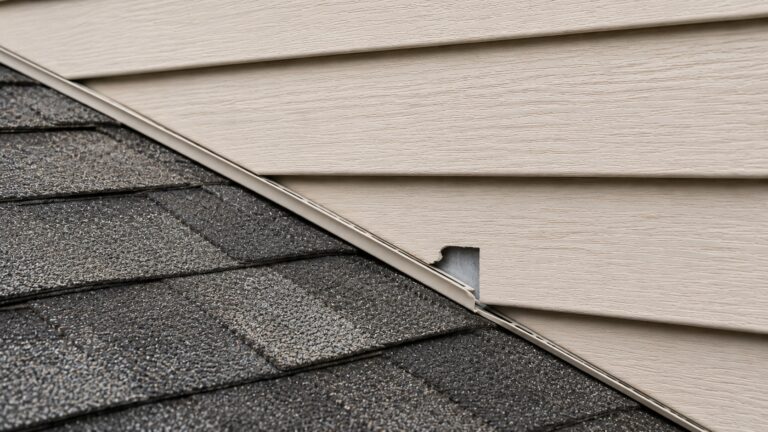
Moisture near windows, doors, and exterior walls often points to exterior water entry or condensation. Stains below windows, peeling paint on trim, swollen sills, damp drywall corners, wet baseboards, or mold near exterior wall corners may come from failed seals, flashing problems, wind-driven rain, siding gaps, poor drainage, or thermal bridging.
Condensation can look similar to a leak because it may collect around cold windows, corners, and trim. The difference is usually timing and spread. Condensation tends to appear during cold weather, high indoor humidity, poor airflow, or temperature swings. Exterior leaks tend to appear during or after rain, especially on wind-facing walls or around openings.
Exterior wall moisture can be difficult to trace because water may enter behind siding or trim and travel before it reaches the interior surface. If the same wall becomes damp after storms, or if paint, trim, and drywall keep deteriorating near an opening, the source may be outside the living space.
How to Tell the Difference Between Leaks, Humidity, Condensation, and Seepage
Once you know the timing and location, identify the type of moisture source. Not every damp area is a “leak.” Moisture can come from plumbing, roof or exterior water intrusion, indoor humidity, condensation, groundwater seepage, vapor movement, or trapped water from an earlier event. Each source needs a different response, so drying the visible area without identifying the source type often leads to repeat damage.
Plumbing Leaks
Plumbing leaks usually relate to water supply lines, drain lines, fixture seals, appliance hoses, valves, traps, or hidden pipes. They are more likely when moisture appears near kitchens, bathrooms, laundry rooms, mechanical rooms, ceilings below fixtures, or walls that contain plumbing.
A plumbing supply leak may keep an area damp even when the fixture is not being used because supply lines are pressurized. A drain leak may appear only when water flows through the sink, tub, shower, washing machine, or dishwasher. A toilet seal leak may affect flooring around or below the toilet. A shower leak may appear behind walls, under flooring, or in the ceiling below the bathroom.
Common signs of plumbing-related moisture include water marks under cabinets, damp drywall near fixtures, stains below bathrooms, swollen flooring near toilets or tubs, dripping sounds, unexplained water meter movement, or a moisture pattern that follows fixture use.
Roof or Exterior Water Intrusion
Roof and exterior water intrusion usually appear during or after rain. The source may be damaged roofing, failed flashing, clogged gutters, chimney leaks, siding gaps, window flashing failure, door threshold failure, wall penetrations, or exterior trim defects. Water may enter high on the structure and appear much lower inside.
Unlike many plumbing leaks, exterior intrusion often depends on weather direction and intensity. A light vertical rain may not reveal the problem, while wind-driven rain may push water behind siding, flashing, or trim. A roof leak may only appear during long storms, snowmelt, ice conditions, or heavy rain from a certain direction.
Exterior water entry is also easy to confuse with condensation. The key difference is whether the moisture follows weather exposure or indoor humidity conditions. If moisture appears after rain and is concentrated near roof lines, exterior walls, windows, doors, chimneys, or foundation edges, exterior water intrusion should be investigated.
Indoor Humidity
Indoor humidity can make a home feel damp even when there is no single active leak. High humidity may come from outdoor air, wet basements, crawl spaces, cooking, bathing, laundry, poor ventilation, oversized air conditioners, short HVAC cycles, poor air circulation, or drying materials after a past water event.
Humidity problems often affect more than one area. You may notice condensation on windows, musty smells in closets, damp air in bedrooms, mold on cool surfaces, swelling wood, sticky floors, or moisture in rooms with poor airflow. Because humidity is invisible, it is easy to misdiagnose it as a hidden leak or ignore it until mold or odors appear.
A hygrometer is one of the simplest ways to check whether humidity may be contributing to the moisture problem. If several rooms have elevated readings, or if humidity stays high even when no surfaces are visibly wet, the next step is to test indoor humidity levels in different areas of the home.
Condensation
Condensation forms when warm, moist air contacts a surface cold enough for moisture to collect. This can happen on windows, metal ducts, cold water pipes, exterior wall corners, attic roof sheathing, basement walls, toilet tanks, poorly insulated surfaces, and areas with limited airflow.
Condensation is often seasonal. It may appear in winter on cold windows and attic surfaces, or in summer on cold ducts and pipes in humid spaces. It may be worse in bathrooms, kitchens, laundry areas, closets, basements, crawl spaces, and rooms with poor ventilation.
Condensation may look like a leak, but the pattern is different. Instead of a single path of water from one entry point, condensation often appears on cold surfaces, in repeated patterns, or across several similar areas. For example, multiple windows fogging or dripping at the same time usually points to humidity and temperature imbalance, not several window leaks at once.
Groundwater or Basement Seepage
Groundwater seepage usually affects basements, crawl spaces, slabs, foundation walls, and floor-wall joints. It often appears after heavy rain, snowmelt, poor drainage, high water tables, or saturated soil around the foundation. Water may enter through cracks, porous masonry, cold joints, floor cracks, sump pump problems, or foundation drainage failures.
Seepage is different from a plumbing leak because it is usually controlled by outdoor soil and drainage conditions. It may appear along basement walls, at floor edges, near cracks, around sump pits, or across low concrete areas. Efflorescence, damp masonry, dark concrete patches, peeling paint, and musty basement air can all point toward foundation moisture.
If moisture appears in the basement after rain, do not assume the problem is only indoor humidity. Humidity may be part of the issue, but water pressure outside the foundation, poor drainage, or seepage through concrete may be the source that keeps feeding the dampness.
Material Clues That Help Reveal the Moisture Path
Building materials react to moisture in different ways. Drywall, wood, flooring, concrete, insulation, and metal surfaces can help you build a pattern instead of guessing from one stain. A damp concrete wall after rain suggests a different source than a swollen baseboard beside a bathroom, condensation on an air duct, or soft flooring near a dishwasher.
Drywall and Paint
Drywall usually shows moisture through staining, bubbling paint, peeling paint, softened areas, swelling, sagging, tape separation, or musty odor. A light brown stain often means water has moved through the drywall or ceiling material. Bubbling paint may mean moisture is trapped behind the coating. Soft drywall suggests the material has absorbed enough water to weaken.
The shape of the stain can help, but it should not be overinterpreted. A round ceiling stain may come from a drip above, but water can spread through insulation before reaching the drywall. A vertical stain may follow a stud bay, pipe, or wall cavity. A stain near an exterior corner may be related to a window, siding, roof edge, condensation, or exterior wall leak.
If drywall damage is near plumbing, check fixture timing. If it is on an exterior wall, check rain timing, window areas, siding, and cold-surface condensation. If it is near the ceiling, check what is above the area: attic, roof, bathroom, laundry room, HVAC equipment, or exterior wall framing.
Trim, Baseboards, and Wood
Baseboards, trim, and other wood materials often reveal moisture before the wall looks severely damaged. Wood can swell, cup, darken, separate from the wall, crack paint, soften, or grow mold at the edges. Because baseboards sit at the floor-wall junction, they can collect moisture from walls, floors, slab edges, bathroom leaks, exterior wall leaks, or trapped water behind trim.
Swelling at the bottom of trim often means moisture is collecting low in the wall or floor area. Darkened wood near exterior doors or windows may point toward exterior water intrusion. Baseboards that stay swollen after a leak may mean moisture remains behind the trim or inside the lower wall cavity.
Do not assume trim damage is only cosmetic. Trim can hide damp drywall edges, mold behind baseboards, wet flooring, or moisture wicking from below. If the same baseboard keeps swelling or staining, the source is probably still active or the underlying material was never fully dried.
Flooring and Subflooring
Flooring can hide moisture for a long time because many floor coverings slow evaporation. Hardwood may cup, crown, separate, darken, or feel uneven. Laminate may swell at seams or bubble. Vinyl may lift, ripple, or trap moisture underneath. Tile may look normal while moisture affects the subfloor or surrounding trim. Carpet may feel dry on top while the padding underneath stays damp.
Location matters. Moisture near kitchen appliances may point toward dishwasher, refrigerator, sink, or supply-line leaks. Moisture near bathrooms may point toward toilet seals, shower leaks, tub overflows, or pipe leaks. Moisture near exterior doors may point toward threshold leaks or wind-driven rain. Moisture in basements or slab areas may point toward concrete vapor, groundwater seepage, or floor cracks.
Soft flooring is a serious clue. A soft, spongy, sagging, or unstable floor may indicate that moisture has reached subflooring or structural materials. In that case, the source may be more than surface water. It may involve hidden leakage, long-term dampness, or moisture rising from below.
Concrete, Masonry, and Basement Surfaces
Concrete and masonry do not react like drywall or wood. They may darken, feel damp, show mineral deposits, flake paint, develop musty odors, or allow water to seep through cracks and joints. White powdery deposits, called efflorescence, often appear when moisture moves through masonry and leaves minerals behind as it evaporates.
Damp concrete after rain often points toward exterior drainage, groundwater pressure, foundation cracks, poor grading, clogged gutters, or basement waterproofing problems. Damp concrete during humid weather may also involve condensation, especially when warm humid air contacts a cool basement surface.
To narrow the source, compare timing and location. Moisture that appears along the wall-floor joint after rain suggests seepage or drainage pressure. Moisture on a cold basement wall during humid weather may be condensation. Moisture around a specific pipe penetration may be a plumbing or sealing issue. Moisture spread across a slab may point toward vapor movement, groundwater, or poor drying after water exposure.
Insulation and Hidden Cavities
Insulation can hold moisture out of sight. Wet insulation may sag, compress, smell musty, stain surrounding materials, or reduce drying inside walls, ceilings, crawl spaces, and attics. Because insulation can hide water, a ceiling, wall, or floor may appear only mildly stained while the cavity behind it remains damp.
Attic insulation may become damp from roof leaks, condensation, bathroom exhaust problems, poor attic ventilation, or air leaks from the living space. Wall insulation may become wet from plumbing leaks, window leaks, exterior wall intrusion, condensation, or flooding. Crawl space insulation may become damp from soil moisture, poor ventilation, plumbing leaks, or high humidity.
If you suspect wet insulation, be careful. Do not pull apart moldy or contaminated materials without proper protection, and do not disturb areas near electrical wiring, sagging ceilings, or structural damage. Wet insulation often requires closer inspection because it can keep nearby materials damp long after the visible water is gone.
Simple Tools That Help You Trace Moisture
Basic tools can help confirm patterns before you decide whether professional inspection is needed. A flashlight, hygrometer, moisture meter, camera, paper towels, and sometimes a thermal imaging camera or inspection scope can help answer practical questions: Is the area actually damp? Is it spreading? Is humidity high in several rooms? Is moisture worse near one fixture, wall, or floor edge? Does the surface get wet only under certain conditions?
Hygrometers
A hygrometer measures relative humidity. This helps you determine whether the home has a general humidity problem or a localized leak. If one wall is damp but the room humidity is normal, a leak, seepage, or localized condensation may be more likely. If several rooms have high humidity, moisture may be coming from indoor humidity, poor ventilation, crawl space moisture, basement dampness, HVAC performance, or outdoor air infiltration.
Place hygrometers in different areas rather than relying on one reading. Compare bathrooms, bedrooms, basements, crawl-space-adjacent rooms, kitchens, closets, and HVAC areas. If humidity is consistently high throughout the home, the moisture source may not be one visible wet spot. It may be a whole-home moisture-control issue.
Moisture Meters
A moisture meter can help map damp areas in drywall, wood, flooring, and other materials. It is especially useful when a stain looks dry but you are not sure whether the material behind it is still holding moisture. A meter can also help compare one area with a nearby unaffected area.
Moisture meters are helpful for tracing patterns, not for giving a complete diagnosis by themselves. They may show that a wall is damp near the floor, but they cannot tell you whether the source is a pipe leak, window leak, condensation, seepage, or water trapped from a past event. For tool selection, see this guide to moisture meters for hidden water damage.
When using a moisture meter, check multiple points around the suspected area. Readings that increase toward a bathroom, exterior wall, ceiling line, floor edge, or basement wall can help you decide where to inspect next. Avoid relying on a single reading, especially on materials that may contain metal, tile, foil-backed insulation, or other components that affect meter accuracy.
Flashlights, Cameras, and Inspection Tools
A bright flashlight is one of the simplest moisture-tracing tools. Shine it along surfaces at an angle to reveal bubbles, stains, warped trim, swollen flooring, cracked caulk, darkened seams, and subtle texture changes. A phone camera can help document changes over time, especially if a stain grows after rain or a damp spot appears after fixture use.
Paper towels can help confirm active dripping under sinks, behind appliances, around toilet bases, or near shutoff valves. Place a dry paper towel under a suspected connection and check it after using the fixture. This does not find every hidden leak, but it can help confirm simple accessible leaks.
Inspection mirrors and borescopes may help view tight areas behind appliances, under cabinets, or inside accessible openings. They should be used carefully. Do not force tools into electrical areas, sealed wall cavities, mold-contaminated spaces, or structural assemblies where damage may be hidden.
Thermal Imaging Cameras
Thermal imaging cameras can reveal temperature differences that may suggest moisture, missing insulation, air leaks, or cold surfaces where condensation forms. They can be useful when tracing moisture patterns behind walls, ceilings, or floors, especially when used along with a moisture meter.
However, thermal imaging does not directly “see water.” It shows temperature differences. A cold area may be wet, but it may also be caused by missing insulation, air leakage, metal framing, exterior temperature differences, or HVAC airflow. If you are considering this type of tool, compare options carefully in this guide to thermal imaging cameras for detecting moisture.
What Tools Cannot Tell You
Tools can help you locate damp areas, compare readings, and identify patterns. They cannot always tell you the original source. A moisture meter can show damp drywall. A hygrometer can show high humidity. A thermal camera can show temperature differences. None of these tools automatically proves whether the source is a pipe, roof, window, HVAC system, basement seepage, or condensation.
The best approach is to combine tool readings with timing, location, and material behavior. If a meter shows damp drywall after rain near an exterior wall, exterior intrusion becomes more likely. If readings rise near a bathroom after shower use, plumbing or fixture leakage becomes more likely. If several rooms show high humidity and condensation, whole-home humidity control may be the issue.
Common Mistakes When Looking for a Moisture Source
Most source-finding mistakes happen when the visible symptom is treated as the whole problem. Avoid these errors before cleaning, repainting, replacing trim, or opening materials.
Assuming the Wet Spot Is Directly Below the Source
Water can travel before it becomes visible. It may run along framing, follow a pipe, move across insulation, spread behind drywall, or collect at the lowest point before staining a surface. A ceiling stain may not be directly under the roof opening. A damp baseboard may not mean the leak started at the floor. A musty cabinet may be affected by moisture from a wall cavity, appliance, drain, or nearby plumbing line.
Always look around the visible damage. Check what is above, behind, beside, and outside the area. The source may be several feet away from the symptom.
Cleaning Mold Without Finding the Moisture Source
Mold is a result of moisture, not the source of the moisture. Cleaning visible mold may reduce surface contamination, but it does not solve the underlying problem if the area keeps getting damp. If mold returns in the same spot, the moisture source is still active or the material was never dried properly.
Recurring mold near windows may point to condensation or leaks. Mold behind furniture may point to poor airflow and cold wall surfaces. Mold under sinks may point to plumbing leaks. Mold in basements or crawl spaces may point to humidity, seepage, drainage, or vapor movement.
Painting Over Stains Too Soon
Stain-blocking primer can hide discoloration, but it cannot stop moisture. If the source is still active, the stain may bleed through again, paint may bubble, drywall may soften, or mold may continue behind the surface. Before sealing or repainting, confirm that the source has been corrected and that the material is dry enough to repair.
Relying on One Tool Reading
A single moisture meter reading, humidity reading, or thermal image is not enough to identify the source. Tools are most useful when they show a pattern. Compare affected and unaffected areas. Check readings at different heights. Recheck after rain, after plumbing use, or after the HVAC system runs. This helps you separate an active source from old staining or surface condensation.
Ignoring Seasonal or Weather Patterns
Some moisture problems only appear under certain conditions. A basement may feel damp in summer because humid air is condensing on cool surfaces. A window corner may grow mold in winter because of cold surfaces and high indoor humidity. A ceiling stain may only grow during wind-driven rain. If you ignore timing, you may blame the wrong system.
Assuming There Is Only One Source
Some homes have more than one moisture source. A basement can have seepage and high humidity. A bathroom can have poor ventilation and a small plumbing leak. An attic can have roof leakage and condensation. A crawl space can have soil moisture, poor airflow, and plumbing leaks. If symptoms appear in different areas or under different conditions, the home may need a broader diagnostic approach.
When the Moisture Source Is Not Obvious
Some moisture sources are difficult to find because they are hidden inside assemblies or only appear under specific conditions. If you cannot identify a clear source after checking timing, location, material behavior, and basic tool readings, slow down before opening walls or replacing materials.
Start by documenting the pattern. Take photos of stains, damp areas, mold growth, warped trim, and flooring changes. Note the date, weather, indoor humidity, and recent fixture use. This record helps you see whether the problem follows rain, plumbing activity, HVAC operation, seasonal changes, or recurring dampness.
Next, isolate likely sources one at a time. Rain-related moisture should send you toward the exterior, attic, windows, doors, siding, gutters, grading, basement, and crawl space. Fixture-related moisture should send you toward accessible supply lines, drains, traps, valves, appliance hoses, toilet bases, and ceilings below the fixture. Humid-weather moisture should send you toward room-by-room humidity readings and airflow patterns.
If symptoms are spread across different parts of the house, the issue may not be a single-source problem. In that case, a dedicated guide on how to diagnose multiple moisture problems in a home can help you separate overlapping causes instead of chasing one visible symptom.
Hidden moisture also deserves caution. Cutting into walls, pulling up flooring, disturbing moldy materials, or opening wet cavities can expose wiring, contaminated materials, damaged framing, or trapped moisture. If the problem involves large areas, active leakage, structural softness, electrical components, or suspected mold growth inside enclosed spaces, professional inspection is safer.
When to Call a Professional
Many early moisture clues can be checked by a careful homeowner, but hidden, spreading, electrical, structural, roofing, HVAC, or mold-prone moisture should not be treated as a simple DIY inspection. In those cases, a professional can often find the source faster and reduce unnecessary demolition.
Call a qualified professional if you notice:
- Active dripping from a ceiling, wall, light fixture, or electrical area
- Water from sewage, flooding, stormwater, or any source that may be contaminated
- Sagging ceilings or soft drywall overhead
- Soft, spongy, or unstable flooring
- Large or recurring mold growth
- Moisture that returns after repairs
- Water stains that expand after every storm
- Basement seepage, standing water, or foundation cracks
- Wet insulation in attics, walls, or crawl spaces
- Moisture near electrical panels, outlets, or wiring
- Signs of roof, flashing, siding, or exterior wall failure
For suspected plumbing leaks, a plumber may be needed to test supply lines, drains, fixtures, and concealed pipe runs. For roof or flashing leaks, a roofing contractor may need to inspect areas that are unsafe from the ground. For basement seepage, crawl space water, or structural wood damage, a waterproofing or structural moisture specialist may be appropriate. For widespread mold or contaminated materials, a mold remediation professional may be needed.
The goal is not to call a contractor for every damp spot. The goal is to recognize when the source is hidden, unsafe, recurring, or tied to a system that requires specialized testing.
FAQs About Finding the Source of Moisture in a Home
How do I know if moisture is from a leak or humidity?
A leak is usually more localized and often follows a plumbing, roof, window, appliance, or exterior water path. Humidity usually affects broader areas and may cause condensation, musty odors, damp air, or mold on cool surfaces in several rooms. Timing helps: fixture-related moisture points toward plumbing, rain-related moisture points toward exterior intrusion or seepage, and widespread dampness during humid weather points toward humidity or ventilation problems.
How far can water travel before it shows up inside?
Water can travel several feet or more before it becomes visible, depending on the slope, framing, insulation, subflooring, roof decking, trim, or wall cavity it follows. A ceiling stain may be offset from the roof opening, and a damp baseboard may be downstream from a window, pipe, or exterior wall leak. That is why timing and surrounding structure matter more than the wet spot alone.
What is the first place to check when a wall feels damp?
Start by checking what is on both sides of the wall. If it contains plumbing, check nearby fixtures, supply lines, drains, and rooms above or below. If it is an exterior wall, check rain exposure, siding, windows, doors, flashing, and condensation patterns. Also check whether the dampness is high on the wall, low near the baseboard, or spread across a larger area.
Can a moisture meter tell me the exact source of water?
No. A moisture meter can help identify damp areas and map the moisture pattern, but it does not automatically identify the source. The reading must be interpreted with timing, location, material type, and surrounding conditions. A damp wall could be caused by a leak, condensation, seepage, trapped moisture, or exterior water entry.
Why does moisture only show up after rain?
Moisture that appears after rain usually points toward exterior water entry or groundwater movement. Possible sources include roof leaks, flashing failure, siding gaps, window leaks, door leaks, poor drainage, clogged gutters, foundation cracks, basement seepage, or crawl space water intrusion. Wind direction and storm intensity can affect whether the problem appears every time it rains or only during certain storms.
Why does my house smell musty but I cannot find water?
A musty smell without visible water may come from hidden moisture, damp insulation, crawl space humidity, basement dampness, wet carpet padding, mold behind materials, HVAC moisture, or high indoor humidity. Check enclosed and low-airflow areas first: closets, cabinets, wall bases, carpet edges, crawl-space access points, HVAC areas, and rooms above basements.
Should I open a wall to find the moisture source?
Do not open a wall as the first step unless there is an urgent safety concern or a professional recommends it. First check timing, nearby plumbing, exterior exposure, attic or basement areas, humidity levels, and accessible surfaces. Opening walls can expose mold, wiring, wet insulation, or structural damage. If the source is hidden or the area is unsafe, call a professional.
Key Takeaways
- The visible moisture symptom is not always the original source.
- Timing is one of the best clues: rain, plumbing use, HVAC operation, season, or constant dampness.
- Location helps narrow the source, but water can travel before it appears.
- Leaks, humidity, condensation, and seepage behave differently and require different responses.
- Material clues such as swollen trim, soft drywall, cupped flooring, damp concrete, and wet insulation can reveal the moisture path.
- Tools like hygrometers, moisture meters, flashlights, and thermal cameras help confirm patterns, but they do not replace source diagnosis.
- Recurring moisture usually means the source was not corrected or the affected materials were not fully dried.
- Call a professional when moisture is active, hidden, recurring, near electrical systems, affecting structural materials, or associated with widespread mold.
Conclusion
Finding the source of moisture starts with the pattern, not the stain. Check when the moisture appears, where it shows up first, what materials are reacting, and whether the area dries or returns. Those clues help separate plumbing leaks, roof leaks, exterior water intrusion, condensation, humidity, groundwater seepage, and trapped moisture.
Do not repair, repaint, or replace damaged materials until the likely source has been corrected or ruled out. Once the source is fixed and the affected materials are truly dry, the repair has a much better chance of lasting.

5 Comments
Comments are closed.