
How to Diagnose Multiple Moisture Problems in a Home
When moisture appears in several parts of a home at the same time, one visible symptom may not explain the whole problem. A damp basement, window condensation, musty odor, soft floor, attic stain, bathroom mold, and high humidity reading can be connected, but they can also come from separate sources.
Diagnosing multiple moisture problems means separating local sources from whole-home moisture conditions. A toilet seal leak, roof leak, or dishwasher leak may affect one area. High humidity, poor ventilation, crawl space moisture, basement dampness, or HVAC problems may affect several rooms. Sometimes both are happening at once.
If you are dealing with one damp spot and are not sure where it started, begin with this guide on how to find the source of moisture in your home. This article focuses on the next level of diagnosis: what to do when more than one moisture symptom is showing up, and you need to decide whether the problems are connected or separate.
Use this quick pattern check before you start opening walls or replacing materials:
| Pattern you notice | Where to look first |
|---|---|
| Several symptoms get worse after rain | Exterior drainage, roof leaks, basement seepage, siding, windows, doors, or flashing |
| Moisture appears after using a fixture | Supply lines, drains, toilet seals, shower walls, appliance hoses, or hidden plumbing |
| Multiple rooms feel damp without visible leaks | Indoor humidity, HVAC performance, crawl space moisture, basement dampness, or ventilation |
| Windows, closets, and corners show moisture in cold weather | Condensation, cold surfaces, high indoor humidity, airflow, insulation, or thermal bridging |
| One area stays wet while other rooms are normal | A local leak, trapped moisture, wet insulation, subfloor damage, or a nearby water source |
Why Some Homes Have More Than One Moisture Problem
For example, a home may have high indoor humidity because of a damp crawl space, while a small plumbing leak is separately affecting a bathroom wall. A basement may feel damp after rain, while condensation forms on upstairs windows because indoor humidity is too high. A roof leak may stain a ceiling, while poor bathroom ventilation causes mold on a different wall. These symptoms may appear related because they all involve moisture, but they may not have the same source.
Multiple moisture problems are especially common in homes with:
- Basements or crawl spaces that stay damp
- Poor ventilation in bathrooms, kitchens, closets, or attics
- Older plumbing or hidden supply and drain lines
- Roof, flashing, siding, window, or door leaks
- High indoor humidity during part of the year
- Past water damage that was not fully dried
- HVAC systems that do not control moisture well
- Exterior drainage problems around the foundation
Do not assume everything has one cause. A broad condition such as high humidity can create several symptoms, but a home can also have high humidity plus a hidden leak, basement seepage plus condensation, or crawl space moisture plus a roof problem.
This is also why whole-home moisture control should be viewed as a system. If you are building a long-term strategy to find, fix, and prevent moisture problems in your home, you need to identify both isolated moisture sources and the larger conditions that allow dampness to spread or return.
Start by Separating Local Problems From Whole-Home Conditions
The first step is to divide the symptoms into two groups: local moisture problems and whole-home moisture conditions. Local problems usually have one main source in one area. Whole-home conditions affect air movement, humidity, temperature, or moisture levels across several spaces.
Local Moisture Problems
A local moisture problem affects one area because water is entering or collecting near that specific location. These problems often have a clear relationship to a fixture, appliance, roof area, wall opening, foundation crack, or exterior defect.
Common local moisture sources include:
- A leaking sink drain or supply line
- A toilet seal leak
- A shower or tub leak behind a wall
- A dishwasher or refrigerator water line leak
- A roof leak above one ceiling area
- A window or exterior door leak
- A siding or flashing failure on one wall
- A foundation crack or basement wall seepage area
- A clogged HVAC condensate drain near the air handler
Local problems usually show stronger symptoms near the source. A cabinet base may be wet under a sink. A ceiling stain may appear below a bathroom. A wall corner may stain after wind-driven rain. A section of flooring may soften near an appliance. However, even local problems can spread into nearby materials if water travels behind surfaces.
Whole-Home Moisture Conditions
Whole-home moisture conditions are different because they affect the indoor environment rather than only one visible spot. They may not produce a clear puddle or leak path. Instead, they can cause damp air, condensation, musty odors, surface mold, slow drying, or moisture symptoms in several rooms.
Common whole-home or multi-room contributors include:
- High indoor humidity
- Damp basements
- Moist crawl spaces
- Poor bathroom or kitchen ventilation
- Weak attic ventilation
- HVAC systems that do not remove enough moisture
- Air leaks that move humid air into cold spaces
- Poor airflow in closets, corners, and closed rooms
- Wet materials from a past leak that were never fully dried
Whole-home conditions often show up as patterns. Several windows may collect condensation. More than one closet may smell musty. Bedrooms may feel damp even without visible water. Mold may appear on cool exterior wall corners. Flooring above a crawl space may smell or feel damp. Humidity readings may stay elevated in multiple areas.
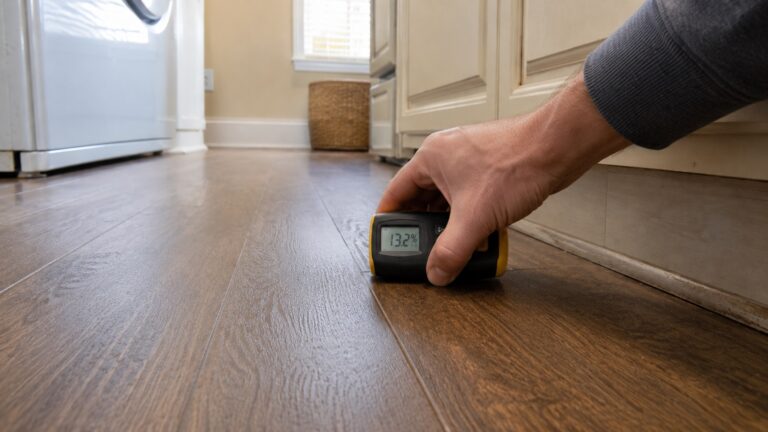
Because humidity is invisible, it is often overlooked until materials react. If you suspect a broader moisture condition, use readings instead of guessing. A guide on how to test indoor humidity levels can help you compare rooms and separate air moisture from localized water intrusion.
When Local and Whole-Home Problems Overlap
The most confusing homes often have both local moisture sources and whole-home moisture conditions. A bathroom may have a shower leak plus poor exhaust ventilation. A basement may have seepage after rain plus high summer humidity. An attic may have a roof leak plus condensation from warm indoor air entering the attic.
When local and whole-home conditions overlap, fixing only one part may not solve everything. Repairing a leak may stop new water from entering, but humidity may still keep the area damp. Running a dehumidifier may improve air conditions, but it will not fix a pipe leak, roof leak, or foundation seepage. Diagnosis must identify which source is feeding water and which conditions are slowing drying or spreading moisture.
This is where looking for hidden moisture in different areas of your home becomes useful. If several areas show symptoms, each location needs to be interpreted in context instead of treated as a random damp spot.
Group Each Moisture Symptom by Timing
When a home has several moisture symptoms, timing is one of the best ways to sort them. Do not start by asking which area looks worst. Start by asking when each symptom appears. Moisture that appears after rain may have a different source than moisture that appears after plumbing use, during HVAC operation, or during seasonal humidity changes.
Make a simple list of each symptom and place it into a timing group. For example, write down whether the basement gets damp after rain, whether the bathroom wall smells musty after showers, whether windows collect condensation in winter, or whether one floor area stays soft all the time. This helps you see whether the symptoms belong to one pattern or several different patterns.
For each symptom, write four notes: where it appears, when it gets worse, what system is nearby, and whether the material dries between events.
Symptoms That Appear After Rain
Rain-related symptoms often point toward exterior water entry, roof leakage, basement seepage, crawl space intrusion, drainage problems, siding defects, window leaks, door leaks, or flashing failures. These problems may not appear during every storm. Wind direction, rainfall intensity, soil saturation, clogged gutters, and downspout discharge can all affect whether water enters the home.
Examples of rain-related moisture symptoms include:
- Ceiling stains that darken after storms
- Basement wall dampness after heavy rain
- Water near foundation wall-floor joints
- Damp crawl space soil after wet weather
- Stains around windows or exterior doors
- Moisture on exterior-facing walls
- Musty odors that get worse after long rain periods
If several symptoms appear after rain, they may be connected by exterior drainage or water entry. But they may also come from different exterior sources. For example, a roof leak may stain a ceiling while poor grading causes basement seepage. Do not assume both symptoms come from one source just because they happen during the same storm.
Symptoms That Appear After Plumbing Use
Moisture that appears after using water fixtures often points toward plumbing. This may include sinks, toilets, showers, tubs, washing machines, dishwashers, refrigerator water lines, water heaters, or drain lines. The timing may be obvious, such as water under a sink after running the faucet, or subtle, such as a ceiling stain below a bathroom that grows after repeated shower use.
Plumbing-related symptoms may include:
- Damp cabinets after using a sink
- Flooring that softens around a toilet
- Ceiling stains below bathrooms or laundry rooms
- Musty smells near shower walls
- Moisture behind dishwashers or refrigerators
- Wet drywall near plumbing walls
- Dampness that follows drain use rather than rainfall
If plumbing symptoms appear in more than one room, separate them by fixture. A bathroom sink leak, toilet seal leak, and dishwasher leak are separate local sources even though they are all plumbing problems. If a wall contains hidden plumbing and moisture appears repeatedly near it, one next step is to detect plumbing leaks inside walls before assuming the issue is only condensation or humidity.
Symptoms That Appear When the HVAC System Runs
HVAC-related moisture often appears when the air conditioner, furnace, air handler, duct system, or ventilation equipment is operating. This can include condensate drain problems, wet drain pans, sweating ducts, poor airflow, oversized cooling equipment, short cycling, or humid air moving through cold ductwork.
Look for patterns such as:
- Water near the indoor air handler
- Moisture near HVAC closets or utility areas
- Ceiling stains below attic-mounted HVAC equipment
- Condensation on ducts or supply registers
- Musty smells when the system starts
- Humidity that stays high even when cooling is running
- Rooms that feel damp despite normal temperatures
HVAC moisture can overlap with whole-home humidity. If the system is not removing enough moisture, multiple rooms may feel damp. If one drain line is clogged, only the area near the equipment may get wet. Distinguishing those two patterns helps prevent unnecessary repairs.
Symptoms That Change With the Season
Seasonal symptoms often point toward condensation, humidity, ventilation, insulation, or outdoor moisture behavior. A home may have window condensation and exterior wall mold in winter, but basement humidity and crawl space dampness in summer. These are moisture problems, but they may not have the same source.
Winter patterns often involve cold surfaces and warm indoor air. Moisture may collect on windows, exterior wall corners, attic sheathing, roof framing, or poorly insulated surfaces. Summer patterns often involve humid outdoor air, damp basements, crawl spaces, air conditioning performance, and poor ventilation.
Seasonal grouping helps separate leaks from humidity and condensation. Several cold-weather window problems may point to indoor humidity and cold glass surfaces, while summer basement dampness may involve humidity, vapor movement, or groundwater conditions.
Symptoms That Never Fully Dry
Moisture that never fully dries can indicate a slow leak, trapped water, chronic humidity, seepage, wet insulation, poor airflow, or incomplete drying after earlier water damage. This category deserves close attention because constant dampness can support mold growth and material deterioration.
Symptoms that never fully dry may include:
- Baseboards that remain swollen
- Carpet that smells musty even when the surface feels dry
- Drywall that stays cool, soft, or discolored
- Basement walls that stay dark or damp
- Closets that keep smelling musty
- Flooring that remains cupped, lifted, or soft
- Mold that returns in the same area after cleaning
If a symptom never fully dries, do not treat it as a simple cosmetic issue. It may be connected to trapped moisture or an active source that has not been found. If the problem returned after cleanup or repair, review the reasons why moisture problems keep returning before replacing materials again.
Map the Moisture by Area Before Assuming One Cause
After grouping symptoms by timing, map them by area. A simple room-by-room note is enough: mark where the moisture appears, what is nearby, when it gets worse, and whether other symptoms happen at the same time. When the area map matches the timing pattern, the diagnosis becomes clearer.
Basement and Crawl Space Clues
Basements and crawl spaces can create both local and whole-home moisture problems. A damp basement wall may be a local seepage problem, but it can also raise humidity and contribute to musty odors in nearby rooms. A crawl space with damp soil can affect floor framing, insulation, indoor air, and humidity levels above it.
Basement clues include damp masonry, efflorescence, peeling coatings, water near wall-floor joints, musty air, sump pump issues, and dampness after rain. Crawl space clues include standing water, exposed damp soil, wet insulation, condensation on ducts, mold on wood, musty air, and soft flooring above.
If flooring above a crawl space feels damp or musty odors rise from below, the issue may not be limited to the finished room. You may need to detect hidden moisture in crawl spaces to see whether soil moisture, poor drainage, plumbing, or ventilation is contributing to the problem.
Attic, Roof, and Ceiling Clues
Attic and roof moisture can create symptoms in ceilings, upper walls, insulation, roof framing, and indoor air. A ceiling stain may come from a roof leak, plumbing above, attic condensation, HVAC equipment, or wet insulation. When multiple upper-level symptoms appear, the attic is often an important diagnostic zone.
Roof-related clues often worsen after rain. Condensation-related attic clues may appear during cold weather or when warm indoor air leaks into the attic. HVAC-related clues may appear near air handlers or ducts. Wet insulation can hide moisture and spread staining away from the original entry point.
If several symptoms involve upper ceilings, attic odors, damp insulation, or roof framing, the next step may be to detect hidden moisture in attics before assuming every ceiling stain is from one roof leak.
Bathroom, Kitchen, and Plumbing Clues
Bathrooms and kitchens are common locations for multiple moisture symptoms because they combine plumbing, drains, humidity, cabinets, flooring, fixtures, and ventilation. A bathroom may have poor ventilation and a shower leak. A kitchen may have humidity from cooking and a slow dishwasher leak. A laundry room may have appliance moisture and hidden hose or drain issues.
Look for moisture near sinks, toilets, showers, tubs, dishwashers, refrigerators, washing machines, cabinet bases, flooring edges, and walls that contain pipes. Then compare the timing. If symptoms appear after fixture use, plumbing is more likely. If they appear after showers but not from a specific leak path, ventilation and humidity may also be involved.
Window, Door, and Exterior Wall Clues
Windows, doors, and exterior walls can create confusing moisture patterns because they may be affected by both exterior leaks and interior condensation. Stains after rain may point toward flashing, seal, siding, or drainage problems. Condensation during cold weather may point toward high indoor humidity, poor airflow, or cold surfaces.
Look at whether the symptoms are localized or repeated. One stained window may have a leak. Several fogging windows may indicate indoor humidity. A damp exterior wall corner may be caused by a leak, thermal bridging, poor insulation, blocked airflow, or wind-driven rain. The area map helps separate one defective opening from broader air and humidity behavior.
HVAC and Airflow Clues
HVAC and airflow problems can contribute to moisture in several ways. A clogged condensate drain may create a local leak near equipment. Sweating ducts may dampen insulation, ceilings, or crawl space areas. Poor airflow can leave rooms humid, closets stagnant, and bathrooms slow to dry. An oversized or short-cycling air conditioner may cool the house without removing enough moisture.
Airflow clues often show up as uneven comfort, damp rooms, musty odors when the system runs, condensation near registers, or humidity that stays high across several rooms. If moisture symptoms do not line up with rain or fixture use, HVAC performance and ventilation should be included in the diagnosis.
How Moisture Problems Interact With Each Other
Multiple moisture problems are not always separate. One source can make another problem worse, and one broad condition can hide or amplify a smaller local source.
High Humidity Can Make Local Damage Worse
High humidity does not always create the original leak, but it can make moisture damage worse. When indoor air is already humid, wet materials dry more slowly. That gives mold more time to grow and allows drywall, trim, flooring, cabinets, and insulation to stay damp longer than they should.
For example, a small sink leak in a dry, well-ventilated room may dry quickly once repaired. The same leak in a humid bathroom or kitchen may leave cabinet material damp, create musty odors, and support mold growth. A minor window leak may become more noticeable if high indoor humidity is also causing condensation around the frame.
This is why humidity readings matter when symptoms appear in several areas. If multiple rooms feel damp, if windows collect condensation, or if musty odors appear in closets and bedrooms, it may help to monitor moisture levels throughout your home instead of checking only the room with the most visible damage.
Leaks Can Feed Hidden Cavities
Leaks often create more than one visible symptom because water can move through hidden spaces. A plumbing leak inside a wall may wet drywall, baseboards, flooring, insulation, and the ceiling below. A roof leak may wet attic insulation, roof framing, ceiling drywall, and upper wall cavities. A window leak may wet trim, wall sheathing, insulation, and flooring near the wall.
When a leak feeds a hidden cavity, the first visible symptom may be only part of the problem. A stain may dry on the surface while insulation remains damp behind it. A floor may feel soft after water has spread beneath the finished surface. A wall may smell musty before obvious staining appears.
If a local leak has affected more than one material, diagnosis should include the surrounding cavity, not just the visible surface. This does not mean every wall must be opened immediately, but it does mean the moisture path should be traced carefully before repairs are covered up.
Basements and Crawl Spaces Can Affect Upper Floors
Basements and crawl spaces are often treated as separate from the living area, but moisture in these spaces can influence the rooms above. Damp soil, exposed ground, standing water, foundation seepage, wet insulation, and poor ventilation can raise humidity, create musty odors, and affect flooring or wood framing.
A crawl space problem may show up as musty smells in the living area, cold or damp floors, cupped flooring, mold on lower walls, or high humidity in rooms above the crawl space. A basement problem may show up as damp air, musty odors, mold on stored items, condensation, or humidity that spreads to upper levels through air movement.
This is why a moisture problem upstairs may not always start upstairs. If several rooms above a crawl space feel damp, or if the home has a persistent musty odor that is strongest near floor openings, the lower area may be feeding the broader moisture condition.
Poor Ventilation Can Spread Moisture Symptoms
Poor ventilation does not always add liquid water, but it keeps moisture from leaving. When damp air is trapped, surfaces stay wet longer and odors become more noticeable.
Common signs of poor ventilation include lingering bathroom moisture, window condensation, musty closets, damp exterior corners, mold behind furniture, slow-drying laundry areas, stale rooms, and humidity that remains high even when there is no visible leak.
Ventilation problems often overlap with local leaks. A small shower leak is worse in a bathroom without a working exhaust fan. A damp basement is worse when air does not circulate or dehumidification is inadequate. A closet on an exterior wall is more likely to grow mold when humid air is trapped against a cold surface.
How to Decide Which Moisture Source to Investigate First
When several moisture symptoms appear at once, do not start with the area that looks the ugliest. Start with the source that is most active, most dangerous, or most likely to keep feeding new damage. A large old stain may look worse than a small active leak, but the active leak is usually the higher priority.
Use this order to guide the diagnosis:
- Active water first: dripping, spreading stains, standing water, wet cabinets, or moisture that appears during fixture use should be addressed before cosmetic damage.
- Safety risks next: moisture near electrical fixtures, outlets, panels, sagging ceilings, or unstable flooring should be treated as urgent.
- Structural risks early: soft floors, swollen subfloors, wet framing, damp joists, roof framing moisture, and foundation seepage need careful attention.
- Repeatable patterns next: symptoms that appear after every storm, every shower, every HVAC cycle, or every humid week give strong diagnostic clues.
- Whole-home humidity after active leaks are checked: high humidity matters, but it should not distract from an active plumbing, roof, basement, or exterior leak.
- Long-term prevention last: ventilation, monitoring, drainage improvements, and humidity control are essential, but they work best after active water sources are identified.
This order helps prevent wasted repairs. For example, running a dehumidifier may improve air conditions, but it will not stop a roof leak. Repainting a wall may improve appearance, but it will not fix a shower valve leak. Replacing flooring may fail if crawl space moisture or subfloor dampness is still active.
Once the major sources are identified, the next decision is which repairs should happen first. That is a separate step from diagnosis. If several repairs are needed, use a repair-focused guide to prioritize moisture repairs in your home before spending money on cosmetic work.
Separate Investigation Priority From Repair Priority
Investigation priority and repair priority are related, but they are not the same. Investigation priority means deciding where to look first. Repair priority means deciding what to fix first after the causes are confirmed.
For diagnosis, start with the strongest clue. If water appears after rain, investigate exterior entry and drainage. If moisture appears after shower use, investigate the bathroom and adjacent cavities. If humidity is high across the home, measure multiple rooms and inspect basements, crawl spaces, HVAC performance, and ventilation. If several patterns exist, treat each pattern as a separate diagnostic track.
For repair, active water and safety risks usually come before cosmetic restoration. A wall should not be repainted before the leak is stopped. Flooring should not be replaced before the subfloor and source are dry. Mold should not be cleaned repeatedly while moisture is still present.
Use Patterns to Create Diagnostic Tracks
A useful way to handle multiple moisture problems is to create diagnostic tracks. For each track, write the symptom, timing, nearby system, likely source, next check, and whether the problem is active or old.
For example:
- Track 1: basement dampness after rain — likely drainage, seepage, foundation, or gutter issue.
- Track 2: window condensation in winter — likely indoor humidity, cold surfaces, ventilation, or airflow issue.
- Track 3: soft flooring near dishwasher — likely appliance leak or trapped subfloor moisture.
- Track 4: musty odor from HVAC vents — possible duct moisture, drain issue, dirty equipment, or humidity problem.
This approach prevents one symptom from dominating the diagnosis. It also helps you avoid assuming that every damp area has the same cause.
Watch for Clues That Connect the Problems
After you separate symptoms into tracks, look for connections. Several symptoms may still share one underlying condition.
Possible connections include:
- A damp crawl space plus musty odors upstairs
- Basement seepage plus high humidity readings
- Window condensation plus mold in closets
- Bathroom moisture plus mold on nearby walls
- HVAC condensation plus damp rooms
- Roof leak symptoms plus attic insulation moisture
When several symptoms point back to the same system, that system deserves closer attention. When symptoms follow different timing patterns, they may need separate investigations.
Common Mistakes When Diagnosing Multiple Moisture Problems
Multiple moisture symptoms can make a home feel difficult to diagnose. The biggest risk is choosing one explanation too early. A homeowner may blame everything on humidity, assume one leak caused every symptom, or repair the most visible damage before understanding how the moisture patterns are connected.
Blaming Every Symptom on Humidity
High humidity can cause widespread dampness, condensation, musty odors, and mold growth, but it does not explain every moisture symptom. A home can have high humidity and still have a roof leak, plumbing leak, window leak, basement seepage, or appliance leak. If one area is much wetter than the rest of the home, or if moisture appears after using a fixture or after rain, do not dismiss it as humidity only.
Blaming Everything on One Leak
One leak can affect several materials, but not every damp area in the home automatically comes from the same source. A ceiling stain after rain, a musty basement, and condensation on bedroom windows may involve three different moisture patterns. If symptoms appear in unrelated areas or under different conditions, separate them before assuming one repair will solve everything.
Fixing the Worst-Looking Area First
The worst-looking area is not always the most urgent source. An old stain may look dramatic but be inactive, while a small damp spot under a cabinet may be an active leak. Prioritize active water, safety risks, structural softness, and repeatable moisture patterns before cosmetic repairs.
Using a Dehumidifier as a Universal Fix
A dehumidifier can help control air moisture, but it cannot fix a leaking pipe, failed flashing, roof leak, foundation crack, clogged drain, or wet insulation. If water is entering the home, dehumidification may reduce dampness but will not solve the source. Use moisture control equipment as part of a larger diagnosis, not as a substitute for finding the cause.
Ignoring Lower-Level Moisture
Basements and crawl spaces can influence the rest of the home. If you only inspect finished rooms, you may miss damp soil, wet insulation, standing water, foundation seepage, condensation on ducts, or mold on wood framing below the living space. When multiple rooms feel damp or smell musty, the lowest areas of the home should be part of the investigation.
Treating Mold as the Original Problem
Mold is a warning sign that moisture is present or has been present. It is not the original moisture source. Mold in several rooms does not always mean mold is spreading from one central location. It can mean that several areas have separate moisture conditions, or that one broad condition such as high humidity is allowing mold to grow on multiple surfaces.
When Multiple Moisture Problems Require Professional Help
A careful homeowner can often organize moisture clues, track timing, compare humidity readings, and inspect accessible areas. But when several systems may be involved, professional help can prevent guesswork and unnecessary repairs. Multiple moisture symptoms may require a plumber, roofer, HVAC technician, waterproofing contractor, mold professional, or building inspector depending on the pattern.
Professional help is especially important when you notice:
- Active dripping, standing water, or rapidly spreading stains
- Moisture near outlets, electrical panels, light fixtures, or wiring
- Moisture from sewage, floodwater, or contaminated water
- Sagging ceilings, soft flooring, or suspected structural damage
- Large or recurring mold growth in more than one area
- Basement seepage, crawl space water, or persistent foundation dampness
- Roof leak symptoms combined with attic moisture
- Plumbing symptoms inside walls, floors, or ceilings
- HVAC moisture combined with high humidity throughout the home
- Repairs that did not stop the moisture from returning
If the symptoms involve several systems, it may be best to start with the most active or hazardous source rather than hiring everyone at once. For example, active plumbing leakage should usually be addressed before cosmetic drying. Roof leaks should be confirmed before ceiling repairs. Basement or crawl space water should be controlled before replacing moisture-damaged flooring above.
When the problem is confusing, the goal is not just to get an estimate. The goal is to confirm the source. Ask any contractor or inspector to explain what evidence supports their diagnosis, what other causes were ruled out, and whether the moisture is local, whole-home, or both.
FAQs About Diagnosing Multiple Moisture Problems
How do I know if moisture problems in different rooms are connected?
Compare timing first. Symptoms that worsen after rain may share an exterior or foundation source. Symptoms that appear after fixture use may point to plumbing. Symptoms that rise and fall with humidity, HVAC use, or seasons may point to a whole-home condition. If different rooms follow different timing patterns, they may be separate problems.
Can one leak cause moisture symptoms in several places?
Yes. One leak can wet more than one material or room if water travels through framing, insulation, wall cavities, flooring, or ceilings. A roof leak can affect attic insulation and ceiling drywall. A plumbing leak can wet a wall, baseboard, floor, and ceiling below. But symptoms in unrelated areas should still be evaluated separately.
Should I fix humidity or leaks first?
Active leaks should usually be addressed first because they keep adding water to the home. Humidity control is still important, especially after leaks are repaired, because it helps materials dry and reduces the chance of recurring dampness. If humidity is severe throughout the home, both issues may need to be handled together.
Why do moisture problems continue after one repair?
Moisture may continue after one repair if another source was also active, wet materials were not fully dried, humidity stayed high, ventilation remained poor, or the original source was only partly fixed. This is common when a home has both a local leak and a broader moisture condition.
Do I need different contractors for different moisture sources?
Sometimes. A plumber handles pipe and fixture leaks. A roofer handles roof and flashing leaks. An HVAC technician handles condensation drain, duct, and airflow problems. A waterproofing or crawl space specialist handles foundation, seepage, or crawl space water problems. If the symptoms cross several systems, start with the most active or hazardous source and use evidence to guide the next call.
Key Takeaways
- Multiple moisture symptoms do not always come from one source.
- Separate local moisture problems from whole-home moisture conditions.
- Group each symptom by timing: rain, plumbing use, HVAC operation, season, or constant dampness.
- Map symptoms by area before assuming every damp spot is connected.
- High humidity can make leaks, mold, and wet materials worse, but it does not replace leak diagnosis.
- Basements and crawl spaces can affect humidity, odors, flooring, and air conditions upstairs.
- Investigate active water, safety risks, and structural concerns before cosmetic damage.
- Professional help is important when multiple systems, hidden moisture, electrical risks, structural softness, or recurring mold are involved.
Diagnosing multiple moisture problems in a home is less about guessing the worst-looking source and more about sorting the clues. Start with active water, safety risks, and structural concerns. Then use timing, location, humidity readings, and nearby systems to decide whether each symptom belongs to one connected pattern or a separate problem. Do that before spending money on drying, repairs, paint, flooring, or mold cleanup.
2 Comments
Comments are closed.