
How Wind Damage Weakens Roof Seals
Wind damage weakens roof seals by lifting, flexing, and separating shingles from the adhesive bond that helps hold them flat. A roof may still look complete after a storm, but if the shingle seals have been broken, the roof may no longer resist wind-driven rain the way it should.
This kind of damage is easy to misunderstand because the roof may not have missing shingles. The shingles may still be in place. They may even lie back down after the wind stops. But if the adhesive seal under the shingle tab has separated, that shingle is more likely to lift again during later wind and allow water to move underneath.
Roof seals are especially important because asphalt shingles are not designed to work as loose, independent pieces. They are installed in overlapping courses that shed water down the roof. The adhesive seal helps each exposed tab stay bonded to the shingle below it. When that seal fails, the roof surface can still look normal while its ability to resist uplift and water entry is reduced.
This guide focuses on the roof seal itself: how wind uplift separates the adhesive bond, why a loose shingle may still look flat, how broken seals become leak pathways, and when seal damage should be treated as part of a larger roof problem. For the broader storm-damage pattern, see the guide to hidden wind damage that leads to roof leaks.
Why Roof Seals Matter During Wind and Rain
Roof seals matter because shingles need to stay flat and bonded during changing weather. When shingles are properly sealed, the exposed tabs are less likely to lift during wind. This helps the roof act as a continuous water-shedding surface rather than a collection of loose flaps.
On an asphalt shingle roof, the seal strip is usually located beneath the exposed portion of the shingle course. Heat from the sun helps activate the adhesive so the tab bonds to the shingle below it. Once bonded, the shingle is better able to resist wind uplift. The seal also helps reduce the chance that wind-driven rain will move beneath the exposed edge.
The seal is not the only thing holding the roof together. Nails, shingle overlap, underlayment, flashing, roof pitch, and installation quality all matter. But the adhesive seal plays a major role in keeping the shingle tabs from lifting. When that seal is broken, the roof loses an important part of its wind resistance.
This is why wind seal failure belongs within the larger topic of common roofing material failures. The material may still be present, but it is no longer performing the same way. A shingle that has lost its seal is not necessarily missing, but it may be less able to protect the roof during the next storm.
Even a small unsealed edge can matter. Wind-driven rain may only need enough space to reach the underlayment, nail penetrations, seams, decking, or attic materials.
How Wind Uplift Breaks Shingle Seals
Wind uplift is the force that pulls upward on the roof surface as air moves across and around the roof. The pressure is not the same everywhere. Roof edges, corners, ridges, and exposed slopes often experience stronger uplift than the middle of a protected roof plane. When uplift acts on shingle tabs, it can stress the adhesive seal beneath them.
A strong gust may lift the shingle tab once. Repeated gusts may lift and release the same tab many times. Each movement can weaken the bond. Once the seal partially separates, future wind can work into the same area more easily. This creates a cycle where minor movement becomes more serious over time.
Initial Uplift Pressure
The first stage of seal damage usually begins with uplift pressure. Wind catches the exposed shingle edge and pulls upward. If the seal is strong, the shingle resists that force. If the seal is aged, weak, cold, dirty, poorly bonded, or already partially separated, the wind may break the bond.
This first break may be small. The shingle may not fold backward or tear off. It may only lift enough for the adhesive strip to separate in one area. From the ground, the roof might still look fine after the storm. But once the seal has broken, that tab may no longer have the same resistance during future wind events.
Initial uplift is more likely to damage seals at roof edges and corners because wind can catch those areas more easily. It can also happen around ridges, hips, and slopes that face the prevailing storm direction. If several tabs on the same slope look uneven after high winds, seal damage may be more widespread than it first appears.
Repeated Tab Movement
Repeated tab movement can be just as damaging as one severe gust. A shingle tab that lifts slightly during every strong wind may gradually lose its bond. Each movement works against the adhesive strip. Over time, the shingle can become easier to lift, even if it still lays flat between storms.
This repeated movement is sometimes described as fluttering. A loose tab may vibrate or flap during gusts. That movement can weaken the seal further, create creases, loosen fastener areas, and expose the shingle to more wear. Once a shingle has begun moving repeatedly, it is no longer behaving like a firmly bonded part of the roof system.
Repeated movement can also accelerate granule loss. Once the asphalt surface loses protection, the shingle may age faster, become more brittle, and be more likely to lose its seal again.
Seal Separation and Poor Resealing
After wind separates a shingle seal, the shingle may settle back down. This is where many homeowners get confused. A shingle that lies flat after the storm has not necessarily resealed. It may simply be resting in its original position without the same adhesive bond underneath.
Poor resealing is more common on older roofs, shaded roofs, cold-weather roofs, dirty shingles, brittle shingles, or shingles with heavy granule buildup along the seal line. The adhesive may not reactivate well after being pulled apart. If the tab is creased or contaminated with dust, debris, or loose granules, the bond may be even weaker.
Once a shingle does not reseal properly, it becomes more vulnerable to the next storm. Wind can lift it again more easily. Rain can be driven beneath it more easily. The roof may remain quiet during calm weather but leak during storms that combine wind and rain.
Why Broken Roof Seals Are Not Always Visible
Broken roof seals are often hidden because the adhesive strip is underneath the shingle tab. From the ground, a shingle with a broken seal may look almost the same as a properly sealed shingle, with no obvious gap or missing piece.
This is what makes seal damage different from missing-shingle damage. A missing shingle creates an obvious gap. A broken seal creates a performance problem that may only appear under wind pressure. The roof can look complete during calm weather but behave differently during the next storm.
Some clues may still be visible. A homeowner may notice raised corners, uneven shingle lines, tabs that look slightly lifted, creased areas, or shingles that move during gusts. But many signs require close inspection by someone who can safely evaluate the roof surface. Homeowners should not climb onto a steep or storm-damaged roof to test shingle seals by hand.
Broken seals can also be hidden because the leak pathway is not direct. Water may enter under one tab, travel along the underlayment, reach a nail penetration, and then appear inside the home several feet away. That is why a roof with seal damage may not produce an obvious drip directly below the damaged shingle.
How Weak Roof Seals Turn Into Leak Pathways
A weak roof seal does not always create a leak immediately. It creates an opening condition. The shingle is no longer bonded as tightly as it should be, so wind and rain have a better chance of getting underneath the exposed edge. Once water gets beneath the shingle surface, the roof depends on backup layers and vulnerable transition points to keep moisture out.
During ordinary rain, water usually flows down the shingle surface. During wind-driven rain, water can be pushed sideways or upward beneath loosened tabs. If the shingle seal is broken, that water can reach the underlayment. From there, it may move along seams, nail holes, wrinkles, laps, or small defects until it finds a path into the roof deck.
This is why weak seals can cause confusing leaks. A home may stay dry during light rain but leak during storms with strong wind. The damaged shingle may not be missing, and the leak may not appear directly below the loose tab. Water can travel before it shows up as attic dampness, wet insulation, or ceiling staining.
Once water reaches the roof deck, the moisture problem becomes more serious. Wood sheathing can darken, swell, soften, or delaminate if moisture exposure repeats. Insulation below the deck can absorb water and hold it against framing. Drywall below the attic can stain or sag. If homeowners need to trace moisture after a suspected wind-related leak, the better follow-up is a focused guide on how to detect hidden roof leaks.
Weak seals are especially risky when they occur near other roof vulnerabilities. A broken shingle seal near a valley, ridge, roof edge, previous repair, or old nail line may allow water to reach a vulnerable spot faster. The seal damage may not be the only defect, but it can be the condition that lets rain reach the weak point.
Why Older Roofs Are More Vulnerable to Seal Damage
Older roofs are more vulnerable to seal damage because asphalt shingles change as they age. They lose flexibility, shed granules, dry out, and become more brittle. The adhesive seal strip may also lose strength after years of heat, cold, sun exposure, and repeated weather cycles.
When wind lifts a newer flexible shingle, the shingle may have a better chance of staying intact. When wind lifts an older brittle shingle, the tab is more likely to crease, crack, or fail to settle back properly. The seal may also be less likely to rebond after being separated.
Granule loss is another age-related factor. Granules help shield the asphalt from ultraviolet light and weather exposure. As granules wear away, shingles age faster and may become more fragile. If wind moves already weakened shingles, the damage can progress quickly from seal separation to creasing, tearing, or active leaking.
Older roofs may also have a history of partial repairs. Replacement shingles, patched areas, reused details, or previous storm repairs may not perform exactly like the original roof field. These areas can become weak points when wind pressures increase. If the roof already has recurring moisture issues, seal damage can make the pattern worse.
Age does not automatically mean a roof has failed, but it changes how wind damage should be evaluated. A small amount of lifted seal damage on a newer roof may be easier to isolate. The same damage on an older roof with brittle shingles, surface wear, and previous leaks may indicate a broader problem. Homeowners comparing storm vulnerability with aging roof performance should review how roof age affects leak risk.
Signs Roof Seals May Have Been Weakened by Wind
Because shingle seals are hidden beneath the tabs, homeowners usually cannot confirm seal failure from the ground. However, there are warning signs that suggest wind may have weakened the seals. These signs are most important after storms with strong gusts, fallen branches, damaged gutters, or visible movement in nearby roof materials.
- Uneven shingle lines that appear after a storm may mean some tabs lifted and settled back without resealing.
- Raised corners or lifted tabs suggest the adhesive bond beneath the exposed edge may have separated.
- Creased shingles are more serious because the shingle may have bent under wind force and weakened internally.
- Fresh granules near gutters or downspouts can support the concern, especially when they appear suddenly after high winds.
- Leaks that happen mainly during windy rain can point to loose tabs that allow water underneath only when wind pressure is present.
Interior symptoms may appear later. Ceiling stains, damp attic insulation, dark roof decking, musty attic odors, or wet framing can indicate that the weakened roof surface has already allowed water inside. When interior symptoms appear, compare them with signs of roof leaks inside the house to understand whether the issue is still early or already affecting finished materials.
When Seal Damage Becomes a Bigger Roof Problem
Not every weakened seal means the whole roof must be replaced. Seal damage becomes a bigger roof problem when it is widespread, when shingles are brittle or creased, when multiple slopes are affected, or when moisture has already entered the attic or living space.
Isolated seal damage may be repairable if the surrounding shingles are still flexible and the roof is otherwise in good condition. However, widespread unsealed shingles can reduce the roof’s ability to resist future wind. If many tabs have lost their bond, the roof may become increasingly vulnerable with each storm.
Creasing makes the problem more serious. A shingle that has simply lost some adhesion is one issue. A shingle that has been bent, cracked, or creased by wind has also suffered material damage. That kind of damage may not be solved by trying to press the shingle back down.
Seal damage also becomes more serious when leaks are already present. If attic insulation is wet, roof decking is stained, or ceiling drywall shows moisture damage, the weakened seal has likely progressed into actual water intrusion. In that case, homeowners need more than a visual check of the roof surface.
Widespread seal damage on an older roof may also point toward a replacement discussion. This article does not decide when replacement is required, but it should be clear that broad seal failure, brittle shingles, repeated wind-related leaks, and multiple damaged slopes are warning signs. The dedicated guide on when wind damage requires roof replacement is the better place to evaluate that decision.
What Homeowners Should and Should Not Do
After a wind event, homeowners should treat possible roof seal damage as a condition to observe carefully, not as something to ignore or patch casually. The safest first step is a visual check from the ground. Look for raised tabs, uneven shingle lines, damaged ridge caps, missing pieces, loose debris, and fresh granules near gutters or downspouts. For a fuller step-by-step visual checklist, use the guide on how to inspect roof shingles after high winds.
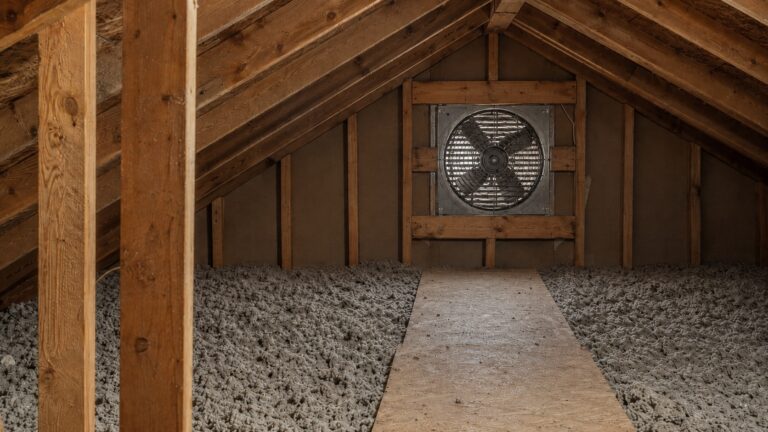
If the attic is safely accessible, it can also provide useful clues. Damp insulation, darkened roof decking, musty odors, stained rafters, or small drips after wind-driven rain can indicate that weakened roof seals have already allowed water inside. Attic checks are often safer and more useful than walking on the roof, especially after storms.
Do not enter an attic if there is active dripping near electrical wiring, sagging ceiling materials, unstable access, or any sign that the structure may be unsafe.
Homeowners should also document suspicious areas with photos. A photo taken after the storm can help compare the roof’s condition later. It can also help a roofing contractor understand which slopes or roof edges looked different after the wind event.
What homeowners should not do is just as important. Do not climb onto a steep, wet, brittle, or storm-damaged roof to lift shingles by hand. A roof can be slippery, and weakened shingles can be damaged further by foot traffic. Testing shingle seals manually is not a safe DIY inspection method for most homeowners.
Homeowners should also avoid assuming that roof cement, caulk, or surface sealant is always enough. A small temporary patch may hide a symptom without correcting creased shingles, brittle materials, loose fasteners, or widespread seal failure. If the roof has repeated wind-related leaks, lifted tabs across multiple slopes, or moisture in the attic, the problem should be evaluated as part of a larger moisture-control plan to find, fix, and prevent moisture problems in homes.
When moisture has already entered the roof system, homeowners should not focus only on the shingle surface. The affected areas may include underlayment, decking, insulation, rafters, and ceiling drywall. A professional inspection may be needed to inspect roof areas for leak damage and determine whether the problem is isolated or widespread.
FAQ
Can wind break the seal on shingles?
Yes. Strong wind can lift shingle tabs and separate them from the adhesive strip beneath. The shingle may remain on the roof, but the seal may no longer hold it tightly. Once that happens, the shingle can lift more easily during later storms.
Do shingles reseal after wind damage?
Sometimes shingles lie back down, but older, brittle, dirty, shaded, cold, or creased shingles may not regain their original bond strength after wind breaks the seal.
Can unsealed shingles cause leaks?
Unsealed shingles can contribute to leaks, especially during wind-driven rain. Water may be pushed beneath the loosened tab and reach underlayment, nail holes, seams, or decking. The leak may not appear until a later storm.
Can I test roof seals by lifting shingles?
Most homeowners should not test roof seals by lifting shingles. Pulling on tabs can damage brittle shingles, worsen weak seals, and create safety risks on steep or storm-damaged roofs. Use ground-level photos, attic clues, and a professional inspection when seal failure is suspected.
Is seal damage worse on older roofs?
Seal damage is often more concerning on older roofs because shingles become less flexible and adhesive strips may weaken over time. Older shingles are also more likely to crease, crack, or fail to reseal after wind uplift.
Can roof seal damage be repaired?
Some isolated seal damage may be repairable when the surrounding shingles are still flexible and in good condition. Widespread seal failure, creased shingles, brittle materials, or active leaks may require a more serious repair evaluation.
Does broken shingle sealing always mean roof replacement?
No. Broken shingle sealing does not automatically mean the entire roof needs replacement. The decision depends on the age of the roof, how many shingles are affected, whether shingles are creased or brittle, and whether water has already entered the roof system.
Roof Seal Damage: Quick Summary
- Roof seals help asphalt shingles resist wind uplift and wind-driven rain.
- Wind can break shingle seals without removing shingles from the roof.
- A shingle can look flat after a storm while still having a weakened adhesive bond.
- Unsealed shingles are more likely to lift again during later wind events.
- Weak seals can allow rain to reach underlayment, nail lines, seams, decking, or attic materials.
- Older roofs are more vulnerable because shingles become brittle and adhesive strength declines over time.
- Homeowners should inspect safely from the ground and attic rather than walking on a storm-damaged roof.
- Widespread seal damage, creased shingles, or interior moisture signs should be evaluated professionally.
What to Do Next If Wind Has Weakened Roof Seals
After strong winds, the key question is not only whether shingles are missing. It is whether the shingles that remain are still sealed well enough to resist the next round of wind-driven rain. Watch for lifted tabs, new uneven shingle lines, creases, fresh granule loss, attic moisture, and leaks that appear mainly during windy rain.
Isolated seal damage may be repairable, but widespread broken seals, brittle shingles, or moisture inside the home should be evaluated before the problem becomes a recurring roof leak.
One Comment
Comments are closed.