Seasonal Moisture Risks Every Homeowner Should Know
Seasonal moisture risks are predictable once you know what each season does to a home. Spring rain can reveal basement seepage. Summer humidity can make closets, bathrooms, crawl spaces, and lower levels feel damp. Fall leaves can overload gutters and drainage paths. Winter cold can create condensation on windows, attic surfaces, and exterior wall corners.
The risk is not every normal humidity change. The warning sign is a pattern: musty odors, damp walls, window condensation, basement seepage, mold, swollen trim, wet insulation, or recurring stains that return during the same season. When that happens, the home is giving you a clue about why moisture problems keep returning.
This guide explains the main moisture risks in spring, summer, fall, and winter, where to look first, and when a seasonal moisture pattern needs more investigation. It also fits into the larger process of learning how to find, fix, and prevent moisture problems throughout the home before they become expensive damage.
Why Moisture Risks Change Throughout the Year
Seasonal moisture patterns come from two sources: changing outdoor conditions and changing indoor habits. Rain, humidity, freezing temperatures, soil saturation, and wind-driven storms affect the outside of the home, while heating, cooling, closed windows, showers, cooking, laundry, and ventilation habits affect the inside.
The biggest seasonal moisture drivers include:
- Rainfall and storm frequency
- Snowmelt and thawing soil
- Outdoor humidity levels
- Indoor heating and cooling patterns
- Closed-window seasons with less natural ventilation
- Cold surfaces that allow condensation to form
- Soil saturation around foundations
- Gutter, downspout, and drainage performance
- Basement and crawl space moisture
- Bathrooms, kitchens, laundry rooms, and other indoor moisture sources
- HVAC operation, duct condensation, and drain line performance
Each season changes which of these factors matters most. In spring, rain and snowmelt may load the soil around the foundation. In summer, outdoor humidity and damp lower levels often become more important. In fall, leaves and cooler nights create drainage and condensation risks. In winter, cold surfaces, closed-up indoor air, and attic condensation may become the main concern.
This is why moisture prevention should not be a one-time task. A home may need different checks at different times of year. The same house can have spring basement seepage, summer humidity, fall gutter overflow, and winter condensation without those problems being unrelated. They may all point back to the same core issue: water, vapor, or damp air is not being controlled well enough for the season.
Seasonal Moisture Risk Map: Where to Look First
The easiest way to use seasonal moisture patterns is to check the parts of the home most likely to react during each season. You do not need to inspect every room the same way all year. Start with the areas that match the season, then pay closer attention to any place that has had moisture before.
| Season | Highest-risk areas | Most common warning signs | What to check first |
|---|---|---|---|
| Spring | Basements, crawl spaces, window wells, foundation edges, sump pits | Seepage, damp wall-floor joints, musty lower levels, sump pump cycling | Downspouts, grading, window wells, basement corners, crawl space soil |
| Summer | Basements, crawl spaces, closets, bathrooms, laundry rooms, low-airflow rooms | High humidity, musty odors, slow drying, mold on stored items, condensation on cold pipes or ducts | Indoor humidity readings, AC drainage, dehumidifier performance, airflow in enclosed spaces |
| Fall | Gutters, downspouts, roof edges, siding, foundation perimeter, windows, doors | Overflowing gutters, wet leaves against the house, basement dampness after rain, early window condensation | Gutter debris, downspout discharge, window wells, exterior trim, basement corners after storms |
| Winter | Windows, exterior wall corners, attics, bathrooms, closets, poorly ventilated rooms | Window condensation, damp trim, attic frost or staining, mold near cold surfaces, musty closed rooms | Humidity levels, bathroom ventilation, attic air leaks, cold wall corners, persistent condensation |
Spring Moisture Risks
Spring is one of the most important seasons for moisture awareness because water starts moving again. Rain becomes more frequent in many areas, snow may melt, soil can stay saturated, and groundwater may rise around foundations. These conditions can reveal basement, crawl space, drainage, and foundation problems that were hidden during colder or drier weather.
Common spring moisture risks include:
- Basement seepage after rain
- Water entering at the floor-wall joint
- Foundation dampness from saturated soil
- Snowmelt collecting near the foundation
- Sump pumps running more often
- Crawl spaces becoming damp or musty
- Window wells filling with water or debris
- Exterior drainage systems becoming overwhelmed
- Musty odors in lower levels after storms
Spring moisture problems often begin outside. Roof runoff, saturated soil, poor grading, clogged window wells, short downspouts, and blocked exterior drains can all send water toward the foundation. Once the ground around the basement becomes saturated, water pressure can rise against walls and floors. This is why broader spring moisture problems in homes often show up first in basements, crawl spaces, and lower-level rooms.
Basements are especially vulnerable in spring because rain, snowmelt, and groundwater can overlap. A basement that did not leak during winter may suddenly show puddles, damp wall patches, floor seepage, or sump pump activity once the ground thaws and becomes saturated. If this pattern repeats, it helps to understand why basements flood more often in spring rather than assuming each event is unusual.
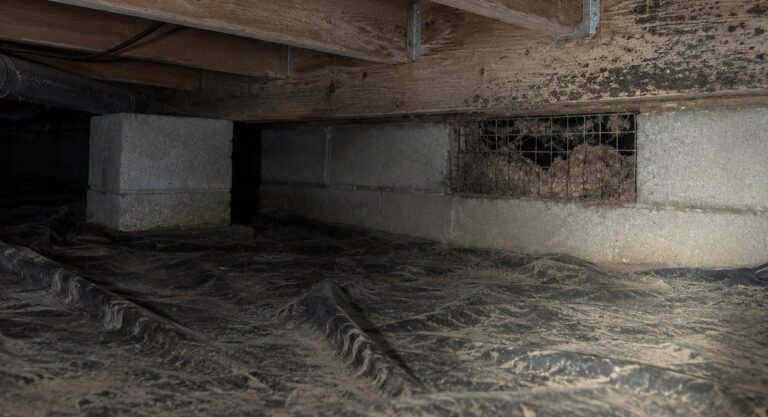
Spring is also a good time to check crawl spaces and stored items. Damp soil, damaged vapor barriers, standing water, poor drainage, and wet insulation can raise humidity and create musty odors. Even if there is no visible flooding, spring dampness can linger in lower parts of the home and affect indoor air, wood framing, insulation, and storage areas.
Homeowners should inspect after rain, not only during dry weather. Look at basement corners, wall-floor joints, sump pits, window wells, crawl space soil, foundation edges, and areas below downspouts. The best clue is often the pattern: if the same area becomes damp after every spring storm, that is not just seasonal variation. It is a recurring moisture path that needs correction.
Summer Moisture Risks
Summer moisture risks are often driven by humidity. Warm outdoor air can hold more moisture, and when that air enters the home, indoor humidity can rise quickly. This can happen through open doors, air leaks, crawl spaces, basements, ventilation paths, and normal daily use. In many homes, summer moisture problems are less about visible water and more about damp air that lingers long enough to affect materials.
Common summer moisture risks include:
- High indoor humidity
- Musty basement or crawl space odors
- Mold growth in closets, bathrooms, and low-airflow rooms
- Condensation on cold pipes, ducts, or basement surfaces
- Air conditioners cooling the home without removing enough moisture
- Bathrooms and laundry rooms drying slowly
- Dehumidifiers running more often
- Stored items becoming damp or moldy
Air conditioning can reduce humidity, but only when the system runs long enough, has proper airflow, and drains condensate correctly. An oversized or short-cycling AC system may cool the air quickly without removing enough moisture. A clogged condensate drain, dirty coil, restricted filter, or weak dehumidification can leave the home feeling cool but damp. That is one reason summer humidity problems are often mistaken for comfort issues when they may actually be moisture-control issues.
Lower areas of the home often show summer moisture first. Basements and crawl spaces stay cooler than outdoor air, so humid air can condense on cooler surfaces or make the space feel heavy and musty. Stored cardboard, wood, fabric, leather, and insulation can absorb moisture when humidity stays high. If this pattern repeats each year, it helps to understand why indoor humidity increases in summer.
Summer humidity can also make mold problems more likely because damp surfaces dry more slowly. Bathrooms, closets, basements, crawl spaces, and poorly ventilated rooms are common problem areas. If mold seems to appear or spread faster during hot humid weather, review why mold problems get worse in summer so you can separate a cleaning issue from a humidity and airflow problem.
Fall Moisture Risks
Fall is a transition season. Moisture risks begin shifting from summer humidity toward colder-weather condensation and winter drainage concerns. Leaves collect in gutters, downspouts can clog, rain may become more frequent in some regions, and cooler nights can create early condensation on windows and exterior surfaces. At the same time, homes may begin staying closed up more often.
Common fall moisture risks include:
- Clogged gutters from leaves and debris
- Downspouts discharging water too close to the foundation
- Wet leaves packed against siding, trim, or foundation walls
- Early condensation on windows during cool nights
- Basement dampness after fall rain
- Exterior door and window leaks during wind-driven rain
- Attic ventilation problems becoming more important before winter
- Indoor humidity lingering as windows stay closed more often
Fall is a good time to prevent problems before colder weather makes them harder to correct. Check gutters after leaves begin dropping, confirm downspouts discharge away from the foundation, clear window wells, look for wet debris against siding or trim, and watch basement corners after fall rain. A small drainage problem in fall can contribute to basement dampness, foundation saturation, or winter moisture issues later.
Cooler nights also make condensation easier to notice. If indoor humidity stays elevated from showers, cooking, laundry, basement dampness, or poor ventilation, moisture may start collecting on windows and cold surfaces before winter fully arrives. That makes fall a useful time to begin tracking humidity and correcting airflow problems.
For a more action-focused seasonal task list, use a fall moisture prevention checklist to inspect gutters, downspouts, foundation drainage, windows, doors, basements, crawl spaces, attics, humidity, plumbing, and HVAC drainage before winter.
Winter Moisture Risks
Winter moisture risks are often misunderstood because indoor air can feel dry while parts of the home still have condensation problems. Heating systems may lower relative humidity in some rooms, but cold surfaces can still collect moisture when indoor air contacts them. This is why winter can bring dry skin and static electricity in one part of the home while windows, attic sheathing, or exterior wall corners develop condensation in another.
Common winter moisture risks include:
- Condensation on windows and window trim
- Mold around window corners or exterior wall corners
- Attic condensation on roof sheathing or rafters
- Bathroom moisture lingering because windows stay closed
- Kitchen and laundry moisture staying indoors longer
- Dry indoor air combined with localized surface dampness
- Frozen or blocked exterior drainage paths
- Ice, snow, or roof-related moisture affecting attic and wall areas
Condensation is one of the biggest winter moisture concerns. When warm indoor air reaches cold glass, wall surfaces, attic materials, or poorly insulated areas, water vapor can turn into liquid moisture. If that happens repeatedly, the surface can stay damp long enough to stain, damage paint, soften trim, or support mold. For a deeper explanation, review why condensation problems get worse in winter.
Winter mold is often tied to the same pattern: cold surfaces, trapped moisture, poor ventilation, and slow drying. Window corners, closets, bathrooms, attics, and rooms with exterior walls are common locations. If mold appears after cold weather begins, it may help to understand why homes develop mold problems in winter.
Do not treat repeated winter condensation as only a glass-cleaning problem. If moisture is wetting wood trim, drywall, attic sheathing, insulation, or painted surfaces, the issue may involve humidity, air leakage, insulation gaps, or ventilation rather than the window surface alone.
Winter moisture control is about balance. The home may need enough ventilation to remove moisture from showers, cooking, laundry, and occupants, while also avoiding excessive drying or comfort problems. The important warning sign is not one foggy window on a cold morning. It is persistent condensation, damp trim, musty odors, mold, wet insulation, or moisture that keeps returning in the same cold-weather locations.
Moisture Risks That Can Happen in Any Season
Some moisture risks can happen at any time of year. Plumbing leaks, appliance leaks, roof leaks, HVAC drain problems, and hidden moisture may become easier to notice during certain seasons, but the source itself can exist year-round.
Common year-round moisture risks include:
- Slow plumbing leaks inside walls, ceilings, cabinets, or floors
- Appliance leaks from dishwashers, washing machines, refrigerators, and water heaters
- Roof leaks around flashing, vents, chimneys, skylights, or damaged roofing materials
- HVAC condensation and clogged drain lines
- Bathroom moisture from showers, tubs, toilets, and weak exhaust fans
- Kitchen moisture from sinks, dishwashers, cooking, and poor ventilation
- Hidden wall or flooring moisture after small leaks
- High humidity in rooms with poor airflow
- Mold growth in damp materials that never fully dry
These risks can become worse during certain seasons. A small roof leak may be more obvious during spring storms. A slow plumbing leak may create more mold during humid summer weather. A bathroom ventilation problem may become worse in winter when windows stay closed. A crawl space moisture problem may be more noticeable after rain or during humid months.
That is why seasonal moisture control should not focus only on the calendar. It should also focus on patterns. If a room smells musty every time the weather changes, if a basement corner dampens after rain, if a window grows mold every winter, or if a bathroom ceiling stays damp no matter the season, the home may have a recurring moisture pathway that needs to be traced.
How Recurring Seasonal Moisture Patterns Develop
Recurring seasonal moisture patterns develop when the same trigger returns and the same weak point responds. The trigger might be spring rain, summer humidity, fall leaf buildup, or winter condensation. The weak point might be poor drainage, a cold surface, a leaky window, weak ventilation, a damp basement, an attic airflow problem, or a material that absorbs moisture and dries slowly.
For example, a basement wall may dampen every spring because soil around the foundation becomes saturated. A closet may smell musty every summer because humid air enters but cannot circulate. A window corner may grow mold every winter because condensation forms on the same cold surface. A roof area may stain after repeated storms because flashing fails in the same location.
Recurring seasonal moisture usually follows one of these patterns:
- The same weather condition returns each year.
- The same area of the home receives water, vapor, or condensation.
- The same material absorbs moisture and dries slowly.
- The same room lacks enough airflow to dry properly.
- The same exterior drainage problem sends water toward the house.
- The same repair hides symptoms without correcting the source.
- The same humidity pattern returns when HVAC use changes.
This is why cleaning, drying, or repainting often fails when the source is not corrected. A stain may disappear temporarily, but the next rainy season may bring the same moisture back. Mold may be cleaned from a corner, but the same cold surface and poor airflow may recreate the problem in winter. A basement may be dried after spring seepage, but the same grading or downspout issue may wet the foundation again.
Seasonal timing is useful because it helps identify the cause. Moisture that appears after rain points toward drainage, roof, window, foundation, or exterior wall issues. Moisture that appears during humid weather points toward ventilation, lower-level dampness, or dehumidification problems. Moisture that appears during cold weather often points toward condensation, cold surfaces, or attic airflow problems. Moisture that appears after each seasonal transition may connect to why mold problems often appear after seasonal changes.
How to Monitor Seasonal Moisture Risks
Monitoring seasonal moisture risks helps homeowners catch patterns before they become serious damage. The goal is not to inspect every inch of the house every week. The goal is to know which areas are vulnerable in each season and check them when the weather makes moisture problems more likely.
Start with the areas that have had problems before. If a basement corner became damp last spring, check it after spring rain. If a bedroom window had condensation last winter, check it during the first cold nights. If a closet smelled musty during humid weather, check it when summer humidity rises. Recurring locations deserve more attention than random areas with no history.
When you check these areas, record the date, weather, humidity reading if available, and whether the surface was stained, wet, musty, swollen, or visibly moldy. A simple note or photo log can make a repeating seasonal pattern much easier to prove.
Useful seasonal monitoring habits include:
- Inspect basements and crawl spaces after spring rain or thaw.
- Check indoor humidity during humid summer weather.
- Inspect gutters, downspouts, grading, and window wells in fall.
- Watch windows, attic surfaces, and exterior wall corners during winter.
- Use a hygrometer in basements, bedrooms, bathrooms, and other moisture-prone rooms.
- Photograph recurring stains, cracks, mold spots, or damp areas for comparison.
- Check under sinks, near appliances, and around water heaters in every season.
- Use water leak sensors in high-risk locations such as laundry rooms, sump pump areas, under sinks, and near water heaters.
- Track musty odors instead of dismissing them after the room airs out.
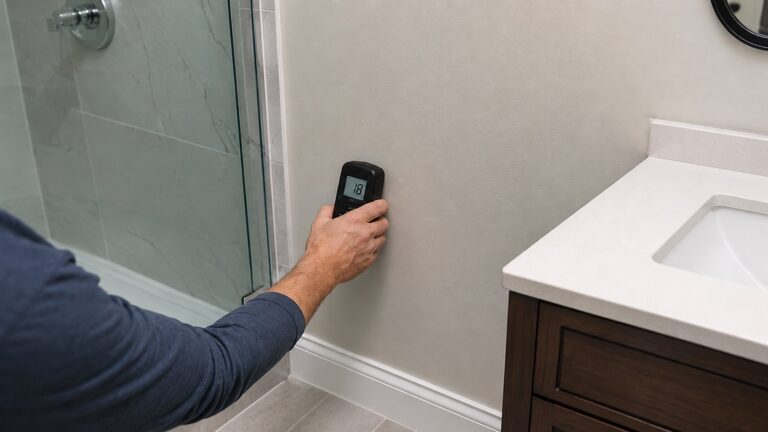
Humidity monitoring is especially useful because seasonal moisture is not always visible at first. A room may feel normal while humidity readings stay high enough to cause slow problems over time. If you are not sure where to measure or how to interpret readings, start with a guide on how to test indoor humidity levels.
It also helps to understand the broader relationship between weather and indoor moisture. Outdoor humidity, rainfall, temperature swings, soil moisture, ventilation, and HVAC use can all affect the way a home behaves. If humidity readings seem to change with every season, compare them with how seasonal weather affects indoor humidity.
Monitoring should lead to action. If a humidity reading is high, improve ventilation, reduce indoor moisture sources, run a dehumidifier if appropriate, or investigate damp lower-level conditions. If water appears after rain, inspect exterior drainage, roofing, windows, doors, and foundation areas. If condensation keeps returning, address indoor moisture, surface temperature, insulation, and airflow. For year-round protection, connect monitoring with a plan to prevent recurring moisture damage.
When Seasonal Moisture Risks Need Professional Attention
Many seasonal moisture risks can be reduced with routine maintenance, better ventilation, humidity monitoring, gutter cleaning, downspout extensions, or simple leak checks. But some patterns need professional attention because they may involve hidden water paths, structural materials, foundation pressure, roofing failures, HVAC issues, or mold growth inside damp materials.
The strongest warning sign is recurrence. A single foggy window, brief bathroom humidity spike, or wet leaf pile near the foundation may be manageable. But moisture that returns in the same area every season usually means the source has not been corrected. The longer that pattern continues, the more likely it is to affect drywall, insulation, trim, flooring, framing, stored belongings, or indoor air quality.
Consider professional inspection if you notice any of the following:
- Basement water, seepage, or dampness that returns after rain or snowmelt
- Standing water in a basement, crawl space, window well, or exterior stairwell
- Condensation that repeatedly wets trim, walls, ceilings, or attic materials
- Mold that returns in the same place after cleaning
- Musty odors that come back during the same season every year
- Wet insulation, soft drywall, swollen trim, or warped flooring
- Sump pump failure, constant cycling, or water rising near the basement floor
- Roof stains, attic moisture, or darkened roof sheathing during cold or wet weather
- Water stains around windows, doors, ceilings, or exterior walls after storms
- Moisture problems that continue after basic drainage, ventilation, or humidity corrections
The right professional depends on the pattern. Basement seepage usually points toward a waterproofing or drainage specialist. Roof stains, attic moisture, or darkened sheathing may need a roofer or attic ventilation inspection. Moisture near fixtures, cabinets, ceilings, or floors may need a plumber. Condensate leaks, sweating ducts, or poor humidity removal may need an HVAC technician. Recurring mold, wet drywall, wet insulation, or strong musty odors may need mold or restoration evaluation.
The important point is not to wait until seasonal moisture becomes major damage. If the same problem returns every spring, summer, fall, or winter, the season is revealing the weakness. Professional inspection can help identify whether the source is exterior drainage, humidity, condensation, leaks, ventilation, foundation pressure, or hidden damp materials.
FAQs About Seasonal Moisture Risks Every Homeowner Should Know
What season causes the most moisture problems in homes?
No single season causes the most moisture problems in every home. Spring often brings basement seepage, snowmelt, and saturated soil. Summer often brings high humidity and mold risk. Fall often brings clogged gutters, drainage problems, and early condensation. Winter often brings window condensation, attic moisture, and cold-surface mold. The highest-risk season depends on the home’s climate, drainage, ventilation, foundation, roof, and humidity control.
Why do moisture problems come back at the same time every year?
Moisture problems come back at the same time every year because the same seasonal trigger returns. Spring rain may saturate the same foundation wall. Summer humidity may affect the same basement or closet. Fall leaves may clog the same gutter. Winter cold may create condensation on the same window or attic surface. Recurrence usually means the underlying moisture pathway was not corrected.
Are spring moisture problems different from winter moisture problems?
Yes. Spring moisture problems are often driven by rain, snowmelt, saturated soil, high groundwater, and foundation pressure. Winter moisture problems are often driven by cold surfaces, indoor moisture, reduced ventilation, and condensation. Both can cause dampness and mold, but the source and solution may be different.
Can summer humidity cause water damage?
Summer humidity can contribute to water damage when indoor moisture stays high long enough to affect materials. Persistent humidity can cause swelling wood, musty odors, surface mildew, mold growth, damp stored items, and condensation on cold ducts, pipes, or basement surfaces. It may not look like a leak, but it can still damage materials over time.
Why does condensation get worse in colder seasons?
Condensation gets worse in colder seasons because surfaces such as windows, exterior walls, attic sheathing, and metal ducts become colder. When warm indoor air carries moisture to those cold surfaces, water vapor can turn into liquid moisture. If this happens repeatedly, it can wet trim, stain surfaces, damage paint, or support mold growth.
What should homeowners inspect seasonally for moisture?
Homeowners should inspect gutters, downspouts, grading, foundation edges, basements, crawl spaces, attics, windows, exterior doors, bathrooms, kitchens, laundry areas, HVAC drain lines, plumbing fixtures, and any room with a history of dampness. The best time to inspect is right after the condition most likely to trigger the problem, such as spring rain, summer humidity, fall leaf buildup, or winter cold snaps.
When should seasonal moisture problems be professionally inspected?
Seasonal moisture problems should be professionally inspected when they recur, worsen, affect structural materials, create standing water, cause mold to return, wet insulation or drywall, overload sump pumps, or continue after basic maintenance. A repeating seasonal pattern usually means the home has a moisture source or weak point that needs to be traced.
Key Takeaways
- Seasonal moisture risks change because rainfall, humidity, temperature, drainage, ventilation, and HVAC use change throughout the year.
- Spring risks often involve rain, snowmelt, saturated soil, basement seepage, crawl space dampness, and sump pump demand.
- Summer risks often involve high humidity, damp lower levels, slow drying, mold growth, and AC systems that cool without removing enough moisture.
- Fall risks often involve clogged gutters, leaf debris, foundation drainage, cooler nights, and early condensation.
- Winter risks often involve cold surfaces, window condensation, attic moisture, closed-up indoor air, and mold around poorly ventilated areas.
- Moisture problems that return at the same time every year usually point to a recurring seasonal trigger, not random bad luck.
- Humidity monitoring, leak checks, seasonal inspections, water leak sensors, and photo tracking can help homeowners spot patterns early.
- Professional inspection is wise when the same seasonal moisture pattern returns, causes mold, wets drywall or insulation, creates standing water, affects structural materials, or continues after basic maintenance.