
Why Homes Develop Mold Problems in Winter
Homes can develop mold problems in winter because indoor mold depends on moisture, not the outdoor season. Even when the weather outside is cold, the inside of a home is usually warm enough for mold to grow if surfaces stay damp. Winter changes where moisture collects, how quickly materials dry, and how much ventilation the home receives.
The most common winter mold pattern is moisture from indoor air collecting on cold surfaces. Window glass, exterior wall corners, closets, bathroom ceilings, attic sheathing, basement rim joists, and areas behind furniture can all become mold-prone when condensation, poor airflow, or hidden dampness keeps materials wet. If you want to remove mold permanently, the winter moisture source has to be corrected before cleaning can last.
This is why winter mold often surprises homeowners. They may assume mold is mainly a summer humidity problem, but winter mold usually develops when indoor moisture repeatedly wets cold or slow-drying surfaces. The issue is not cold weather by itself. The issue is moisture that does not dry.
Why Mold Can Develop Indoors During Winter
Mold can grow indoors during winter because most homes remain warm enough for growth. The outdoor temperature may be freezing, but the indoor temperature is usually comfortable for people and suitable for mold if moisture is available. The limiting factor is usually water, not warmth.
Daily winter moisture from showers, cooking, laundry, breathing, humidifiers, damp towels, wet boots, and indoor drying can collect on cold surfaces instead of drying quickly.
Windows and doors are usually kept closed in winter, which reduces natural drying and ventilation. Interior rooms may receive less fresh air. Closets may stay shut. Furniture may block airflow against exterior walls. Bathroom fans may be underused because homeowners do not want to lose warm air. These habits can allow moisture to linger longer than expected.
Winter mold is often a sign that moisture is collecting in a repeating pattern. The same window gets wet every morning. The same corner stays cold and damp. The same closet smells musty. The same bathroom ceiling develops spots after showers. These patterns matter because they show where the home is failing to keep materials dry.
For a broader moisture-control view, winter mold should be treated as part of how to find, fix, and prevent moisture problems in homes. The visible mold is only one part of the problem. The deeper issue is why that area is receiving or holding moisture during winter.
How Winter Condensation Leads to Mold
Condensation is one of the main reasons homes develop mold problems in winter. It forms when warm, moist indoor air touches a surface cold enough for water vapor to turn into liquid moisture. If that condensation happens repeatedly and the surface does not dry well, mold can begin growing on dust, paint, drywall paper, wood, caulk, fabric, or other organic material.
This is why many winter mold problems begin in places that are colder than the surrounding room. Mold may appear near windows, in wall corners, behind furniture, inside closets, around attic framing, or on bathroom ceilings. The surface stays damp long enough for mold to grow, even if there is no obvious leak.
A separate guide explains why condensation problems get worse in winter in more detail. For winter mold, the important point is that condensation can turn ordinary indoor moisture into repeated surface wetting.
Cold windows and damp trim
Windows are one of the most common winter mold locations because glass is often one of the coldest visible surfaces in the home. Moist indoor air touches the cold glass, water forms, and that water runs down onto sills, trim, caulk, and nearby drywall. If the area gets wet every morning, the surrounding materials may never dry fully.
Mold around windows does not always mean the window is leaking from outside. In many cases, the water starts on the room side of the glass. The mold develops because condensation repeatedly wets the same trim, sill, or painted surface. Curtains, blinds, and poor airflow can make the problem worse by trapping cold, damp air near the glass.
However, window mold should still be checked carefully. If staining appears after rain or snowmelt, if trim is soft, or if water enters around the frame, exterior leakage may also be involved. The pattern and timing of the moisture are important.
Exterior wall corners and thermal bridging
Exterior wall corners can develop mold in winter because they are often colder than open wall areas. Corners may have more framing, less effective insulation, or thermal bridging that transfers outdoor cold toward the room side of the wall. When indoor moisture reaches those cold surfaces, condensation can form.
This often appears as dark spotting in upper corners, lower corners, behind baseboards, or along the edge where two exterior surfaces meet. The area may not be leaking. It may simply be cold, poorly ventilated, and damp during winter.
Thermal bridging and insulation gaps can also create small cold zones that support mold even when the rest of the wall looks normal. These spots are common behind furniture, near ceiling corners, around closets, and along exterior walls exposed to cold wind.
Closets, furniture, and stagnant air pockets
Mold often appears behind furniture or inside closets during winter because air movement is limited. When furniture is pushed tightly against an exterior wall, it blocks warm room air from circulating behind it. The wall surface stays colder, moisture dries more slowly, and mold may grow unnoticed.
Closets have the same problem. A closet on an exterior wall may stay cooler than the room, especially if the door remains closed and clothes, boxes, shoes, or stored items are packed tightly inside. Fabrics, leather, paper, and cardboard can absorb moisture and develop musty odors or mold spots.
This kind of winter mold is easy to miss because it develops in hidden or low-airflow spaces. By the time the homeowner notices a musty smell, the wall, stored items, or trim may have been damp for weeks.
Attic condensation and roof sheathing
Attics can develop winter mold when warm, moist indoor air leaks upward and reaches cold roof sheathing or framing. Gaps around attic hatches, recessed lights, ceiling penetrations, bath fans, ducts, and plumbing chases can allow moist indoor air to enter the attic. Once that air touches cold surfaces, condensation can form.
Repeated attic condensation can lead to dark staining, damp insulation, frost on nail tips, or mold-like growth on roof sheathing and rafters. This can be mistaken for a roof leak, but the source may be indoor air leakage rather than water entering through shingles or flashing.
If attic moisture appears during cold weather, especially when there has been no rain, compare the pattern with common signs of roof condensation in attics. Attic mold should be taken seriously because it can affect insulation, wood sheathing, roof framing, and the home’s overall moisture balance.
Why Indoor Humidity Can Still Be a Mold Problem in Cold Weather
Many homeowners think winter air is too dry for mold, but that is only partly true. Outdoor winter air may be dry, but indoor moisture can still build up inside a closed home. When that moisture reaches cold surfaces, it can create damp conditions even if the rest of the room does not feel humid.
Winter mold usually develops when indoor humidity is too high for the temperature of the surfaces inside the home. A humidity level that causes no obvious issue during mild weather may create condensation during a cold snap because windows, exterior walls, attic surfaces, and rim joists become colder.
This is why measuring indoor humidity matters. A home can feel dry to your skin but still have enough moisture to wet cold surfaces. If mold appears during winter, especially near windows, bathrooms, closets, or exterior walls, it is wise to test indoor humidity levels before assuming the problem is only a leak or only poor cleaning.
Daily moisture from showers, cooking, laundry, and breathing
Everyday activities add moisture to indoor air. Showers, baths, cooking, dishwashing, damp towels, wet clothing, indoor drying racks, houseplants, aquariums, and breathing all release water vapor. During winter, that moisture may stay indoors longer because windows are closed and ventilation is often reduced.
Bathrooms are a common example. A hot shower can fill a small room with moisture. If the exhaust fan is weak, rarely used, or shut off too soon, the moisture can linger on ceilings, walls, mirrors, towels, trim, and nearby rooms. If those surfaces are cold or dry slowly, mold can begin to appear.
Kitchens and laundry rooms can create similar problems. Boiling water, cooking without exhaust, leaky dryer vents, and damp laundry can all increase indoor moisture. During winter, that moisture has fewer natural ways to escape, so it may condense on cold windows, exterior walls, or hidden surfaces.
Humidifiers used too aggressively
Humidifiers can improve comfort in dry winter air, but they can also create mold problems when they add more moisture than the home can handle. The colder the outdoor weather becomes, the colder indoor boundary surfaces become. That means the safe indoor humidity level may need to be lower during very cold weather.
If window condensation, damp corners, musty closets, or mold appears after humidifier use, the humidifier may be adding too much moisture. This is especially common with portable bedroom humidifiers, whole-house humidifiers set too high, or humidifiers used continuously without checking actual humidity readings.
A humidifier should not leave the home with wet windows, damp sills, or condensation on exterior walls. If it does, the added moisture is not staying safely in the air. It is collecting on materials where mold can grow.
Closed homes with limited ventilation
Winter homes are often closed tightly to conserve heat. That helps comfort and energy use, but it can also reduce drying. Without enough controlled ventilation, moisture from daily living can accumulate in bathrooms, bedrooms, kitchens, closets, laundry areas, and storage rooms.
Reduced ventilation also allows odors and dampness to linger. A room may smell stale or musty because moisture is not being removed and surfaces are not drying well. This is especially common in homes where interior doors stay closed, closets are packed tightly, or exhaust fans are not used consistently.
Winter humidity problems are different from summer humidity problems, but both can feed mold when the moisture is not controlled. A deeper explanation of why humidity problems worsen in winter can help separate general indoor humidity behavior from the specific mold patterns discussed here.
Common Places Winter Mold Appears
Winter mold usually appears where moisture, cold surfaces, and weak airflow overlap. The location often gives the first clue about the moisture source.
- Windows and sills: condensation runs onto trim, caulk, paint, and nearby drywall.
- Exterior corners: colder surfaces, insulation gaps, and thermal bridging can create damp spots.
- Behind furniture: blocked airflow keeps exterior walls colder and slower to dry.
- Closets: closed doors, packed storage, fabrics, leather, paper, and cardboard can trap moisture.
- Bathrooms and kitchens: shower steam, cooking moisture, weak exhaust, and cold surfaces can feed surface mold.
- Attics, basements, and rim joists: air leakage, cold framing, foundation moisture, or hidden condensation may be involved.
If mold appears in more than one cold or poorly ventilated area during the same winter period, the problem is often a whole-home moisture, airflow, or condensation pattern rather than one isolated dirty surface.
Why Poor Airflow Makes Winter Mold Worse
Poor airflow makes winter mold worse because stagnant air allows cold surfaces to stay damp longer. Even when indoor humidity is not extremely high, a surface can become mold-prone if it is cold, slightly damp, and cut off from normal drying airflow.
This is why mold often appears behind furniture, inside closets, in exterior corners, near window coverings, and in rooms with closed doors. These areas may not receive enough warm moving air to dry condensation before mold begins growing. The rest of the room may feel normal while the hidden or blocked area stays damp.
Bathroom steam, cooking moisture, and laundry humidity need a path out of the home or into areas where the HVAC system can help manage them. If that moisture stays trapped in small rooms, corners, or storage areas, it can keep feeding mold after the visible surface is wiped clean.
Cold surfaces, poor airflow, and indoor moisture often work together. For example, a bedroom wall may be colder because it faces the outdoors. A dresser blocks warm air from reaching the wall. Indoor humidity rises overnight from normal breathing and closed doors. Over time, the wall behind the dresser stays damp enough for mold to grow.
How to Tell Winter Mold From a Leak-Related Mold Problem
Winter mold may come from condensation, but it can also come from leaks or hidden moisture. The difference matters because condensation problems are usually handled by controlling humidity, airflow, surface temperature, ventilation, and air leakage. Leak-related mold requires finding and stopping the water source before the affected materials can stay dry.
The best clue is the pattern. Condensation-driven mold often appears on cold surfaces during cold weather and may improve when indoor humidity, airflow, or surface temperature improves. Leak-related mold usually follows a water source such as rain, snowmelt, plumbing use, roof leakage, appliance leakage, or foundation seepage.
Condensation-driven mold patterns
Condensation-driven mold usually appears where warm indoor air meets cold surfaces. Common patterns include mold on window trim, exterior wall corners, behind furniture, inside closets, bathroom ceiling corners, attic sheathing, and cold rim joist areas. It may become worse during cold snaps, overnight periods, or after indoor moisture events such as showers and cooking.
Condensation mold may appear in several cold or poorly ventilated areas at the same time. For example, a home may have window mold, closet odor, and bathroom ceiling spotting during the same winter period. That pattern suggests a moisture and airflow issue rather than one isolated leak.
Leak-driven mold patterns
Leak-related mold is usually more localized to a water entry point. It may appear below a roof penetration, around a window frame after rain, under a plumbing fixture, near a shower wall, beneath an appliance, or along a basement wall after soil saturation. The mold may be accompanied by stains, soft drywall, swollen trim, warped flooring, or material damage that continues regardless of indoor humidity.
Leaks can still be seasonal. Snowmelt, ice dams, winter rain, plumbing condensation, and hidden pipe leaks can all produce moisture during cold weather. That is why the presence of mold in winter does not automatically prove condensation. It simply means the affected area has stayed damp.
Timing and weather clues
Timing helps separate condensation from leakage. Mold that develops near windows, corners, closets, or attic surfaces during cold, dry weather often points toward condensation. Moisture that worsens after rain, snowmelt, plumbing use, shower use, or appliance operation may point toward a leak or localized water source.
Morning patterns can also be helpful. Window condensation and damp sills are often worse in the morning because glass temperatures drop overnight and indoor moisture accumulates. Bathroom mold may worsen after repeated showers. Attic condensation may be more noticeable during cold snaps when warm indoor air leaks upward and condenses on cold roof sheathing.
Material damage clues
Condensation often begins as surface dampness, but repeated condensation can still damage materials. Peeling paint, swollen trim, stained drywall, moldy caulk, damp insulation, and musty odors can all result from condensation if it happens often enough.
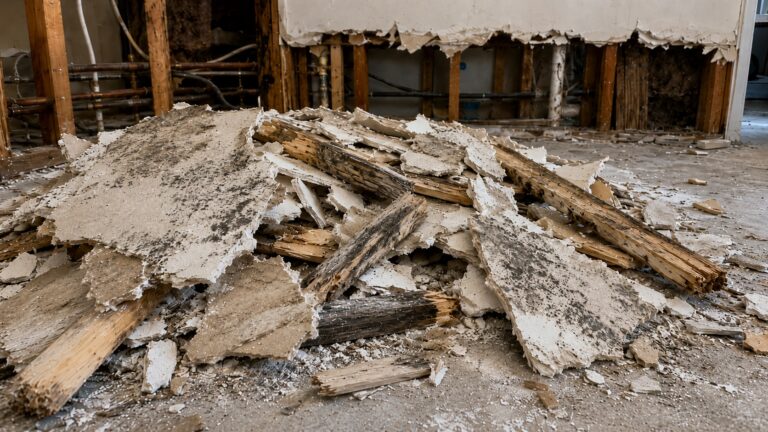
However, deeper or directional damage may suggest a leak. Crumbling drywall, sagging ceiling material, water trails, wet insulation in a narrow path, recurring dampness after storms, or soft subflooring should not be dismissed as ordinary winter condensation. Those signs deserve closer inspection.
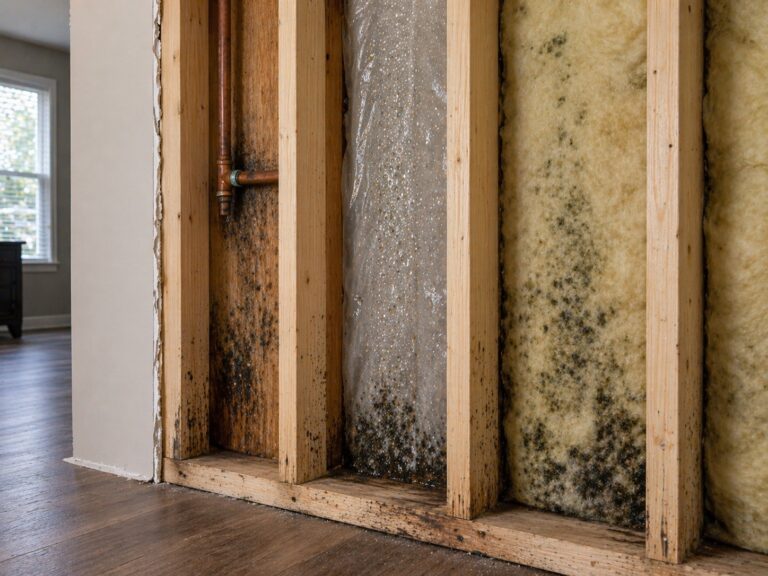
If mold appears behind finished walls, inside cavities, or in areas you cannot see clearly, be careful about assuming it is only surface growth. A guide to signs of mold behind walls can help identify when hidden mold may be involved.
Why Cleaning Winter Mold Is Not Enough
Cleaning visible winter mold may make the surface look better, but it does not solve the problem if the surface keeps getting wet. Mold grows because moisture is present. If condensation, humidity, airflow problems, hidden leaks, or damp materials remain, mold can return after cleaning.
This is especially common around windows, bathrooms, closets, and exterior wall corners. A homeowner may wipe the area clean, but the same surface becomes damp again the next cold morning or after the next shower. Once moisture returns, the cleaned surface can become mold-prone again.
Cleaning also has limits when porous materials are involved. Mold on glass, tile, or some hard surfaces may be more manageable than mold in drywall paper, insulation, carpet backing, unfinished wood, or MDF trim. Porous materials can hold moisture below the surface, which makes repeated growth more likely if the source is not corrected.
Avoid sanding, scraping, or disturbing moldy porous materials if the area is large, hidden, or connected to damaged drywall, insulation, flooring, or framing. Disturbing those materials can spread mold particles and may require containment or professional evaluation.
If mold returns after cleaning, the better question is not which cleaner is stronger. The better question is why the material keeps getting damp. A deeper look at why mold keeps coming back after cleaning can help separate cleaning failure from ongoing moisture failure.
Winter mold control usually requires correcting the moisture pattern. That may mean lowering indoor humidity, improving exhaust ventilation, moving furniture away from exterior walls, increasing airflow into closets, adjusting humidifier use, sealing attic air leaks, improving insulation, checking for leaks, or drying damp materials that are holding moisture.
In areas where cold walls or wall cavities are involved, the issue may go beyond surface cleaning. Condensation can occur inside or near walls when warm indoor air reaches cold materials. If this pattern is suspected, it is important to understand how to prevent condensation inside walls rather than repeatedly treating visible mold at the surface.
When Winter Mold Needs Professional Inspection
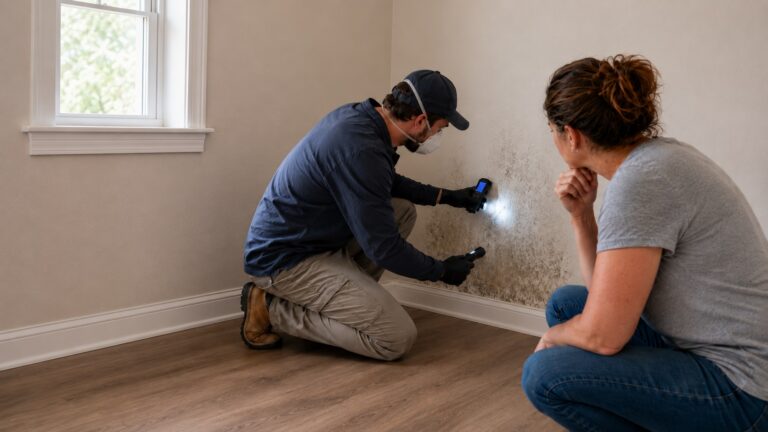
Winter mold needs professional inspection when the affected area is large, keeps returning, appears in hidden spaces, or is connected to damaged materials. Small surface mold caused by minor condensation may be manageable once the moisture source is corrected, but mold that spreads or returns repeatedly usually means the home has a continuing moisture problem.
Professional inspection is especially important when mold appears in attics, wall cavities, HVAC areas, basements, crawl spaces, or around structural wood. These areas can hold moisture where homeowners cannot easily see the full extent of the problem. Surface cleaning may miss damp insulation, wet framing, hidden condensation, or water intrusion behind finished materials.
You should consider a closer inspection when:
- Mold returns in the same place after cleaning.
- Mold appears on drywall, insulation, framing, subflooring, or other porous materials.
- The affected area has swollen trim, soft drywall, peeling paint, or persistent staining.
- There is a strong musty smell but little visible mold.
- Mold appears in an attic, basement, crawl space, or wall cavity.
- Moisture appears after rain, snowmelt, plumbing use, or appliance operation.
- Window or wall mold is spreading beyond a small surface area.
- You cannot tell whether the source is condensation, humidity, or leakage.
The goal of inspection should be to find the moisture source. A useful inspection looks beyond the visible mold and evaluates condensation patterns, indoor humidity, attic air leakage, cold surfaces, ventilation, insulation gaps, plumbing leaks, exterior water entry, and damp materials that may not be drying.
Once the source is found, the solution becomes clearer. Condensation-driven mold may require humidity adjustment, airflow improvement, better exhaust ventilation, or insulation and air-sealing corrections. Leak-driven mold requires stopping the leak and drying or replacing affected materials. In either case, the mold should not be treated as only a cosmetic stain.
FAQs About Homes Developing Mold Problems in Winter
Can mold grow in winter?
Yes. Mold can grow indoors during winter because the inside of a home is usually warm enough for growth. Mold needs moisture and a food source. If condensation, high indoor humidity, leaks, or damp materials are present, mold can grow even when it is cold outside.
Why does mold grow around windows in winter?
Mold grows around windows in winter because cold glass often collects condensation. That water can run onto sills, caulk, trim, and nearby drywall. If those materials stay damp or dry slowly, mold can grow on dust, paint, wood, caulk, or drywall paper.
Does condensation cause mold?
Condensation can cause mold when it happens repeatedly and keeps surfaces damp. A little temporary window fog may not be serious, but daily condensation on trim, walls, ceilings, closets, or attic surfaces can create enough moisture for mold growth.
Is winter mold caused by bad insulation?
Bad or uneven insulation can contribute to winter mold by creating cold surfaces where condensation forms. However, insulation is only one possible factor. Winter mold can also come from high indoor humidity, poor airflow, weak ventilation, humidifiers, air leakage, or leaks.
Can humidifiers cause mold in winter?
Humidifiers can contribute to mold if they add more moisture than the home can handle. If humidifier use leads to wet windows, damp corners, musty closets, or condensation on cold surfaces, the added moisture may be feeding mold risk.
Why does mold grow behind furniture in winter?
Mold can grow behind furniture in winter because furniture blocks airflow against exterior walls. The wall behind the furniture may stay colder and dry more slowly. If indoor moisture reaches that area, condensation can form and remain hidden long enough for mold to grow.
Is attic mold in winter from a roof leak?
Attic mold in winter is not always from a roof leak. It can develop when warm, moist indoor air leaks into the attic and condenses on cold roof sheathing or framing. Roof leaks are still possible, especially if moisture follows rain or snowmelt, but attic condensation is a common winter cause.
Should I clean winter mold myself?
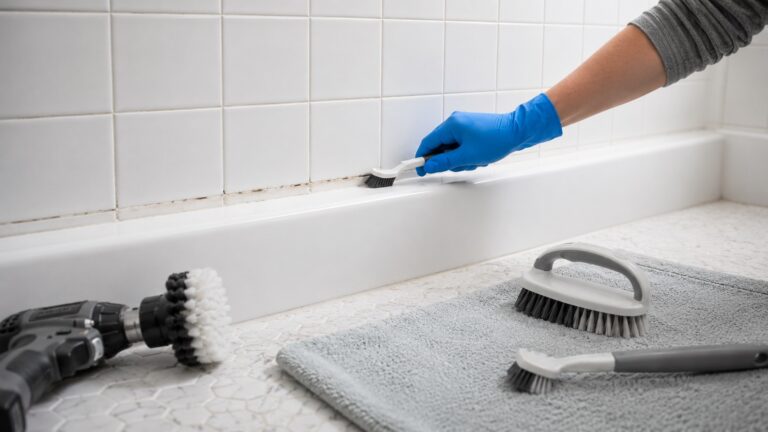
Small surface mold on non-porous or lightly affected surfaces may sometimes be cleaned after the moisture source is corrected. Mold on porous materials, mold that keeps returning, mold in hidden areas, or mold connected to damaged drywall, insulation, flooring, or framing should be evaluated more carefully. Cleaning without fixing the winter moisture pattern usually leads to repeated growth.
Key Takeaways
- Homes develop winter mold when indoor moisture repeatedly wets cold, poorly ventilated, or slow-drying surfaces.
- Cold weather does not stop indoor mold because homes are usually warm enough inside.
- Condensation is the most common winter mold trigger, especially on windows, exterior corners, attic sheathing, and other cold surfaces.
- Windows, exterior wall corners, closets, bathrooms, attics, basements, and areas behind furniture are common winter mold locations.
- Humidifiers can worsen winter mold if they raise indoor humidity too much.
- Poor airflow allows cold, damp surfaces to stay wet longer.
- Winter mold is not always caused by a leak, but leaks should be considered when moisture follows rain, snowmelt, plumbing use, or appliance use.
- Cleaning winter mold will not last unless condensation, humidity, airflow, or hidden moisture problems are corrected.
One Comment
Comments are closed.