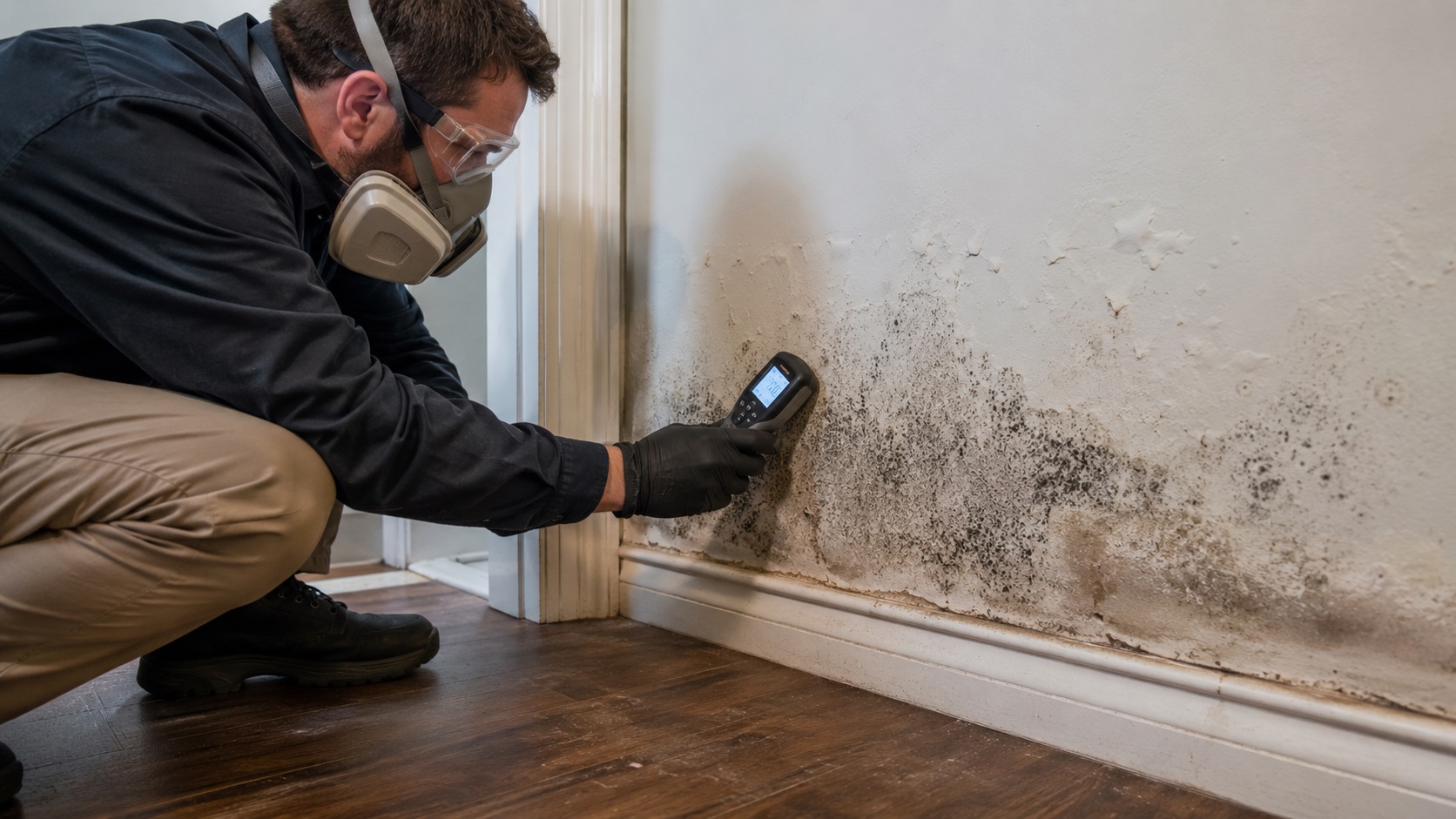
How Much Does Mold Removal from Walls Cost?
Mold removal from walls usually costs about $10 to $25 per square foot when professional remediation is needed. Small surface mold on intact painted walls may cost only a few hundred dollars to clean professionally, while hidden wall mold, moldy drywall removal, containment, repairs, and repainting can raise the total to $1,000 to several thousand dollars or more.
The biggest cost difference is whether the mold is only on a washable wall surface or has reached porous drywall, insulation, framing, baseboards, or hidden wall cavities. Surface cleaning is usually cheaper. Material removal costs more because the affected wall sections may need to be cut out, disposed of, dried, rebuilt, and repainted.
Wall mold should be priced as a moisture problem, not just a stain. If condensation, humidity, plumbing leaks, roof leaks, window leaks, basement seepage, or wet drywall are still present, cleaning the visible surface may not stop the mold from returning. For the broader cleanup process, start with removing mold permanently so the wall cleanup is tied to moisture control and not just surface treatment.
How Much Does Mold Removal from Walls Usually Cost?
Professional wall mold removal usually falls into pricing tiers based on access, material damage, and whether the wall must be opened.
A practical homeowner-facing cost range looks like this:
- Small surface mold on painted walls: often a few hundred dollars if handled professionally, or less if it is safely within a DIY scope
- Professional wall mold remediation: often around $10 to $25 per square foot
- Small drywall mold removal job: often around $300 to $825, depending on access, material condition, and minimum service fees
- Hidden mold behind walls: often $1,000 to several thousand dollars or more if walls must be opened, contained, cleaned, dried, and rebuilt
- Large wall remediation projects: can cost several thousand dollars when multiple rooms, active leaks, containment, demolition, or repairs are involved
These ranges are planning numbers. Mold removal companies may price work by square footage, labor, containment, disposal, equipment, material removal, testing, and repairs. Very small jobs may still have minimum service fees because the company has to send technicians, protect the work area, and dispose of contaminated material properly.
Why hidden wall mold costs more
Hidden wall mold costs more because the visible surface may not show the full problem. Mold can grow on the back side of drywall, inside wall cavities, on insulation, behind baseboards, around framing, or near the bottom plate of a wall. If the wall has to be opened, the job may include containment, demolition, debris disposal, cleaning, drying, and rebuilding.
Hidden mold can also require inspection before removal begins. If there is a musty odor, staining, soft drywall, recurring mold, or past water damage, the contractor may need to determine whether the mold is only on the visible wall face or deeper inside the wall assembly. In that situation, it may help to compare the issue with signs of mold behind walls before assuming surface cleaning is enough.
How wall mold cost compares with general mold remediation cost
Mold removal from walls is one part of broader mold remediation pricing. A wall-only job may be smaller than whole-house remediation, crawl space mold removal, attic mold remediation, or HVAC mold cleanup. However, wall mold can become expensive when it involves hidden moisture, contaminated drywall, multiple rooms, or reconstruction.
If the mold is not limited to one wall surface, compare the wall-specific estimate with overall mold remediation cost. That broader pricing context can help you understand whether the contractor is quoting a small wall cleanup or a larger remediation project.
Wall Mold Cost by Surface Type
Surface type is one of the biggest cost drivers. The more porous, damaged, or hidden the wall material is, the more likely the job will involve removal instead of cleaning.
Painted walls
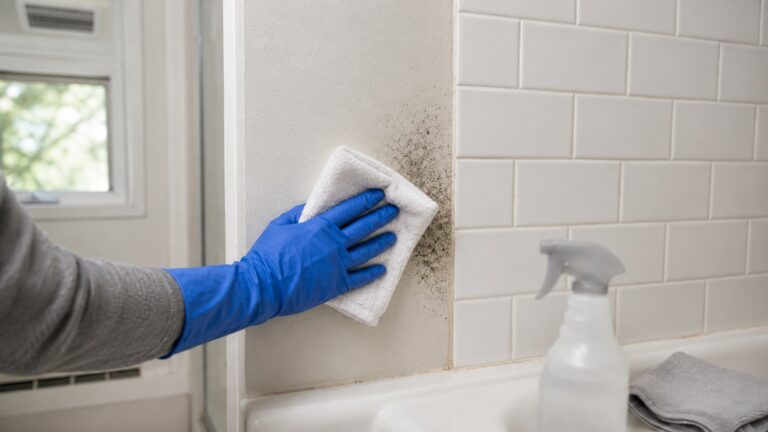
Mold on intact painted walls is often the least expensive wall mold scenario. If the paint is washable, the drywall underneath is firm, the area is small, and the moisture source is surface humidity or condensation, the mold may be cleanable without removing the wall material.
This is common in bathrooms, laundry rooms, poorly ventilated corners, and areas behind furniture where air does not circulate well. However, the wall should be checked for softness, bubbling paint, staining, or recurring growth. If the paint is failing or the drywall feels damp, the issue may go deeper than the surface.
For a surface-specific cleanup topic, see removing mold from painted walls. This cost article should help you decide whether the situation is likely a small surface cleanup or a more expensive wall remediation project.
Drywall
Drywall costs more when the mold is no longer limited to the painted surface. If the paper face is contaminated or the panel is soft, swollen, crumbling, or deeply stained, surface cleaning may not be enough.
Drywall may need to be cut out when mold has penetrated the paper, when the panel is damaged by water, when mold is present on the back side, or when the wall cavity must be inspected. Removal adds labor, containment, disposal, replacement drywall, finishing, texture matching, and repainting.
If you need the cleanup process rather than pricing, see removing mold from drywall. For pricing, the key point is that drywall mold can shift from a cleaning job to a demolition-and-repair job.
Bathroom walls
Bathroom wall mold may be inexpensive if it is limited to surface growth from shower humidity. But it can become more expensive when moisture has entered drywall, caulk joints, wall cavities, baseboards, or areas behind fixtures.
Bathrooms create repeated moisture exposure. If the exhaust fan is weak, the room stays humid, or water splashes behind trim and fixtures, mold may return after cleaning. The cost rises when the contractor has to remove damaged drywall, improve ventilation, dry hidden areas, or address a plumbing leak.
Basement walls
Basement wall mold cost depends heavily on the wall system. Mold on bare concrete or masonry may be handled differently from mold on finished basement drywall. A finished basement wall can hide moisture behind drywall, insulation, framing, and baseboards.
If the mold is caused by basement seepage, high humidity, or water pressure through the foundation, cleaning the wall surface may not solve the problem. The cost may include drying, removing finished materials, improving drainage, or fixing the source of water entry.
Mold behind walls
Mold behind walls is usually one of the more expensive wall mold scenarios. The wall may need to be opened to confirm the extent of contamination. If insulation, framing, sheathing, drywall backing, or base plates are affected, the remediation scope becomes larger than the visible stain.
Hidden wall mold may be suspected when there is a persistent musty odor, repeated staining, peeling paint, soft drywall, past leaks, or mold that returns after cleaning. If there is odor but no visible growth, review mold smell with no visible mold before deciding whether inspection is needed.
Mold around trim and baseboards
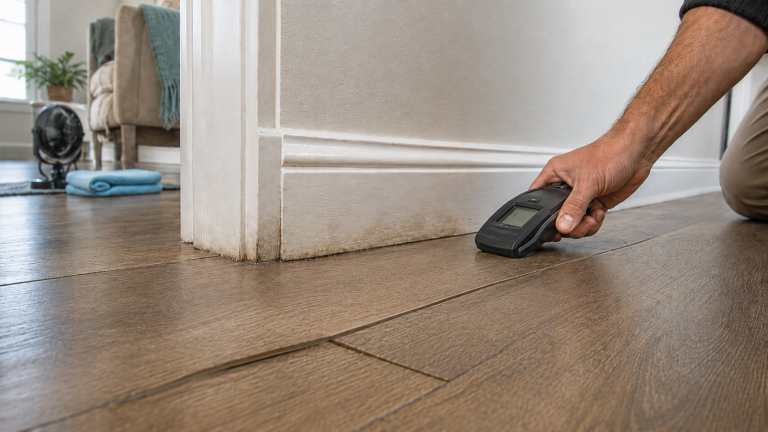
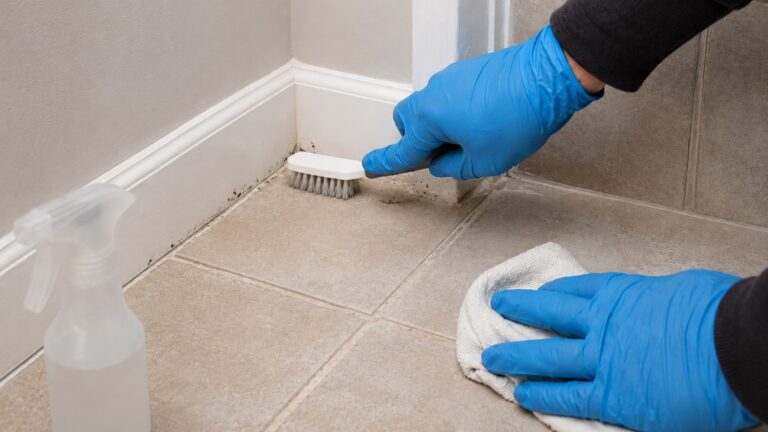
Mold around trim and baseboards may look like a small surface problem, but it can indicate moisture trapped at the wall-floor junction. Baseboards can hide damp drywall edges, wet flooring, slow leaks, or moisture that wicked upward from a water event.
Costs rise when trim must be removed, drywall edges must be cut out, flooring must be checked, or the lower wall cavity needs drying. If mold is only on the trim surface, the repair may be simpler. If the area behind the trim is wet or moldy, the job becomes more involved.
Why Moldy Drywall Raises the Price
Moldy drywall raises the price when the contamination is inside the material or behind the panel, not just on the paint. If mold has reached the drywall paper, the back side of the panel, insulation, or the wall cavity, the affected section may need to be removed instead of cleaned.
Drywall removal adds cost because the contractor may need to set containment, cut out damaged sections, bag debris, check insulation and framing, dry the wall cavity, and rebuild the wall after remediation. This is why a small visible patch can become a larger project when the drywall is soft, swollen, crumbling, deeply stained, repeatedly wet, or moldy on the back side.
If the wall mold followed a plumbing leak, roof leak, window leak, appliance leak, or flood, the contractor may also need to decide whether the drywall can be saved. For that specific material decision, see whether wet drywall can be saved.
Main Factors That Affect Wall Mold Removal Cost
The cost to remove mold from walls depends on the size of the affected area, the wall material, whether the mold is visible or hidden, whether drywall must be removed, and whether the moisture source has been fixed. A small surface patch and a hidden wall cavity problem are priced very differently.
A useful way to compare quotes is to separate the price into four parts: mold removal, moisture-source repair, wall reconstruction, and repainting. Some companies include all four. Others include only the remediation portion.
Size of the affected area
Area size matters because larger mold problems require more labor, containment, cleaning, disposal, and repair. A few square feet of surface mold on intact paint may be simple. Mold across several walls or rooms may require a professional remediation plan.
However, visible size can be misleading. A small area of visible mold may cost more if it is only the outside sign of a hidden wall cavity problem. A larger area of light surface growth may cost less if it is only on washable paint and caused by surface humidity.
Surface mold vs. hidden mold
Surface mold usually costs less because the work is easier to access. Hidden mold costs more because the wall may need to be opened. The contractor may also need to inspect insulation, framing, vapor barriers, sheathing, bottom plates, or other hidden materials.
Hidden mold is more likely when mold returns after cleaning, when there is a musty odor, when the wall feels soft, when paint bubbles or peels, or when the home has a history of leaks. In those cases, paying for inspection may be more useful than repeatedly cleaning the visible surface. For pricing context, see mold inspection cost.
Moisture source
The moisture source affects both the cleanup cost and the chance of recurrence. Mold caused by shower humidity may require cleaning and ventilation improvement. Mold caused by a plumbing leak may require drywall removal, wall drying, and plumbing repair. Mold caused by basement seepage may require drainage or waterproofing work.
If the moisture source remains active, mold removal is incomplete. The mold may return even if the visible wall is cleaned. Long-term cost control depends on finding and fixing the moisture source, not just removing the surface growth.
Drywall removal and disposal
Drywall removal increases cost because the contractor must cut out the affected material, control dust, bag debris, dispose of contaminated sections, and prepare the area for repair. If insulation behind the drywall is wet or moldy, that may also need removal.
After removal, the wall may need new drywall, joint compound, sanding, texture matching, primer, paint, and trim reinstallation. These repair steps may be included in the same quote or handled separately by another contractor.
Containment needs
Containment may be needed when removing moldy drywall or disturbing contaminated material. The purpose is to reduce the spread of dust and spores into nearby rooms during demolition and cleaning.
Containment can add cost because it may require plastic barriers, negative air equipment, air filtration, sealed work areas, protective equipment, and careful cleanup. Small surface cleaning may not require the same level of containment, but hidden or removal-heavy wall mold often does.
Testing and clearance
Testing is not always required when wall mold is visible and the source is obvious. However, inspection, sampling, or clearance testing may be useful when mold is hidden, disputed, part of a real estate transaction, part of an insurance claim, or part of a larger remediation project.
Testing adds cost, so ask what the test will answer. A useful test should help define the scope, confirm hidden concerns, document conditions, or verify that remediation met the required standard.
Repairs and repainting
Mold removal from walls may not include repairs. Some remediation companies remove contaminated material and clean the area but do not replace drywall, match texture, repaint, reinstall trim, or repair flooring. Others offer full rebuild services.
Ask whether the estimate includes restoration after remediation. A quote that looks cheaper may only include removal, while a higher quote may include both mold remediation and wall repairs.
Accessibility
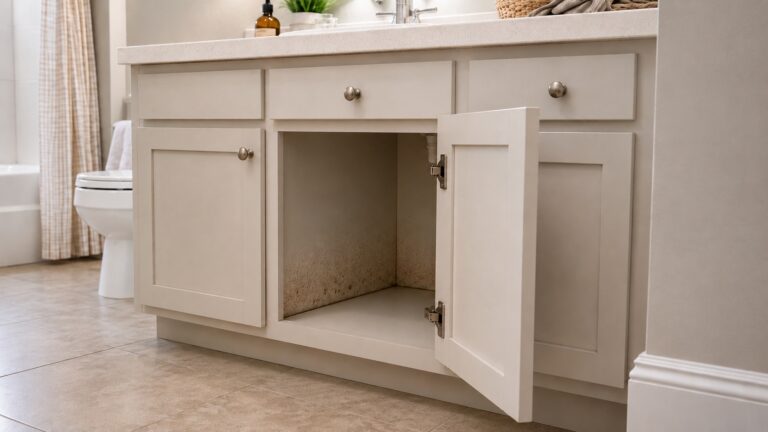
Wall mold is more expensive to remove when it is behind cabinets, appliances, built-ins, finished basement walls, heavy furniture, utility lines, or tight corners. Accessibility affects labor time and may require partial demolition before the mold can be reached.
For example, mold behind a refrigerator-adjacent wall, under a sink cabinet, or behind bathroom fixtures may require moving or removing materials before remediation begins. That extra work increases the total cost.
When Wall Mold Can Be Cleaned vs. When Walls Need Removal
The cost to remove mold from walls depends heavily on whether the mold can be cleaned from the surface or whether wall materials must be removed. Cleaning is usually cheaper. Removal costs more because it involves demolition, containment, disposal, drying, and rebuilding.
The decision should be based on the size of the affected area, the wall surface, whether the drywall is damaged, whether moisture is still present, and whether mold may be behind the wall. The visible stain alone does not always tell the full story.
When cleaning may be enough
Cleaning may be enough when mold is limited to a small area on an intact, washable painted surface. This is more likely when the wall is firm, the paint is not bubbling, there is no musty odor behind the wall, and the moisture source is surface humidity rather than a leak inside the wall.
Examples may include small spots on bathroom paint, condensation-related growth near a cold corner, or light surface mold behind furniture where air circulation was poor. Even then, the cause must be corrected. If the room stays humid or the wall keeps getting damp, the mold can return.
When wall material may need removal
Wall material may need removal when drywall is soft, swollen, crumbling, deeply stained, repeatedly wet, or visibly moldy beyond the surface. Removal is also more likely when mold is suspected on the back side of drywall or inside the wall cavity.
Drywall removal may also be needed after plumbing leaks, roof leaks, window leaks, basement seepage, appliance leaks, or flooding. In those cases, the wall may need to be opened so wet insulation, framing, and hidden surfaces can be checked and dried.
When recurring mold changes the decision
If mold returns after cleaning, the problem is usually moisture, not the cleaner. Recurring wall mold may point to a hidden leak, cold exterior wall, poor ventilation, damp insulation, high indoor humidity, or moisture trapped behind trim or drywall.
Repeated cleaning can waste money if the real source is still active. At that point, inspection, moisture readings, drying, ventilation improvement, or removal of affected drywall may be needed before the cost can be controlled.
Does Mold Removal from Walls Include Fixing the Moisture Source?
Mold removal from walls does not always include fixing the moisture source. A mold remediation company may remove contaminated material and clean affected surfaces, but plumbing repair, roof repair, window repair, basement waterproofing, HVAC work, or ventilation improvements may be separate services.
This matters for cost because a cleaned, patched, and repainted wall can grow mold again if the same leak, condensation, humidity, or water intrusion continues.
Common moisture sources behind wall mold
Wall mold often starts because moisture collects where it should not. For cost estimating, the source matters because the mold quote may not include the repair that stops the water. Common sources include:
- Bathroom humidity and poor exhaust ventilation
- Plumbing leaks inside walls or under fixtures
- Roof leaks that wet ceiling and wall cavities
- Window leaks or condensation around frames
- Basement seepage through foundation walls
- High indoor humidity
- Cold exterior walls with poor airflow
- Water damage that was not dried completely
If wall mold appeared after a leak or water damage event, drying may be just as important as cleaning. Wet drywall, framing, insulation, and trim can keep feeding mold growth if they are closed up too soon. For that recovery stage, see drying walls after water damage.
Why painting over mold does not solve the cost problem
Painting over mold may hide the stain temporarily, but it does not remove the contamination or fix the moisture condition. If mold remains on or inside the wall, the discoloration, odor, or growth can return. Paint may also trap moisture in damaged material if the wall was not fully dry.
Repainting should happen after the mold issue is cleaned or removed and the wall is dry. If damaged drywall was removed, repainting may be part of the rebuild phase, not the remediation phase.
DIY vs. Professional Wall Mold Removal Cost
DIY wall mold removal costs less up front, but it is only appropriate for limited situations. Professional remediation costs more because it includes labor, containment, equipment, protective procedures, disposal, and documentation. The right choice depends on size, material condition, hidden spread, and moisture source.
DIY wall mold removal cost
For a small surface mold area on intact painted walls, DIY costs may include cleaner, disposable cloths, gloves, eye protection, a respirator or mask appropriate for the task, trash bags, and possibly a small dehumidifier or ventilation improvement. The material cost may be relatively low compared with hiring a company.
However, DIY cleaning should not be treated as a shortcut for hidden mold, large areas, sewage or floodwater contamination, soft drywall, recurring mold, or mold inside wall cavities. If the wall material is damaged, the mold covers a larger area, or demolition is needed, professional help is usually safer.
If the issue is truly small and surface-level, compare appropriate mold cleaning products for small surface jobs before choosing a cleaner. Avoid mixing chemicals, follow the product label, and make sure the cleaner matches the wall surface.
Professional wall mold removal cost
Professional wall mold removal costs more because the company is not only wiping a surface. They may inspect the affected area, set up containment, remove damaged drywall, clean exposed framing, run air filtration, dry damp materials, dispose of debris, and prepare the wall for repair.
Professional work is usually worth considering when mold covers a large area, has entered drywall, returns after cleaning, appears after a leak, affects a finished basement, is behind walls, or may require containment. It is also useful when documentation matters for real estate, rental, insurance, or contractor disputes.
Safety equipment adds cost but protects the homeowner
Even small mold cleanup should be approached carefully. Gloves, eye protection, respiratory protection, disposable materials, and ventilation may be needed depending on the situation. Disturbing moldy drywall without protection can spread dust and debris.
For homeowners considering limited DIY cleanup, mold safety equipment can be part of the real cost. If the job requires serious containment, demolition, or hidden cavity work, hiring a professional is usually the better choice.
When the cheapest option can cost more later
The cheapest option is not always the least expensive long-term choice. If a homeowner wipes mold from a wall but leaves wet drywall, an active leak, or mold inside the cavity, the problem can return. The second repair may then include inspection, drywall removal, drying, remediation, and repainting.
The best cost decision is the one that matches the actual condition of the wall. Small surface mold may not need full remediation. Hidden or material-level mold should not be treated like a surface stain.
How to Compare Wall Mold Removal Quotes
Wall mold removal quotes can vary because contractors may be pricing different scopes of work. One quote may include surface cleaning only. Another may include containment, drywall removal, disposal, drying, cleaning framing, rebuilding the wall, and repainting. Before choosing a contractor, make sure each quote is addressing the same problem.
Ask whether the quote includes cleaning or removal
Ask whether the contractor plans to clean the wall surface or remove wall material. Cleaning may be appropriate for small surface mold on intact paint. Removal may be necessary when drywall is damaged, moldy beyond the surface, wet on the back side, or affected inside the wall cavity.
This distinction has a major effect on cost. A cleaning quote and a removal quote should not be compared as if they are the same service.
Ask whether drywall replacement is included
If drywall must be removed, ask whether the quote includes replacement drywall, taping, mudding, sanding, texture matching, primer, paint, and trim reinstallation. Some remediation companies stop after removing contaminated material. Others include full rebuild services.
A lower remediation quote may not include reconstruction. A higher quote may include both mold removal and wall restoration. The estimate should clearly state what happens after contaminated material is removed.
Ask whether containment is included
Containment may be important when moldy drywall is disturbed. Ask whether the contractor will isolate the work area, use air filtration, protect nearby rooms, and control dust during demolition.
Small surface cleaning may not need full containment. But if the job involves cutting out moldy drywall, removing insulation, or cleaning hidden cavities, containment may be part of a proper remediation scope.
Ask whether the moisture source is addressed
Wall mold removal is incomplete if the wall keeps getting wet. Ask whether the contractor identified the moisture source and whether fixing it is included. If the source is plumbing, roofing, window leakage, basement seepage, or ventilation failure, another contractor may be needed.
The estimate should explain whether the mold company is only removing mold or also helping correct the moisture condition. If the source remains unresolved, the mold can return after cleaning, replacement, and repainting.
Ask whether inspection or testing is necessary
Testing is not always needed when mold is visible and the cause is obvious. However, inspection or testing may be useful when mold is suspected behind walls, when there is a musty odor without visible mold, when the problem is part of a real estate transaction, or when post-remediation clearance is required.
Ask what each test is supposed to answer. Testing should clarify the scope or verify results, not simply add cost without changing the decision.
Ask what is excluded
Every quote should list exclusions. Common exclusions include plumbing repair, roof repair, basement waterproofing, drywall replacement, paint, trim, flooring, HVAC work, mold testing, clearance testing, and repair of the moisture source.
This is especially important when wall mold is caused by a leak. The mold removal company may remove affected drywall, but a plumber, roofer, waterproofing contractor, or carpenter may still be needed to finish the job.
FAQ
How much does it cost to remove mold from drywall?
Mold removal from drywall often costs a few hundred dollars for a small localized job and can cost $10 to $25 per square foot or more for professional remediation. The price rises when drywall must be cut out, contained, disposed of, replaced, finished, and repainted.
Is mold removal from painted walls cheaper?
Yes, mold removal from intact painted walls is often cheaper when the mold is only on the surface and the wall material is firm, dry, and washable. If the paint is bubbling, the drywall is soft, or mold is behind the surface, the job becomes more expensive.
Does moldy drywall need to be replaced?
Moldy drywall may need replacement when the material is soft, swollen, crumbling, deeply stained, repeatedly wet, or contaminated on the back side. Small surface mold on intact painted drywall may be cleanable if the moisture source is corrected.
How much does it cost to remove mold behind walls?
Mold behind walls often costs much more than surface wall mold. The job may require inspection, containment, drywall removal, insulation removal, cleaning, drying, disposal, and rebuilding. Costs can range from around $1,000 to several thousand dollars or more depending on the extent of hidden damage.
Can I clean mold from walls myself?
You may be able to clean a small surface mold area on intact painted walls if the area is limited, the wall is dry and firm, and you use appropriate protection. DIY cleanup is not recommended for large areas, soft drywall, hidden mold, recurring mold, contaminated water damage, or mold that requires demolition.
Is black mold on walls more expensive to remove?
Not necessarily. Cost is usually driven more by size, location, moisture source, material damage, hidden spread, containment, and repairs than by color alone. Many molds can look dark. A small dark surface patch may cost less than a lighter-colored hidden mold problem inside drywall.
Does wall mold removal include repainting?
Sometimes, but not always. Some companies include drywall replacement, finishing, and repainting. Others only remove mold-contaminated material and leave repair work to another contractor. Always ask whether repainting and wall restoration are included in the quote.
Is mold inspection included in wall mold removal cost?
Not always. Some contractors include basic inspection in the estimate, while separate mold testing, hidden-wall investigation, or clearance testing may cost extra. Inspection is most useful when mold may be hidden, the wall smells musty, the mold keeps returning, the damage is widespread, or documentation is needed before professional remediation.
What to Check Before Paying for Wall Mold Removal
- Professional mold removal from walls often costs about $10 to $25 per square foot, but small jobs may still have minimum service fees.
- Surface mold on intact painted walls is usually cheaper to address than mold inside drywall or wall cavities.
- Drywall mold often costs more when contaminated sections must be cut out, replaced, finished, and repainted.
- Hidden wall mold can require inspection, containment, demolition, drying, cleaning, disposal, and rebuilding.
- Mold removal does not always include drywall replacement, repainting, or fixing the moisture source.
- Small surface mold may be DIY-appropriate, but large, hidden, recurring, or material-level mold usually requires professional help.
- The long-term fix depends on correcting the moisture condition that allowed mold to grow.