How Much Does Mold Remediation Cost?
Mold remediation usually costs about $1,000 to $6,000 for many residential projects, but the final price can be much lower or much higher depending on the size, location, and severity of the problem. A small surface-level cleanup may cost a few hundred dollars, while mold inside walls, attics, crawl spaces, HVAC systems, or multiple rooms can reach $10,000 to $30,000 or more. These figures usually refer to remediation work, not full reconstruction, unless the quote specifically includes repairs.
The biggest mistake homeowners make is assuming the price is based only on the visible mold patch. In reality, mold remediation cost depends on what caused the mold, how far moisture traveled, what materials were affected, whether containment is needed, and whether the original moisture source has been fixed. A small stain on drywall may be inexpensive if it is limited to the surface, but it can become a larger project if the wall cavity, insulation, framing, or flooring behind it is damp.
This guide explains typical mold remediation costs, why quotes vary, what is usually included, what may cost extra, and how to compare prices without choosing a quote that leaves out essential work. For the broader cleanup process, see this guide on the complete mold removal process.
How Much Does Mold Remediation Usually Cost?
Most homeowners should expect professional mold remediation to fall somewhere between about $1,000 and $6,000 for a typical residential project. Many localized jobs land around $2,000 to $4,000, especially when the mold is limited to one area and the moisture source is easy to identify.
Small jobs may cost less if the mold is accessible, limited, and growing on a cleanable surface. Larger jobs cost more when mold has spread behind walls, into insulation, under flooring, across attic sheathing, through a crawl space, or into HVAC-related components.
| Type of Mold Remediation Project | Approximate Cost Range | Why the Cost Varies |
|---|---|---|
| Small surface mold area | $300–$1,500 | Limited visible area, easier access, less containment |
| Standard localized remediation | $1,000–$4,000 | Containment, cleaning, limited material removal, drying checks |
| Basement or attic mold remediation | $2,000–$15,000 | Larger areas, difficult access, ventilation or water intrusion issues |
| Crawl space mold remediation | $1,500–$10,000+ | Limited access, exposed framing, soil moisture, vapor barrier problems |
| HVAC-related mold remediation | $1,500–$8,000+ | Air movement concerns, ductwork complexity, equipment access |
| Severe hidden mold or whole-home remediation | $10,000–$30,000+ | Multiple rooms, demolition, containment, drying, repairs, source correction |
These ranges are only planning estimates. A contractor may quote less for a simple contained area or much more if the mold is tied to structural moisture, repeated leaks, standing water, roof failure, crawl space humidity, or contaminated materials. Always ask whether the quote includes only remediation or also demolition, drying, source repair, clearance testing, and reconstruction.
Why Mold Remediation Prices Vary So Much
Mold remediation is not priced like painting a wall or replacing a fixture. Two homes can have the same visible mold area but completely different costs because the hidden conditions are different. A small patch from poor bathroom ventilation may need cleaning and humidity correction, while the same-sized patch from a long-term wall leak may require containment, drywall removal, insulation disposal, drying, leak repair, and rebuilding.
Size of the Affected Area
The larger the affected area, the more labor, containment, cleaning, disposal, and drying may be required. A small area on a bathroom ceiling is usually less expensive than mold across an attic roof deck or crawl space framing. However, square footage is only one part of the cost.
A visible patch that measures only one or two square feet may still be expensive if it points to hidden moisture behind drywall, cabinets, baseboards, flooring, or insulation. Mold often follows moisture paths, so the real affected area may be larger than the visible stain.
Location of the Mold
Mold in an easy-to-reach area usually costs less than mold in a confined, hidden, or hard-to-work location. A patch on painted bathroom drywall is easier to access than mold on attic sheathing, crawl space joists, basement framing, or ductwork.
Location also affects safety and setup. A contractor may need plastic containment, negative air equipment, protective gear, controlled removal, or special access procedures when mold is in a tight crawl space, above ceiling cavities, behind finished walls, or near HVAC airflow.
Material Type
The material affected by mold has a major impact on cost. Smooth, non-porous surfaces are often easier to clean than porous materials. Drywall, insulation, carpet padding, particleboard, and some ceiling materials may need removal if mold growth or moisture has penetrated them.
Wood framing can sometimes be cleaned and dried if it is structurally sound, but the project becomes more expensive if the wood is decayed, wet, or part of a larger structural moisture issue. When mold is tied to long-term dampness, it helps to understand how moisture problems start, spread, and return before assuming the visible mold is the only issue.
Moisture Source
The source of moisture is one of the biggest cost drivers. Mold caused by a one-time spill that was quickly corrected is very different from mold caused by an active roof leak, plumbing leak, basement seepage, crawl space humidity, poor ventilation, or HVAC condensation.
If the moisture source is not fixed, mold can return after remediation. That is why a good remediation plan should identify whether the problem came from a leak, high humidity, condensation, poor drainage, or trapped moisture inside building materials. If mold has already returned after cleaning, the issue may be related to the conditions explained in why mold keeps coming back after cleaning.
Containment and Air Control
Professional mold remediation often costs more than simple cleaning because the contractor may need to control how dust, spores, and contaminated debris move through the home. This may include plastic containment, sealed work areas, negative air machines, HEPA filtration, protective equipment, and careful disposal.
These steps can increase the cost, but they also help prevent the project from spreading contamination into clean parts of the home. This is one reason a professional quote may look expensive compared with a basic cleaning estimate.
Mold Remediation Cost by Project Size
Project size is one of the easiest ways to understand mold remediation cost, but it should not be treated as the only pricing factor. A large visible area usually costs more than a small one, but hidden moisture, access problems, demolition, and repairs can make a small-looking job more expensive than expected.
Small Mold Remediation Projects
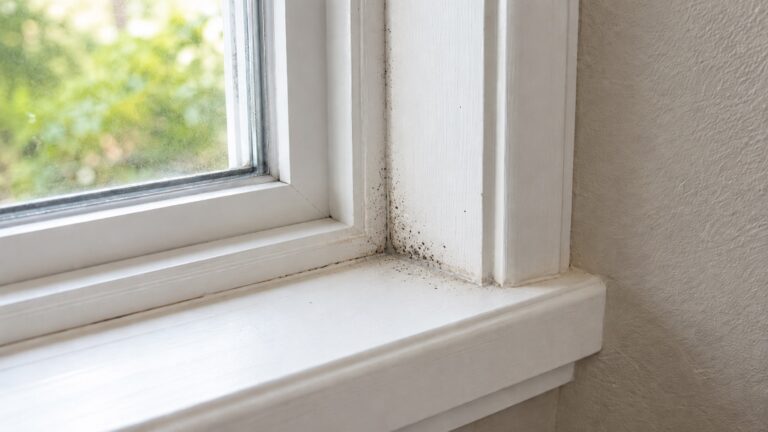
Small mold remediation projects often involve a limited area on a bathroom ceiling, around a window, near a sink cabinet, behind a toilet, or on a small section of drywall. These jobs may cost a few hundred dollars to around $1,500 if the mold is accessible and the affected material does not need major removal.
Small projects are usually less expensive when the source is obvious and corrected quickly. For example, mold caused by repeated condensation on a small bathroom ceiling area may be simpler than mold caused by a hidden pipe leak behind the wall.
Some small mold problems may be reasonable for homeowners to clean themselves if the area is limited, the surface is appropriate for cleaning, and there are no signs of hidden moisture or contaminated water. However, even a small area can become a professional job if it keeps returning, spreads into porous materials, or appears near a leak source.
Medium Mold Remediation Projects
Medium mold remediation projects commonly cost around $1,000 to $4,000. These are the jobs where a contractor may need to isolate part of a room, remove some damaged material, clean surrounding surfaces, use air filtration, and confirm that the affected area is dry enough to prevent recurrence.
Examples include mold behind a section of drywall, mold around a bathroom vanity, mold near a leaking window, mold on basement wall surfaces, or mold in a localized ceiling area after a roof or plumbing leak. These projects are often more involved than they first appear because the contractor must determine whether the mold is only on the surface or connected to hidden damp materials.
Large Mold Remediation Projects
Large mold remediation projects can cost $5,000 to $15,000 or more. These projects may involve attics, crawl spaces, basements, multiple rooms, large wall cavities, wet insulation, contaminated flooring, or long-term moisture problems.
Large projects are expensive because they often require more labor, larger containment areas, specialized equipment, more disposal, and additional drying or repair work. In severe cases, the remediation itself may be only one part of a larger restoration plan that also includes repairing a roof, plumbing system, drainage system, HVAC problem, or structural material.
Severe or Whole-Home Mold Remediation
Severe mold remediation can reach $10,000 to $30,000 or more when mold affects multiple rooms, hidden cavities, HVAC airflow paths, structural framing, crawl spaces, attics, or areas damaged by long-term leaks. Whole-home remediation is less common than localized mold cleanup, but it can happen after major water damage, repeated leaks, poor ventilation, or prolonged humidity problems.
At this level, the cost usually reflects more than mold removal. The project may include containment across several areas, demolition, drying, disposal, reconstruction planning, and moisture source correction. This is where homeowners should be especially careful about comparing quotes based on the full scope of work, not just the final number.
Mold Remediation Cost by Location
Location has a major effect on cost because it determines access, material type, containment needs, and the likelihood of hidden moisture. Mold in an open, easy-to-clean area is usually less expensive than mold behind finished materials or in a confined space.
Bathroom Mold Remediation Cost
Bathroom mold remediation may be relatively inexpensive if the growth is limited to surface condensation on painted walls, ceilings, grout, or caulk. Small bathroom projects may fall near the lower end of the cost range, especially if the issue is caused by poor ventilation and not by a hidden plumbing leak.
The cost rises when mold is behind bathroom walls, behind fixtures, under flooring, around baseboards, or inside a shower wall assembly. Bathrooms are high-risk areas because they combine plumbing, humidity, warm air, and enclosed spaces. If the mold is connected to a hidden leak, the project may require plumbing repair and material removal in addition to remediation.
Basement Mold Remediation Cost
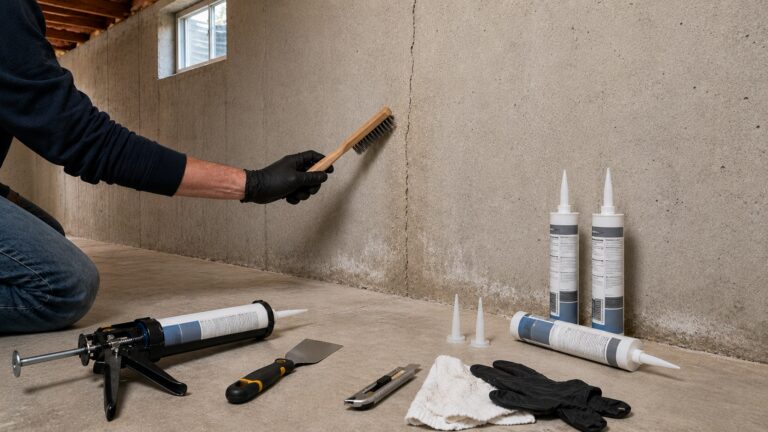
Basement mold remediation often costs more than a small bathroom project because basements commonly have larger surface areas and more complex moisture sources. Mold may be caused by wall seepage, floor dampness, poor drainage, condensation, high humidity, sump pump failure, or stored items trapping moisture against walls and floors.
A small area of basement mold may be manageable, but widespread basement growth can become expensive if the source is ongoing water intrusion. If waterproofing, drainage, or humidity control is needed, the remediation cost should be viewed as only part of the total fix, not the entire basement moisture solution.
Attic Mold Remediation Cost
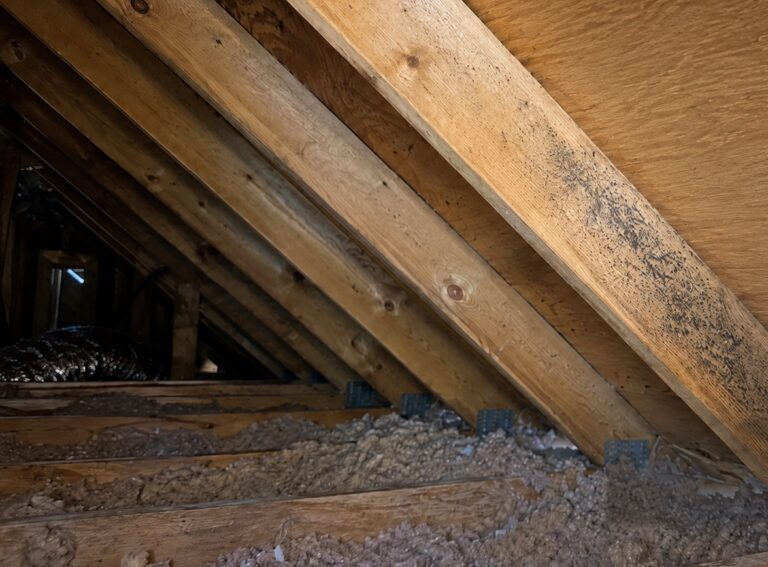
Attic mold remediation can be expensive because the mold may affect roof sheathing, rafters, insulation, ventilation paths, or areas that are difficult to access. Attic work often requires careful movement, protective equipment, and attention to airflow and roof ventilation conditions.
Attic mold is often tied to roof leaks, bathroom exhaust fans venting into the attic, blocked ventilation, ice dam history, or condensation on cold sheathing. If the moisture source is not corrected, the mold can return even after cleaning. This makes attic mold remediation more than a surface-cleaning project.
Crawl Space Mold Remediation Cost
Crawl space mold remediation commonly costs more than homeowners expect because access is difficult and the affected materials may include joists, beams, subflooring, insulation, soil vapor barriers, and foundation walls. The work area is often tight, dirty, and harder to ventilate than a normal room.
Crawl space mold may be connected to exposed soil, standing water, poor drainage, open vents, failed vapor barriers, plumbing leaks, or long-term high humidity. The cost may increase if the contractor needs to remove insulation, clean wood framing, install or replace vapor barrier material, improve drainage, or address structural moisture concerns.
Wall Cavity Mold Remediation Cost
Mold inside wall cavities can cost more than visible surface mold because the contractor may need to open the wall, remove damaged drywall, dispose of insulation, dry the cavity, and inspect framing. A small visible stain may hide a larger damp area inside the wall.
Wall cavity projects often become more expensive when drywall, insulation, framing, and repainting are involved. For a more specific breakdown, see this guide to mold removal from walls cost.
HVAC Mold Remediation Cost
HVAC-related mold remediation can be more expensive because air movement can spread contamination through ducts, coils, drain pans, air handlers, or nearby materials. The project may require HVAC inspection, cleaning of affected components, correction of condensation problems, and careful evaluation of whether ductwork is actually contaminated.
Homeowners should be cautious about assuming every musty smell from vents means the entire duct system needs expensive remediation. Sometimes the issue is a dirty coil, clogged condensate drain, wet filter area, or moisture near the air handler. Other times, professional HVAC and mold remediation support may both be needed.
What Is Usually Included in a Mold Remediation Quote?
A mold remediation quote should describe more than a price. It should explain what areas are included, what materials will be cleaned or removed, how the work area will be contained, how debris will be handled, and whether drying or moisture correction is included.
Not every quote includes the same items, which is why two prices can look very different. One contractor may quote only visible mold cleaning. Another may include containment, removal of damaged materials, HEPA filtration, disposal, moisture checks, and follow-up recommendations.
| Quote Item | Often Included? | Why It Matters |
|---|---|---|
| Initial visual assessment | Often included | Helps define the visible scope and likely moisture source |
| Containment | Often included on larger jobs | Helps keep dust, debris, and disturbed mold from spreading |
| HEPA air filtration | Common on professional projects | Helps control airborne particles during remediation |
| Removal of contaminated materials | Included only if listed | May involve drywall, insulation, carpet padding, trim, or other porous materials |
| Drying equipment or dehumidification | Sometimes included | Needed when materials are still damp or moisture readings are elevated |
| Moisture source repair | Often separate | May require a plumber, roofer, HVAC technician, or waterproofing contractor |
| Clearance testing or verification | Sometimes separate | May be useful for larger projects, real estate, rentals, or insurance documentation |
| Reconstruction | Often separate | Replacing drywall, insulation, trim, paint, or flooring may not be part of remediation |
Initial Assessment
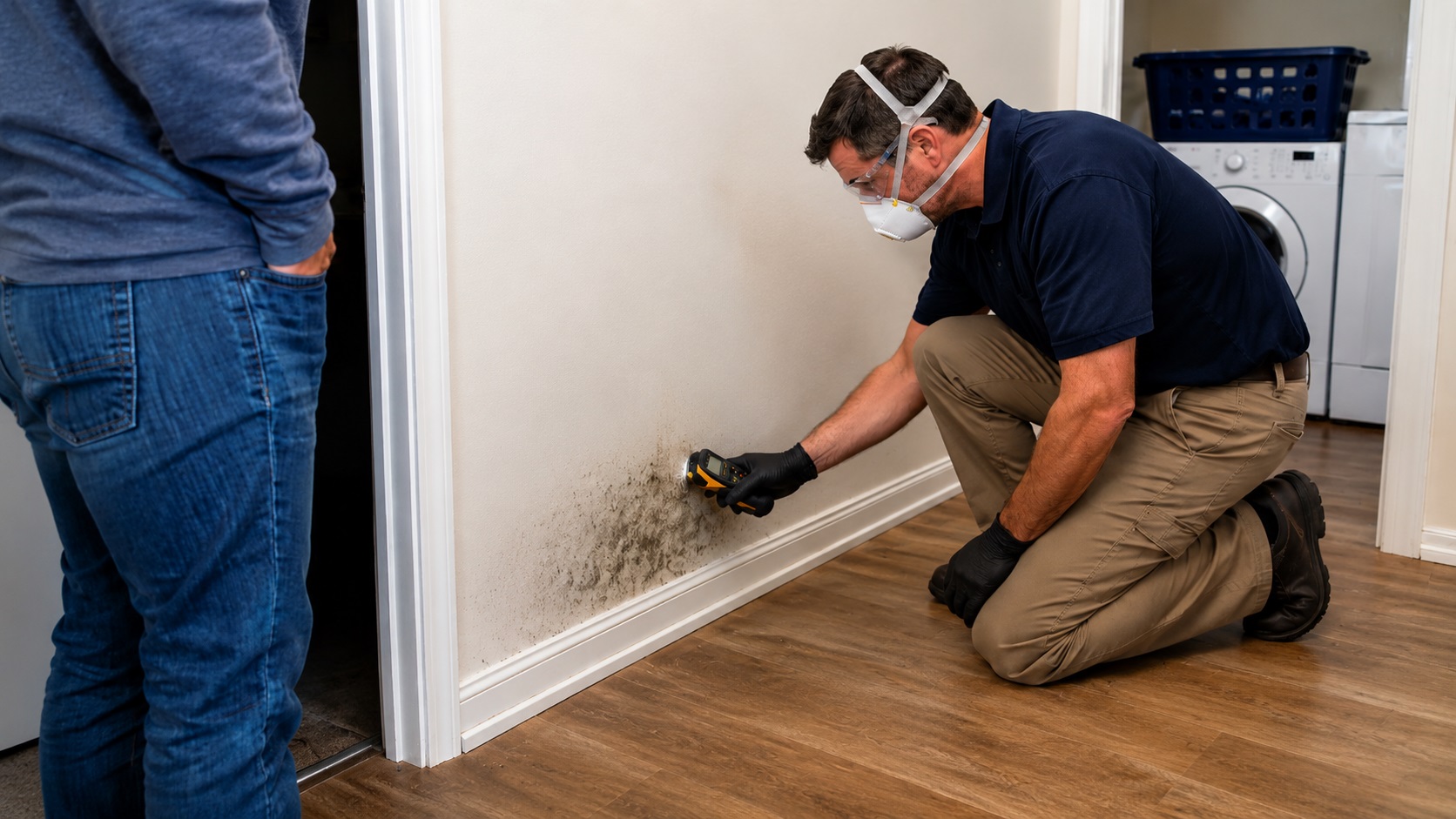
Many remediation jobs begin with an assessment of the visible mold, moisture source, affected materials, and likely hidden damage. This may be included in the remediation estimate, or it may be billed separately if formal testing or lab analysis is involved.
If the homeowner needs a separate inspection before deciding on remediation, that cost may be separate from the remediation quote. This guide to how much mold inspection costs explains when inspection, testing, and remediation may be billed separately.
Containment of the Work Area
Containment is one of the most important parts of professional remediation. The contractor may seal off the affected area with plastic barriers, close vents, protect nearby surfaces, and use controlled airflow to reduce spread during the project.
Containment adds labor and equipment cost, but it is one of the reasons professional remediation is different from basic household cleaning. It helps keep the project from turning a localized problem into a broader indoor contamination issue.
Air Filtration and Equipment
Professional remediation may involve HEPA air scrubbers, negative air machines, vacuums, dehumidifiers, fans, or moisture meters. The type and amount of equipment depends on the size and complexity of the job.
Equipment costs can increase the quote, especially when the project requires multiple days of containment, drying, or air filtration. This is common when mold is tied to wet materials rather than a dry, surface-only condition.
Material Removal and Disposal
If mold has affected porous or damaged materials, the quote may include removal and disposal. This can apply to drywall, insulation, carpet padding, baseboards, trim, cabinetry parts, ceiling materials, or other materials that cannot be cleaned reliably.
Removal and disposal raise the cost because the contractor must protect the work area, bag or contain debris, avoid spreading contamination, and prepare the area for later repair. If rebuilding is not included, the homeowner may need a separate repair contractor after remediation is complete.
What May Cost Extra During Mold Remediation?
A mold remediation quote does not always include every service needed to return the home to normal. Some companies provide remediation only, while others also offer testing, drying, repair, reconstruction, waterproofing, or moisture correction. Before hiring anyone, homeowners should ask what is included and what will be billed separately.
Mold Testing or Lab Analysis
Mold testing may cost extra if the contractor or inspector collects air samples, surface samples, or bulk material samples for lab review. Testing is not always necessary when mold is already visible, but it may be useful when the source is hidden, symptoms are being investigated, a real estate transaction is involved, or post-remediation verification is requested.
Testing should not be confused with remediation. Testing helps identify or document a condition, while remediation is the process of removing contaminated materials, cleaning affected areas, controlling spread, and correcting the conditions that allowed mold to grow.
Drywall, Insulation, and Trim Replacement
Many homeowners assume mold remediation automatically includes rebuilding damaged areas, but that is not always true. A remediation contractor may remove mold-damaged drywall, insulation, trim, or ceiling material without including the cost to replace, finish, paint, or restore those materials afterward.
This distinction matters because a lower remediation quote may not be cheaper overall if it excludes repair work. For example, one quote may include only removal and cleaning, while another may include demolition, disposal, drying, and repair coordination. The homeowner should compare the full scope, not only the total price.
A quote that includes reconstruction will usually cost more upfront, but it may be easier to budget because the homeowner can see the full project cost in one place. A remediation-only quote may look cheaper, but the homeowner may still need to pay separately for drywall, insulation, trim, flooring, painting, cabinets, or finish repairs after the mold work is complete.
Plumbing, Roofing, or Drainage Repairs
Mold remediation does not always include fixing the water source. If the mold was caused by a pipe leak, roof leak, foundation seepage, clogged HVAC drain, poor crawl space drainage, or failed bathroom ventilation, the source correction may be a separate cost.
This is one of the most important budget issues. Removing mold without fixing the moisture source can lead to the same problem returning. A good contractor should help identify the likely source, but the actual repair may require a plumber, roofer, basement waterproofing contractor, HVAC technician, or structural repair specialist.
Drying and Moisture Control
If building materials are still damp, the project may require drying equipment, dehumidification, ventilation changes, or moisture monitoring. This can add cost, especially when water has reached framing, subflooring, insulation, or enclosed wall cavities.
Drying is not just a comfort issue. Mold can return when materials remain damp after cleaning. The more moisture is trapped inside porous or hidden materials, the more likely the project becomes a drying and restoration job rather than a simple mold cleanup.
Post-Remediation Verification
Some projects include post-remediation verification, while others do not. Verification may involve visual inspection, moisture readings, clearance testing, or documentation that the affected area was cleaned and dried according to the agreed scope.
This can be especially important for real estate transactions, insurance claims, rental properties, or larger projects where the homeowner wants independent confirmation. If verification is important, ask whether it is included in the remediation quote or handled separately by an inspector.
DIY Mold Cleanup vs Professional Mold Remediation Cost
DIY mold cleanup can cost much less than professional remediation, but it is only appropriate in limited situations. Homeowners may spend under $100 to a few hundred dollars on basic cleaning supplies, protective gear, disposable materials, and moisture-control tools. That can make sense for a very small, surface-level problem on a cleanable material.
Professional remediation costs more because it may include containment, controlled removal, HEPA filtration, disposal, moisture checks, and worker protection. That added cost is usually justified when the mold covers a larger area, affects porous materials, involves hidden moisture, or keeps coming back after cleaning.
When DIY May Be Reasonable
DIY cleanup may be reasonable when the affected area is small, the mold is on a cleanable surface, the source of moisture is obvious and already corrected, and there are no signs of hidden damage. As a general homeowner guideline, the EPA mold cleanup guidance says many homeowners can handle mold cleanup areas under about 10 square feet, while larger or complicated areas deserve more caution. Examples may include a small patch of surface mold on a bathroom wall, a minor mildew-like area around a window, or light mold on a non-porous surface.
Even then, homeowners should use gloves, eye protection, and an appropriate respirator, avoid spreading dust, and avoid mixing cleaning chemicals. DIY work should not involve tearing into large moldy areas, disturbing insulation, cutting out extensive drywall, cleaning mold caused by sewage or floodwater, or working near unsafe electrical conditions.
When Professional Remediation Is Worth the Cost
Professional remediation is usually worth considering when mold covers a larger area, appears after water damage, grows on porous materials, returns after cleaning, affects multiple rooms, or may be hidden behind finished surfaces. It is also important when mold is in an attic, crawl space, HVAC system, wall cavity, or basement area with ongoing water intrusion.
If the homeowner is unsure whether the project has moved beyond simple cleaning, the next decision should be based on severity, source, access, and recurrence. A related guide explains when to hire a mold remediation professional instead of continuing with DIY cleanup.
Why Cheap DIY Cleanup Can Become Expensive
The cheapest approach is not always the lowest-cost approach in the long run. If a homeowner wipes away visible mold but leaves damp drywall, wet insulation, an active leak, poor ventilation, or trapped crawl space humidity, the mold can return. Repeated cleaning also delays the real repair and can allow moisture damage to spread.
This is why a recurring mold problem should be treated differently from a one-time surface issue. If the mold keeps appearing in the same area, the cost question is no longer just “How much does cleaning cost?” It becomes “What is keeping this area wet?”
How to Read a Mold Remediation Quote
A good mold remediation quote should clearly identify the work area, included services, excluded repairs, and whether the price covers remediation only or a broader restoration scope. Compare the scope, not just the final number.
Red Flags in a Mold Remediation Estimate
Be cautious if a quote gives one flat price without describing the affected areas, containment plan, material removal, drying needs, disposal, moisture source, or excluded repairs. A very low quote may be reasonable for a small surface job, but risky when mold is hidden, recurring, connected to water damage, or near HVAC airflow.
Also be cautious if the company promises permanent results without explaining how the moisture source will be corrected. Mold remediation is most reliable when the quote explains both the cleanup work and the condition that allowed the mold to grow.
Areas Included in the Scope
The quote should identify which rooms, walls, ceilings, floors, crawl space areas, attic sections, or HVAC-related components are included. If the quote simply says “remove mold” without naming the affected areas, ask for more detail.
Containment and Protection
For anything beyond a very small project, ask whether the contractor will use containment, cover nearby areas, protect unaffected rooms, or control airflow during removal. Containment is one of the major differences between professional remediation and ordinary cleaning.
Material Removal
The quote should explain whether drywall, insulation, trim, flooring, cabinets, or other materials will be removed. It should also explain whether disposal is included and whether replacement is part of the same contract.
Moisture Source Correction
A remediation quote should not ignore the moisture source. Even if the contractor does not perform plumbing, roofing, drainage, or HVAC repairs, the quote should make clear whether those issues need separate correction. Mold removal without moisture correction is often incomplete.
Final Cleaning or Verification
Ask whether final cleaning, HEPA vacuuming, air filtration, moisture readings, or verification are included. Some companies include these steps in the remediation plan, while others treat them as optional or separate services.
For a deeper quote-by-quote comparison, use this guide on how to compare mold remediation quotes. This cost article should help you understand price ranges and cost drivers, while the quote-comparison guide should help you compare competing scopes line by line.
When Mold Remediation Becomes Expensive
Mold remediation becomes expensive when the project stops being a surface cleanup and becomes a hidden moisture, demolition, drying, HVAC, or structural repair problem. The visible mold is often only the clue; the real cost comes from finding and correcting the conditions behind it.
Mold Behind Walls or Ceilings
Mold behind walls or ceilings usually costs more because the contractor may need to open finished surfaces, remove insulation, inspect framing, dry the cavity, and prepare the area for repair. The cost is higher when the mold is caused by a long-term plumbing leak, shower leak, roof leak, or window leak.
Mold in Attics or Crawl Spaces
Attics and crawl spaces are often more expensive because they are difficult to access and may involve larger surface areas. Mold may affect roof sheathing, rafters, joists, beams, insulation, subflooring, or vapor barrier materials. The work is physically harder and often tied to ventilation, drainage, or humidity problems.
Mold Connected to HVAC Systems
HVAC-related mold can increase cost because air movement may spread particles through the home. Contractors may need to inspect the air handler, coils, drain pan, ductwork, and nearby building materials. The source may be condensation, poor drainage, high indoor humidity, or wet components inside the system.
Recurring Mold After Cleaning
Recurring mold is often more expensive because it usually means the original problem was not solved. The cause may be an active leak, hidden damp material, condensation, poor airflow, or incomplete drying. Homeowners who see the same mold return should first understand why mold keeps coming back after cleaning before spending more money on repeated surface cleanup.
Can Insurance Help Pay for Mold Remediation?
Homeowners insurance may help pay for mold remediation in some situations, but it depends on the policy and the cause of the mold. Mold caused by a sudden and covered water event may be treated differently from mold caused by long-term seepage, neglected leaks, poor maintenance, high humidity, or repeated condensation.
Because mold coverage varies so much, homeowners should not assume the project is covered or excluded without checking the policy. Document the damage, save photos, keep contractor reports, and ask the insurance company whether mold remediation, water damage repair, drying, testing, and reconstruction are treated separately. For a more focused explanation, see this guide on whether home insurance covers mold damage.
How to Reduce Mold Remediation Costs Without Cutting Corners
The best way to reduce mold remediation cost is to address the problem early and avoid paying twice for the same issue. Skipping containment, ignoring the moisture source, or choosing an incomplete quote can make mold return and increase the total cost later.
Fix the Moisture Source First
Mold remediation only works long term when the moisture source is corrected. If the mold came from a pipe leak, roof leak, basement seepage, crawl space humidity, HVAC condensation, or poor ventilation, the source must be fixed before or during remediation.
Homeowners can reduce long-term cost by treating mold as part of a moisture system, not just a cleaning problem. This may mean repairing a leak, improving drainage, lowering humidity, drying wet materials, or improving airflow before rebuilding finished surfaces.
Do Not Disturb Large Mold Areas Yourself
Trying to tear out large moldy areas without containment can spread dust and debris through the home. That may turn a localized problem into a larger cleanup. If the mold covers a larger area, affects porous materials, or appears behind finished surfaces, it is usually better to get a professional assessment before demolition.
Get More Than One Detailed Quote
Getting multiple quotes can help homeowners understand whether a price is reasonable, but the quotes must be compared by scope. One company may include containment, HEPA filtration, removal, disposal, and moisture checks. Another may quote only surface treatment.
A lower price is not automatically a better deal. Before choosing, ask what is included, what is excluded, what repairs are separate, and whether the moisture source has been addressed. It is also wise to review the questions to ask before hiring a mold remediation company so the estimate is clear before work begins.
Separate Remediation From Reconstruction
If the quote feels high, ask whether it includes both remediation and repair. Sometimes the cost seems expensive because the contractor included drywall replacement, insulation replacement, repainting, trim work, or other reconstruction. Other times, a cheaper quote excludes those items and will require a second contractor later.
Act Before the Affected Area Expands
Waiting can increase the cost if moisture continues to spread into drywall, insulation, subflooring, framing, cabinets, attic sheathing, or crawl space wood. Early action is often less expensive than waiting until the project requires demolition or structural repairs.
This does not mean every small stain is an emergency. It means that mold tied to an active moisture source should not be ignored. If the cause is still present, the cost can grow even when the visible mold appears unchanged.
Is Mold Remediation Worth the Cost?
Mold remediation is usually worth the cost when mold is more than a small surface issue, the source is hidden, porous materials are affected, mold keeps returning, or the home needs documentation for sale, rental, insurance, or repair planning. For mold inside walls, attics, crawl spaces, HVAC systems, basements, or water-damaged materials, proper remediation is often less costly than repeated cleaning, delayed repairs, or uncontrolled demolition.
The real value is not just removing visible mold. It is identifying the moisture source, controlling spread during cleanup, removing or cleaning affected materials properly, and reducing the chance that the same problem returns.
Key Takeaways
- Mold remediation commonly costs about $1,000 to $6,000 for many residential projects, while small surface jobs may cost less and severe hidden mold may cost much more.
- Cost depends on size, location, material type, access, containment, disposal, drying, and whether the moisture source must be corrected.
- Square footage matters, but hidden moisture can make a small visible mold patch more expensive than expected.
- Remediation may not include drywall replacement, insulation replacement, leak repair, drainage correction, repainting, or reconstruction unless those items are clearly listed.
- The cheapest quote is not always the best quote if it leaves out containment, disposal, moisture correction, final cleaning, or verification.
Frequently Asked Questions About Mold Remediation Cost
Why is mold remediation so expensive?
Mold remediation can be expensive because it often involves more than cleaning visible mold. A professional project may include containment, protective equipment, HEPA filtration, removal of damaged materials, disposal, moisture checks, drying, and source investigation. The price increases when mold is hidden, widespread, hard to access, or connected to an ongoing moisture problem.
Is mold remediation priced by square foot?
Some companies use square footage as part of the estimate, but mold remediation is not based only on square feet. Access, material type, containment, moisture source, demolition, disposal, drying, and repairs can all affect the final price. A small wall patch can cost more than expected if mold extends into insulation or framing.
Can I remove mold myself to save money?
DIY cleanup may be reasonable for a very small surface-level area on a cleanable material, especially when the moisture source is already fixed. Professional remediation is safer when the affected area is larger, mold is hidden, porous materials are involved, water damage is present, sewage or floodwater may be involved, or the mold keeps returning after cleaning.
Does mold remediation include replacing drywall?
Not always. Some remediation quotes include removing mold-damaged drywall but not replacing, finishing, or painting it afterward. Others may include both remediation and reconstruction. Homeowners should ask whether drywall removal, replacement, taping, finishing, and repainting are included or billed separately.
Is mold testing included in remediation cost?
Mold testing may or may not be included. Some contractors provide a visual assessment as part of the quote, while formal testing, lab samples, or post-remediation verification may cost extra. If documentation is important, ask whether inspection and testing are separate from the remediation work.
What is the most expensive type of mold remediation?
The most expensive projects usually involve hidden mold, whole-home contamination, HVAC-related mold, attic or crawl space mold, structural materials, or repeated moisture problems. Costs rise when the contractor must remove materials, contain several areas, dry the structure, or coordinate repairs to stop the source.
Should I choose the cheapest mold remediation quote?
Not without comparing the scope. The cheapest quote may be fine for a small, simple project, but it may also exclude containment, disposal, drying, repairs, or follow-up verification. A better quote clearly explains what areas are included, what materials will be removed or cleaned, how the work area will be protected, and what costs are separate.
Can mold come back after remediation?
Yes. Mold can come back if the moisture source was not corrected, if materials were not dried properly, or if hidden damp areas were missed. If a quote only includes visible cleaning and does not address the leak, humidity, condensation, drainage, or wet materials that caused the growth, the lower price may not solve the problem long term.
Why do two mold remediation quotes look so different?
Two quotes can look very different because they may not include the same scope. One company may include containment, HEPA filtration, demolition, disposal, drying checks, and final cleaning, while another may only include surface treatment. Before comparing prices, compare the affected areas, materials, equipment, exclusions, and whether repairs or verification are included.