
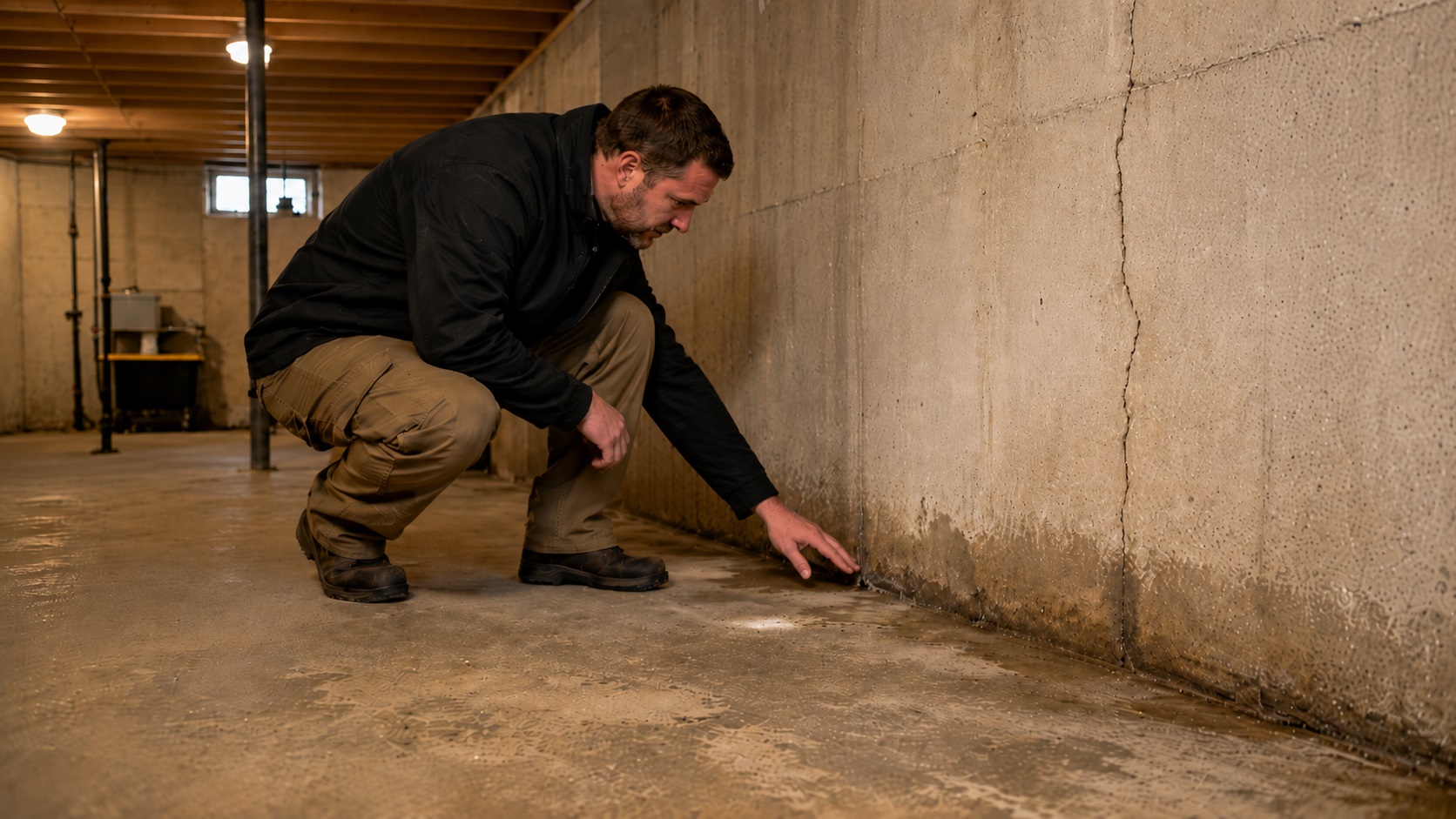
How Much Does Basement Waterproofing Cost?
Basement waterproofing usually costs about $2,500 to $10,000 for many residential projects. Small crack repairs or minor sealing may cost only a few hundred dollars, while full drainage systems, sump pump work, exterior excavation, membranes, and repairs can push larger projects to $15,000 to $30,000 or more.
Basement waterproofing prices vary so much because “waterproofing” is not one single service. It can mean sealing a small crack, applying a waterproof coating, installing an interior drainage system, adding a sump pump, excavating around the foundation, applying an exterior membrane, correcting grading, or rebuilding parts of a finished basement after water damage.
The most important question is not just how much waterproofing costs. It is what kind of water problem the basement actually has. A damp wall caused by mild surface moisture is very different from water entering under pressure at the floor-wall joint after every storm. For a broader explanation of system-level solutions, see this guide on how basement waterproofing systems control water intrusion.
How Much Basement Waterproofing Usually Costs
Smaller repairs cost less when the water entry point is limited and easy to access. Larger projects cost more when the basement needs interior drainage, sump pump work, exterior waterproofing, excavation, foundation repairs, or finished-space restoration.
A basic crack repair or minor interior sealing project may cost hundreds to a few thousand dollars. A full interior drainage system may cost several thousand dollars because it often requires cutting part of the basement floor, installing a drainage channel, connecting the system to a sump basin, and restoring the concrete. Exterior waterproofing usually costs more because it may require excavation, wall preparation, membrane installation, drainage work, backfilling, and landscaping repair.
| Basement Waterproofing Project | Approximate Cost Range | Best Use Case |
|---|---|---|
| Minor crack sealing | $300–$1,500 | Small non-structural cracks or isolated seepage points |
| Interior waterproof coating or sealant | $500–$3,000 | Damp walls, light moisture, or supplemental surface protection |
| Interior drainage system | $3,000–$12,000+ | Water entering near the floor-wall joint or recurring seepage |
| Sump pump installation or replacement | $1,000–$4,000+ | Collecting and discharging basement water |
| Exterior waterproofing membrane | $5,000–$15,000+ | Reducing water entry through foundation walls from the outside |
| Exterior excavation and drainage | $10,000–$25,000+ | Severe water pressure, failed exterior drainage, or major foundation access |
| Full basement waterproofing system | $8,000–$30,000+ | Multiple water entry points, drainage, sump pump, membranes, and repairs |
These are planning ranges, not guaranteed prices. A basement waterproofing contractor will usually price the job based on the length of the affected perimeter, the waterproofing method, access conditions, basement finish level, water severity, drainage needs, and whether the problem is inside the foundation, outside the foundation, or both.
Why Basement Waterproofing Prices Vary So Much
Basement waterproofing prices vary because two basements with similar symptoms can have completely different causes. Light dampness from surface moisture may need only a lower-cost correction, while water entering under pressure after storms may require drainage, sump pump work, exterior water management, or foundation repair. Cost should be tied to the actual water pathway, not just the visible stain on the wall.
The Source of the Water Matters
Basement water can come from surface runoff, clogged gutters, short downspouts, poor grading, hydrostatic pressure, foundation cracks, porous masonry, floor-wall joints, sump pump failure, window wells, or plumbing leaks. Each source points to a different repair strategy and a different cost range.
If water is entering because the soil around the foundation is saturated, the project may cost more than a simple wall coating. In pressure-driven leaks, the real issue is often the force of water outside or under the foundation. That is why understanding hydrostatic pressure behind basement leaks is important before assuming a low-cost coating will solve the problem.
Finished Basements Usually Cost More to Waterproof
A finished basement usually increases waterproofing cost because flooring, drywall, trim, insulation, cabinets, or built-in features may need to be removed, protected, dried, or replaced. A quote should make clear whether finished-space repair is included or priced separately.
Recurring Water Problems Cost More Than One-Time Moisture
A basement that gets slightly damp once during an unusual storm is different from a basement that leaks after every heavy rain. Recurring water usually points to a system problem: drainage failure, soil pressure, foundation seepage, sump pump limitations, or an exterior grading issue.
Recurring problems usually cost more because the repair must address the pattern, not just the latest wet spot. If the basement wall leaks during storms, the cause may be tied to exterior water movement, saturated soil, or pressure against the foundation. A deeper explanation is covered in why basement walls leak during rain.
Basement Waterproofing Is Not the Same as Basement Drying
Basement waterproofing and basement drying are related, but they are not the same service. Waterproofing stops, redirects, or manages water entry. Drying removes moisture after water has already affected materials.
If the basement has standing water, wet drywall, soaked flooring, damp insulation, or mold growth, the total budget may also include water extraction, drying, demolition, mold remediation, or repair work. If finished materials are already damaged, separate waterproofing cost from water damage restoration cost when comparing quotes.
Basement Waterproofing Cost by Method
The method used is one of the biggest factors in basement waterproofing cost. Some methods are simple surface treatments. Others involve drainage systems, sump pumps, excavation, exterior membranes, or foundation access. The more the project changes the way water moves around the basement, the more expensive it usually becomes.
Minor Crack Sealing
Minor crack sealing is often one of the lower-cost basement waterproofing repairs. It may cost a few hundred dollars to around $1,500 when the issue is limited to one or a few small cracks and the surrounding foundation is otherwise stable.
This kind of repair may make sense when a crack is the actual water entry point and the water source is limited. It is less reliable when the crack is only one symptom of a larger drainage, settlement, or pressure problem. If water is pushing through multiple areas or appearing at the floor-wall joint, a crack repair alone may not solve the basement moisture problem.
Interior Waterproof Coatings and Sealants
Interior waterproof coatings and sealants are usually less expensive than drainage systems or exterior excavation. They may cost a few hundred dollars for small DIY surface treatment or several thousand dollars for a larger professional application.
These products are best treated as limited surface protection. They may help with mild dampness or masonry porosity, but they are not a reliable stand-alone fix for active leaks, standing water, floor-wall joint seepage, or strong pressure behind basement walls.
Interior Drainage Systems
Interior drainage systems usually cost more because they are system-level repairs. A contractor may need to cut part of the basement floor, create a drainage channel, install drain tile or a drainage track, connect the system to a sump basin, and restore the concrete.
Interior drainage may cost several thousand dollars and can rise above $10,000 depending on basement size, linear footage, floor conditions, sump pump needs, and whether finished materials must be removed. These systems are often used when water enters near the floor-wall joint or when groundwater pressure repeatedly forces water into the basement.
Sump Pump Installation or Replacement
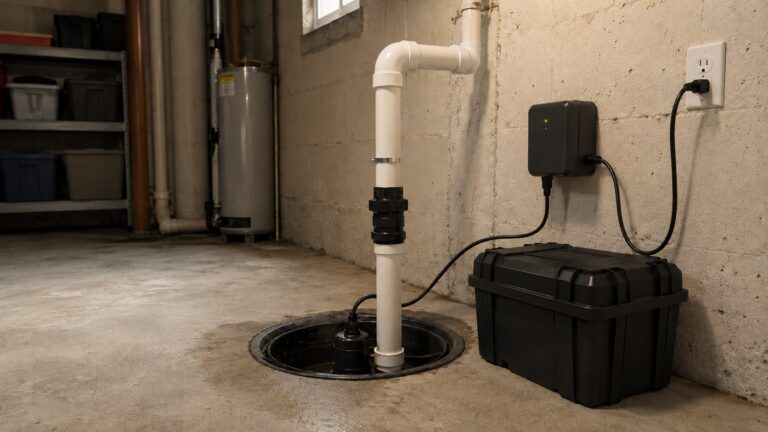
Sump pump work commonly adds $1,000 to $4,000 or more depending on the pump, basin, discharge line, backup system, electrical needs, and whether the pump is part of a larger interior drainage system. A simple pump replacement costs less than a new sump basin installation connected to a full perimeter drain.
The sump pump is important because many waterproofing systems need a place to collect and discharge water. Backup pumps, alarms, and improved discharge lines can raise the upfront cost, but they may reduce flood risk during storms or power outages, especially in finished basements or homes with a history of water intrusion.
Exterior Waterproofing Membranes
Exterior waterproofing membranes usually cost more than interior coatings because the contractor must access the outside of the foundation wall. This may require excavation, cleaning the wall surface, repairing defects, applying waterproofing material, installing drainage components, and backfilling the soil.
Exterior waterproofing can address water before it enters the basement wall, but cost rises when the foundation is deep, access is tight, patios or walkways must be removed, landscaping must be restored, or damaged masonry is found after excavation begins.
Exterior Excavation and Drainage
Exterior excavation and drainage work can be one of the most expensive forms of basement waterproofing. It may involve digging down to the footing, installing or replacing footing drains, adding gravel, applying drainage boards, correcting soil conditions, and restoring the property afterward.
This kind of work may cost $10,000 to $25,000 or more when access is difficult, large sections of the foundation must be exposed, or concrete, decks, steps, landscaping, fences, or utility lines complicate excavation. It is usually considered when water repeatedly enters from outside, exterior drainage has failed, or the foundation wall needs direct repair from the outside.
Interior vs Exterior Basement Waterproofing Cost
Interior basement waterproofing is usually less expensive because the work is done from inside the basement. Small interior repairs may cost hundreds of dollars, while larger interior drainage systems can reach $12,000 or more depending on linear footage, sump pump needs, concrete work, and finished-material access.
Exterior waterproofing usually costs more because the contractor may need to excavate, prepare the foundation wall, repair cracks, apply membranes, install drainage boards or footing drains, backfill, and restore the property. Exterior work often starts in the several-thousand-dollar range and can reach $15,000 to $25,000 or more when access is difficult.
The cheaper option is not automatically the better option. Interior systems often manage water after it reaches the basement perimeter, while exterior systems may address water before it reaches the foundation wall. The right choice depends on the leak source, foundation type, soil conditions, access, budget, and whether the basement is finished.
What Makes Basement Waterproofing Expensive?
Basement waterproofing becomes expensive when the project moves beyond a small repair and requires pressure control, drainage, excavation, finished-material access, sump pump work, or correction of a failed system.
Hydrostatic Pressure
Hydrostatic pressure raises cost because water is not just touching the foundation; it is pressing against it. Recurring pressure-driven leaks often need drainage, sump pump work, exterior water management, or a more complete system instead of surface sealing alone.
Basement Size and Linear Footage
Many waterproofing systems are priced partly by the length of wall or perimeter being treated. A single leaking corner costs less than waterproofing an entire basement perimeter. Larger basements need more drainage material, more labor, more concrete work, and sometimes more pumping capacity.
Linear footage matters especially for interior drain tile, perimeter drainage channels, exterior membranes, footing drains, and vapor barrier systems. A quote should clearly state which walls or sections are included so the homeowner can compare estimates fairly.
Excavation and Exterior Access
Exterior access can raise cost quickly. If a contractor must dig around the foundation, the price may include machinery, hand digging, soil removal, shoring, safety precautions, utility marking, waterproofing materials, drainage installation, backfill, and restoration.
Access becomes harder when the foundation is close to a neighbor’s property, under a deck, behind landscaping, beside a driveway, or near utilities. Deep foundations also require more labor and safety planning than shallow foundation walls.
Finished Basement Materials
Finished basements add cost because waterproofing may require opening walls, lifting flooring, removing trim, protecting built-ins, or accessing the perimeter behind finished surfaces. If water has already damaged drywall, insulation, flooring, or cabinets, drying, demolition, mold remediation, and reconstruction may be separate from the waterproofing quote.
Existing Waterproofing Failure
If the basement already has an old waterproofing system that failed, the cost may rise because the contractor has to diagnose why it failed. Old drain systems may be clogged, sump pumps may be undersized, discharge lines may be poorly routed, exterior membranes may have deteriorated, or prior crack repairs may no longer hold.
A failed system may need repair, replacement, cleaning, upgrading, or redesign. This is different from installing a small new repair in an otherwise dry basement. If an old system is no longer controlling water, review whether to repair or replace basement waterproofing before assuming a patch will be enough.
What Is Usually Included in a Basement Waterproofing Quote?
A basement waterproofing quote should explain more than the final price. It should describe the water problem, the areas being treated, the method being used, what materials are included, what work is excluded, and what warranty applies.
This is important because two quotes with very different prices may not be quoting the same job. One may cover a single crack repair. Another may include drainage, sump pump installation, concrete work, and a transferable warranty.
Basement Inspection and Diagnosis
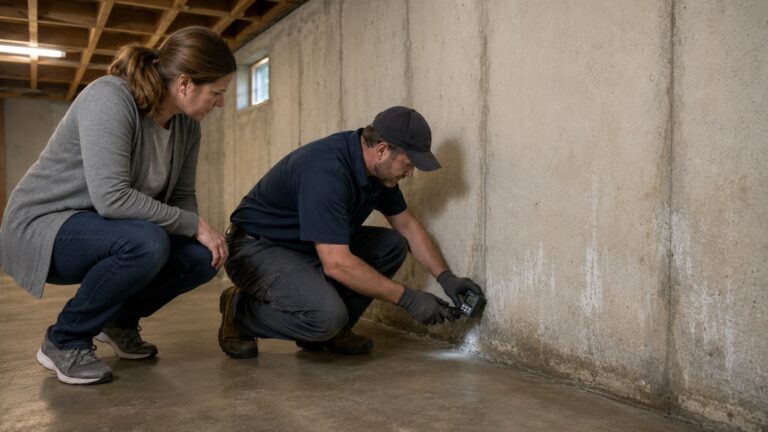
A proper quote should begin with an inspection. The contractor should identify where water is entering, whether the problem is occasional or recurring, whether the water is coming from outside or inside, and whether pressure, drainage failure, cracks, window wells, or plumbing are involved.
Some companies provide free inspections, while others charge for detailed diagnostic work. A paid inspection may be worthwhile when the water source is unclear, when multiple contractors disagree, or when the home has a history of repeated basement leaks.
Scope of the Waterproofing Method
The quote should state exactly what method will be used. For example, it may include crack injection, wall coating, interior drainage, sump pump installation, exterior membrane work, grading correction, drain tile replacement, or a combination of methods.
A vague quote such as “waterproof basement” is not enough. The homeowner should know whether the contractor is stopping water at the source, redirecting water after it enters the foundation area, sealing a limited point, or installing a broader water-control system.
Sump Pump and Discharge Details
If the project includes a sump pump, the quote should explain the pump type, basin, lid, discharge line, check valve, backup system, alarm, and where the water will be discharged. A sump pump that discharges too close to the foundation can send water back toward the basement.
The quote should also explain whether electrical work is included. A new pump, backup pump, or alarm may require safe power access. Any electrical work in a wet basement area should be handled carefully and may require a qualified electrician depending on the setup.
Concrete, Wall, or Floor Restoration
Interior drainage work often requires cutting concrete and restoring the floor after the system is installed. The quote should state whether concrete replacement, patching, wall repair, flooring removal, or cleanup is included.
Finished basement restoration is often separate. Waterproofing companies may install the water-control system but not replace finished flooring, drywall, trim, paint, or cabinets unless that work is specifically included in the contract.
Warranty Terms
Some basement waterproofing companies offer warranties, but the details matter. A warranty may cover only the treated area, only certain types of leaks, or only defects in the installed system. It may not cover new cracks, plumbing leaks, pump failure, power outages, condensation, floodwater, or water entering through untreated areas.
If the warranty is transferable, that may add value when selling the home. If it is limited or full of exclusions, it may be less valuable than it appears. Homeowners should ask for the warranty in writing before approving the work.
What May Cost Extra?
Basement waterproofing quotes often exclude related work, especially when water has already damaged materials or when the moisture source is larger than expected.
Mold Remediation
Mold remediation is often separate from basement waterproofing. A waterproofing company may stop or redirect water, but that does not automatically remove mold from drywall, insulation, framing, flooring, boxes, or stored items.
If mold is visible, widespread, musty odor is strong, or water has been trapped behind finished materials, remediation may need to be priced separately. Waterproofing may prevent the moisture problem from continuing, but the affected materials still need proper cleanup or removal.
Water Damage Restoration
Water extraction, drying equipment, demolition, dehumidification, and reconstruction may not be included in a waterproofing quote. If the basement recently flooded, restoration work may be needed before or alongside waterproofing.
This is especially important in finished basements. Wet carpet, padding, drywall, insulation, baseboards, and cabinets can hold moisture even after the visible water is gone. If these materials are not dried or removed properly, mold and odor problems can continue after the waterproofing system is installed.
Foundation or Structural Repairs
Foundation repair may be separate from waterproofing. If cracks are caused by settlement, wall movement, bowing, or structural pressure, the basement may need structural evaluation before waterproofing is completed.
Waterproofing materials can help control water entry, but they do not correct a wall that is moving, a footing problem, or major structural damage. Structural repairs can add substantial cost when they are needed.
Electrical, Plumbing, or HVAC Adjustments
Some waterproofing projects require adjustments around electrical panels, outlets, plumbing lines, floor drains, water heaters, HVAC equipment, or finished utility areas. These items can complicate access and may require other trades.
For example, adding a sump pump or backup system may require electrical work. Moving pipes, rerouting drain lines, or working around mechanical equipment can also increase cost if those items are not included in the original quote.
Landscaping, Concrete, and Exterior Restoration
Exterior waterproofing can disturb landscaping, patios, walkways, driveways, decks, fences, or steps. The quote should explain whether the contractor will restore these areas or whether the homeowner must hire someone else afterward.
This can make exterior waterproofing more expensive than the waterproofing line item alone suggests. A project that requires excavation beside a finished patio or mature landscaping may have significant restoration costs after the foundation work is complete.
Cheap Basement Waterproofing vs Long-Term Water Control
Cheap basement waterproofing is not always bad. A low-cost repair may be reasonable when the problem is small, isolated, and correctly diagnosed, such as a minor non-structural crack, short downspouts, clogged gutters, poor grading, or a sump pump that needs replacement.
Cheap fixes usually fail when water is entering because of pressure, saturated soil, failed drainage, foundation movement, or recurring seepage at the floor-wall joint. In those cases, paint, caulk, or a small patch may only delay the problem and increase the total cost if water returns.
Long-term water control costs more because it may involve drainage, pumps, membranes, excavation, concrete work, warranties, and system design. The higher price is easier to justify when the basement has finished living space, repeated water intrusion, stored valuables, mold risk, or previous repairs that failed.
How to Compare Basement Waterproofing Quotes
Basement waterproofing quotes should be compared by scope, not just by price. A $3,000 quote and a $10,000 quote may look far apart, but they may not be offering the same solution. One may cover a small repair, while the other may include a full drainage system with a sump pump and warranty.
- Which water source is the quote addressing?
- How many linear feet or walls are included?
- Is the sump pump, basin, discharge line, backup pump, or alarm included?
- Does the price include concrete repair, cleanup, or finished-material restoration?
- What does the warranty cover and exclude?
Basement Waterproofing Quote Red Flags
- The quote does not identify the likely water source.
- The contractor recommends wall coating for recurring water at the floor-wall joint.
- The sump pump, discharge line, backup system, or electrical work is unclear.
- The warranty sounds broad but excludes the most likely leak paths.
- The contractor pressures you to sign before you understand the scope.
Compare the Problem Each Contractor Is Solving
One contractor may focus on sealing visible cracks. Another may recommend drainage because water is entering under pressure. A third may identify exterior grading and gutter problems. The best quote is not always the cheapest; it is the quote that correctly identifies the source and proposes a method that matches it.
Compare Sump Pump Details
If the quote includes a sump pump, compare the pump, basin, backup options, alarm, check valve, discharge line, and outlet location. A low quote may not include backup protection, proper discharge routing, or electrical work.
A sump pump is only as useful as the system around it. If the pump cannot keep up, loses power, or sends water back near the foundation, the basement can still leak even after waterproofing work is installed.
Compare Contractor Quality, Not Just Price
A basement waterproofing company should be able to explain the diagnosis, method, materials, warranty, access needs, and exclusions clearly. A vague quote or high-pressure sales approach should make the homeowner cautious. If the project is significant, review how to choose a basement waterproofing company before signing a contract.
How to Reduce Basement Waterproofing Costs Without Ignoring the Problem
The best way to reduce basement waterproofing cost is to correct simple water sources early without covering symptoms or ignoring the actual water pathway.
Start With Gutters, Downspouts, and Grading
Gutters, downspouts, and grading are often the first things to check because they affect how much water collects around the foundation. Cleaning gutters, extending downspouts, and improving surface drainage may reduce the load on any waterproofing system and prevent minor moisture problems from becoming larger ones.
Repair Small Cracks Early
Small cracks are often less expensive to repair before water damage spreads. If a crack is actively leaking, widening, or showing signs of movement, it should be evaluated early, especially before finishing the basement or covering the wall.
Maintain the Sump Pump
A neglected sump pump can turn a manageable water issue into a flooded basement. Testing the pump, cleaning the basin, checking the float switch, inspecting the discharge line, and considering a backup system can prevent restoration costs that are much higher than routine maintenance.
Avoid Covering Active Leaks With Paint
Painting over active basement leaks can make the wall look better temporarily, but it does not remove the water source. If water is still entering through cracks, joints, or porous masonry, the coating may fail and moisture may remain trapped behind finished materials.
A coating may be useful in the right situation, but it should not be used as a substitute for drainage, pressure control, or foundation repair when those are needed. Trying to save money with paint can increase the final cost if hidden moisture continues.
Do Not Refinish the Basement Before the Water Problem Is Solved
Refinishing a basement before the water problem is corrected can make the next leak much more expensive. New flooring, drywall, trim, insulation, and cabinets can hide moisture and may need to be removed if water returns.
Before investing in finished basement improvements, make sure the water source has been addressed and the space has stayed dry through normal rain conditions. This may prevent paying twice: once for the remodel and again for demolition and repair after another leak.
When a Higher Basement Waterproofing Cost Is Justified
A higher basement waterproofing cost may be justified when the basement has recurring water intrusion, finished living space, mold risk, structural warning signs, high groundwater pressure, failed previous repairs, or valuable stored items. In these situations, a complete system with drainage, sump pump protection, discharge improvements, concrete restoration, or exterior water control may cost less than repeated damage and repairs.
The price should still be reasonable for the scope. A high quote should explain why the work is necessary, what problem it solves, what materials are included, what warranty applies, and what lower-cost options were considered.
Can Insurance Help Pay for Basement Waterproofing?
Home insurance usually does not pay for routine basement waterproofing, long-term seepage, poor drainage, foundation maintenance, or preventive upgrades. Waterproofing is often considered maintenance or improvement rather than a covered sudden loss.
Insurance may help with certain types of sudden and accidental water damage, depending on the policy, endorsements, and cause of the loss. For example, coverage may differ for burst pipes, sewer backup, sump pump overflow, storm flooding, groundwater seepage, or long-term leaks.
Homeowners should read the policy carefully and ask the insurer what is covered before assuming waterproofing, drying, mold remediation, or reconstruction will be paid for. Floodwater and groundwater issues often require separate coverage or may be excluded entirely.
Is Basement Waterproofing Worth the Cost?
Basement waterproofing is often worth the cost when water intrusion is recurring, damaging materials, creating mold risk, limiting use of the basement, or threatening finished living space. The value depends on whether the proposed method matches the actual problem.
A cheap coating may not be worth much if the basement needs drainage, while an expensive exterior system may not be necessary if the issue is a short downspout or a single crack. Before approving a major project, homeowners should understand what the system includes, what it excludes, and whether simpler corrections should be made first.
Key Takeaways
- Basement waterproofing often costs about $2,500 to $10,000, but small repairs may cost less and full systems can cost $15,000 to $30,000 or more.
- The biggest cost drivers are water source, pressure, drainage needs, sump pump work, exterior excavation, basement size, and finished-material repair.
- Interior waterproofing is usually less expensive than exterior waterproofing, but each method solves a different kind of water problem.
- Waterproofing is not the same as drying, mold remediation, or water damage restoration.
- Quotes should be compared by scope, diagnosis, treated area, materials, sump pump details, exclusions, and warranty—not price alone.
- Cheap repairs can work for small isolated problems, but recurring water intrusion usually needs a more complete water-control strategy.
Frequently Asked Questions About Basement Waterproofing Cost
What is the average cost to waterproof a basement?
A common planning range is about $2,500 to $10,000, but the average depends on the method and severity of the problem. Minor crack sealing may cost a few hundred dollars, while full drainage, sump pump, exterior waterproofing, or excavation work can cost $15,000 to $30,000 or more.
Why is basement waterproofing so expensive?
Basement waterproofing becomes expensive when it requires drainage systems, sump pumps, concrete cutting, excavation, exterior membranes, foundation access, finished-material removal, or repair of recurring water problems. The price reflects labor, materials, access difficulty, and the complexity of controlling water around the foundation.
Is interior basement waterproofing cheaper than exterior waterproofing?
Interior basement waterproofing is usually cheaper because the contractor can work from inside the basement. Exterior waterproofing usually costs more because it may require excavation, foundation wall preparation, membranes, drainage work, backfilling, and restoration of landscaping or hardscaping.
Can I waterproof a basement myself?
Some minor moisture-control tasks can be DIY, such as cleaning gutters, extending downspouts, improving surface drainage, or applying limited sealant in appropriate conditions. Active leaks, recurring seepage, standing water, pressure-driven leaks, foundation movement, mold, or electrical hazards should be evaluated by qualified professionals.
Does basement waterproofing include a sump pump?
Not always. Some basement waterproofing quotes include sump pump installation, while others quote it separately. If the project includes drainage, ask whether the sump basin, pump, backup pump, alarm, discharge line, check valve, and electrical work are included.
Is mold remediation included in basement waterproofing cost?
Not usually. Basement waterproofing can reduce the moisture that allows mold to grow, but it does not automatically remove existing mold from drywall, insulation, wood, or stored belongings. If mold is already visible or suspected, mold remediation may need to be quoted separately.
Should I choose the cheapest basement waterproofing quote?
The cheapest quote is not always the best choice. Compare what each quote includes, what problem it is solving, which areas are treated, whether sump pump work is included, what is excluded, and what warranty applies. A low price may cost more later if it does not solve the actual water source.
Can basement waterproofing increase home value?
Basement waterproofing can help protect home value by reducing moisture damage, mold risk, recurring leaks, and buyer concerns. It may be especially valuable when the basement is finished or usable living space. The value depends on the quality of the work, documentation, warranty, and whether the system actually controls the water problem.
One Comment
Comments are closed.