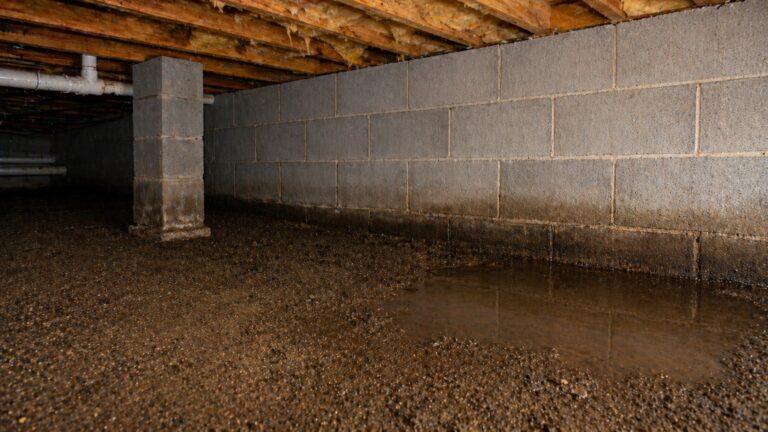
How to Compare Basement Waterproofing Quotes Before Hiring a Contractor
Basement waterproofing quotes can be confusing because two contractors may use the same phrase to describe very different work. One quote may include a full interior drainage system, sump pump upgrade, wall vapor barrier, and concrete repair. Another may only include crack injection or a surface coating. A third may recommend exterior excavation, foundation sealing, and drainage correction. Looking only at the total price does not tell you whether those quotes are actually solving the same problem.
The best way to compare basement waterproofing quotes is to start with the diagnosis, then compare the scope of work, materials, exclusions, warranty terms, and long-term moisture control plan. A quote is not automatically better because it is cheaper, and it is not automatically safer because it is more expensive. The strongest quote is the one that clearly explains where the water is coming from, what system will control it, what is included, what is excluded, and what happens if moisture returns.
Use the quote as a comparison document, not just a price sheet. If you need a broader explanation of the major systems contractors may recommend, start with this guide to how basement waterproofing and water control systems work.
Why Basement Waterproofing Quotes Are Often Hard to Compare
Basement waterproofing quotes are hard to compare because the word “waterproofing” can describe several different types of work. It may refer to interior drainage, exterior foundation sealing, sump pump installation, crack repair, vapor barriers, drainage correction, wall panels, or a combination of systems. Unless the quotes describe the same problem and the same scope, the prices may not be comparable.
For example, one contractor may quote a relatively small repair because they believe water is entering through one visible foundation crack. Another contractor may recommend an interior drain tile system because they see water entering along the wall-floor joint. A third contractor may recommend exterior excavation because they believe the outside foundation wall or footing drain system has failed. Those three estimates may all be described as “basement waterproofing,” but they are not the same job.
This is why the first question is not “Which quote is cheapest?” The first question is “What problem does this quote claim to solve?” A low quote may be reasonable if the water source is limited and the repair is targeted. A high quote may be justified if the basement has widespread seepage, hydrostatic pressure, failed drainage, or finished materials that must be removed and restored. But a high quote can also be excessive if the contractor has not explained why that level of work is needed.
Basement waterproofing quotes may vary because of differences in:
- The source of the water problem
- The severity of the moisture or flooding
- Whether the solution is interior, exterior, or both
- The length of drainage system being installed
- The number and quality of sump pumps
- Whether battery backup protection is included
- Whether walls, floors, or finished materials must be opened
- Whether concrete removal and replacement are included
- Warranty length, transferability, and exclusions
- Whether cleanup, disposal, permits, or electrical work are included
A quote that looks expensive may include more work, and a quote that looks affordable may leave out important items. Compare the full proposal, not just the bottom-line number.
Compare the Diagnosis Before You Compare the Price
Every basement waterproofing quote should begin with a clear explanation of the water problem. If the contractor cannot explain where the water is coming from, why it is happening, and how the proposed system addresses it, the quote will be difficult to evaluate.
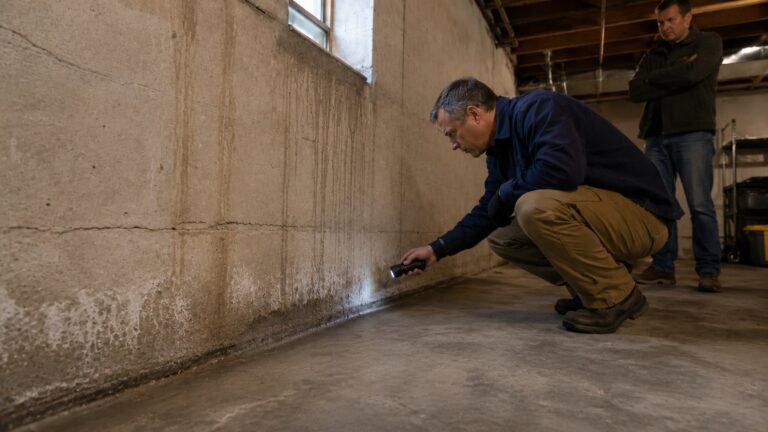
A strong quote should connect the visible symptoms in your basement to a likely cause. Water along the wall-floor joint may point to pressure around the foundation or drainage failure. Damp concrete walls may suggest wall seepage, condensation, exterior drainage problems, or a coating failure. Water coming through a floor crack may point to pressure beneath the slab. A wet finished wall may hide a foundation crack, window leak, plumbing issue, or exterior grading problem.
This matters because different causes require different solutions. A crack injection quote is not equivalent to a full drainage system quote. A sump pump replacement quote is not the same as an exterior waterproofing quote. A wall panel system may help manage water entering the basement, but it may not correct grading, clogged exterior drains, or water pressure around the foundation.
Before comparing prices, ask each contractor to identify the main source of moisture. The quote should make it clear whether the contractor believes the issue is caused by:
- Foundation wall cracks
- Water seepage through porous concrete or masonry
- Water entering at the cove joint where the wall meets the floor
- Basement floor cracks or slab seepage
- Poor exterior grading or surface drainage
- Failed or missing footing drains
- A sump pump that is undersized, failing, or poorly discharged
- Hydrostatic pressure beneath or beside the basement
- Humidity or condensation rather than liquid water intrusion
- Existing waterproofing that has failed or was installed incorrectly
If a contractor mentions pressure around the foundation, floor seepage, or water entering at the wall-floor joint, it may help to understand hydrostatic pressure behind basement leaks. You do not need to become a waterproofing expert, but you do need enough context to know whether the proposed repair matches the physical behavior of the water.
Make Sure the Quote Matches What You Are Seeing
The diagnosis should match the symptoms you actually observe. If water only appears after heavy rain along one wall, the quote should explain why that wall is vulnerable. If water comes up through the floor, the quote should not focus only on wall coatings. If the basement has an old sump pump that cannot keep up during storms, the quote should address pump capacity, discharge routing, and backup protection where appropriate.
Be cautious when a quote recommends a major system without explaining the symptoms that justify it. Also be cautious when a quote recommends a small cosmetic treatment for a basement with recurring water intrusion. The best proposal should connect visible evidence, likely cause, and proposed solution in a way that makes sense.
Separate Liquid Water Problems From Humidity Problems
Not every damp basement needs the same waterproofing system. Some basement problems are caused by liquid water entering through walls, floors, cracks, or joints. Others are driven by high humidity, poor ventilation, cold surfaces, or condensation. These problems can overlap, but they are not identical.
If the main issue is musty air, condensation, or general dampness without visible water entry, the quote should explain why waterproofing construction is needed instead of, or in addition to, humidity control. If the issue is active seepage, a dehumidifier alone will not solve the water source. A complete quote should distinguish between controlling water intrusion and managing basement humidity.
Ask for the Diagnosis in Writing
A verbal explanation is helpful, but the written quote should still identify the problem being addressed. If the estimate simply says “waterproof basement” or “install system” without describing the cause, materials, layout, or expected result, ask for clarification before comparing it with other bids.
You do not need a long engineering report for every basement repair, but you do need enough written detail to understand what you are buying. A clear diagnosis protects both sides: the contractor defines the intended scope, and you can compare that scope against other proposals.
Compare the Scope of Work Line by Line
Once you understand the diagnosis behind each quote, compare the actual scope of work. This is where many basement waterproofing estimates differ the most. One contractor may include demolition, drainage, sump pump work, discharge routing, wall treatment, concrete replacement, and cleanup. Another may quote only one part of that process.
Do not assume that two quotes include the same work just because they use similar wording. Terms like “interior waterproofing,” “drainage system,” “wall system,” “foundation sealing,” or “sump pump installation” can mean different things depending on the contractor. Ask each company to break the quote into clear line items so you can see what is being installed, repaired, removed, sealed, replaced, or excluded.
A simple way to compare quotes is to mark each one as diagnosis, scope, materials, exclusions, warranty, and follow-up responsibility. If one estimate is missing one of those categories, ask for clarification before treating it as equal to the others.
Interior Drainage Systems
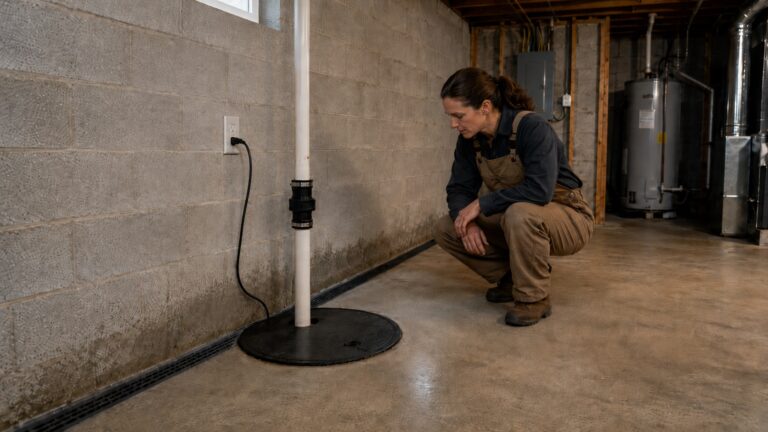
Interior drainage systems are commonly used when water enters at the wall-floor joint, through foundation walls, or beneath the slab. These systems usually involve opening a channel around part or all of the basement perimeter, installing drainage pipe or drainage channel, directing water to a sump pit, and replacing the concrete over the system.
When comparing quotes for interior drainage, look for details such as:
- How many linear feet of drainage will be installed
- Whether the system covers one wall, several walls, or the full perimeter
- How the concrete will be removed and replaced
- What type of drainage pipe or channel will be used
- Whether stone, filter fabric, or drainage board is included
- Where the system will discharge collected water
- Whether cleanouts or service ports are included
- How dust, debris, and finished basement areas will be protected
A quote for 30 feet of interior drainage cannot be compared directly with a quote for a full-perimeter system. The shorter system may be enough if the problem is limited to one area, but it may be incomplete if water is entering along multiple walls.
Exterior Waterproofing and Excavation
Exterior waterproofing usually involves working outside the foundation. Depending on the home, this may include excavation, cleaning the exterior wall, repairing cracks, applying waterproofing membranes or coatings, installing drainage board, improving footing drains, backfilling, and restoring the affected area. Because the labor and access requirements are much greater, exterior quotes are often higher than interior water-control quotes.
When comparing exterior waterproofing quotes, look for specifics. Does the quote include excavation depth? Does it state which wall or walls will be exposed? Does it include membrane details? Does it include footing drain repair or replacement? Does it describe how the soil will be backfilled and graded after the work?
Exterior waterproofing may be appropriate in some situations, but it should still be justified by the diagnosis. A high exterior quote should explain why exterior work is necessary and what it will solve that an interior system would not. If the quote mentions membranes, compare the proposed materials with the type of products discussed in waterproofing membranes for basements so you know whether the estimate is describing a coating, sheet membrane, drainage layer, or broader exterior system.
Foundation Crack Repair
Some basement leaks are caused by specific cracks rather than broad foundation seepage. In those cases, a targeted crack repair may be much less expensive than a drainage system or exterior excavation. But the quote should explain whether the crack is structural, non-structural, actively leaking, previously repaired, or part of a larger water pressure problem.
Compare the repair method carefully. Some cracks are sealed from the interior with injection materials. Others may require exterior repair or additional drainage correction. If one quote includes only crack sealing while another includes drainage or wall treatment, ask why the contractors reached different conclusions.
A small crack repair quote may be reasonable if the problem is truly isolated. But if water appears in several areas, along the floor, or after every major rain, a crack-only quote may not address the full moisture pattern.
Sump Pump and Discharge Upgrades
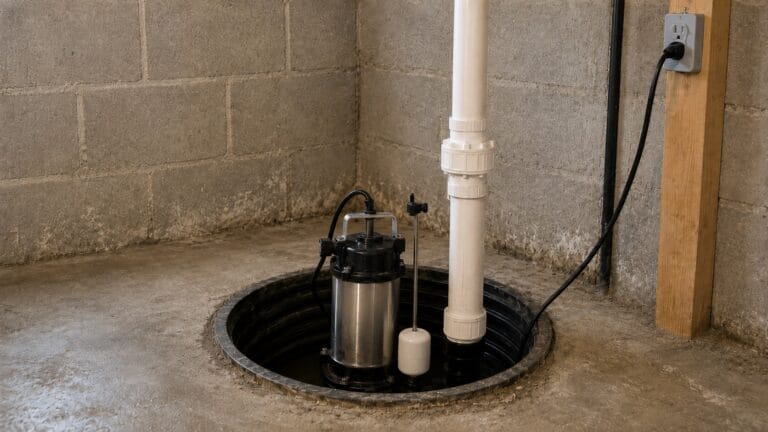
Many basement waterproofing systems depend on a sump pump to remove collected water. If a quote includes drainage work but does not explain the pump, pit, discharge line, or backup options, ask for more detail. A drainage system is only as useful as its ability to move water away from the house.
Compare sump pump details such as:
- Whether a new sump pit is included
- Whether the existing pit will be reused
- The pump type and capacity
- Whether a check valve is included
- Where the discharge line exits the house
- How far water will be discharged from the foundation
- Whether freeze protection is addressed in cold climates
- Whether a battery backup system is included or optional
If your basement has a history of flooding during storms or power outages, backup protection may be worth discussing. A contractor may include it in one quote while another lists it as an optional add-on. If you are comparing pump-related proposals, review the role of sump pump battery backup systems so you understand why backup capacity may affect the quote.
Wall Panels, Membranes, and Vapor Barriers
Some basement waterproofing quotes include wall panels, vapor barriers, or interior membranes. These products may help direct wall seepage into a drainage system, reduce visible dampness, or separate basement air from damp foundation surfaces. However, they are not all the same, and they do not always mean the exterior water source has been stopped.
Ask how the wall treatment works. Does it seal the wall? Does it drain water down into an interior system? Is it intended for vapor control, liquid water control, appearance, or a combination? Will it hide future leaks or allow inspection? Is it removable if service is needed?
A quote that includes wall treatment may be more complete than a quote that only addresses the floor. But a wall system should still be connected to a clear drainage plan if liquid water is entering the basement.
Finished Basement Protection and Restoration
If your basement is finished, quotes can vary dramatically depending on whether the contractor includes protection, removal, or restoration of finished materials. Waterproofing work may require cutting drywall, removing baseboards, pulling back carpet, opening floor sections, moving stored items, or protecting finished areas from dust.
Some contractors only quote the waterproofing system and leave finish repairs to others. That is not necessarily wrong, but it should be stated clearly. If one quote includes drywall removal, concrete replacement, debris disposal, and partial restoration while another does not, the higher quote may simply include more complete work.
For finished basements, ask whether the quote includes:
- Moving or protecting belongings
- Removing drywall, baseboards, flooring, or framing where needed
- Dust control during concrete cutting
- Disposal of debris
- Concrete patching after drainage installation
- Reinstalling or repairing finished materials
- Moisture, mold, or contaminated-material cleanup before closing walls again
Finished materials can hide moisture and make basement waterproofing more complicated. A quote that ignores finished walls or flooring may not reflect the full project cost.
If finished walls, flooring, or electrical components have been exposed to active water intrusion, ask the contractor what must be inspected or removed before the area is closed again. Do not assume a dry-looking surface means the wall cavity, insulation, subfloor, or framing is dry.
Check What Each Quote Leaves Out
The exclusions in a basement waterproofing quote can matter as much as the included work. A lower quote may look attractive until you realize it does not include electrical work, discharge routing, concrete repair, permits, cleanup, or restoration. Before choosing a contractor, read the estimate carefully and ask what is not included.
Some exclusions are normal. A waterproofing contractor may not perform electrical work, mold remediation, plumbing repairs, landscaping restoration, or finished basement reconstruction. The problem is not the exclusion itself. The problem is when exclusions are unclear and you discover them after work begins.
Common exclusions to look for include:
- Electrical outlets or dedicated circuits for sump pumps
- Battery backup pump installation
- Permit fees or inspection requirements
- Discharge line extensions
- Exterior grading or downspout correction
- Drywall, flooring, trim, or finish restoration
- Mold cleanup or odor removal
- Dehumidification equipment
- Moving stored belongings
- Concrete finishing beyond basic patching
- Landscaping, patios, decks, or walkways disturbed by excavation
- Maintenance after installation
If you are comparing a low quote with a higher quote, exclusions are one of the first places to look. The lower quote may still be valid, but only if you understand which additional costs may come later.
Ask Whether the Quote Solves the Water Source or Only Manages the Water
Some basement systems stop water at the exterior. Others collect and manage water after it enters the basement perimeter. Both approaches may be valid depending on the home, but they are not the same. A quote should be clear about whether it is correcting the source, managing water intrusion, or reducing symptoms.
For example, an interior drainage system may be designed to capture water and move it to a sump pump. Exterior grading improvements may reduce the amount of water reaching the foundation. Crack repair may seal a specific entry point. A wall panel may direct seepage into a drainage channel. These are different strategies, and the quote should not blur them together.
Make Sure Cleanup and Restoration Are Clear
Waterproofing work can be messy. Interior systems may require concrete cutting. Exterior systems may disturb soil, landscaping, walkways, or basement window wells. Finished basements may require demolition and later reconstruction. A clear quote should explain how the work area will be protected and what condition it will be left in.
If the estimate says “cleanup included,” ask what that means. Does it include debris removal? Dust control? Concrete patching? Final surface cleaning? Reinstalling trim? Restoring landscaping? Vague cleanup language can lead to frustration if your expectations differ from the contractor’s scope.
Compare Materials and System Design
After you understand the diagnosis, scope, and exclusions, look at the materials and system design. Two quotes may both include “interior drainage” or “foundation waterproofing,” but the quality and layout of the system can be very different. The quote should explain enough detail for you to understand what is being installed and how it will be serviced later.
This does not mean the quote needs to overwhelm you with technical language. It means the contractor should be able to explain the basic design clearly: where water will go, how it will be collected, how it will be removed, what materials will be used, and what access will exist for maintenance.
Drainage Layout and Service Access
If a quote includes an interior drainage system, compare the layout. A partial system along one wall may cost less than a full-perimeter system, but it may not solve the problem if water enters from multiple sides of the basement. On the other hand, a full-perimeter system may be unnecessary if water is limited to one crack or one corner.
Ask the contractor to show where the drainage will be installed. The proposal should identify the walls or areas included, the approximate length of the system, where the water will flow, and how it will reach the sump pit or discharge point.
Also ask about service access. Drainage systems can collect sediment over time, especially in basements with heavy water movement or soil pressure. Cleanouts, access ports, or serviceable components may make future maintenance easier. A quote that includes service access may cost more than one that does not, but it may also be easier to maintain over time.
Sump Pump Capacity and Backup Options
If the waterproofing system depends on a sump pump, the pump details matter. A quote should not simply say “install sump pump” without explaining what is included. The sump pit, pump capacity, discharge line, check valve, lid, backup options, and electrical requirements can all affect performance.
Ask whether the quote includes a primary pump only or a backup system as well. Backup protection is especially important if your basement has flooded during power outages, if the pump runs often during storms, or if the finished basement contains flooring, drywall, furniture, storage, or mechanical equipment that would be damaged by water.
Also compare the discharge routing. Moving water out of the sump pit is only part of the job. The discharge line needs to move water far enough away from the foundation that it does not simply recycle back into the soil beside the basement. If one quote includes an extended discharge line and another does not, the quotes are not equal.
Crack Repair Materials
For foundation crack repair, compare the repair method and material. Some cracks may be treated with injection products from the interior. Others may need exterior work, drainage correction, or further evaluation if they show movement, widening, displacement, or structural concern.
Ask whether the quote identifies the crack location, length, repair method, and warranty. If the crack has leaked before or was previously repaired, the contractor should explain whether the new repair is expected to hold and whether surrounding water pressure is part of the problem.
A crack repair quote may be a good value when the water source is clearly limited. But if the basement shows widespread seepage, multiple wet areas, or water along the wall-floor joint, compare that quote carefully against broader system proposals. The issue may not be the price difference alone; the contractors may be solving different problems.
Wall Membranes, Coatings, and Drainage Panels
When a quote includes wall membranes, coatings, or drainage panels, ask what role those materials play. Some products are designed to resist moisture from the wall surface. Others are designed to channel water down into an interior drainage system. Others may mainly improve appearance or separate basement air from a damp wall.
The quote should explain whether the wall material is being used for waterproofing, vapor control, drainage, or finish protection. This distinction matters because a wall covering can sometimes hide moisture symptoms while water continues to move behind it. A well-designed system should direct water safely and allow the basement to be monitored or serviced when needed.
Exterior Waterproofing Materials
Exterior waterproofing quotes should describe the materials used on the foundation wall. A basic coating, a membrane, drainage board, footing drain work, gravel, and backfill details are not all the same. If a quote simply says “seal exterior wall,” ask what product or system will be applied and how the wall will be prepared before application.
Surface preparation matters because waterproofing materials usually perform better when applied to a clean, sound surface. If the wall has cracks, old coatings, loose material, damaged mortar, or poor drainage at the footing, those issues should be addressed in the scope. A quote that includes proper preparation may cost more than one that only describes a surface application.
Access, Obstacles, and Site Conditions
Basement waterproofing quotes also vary because some homes are harder to work on than others. Finished basement walls, low ceilings, tight exterior access, patios, decks, driveways, landscaping, utility lines, and mechanical equipment can all affect labor and project complexity.
If one contractor includes work around obstacles and another does not mention them, ask for clarification. The contractor should explain whether access issues are included in the price, whether certain areas are excluded, and whether additional costs may appear once work begins.
Read the Warranty Before You Trust the Quote
Warranty language is one of the most important parts of a basement waterproofing quote. A long warranty may sound reassuring, but the value depends on what it actually covers. Do not compare warranties only by length. Compare the coverage, exclusions, maintenance requirements, transfer rules, and response process.
Ask for the warranty document before signing, not just a verbal summary. The written warranty is what tells you whether the promise applies to the whole basement, one wall, one crack, one pump, or only the specific area treated.
A useful warranty should explain what happens if water returns in the area covered by the system. It should also explain whether labor is included, whether parts are included, whether sump pumps are covered, whether finished materials are excluded, and whether the warranty transfers to a future buyer if you sell the home.
What the Warranty Covers
Start by asking what part of the system is covered. Some warranties cover water intrusion through a specific repaired crack. Others cover an interior drainage system. Others cover a waterproofed wall area. A sump pump may have a separate manufacturer warranty rather than being fully covered by the contractor’s waterproofing warranty.
The warranty should identify the covered area. If a contractor installs drainage along one wall, the warranty may not cover water entering from another wall later. If a crack repair is performed, the warranty may not cover new cracks or unrelated seepage. If a pump fails because of power loss, clogging, or lack of maintenance, the warranty may not respond the way the homeowner expects.
What the Warranty Excludes
Warranty exclusions are just as important as warranty promises. Basement waterproofing warranties may exclude water from plumbing leaks, window wells, sewer backups, power outages, pump failure, exterior drainage problems, condensation, humidity, flooding beyond system capacity, or damage to finished materials.
Those exclusions may be reasonable, but you need to understand them before choosing a quote. A “lifetime warranty” that excludes the most likely failure conditions may not be as strong as it sounds. Ask the contractor to explain the exclusions in plain language before you sign.
Maintenance Requirements
Some warranties require ongoing maintenance. This may include testing sump pumps, keeping discharge lines clear, maintaining grading and downspouts, cleaning drainage access points, or preventing debris from entering the system. If maintenance is required, the quote or warranty should say so clearly.
This is especially important if you are comparing a quote for an existing system that may already be failing. If your current waterproofing no longer works, review the common signs of failed basement waterproofing before deciding whether a small repair is enough or whether the system needs more extensive correction.
Transferability
If you may sell the home in the future, ask whether the warranty transfers to the next owner. Some warranties transfer automatically. Others require a fee, inspection, paperwork, or transfer within a certain time period. Some do not transfer at all.
A transferable warranty may add value, but only if the system itself is well designed and the warranty terms are clear. Do not choose a quote only because it advertises a transferable warranty. Read the conditions first.
Do Not Choose Based on Price Alone
Price matters, but it should be compared after you understand the work being quoted. The cheapest basement waterproofing quote may be the right choice if it accurately solves a limited problem. It may also be incomplete if it leaves out drainage, sump pump work, exterior water management, cleanup, or finish restoration.
The most expensive quote may be justified if the basement needs major excavation, full-perimeter drainage, sump pump upgrades, concrete removal, wall treatment, or restoration work. But a high price does not automatically mean the quote is better. It still needs a clear diagnosis, detailed scope, and realistic warranty.
A better comparison question is: “Which quote gives the most complete and appropriate solution for the actual water problem?”
When prices differ, ask why. A professional contractor should be able to explain the difference without pressuring you. The answer may be scope, materials, access, warranty, labor, system design, or project complexity. If the explanation is vague, ask for a revised written quote with more detail.
If you are not sure whether the price itself is reasonable, compare the quote against typical basement waterproofing cost ranges before deciding whether the estimate is low, high, or simply more complete than the others.
When a Lower Quote May Be Reasonable
A lower quote may be reasonable when the water problem is isolated, the diagnosis is clear, the scope is specific, and the repair matches the symptoms. For example, a single leaking crack may not require a full drainage system if there is no evidence of broader seepage or pressure problems.
A lower quote may also be fair if the basement is unfinished, access is easy, the work area is small, or the homeowner is handling certain tasks separately, such as finish restoration or electrical work.
The key is clarity. A lower quote should still explain what is included, what is excluded, and what the repair is expected to accomplish.
When a Higher Quote May Be Justified
A higher quote may be justified when the basement has recurring water intrusion, multiple entry points, finished materials, poor drainage, an old or undersized sump pump, or evidence that a previous waterproofing system has failed. Larger systems cost more because they include more labor, materials, demolition, disposal, and restoration.
A higher quote may also include stronger long-term protection, such as a more complete drainage layout, service access, pump upgrades, backup protection, exterior correction, or a clearer warranty. If you are deciding between a limited repair and a broader replacement, compare the issue against whether it makes more sense to repair or replace basement waterproofing.
When the Price Difference Needs More Explanation
If one quote is much higher or much lower than the others, ask for clarification. The contractor should be able to explain the difference in writing. Sometimes the unusual quote is the most accurate one because the contractor found something others missed. Other times, it may be incomplete, oversized, or unclear.
Ask direct questions such as:
- What is included in this quote that may not be included in others?
- What problem are you solving that another contractor may not have addressed?
- Is this a repair, a water-control system, or full waterproofing?
- What additional costs could appear later?
- What part of the basement is not covered by this quote?
If the contractor cannot answer clearly, it may be hard to compare the quote with confidence.
Watch for Quote Red Flags
A basement waterproofing quote does not need to be perfect, but it should be clear. Because the work may involve concrete cutting, drainage installation, sump pumps, exterior excavation, foundation repair, or finished basement disruption, vague wording makes it harder to know what you are buying.
Some quote problems are not automatically scams, but they are reasons to slow down and ask for more detail. If a contractor gives a broad price without a written scope, pressures you to sign immediately, or refuses to explain the system, the estimate is not ready for comparison.
Common red flags include:
- No written scope of work
- No explanation of where the water is coming from
- Vague terms such as “waterproof basement” without system details
- A warranty promise without written warranty language
- No explanation of exclusions
- No description of sump pump, drainage, discharge, or wall treatment details
- Pressure to sign the same day to keep a special price
- A quote that ignores obvious drainage, grading, or sump pump problems
- A cosmetic fix for a recurring water intrusion problem
- A major system recommendation without evidence or explanation
If you are concerned that a quote is based more on pressure than problem-solving, compare it with this broader guide on how to avoid basement waterproofing scams. This quote-comparison article should help you evaluate the estimate itself, while the scam guide covers sales tactics, pressure warnings, and consumer-protection red flags in more detail.
Questions to Ask Before Accepting a Basement Waterproofing Quote
Before accepting a basement waterproofing quote, ask questions that force the estimate to become more specific. You are not trying to challenge the contractor for no reason. You are trying to make sure the quote explains the problem, the solution, the limits of the work, and the long-term expectations.
Good quote-comparison questions include:
- What water source does this quote address?
- What evidence did you use to diagnose the problem?
- Is this quote for repair, water control, full waterproofing, or a combination?
- Which walls, floor areas, cracks, or drainage zones are included?
- What materials and system components will be used?
- Is sump pump work included?
- Is the discharge line included, and where will it send water?
- Does this quote include concrete removal and replacement?
- Does it include electrical work, permits, cleanup, or finish restoration?
- What is specifically excluded?
- What maintenance will the system require?
- What happens if water returns in the treated area?
- What does the warranty cover, and what does it exclude?
- Is the warranty transferable if I sell the home?
These questions help you compare the estimate itself. For a broader pre-hiring checklist, use this guide on questions to ask before hiring a basement waterproofing contractor.
Before making the final decision, place the quotes side by side and highlight what is different. The cheapest quote may be missing discharge routing, backup protection, finished basement restoration, or warranty coverage. The highest quote may include those items, or it may simply be oversized for the problem. The comparison should make those differences visible.
Choose the Quote That Best Matches the Water Problem
The best basement waterproofing quote is not always the lowest or highest estimate. It is the quote that best matches the actual problem, explains the proposed solution clearly, includes the necessary work, states exclusions honestly, and gives realistic warranty terms.
After reviewing each quote, compare them using the same decision framework:
- Diagnosis: Does the contractor explain where the water is coming from?
- Scope: Does the quote clearly state what work will be performed?
- System fit: Does the solution match the symptoms and severity?
- Materials: Are the drainage, pump, membrane, crack repair, or wall system details clear?
- Exclusions: Does the quote state what is not included?
- Warranty: Are coverage and limitations explained in writing?
- Communication: Does the contractor answer questions clearly?
- Long-term value: Does the quote reduce the chance of recurring moisture?
If you are still deciding whether the problem is serious enough for professional work, review when to hire a basement waterproofing contractor. If you already know you need help but are comparing companies, move next to how to choose a basement waterproofing company.
It also helps to think beyond the basement itself. Basement water problems often connect to roof runoff, grading, exterior drainage, humidity, sump pump performance, and recurring moisture patterns elsewhere in the home. A strong contractor quote should fit into a larger plan for finding and preventing moisture problems throughout the home.
FAQ
Why are basement waterproofing quotes so different?
Basement waterproofing quotes are often different because contractors may be quoting different solutions. One quote may include crack repair, while another includes interior drainage, sump pump upgrades, exterior excavation, wall membranes, or finished basement restoration. Compare the diagnosis and scope before comparing price.
Should I choose the cheapest basement waterproofing quote?
The cheapest quote may be the right choice if it clearly solves a limited problem. However, a low quote may also leave out drainage, pump work, discharge routing, restoration, permits, cleanup, or warranty coverage. Choose the quote that best matches the actual water problem, not just the lowest price.
What should be included in a basement waterproofing estimate?
A good basement waterproofing estimate should include the likely cause of the water problem, the proposed scope of work, system materials, areas covered, sump pump or drainage details, exclusions, cleanup responsibilities, warranty terms, and any optional upgrades. If the quote is vague, ask for a revised written version.
Is exterior basement waterproofing always better than interior waterproofing?
No. Exterior waterproofing and interior drainage solve different problems in different ways. Exterior work may reduce water before it reaches the foundation wall, while interior systems may collect and redirect water that enters the basement perimeter. The better option depends on the water source, foundation type, access, cost, and severity of the problem.
Should a basement waterproofing quote include a sump pump backup?
A sump pump backup is not always required, but it is worth discussing if your basement depends on a pump, has flooded during storms, loses power during heavy rain, or contains finished materials or valuable storage. If one quote includes backup protection and another does not, compare them as different levels of protection.
How many basement waterproofing quotes should I get?
Many homeowners benefit from getting at least two or three quotes when the first estimate is expensive, vague, or recommends major work. Multiple quotes can help you compare diagnosis, scope, warranty, and price. However, the quality and clarity of each estimate matter more than the number of estimates.
What is the biggest red flag in a basement waterproofing quote?
The biggest red flag is a quote that recommends work without explaining the cause of the water problem. If the contractor cannot explain where the water is coming from, what the system will do, what is excluded, and what the warranty covers, the quote is not clear enough to compare confidently.
Before You Sign the Basement Waterproofing Quote
Comparing basement waterproofing quotes is not just about finding the lowest price. It is about understanding what each contractor believes is causing the water problem and how each proposed system is supposed to control it. A quote for crack repair, a quote for interior drainage, a quote for exterior excavation, and a quote for sump pump upgrades may all be legitimate, but they are not the same job.
Before hiring a basement waterproofing contractor, compare each quote line by line. Ask what is included, what is excluded, what problem is being solved, and why the recommended system fits your basement. The strongest quote clearly connects the diagnosis to the solution, explains the warranty and limitations, and gives you a realistic plan if water returns later.