Questions to Ask Before Hiring a Basement Waterproofing Contractor
Hiring a basement waterproofing contractor is a major decision because the right repair depends on where the water is actually coming from. Basement leaks may involve wall cracks, floor cracks, the cove joint, hydrostatic pressure, poor exterior drainage, window wells, sump pump failure, failed waterproofing, or surface water collecting near the foundation.
The right contractor should not simply sell a standard system before explaining why your basement is getting wet. A good waterproofing recommendation should connect the symptoms you see to the likely water source, the foundation conditions, the drainage path, and the long-term maintenance needs of the system.
This guide gives you practical questions to ask before hiring a basement waterproofing contractor so you can compare recommendations, understand the proposed work, and avoid signing for a system that does not match the water source. For a broader overview of waterproofing options, drainage systems, sump pumps, and water-control strategies, see this guide to basement waterproofing and water-control systems.
Why the Right Questions Matter Before Basement Waterproofing
Basement waterproofing is not one single service. One home may need exterior grading corrections and longer downspouts. Another may need crack repair. Another may need an interior drain tile system and sump pump. Another may need exterior excavation and foundation wall waterproofing. A finished basement may also need demolition, drying, mold remediation, and rebuild before the waterproofing work is complete.
Because the solutions vary so much, the questions you ask before hiring matter. You are trying to find out whether the contractor understands where the water is coming from, why they are recommending a specific solution, what the system will and will not solve, and what costs or repairs may be outside the estimate.
This is especially important when different companies recommend different systems. One contractor may suggest an interior drainage system. Another may recommend exterior waterproofing. Another may focus on sump pump upgrades, crack injection, wall panels, or drainage improvements. Those recommendations may all be reasonable in certain situations, but they should be explained clearly.
A contractor who can explain the water source, system design, discharge path, scope of work, warranty, and exclusions is easier to evaluate than one who relies on vague promises. The goal is to understand why water is entering and whether the proposed system addresses that source.
Questions About Licensing, Insurance, and Experience
Before discussing systems and prices, ask basic qualification questions. Basement waterproofing can involve concrete cutting, excavation, drainage systems, sump pumps, discharge lines, wall repairs, finished basement demolition, and work near structural foundation components. Confirm that the company is qualified, insured, and experienced with your type of basement.
Are you licensed where required for this type of work?
Licensing requirements vary by location and by the type of work being performed. Some waterproofing work may involve general contracting, plumbing, electrical, structural, or excavation requirements depending on the project. Ask the contractor what licensing applies in your area and whether their company is allowed to perform the specific work being proposed.
A strong answer should be specific. The contractor should be able to explain what they are licensed to do, whether permits are needed, and whether any part of the work requires another trade. A weak answer avoids the question or treats licensing as irrelevant without explanation.
Do you carry liability insurance?
Ask whether the company carries liability insurance and whether proof is available. Basement waterproofing work can affect floors, walls, finished materials, drainage systems, sump pumps, electrical areas, and sometimes exterior foundation zones. Insurance does not guarantee quality, but it is an important basic protection.
If a contractor refuses to discuss insurance, that is a reason to pause. A professional company should be willing to explain its coverage and provide documentation when requested.
Have you handled basements like mine?
Basements are not all the same. A block foundation with wall seepage is different from a poured concrete foundation with cracks. A finished basement with wet carpet is different from an unfinished basement with cove-joint seepage. A sump pump failure is different from water entering through window wells or exterior grading problems.
Ask whether the contractor has handled problems like yours before. If your basement leaks during heavy rain, ask about rain-related seepage. If water appears at the wall-floor joint, ask about cove-joint leakage and hydrostatic pressure. If a previous system failed, ask how they evaluate existing waterproofing. If you are still deciding whether your issue requires a contractor, review when to hire a basement waterproofing contractor.
Who will supervise the work?
The person who sells the job may not be the person who installs the system. Ask who will supervise the project, who will be on-site, and who you should contact if questions come up during installation. This matters because waterproofing work can reveal hidden conditions once concrete is opened, walls are exposed, or drainage paths are inspected.
You should know who has authority to explain changes, approve adjustments, and document any new conditions found during the project. If the contractor cannot explain who manages the work, communication may become difficult once the job starts.
Will employees or subcontractors perform the work?
Some companies use in-house crews. Others use subcontractors for excavation, plumbing, electrical connections, concrete work, or rebuild. Subcontractors are not automatically a problem, but the arrangement should be clear before you sign.
Ask who is responsible for workmanship, scheduling, cleanup, warranty coverage, and communication if multiple crews are involved. A good contractor should be able to explain how the project will be managed from start to finish.
Questions About Where the Basement Water Is Coming From
The most important part of basement waterproofing is understanding where the water is coming from. A contractor should not recommend a system before explaining the likely water path. Basement water can come from surface drainage, hydrostatic pressure, wall cracks, floor cracks, window wells, clogged gutters, short downspouts, poor grading, sump pump failure, or failed previous waterproofing.
Where do you believe the water is entering?
Ask the contractor to identify the likely entry point. Is water coming through the basement wall, up through the floor, through a crack, at the wall-floor joint, around a window well, or from an interior plumbing source? The answer should connect to the symptoms you are seeing.
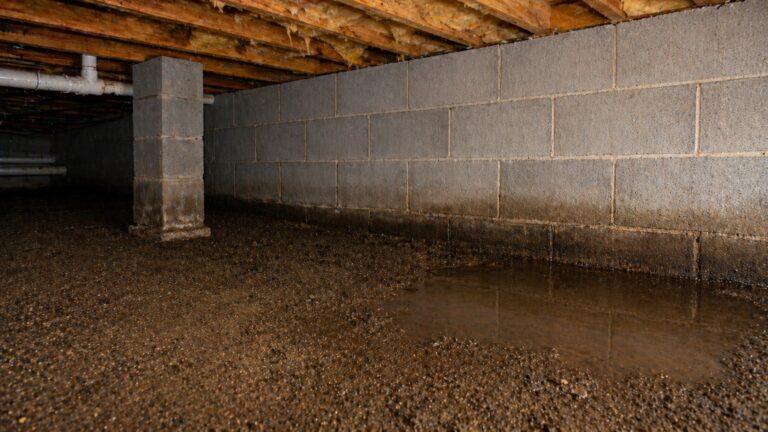
For example, water appearing after heavy rain near the base of a wall may point to drainage pressure, wall seepage, cove-joint leakage, or exterior water collecting near the foundation. Water appearing through floor cracks may point to pressure below the slab. Damp walls with white mineral deposits may suggest repeated moisture movement through masonry.
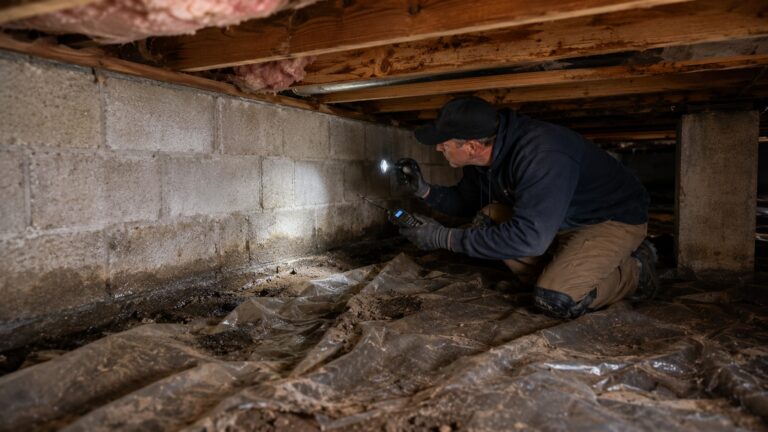
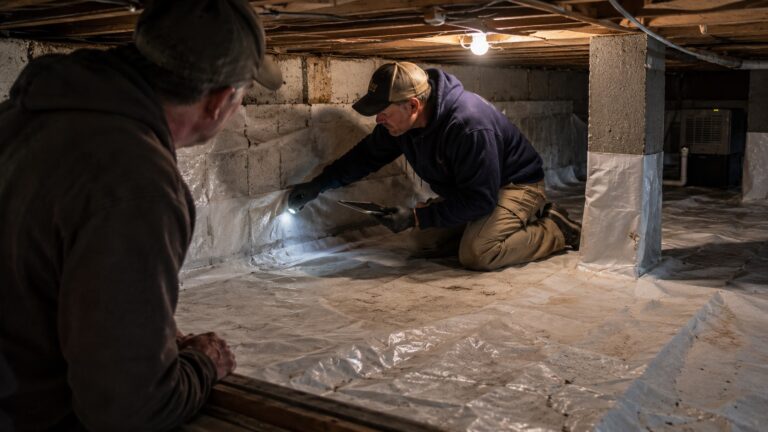
Ask the contractor to show you the evidence for their conclusion. Useful evidence may include stain patterns, moisture readings, crack locations, exterior drainage observations, sump pit behavior, window well conditions, or photos of problem areas.
Did you inspect exterior drainage, gutters, and grading?
Many basement water problems start outside. Ask whether the contractor looked at gutter discharge, downspout length, soil slope, low spots near the foundation, window wells, hardscape drainage, and areas where roof water may be collecting beside the house.
Not every basement problem can be solved with exterior grading alone, but exterior water management should at least be considered. If a contractor refuses to discuss outside drainage and only recommends an interior system, ask why. In many cases, understanding why basement walls leak during rain can help you ask better questions about the source.
Is hydrostatic pressure part of the problem?
Hydrostatic pressure happens when water builds up in the soil around or below the foundation and pushes against basement walls or floors. It can contribute to seepage, floor water, cove-joint leakage, and pressure through cracks.
Ask whether the contractor sees signs of pressure-related water intrusion. If they mention hydrostatic pressure, ask them to explain the evidence. Are there wet floor edges, water at the wall-floor joint, floor cracks, recurring seepage after rain, or signs that water is building up below the slab? For more background, see this explanation of how hydrostatic pressure causes basement leaks.
Is the water source active, seasonal, or recurring?
Ask whether the problem appears active right now, seasonal during rain or snowmelt, or recurring because of an ongoing drainage or foundation issue. A one-time water event may require a different plan than a basement that leaks after every storm.
This question matters because the contractor’s recommendation should match the pattern. A small crack repair may not solve widespread pressure at the floor perimeter. A sump pump upgrade may not solve window well leakage. A wall coating may not solve poor exterior drainage or water rising under the slab.
Questions About Interior vs Exterior Waterproofing
Interior and exterior waterproofing approaches solve different parts of the water problem. Interior systems often collect and manage water once it reaches the inside drainage path or foundation perimeter. Exterior waterproofing attempts to reduce water contact and penetration from outside the foundation wall.
The right option depends on the source of water, foundation type, access, severity, budget, finished basement conditions, soil, drainage, and long-term goals.
Why are you recommending this system?
Ask the contractor to explain why they recommend an interior system, exterior system, crack repair, sump pump upgrade, wall treatment, drainage correction, or combination. The answer should connect the system to the water source.
A strong answer might explain that water is entering at the wall-floor joint and needs to be collected by an interior perimeter drain, or that exterior wall seepage requires addressing water against the foundation, or that a specific crack needs injection because the rest of the basement does not show pressure-related water entry.
A weak answer sounds like, “This is what we always install,” without explaining why it fits your basement.
What will this system solve, and what will it not solve?
Every waterproofing method has limits. Ask the contractor what the proposed work is designed to fix, what it will not address, and what symptoms might remain after installation. This is one of the best ways to avoid misunderstanding.
For example, an interior drainage system may manage water that reaches the basement perimeter, but it may not fix exterior grading, window well overflow, plumbing leaks, condensation, or moisture trapped behind finished walls. Exterior waterproofing may reduce water penetration from outside, but it may not solve interior plumbing leaks or humidity problems.
Can you show me the system layout before I sign?
Ask for a simple layout, sketch, or written description showing the areas being treated, where water will be collected, where the sump pit or drain line will be located, and where the discharge will exit. This does not need to be a formal engineering drawing for every project, but it should be clear enough that you understand what will happen in your basement.
This is especially useful when comparing quotes. Two contractors may both describe “basement waterproofing,” but one may be treating one wall while another is proposing a full perimeter system with a different discharge path.
Are there less invasive or more complete options?
Ask whether there are alternative solutions and how they compare. Sometimes a less invasive option is reasonable. Sometimes a more complete system is justified because the water problem is widespread or recurring. The contractor should be able to explain tradeoffs without pressuring you into one option.
This question is especially useful when a contractor recommends expensive excavation, full perimeter drainage, or major finished basement demolition. The recommendation may be valid, but it should be supported by evidence.
Questions About Drainage, Sump Pumps, and Discharge
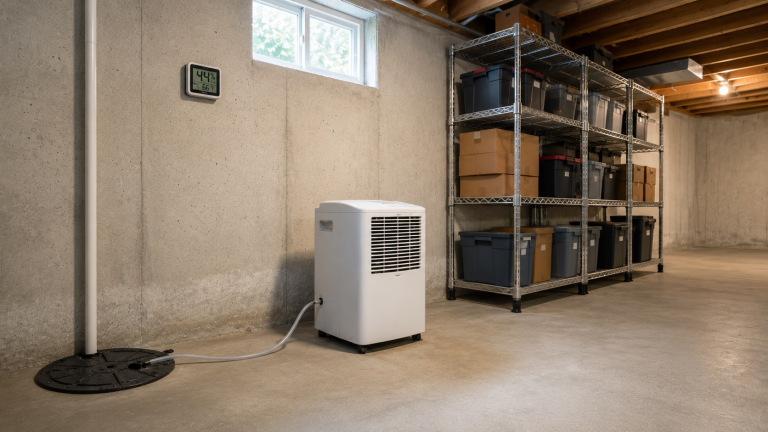
Many basement waterproofing systems depend on drainage. Water may be collected through drain tile, directed to a sump pit, pumped outside, and discharged away from the foundation. If any part of that path is poorly designed, the system may not perform well.
Where will the collected water go?
Ask the contractor to explain the full drainage path. If water enters a drain tile system, where does it go? If it flows to a sump pit, what pump will move it? Where does the discharge line exit? How far away from the foundation will the water be released?
This matters because pumping water out of the basement is not enough if it drains right back toward the foundation. Discharge should be directed to an appropriate location where it will not immediately recycle into the same problem area.
Will the system include a sump pump or pump upgrade?
If the proposed system relies on a sump pump, ask what pump is included, what capacity is recommended, and whether your existing pump is adequate. Also ask whether a battery backup or other backup system is recommended, especially if your basement floods during storms when power outages are possible.
A sump pump is not the entire waterproofing system. It is one part of a water-control path. The contractor should explain how water reaches the sump, how the pump removes it, and what maintenance is required.
What maintenance will the drainage system need?
Ask what you will need to maintain after installation. Sump pumps, discharge lines, drain systems, check valves, battery backups, and window wells may require periodic checks. A system that is never maintained may fail when you need it most.
A good contractor should explain maintenance plainly. If the warranty depends on maintenance, that should also be stated in writing.
Questions About Cracks, Walls, Floors, and Structural Concerns
Basement waterproofing often involves cracks, damp walls, floor seepage, or water at the wall-floor joint. Some of these issues are primarily water-entry problems. Others may point to movement, pressure, or structural concerns that need closer evaluation. Before hiring a contractor, ask how they interpret the cracks and moisture symptoms they see.
Are these cracks only water-entry cracks, or do they suggest movement?
Not every basement crack means the foundation is failing, but not every crack should be dismissed as harmless either. Ask the contractor whether the cracks appear to be shrinkage cracks, water-entry cracks, settlement-related cracks, or signs of wall movement.
A careful answer should explain what the contractor sees and what they cannot determine. For example, a narrow vertical crack in a poured concrete wall may be treated differently than a widening horizontal crack, stair-step cracking in block, or a wall that appears to be bowing inward.
Do any cracks or wall conditions need a structural specialist?
Waterproofing contractors may be able to repair certain cracks or manage seepage, but structural movement may require a structural repair specialist or engineer. Ask whether anything about the wall, floor, or foundation suggests the need for a separate structural evaluation.
Be cautious of both extremes. A contractor should not exaggerate every crack into an emergency, but they also should not ignore bowing walls, widening horizontal cracks, stair-step cracks with displacement, severe settlement signs, or other conditions that may go beyond ordinary seepage.
Is the floor-wall joint part of the problem?
Water often appears where the basement wall meets the floor. This area is sometimes called the cove joint. Ask whether the contractor believes water is entering there and how the proposed system handles that pathway.
If water regularly appears at the perimeter after rain, the solution may involve more than patching the visible wet spot. The contractor should explain whether the water is being driven by pressure, drainage failure, foundation wall seepage, or another source.
Questions About the Written Scope of Work
A written scope of work is essential before approving basement waterproofing. Waterproofing projects can involve concrete cutting, trenching, sump pump installation, wall treatments, crack repair, discharge lines, exterior digging, finished basement demolition, cleanup, and repairs. A vague estimate makes it difficult to know what you are buying.
What exact areas are included?
Ask the contractor to identify the areas included in the project. Does the work cover one wall, two walls, the full perimeter, one crack, the sump area, window wells, exterior foundation sections, or finished basement areas?
Specific boundaries matter. If one contractor quotes one wall and another quotes the full basement perimeter, the prices cannot be compared fairly. The written scope should describe the areas clearly enough that you know what is included and what is not.
How many linear feet are being treated?
For drain tile, perimeter drainage, wall systems, or certain exterior waterproofing projects, linear footage can strongly affect price and scope. Ask how many feet are included and whether the estimate changes if additional footage is needed.
This helps you compare one estimate to another. If one quote is much lower, it may cover less of the basement or exclude areas that another contractor believes are part of the water problem.
What materials will be removed?
If your basement is finished, ask whether the contractor needs to remove drywall, insulation, flooring, baseboards, cabinets, framing, or other finished materials. Also ask whether demolition and disposal are included.
This is important because waterproofing work may expose mold, wet insulation, damaged drywall, or hidden water paths. If finished materials must be removed, clarify whether mold remediation, drying, repair, painting, flooring replacement, and trim replacement are included or separate.
What work is excluded?
Exclusions should be stated clearly. The quote may exclude electrical work, plumbing, structural repair, mold remediation, finished basement rebuild, exterior grading, landscaping restoration, permits, painting, flooring repair, or sump pump backup systems.
Exclusions are not automatically bad, but they must be understood before signing. If you want to compare estimates fairly, review how to compare basement waterproofing quotes by scope, not just by price.
Questions About Permits, Access, and Disruption
Basement waterproofing work can be disruptive, especially when it involves concrete cutting, trenching, sump pit installation, exterior excavation, or finished basement demolition. Before hiring a contractor, ask what the project will look like inside and outside the home.
Will permits be required?
Permit requirements vary by location and by project type. Some waterproofing work may not require permits, while other work involving electrical connections, sump pump discharge, structural changes, plumbing, or excavation may require approval.
Ask whether permits are needed, who obtains them, and whether permit costs are included in the estimate. If the contractor says no permits are needed, ask why. A clear answer is better than a vague dismissal.
How disruptive will the work be?
Ask whether concrete will be cut, whether jackhammers or excavation equipment will be used, whether dust will be created, and how long the basement may be unavailable. If the work is exterior, ask how landscaping, walkways, decks, patios, or driveways may be affected.
A professional contractor should not pretend major waterproofing work is invisible. Some projects are relatively contained, while others are noisy, dusty, or disruptive. If concrete cutting, excavation, moldy materials, or electrical areas are involved, ask what safety precautions will be used before the crew arrives.
How will dust, debris, and cleanup be handled?
If interior concrete will be cut or finished materials will be removed, ask how dust and debris will be controlled. Will the company protect access paths? Will they remove debris? Will concrete be patched after drain installation? Will the basement be broom-clean, vacuumed, or left ready for another contractor?
Cleanup expectations should be written into the scope. A basement may still be unfinished after waterproofing, but you should not be surprised by debris, dust, removed materials, or unfinished concrete work that was not discussed.
Where will equipment and materials be staged?
Waterproofing projects may require pumps, pipe, gravel, concrete, wall panels, drainage materials, excavation equipment, or debris containers. Ask where materials will be stored, where workers will enter, and whether driveway, yard, garage, or basement access is needed.
This is especially important if the home has limited access, finished flooring, tight stairways, pets, tenants, or shared living spaces. Planning access before work begins can prevent confusion and damage.
Questions About Pricing, Change Orders, and Exclusions
Basement waterproofing quotes can vary widely because the scope can vary widely. One contractor may be quoting a crack repair. Another may be quoting an interior drain system. Another may be quoting exterior excavation, sump pump work, discharge improvements, wall panels, or finished basement demolition. Before comparing prices, make sure you understand what each quote includes.
Is this a fixed quote or an estimate?
Ask whether the price is fixed for the written scope or whether it may change after work begins. Basement waterproofing can reveal hidden conditions once finished walls are opened, concrete is cut, exterior soil is excavated, or existing systems are exposed.
A good contractor should explain what is included in the current price and what could cause a change. If additional work may be needed, the contractor should explain how change orders are approved before extra charges are added.
What is included in the price?
Ask whether the price includes inspection, labor, materials, drain pipe, gravel, sump pit, sump pump, backup pump, discharge line, concrete removal, concrete replacement, wall treatment, crack repair, cleanup, permits, disposal, and warranty registration when applicable.
Also ask whether finished basement demolition, mold remediation, drying, drywall replacement, painting, flooring repair, trim replacement, exterior grading, landscaping repair, or electrical work are included. These items can affect the real total cost even if they are not part of the waterproofing quote itself.
What could change the price?
Hidden damage, additional water entry points, unexpected concrete thickness, buried utilities, structural cracks, wet finished materials, mold growth, poor access, or exterior obstacles may change the scope. Ask how the contractor handles these discoveries.
A professional answer should include communication, documentation, and written approval before added work begins. If the contractor says the price may change but will not explain how, ask for clearer terms before signing.
For broader pricing context, review what affects basement waterproofing cost. For this article, the key point is that the price should match a clear scope, not a vague promise.
Questions About Warranties and Long-Term Maintenance
A basement waterproofing warranty can be valuable, but only if you understand what it covers. Waterproofing warranties often have limits, conditions, transfer rules, maintenance requirements, and exclusions. Do not rely on a broad verbal promise without reading the written warranty.
What does the warranty actually cover?
Ask whether the warranty covers workmanship, a specific wall, a specific system, a sump pump, a drainage line, a repaired crack, or a defined type of water entry. Also ask whether the warranty is transferable if you sell the home.
A realistic warranty should be specific. A vague “dry basement forever” promise is not enough unless the written terms explain what that means and what conditions apply.
What voids the warranty?
Ask what can void the warranty. Common exclusions may include new cracks, plumbing leaks, condensation, exterior flooding, power outages, lack of sump pump maintenance, clogged discharge lines, grading changes, landscaping changes, or water entering from a source outside the treated area.
These exclusions are not automatically unreasonable. Basement water control depends on drainage, maintenance, pump performance, exterior conditions, and the specific system installed. The problem is when exclusions are hidden or explained only after a leak returns.
What maintenance will I be responsible for?
Ask what you need to do after installation. Sump pumps may need periodic testing. Battery backups may need battery checks or replacement. Discharge lines should stay clear. Gutters and downspouts should keep water away from the foundation. Window wells may need drainage maintenance.
A contractor who explains maintenance is not necessarily trying to avoid responsibility. They may be giving you realistic expectations about how the system works over time.
Red-Flag Answers That Should Make You Pause
This article is not a full scam guide, but certain answers should make you slow down before hiring a basement waterproofing contractor. A red flag does not always prove the contractor is dishonest, but it does mean you should ask for clarification, request written details, or get another opinion.
- They recommend a system before diagnosing the water source. A waterproofing system should match the path water is taking into the basement.
- They say one solution works for every basement. Interior drainage, exterior waterproofing, crack repair, sump pumps, and grading corrections solve different problems.
- They refuse to discuss exterior drainage. Gutters, downspouts, grading, window wells, and surface water often affect basement leaks.
- They cannot explain where collected water will discharge. A drainage system needs a safe path away from the foundation.
- They offer only a vague verbal estimate. Basement waterproofing work should be described in a written scope.
- They dismiss every crack or exaggerate every crack. Cracks should be evaluated carefully, not ignored or turned into automatic emergencies.
- They pressure you to sign immediately. Real urgency can be explained without forcing a rushed decision.
- They give a warranty but will not explain exclusions. Warranty language matters as much as the headline promise.
If the sales process feels vague or pressure-based, it may help to review how to avoid basement waterproofing scams before signing.
How to Compare Contractor Answers Before You Hire
After asking these questions, compare each contractor’s answers against the actual basement symptoms. The best choice is not always the cheapest company or the one with the most dramatic presentation. Look for the contractor who can explain the water source, proposed system, scope, discharge path, exclusions, and warranty in terms that fit your basement.
If two contractors give very different recommendations, ask each one to explain the evidence behind the approach. One may be addressing exterior drainage, while another is managing interior water pressure. One may be quoting a limited crack repair, while another is quoting a larger perimeter system. You can only compare them fairly when you understand the scope behind the recommendation.
If you are still evaluating companies, review this broader guide on how to choose a basement waterproofing company. The questions in this article should help you have a more informed conversation before you approve the work.
FAQ
What is the most important question to ask a basement waterproofing contractor?
The most important question is where the contractor believes the water is coming from and why. A waterproofing recommendation should be based on the water-entry path, not just a standard system the company sells for every basement.
What evidence should a waterproofing contractor show before recommending a system?
A contractor should be able to point to evidence such as stain patterns, crack locations, moisture readings, exterior drainage conditions, sump pit behavior, window well problems, floor-edge seepage, or photos of affected areas. The recommendation should connect that evidence to the proposed system.
Should a basement waterproofing contractor inspect outside drainage?
In many cases, yes. Gutters, downspouts, grading, window wells, soil slope, and surface water near the foundation can contribute to basement water problems. Not every issue can be solved outside, but exterior drainage should usually be considered.
Should I ask about interior and exterior waterproofing options?
Yes. Interior and exterior waterproofing approaches solve different problems. Ask why the contractor recommends one approach, what it will solve, what it will not solve, and whether another option would be less invasive or more complete.
Should basement waterproofing include a sump pump?
Sometimes. A sump pump may be needed when water is collected through an interior drainage system or when groundwater needs to be pumped away from the basement. Not every damp basement needs a sump pump, but if one is included, ask about capacity, backup power, discharge location, and maintenance.
What should be included in a basement waterproofing estimate?
A useful estimate should include the affected areas, system type, linear footage, materials, sump pump details if applicable, discharge path, wall or crack treatment, demolition, cleanup, exclusions, permits, warranty terms, and change-order process.
Should I get more than one basement waterproofing quote?
For major, expensive, recurring, or confusing basement water problems, getting more than one quote is often helpful. Multiple estimates can show whether contractors agree on the water source, whether they inspected the same problem areas, and whether they are quoting similar scopes or completely different systems.
What is a red flag when talking to a waterproofing contractor?
A major red flag is a contractor who recommends an expensive system without explaining where the water is coming from. Other warning signs include vague verbal estimates, pressure to sign immediately, unclear discharge details, unrealistic warranties, and refusal to discuss exterior drainage.
What should I ask about a basement waterproofing warranty?
Ask what the warranty covers, what area or system it applies to, how long it lasts, whether it is transferable, what maintenance is required, and what exclusions could void coverage. Do not rely on a broad verbal warranty without written terms.
Basement Waterproofing Contractor Questions: Quick Checklist
- Ask where the basement water is coming from before discussing systems or price.
- No single waterproofing method solves every basement water problem.
- Interior drainage, exterior waterproofing, crack repair, sump pumps, and grading corrections serve different purposes.
- Drainage systems should include a clear discharge path away from the foundation.
- Ask for a simple layout or written explanation of the proposed system before signing.
- Finished basements require extra questions about demolition, drying, mold, rebuild, and exclusions.
- Written scope, change-order terms, and warranty details should be clear before signing.
- If the contractor cannot explain the water source or system recommendation, get another opinion.
Before hiring a basement waterproofing contractor, ask direct questions and look for clear, specific answers. The contractor should be able to explain where the water is coming from, why the recommended system fits the problem, how water will be collected and discharged, what work is included, what is excluded, and what maintenance or warranty conditions apply. If the recommendation feels generic, the scope is vague, or the contractor pressures you before explaining the water source, slow down and get more information before signing.