
When to Hire a Basement Waterproofing Contractor
Basement moisture does not always mean you need a contractor immediately. A little humidity, occasional condensation, or a minor downspout problem may be manageable with basic maintenance. But recurring seepage, active water entry, flooding, leaking cracks, sump pump failure, or wet finished materials usually means the problem has moved beyond simple DIY moisture control.
The key is knowing the difference between basement dampness and basement water intrusion. Dampness may be related to humidity, poor airflow, or minor moisture conditions. Water intrusion means water is entering through walls, floors, cracks, joints, window wells, drainage failures, or pressure around the foundation.
This guide explains when to hire a basement waterproofing contractor, when basic homeowner steps may still be reasonable, and what warning signs suggest your basement needs professional evaluation. For a broader overview of basement water-control systems, see How to Waterproof Basements and Control Water Intrusion.
When Basement Moisture Is No Longer a DIY Problem
Basement moisture becomes a contractor problem when the issue is recurring, active, damaging materials, or clearly connected to water entering the structure. A dehumidifier may help reduce indoor humidity, but it cannot stop water from coming through foundation walls, floor cracks, cove joints, window wells, or failed drainage systems.
You should start thinking about a basement waterproofing contractor when you see signs such as:
- Water appearing after rain or snowmelt
- Damp or wet basement walls that return repeatedly
- Water at the wall-floor joint
- Water coming through basement floor cracks
- Leaking foundation cracks
- Recurring puddles or flooding
- A sump pump that cannot keep up
- Drainage problems around the foundation
- Wet carpet, drywall, insulation, baseboards, or flooring
- Mold, musty odor, efflorescence, or peeling coatings that keep returning
The more often the problem repeats, the less likely it is to be a simple one-time moisture issue. A basement that gets wet every heavy rain is usually showing a pattern. That pattern may involve exterior water collecting near the foundation, soil pressure, cracks, clogged or failed drainage, poor grading, short downspouts, window well leaks, or sump pump problems.
A contractor should not recommend a waterproofing system before identifying the water source. The goal is to determine whether the problem comes from surface runoff, saturated soil, foundation cracks, cove joints, sump failure, drainage defects, condensation, or another moisture pathway. For a whole-home view of source diagnosis, see How to Find, Fix, and Prevent Moisture Problems in Homes.
Hire a Contractor When Water Enters After Rain
Water that appears in the basement after rain is one of the strongest signs that professional waterproofing evaluation may be needed. Rain-triggered basement water usually means exterior water is reaching the foundation faster than the home can manage it.
This can happen when roof runoff, gutters, downspouts, grading, soil saturation, window wells, or exterior drainage problems push water toward the basement. Once water collects around the foundation, it can enter through cracks, porous masonry, wall-floor joints, pipe penetrations, or weak points in old waterproofing systems.
Rain-related basement water may show up as:
- Damp patches on basement walls after storms
- Water stains that grow after heavy rain
- Puddles along one basement wall
- Water at the cove joint where the wall meets the floor
- Wet carpet or flooring near exterior walls
- Moisture around basement windows or window wells
- A sump pump running heavily during storms
- Seepage that stops during dry weather and returns after rain
If the problem happens once after an unusual storm, you may start by checking gutters, downspouts, grading, and obvious exterior drainage issues. But if water returns after normal rains, the basement needs a deeper diagnosis. Repeated rain-triggered seepage often points to a water-management problem around the foundation.
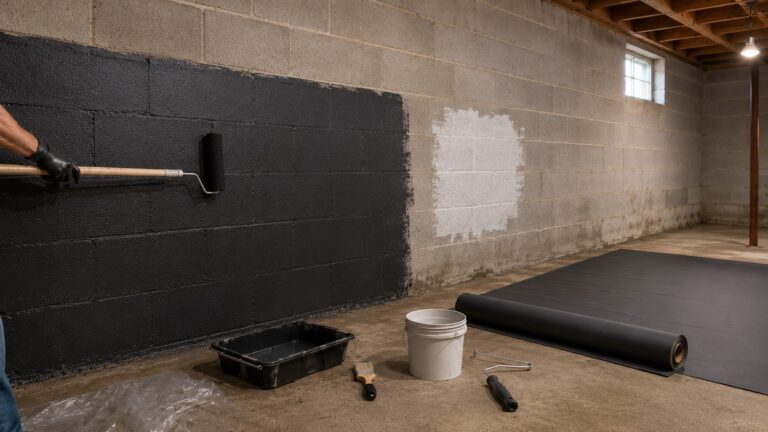
This type of leak should not be treated only from the inside with paint or surface sealant. Coatings may hide stains temporarily, but they do not correct exterior drainage, soil pressure, foundation cracks, or water collecting around the house. If your basement walls leak specifically during or after storms, see Why Basement Walls Leak During Rain for a deeper explanation of that pattern.
A basement waterproofing contractor can help match the repair to the source, whether that means drainage correction, sump pump upgrades, crack repair, window well correction, grading changes, or a combination of measures.
Call a Professional for Water Coming Through Basement Walls or Floors
Water coming through basement walls or floors is a stronger warning sign than general dampness. It means water is finding a path through the foundation system, slab, cracks, joints, porous masonry, or pressure points around the basement. Surface coatings may reduce staining for a while, but active seepage usually needs professional source diagnosis.
Water seeping through basement walls
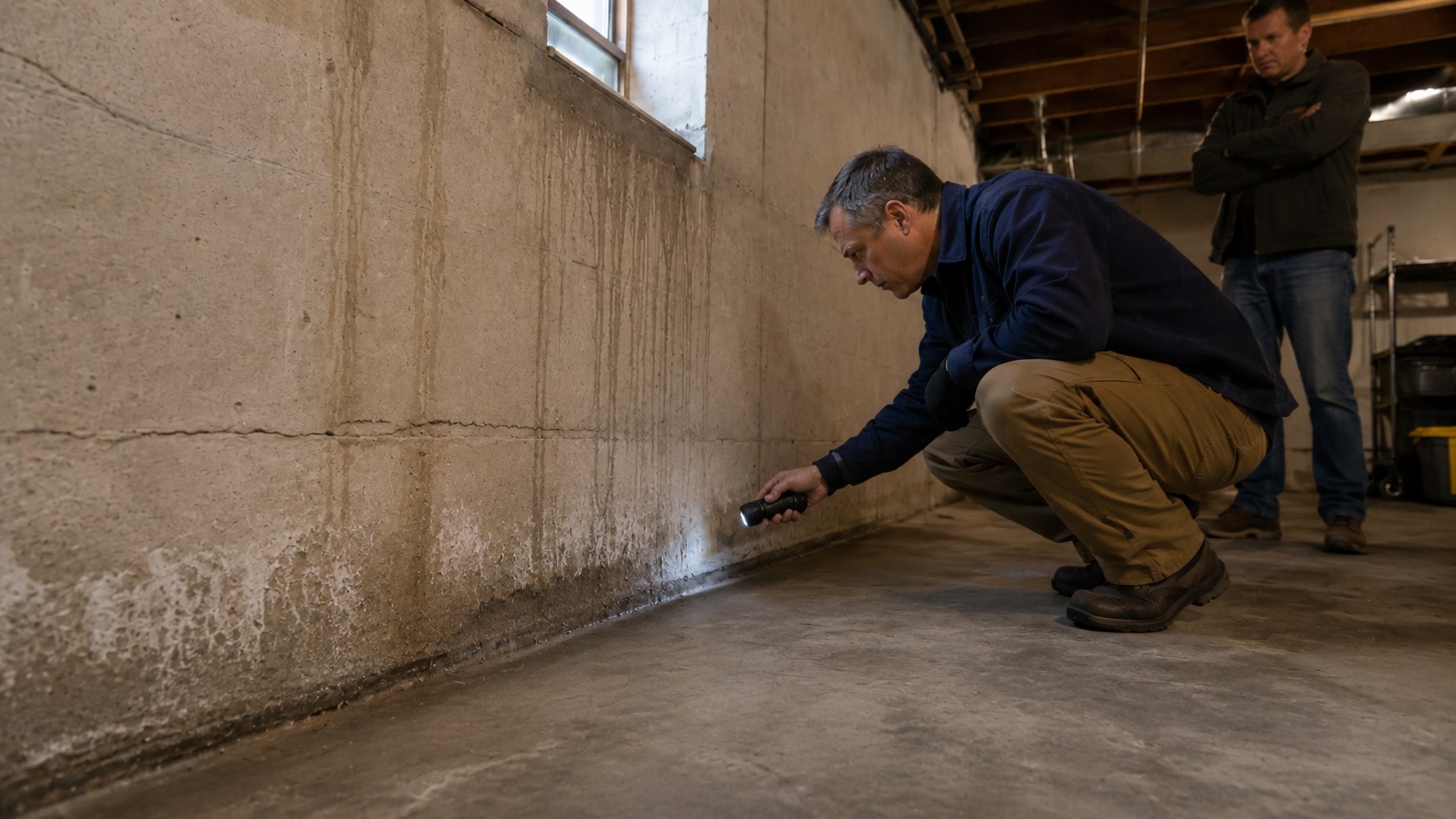
Basement wall seepage may appear as damp patches, white mineral deposits, peeling paint, bubbling coatings, dark stains, or water trails running down the wall. In block foundations, water may move through mortar joints, porous blocks, cracks, or hollow block cores. In poured concrete walls, water may enter through cracks, tie holes, penetrations, or weak points in the wall.
You should consider professional help when wall seepage:
- Returns after rain
- Spreads across more than one area
- Leaves repeated mineral deposits or stains
- Appears near cracks or pipe penetrations
- Gets worse during storms or snowmelt
- Returns after paint, coating, or patching attempts
Wall seepage can be a sign that water is collecting against the foundation. If the same wall keeps getting wet, the solution may involve more than cleaning the surface or applying another coating. For more detail on this symptom pattern, see Signs of Water Seepage Through Basement Walls.
Water coming through floors or the wall-floor joint
Water coming through basement floors, slab cracks, floor-wall joints, or low points in the basement should also be taken seriously. This often suggests water pressure beneath or beside the slab, poor drainage, a high water table, failed drain tile, or water collecting around the foundation.
Professional evaluation is especially important when you see:
- Water entering through basement floor cracks
- Damp spots that appear in the same area of the slab
- Water along the cove joint where the wall meets the floor
- Puddles that appear after heavy rain
- Moisture that pushes up through flooring or floor coatings
- Water entering even when walls look mostly dry
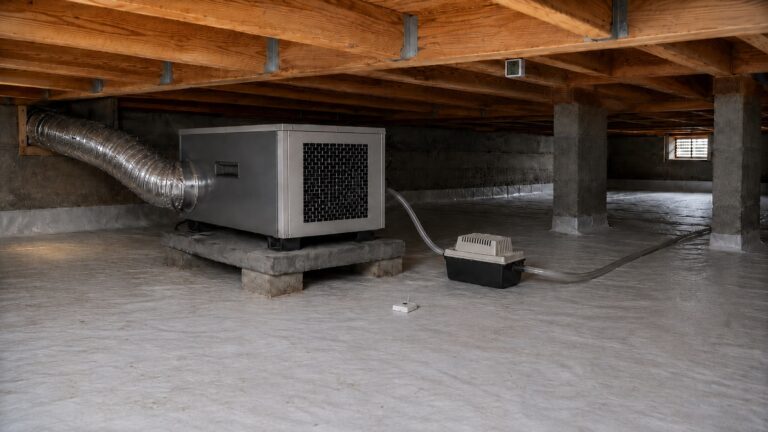
This type of water problem is rarely solved by a dehumidifier alone. A dehumidifier can remove moisture from the air, but it cannot stop water pressure beneath the slab or water movement through cracks and joints.
In many cases, water coming through floors or cove joints is connected to pressure from saturated soil around or under the basement. For a deeper explanation of that mechanism, see Why Hydrostatic Pressure Causes Basement Leaks. For a symptom-focused guide, see Signs of Water Coming Through Basement Floors.
Hire Help When Basement Flooding Keeps Returning
Recurring basement flooding is a strong sign that the basement water-control system is not working. A one-time water problem after an extreme storm may start with basic cleanup and inspection, but repeated flooding points to an ongoing source that needs correction.
Basement flooding may come from surface runoff, foundation seepage, sump pump failure, drain tile problems, poor grading, clogged exterior drains, window well leaks, sewer backup, or water collecting around the foundation. The important point is that repeated flooding is not normal basement behavior.
If floodwater may involve sewage, stormwater backup, contaminated water, or electrical hazards, do not treat it as a normal DIY cleanup. Stay out of standing water near electrical equipment and call the appropriate professional before entering or handling wet materials.
You should consider hiring a basement waterproofing contractor when:
- The basement floods during heavy rain more than once.
- Water enters from the same wall, corner, floor area, or window well repeatedly.
- The sump pump runs constantly but water still enters.
- Water returns after cleanup and drying.
- Finished basement materials get wet during storms.
- Temporary patches or coatings do not stop the problem.
Recurring flooding needs more than cleanup. The contractor should help identify the water path and recommend a system that matches the source. In some homes, that may mean improving exterior drainage. In others, it may involve sump pump upgrades, interior drainage, crack repair, window well correction, or a combination of measures.
Get Professional Evaluation for Foundation Cracks That Leak
Not every foundation crack means the foundation is failing, but a crack that leaks should be evaluated. Water coming through a crack means the crack is acting as a pathway, and the source of water pressure or exterior moisture should be understood before choosing a repair.
Leaking cracks may appear in poured concrete walls, block foundations, basement floors, or near corners and penetrations. Some cracks leak only during heavy rain. Others show stains, efflorescence, peeling coatings, or dampness even when no active water is visible.
Call a professional when a foundation crack:
- Leaks during or after rain
- Is widening, shifting, or changing
- Has repeated staining or mineral deposits
- Appears with bowing, movement, or uneven surfaces
- Allows water into a finished basement
- Returns after previous patching
A waterproofing contractor may be able to address some leaking cracks, but structural movement, bowing walls, major displacement, or severe cracking may also require evaluation by a foundation repair specialist or structural professional. The goal is to avoid treating a crack as only a cosmetic issue when it is part of a larger water or structural pattern.
Sump Pump or Drainage Problems Often Need Contractor Help
Basement waterproofing is not only about sealing walls. In many homes, the bigger issue is that water is not being collected, redirected, or discharged properly. If the sump pump, drain tile, exterior drainage, grading, or downspout system is failing, water may keep reaching the basement no matter how many times the inside surface is patched.
A basement waterproofing contractor can help determine whether the problem is inside the basement, outside around the foundation, or both. This matters because a wet basement may be caused by a failed sump pump, clogged drainage system, poor discharge location, saturated soil, window well drainage problems, or roof runoff dumping too close to the foundation.
The sump pump is not keeping up
A sump pump is supposed to collect and discharge water before it rises high enough to flood the basement. If the pump cannot keep up during storms, runs constantly, fails to turn on, short-cycles, or leaves standing water around the pit, professional evaluation is usually the safer next step.
Warning signs include:
- The sump pump runs almost constantly during rain.
- The pump turns on and off rapidly.
- The pit fills but the pump does not activate.
- The pump runs but water does not discharge properly.
- The basement still gets wet even though the pump is working.
- The discharge line is clogged, frozen, broken, or sending water back toward the foundation.
- The home loses basement protection during power outages.
Sometimes the pump itself is the problem. Other times, the drainage system feeding the sump pit is inadequate or the discharge line is sending water to the wrong place. If you are seeing pump-related warning signs, see Signs Your Basement Sump Pump Is Not Working for a more focused checklist.
Drainage problems are pushing water toward the basement
Exterior drainage problems can make a basement leak even when the foundation itself is not severely damaged. Gutters, downspouts, grading, soil slope, window wells, exterior drains, patios, walkways, and landscaping can all influence how much water reaches the foundation.
Professional help may be needed when:
- Water pools near the foundation after rain.
- Downspouts discharge too close to the house.
- The yard slopes toward the basement walls.
- Window wells fill with water.
- Exterior drains clog or overflow.
- Basement leaks appear along the same exterior wall after storms.
- Previous gutter or downspout changes did not stop the seepage.
Some drainage improvements are simple, such as extending downspouts or cleaning gutters. But repeated water against the foundation may require a broader drainage correction. If poor drainage appears to be part of the pattern, see Signs of Poor Basement Drainage.
Hire Sooner When Finished Basement Materials Get Wet
A finished basement raises the urgency of water intrusion because moisture can hide behind walls, under flooring, inside insulation, and beneath trim. By the time water appears on the surface, the materials behind it may already be damp.
Hire a basement waterproofing contractor sooner when water affects:
- Finished drywall
- Baseboards or trim
- Carpet or carpet padding
- Laminate, vinyl, or wood flooring
- Insulation behind finished walls
- Stored furniture, boxes, or belongings
- Built-in cabinets or finished utility areas
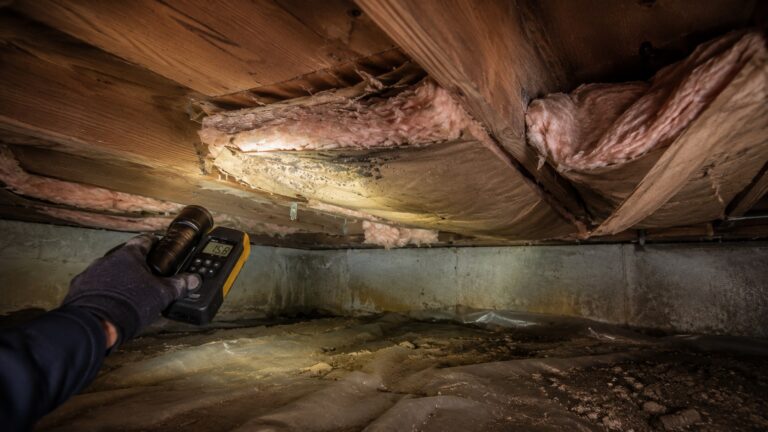
Finished materials can trap moisture and delay drying. A small amount of water at the edge of a finished wall may indicate more moisture behind the baseboard or under the floor. If the same area gets wet repeatedly, the problem should be evaluated before repairs or cosmetic improvements are made.
Replacing wet drywall or flooring without fixing the water source often leads to repeat damage. A contractor should help identify why the water reached the finished area before you invest in rebuilding.
Mold, Odor, Efflorescence, or Peeling Coatings Keep Returning
Recurring basement warning signs often show up before obvious flooding. Mold, musty odors, white mineral deposits, peeling paint, bubbling coatings, and damp stains can all point to ongoing moisture movement.
Efflorescence, the white powdery residue often seen on masonry, forms when moisture moves through concrete or block and leaves mineral salts behind. It does not always mean water is actively pouring through the wall, but it does show that moisture has been moving through the material.
Peeling waterproof paint or bubbling wall coatings can also signal that water pressure or vapor movement is pushing from behind the surface. Repainting may improve appearance temporarily, but it does not correct the source of moisture.
You should consider professional evaluation when:
- Musty odors return after cleaning or dehumidifying.
- Mold keeps appearing on basement walls, floors, trim, or stored items.
- White mineral deposits return after brushing them away.
- Paint or waterproof coatings bubble, peel, or flake repeatedly.
- Damp stains reappear after rain or humid weather.
- The basement feels damp even after basic ventilation and dehumidification.
These signs suggest the basement is still receiving or holding moisture. The solution may involve drainage, waterproofing, humidity control, crack repair, sump improvements, or exterior water management depending on the source.
DIY Waterproofing Fixes Have Failed
DIY fixes can help in limited situations, but repeated failure is a sign that the source has not been solved. If the basement keeps getting wet after you have tried basic maintenance or surface repairs, it may be time to bring in a contractor.
Common DIY attempts that may not solve a deeper problem include:
- Applying waterproof paint over damp walls
- Caulking or patching cracks without addressing water pressure
- Running a dehumidifier while water still enters the basement
- Replacing wet carpet or drywall before fixing the leak source
- Cleaning mold without stopping recurring dampness
- Extending downspouts but still seeing seepage after rain
- Using temporary floor drain covers or barriers without solving the water path
Failed DIY waterproofing can create a false sense of progress. A wall may look better for a short time, but if water continues to collect outside the foundation or push through cracks and joints, the symptoms usually return. Gutters, downspouts, grading, humidity control, and sump pump checks still matter, but they are not enough when recurring seepage or flooding continues.
When You May Not Need a Basement Waterproofing Contractor Yet
You may not need a basement waterproofing contractor immediately if the moisture problem is minor, isolated, and not caused by active water intrusion. Some basement moisture problems come from humidity, condensation, poor airflow, short downspouts, clogged gutters, or one-time dampness after an unusual event.
Basic homeowner steps may be reasonable first when:
- The basement feels humid but there is no visible water entry.
- Condensation appears only during humid weather.
- A downspout is obviously dumping water near the foundation.
- Gutters are clogged and overflowing near the basement wall.
- Minor dampness appeared once after an extreme storm and has not returned.
- A dehumidifier brings humidity under control and no seepage is present.
- There is no wet drywall, flooring, insulation, carpet, or stored material damage.
In those cases, start with simple corrections: clean gutters, extend downspouts, improve airflow, monitor humidity, move stored items away from walls, and watch the area during the next rain. If the moisture does not return, a full waterproofing project may not be necessary.
However, do not keep repeating small fixes if the basement continues to get wet. Once water returns after rain, appears through walls or floors, affects finished materials, or causes recurring odor and stains, the problem is no longer just minor dampness.
What a Basement Waterproofing Contractor Should Help Identify
A basement waterproofing contractor should help identify where the water is coming from before recommending a solution. The right waterproofing method depends on the source, not just the visible symptom inside the basement.
A contractor should help evaluate questions such as:
- Is water entering from exterior runoff or soil saturation?
- Are gutters, downspouts, grading, window wells, or exterior drains contributing?
- Is water entering through basement walls, floor cracks, cove joints, or penetrations?
- Is hydrostatic pressure pushing water through weak points?
- Is the sump pump working correctly and discharging water far enough away?
- Is an interior or exterior drainage system failing or missing?
- Are finished materials hiding moisture?
- Are cracks cosmetic, leaking, or possibly structural?
Be cautious if a contractor recommends one system before understanding the water source. A good waterproofing evaluation should connect the proposed work to the actual moisture pattern in your basement.
What to Do Before Hiring
Before you call a basement waterproofing contractor, gather details that help explain the pattern. The more clearly you can describe when and where water appears, the easier it is for a contractor to diagnose the likely source.
Document these details:
- Where water appears first
- Whether it happens during rain, after rain, snowmelt, or humid weather
- Whether the water comes from a wall, floor, crack, window well, drain, or sump area
- How often the basement gets wet
- Whether the problem is getting worse
- Whether finished materials are wet
- Whether mold, odor, efflorescence, or peeling coatings are present
- What DIY fixes you have already tried
- Whether the sump pump runs, fails, or struggles during storms
Take photos or short videos during active leaks if it is safe to do so. Water-entry patterns are easier to diagnose when the contractor can see where water starts instead of only seeing dry stains later.
Also note what was happening outside at the time: heavy rain, melting snow, overflowing gutters, a running sump pump, pooling near the foundation, or water in a window well. Those details can help separate exterior drainage problems from interior humidity or plumbing issues.
Once you are ready to hire, choose the contractor carefully. A good company should explain the source, the recommended system, the scope of work, and what is included or excluded. For the next step, see How to Choose a Basement Waterproofing Company. If you are planning your budget, see How Much Does Basement Waterproofing Cost?.
FAQ
How do I know if I need a basement waterproofing contractor?
You may need a basement waterproofing contractor if water enters after rain, seeps through walls or floors, appears at the wall-floor joint, returns after DIY fixes, affects finished materials, or causes recurring mold, odor, efflorescence, or peeling coatings. Minor humidity alone may not require a contractor, but recurring water intrusion usually deserves professional evaluation.
Should I call a contractor for water after heavy rain?
Yes, if water enters the basement repeatedly after rain or appears during normal storms. A single unusual storm may start with gutter, downspout, and grading checks, but recurring rain-related water usually points to drainage, foundation, soil pressure, window well, or sump pump issues that may need professional diagnosis.
Can I waterproof my basement myself?
You can handle some small moisture-control steps yourself, such as cleaning gutters, extending downspouts, improving grading, running a dehumidifier, and monitoring minor condensation. But DIY waterproofing is not a good substitute for source diagnosis when water enters through walls, floors, cracks, cove joints, or returns after storms.
Is water coming through basement floors serious?
Water coming through basement floors can be serious because it may indicate water pressure beneath the slab, poor drainage, a high water table, cracks, or failed drain tile. It is not something a dehumidifier can stop. If floor seepage returns after rain or appears with puddling, professional evaluation is wise.
Do leaking foundation cracks need a contractor?
A leaking foundation crack should be evaluated by a professional. Not every crack is structurally severe, but water coming through a crack means the crack is acting as a moisture pathway. If the crack is widening, shifting, repeatedly leaking, or connected to wall movement, the situation may need a waterproofing contractor, foundation repair specialist, or structural evaluation.
Should I hire a waterproofing contractor or a plumber?
It depends on the source. If water is coming from a pipe, drain line, water heater, appliance, or fixture, call a plumber. If water appears after rain, comes through basement walls or floors, enters at the cove joint, collects around the foundation, or overwhelms the sump system, a basement waterproofing contractor is usually more appropriate. In some cases, both may be needed.
What should I do before calling a basement waterproofing company?
Document where water appears, when it happens, what weather conditions trigger it, whether finished materials are wet, and what fixes you have already tried. Take photos during active leaks if possible. Also check gutters, downspouts, grading, window wells, and sump pump behavior so you can describe the pattern clearly.
Key Takeaways
- Minor humidity or condensation may not require a basement waterproofing contractor right away.
- Recurring water after rain is one of the strongest signs that professional evaluation is needed.
- Water through basement walls, floors, cracks, or cove joints is usually more serious than surface dampness.
- Sump pump and drainage problems often require contractor-level diagnosis.
- Wet finished materials raise urgency because moisture can hide behind walls, floors, trim, and insulation.
- Waterproof paint, patching, and dehumidifiers cannot solve active water intrusion by themselves.
- A good contractor should identify the water source before recommending a waterproofing system.
One Comment
Comments are closed.