Questions to Ask Before Hiring a Crawl Space Contractor
Hiring a crawl space contractor can feel confusing because crawl space problems are rarely caused by just one thing. A contractor may recommend a vapor barrier, encapsulation, drainage, insulation removal, mold cleanup, a dehumidifier, structural wood repair, or a combination of these. Before you sign a contract, you need to know whether the contractor has identified the real source of the problem and whether the proposed work is complete.
The right questions help you separate a clear crawl space repair plan from a vague package. A good contractor should be able to explain where the moisture is coming from, what was found during the inspection, what work is necessary, what is optional, what is excluded, and how the crawl space will be maintained after the project is finished.
This guide gives you practical questions to ask before hiring a crawl space contractor. Use them during the inspection, estimate, or follow-up call so you can understand the contractor’s reasoning before comparing prices or signing a proposal. Because crawl spaces can affect framing, subfloors, indoor humidity, mold risk, and long-term structural moisture problems in homes, the contractor’s answers should be specific, evidence-based, and written clearly enough to compare.
Why the Right Questions Matter Before Crawl Space Work
Crawl spaces are connected systems. Moisture can come from exposed soil, standing water, foundation seepage, poor grading, plumbing leaks, condensation, open vents, air leaks, or high humidity. Once moisture is present, it can affect insulation, vapor barriers, joists, beams, subfloors, ducts, pipes, fasteners, and indoor air quality.
This is why you should not hire a crawl space contractor based only on a quick sales pitch or a one-line estimate. A torn vapor barrier, musty odor, wet insulation, or soft floor can each have more than one cause. The contractor should explain what the evidence points to before recommending a package.
Good questions reveal whether the contractor is thinking through the full crawl space system or simply selling a standard package. The proposed work should follow the right sequence: diagnose the moisture source, correct drainage or water entry when needed, remove damaged materials where necessary, install the right barrier or encapsulation system, control humidity, and explain maintenance.
If you are still unsure whether the problem is serious enough for professional work, compare your situation with when to hire a crawl space repair specialist. If you already know you need help, the questions below will help you prepare for the estimate.
Questions About the Crawl Space Inspection
A crawl space contractor should inspect the area before recommending major work. The inspection should not be limited to a quick look through the access door. The contractor should evaluate the soil, vapor barrier, foundation walls, vents, access points, insulation, joists, beams, subfloor, plumbing, ducts, drainage conditions, and visible signs of mold-like growth or wood deterioration.
Start with inspection questions because the quality of the inspection affects every recommendation that follows.
What Did You Find During the Inspection?
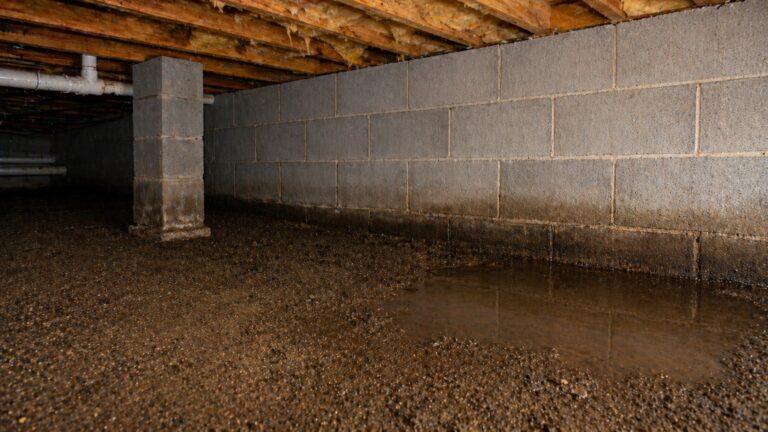
Ask the contractor to describe the main findings in plain language. A good answer should identify visible conditions, not just jump to a product or package. For example, the contractor might mention wet soil, standing water, torn vapor barrier, sagging insulation, condensation on ducts, mold-like staining on joists, wood softness, open vents, poor access door sealing, or water marks on foundation walls.
Ask for photos if you did not personally enter the crawl space. Photos help you understand what the contractor saw, compare estimates later, and keep a record of the crawl space condition before work begins.
Where Is the Moisture Coming From?
This is one of the most important questions you can ask. A crawl space contractor should not recommend a vapor barrier, encapsulation system, drainage system, or dehumidifier without explaining the moisture source. Moisture may be entering from the soil, foundation walls, exterior grading, plumbing leaks, condensation, humid outdoor air, or poor drainage around the home.
The contractor may not be able to prove every source immediately, but they should be able to explain the most likely causes based on the evidence. For example, standing water after rain points to a different problem than condensation on cold ducts. Damp exposed soil points to a different issue than an active plumbing leak. Mold-like staining on joists may be connected to humidity, previous moisture, poor airflow, or wet insulation.
If you want to understand what visible warning signs usually mean, review the common signs of moisture in crawl spaces before the contractor visit.
Which Areas Did You Inspect?
Ask the contractor exactly which areas were inspected and whether any areas were inaccessible. A crawl space can have hidden sections behind ductwork, low-clearance areas, plumbing runs, additions, porch areas, or blocked corners. If the contractor could not inspect part of the crawl space, that limitation should be stated before the quote is finalized.
Useful inspection questions include:
- Did you inspect the exposed soil or ground covering?
- Did you check the foundation walls for water marks or seepage?
- Did you inspect the floor joists, beams, piers, and subfloor?
- Did you check for sagging or wet insulation?
- Did you look at ducts, pipes, and condensation points?
- Did you inspect vents, access doors, and exterior openings?
- Did you check for standing water or drainage paths?
- Were any sections blocked, unsafe, or inaccessible?
If the inspection was limited, the quote should reflect that. A contractor should not make a confident full-system recommendation for areas they could not evaluate.
Did You Take Moisture or Humidity Readings?
Moisture and humidity readings can help support the contractor’s findings, especially when damage is not obvious. Ask whether the contractor measured wood moisture content, relative humidity, surface dampness, or crawl space temperature conditions. Readings are not the only evidence that matters, but they can help distinguish dry staining from active moisture.
A contractor should also explain what the readings mean. A number without context is not very useful. Ask whether the readings suggest current moisture, past moisture, seasonal humidity, condensation risk, or possible structural concern.
Also ask where the readings were taken. A reading from one dry joist near the access door does not prove the far corners, rim joists, plumbing areas, or low spots are dry.
Can You Show Me the Photos or Inspection Notes?
Ask for photos or written inspection notes before signing. They help you understand why the work is being recommended and give you something concrete to compare if another contractor proposes a different solution.
Photos are especially useful for:
- Standing water or muddy soil
- Torn or missing vapor barrier
- Wet or fallen insulation
- Mold-like staining on wood
- Damaged joists or beams
- Foundation wall seepage
- Condensation on pipes or ducts
- Poorly sealed vents or access doors
- Previous repair or encapsulation failure
If a contractor recommends major crawl space work but cannot show or explain what they found, ask for a more complete inspection summary before moving forward. For a deeper look at what a homeowner or contractor should evaluate, see this guide to crawl space moisture inspection.
Questions About Moisture Sources and Drainage
Before a crawl space contractor installs a vapor barrier, encapsulation system, insulation, or dehumidifier, they should explain how water and moisture are entering the crawl space. Moisture control work is much more reliable when the water source is identified first.
Ask questions that separate ground moisture, bulk water, foundation seepage, plumbing leaks, condensation, and humidity. These issues can overlap, but they require different fixes. A good contractor should be able to explain which source is most likely and what has to be corrected before other work begins.
Is the Moisture Coming From the Soil, Foundation, Plumbing, or Air?
This question helps you find out whether the contractor is diagnosing the source or just recommending a standard package. Exposed soil can release moisture vapor into the crawl space. Poor grading can direct rainwater toward the foundation. Foundation walls may show seepage or water staining. Plumbing leaks can wet insulation, soil, or framing in specific areas. Humid outdoor air can condense on cooler surfaces such as ducts, pipes, or subflooring.
A useful answer should connect the source to evidence. For example, water stains on foundation walls may suggest seepage. Muddy soil after rain may suggest drainage problems. Condensation on ducts may suggest air and humidity issues. Localized wet insulation below a bathroom or kitchen may suggest a plumbing leak.
Is There Standing Water or Bulk Water Intrusion?
Standing water should be addressed before vapor barrier or encapsulation work. A vapor barrier can reduce soil moisture vapor, but it should not be used to hide active water movement. If water collects under the house after rain, the contractor should explain whether drainage, grading correction, a sump system, or exterior water management is needed.
Ask where the standing water starts, where it flows, and where it will be directed. If the contractor recommends covering the crawl space floor without addressing active water, ask how the system will prevent water from collecting under or above the liner.
Does Drainage Need to Be Fixed Before Encapsulation?
In many crawl spaces, drainage work should come before encapsulation. If bulk water enters the crawl space, sealing the space without controlling water can trap moisture, damage materials, and make future inspection harder. A contractor should explain whether the crawl space is dry enough for encapsulation or whether drainage must be corrected first.
Drainage questions to ask include:
- Is water entering from outside the foundation?
- Does the soil slope toward low spots under the house?
- Is a perimeter drain needed?
- Is a sump pump needed?
- Where will collected water discharge?
- Do gutters, downspouts, or grading need correction?
- Will the drainage system be accessible for service?
If the crawl space has water after storms, ask whether the contractor has considered exterior drainage as well as interior crawl space drainage. The goal is not just to cover the floor; it is to keep the crawl space dry over time.
Where Will Collected Water Go?
If a contractor recommends drainage or a sump pump, ask where the water will go after it is collected. A system that pumps water out of the crawl space but discharges too close to the foundation may allow water to return. The discharge point should move water away from the home in a way that does not create another moisture problem.
Ask whether the discharge line is included in the quote, how far it will extend, whether freezing or clogging is a concern in your climate, and who maintains it. If the contractor cannot explain the full water path from collection to discharge, the drainage plan is incomplete.
How Will Exterior Water Be Kept Away From the Crawl Space?
Crawl space moisture often starts outside the foundation. Gutters, downspouts, grading, hardscaping, landscaping, and soil conditions can all affect how much water reaches the crawl space. A contractor may not be responsible for every exterior repair, but they should tell you if exterior water management is part of the problem.
Ask whether the quote includes exterior grading, downspout extensions, foundation drainage, or access door sealing. If those items are excluded, ask whether they still need to be handled separately.
Questions About Vapor Barriers and Encapsulation
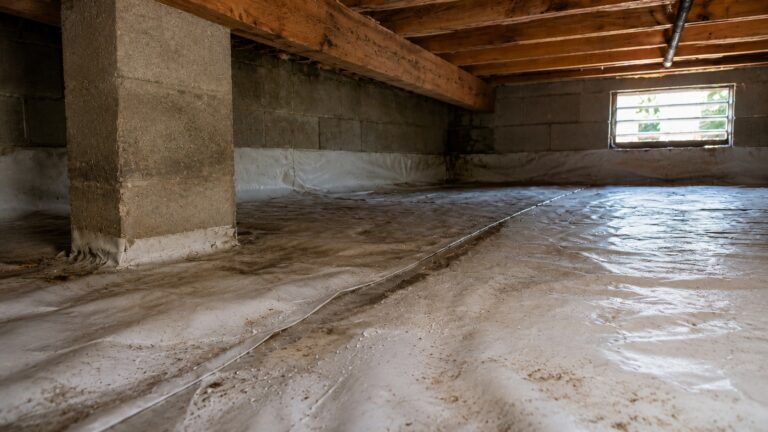
Vapor barriers and encapsulation systems are common crawl space solutions, but they are not the same thing. A basic vapor barrier usually covers exposed soil to reduce ground moisture vapor. Encapsulation is more complete and may include sealed seams, sealed foundation walls, piers, access doors, vents, and humidity control.
Before hiring a contractor, ask whether they are recommending a basic vapor barrier, full encapsulation, or a partial system. If you are unfamiliar with the difference, review how crawl space encapsulation works so you can understand what the proposal should include.
Is a Basic Vapor Barrier Enough, or Are You Recommending Full Encapsulation?
This is one of the most important crawl space questions. Not every crawl space needs full encapsulation. A dry crawl space with exposed soil may benefit from a properly installed vapor barrier. A crawl space with chronic humidity, mold-like staining, open vents, wet insulation, and repeated moisture may need a more complete system.
Ask the contractor why they are recommending one approach over the other. A good answer should refer to the actual conditions in your crawl space, not just a generic claim that encapsulation is always best.
What Material and Thickness Will Be Used?
Ask what vapor barrier or liner material the contractor plans to install. The quote should identify the material type and thickness, especially if the crawl space will be used for service access. Thicker reinforced liners may be more durable in crawl spaces where technicians need to enter for plumbing, HVAC, pest control, or inspections.
The best material depends on crawl space conditions, access needs, budget, and system design. The contractor should be able to explain why the selected liner is appropriate. If you want product-level comparisons, review common crawl space vapor barrier options separately.
Will Seams, Edges, Piers, and Walls Be Sealed?
A crawl space liner is only as effective as its seams and edges. Ask whether seams will be overlapped and taped, whether the liner will be sealed to foundation walls, and how the contractor will handle piers, posts, columns, plumbing penetrations, and irregular surfaces.
If seams are left loose or edges are not sealed, moisture vapor and air can still move into the crawl space. In a full encapsulation system, sealing details matter. Ask the contractor to explain how the liner will be attached and sealed around obstacles.
How Will the Access Door and Vents Be Handled?
Access doors and vents can allow humid air, pests, and outdoor moisture into the crawl space. If the contractor recommends encapsulation, ask whether vents will be sealed, whether the access door will be insulated or air sealed, and how future access will be maintained.
This question is important because sealing a crawl space changes how the space behaves. The contractor should explain how air, humidity, and inspection access will be managed after vents or openings are changed.
How Will the System Be Protected From Damage?
Crawl spaces often contain plumbing, ducts, wiring, supports, and service paths. Workers may need to enter the space after the vapor barrier or encapsulation is installed. Ask how the liner will be protected from tearing and how future service access will be handled.
Some systems may include reinforced walking paths or thicker liner material in high-traffic areas. At minimum, the contractor should explain how the installation will hold up under normal crawl space use.
How Will the Crawl Space Be Inspected Later?
A well-designed crawl space system should still allow future inspection. Ask how you or a service professional will check for plumbing leaks, pest activity, liner damage, drainage problems, or condensation after the work is finished.
A system that hides every surface without providing inspection access may make future problems harder to find. Good crawl space work should control moisture while still allowing the space to be monitored.
If you are trying to decide whether full encapsulation is actually necessary, compare the contractor’s recommendation with the signs a crawl space may need encapsulation.
Questions About Dehumidification and Ventilation
Crawl space humidity control is a separate issue from drainage and vapor barriers. A vapor barrier can reduce ground moisture vapor, and encapsulation can help isolate the crawl space from outdoor air and soil moisture, but the contractor should still explain how humidity will be controlled after the work is complete.
The right ventilation or dehumidification strategy depends on climate, crawl space design, drainage conditions, whether the space is vented or sealed, and whether HVAC equipment or ducts are located there.
Does the Crawl Space Need a Dehumidifier?
Ask whether a crawl space dehumidifier is necessary and why. A dehumidifier may be useful in a sealed or encapsulated crawl space where humidity remains high, but it should not be used as a substitute for controlling standing water, plumbing leaks, or drainage problems.
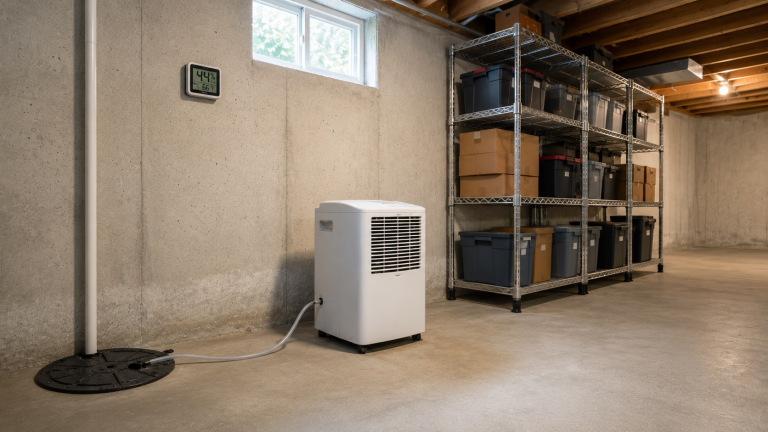
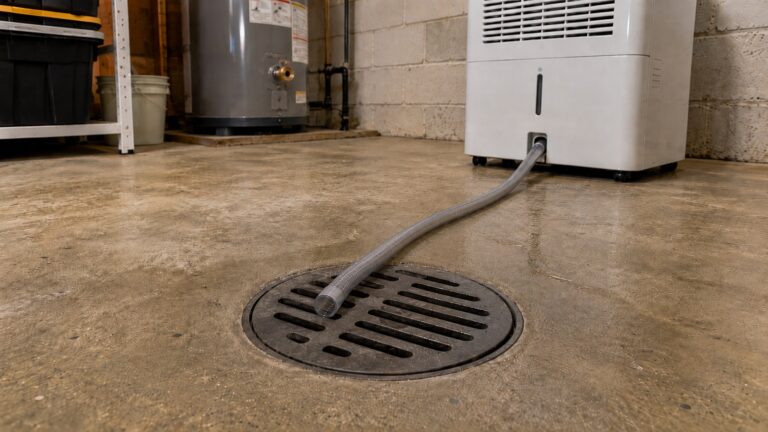
A good contractor should explain whether the dehumidifier is part of the long-term humidity control plan or simply an optional upgrade. Ask how it will drain, where it will be located, how it will be serviced, and what humidity level it is intended to maintain. If you are comparing equipment separately, review common crawl space dehumidifier options before choosing a system.
How Will Humidity Be Monitored?
Ask how the contractor recommends monitoring crawl space humidity after the work is complete. A crawl space can look dry but still have elevated relative humidity. Monitoring helps you know whether the system is working and whether seasonal changes are affecting the space.
Useful follow-up questions include:
- Will a humidity monitor be installed?
- Where should the monitor be placed?
- What humidity range should I watch for?
- How often should I check the crawl space?
- What should I do if humidity rises again?
The contractor should explain how the crawl space will be maintained after installation.
Should Crawl Space Vents Stay Open, Be Sealed, or Be Controlled?
Crawl space vents are a common source of confusion. In some older crawl spaces, vents were intended to provide airflow. In many humid climates or poorly managed crawl spaces, open vents can bring in warm, humid air that condenses on cooler surfaces. In other situations, local code, climate, combustion appliances, or system design may affect whether vents should be open, closed, or sealed.
Ask the contractor what they recommend for your crawl space and why. The answer should be specific to your home, not a blanket statement that vents are always good or always bad.
If the contractor recommends sealing vents as part of encapsulation, ask how humidity will be controlled afterward. If the contractor recommends leaving vents open, ask how they will prevent humid air, pests, and wind-driven moisture from affecting the crawl space.
Is the System Designed for Local Climate Conditions?
Crawl space moisture behavior changes by climate. A humid southeastern home may need a different strategy than a dry-region crawl space or a cold-climate crawl space with freezing concerns. Rainfall patterns, soil moisture, seasonal humidity, and temperature swings all affect the design.
Ask the contractor how local climate affects the recommendation. A good answer should consider outdoor humidity, seasonal rain, groundwater, winter conditions, and whether the crawl space contains ducts, pipes, or mechanical equipment.
Who Maintains the Dehumidifier or Humidity System?
If the quote includes a dehumidifier, drainage pump, condensate line, or humidity control equipment, ask who maintains it. These systems may need filter cleaning, drain checks, pump testing, or periodic service.
Ask whether maintenance is required for the warranty and whether the contractor offers service plans. A dehumidifier can be helpful, but it is still equipment. It should not be treated as a set-it-and-forget-it solution.
Questions About Mold, Insulation, and Structural Wood
Crawl space moisture often affects more than the ground covering. Wet insulation, mold-like growth, damp joists, softened wood, rusted fasteners, and musty odors may all point to related problems. Before hiring a contractor, ask how these issues will be evaluated and whether they are included in the proposed work.
Separate moisture control from cleanup and repair. A vapor barrier or encapsulation system can help reduce future moisture, but it may not remove existing mold-contaminated material, repair damaged wood, or replace insulation that has already failed.
Is Mold-Like Growth Present?
Ask whether the contractor saw mold-like growth, staining, or suspicious discoloration on joists, subflooring, beams, insulation, or stored materials. If the contractor says mold is present, ask where it is, how widespread it appears, and whether testing or a separate remediation contractor is recommended.
Some staining may be old, inactive, or non-mold discoloration. Other growth may indicate ongoing moisture. The contractor should avoid making unsupported claims, but they should also be honest when conditions suggest microbial growth may need attention.
If mold is a concern, compare the contractor’s findings with common signs of mold growth in crawl spaces. Existing mold issues may need to be addressed separately from the moisture control system that prevents recurrence.
Does Wet or Damaged Insulation Need to Be Removed?
Crawl space insulation can sag, absorb moisture, hold odors, hide pests, or trap dampness against the subfloor. Ask whether the contractor inspected the insulation and whether any of it needs to be removed before repairs are made.
If insulation is wet, moldy, pest-damaged, or falling down, simply installing a vapor barrier below it may not solve the problem. Ask whether insulation removal, replacement, or a different insulation approach is included in the quote.
If the insulation may be contaminated by sewage, floodwater, heavy mold-like growth, or pests, ask how it will be removed safely and whether that work requires a separate remediation or cleanup specialist.
Are the Joists, Beams, or Subfloor Damaged?
Moisture can affect crawl space wood over time. Joists, beams, rim joists, sill plates, and subflooring may show staining, softness, fungal decay, insect damage, or structural weakening. Ask whether the contractor inspected the wood framing and whether any areas need further evaluation.
Structural wood questions are especially important if you notice soft floors, uneven floors, bouncy areas, musty odors, or visible wood staining from the crawl space. If the contractor identifies wood concerns, ask whether they are cosmetic, moisture-related, pest-related, or structural.
For more context, review the warning signs of moisture damage in crawl space joists. If structural damage, sagging floors, severe wood softness, or support movement is suspected, ask whether the repair plan needs a qualified structural repair specialist, engineer, or licensed contractor depending on the severity and local requirements.
Should Structural Repair Happen Before Encapsulation?
If joists, beams, subflooring, or supports are damaged, ask whether structural repair should happen before vapor barrier or encapsulation work. Sealing a crawl space without addressing weakened wood can make the space look finished while leaving a serious problem unresolved.
The contractor should explain the proper sequence. In many cases, drainage and moisture control must be coordinated with wood repair, insulation work, and any mold-related cleanup. The goal is not just to make the crawl space look clean; it is to make it dry, serviceable, and structurally sound.
Who Handles Mold, Insulation, or Structural Repair If Needed?
Not every crawl space contractor performs every type of work. Some specialize in encapsulation and vapor barriers. Others handle drainage and dehumidification. Some may also remove insulation, treat mold-affected surfaces, or perform structural repairs. Others may refer those tasks to separate specialists.
Ask who is responsible for each part of the job. If mold cleanup, insulation removal, or wood repair is excluded, that should be clear in the written proposal. If subcontractors are used, ask who manages their work and who warranties the final result.
Questions About the Written Scope and Quote
After the inspection questions are answered, the contractor should provide a written scope of work. This is where you confirm what is included, what is excluded, what is optional, and what happens if hidden damage is discovered after work begins.
A crawl space quote should be specific enough that you can compare it with another contractor’s proposal. If the quote only says “encapsulate crawl space” or “repair crawl space” without explaining the details, ask for a more complete version.
What Exactly Is Included?
Ask the contractor to list the major components of the project. Depending on the crawl space, the quote may include drainage, vapor barrier installation, wall sealing, pier wrapping, vent sealing, access door work, insulation removal, dehumidifier installation, sump pump work, mold-related cleanup, debris removal, or structural repair.
Do not assume a term like “encapsulation” includes every part of a sealed crawl space system. Ask whether the quote includes walls, piers, seams, vents, access doors, penetrations, drainage, humidity control, and cleanup.
What Is Excluded?
Exclusions are just as important as included work. A quote may not include mold remediation, structural repair, electrical work, plumbing repair, HVAC duct repair, pest treatment, exterior grading, downspout extensions, or future maintenance.
Ask the contractor to state exclusions in writing. This prevents misunderstandings and helps you compare the real cost of each proposal.
What Is Optional Versus Necessary?
Some crawl space upgrades may be optional, while others may be necessary for the system to work properly. Ask the contractor to separate must-do repairs from recommended upgrades. For example, drainage correction may be necessary before encapsulation, while a thicker liner or remote humidity monitor may be an upgrade.
A good contractor should be able to explain why each item is included, what risk remains if you decline it, and whether declining it affects the warranty.
How Are Change Orders Handled?
Crawl spaces can hide damage. Once insulation is removed or the space is cleaned out, the contractor may discover additional wood damage, plumbing leaks, pest damage, or drainage issues. Ask how unexpected work will be handled.
The contractor should explain whether they stop and request approval, provide photos, update the written scope, and price changes before proceeding. Avoid vague promises that everything will be “figured out later.”
How Should I Compare This Quote With Another Contractor’s Proposal?
Ask the contractor what makes their quote different. Their answer should focus on diagnosis, scope, materials, workmanship, warranty, and maintenance — not just pressure or fear. If you receive multiple estimates, use this guide to compare crawl space repair quotes before choosing.
When price is a concern, ask which cost factors are driving the estimate. Crawl space pricing can change based on square footage, access, drainage, liner type, insulation removal, dehumidification, structural repair, and mold-related work. For broader pricing context, review common crawl space repair cost factors.
Questions About Warranty and Maintenance
A crawl space system should not only look good when the installation is finished. It should also be maintainable. Before hiring a crawl space contractor, ask what the warranty covers, what it excludes, and what maintenance is required to keep the system working.
Warranty language can vary widely. One contractor may warranty only the liner seams. Another may warranty drainage performance in specific areas. A dehumidifier may have a manufacturer warranty rather than a contractor warranty. Structural repairs, mold-related work, sump pumps, and insulation may all have separate terms or no long-term warranty at all.
What Does the Warranty Actually Cover?
Ask the contractor to explain the warranty in plain language. Does it cover the vapor barrier, seams, wall attachments, drainage system, sump pump, dehumidifier, access door, insulation, or structural repair? Does it cover materials only, or labor as well?
A useful warranty should identify the covered parts of the project. If the contractor says the crawl space is “guaranteed,” ask what that means. Does it mean the liner will not detach? Does it mean standing water will not return? Does it mean humidity will stay below a target range? Does it mean mold will not come back? Those are very different promises.
Does the Warranty Cover Mold Return?
Be careful with broad promises about mold. Moisture control can reduce the conditions that allow mold to return, but a warranty may not cover mold growth caused by new plumbing leaks, flooding, pest damage, HVAC problems, disconnected ducts, or lack of maintenance.
If the contractor says mold will not return, ask what conditions are required for that promise to apply. Ask whether existing mold cleanup is included, whether affected insulation or debris will be removed, and whether future humidity monitoring is part of the plan.
What Maintenance Is Required?
Crawl spaces still need monitoring after repair. Ask what you are expected to maintain after the project is complete. This may include checking the dehumidifier, cleaning filters, inspecting the liner for tears, keeping the access door sealed, testing a sump pump, keeping discharge lines clear, monitoring humidity, and checking for new plumbing leaks.
Good maintenance questions include:
- How often should I inspect the crawl space?
- What humidity level should I watch for?
- Does the dehumidifier need filter cleaning or service?
- How do I know if the drainage system is clogged?
- What should I do if I see water on top of the liner?
- What maintenance is required to keep the warranty valid?
- Do you offer follow-up inspections or service?
If the warranty depends on maintenance, those requirements should be clear before you sign.
Is the Warranty Transferable?
If you may sell the home, ask whether the warranty transfers to the next owner. Some warranties transfer automatically, while others require paperwork, a fee, or an inspection. Some do not transfer at all.
A transferable warranty may help with resale confidence, but only if the covered work and transfer terms are clear.
Questions About Contractor Experience and Workmanship
Crawl space work requires more than laying plastic over the soil. A good contractor should understand moisture behavior, drainage, vapor barriers, structural wood, insulation, air sealing, humidity control, and access for future service. Before hiring, ask questions that reveal whether the contractor regularly works on crawl spaces like yours.
Do You Specialize in Crawl Space Work?
Ask whether crawl spaces are a major part of the contractor’s work or only an occasional service. A contractor who regularly handles crawl space moisture problems is more likely to understand sequencing, drainage, encapsulation details, dehumidification, insulation issues, and structural warning signs.
This does not mean a general contractor can never help. But if the crawl space has standing water, mold-like growth, structural wood concerns, or major encapsulation needs, experience matters.
Who Will Perform the Work?
Ask whether the work will be performed by company employees, subcontractors, or a separate crew. If subcontractors are involved, ask who supervises them and who is responsible for warranty issues.
You should also ask whether the person who inspected the crawl space will be involved in the project or whether the installation crew will receive detailed notes, photos, and layout instructions. Miscommunication between sales, inspection, and installation can lead to missed corners, unsealed penetrations, skipped drainage details, or incomplete liner sealing.
Can You Show Similar Crawl Space Projects?
Before-and-after photos can help you understand the contractor’s workmanship. Ask to see projects with similar conditions, such as standing water, torn vapor barriers, open vents, insulation removal, dehumidifier installation, drainage systems, or structural wood concerns.
Photos should not replace a clear quote, but they can show whether the contractor performs clean, organized, and detailed installations.
How Will the Finished Work Be Documented?
Ask whether the contractor provides completion photos, final inspection notes, warranty documents, equipment information, and maintenance instructions. Crawl space work is often hidden after completion, so documentation matters.
Completion photos can also help if you later compare humidity readings, sell the home, schedule pest control, or need another contractor to inspect the space.
What Good Answers Should Sound Like
The best crawl space contractors answer with specifics. Their explanations should connect inspection findings to the recommended work, not rely on scare tactics, vague packages, or generic claims.
Good answers usually sound like this:
- “We found standing water near the low side of the crawl space, so drainage should be addressed before encapsulation.”
- “The existing vapor barrier is torn and does not cover the soil completely, but we did not see structural wood damage in the accessible areas.”
- “The insulation is sagging and damp in this section, so removal should happen before the liner is installed.”
- “This quote includes the floor liner, sealed seams, pier wrapping, vent sealing, and access door sealing, but it does not include structural repair.”
- “The dehumidifier is recommended because the crawl space will be sealed, and humidity needs to be controlled after encapsulation.”
- “The warranty covers liner attachment and seams, but it does not cover new plumbing leaks or flooding from exterior drainage problems.”
Weak answers are vague. Be cautious if the contractor cannot explain where the moisture is coming from, cannot show inspection evidence, cannot separate necessary work from optional upgrades, or cannot put exclusions in writing.
Good answers should be:
- Specific to your crawl space
- Based on inspection evidence
- Supported by photos or notes when possible
- Clear about sequence
- Honest about exclusions
- Realistic about maintenance
- Written clearly enough to compare with another quote
Once you understand the contractor’s answers, you can compare the project with broader crawl space encapsulation cost factors if encapsulation is part of the proposal. You can also use the information as part of a larger plan to find, fix, and prevent moisture problems throughout the home.
FAQ
What should I ask a crawl space contractor first?
Start by asking where the moisture is coming from and what evidence supports the contractor’s diagnosis. Before discussing products or price, the contractor should explain whether the problem involves soil moisture, standing water, foundation seepage, plumbing leaks, condensation, humidity, damaged insulation, mold-like growth, or structural wood concerns.
Should a crawl space contractor inspect before giving a quote?
Yes. A crawl space contractor should inspect the crawl space before recommending major work. The inspection should include the soil, vapor barrier, foundation walls, vents, access door, joists, beams, subfloor, insulation, ducts, pipes, and drainage conditions where accessible. A quote based only on assumptions may miss important problems.
Should drainage be fixed before crawl space encapsulation?
In many cases, yes. If standing water or bulk water intrusion is present, drainage should usually be addressed before encapsulation. A liner can reduce ground moisture vapor, but it should not be used to hide active water movement. Ask the contractor how water will be collected, redirected, or kept out before the space is sealed.
Is a vapor barrier enough for a crawl space?
A vapor barrier may be enough for some crawl spaces with exposed soil and limited moisture problems. It may not be enough if the crawl space has standing water, high humidity, mold-like growth, wet insulation, open vents, or repeated moisture issues. Ask why the contractor recommends a basic vapor barrier, full encapsulation, or another system.
Should I ask about mold before crawl space repair?
Yes. Ask whether mold-like growth is visible, where it appears, and whether cleanup is included in the quote. Moisture control can help prevent recurrence, but existing mold-contaminated materials may need separate evaluation or remediation before the crawl space is sealed.
What should be included in a crawl space repair quote?
A crawl space repair quote should state the inspection findings, recommended work, materials, included areas, exclusions, drainage details, vapor barrier or encapsulation details, dehumidifier or ventilation plan, cleanup responsibilities, warranty terms, and maintenance requirements. It should also explain how change orders will be handled if hidden damage is found.
Before You Sign the Crawl Space Contract
Before hiring a crawl space contractor, focus on questions that reveal how well the contractor understands your specific crawl space. The best contractor is not simply the one with the lowest price or the cleanest sales presentation. It is the one who can explain the moisture source, show inspection evidence, recommend the right repair sequence, and put the scope in writing.
Crawl space work may involve drainage, vapor barriers, encapsulation, dehumidification, insulation removal, mold-related cleanup, and structural repair. These are connected, but they are not the same. Before you sign, make sure the proposal explains what was found, what will be fixed, what is excluded, what maintenance is required, and how the crawl space will be monitored over time.