How Much Does Crawl Space Repair Cost?
Crawl space repair usually costs about $1,500 to $8,000 for many common homeowner projects, but the final price can be lower or much higher depending on what needs to be fixed. Minor cleanup or small vapor barrier repairs may cost only a few hundred dollars, while drainage systems, mold cleanup, insulation replacement, structural wood repair, or full encapsulation can push the total to $10,000 to $15,000 or more.
The reason crawl space repair has such a wide price range is that “repair” can mean many different things. One crawl space may only need debris removal and a new vapor barrier. Another may have standing water, moldy insulation, rotted joists, sagging floors, damaged supports, poor drainage, pest contamination, and high humidity. Those are very different repair scopes, and they should not be priced as if they are the same job.
The most important cost question is not just how big the crawl space is. It is what is wrong with it. A damp crawl space, a moldy crawl space, a crawl space with standing water, and a crawl space with structural wood damage all require different repairs. If moisture has already affected wood framing, floor joists, beams, or supports, the project moves closer to structural moisture repair than a simple cleanup job.
How Much Does Crawl Space Repair Usually Cost?
Most crawl space repair projects fall into several common pricing levels. A small repair may involve cleanup, minor vapor barrier work, or limited insulation removal. A larger repair may involve drainage, mold treatment, dehumidification, encapsulation, or structural wood repair.
A practical homeowner-facing cost range looks like this:
- Minor crawl space cleanup or small repairs: often a few hundred dollars to about $1,500
- Vapor barrier replacement: often around $1,200 to $4,000, depending on size and quality
- Crawl space drainage repairs: often around $800 to $3,000 or more, depending on water entry and system design
- Insulation removal and replacement: often around $500 to $4,000, depending on contamination and square footage
- Mold cleanup or fungal treatment: often around $1,000 to $6,000, depending on extent and moisture correction needs
- Structural joist, beam, or support repair: often several thousand dollars, depending on damage severity
- Full crawl space encapsulation: often around $3,000 to $15,000, depending on size, condition, drainage, liner quality, and humidity control
These are planning ranges, not fixed prices. Crawl space repair is highly site-specific because contractors must evaluate access, moisture, drainage, insulation, vapor barrier condition, mold, wood damage, pests, and structural support. Two crawl spaces with the same square footage can have very different repair costs if one is dry and accessible while the other has standing water and rotted framing.
Why crawl space repair quotes vary so much
Crawl space repair quotes vary because contractors may be pricing different scopes of work. One quote may include only cleanup and vapor barrier replacement. Another may include drainage, sump pump work, mold cleanup, insulation removal, sealed vents, a dehumidifier, and structural repairs.
Compare the scope, not only the total price. A lower quote may skip drainage, mold cleanup, damaged insulation, or structural wood repair. A higher quote may be more complete if it includes the work needed to keep the crawl space from failing again.
A crawl space repair plan should follow the moisture source. If water is still entering the crawl space, replacing insulation or laying new plastic over the ground may not solve the problem. Long-term cost control depends on finding and fixing moisture problems before installing new materials.
Why cheap repairs can fail
The cheapest crawl space repair often fails when it treats symptoms instead of causes. Replacing a torn vapor barrier may help control ground moisture, but it will not fix standing water from poor drainage. Spraying mold may make wood look cleaner, but mold can return if the crawl space stays damp. Replacing wet insulation may be wasted money if humidity and water entry are not corrected first.
A good quote should explain the order of work: inspect the crawl space, stop active water entry, remove damaged materials, dry or stabilize the area, repair structural components if needed, and then install long-term moisture control.
Crawl Space Repair Cost by Problem Type
The best way to understand crawl space repair cost is to separate the project by problem type. Many real crawl spaces need a combination of cleanup, vapor barrier work, drainage, mold cleanup, insulation replacement, encapsulation, or structural repair.
Basic crawl space cleanup
Basic crawl space cleanup may include removing debris, old plastic, damaged insulation, pest debris, loose materials, or abandoned items. This is often one of the lower-cost crawl space services, but the price depends on access, contamination, and how much material must be removed.
Cleanup is often the first step before other repairs. Contractors may need to remove debris and damaged insulation before they can inspect joists, beams, piers, drainage, vapor barriers, and moisture conditions.
Vapor barrier replacement
A vapor barrier replacement is common when the old ground liner is torn, thin, displaced, dirty, missing, or poorly sealed. A basic vapor barrier helps reduce ground moisture from evaporating into the crawl space. Better installations use thicker material, overlapped seams, sealed edges, pier detailing, and proper fastening.
Vapor barrier replacement can cost less than full encapsulation, but it does not solve every crawl space problem. If there is standing water, drainage failure, plumbing leakage, wood rot, or mold, those issues need to be addressed before or along with the new liner.
If you are comparing material options for a moisture-control repair, see crawl space vapor barriers. The product itself matters, but installation quality and water-source control matter just as much.
Insulation removal and replacement
Crawl space insulation replacement becomes necessary when insulation is wet, fallen, moldy, pest-contaminated, compressed, or no longer performing properly. Wet insulation can hold moisture against wood framing and make the crawl space smell musty.
The cost depends on how much insulation must be removed, whether it is contaminated, whether disposal is required, and what type of replacement insulation is used. In some crawl spaces, insulation should not be replaced until drainage, humidity, and vapor barrier problems are corrected.
Standing water and drainage repair
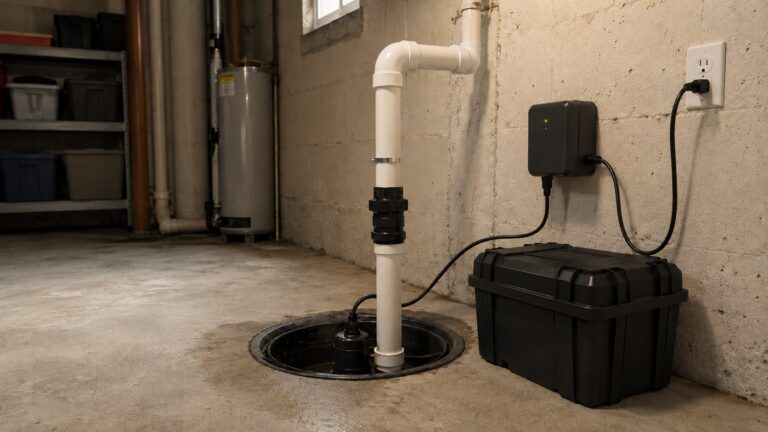
Standing water usually raises crawl space repair cost because it points to an active water-entry problem. The repair may involve grading, gutter/downspout corrections, perimeter drainage, crawl space drains, sump pump installation, discharge line improvements, or other water-control measures.
This type of repair is important because standing water can damage insulation, raise humidity, support mold growth, attract pests, and contribute to wood moisture. If water collects repeatedly, review preventing standing water in crawl spaces before assuming a vapor barrier alone will fix the issue.
Mold cleanup or fungal treatment
Crawl space mold cleanup may include removing contaminated insulation, cleaning wood surfaces, applying appropriate treatments, improving ventilation or humidity control, and correcting the moisture source. The cost depends on how much growth is present, how accessible the area is, and whether the mold is limited to surface growth or connected to deeper wood damage.
Mold cleanup is incomplete if the crawl space stays damp. If the contractor treats visible mold but does not address humidity, drainage, vapor barrier failure, or wet insulation, the mold may return. Homeowners who are unsure whether the crawl space has a mold problem can compare their situation with signs of mold growth in crawl spaces.
Joist, beam, and support repair
Structural wood repair is one of the more expensive crawl space repair categories. If floor joists, beams, girders, posts, sill plates, or piers are damaged, the project may involve sistering joists, replacing beams, adding supports, repairing piers, or correcting sagging floors above the crawl space.
Structural repairs cost more because they affect the support system of the home. They may require specialized contractors, engineering input, permits, temporary support, or careful sequencing. Signs such as sagging floors, soft spots, bounce, rot, fungal growth, or visibly damaged joists should not be treated as simple moisture cleanup.
Full crawl space encapsulation
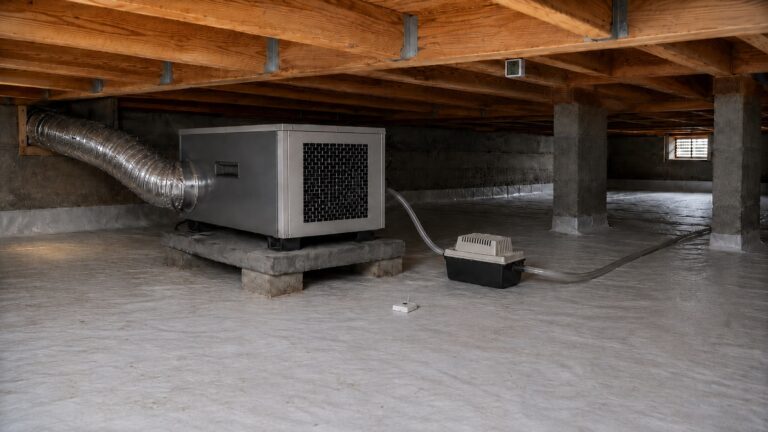
Encapsulation is a larger moisture-control system. It usually includes a sealed ground liner, wall liner, sealed vents, sealed seams, moisture detailing around piers and penetrations, and often a crawl space dehumidifier. Drainage correction may also be needed before encapsulation is installed.
Encapsulation can be part of crawl space repair, but it is not the same as every crawl space repair. A crawl space with minor vapor barrier damage may not need full encapsulation. A crawl space with chronic humidity, odors, mold risk, or recurring moisture may benefit from it if drainage and structural issues are handled properly.
Moisture Repairs vs. Structural Repairs
Crawl space repair costs often depend on whether the problem is mainly moisture-related or structural. Moisture repairs control water, humidity, vapor movement, insulation damage, and mold risk. Structural repairs address the wood and support system holding up the floor above the crawl space.
Many crawl space projects involve both. A crawl space may start with high humidity, then develop wet insulation, moldy joists, wood decay, and sagging floors over time. The longer moisture remains uncontrolled, the more likely a simple moisture repair becomes a structural repair.
Moisture repairs
Moisture repairs are usually aimed at keeping the crawl space dry enough to protect wood, insulation, flooring, and indoor air quality. These repairs may include vapor barrier replacement, drainage improvements, sump pump work, dehumidifier installation, vent sealing, insulation removal, and humidity control.
Moisture repairs can range from relatively affordable to expensive depending on the cause. A torn vapor barrier may be straightforward. Standing water after rain may require drainage work. Chronic high humidity may require encapsulation and a dedicated dehumidifier. The cost rises when the repair has to control water from several directions at once.
Structural repairs
Structural repairs are more serious because they involve the support system under the home. Crawl space joists, beams, girders, posts, piers, and sill plates can be damaged by long-term moisture, fungal decay, pest activity, poor support, or foundation movement.
Structural repairs often cost more than moisture repairs because the work may require temporary support, lumber replacement, sistering joists, beam repair, pier correction, professional evaluation, or permits. If you see soft floors, sagging, bounce, rot, or damaged joists, compare the situation with moisture damage in crawl space joists before treating the problem as a simple cleanup.
Why sagging floors change the price
Sagging floors above a crawl space usually raise the cost because they suggest that the floor system may be affected. The issue could be damaged joists, undersized supports, rotted beams, settling piers, termite damage, or long-term moisture weakening the wood.
In that situation, a vapor barrier or dehumidifier may still be needed, but those repairs do not lift or reinforce damaged framing by themselves. The contractor may need to repair the structure first, then correct the moisture conditions that caused the damage.
What Affects Crawl Space Repair Cost?
Crawl space repair cost depends on size, access, moisture severity, affected materials, water source, and whether the work is preventive or structural. The same repair usually costs more in a tight, wet, moldy, low-clearance crawl space than in a clean and accessible one.
Crawl space size
Larger crawl spaces usually cost more because they require more labor, more liner material, more insulation, more drainage length, more cleaning time, and more dehumidification capacity. Size affects almost every repair category, from vapor barriers to encapsulation.
However, size is not the only factor. A small crawl space with standing water, mold, rotted joists, and poor access can cost more than a larger crawl space that only needs a new liner.
Access height and working conditions
Low-clearance crawl spaces often cost more because work is slower and harder. Contractors may have to crawl through tight areas, work around ducts and pipes, remove debris by hand, and carry materials through small access openings.
Dirty, muddy, pest-contaminated, or obstructed crawl spaces also increase labor. If the crew must remove debris, old insulation, animal waste, fallen vapor barrier, or damaged materials before repair can begin, the cost rises.
Moisture severity
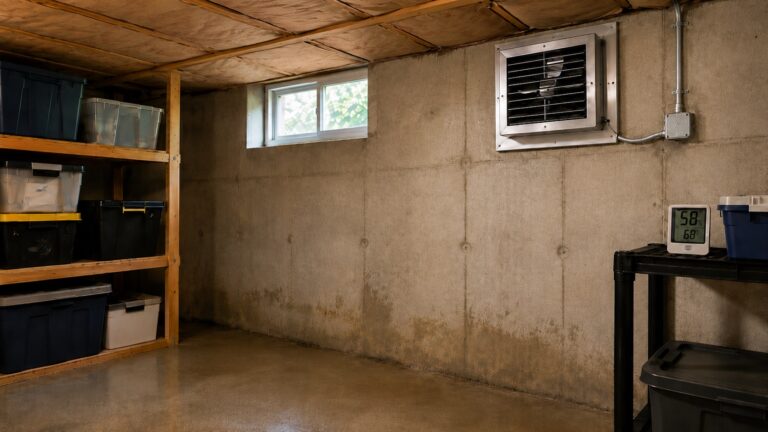
A slightly damp crawl space costs less to repair than one with standing water, wet insulation, mold growth, wood decay, and odors entering the living space. Moisture severity determines whether the project is a minor improvement or a full moisture-control system.
Moisture symptoms may include musty odors, condensation, damp soil, wood discoloration, fallen insulation, rusted metal, pest activity, mold-like growth, and soft wood. If you are still identifying the problem, review signs of moisture in crawl spaces before deciding which repair quote makes sense.
Standing water
Standing water is one of the clearest signs that the crawl space needs more than a simple liner. Water may enter from poor grading, short downspouts, clogged gutters, groundwater, foundation gaps, plumbing leaks, or drainage failure.
Repair costs rise because the contractor may need to install drainage, correct discharge routes, add or replace a sump pump, improve grading, or manage exterior water sources. Installing a vapor barrier over recurring standing water usually leads to failure because the water source remains active.
Vapor barrier condition
A crawl space vapor barrier helps reduce ground moisture, but it must be installed correctly. Thin plastic, torn seams, uncovered soil, loose edges, poor pier detailing, and missing wall coverage can all reduce performance.
Replacing a damaged vapor barrier may be a moderate-cost repair, but the final price depends on square footage, material thickness, seam sealing, wall attachment, pier wrapping, and whether old material must be removed first.
Insulation condition
Insulation adds cost when it is wet, moldy, contaminated, falling, or pest-damaged. Wet insulation can hold moisture against wood framing and reduce the effectiveness of the floor system above.
Some crawl space repairs involve removing old fiberglass insulation and replacing it with a different insulation approach after moisture control is improved. If insulation is replaced before humidity, drainage, or vapor problems are fixed, the new insulation may fail again.
Mold or fungal growth
Mold or fungal growth increases cost because the project may require cleaning, treatment, removal of contaminated insulation, protective equipment, and moisture correction. The more widespread the growth, the more labor and containment may be needed.
Mold treatment by itself is not enough if the crawl space remains damp. The quote should explain how moisture will be controlled after cleanup. Otherwise, the visible mold may return.
Structural wood damage
Wood damage is one of the most expensive crawl space cost factors. Floor joists, beams, sill plates, posts, girders, and subfloor areas can be weakened by rot, fungal decay, termites, or repeated wetting.
When structural wood is damaged, the project may require carpentry, temporary support, sistering, beam replacement, new posts, pier repairs, or engineering input. Do not cut, jack, remove, or reinforce load-bearing crawl space members without qualified help, especially if floors are sagging or supports have shifted. This is a different category from moisture cleanup and should be quoted clearly.
Pest damage
Pest damage can increase crawl space repair cost because rodents, insects, or termites may damage insulation, vapor barriers, wood, ductwork, and wiring. Pest contamination may also require special cleanup before moisture repairs begin.
If pests damaged insulation or wood, the homeowner may need both pest control and crawl space repair. Replacing insulation without correcting pest entry points can lead to repeated damage.
Encapsulation scope
Encapsulation scope has a major effect on price. A basic vapor barrier is not the same as full encapsulation. Full encapsulation may include a heavy liner, sealed seams, sealed vents, wall liner, pier detailing, air sealing, drainage correction, and a dehumidifier.
Encapsulation can be valuable, but the quote should explain exactly what is included. A low-cost “encapsulation” that skips drainage, seam sealing, wall coverage, or humidity control may not perform like a complete system.
Does Crawl Space Repair Include Encapsulation?
Crawl space repair does not always include encapsulation. Encapsulation is one possible repair system, but it is not the same as every crawl space repair. A contractor may recommend encapsulation when the crawl space has chronic humidity, exposed soil, recurring odors, failed vapor barriers, mold risk, or long-term moisture problems. A smaller repair may only involve cleanup, vapor barrier replacement, insulation work, or drainage correction.
This distinction matters because a quote that includes encapsulation may be priced very differently from one that only includes cleanup, insulation, drainage, or a basic vapor barrier.
A true encapsulation system usually includes more than laying a vapor barrier over the soil. It may include a heavy-duty liner, sealed seams, sealed edges, wall coverage, sealed vents, pier wrapping, drainage correction, insulation changes, and a crawl space dehumidifier. If you need a separate breakdown of that specific system, compare the repair quote with crawl space encapsulation cost. For a more basic explanation of what the system includes, see what crawl space encapsulation includes.
Encapsulation may make sense when the crawl space has persistent dampness, musty odors, high humidity, mold risk, exposed soil, failed vapor barriers, repeated insulation problems, or moisture affecting the living area above. However, encapsulation should not be used to cover up unresolved water problems. If the crawl space has standing water, active drainage failure, plumbing leaks, or rotted structural wood, those issues should be addressed before the crawl space is sealed.
Not every crawl space needs full encapsulation. A dry crawl space with a torn vapor barrier may only need liner replacement. A crawl space with localized insulation damage may need insulation removal and replacement after the moisture source is corrected. A good contractor should explain whether encapsulation is necessary, optional, or more than the crawl space currently needs.
Does Crawl Space Repair Include Mold Removal?
Crawl space repair may or may not include mold removal. Some repair quotes include mold cleaning, treatment, contaminated insulation removal, and moisture correction. Other quotes only include structural repairs, vapor barrier replacement, drainage, or encapsulation. Homeowners should ask whether mold-related work is included before approving the estimate.
Removing visible crawl space mold without correcting the moisture source is not a complete repair. The mold may return if humidity, water intrusion, wet insulation, poor drainage, or high wood moisture remains.
Mold cleanup may appear as a separate line item because it can involve labor, protective equipment, cleaning methods, removal of contaminated insulation, surface treatment, and disposal. If mold covers joists, subflooring, beams, or insulation, the contractor may need more time and care than a basic cleanup job requires.
Ask whether the quote includes mold cleaning, insulation removal, treatment of exposed wood, moisture correction, and any follow-up inspection. If the quote says “treat mold” but does not address why the crawl space is damp, the repair may be incomplete.
Mold cleanup should be paired with moisture control, such as drainage repair, vapor barrier replacement, wet insulation removal, dehumidification, plumbing leak repair, air sealing, or ventilation correction. If the crawl space still smells musty or the wood remains damp after cleanup, the mold issue may return.
Mold becomes more concerning when it is widespread, appears on structural wood, affects insulation, returns after treatment, or is accompanied by sagging floors, high humidity, or persistent odors inside the home. In those cases, the repair may need to include mold cleanup, moisture correction, and structural evaluation. If the problem is beyond simple maintenance, review when to hire a crawl space repair specialist.
When Crawl Space Repair Becomes Structural Repair
Crawl space repair becomes structural repair when moisture, pests, soil movement, poor support, or age affects the wood or support system under the home. At that point, the job is no longer only about keeping the crawl space dry. It may involve repairing or reinforcing the floor system.
Structural crawl space repair can include joist sistering, beam replacement, girder repair, sill plate repair, pier correction, support post installation, or subfloor repair. These repairs often cost more because they affect the load-bearing parts of the house.
Sagging floors above the crawl space
Sagging floors are one of the clearest signs that crawl space repair may involve structural work. The cause may be rotted joists, weakened beams, inadequate supports, settling piers, termite damage, or long-term moisture weakening the wood.
A dehumidifier or vapor barrier may help prevent future moisture damage, but it will not straighten a weakened floor system by itself. The contractor may need to support the structure, repair damaged members, and then correct the moisture conditions that caused the damage.
Rotted joists, beams, and sill plates
Rotted crawl space wood raises the cost because damaged structural members may need repair or replacement. Joists may be sistered with new lumber. Beams may need reinforcement or replacement. Sill plates may require careful work where the house framing meets the foundation.
The cost depends on how much wood is damaged, whether the area is easy to access, whether temporary support is needed, and whether the moisture source has been corrected. Repairs are more complicated when damage is widespread or when plumbing, ducts, wiring, or insulation block access.
Support posts and piers
Crawl space support problems may involve settling piers, undersized posts, leaning supports, damaged footings, or wood posts sitting on damp soil. These issues can cause floor movement, bounce, or sagging.
Repair may involve adding proper supports, replacing damaged posts, correcting pier settlement, or improving the bearing points under beams. This work should be done carefully because it affects how loads are carried under the home.
Why structural repair should not be treated as DIY cleanup
Structural crawl space repair should not be treated like a cleanup project. Cutting, replacing, jacking, or reinforcing load-bearing members can damage the home if done incorrectly. Moisture damage may also hide behind insulation, ducts, vapor barriers, and subflooring.
DIY may be reasonable for minor cleanup or limited maintenance in a safe, dry crawl space. It is not appropriate for sagging floors, rotted beams, damaged joists, unstable supports, electrical hazards, sewage, standing water, or mold-heavy demolition.
How to Avoid Overpaying for Crawl Space Repair
The best way to avoid overpaying for crawl space repair is to compare the scope of work, not just the total price. Ask what problem each line item solves: water entry, ground vapor, high humidity, mold, damaged insulation, pest contamination, or structural weakness. A high quote is not automatically better, but it should clearly explain why each part is needed.
Crawl space repair should solve the cause of the problem, not only improve the appearance of the space. If standing water, high humidity, pest damage, or structural wood decay is left unresolved, a cheaper repair may fail and lead to another round of work later.
Ask for an itemized repair scope
An itemized quote helps you see what is included. The estimate should separate cleanup, insulation removal, vapor barrier work, drainage, mold cleanup, dehumidifier installation, structural repair, encapsulation, permits, disposal, and repairs to access doors or vents.
If a contractor gives one large number without explaining the work, ask for a breakdown. Crawl space repair can involve several different trades and materials, so the scope should be clear before you compare prices.
Do not replace materials before fixing water entry
Replacing a vapor barrier before fixing standing water is like replacing carpet before fixing a roof leak. The new material may look better at first, but the same water problem can ruin it again.
Before paying for new insulation, vapor barrier, or encapsulation, make sure active water sources are addressed. That may include grading, gutters, downspouts, crawl space drainage, sump pump work, plumbing repairs, or exterior water management.
Do not accept mold treatment without moisture control
Mold treatment by itself is incomplete if the crawl space remains damp. A quote that only sprays or treats visible growth without addressing humidity, vapor barriers, drainage, or wet insulation may not solve the problem long term.
Ask the contractor how the crawl space will stay dry after treatment. A good repair plan should connect mold cleanup to moisture control.
Be careful with one-size-fits-all encapsulation quotes
Encapsulation can be a good solution for many crawl spaces, but it is not the answer to every problem by itself. A crawl space with standing water, rotted joists, pest damage, or failed supports needs those problems addressed before or during encapsulation.
If a contractor recommends encapsulation, ask whether the quote includes drainage correction, old insulation removal, vapor barrier details, sealed seams, sealed vents, wall liner, pier wrapping, dehumidification, and structural repairs if needed.
Consider long-term operating costs
Some crawl space repairs include equipment that has ongoing costs. A crawl space dehumidifier, sump pump, or drainage system may need electricity, maintenance, cleaning, filters, pump checks, or discharge line inspection.
Those ongoing costs are not necessarily a reason to avoid the repair. They simply need to be part of the decision. For damp crawl spaces where humidity remains a problem after sealing and drainage work, crawl space dehumidifiers may be part of the long-term moisture-control system.
What to Check Before Accepting a Crawl Space Repair Quote
Crawl space repair quotes should be compared by problem, method, and sequence. The best quote is not always the cheapest or the most expensive. It is the one that clearly explains what is wrong, what will be repaired, what will be left alone, and how the repair prevents the same problem from returning.
Before accepting a quote, ask the contractor to identify the main cause: ground moisture, standing water, poor drainage, high humidity, plumbing leaks, failed ventilation, missing vapor barrier, mold, or structural damage. If the quote cannot connect the price to a cause, it may be treating symptoms instead of the problem.
Ask what is included and excluded
Every quote should list inclusions and exclusions. Common exclusions include mold remediation, pest control, electrical work, plumbing repair, structural engineering, floor repair, exterior grading, sump pump discharge extensions, insulation replacement, and permit costs.
This matters because two quotes may look similar but include very different work. One may include only a vapor barrier. Another may include cleanup, insulation removal, drainage, dehumidification, and sealed liner installation. For a fuller quote-by-quote review process, see how to compare crawl space repair quotes.
Ask whether drainage is addressed
If the crawl space has standing water or wet soil after rain, drainage should be part of the conversation. A vapor barrier can reduce ground vapor, but it does not remove water that flows into the crawl space.
Ask whether the contractor checked gutters, downspouts, grading, foundation openings, plumbing leaks, sump pump discharge, and interior crawl space drainage. If water entry remains active, other repairs may fail.
Ask how humidity will be controlled
A crawl space can be wet even without visible standing water. High humidity can damage insulation, encourage mold growth, rust metal components, and raise wood moisture levels. Ask how the repair will control humidity after the work is finished.
The answer may involve a better vapor barrier, vent strategy changes, encapsulation, a dehumidifier, drainage correction, or a combination of methods. The contractor should explain why that approach fits your crawl space.
Ask whether structural damage was inspected
If the crawl space has wood discoloration, soft spots, sagging floors, bounce, visible rot, or damaged joists, ask whether the contractor inspected the structural wood. Moisture-control work is important, but it does not repair weakened framing.
If structural damage is suspected, the quote should explain whether joists, beams, posts, piers, or sill plates need repair and whether engineering input is recommended.
Ask about warranties and maintenance
Warranties vary widely. A vapor barrier warranty may not cover standing water. A mold treatment warranty may require humidity control. A drainage warranty may exclude clogged discharge lines or exterior grading changes. A structural repair warranty may not cover new moisture damage if water problems return.
Ask what is covered, what voids the warranty, and what maintenance is required. Crawl space systems often need periodic inspection to keep working properly.
FAQ
What is the average cost to repair a crawl space?
Many crawl space repair projects cost about $1,500 to $8,000, but the range can be much wider. Minor cleanup or small repairs may cost a few hundred dollars, while drainage systems, mold cleanup, insulation replacement, structural wood repair, or encapsulation can cost $10,000 to $15,000 or more.
Why is crawl space repair so expensive?
Crawl space repair can be expensive because the work often involves difficult access, moisture control, insulation removal, drainage, mold cleanup, vapor barrier installation, dehumidification, pest cleanup, or structural wood repair. The cost rises when the crawl space has standing water, mold, rotted joists, sagging floors, or multiple problems at the same time.
Is crawl space encapsulation included in repair cost?
Sometimes, but not always. Encapsulation is a specific moisture-control system and may be included in a crawl space repair quote if the contractor recommends it. Other crawl space repairs may only include cleanup, vapor barrier replacement, drainage, insulation work, or structural repair.
How much does it cost to replace a crawl space vapor barrier?
Vapor barrier replacement often costs around $1,200 to $4,000, depending on crawl space size, material thickness, seam sealing, wall attachment, pier detailing, access, and whether old material must be removed. A basic liner costs less than a full encapsulation system.
How much does crawl space mold cleanup cost?
Crawl space mold cleanup often costs around $1,000 to $6,000, depending on the affected area, access, insulation condition, wood surfaces involved, and whether moisture correction is included. Mold cleanup should be paired with vapor control, drainage, humidity control, or other repairs that keep the crawl space dry.
How much does it cost to repair crawl space joists?
Crawl space joist repair can cost several thousand dollars when joists are rotted, weakened, or need sistering. The cost depends on the number of joists, access, moisture damage, temporary support needs, and whether beams, posts, sill plates, or subfloor areas are also affected.
Does crawl space repair include insulation replacement?
Not always. Some crawl space repair quotes include insulation removal and replacement, while others do not. If insulation is wet, moldy, pest-damaged, or falling, ask whether removal, disposal, and replacement are included in the estimate.
Can I repair a crawl space myself?
DIY may be reasonable for minor cleanup or limited maintenance in a dry, safe, accessible crawl space. DIY is not recommended for structural repairs, standing water, sewage, electrical hazards, rotted joists, sagging floors, heavy mold contamination, pest-contaminated insulation, or confined-space conditions that require professional equipment and experience.
Should drainage be fixed before encapsulation?
Yes, active water entry should usually be corrected before encapsulation. Encapsulation controls vapor and humidity, but it should not be used to hide standing water or drainage failure. Drainage, grading, sump pump, or downspout issues may need repair before installing a sealed liner system.
When should I hire a crawl space repair specialist?
Hire a crawl space repair specialist when the crawl space has standing water, mold, wet insulation, damaged vapor barrier, high humidity, musty odors, rotted wood, sagging floors, pest damage, or repeated moisture problems. Professional help is especially important when structural wood or support systems may be affected.
Crawl Space Repair Cost: Key Takeaways
- Crawl space repair often costs about $1,500 to $8,000, but minor repairs may cost less and major repairs can exceed $10,000 to $15,000.
- Repair cost depends on the problem type: cleanup, vapor barrier, drainage, insulation, mold, encapsulation, or structural repair.
- Encapsulation is one possible crawl space repair solution, but not every crawl space repair quote includes encapsulation.
- A vapor barrier alone does not fix standing water, drainage failure, mold, or structural wood damage.
- Mold cleanup must be paired with moisture control or the mold may return.
- Sagging floors, rotted joists, damaged beams, and failed supports move the project into structural repair territory.
- The best crawl space repair quote explains the cause, sequence, scope, exclusions, and long-term moisture-control plan.
Bottom Line on Crawl Space Repair Cost
Crawl space repair cost depends on what is actually wrong under the home. A simple cleanup or vapor barrier repair may cost far less than a crawl space with standing water, mold, wet insulation, drainage failure, sagging floors, or rotted joists. That is why crawl space repair has such a wide price range.
The best repair plan starts with the cause. If water is entering the crawl space, drainage needs attention. If humidity is high, vapor control and dehumidification may be needed. If insulation is wet or moldy, it may need removal. If joists or beams are damaged, the project becomes structural and should be handled carefully.
Before choosing a contractor, compare crawl space repair quotes by scope instead of price alone. Ask what is included, what is excluded, whether drainage and humidity are addressed, whether mold cleanup is included, and whether structural wood was inspected. A good crawl space repair should not only make the area look better. It should reduce the moisture and structural risks that caused the problem in the first place.