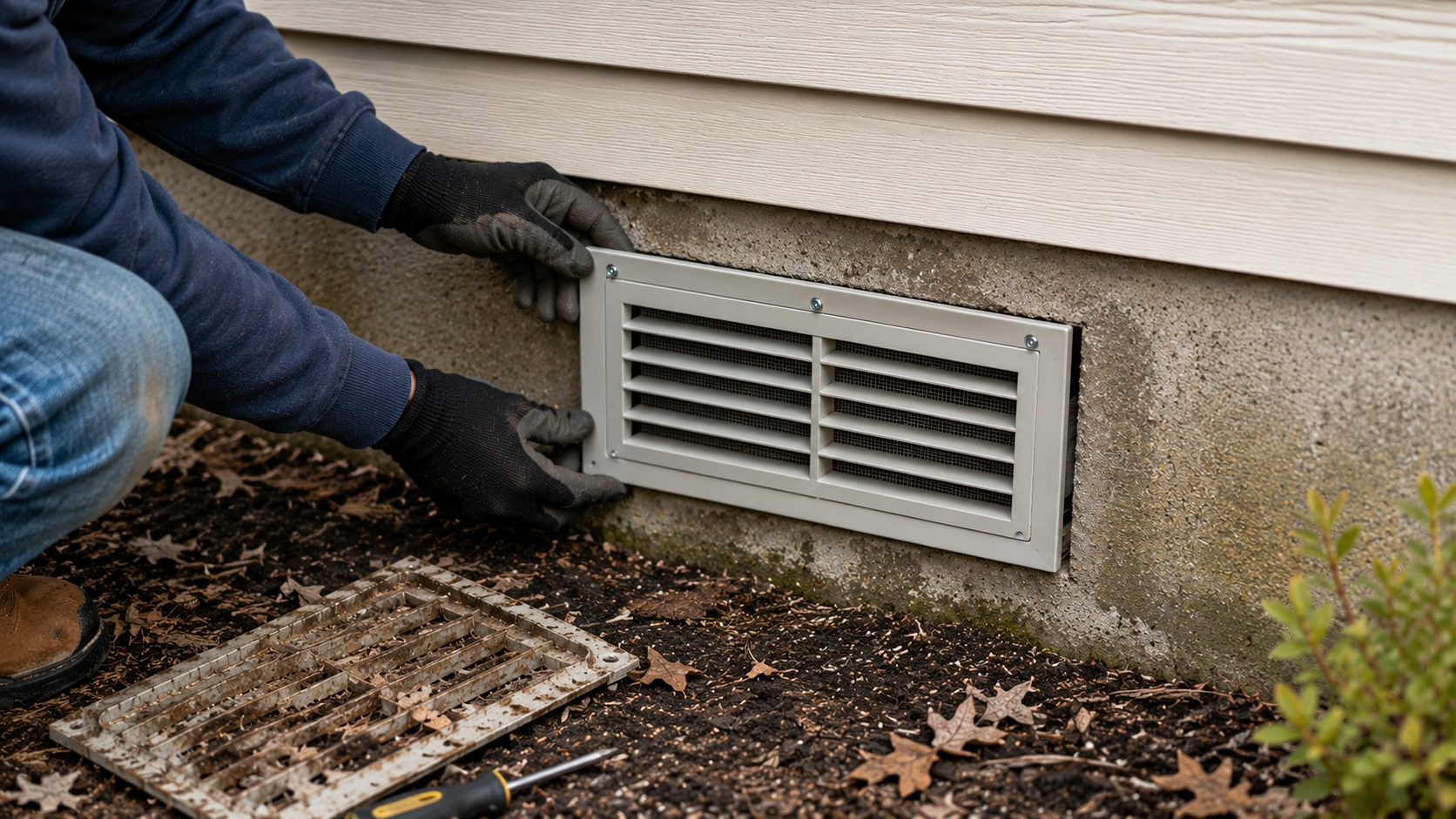
Best Crawl Space Vent Covers for Moisture Control, Airflow, and Seasonal Protection
Introduction
Crawl space vents are easy to ignore until you notice one hanging loose, stuck open in winter, packed with leaves, or letting pests and damp air under the house.
The right vent cover can help replace a damaged foundation vent, improve seasonal control, reduce pest entry, or support a larger crawl space project that also includes drainage, vapor barriers, or humidity control. The wrong one can leave gaps around the foundation, block airflow when you still need it, or make the crawl space look “fixed” while damp soil, musty odors, or wood moisture continue underneath.
This guide to the best crawl space vent covers focuses on practical products homeowners can use for common residential crawl space situations. Some picks are automatic foundation vents that open and close with temperature changes. Others are manual replacements, removable winter covers, or powered vent options.
Whether you need automatic foundation vents, removable crawl space vent covers, or a simple replacement for damaged foundation vent covers, the goal is to control the opening without ignoring deeper moisture problems.
If your crawl space already has standing water, mold growth, rotting joists, or persistent dampness, vent covers alone are not a complete fix. In that case, start with a broader moisture evaluation such as Structural Moisture Problems in Homes: Causes, Risks, and Repair Guide before relying on a simple vent replacement.
As an Amazon Associate, DryHomeGuide earns from qualifying purchases, at no extra cost to you.
Quick Picks Summary
| Category | Product | Best Use | Amazon Link |
|---|---|---|---|
| Best Overall | Saiyugty 8″ x 16″ Automatic Foundation Vent | Replacing a standard crawl space vent with an automatic open/close vent | Check availability on Amazon |
| Best Name-Brand Automatic Vent | GAF Master Flow 16 in. x 8 in. Automatic Open/Close Foundation Vent Black – FVRABL | Homeowners who prefer a recognized building-products brand | Check availability on Amazon |
| Best Manual Replacement Vent | Crawl Space Door Systems Foundation Vent Replacement for 16″ x 8″ Openings | Simple manual vent replacement for standard foundation openings | Check availability on Amazon |
| Best Removable Winter Cover | Vanity Vents Crawl Space Vent Cover + Set of 2 Inch Polyethylene Foam Foundation Vent Plugs | Seasonal cold-weather vent blocking | Check availability on Amazon |
| Best Powered Option | Crawl Space Door Systems Crawl Space Power Vent – Foundation Vent | Active exhaust ventilation where passive venting is not enough | Check availability on Amazon |
Important: Crawl space vent covers are fit-dependent products. Before ordering, measure the actual foundation opening and check whether your existing vent is mortared, screwed, clipped, or pressure-fitted in place.
I kept this list intentionally short because crawl space vent covers are a narrow, fit-sensitive category. Some similar recessed covers were left out because sizing and return-risk concerns made them harder to recommend as main picks.
Before You Buy a Crawl Space Vent Cover
- Measure the actual foundation opening, not just the old cover.
- Check whether your crawl space is vented, sealed, or partially encapsulated.
- Look for standing water, musty odors, wet insulation, or visible wood damage before covering vents.
- Decide whether you need automatic operation, manual control, seasonal blocking, or powered airflow.
Best Crawl Space Vent Covers Reviewed
Best Overall: Saiyugty 8″ x 16″ Automatic Foundation Vent
The Saiyugty 8″ x 16″ Automatic Foundation Vent is the strongest overall pick for homeowners who want to replace a standard crawl space vent with a temperature-responsive model. It is designed for common 8-by-16-inch foundation vent openings and uses a built-in automatic mechanism to open in warmer conditions and close in colder conditions. That makes it useful for homeowners who do not want to manually open and close crawl space vents every season.
This style makes the most sense when your crawl space is still being managed as a vented space, not when you are trying to permanently seal every foundation opening. It can help replace a broken or missing vent cover, reduce large gaps around the foundation opening, and provide more consistent seasonal operation than old metal vents that may be rusted, bent, or stuck. It can improve the vent opening, but it will not dry wet soil, remove mold, or correct drainage problems under the house.
For those issues, you may also need to investigate signs of moisture in crawl spaces and the source of the dampness.
Bottom line: This is the most practical first choice if you need a standard automatic crawl space foundation vent replacement.
Key Features
- Designed for common 8″ x 16″ crawl space foundation vent openings
- Automatic open/close operation based on temperature changes
- Useful replacement for damaged, missing, or stuck foundation vents
- Includes a vented design that allows airflow when open
- Black finish works with many foundation exteriors
Pros
- ✔ Good fit for standard crawl space vent replacement projects
- ✔ Automatic operation reduces the need for seasonal manual adjustment
- ✔ Strongest main pick for a general homeowner buyer guide
- ✔ Helpful when old vents no longer open or close properly
Cons
- ✖ Must be measured carefully before ordering
- ✖ Not intended to solve major crawl space water intrusion by itself
- ✖ Automatic vents may not be the right choice for a fully sealed crawl space
Best For
- Homeowners replacing a damaged 8″ x 16″ foundation vent
- Vented crawl spaces that need automatic seasonal airflow control
- Buyers who want a simple crawl space vent cover upgrade without wiring
Check the Saiyugty 8″ x 16″ Automatic Foundation Vent on Amazon to see current availability.
Best Name-Brand Automatic Vent: GAF Master Flow 16 in. x 8 in. Automatic Open/Close Foundation Vent Black – FVRABL
The GAF Master Flow Automatic Open/Close Foundation Vent is a good option for homeowners who prefer buying from a more established building-products brand. Like the Saiyugty model, it is made for standard crawl space foundation vent openings and is designed to open and close automatically as temperatures change.
The main reason to keep this one on the shortlist is brand familiarity. GAF Master Flow is a known name in roofing and ventilation products, which may matter to homeowners who are cautious about generic crawl space parts. However, this pick should be presented as a name-brand alternative rather than the strongest review-volume pick. The crawl space vent cover category is thin on Amazon, and some good specialty products do not have the same review depth as broader household products.
This vent is best for replacing an old manual or damaged vent in a crawl space where seasonal airflow still makes sense. If you are unsure whether your crawl space should remain vented or be closed and sealed, read more about why crawl space ventilation can cause moisture problems before choosing an automatic vent.
Bottom line: Choose this if you want an automatic foundation vent but prefer a more recognizable building-products brand.
Key Features
- Automatic open/close design for seasonal temperature changes
- Made for common 16″ x 8″ crawl space foundation vent openings
- Black exterior finish
- Recognizable building-products brand
- Designed to replace older foundation vents
Pros
- ✔ Good choice for homeowners who prefer a known brand
- ✔ Automatic operation is convenient for seasonal changes
- ✔ Fits a common crawl space vent opening size
- ✔ Useful for replacing old vents that are rusted, missing, or stuck
Cons
- ✖ Lower Amazon review volume than some broader home products
- ✖ Still requires accurate measurement before installation
- ✖ Not the right product for every encapsulated crawl space
Best For
- Homeowners who want an automatic foundation vent from a recognized brand
- Standard crawl space openings where temperature-based venting is desired
- Replacing older vents that are rusted, missing, or stuck
Check the GAF Master Flow Automatic Foundation Vent on Amazon to see current availability.
Best Manual Replacement Vent: Crawl Space Door Systems Foundation Vent Replacement for 16″ x 8″ Openings
The Crawl Space Door Systems Foundation Vent Replacement is the best fit in this list for homeowners who want a straightforward manual replacement vent instead of an automatic one. Manual vents are not fancy, but that is part of the appeal: you know exactly when they are open and when they are closed.
It is also a practical pick when the old vent screen is torn and the opening has become an easy entry point for insects or small pests.
This is useful when your existing metal vent is bent, loose, corroded, missing a screen, or no longer closes tightly. A manual replacement vent can also be a good choice if you do not trust automatic mechanisms or if you want to personally control when the crawl space is open or closed. That said, manual control only works if you remember to adjust the vents and understand when ventilation helps or hurts.
Think of this as a vent replacement, not a full crawl space repair strategy. If the crawl space has persistent damp air, musty odors, visible fungal growth, or condensation on framing, a vent replacement may only address one piece of the problem. Use it alongside a broader inspection plan, especially if you are also considering vapor barriers, drainage improvements, or a crawl space dehumidifier.
Bottom line: This is the best pick if you want a simple manual foundation vent replacement without automatic or powered parts.
Key Features
- Manual replacement vent for 16″ x 8″ crawl space openings
- Useful for replacing damaged or worn foundation vents
- Simple design without electrical wiring or automatic temperature parts
- Helps restore a more finished, controlled vent opening
- Appropriate for homeowners who want direct seasonal control
Pros
- ✔ Simple manual operation
- ✔ Good option when automatic vents are not desired
- ✔ Helps replace old, damaged, or loose crawl space vents
- ✔ No wiring or powered components required
Cons
- ✖ Requires the homeowner to manage open and closed positions
- ✖ Not as convenient as an automatic vent
- ✖ Fit depends on accurate foundation opening measurements
Best For
- Homeowners replacing a basic damaged foundation vent
- People who prefer manual seasonal control
- Vented crawl spaces where a simple replacement is enough
Best Removable Winter Cover: Vanity Vents Crawl Space Vent Cover + Set of 2 Inch Polyethylene Foam Foundation Vent Plugs
The Vanity Vents Crawl Space Vent Cover with foam foundation vent plugs is the most practical option in this list for temporary seasonal sealing. Instead of replacing the entire foundation vent, this style of product is meant to help block cold air and drafts through existing crawl space vents during colder months.
This is the kind of product homeowners often look for after noticing cold floors above the crawl space or drafts near plumbing lines during winter.
This can be useful in homes where winter air blowing through crawl space vents contributes to cold floors, frozen pipe risk, or uncomfortable drafts. It is also a convenient option for homeowners who do not want to permanently seal their vent openings. Because the covers are removable, they can be used as part of a seasonal routine rather than a permanent crawl space conversion.
The caution is that winter covers can trap problems if they are used blindly. If the crawl space is already damp, closing vents may reduce cold air movement but does not remove ground moisture.
Before using seasonal covers, check for standing water, wet insulation, musty odors, pest entry, and blocked vents. If moisture keeps returning, you may need to look into persistent crawl space moisture problems rather than only covering vents.
Bottom line: Choose this for temporary winter draft control, not as a permanent fix for crawl space moisture.
Key Features
- Designed for seasonal crawl space vent covering
- Includes foam-style plugs for blocking vent openings
- Useful for reducing winter drafts through foundation vents
- Removable design for seasonal use
- Good option when permanent vent replacement is not needed
Pros
- ✔ Good for temporary winter vent blocking
- ✔ Does not require replacing the whole foundation vent
- ✔ Helpful for draft reduction in cold weather
- ✔ Removable when seasonal airflow is needed again
Cons
- ✖ Not a permanent crawl space encapsulation solution
- ✖ Should not be used to hide an active moisture problem
- ✖ Fit and sealing quality depend on the existing vent opening
Best For
- Homeowners who want removable winter crawl space vent covers
- Cold-weather draft reduction through foundation vents
- Seasonal use where permanent sealing is not the goal
Best Powered Option: Crawl Space Door Systems Crawl Space Power Vent – Foundation Vent
The Crawl Space Door Systems Crawl Space Power Vent belongs in a different category than a basic snap-in or manual vent cover. It is a powered foundation vent designed to move air actively instead of relying only on passive airflow through the crawl space opening.
A powered vent has a narrower use case than the other picks: it is for active airflow, not simply covering a hole in the foundation. It can make sense when a crawl space truly needs active exhaust, but it is also the easiest option to choose for the wrong reason.
Powered crawl space ventilation can help move air, but it does not automatically fix water intrusion, soil moisture, drainage problems, or high outdoor humidity. In some climates, pulling humid outdoor air into or through a crawl space can make moisture conditions worse if the rest of the system is not planned correctly.
Choose this only if you know whether the dampness is coming from poor airflow, exposed soil, outside humidity, plumbing leaks, or drainage around the foundation. It may be a useful tool in specific vented crawl space setups, but it should not replace drainage correction, ground vapor barriers, or dehumidification when those are needed. If your crawl space has chronic humidity or musty air, compare this option with crawl space dehumidifiers and not just passive vent covers.
If you are not comfortable with electrical work or local code requirements, treat a powered vent as a professional-installation product rather than a simple snap-in cover.
Bottom line: This is the right pick only when you specifically need powered airflow and understand the crawl space moisture source.
Key Features
- Powered foundation vent for active crawl space exhaust
- Designed for standard foundation vent openings
- Useful when passive venting is not enough for the planned airflow strategy
- Different from a simple solid or automatic vent cover
- Best considered as part of a larger crawl space ventilation plan
Pros
- ✔ Provides active airflow instead of passive venting only
- ✔ Useful for homeowners specifically looking for powered ventilation
- ✔ Can replace a standard foundation vent in the right setup
- ✔ Better suited to airflow problems than a solid cover
Cons
- ✖ More complex than a standard vent cover
- ✖ Not the right solution for every damp crawl space
- ✖ May require electrical planning or installation comfort
- ✖ Does not solve drainage, standing water, or ground vapor issues by itself
Best For
- Homeowners who specifically want active crawl space exhaust
- Vented crawl spaces where passive airflow is not enough
- Situations where ventilation is part of a broader moisture-control plan
Check the Crawl Space Door Systems Crawl Space Power Vent on Amazon to see current availability.
Product Comparison Table
| Product | Category Label | Best Use Case | Key Strengths | Main Limitation | Amazon Link |
|---|---|---|---|---|---|
| Saiyugty 8″ x 16″ Automatic Foundation Vent | Best Overall | Standard automatic foundation vent replacement | Automatic open/close operation, common size, strong general-purpose fit | Not suitable as a standalone fix for serious crawl space moisture | View on Amazon |
| GAF Master Flow Automatic Open/Close Foundation Vent Black – FVRABL | Best Name-Brand Automatic Vent | Automatic vent replacement from a known building-products brand | Recognizable brand, automatic operation, standard vent size | Lower Amazon review volume than broader consumer products | View on Amazon |
| Crawl Space Door Systems Foundation Vent Replacement | Best Manual Replacement Vent | Replacing a basic damaged vent with manual control | Simple design, no wiring, direct seasonal control | Requires manual opening and closing | View on Amazon |
| Vanity Vents Crawl Space Vent Cover + Foam Foundation Vent Plugs | Best Removable Winter Cover | Temporary cold-weather vent blocking | Removable, useful for winter drafts, does not require full vent replacement | Not a permanent moisture-control or encapsulation system | View on Amazon |
| Crawl Space Door Systems Crawl Space Power Vent | Best Powered Option | Active crawl space exhaust ventilation | Moves air actively, useful when passive airflow is not enough | More complex and not appropriate for every moisture problem | View on Amazon |
Which Type of Crawl Space Vent Cover Should You Choose?
Choose an automatic foundation vent if your crawl space is still vented and you want seasonal opening and closing without remembering to adjust each vent by hand.
Choose a manual replacement vent if you want the simplest possible repair for a broken or damaged foundation vent. This is often enough when the old vent is rusted, loose, missing a screen, or no longer closes correctly.
Choose a removable winter cover if your main problem is cold air moving through the crawl space during winter. Just remember that a winter cover is for seasonal draft control, not for drying wet soil or fixing drainage problems.
Choose a powered crawl space vent only when airflow is the specific problem you are trying to solve. If the crawl space is damp because of standing water, exposed soil, poor grading, or plumbing leaks, powered ventilation may not address the real source.
How to Choose the Best Crawl Space Vent Cover for Your Home
Decide Whether You Need a Vented or Sealed Crawl Space
Before buying any crawl space vent cover, decide what you are actually trying to accomplish. A vented crawl space needs controlled airflow. A sealed or encapsulated crawl space usually needs vents closed as part of a larger system. Those are different strategies.
For example, if the crawl space smells worse after rainy weeks, the problem may be drainage or ground moisture, not the vent cover itself.
If the crawl space has normal foundation vents and the old covers are broken, an automatic or manual replacement may be enough. If you are converting the crawl space into a closed system, solid sealing covers may make more sense, but only when paired with the right vapor barrier, air sealing, drainage, and humidity control. For a deeper overview, read what crawl space encapsulation is and how it works.
The best foundation vent cover for one home may be wrong for another if the crawl space is being sealed, vented, conditioned, or encapsulated.
If your goal is long-term moisture control, vent covers should fit into a broader plan to prevent moisture build-up in crawl spaces.
For a whole-home view of moisture sources, see our guide on how to find, fix, and prevent moisture problems in homes.
One practical rule: if the vent cover is the only problem you can find, replacing it may be enough. If the crawl space smells damp, the insulation is sagging, or the soil looks wet, treat the vent cover as only one clue.
Measure the Opening, Not Just the Old Cover
Most crawl space vent covers are sold around common 8″ x 16″ or 16″ x 8″ foundation vent openings, but that does not mean every opening is exact. Measure the actual masonry or foundation opening before buying. Also check the depth, surrounding material, and whether the old vent is mortared, screwed, or pressure-fitted into place.
For most homeowners, the safest starting point is to look for an 8 x 16 crawl space vent cover only after confirming the actual opening size.
A product that is close but not correct can leave gaps around the edges. Those gaps may allow pests, drafts, or humid air to bypass the cover. In this category, fit matters more than brand name.
Choose Automatic Foundation Vents for Seasonal Convenience
Automatic foundation vents are best for homeowners who want vents to open and close with temperature changes without remembering to adjust them manually. They are especially useful when old vents are stuck open in winter or stuck closed in warmer months.
Automatic vents are not perfect for every climate or crawl space design, but they are convenient for traditional vented crawl spaces where seasonal airflow is still part of the moisture-control plan.
Choose Manual Vents for Direct Control
Manual replacement vents are simple and reliable when you want direct control. They do not rely on temperature-sensitive parts, wiring, or powered airflow. The tradeoff is that you have to manage them correctly.
Manual vents are a good fit if you already inspect your crawl space seasonally, understand your local humidity patterns, and want a simple replacement for old vents.
Choose Removable Crawl Space Vent Covers for Winter Drafts
Removable crawl space vent covers are best for cold-weather use. They can help reduce drafts through foundation vents and may help protect pipes in colder crawl spaces. They are also helpful when you do not want to permanently alter the vent opening.
Winter crawl space vent covers are mainly for seasonal draft control, not for drying a wet crawl space.
However, removable winter covers should not be used to ignore damp crawl space conditions. If you cover vents and the crawl space becomes mustier, wetter, or more humid, remove the covers and investigate the moisture source.
Be Careful With Powered Ventilation
Powered crawl space vents can move more air than passive vents, but more airflow is not always better. If the outside air is humid, a powered vent may pull in moisture instead of solving the problem. If there is standing water or exposed soil, the source of moisture may be below the crawl space, not in the air exchange rate.
A powered crawl space vent can help move air, but it should be chosen for a specific airflow problem rather than as a general moisture cure.
Powered vents make the most sense when you already know where the air is coming from, where it is going, and where the moisture is coming from. If you do not, start with how to inspect crawl spaces for moisture damage before choosing a powered option.
If airflow is the real problem, it may help to first understand how to improve airflow in crawl spaces before choosing a powered vent.
How to Install and Use Crawl Space Vent Covers Correctly
Inspect the Crawl Space Before Installing New Covers
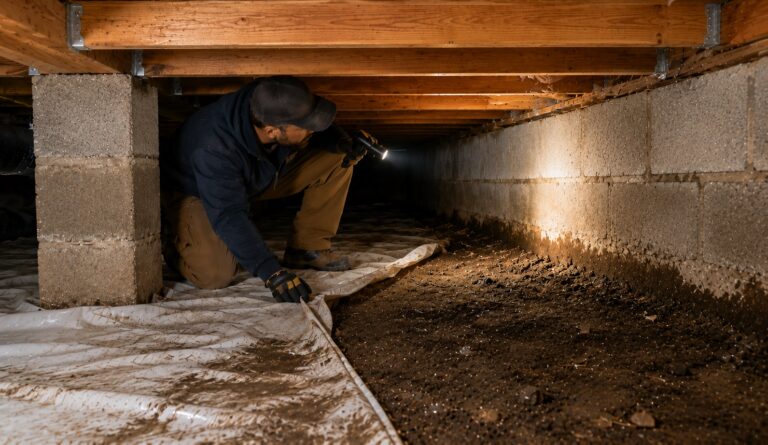
Do not install new crawl space vent covers without first looking inside the crawl space. Check for standing water, wet insulation, wood discoloration, rusted metal, pest activity, musty odors, and visible mold-like growth. New vent covers can improve an opening, but they can also hide symptoms if you never inspect the crawl space again.
Clean the Opening Before Installation
Remove loose debris, old caulk, crumbling mortar, leaves, spider webs, and damaged screen material around the vent opening. A clean opening helps the replacement vent or removable cover sit more evenly. It also makes it easier to see whether the foundation opening is square or distorted.
If the surrounding mortar or block edge is crumbling, repair that first. A new vent cover cannot seal well against a loose or broken foundation edge.
Do Not Force a Poor Fit
If the product does not sit correctly, do not force it into place and assume the gaps are harmless. Gaps can allow pests and outdoor air to bypass the cover. If the opening is uneven, you may need shims, sealant, mortar repair, or a different style of vent.
Keep Screens and Louvers Clear
Even the best crawl space vent covers can fail to perform if leaves, mulch, insulation, or stored items block airflow. Keep the exterior vent area clear. Avoid piling mulch directly against vents, and make sure landscaping does not block the opening.
If leaves, insulation, mulch, or debris keep returning, use this guide to inspect crawl space vents for blockages.
Watch Humidity After Changing Vent Behavior
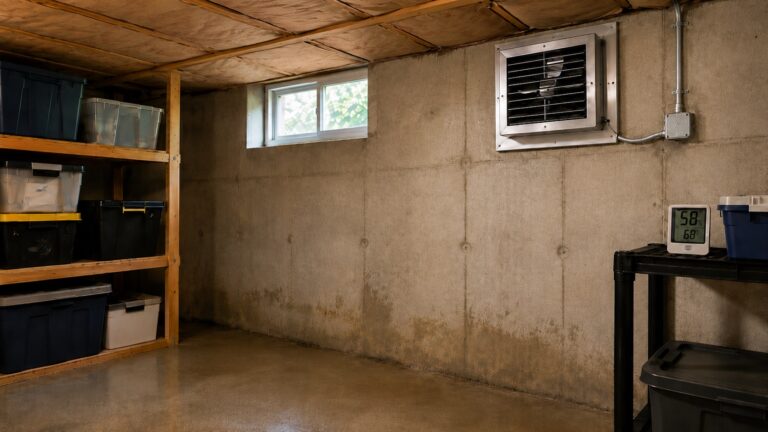
After installing automatic vents, manual vents, winter covers, or a powered vent, check the crawl space again over the next few weeks. A simple hygrometer can help you see whether humidity is improving or getting worse. If conditions stay damp, the problem may require a vapor barrier, drainage correction, or dehumidification instead of another vent cover.
A small digital hygrometer in the crawl space can help you see whether the new vent setup is actually improving conditions or just changing airflow.
Common Mistakes to Avoid
Buying by Product Size Without Measuring
The most common mistake is assuming every crawl space vent opening is exactly 8″ x 16″. Many are close, but not exact. Some older foundations have rough masonry openings, altered vents, or previous repairs that change the fit.
Using Vent Covers to Hide a Moisture Problem
Vent covers can help control an opening, but they cannot remove standing water, dry wet soil, repair drainage problems, or reverse wood damage. If your crawl space smells musty or has visible water, treat the vent cover as only one part of the fix.
Closing Vents Without a Larger Plan
Closing crawl space vents can be useful in the right situation, especially in sealed or encapsulated crawl spaces. But closing vents without a ground vapor barrier or humidity strategy can trap moisture. If your goal is permanent sealing, consider how vent covers fit with crawl space vapor barriers and long-term moisture control.
Using Powered Vents as a Cure-All
A powered vent may move air, but it does not automatically create a dry crawl space. If the crawl space is pulling humid outdoor air, or if moisture is rising from exposed soil, a fan may not solve the root issue. Diagnose before you install powered ventilation.
Ignoring Pest Resistance
Broken vents often become pest entry points. When replacing a vent cover, look closely at the screen, louvers, frame, and edge fit. A vent that looks fine from a distance may still leave enough space for insects or small animals.
Forgetting Seasonal Maintenance
Crawl space vent covers are not install-and-forget products. Check them at least seasonally. Look for stuck louvers, clogged screens, cracked plastic, rusted metal, loose screws, and gaps around the frame.
FAQ About the Best Crawl Space Vent Covers
What are the best crawl space vent covers for most homes?
For many traditional vented crawl spaces, an automatic 8″ x 16″ foundation vent is the most convenient replacement because it opens and closes with temperature changes. The Saiyugty 8″ x 16″ Automatic Foundation Vent is the best overall pick in this guide. However, the best choice depends on whether your crawl space should remain vented, be manually controlled, or be sealed as part of encapsulation.
Should crawl space vents be open or closed?
It depends on the crawl space design, climate, and moisture source. Some older vented crawl spaces rely on seasonal airflow. Many modern moisture-control strategies use closed or encapsulated crawl spaces with vapor barriers and humidity control. Do not assume that open vents always solve moisture or that closed vents are always better.
Do crawl space vent covers prevent mold?
No crawl space vent cover can guarantee mold prevention. A cover may help control airflow, drafts, pests, or seasonal vent operation, but mold prevention depends on controlling moisture. If there is damp soil, poor drainage, high humidity, wet insulation, or leaking plumbing, those problems still need to be corrected.
Are automatic crawl space vents worth it?
Automatic crawl space vents can be worth it if you have a traditional vented crawl space and want seasonal operation without manually opening and closing vents. They are especially useful when older vents are stuck, broken, or missing. They are less useful if your crawl space needs a full sealed or encapsulated moisture-control system.
Can I use foam vent plugs all year?
Foam vent plugs are usually best for temporary or seasonal use unless they are part of a planned sealed crawl space system. If you leave them in year-round, monitor humidity and check for musty odors, condensation, or wood moisture. If conditions worsen, the crawl space may need a different strategy.
Are powered crawl space vents better than passive vent covers?
Powered vents move air actively, but that does not automatically make them better. They may help in certain airflow strategies, but they can also pull humid outdoor air through the crawl space if conditions are wrong. Passive vents, automatic vents, sealed covers, vapor barriers, and dehumidifiers all solve different parts of the problem.
What size crawl space vent cover do I need?
Many foundation vents are sold for 8″ x 16″ or 16″ x 8″ openings, but you should measure your actual opening before ordering. Measure the width, height, and depth of the foundation opening, not just the old cover. Also check whether the old vent is attached with screws, mortar, clips, or pressure fit.
If your old foundation vent is warped, rusted, or missing its screen, a crawl space foundation vent replacement is usually better than trying to patch the old one.
When should I call a crawl space professional?
Call a professional if you see standing water, sagging insulation, rotting wood, mold growth on joists, repeated musty odors, damaged ductwork, or signs of structural movement. A vent cover may improve the opening, but it will not fix serious crawl space moisture or structural damage.
Conclusion
The best crawl space vent cover depends on what you need the vent to do. For most homeowners replacing a damaged standard vent, the Saiyugty 8″ x 16″ Automatic Foundation Vent is the best overall choice because it offers automatic seasonal operation in a common crawl space vent size. If you prefer a recognized building-products brand, the GAF Master Flow Automatic Foundation Vent is the best name-brand alternative.
Choose the Crawl Space Door Systems Foundation Vent Replacement if you want simple manual control. Choose the Vanity Vents Crawl Space Vent Cover and Foam Plug Kit if your main goal is removable winter draft blocking. Consider the Crawl Space Door Systems Crawl Space Power Vent only when you specifically need powered airflow and understand the crawl space moisture source.
Most importantly, do not expect a vent cover to solve every crawl space problem. If the space is wet, musty, moldy, or structurally damaged, start with moisture diagnosis first. Vent covers are useful parts, but lasting crawl space protection comes from controlling water entry, ground moisture, humidity, airflow, and structural damage together.
The safest approach is simple: replace broken vent covers, but do not let a new cover become a bandage over a wet crawl space.