
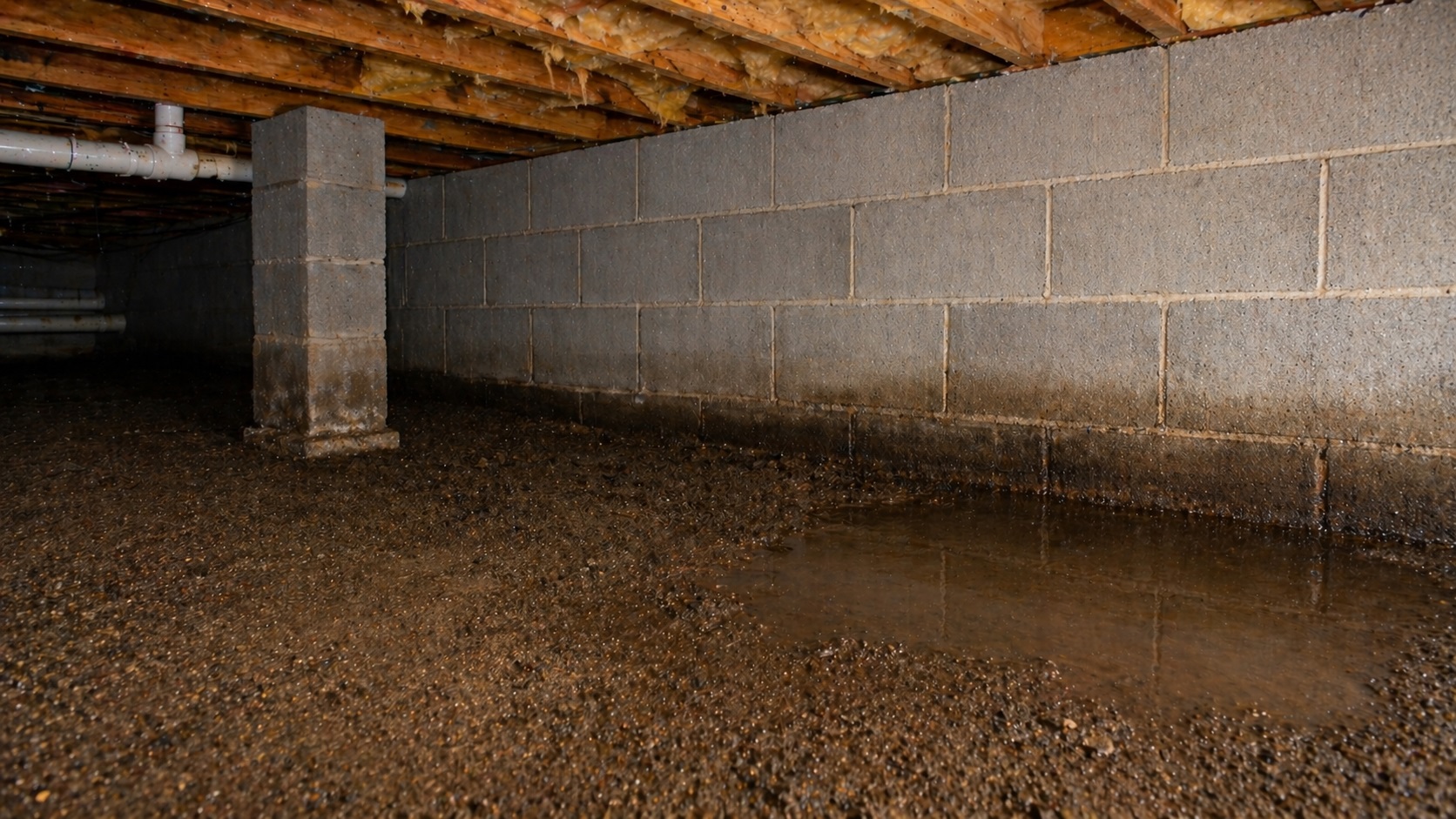
Best Crawl Space Vapor Barriers for Moisture Control
A crawl space vapor barrier or crawl space moisture barrier helps block ground moisture before it rises into the floor system, insulation, framing, and indoor air. Choosing from the best crawl space vapor barriers helps ensure moisture stays contained before it spreads into insulation and structural materials.
If your crawl space has damp soil, musty odors, high humidity, or early mold concerns, choosing the right liner matters. A thin plastic sheet may help in a clean, dry crawl space, but rough soil, gravel, standing moisture, or long-term encapsulation usually requires a thicker and more durable barrier.
This guide focuses on the best crawl space vapor barriers available on Amazon for homeowners who want practical moisture protection without overcomplicating the project. The main difference between these products is not just the brand. It is the thickness, material type, tear resistance, and how well the barrier fits your crawl space conditions.
For broader crawl space moisture planning, you can also visit the Moisture Control category on DryHomeGuide.
Disclosure: As an Amazon Associate, this site earns from qualifying purchases. This does not affect the price you pay. Our recommendations are based on research, product reliability, and real-world usability in moisture-prone environments.
Who This Crawl Space Vapor Barrier Guide Is For
This guide is for homeowners who want to choose a crawl space vapor barrier based on real moisture conditions, not just product names. It is especially useful if your crawl space has damp soil, musty odors, visible condensation, or a history of humidity problems.
- Homeowners dealing with damp crawl spaces
- DIY installers planning a crawl space moisture-control project
- Homes with musty odors or humidity concerns
- Property owners preparing for crawl space encapsulation
- Anyone comparing 6 mil, 10 mil, 12 mil, and 20 mil vapor barriers
Quick Picks: Best Crawl Space Vapor Barriers
- Best Overall: Farm Plastic Supply Crawl Space Vapor Barrier, 20 Mil Black/White
- Best Heavy-Duty Option: PureSpace Armor 20 Mil Crawl Space Vapor Barrier
- Best Reinforced Barrier: Whitecap 12 Mil Woven Vapor Barrier Plastic Sheeting
- Best Mid-Thickness Option: Farm Plastic Supply Crawl Space Vapor Barrier, 10 Mil
- Best Budget Option: Farm Plastic Supply 6 Mil Clear Plastic Sheeting
Farm Plastic Supply Crawl Space Vapor Barrier, 10 Mil
Category Label: Best Mid-Thickness Option
The Farm Plastic Supply Crawl Space Vapor Barrier, 10 Mil is a practical middle-ground option for homeowners who want stronger protection than thin plastic but do not need the full weight and durability of 20 mil material. In many standard crawl spaces with reasonably smooth soil, a 10 mil vapor barrier offers a reliable balance between strength, flexibility, and ease of installation.
This thickness is commonly used in residential crawl spaces where moderate moisture is present but the ground surface is not heavily covered with sharp debris. It is also easier to handle than heavy-duty liners, making it a realistic choice for DIY installation projects.
Key Features:
- 10 mil polyethylene vapor barrier thickness
- Stronger than standard 6 mil plastic sheeting
- More flexible than heavy-duty liners
- Suitable for moderate moisture environments
- Balanced durability and workability
Pros:
- ✔ Good balance between strength and flexibility
- ✔ Easier to install than thicker materials
- ✔ Suitable for many typical crawl spaces
- ✔ Better tear resistance than thin plastic
- ✔ Practical for DIY projects
Cons:
- ✖ Not ideal for sharp gravel or heavy debris
- ✖ Less durable than 20 mil liners
- ✖ May wear faster in high-moisture environments
Best For:
- Standard residential crawl spaces
- Moderate moisture conditions
- DIY installation projects
- Homes with relatively smooth soil surfaces
Farm Plastic Supply 6 Mil Clear Plastic Sheeting
Category Label: Best Budget Option
The Farm Plastic Supply 6 Mil Clear Plastic Sheeting is the most economical option in this lineup and can be useful for basic crawl space moisture control where conditions are mild. While it does not offer the durability of thicker liners, it can still serve as an entry-level vapor barrier in crawl spaces with smooth soil and minimal debris.
This thickness is commonly used for temporary installations or situations where budget constraints are a primary concern. It can also work well in crawl spaces that are rarely accessed and do not experience heavy moisture pressure.
Check the Farm Plastic Supply 6 Mil Clear Plastic Sheeting on Amazon to see current availability.
Key Features:
- 6 mil polyethylene plastic sheeting
- Lightweight and flexible material
- Easy to cut and position
- Budget-friendly moisture barrier option
- Useful for basic moisture reduction
Pros:
- ✔ Lowest-cost option in this lineup
- ✔ Lightweight and easy to handle
- ✔ Simple to install in tight crawl spaces
- ✔ Useful for low-risk environments
- ✔ Widely used as an entry-level barrier
Cons:
- ✖ More vulnerable to punctures and tears
- ✖ Shorter lifespan than thicker materials
- ✖ Not recommended for rough ground
- ✖ Limited durability under heavy moisture conditions
Best For:
- Low-budget crawl space projects
- Smooth soil surfaces
- Temporary moisture protection
- Dry or low-moisture crawl spaces
Crawl Space Vapor Barrier Comparison Table
Choosing the right crawl space vapor barrier depends on thickness, durability, and how rough your crawl space conditions are. This side-by-side comparison makes it easier to understand which option fits your situation.
| Product | Thickness | Material Type | Durability Level | Best For |
|---|---|---|---|---|
| Farm Plastic Supply 20 Mil Vapor Barrier | 20 Mil | Polyethylene | Very High | Long-term moisture control, rough ground |
| PureSpace Armor 20 Mil Vapor Barrier | 20 Mil | Polyethylene | Very High | Encapsulation projects, humid crawl spaces |
| Whitecap 12 Mil Woven Vapor Barrier | 12 Mil | Woven Reinforced | High | Gravel or rough soil conditions |
| Farm Plastic Supply 10 Mil Vapor Barrier | 10 Mil | Polyethylene | Moderate–High | Standard crawl spaces |
| Farm Plastic Supply 6 Mil Plastic Sheeting | 6 Mil | Polyethylene | Basic | Budget installations, smooth soil |
How to Choose the Right Crawl Space Vapor Barrier
Selecting the right crawl space vapor barrier is not just about picking the thickest plastic available. The correct choice depends on your crawl space conditions, moisture level, and how long you expect the barrier to last.
If your crawl space has already shown signs of moisture problems, such as musty odors or visible damp soil, choosing the right thickness becomes even more important. You may also want to review other moisture control solutions available in the Moisture Control category.
Choosing the Right Vapor Barrier Thickness
The thickness of a crawl space vapor barrier is measured in mils. One mil equals one-thousandth of an inch. Thicker materials are more resistant to tearing and punctures, especially when installed over uneven soil or gravel.
Below is a practical breakdown of common thickness levels used in residential crawl spaces.
| Thickness | Typical Use | Risk Level | Expected Lifespan |
|---|---|---|---|
| 6 Mil | Basic moisture protection | Higher puncture risk | 1–5 years |
| 10 Mil | Standard crawl spaces | Moderate risk | 5–10 years |
| 12 Mil Woven | Rough ground conditions | Low risk | 10–15 years |
| 20 Mil | Encapsulation-grade installs | Very low risk | 15–25 years |
Understanding Polyethylene vs Woven Vapor Barriers
Not all crawl space vapor barriers are made of the same material. While thickness matters, the material’s structure also plays a role in durability and tear resistance.
If humidity remains high after installing a vapor barrier, additional equipment such as a dehumidifier may be necessary. See our guide to best crawl space dehumidifiers for more options.
Polyethylene Vapor Barriers
Most crawl space liners are made of polyethylene. The term “crawl space liner” is often used interchangeably with “vapor barrier,” especially in professional installation guides. These are smooth plastic sheets designed to prevent ground moisture from rising into the crawl space.
Polyethylene vapor barriers are widely used because they are flexible, waterproof, and relatively easy to install. Most homeowners will find that polyethylene materials work well in crawl spaces with smooth soil or light debris.
Common thicknesses include 6 mil, 10 mil, and 20 mil, with durability increasing as thickness increases.
- ✔ Flexible and easy to position
- ✔ Widely available in multiple thicknesses
- ✔ Suitable for most crawl spaces
- ✔ Good moisture-blocking performance
Woven Reinforced Vapor Barriers
Woven vapor barriers use reinforced fibers within the material to improve tear resistance. Instead of relying only on thickness, these materials use structural reinforcement to handle rough conditions.
This type of vapor barrier is especially helpful in crawl spaces with gravel, roots, or uneven soil. If your crawl space includes areas where maintenance workers may need to move across the liner occasionally, reinforced materials can provide additional durability.
- ✔ Improved tear resistance
- ✔ Better performance on rough surfaces
- ✔ Useful in crawl spaces requiring maintenance access
- ✔ Strong alternative to standard plastic liners
When Reinforced Barriers Make More Sense Than Thicker Plastic
Many homeowners assume that thicker plastic is always better, but in some crawl spaces, reinforced materials may provide better performance than simply increasing thickness. Woven vapor barriers use internal reinforcement that helps resist tearing even when installed over rough surfaces.
For example, a reinforced 12 mil barrier may perform better than a smooth 10 mil sheet when installed over gravel or uneven ground. This makes reinforced materials especially useful in crawl spaces that require occasional access for plumbing or maintenance.
- Choose reinforced material when: gravel, roots, or debris are present
- Choose thicker polyethylene when: long-term durability and puncture resistance are priorities
- Choose both when possible: rough ground and heavy moisture conditions exist
Matching Vapor Barrier Thickness to Ground Conditions
The condition of your crawl space floor is one of the most important factors when choosing a vapor barrier. Even a high-quality liner can fail quickly if installed over sharp debris or rough gravel without preparation.
Crawl Space Size and Thickness Planning
Crawl space size also affects which vapor barrier makes the most sense. Larger crawl spaces usually involve more seams, more overlap, and more surface area where damage can occur. For that reason, larger or harder-to-access crawl spaces often benefit from thicker material.
| Crawl Space Size | Recommended Thickness | Best Fit |
|---|---|---|
| Under 500 sq ft | 6–10 mil | Small, smooth, low-moisture crawl spaces |
| 500–1,000 sq ft | 10–12 mil | Typical residential crawl spaces |
| Over 1,000 sq ft | 12–20 mil | Larger crawl spaces, rough ground, or long-term moisture control |
Common Crawl Space Conditions and Recommended Thickness
Different crawl space environments require different vapor barrier strengths. The table below summarizes typical conditions and the thickness levels that work best in each scenario.
| Crawl Space Condition | Recommended Thickness | Reason |
|---|---|---|
| Smooth dirt or sand | 6–10 mil | Lower puncture risk |
| Minor gravel or uneven soil | 10–12 mil | Moderate tear resistance needed |
| Sharp gravel or roots | 12 mil woven or 20 mil | Higher tear risk |
| High-moisture crawl spaces | 20 mil | Maximum durability required |
Smooth Dirt or Sand Floors
If your crawl space floor is mostly smooth soil or sand with very little debris, thinner materials may still provide useful moisture protection. In many real homes, crawl spaces with sandy soil perform well with mid-range thickness materials when debris is minimal.
- Recommended Thickness: 6–10 mil
- Risk Level: Low
- Typical Use: Dry climates or clean crawl spaces
Moderately Rough Soil
Many crawl spaces contain small stones, uneven areas, or minor debris. In these conditions, thicker plastic becomes more important to prevent punctures.
- Recommended Thickness: 10–12 mil
- Risk Level: Moderate
- Typical Use: Standard residential crawl spaces
Gravel or Sharp Debris
If the crawl space contains gravel, roots, or construction debris, thin plastic barriers can tear quickly. Reinforced or thicker materials are usually necessary.
- Recommended Thickness: 12 mil woven or 20 mil
- Risk Level: High
- Typical Use: Rough or unfinished crawl spaces
Heavy Moisture Environments
Crawl spaces with standing water history, persistent humidity, or mold concerns require stronger protection. In these environments, heavier materials provide better long-term performance.
If standing water has occurred before, correcting drainage problems is equally important. See our guide to fixing crawl space drainage problems.
- Recommended Thickness: 20 mil
- Risk Level: Very High
- Typical Use: Encapsulation-grade installations
Setup and Usage Advice for Crawl Space Vapor Barriers
Installing a crawl space vapor barrier requires careful preparation. If you’re planning to install one yourself, follow our complete crawl space vapor barrier installation guide for detailed instructions.
Even a durable liner can fail if installed incorrectly or placed over sharp objects.
Basic Preparation Checklist Before Installing a Vapor Barrier
Before installing any crawl space vapor barrier, preparing the space properly helps prevent damage and improves long-term performance.
- Remove sharp rocks, wood scraps, and debris
- Smooth uneven soil areas
- Check for standing water or drainage problems
- Measure crawl space dimensions carefully
- Plan seam overlap areas before cutting material
For a complete walkthrough of installation techniques, see our step-by-step crawl space vapor barrier installation guide .
Prepare the Ground Surface
Before installing any vapor barrier, remove sharp rocks, wood scraps, and debris from the crawl space floor. Smoothing the surface reduces the chance of punctures and helps the barrier lie flat.
Safety Tip: Wear gloves and eye protection when clearing debris. Crawl spaces often contain sharp objects, exposed nails, and insect activity.
If your crawl space already shows signs of moisture damage, it may also be helpful to review moisture-related prevention steps in the How to Remove Mold Permanently guide.
Overlap Vapor Barrier Sheets
Most crawl space liners should overlap at seams to prevent moisture from escaping between sections. A common overlap range is 6 to 12 inches, depending on moisture conditions.
Seams should be sealed using specialized tape or sealant designed for vapor barriers. Using the correct sealing materials helps prevent moisture leaks at connection points.
For sealing seams effectively, consider reviewing compatible materials in the Best Vapor Barrier Tape and Sealants for Crawl Spaces guide.
Estimating How Much Vapor Barrier You Need
To estimate how much vapor barrier you need, start by measuring the length and width of the crawl space floor. Multiply those numbers to estimate square footage, then add extra material for seam overlap, wall coverage, piers, and trimming around obstacles.
As a general rule, it is better to allow more material than the exact floor measurement. Crawl space installations usually require extra liner because sheets should overlap and may need to extend up foundation walls.
- Measure the crawl space floor: length × width
- Add extra for overlap: especially where multiple sheets meet
- Add extra for wall coverage: if the liner will extend up the foundation walls
- Allow for cuts: around piers, plumbing, ducts, and supports
Extend the Barrier Up Foundation Walls
In many installations, the vapor barrier should extend slightly up the crawl space walls. This helps prevent moisture from bypassing the barrier at the edges and entering the crawl space air.
The height of wall coverage depends on moisture levels and whether full encapsulation is planned.
Common Crawl Space Vapor Barrier Installation Mistakes
A vapor barrier can only perform well if it is installed correctly. Many failures occur not because of poor materials, but because of preventable mistakes.
Using Material That Is Too Thin
One of the most common mistakes is choosing thin plastic in crawl spaces with rough soil or heavy moisture. While thinner materials cost less initially, they often tear or degrade quickly under stress.
Replacing damaged barriers later usually costs more than installing a thicker material from the beginning.
Installing Over Sharp Debris
Sharp objects underneath the vapor barrier can puncture the material over time. Even small stones can create pressure points that eventually cause tears.
Cleaning and leveling the ground before installation significantly improves long-term durability. If you are unsure about installation steps, reviewing a structured process can help prevent costly mistakes. See our guide to installing a crawl space vapor barrier for a detailed walkthrough.
Failing to Seal Seams Properly
Unsealed seams allow moisture to pass between sheets. This reduces the effectiveness of the entire system.
Using proper vapor barrier tape or sealant improves performance and helps maintain continuous moisture protection across the crawl space.
To select reliable sealing products, refer to the Best Vapor Barrier Tape and Sealants for Crawl Spaces guide.
Not Overlapping Sheets Enough
Insufficient overlap leaves gaps that moisture can travel through. Even small gaps can reduce overall performance.
A minimum overlap of 6 inches is common, with wider overlaps recommended in high-moisture environments.
How Long Crawl Space Vapor Barriers Last
The lifespan of a crawl space vapor barrier depends on thickness, installation quality, and environmental conditions.
| Thickness | Typical Lifespan | Durability Level |
|---|---|---|
| 6 Mil | 1–5 years | Basic |
| 10 Mil | 5–10 years | Moderate |
| 12 Mil Woven | 10–15 years | High |
| 20 Mil | 15–25 years | Very High |
Proper installation, seam sealing, and ground preparation can significantly extend the lifespan of any vapor barrier.
Signs Your Crawl Space Vapor Barrier Needs Replacement
Even a good crawl space vapor barrier can wear out over time, especially if it was installed over rough ground or exposed to repeated moisture problems. If the liner is torn, loose, brittle, or no longer sealed at the seams, it may not be blocking ground moisture effectively.
Visible Tears or Punctures
Small holes can allow moisture vapor to escape from the soil into the crawl space. Tears are especially common when thin plastic is installed over rocks, roots, or construction debris.
Loose or Open Seams
If seams have separated, moisture can move between sheets even if the plastic itself is still intact. This is one of the most common reasons vapor barriers lose effectiveness.
Moisture or Condensation Above the Barrier
If the top of the vapor barrier stays wet or condensation continues forming in the crawl space, the barrier may be poorly sealed, damaged, or overwhelmed by another moisture source.
Musty Odors Returning
A musty smell after installation may mean moisture is still entering the crawl space. The problem could be damaged seams, missing wall coverage, drainage issues, or a vapor barrier that is too thin for the conditions.
Persistent odors may also signal hidden mold growth. Review our guide to signs of mold in crawl spaces for more details.
Thin Plastic Breaking Down
Older 6 mil plastic can become brittle, stretched, or torn over time. If the crawl space is used for maintenance access, thicker material may be a better replacement choice.
Frequently Asked Questions About Crawl Space Vapor Barriers
What thickness vapor barrier is best for crawl spaces?
The best thickness depends on crawl space conditions. For smooth soil and low moisture, a 6 mil barrier may be adequate. For standard residential crawl spaces, 10 mil is often a better choice. In rough or high-moisture environments, 12 mil reinforced or 20 mil barriers provide better durability and long-term performance.
Is 6 mil thick enough for a crawl space?
A 6 mil vapor barrier can work in dry crawl spaces with smooth soil and minimal debris. However, it is more vulnerable to punctures and wear compared with thicker materials. Many homeowners prefer 10 mil or thicker materials for better reliability.
Is 10 mil better than 6 mil vapor barrier?
Yes, 10 mil vapor barriers offer improved tear resistance and durability compared with 6 mil plastic. They are often considered a good middle-ground choice for typical residential crawl spaces where moderate moisture may be present.
Do crawl space vapor barriers need to be sealed?
Yes, sealing seams is important to prevent moisture from escaping between sections of plastic. Overlapping sheets and sealing seams with appropriate materials improves overall performance and helps maintain consistent moisture protection.
For compatible sealing materials, see the Best Vapor Barrier Tape and Sealants for Crawl Spaces guide.
Should vapor barriers go up crawl space walls?
In many installations, extending the vapor barrier several inches up crawl space walls improves moisture control. Full encapsulation systems may extend barriers across the entire wall surface, depending on moisture severity.
How long do crawl space vapor barriers last?
The lifespan depends on thickness, installation quality, and crawl space conditions. Thin barriers may last only a few years, while heavier materials such as 20 mil liners can last significantly longer when installed correctly.
Can I install a crawl space vapor barrier myself?
Many homeowners install vapor barriers themselves, especially in accessible crawl spaces with manageable conditions. However, larger or high-moisture crawl spaces may benefit from professional installation to ensure proper sealing and durability.
How to Monitor Crawl Space Moisture After Installing a Vapor Barrier
Installing a crawl space vapor barrier is only the first step in managing moisture. Monitoring humidity levels after installation helps confirm that the barrier is working correctly and allows you to detect new moisture problems early.
Many homeowners use humidity sensors or moisture alarms to track crawl space conditions over time. These tools provide early warning signs if water intrusion, condensation, or rising humidity begins to occur again.
If you want to track crawl space conditions more closely, you may also want to explore tools available in the Best Moisture Alarms for Homes guide.
- Check crawl space humidity levels regularly
- Inspect vapor barrier seams during seasonal changes
- Watch for signs of condensation or damp insulation
- Use monitoring tools to detect moisture early
Final Thoughts on Choosing the Best Crawl Space Vapor Barrier
A crawl space vapor barrier is one of the most effective ways to control ground moisture and reduce humidity risks under your home. Choosing the right thickness and material helps prevent damage to insulation, wood framing, and indoor air quality. Understanding how the best crawl space vapor barriers perform under real conditions makes it easier to choose a solution that lasts.
Thin plastic may work in low-risk environments, but many crawl spaces benefit from stronger materials that resist tearing and wear. Investing in a more durable barrier can help reduce maintenance issues and extend the lifespan of your crawl space system.
If your crawl space already shows signs of moisture, mold odors, or damp surfaces, addressing those issues early can prevent more serious damage. You may also want to explore additional moisture-control strategies available in the Moisture Control category.
2 Comments
Comments are closed.