
Signs of Water Damage in Subfloors (Warning Signs of Hidden Structural Damage)
Subfloor water damage often shows up as changes in how the floor feels before obvious surface damage appears. A floor that feels soft, sagging, uneven, spongy, newly noisy, or persistently musty may be warning you that moisture has reached the structural layer beneath the finished flooring. Recognizing the signs of water damage in subfloors early helps prevent structural deterioration, costly repairs, and the kind of serious structural moisture problems that can make floors unsafe.
Unlike a surface spill that dries quickly, water trapped below tile, vinyl, laminate, carpet, or hardwood can soak into plywood or OSB and weaken the floor from below. Hidden leaks from appliances—such as those discussed in signs of water leaks under dishwashers—are common sources, but the warning signs often appear first as softness, movement, odor, staining, or distortion in the floor itself.
What Subfloors Do and Why Water Damage Matters
Subfloors are structural panels installed directly on top of floor joists. They provide the stable base that supports finished flooring materials such as tile, vinyl, laminate, or hardwood. Most residential subfloors are made from plywood or oriented strand board (OSB), both of which are strong but vulnerable to moisture.
When subfloors absorb water, the panels can swell, soften, delaminate, or lose the stiffness needed to support finished flooring. This usually happens gradually, so early changes in floor feel or movement matter.
How Water Reaches Subfloors
Water often reaches subfloors through slow leaks, repeated spills, or moisture trapped under finished flooring rather than through obvious flooding.
Common water entry sources include:
- Leaks beneath dishwashers, refrigerators, or washing machines
- Plumbing failures under sinks or cabinets
- Toilet seal leaks or overflow events
- Shower or bathtub water intrusion
- Repeated condensation or humidity exposure
In many cases, slow leaks cause more structural damage than sudden spills because moisture remains trapped inside building materials for extended periods.
Why Subfloor Damage Spreads Over Time
Once water enters a subfloor system, wood can draw moisture beyond the original leak area. That is why a small leak near one appliance can eventually create softness, swelling, or movement several inches or feet away.
Early Signs of Water Damage in Subfloors
Early subfloor damage signs are often subtle and easy to overlook. These warning signs usually appear before major structural failure occurs, making them critical indicators for early intervention.
Slight Softness Underfoot
One of the earliest signs of water-damaged subfloors is slight softness when walking across affected areas. This softness may feel like mild cushioning or reduced firmness compared to surrounding flooring.
Early-stage softness often appears:
- Near dishwashers or refrigerators
- Along sink cabinet edges
- In areas with frequent water exposure
- Near bathrooms or laundry spaces
Softness typically begins gradually and becomes more noticeable over time. If ignored, this condition may develop into more severe structural instability.
Minor Floor Discoloration
Changes in floor color may signal hidden moisture beneath the surface. Moisture trapped below flooring materials often creates subtle staining patterns that become visible over time.
Discoloration patterns may include:
- Darker areas near seams or joints
- Faded or uneven surface tones
- Localized staining near appliances
- Subtle shadows beneath flooring edges
These changes are often mistaken for cosmetic issues, but they frequently indicate underlying moisture problems.
A useful clue is location: staining that appears near a dishwasher, refrigerator water line, toilet, tub edge, exterior door, or sink cabinet is more suspicious than uniform fading across an entire room.
Persistent Musty Odors From Flooring Areas
Musty odors are one of the most reliable early indicators of hidden moisture damage. These smells often develop before visible structural damage appears.
Odors typically originate from:
- Trapped moisture beneath flooring
- Damp subfloor materials
- Hidden organic material breakdown
- Early microbial growth in wet environments
If musty odors persist despite cleaning, moisture may be present below the finished flooring.
Small Gaps Between Flooring Sections
Subfloor swelling can push against finished flooring materials, creating visible gaps between boards or tiles. These gaps often appear along seams where materials expand unevenly.
Early gap formation may indicate:
- Subfloor expansion beneath flooring
- Moisture accumulation below surface materials
- Structural movement within the subfloor layer
- Uneven pressure from swelling materials
Gaps that continue to widen over time should be evaluated carefully, especially if other moisture signs are present.
Seasonal wood movement can also create small gaps, but water-damage gaps are more concerning when they appear with softness, staining, odor, swelling, or a nearby leak source.
Moderate Signs of Water Damage in Subfloors
As moisture exposure continues, subfloor damage becomes easier to feel and see. At this stage, the floor may still support normal use, but softness, movement, or unevenness suggests the subfloor has already started losing strength.
Sagging or Uneven Floor Sections
Sagging floors are one of the most noticeable moderate warning signs of subfloor water damage. Unlike early softness, sagging creates visible dips or uneven walking surfaces.
This condition usually occurs when moisture weakens subfloor materials between supporting joists. As the wood loses strength, it begins to bend slightly under normal weight.
Common characteristics of sagging floors include:
- Noticeable dips when walking across certain areas
- Uneven flooring near appliances or plumbing fixtures
- Furniture appearing slightly tilted
- Rolling objects drifting across the floor
Sagging often develops gradually. Homeowners may initially attribute minor unevenness to settling, but progressive worsening usually signals moisture-related damage.
Warped or Distorted Flooring Materials
Warping occurs when subfloor expansion forces finished flooring materials to change shape. This pressure may cause boards, tiles, or laminate panels to lift or shift.
Warped flooring often indicates that moisture has been present beneath the surface for an extended period.
Look for:
- Curling edges along flooring boards
- Raised seams between tiles or planks
- Buckling sections that appear lifted
- Surface irregularities near water sources
Warping may initially appear cosmetic, but it often reflects deeper structural problems below the finished surface.
Loose Flooring or Increased Movement
As subfloor materials weaken, fasteners that secure flooring may loosen. This leads to noticeable movement when stepping on affected areas.
Movement-related warning signs include:
- Floor sections shifting slightly under pressure
- Tiles or boards feeling unstable
- Flooring separating from underlying layers
- New or worsening squeaking sounds
Loose flooring often indicates that the subfloor no longer provides stable support.
Recurring Moisture After Drying
Moisture that repeatedly returns after drying suggests that water remains trapped inside the subfloor structure. This condition typically occurs when hidden leaks continue feeding moisture into surrounding materials.
Recurring moisture signs include:
- Damp flooring reappearing after cleaning
- Persistent staining despite surface drying
- Repeated odor development near the same location
- Moisture patterns forming after appliance use
If moisture returns consistently, the issue is no longer just a surface-drying problem. The next step is to identify the leak path; for appliance-related floors, how to detect hidden dishwasher leaks is one common place to start, while broader floor investigation belongs in how to detect water damage under floors.
Advanced Signs of Structural Subfloor Damage
Advanced subfloor damage means the floor system may no longer be providing reliable support. If the floor feels spongy, unstable, deeply sagged, or visibly rotten, avoid loading that area until it has been evaluated.
Spongy or Flexible Flooring
Spongy flooring is one of the clearest indicators of severe subfloor damage. Instead of feeling firm, the floor compresses under body weight.
This condition occurs when subfloor materials lose their internal strength due to prolonged moisture exposure.
Typical characteristics include:
- Floor compressing noticeably when stepped on
- Sections that feel unstable or weak
- Movement that extends beyond small localized areas
- Rapid worsening of softness over time
Spongy flooring should always be treated as a serious structural warning.
Visible Rot or Crumbling Materials
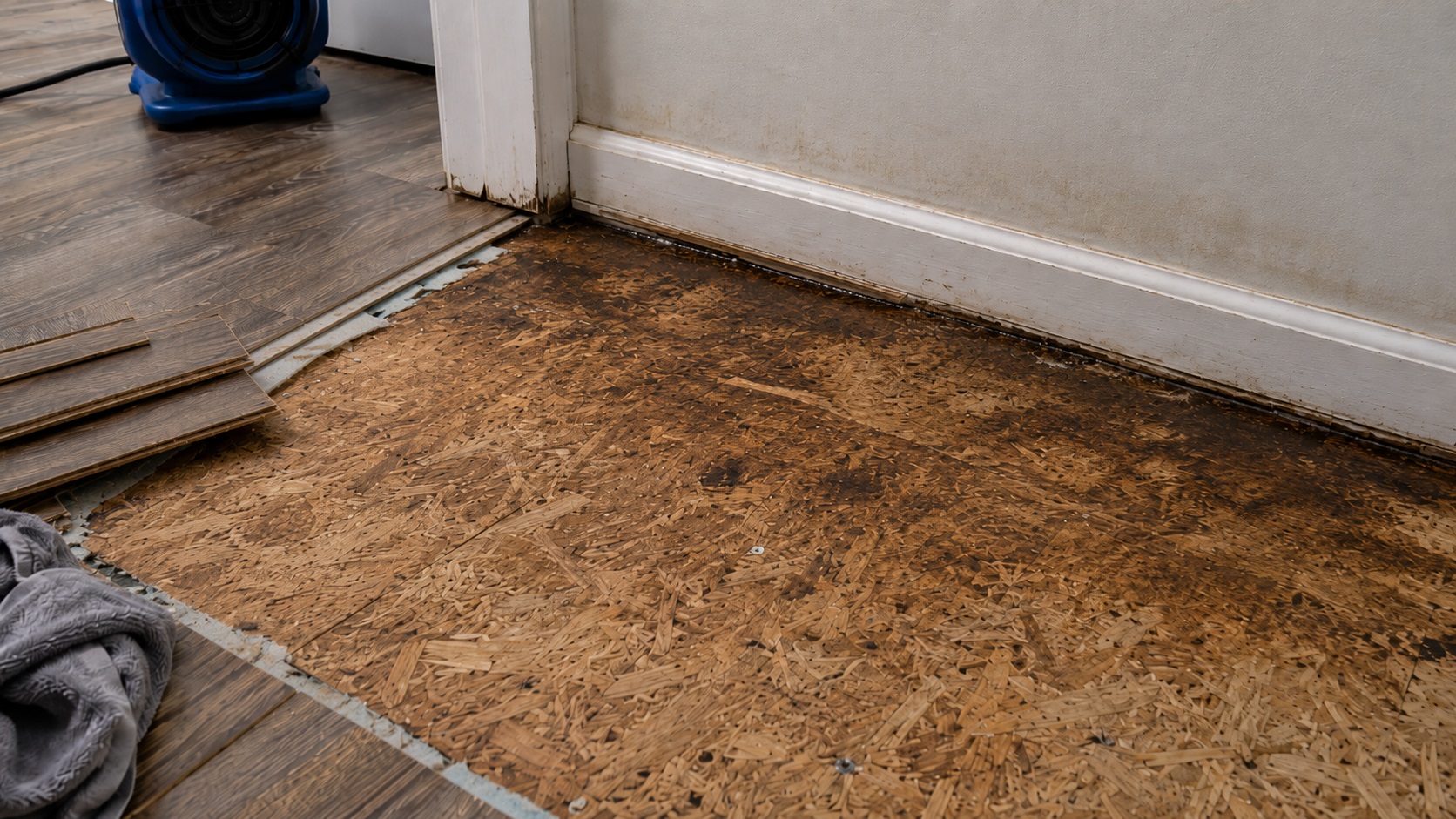
If flooring materials are removed or exposed, visible rot may appear along subfloor edges. Rot indicates long-term moisture exposure and advanced structural deterioration.
Rotting subfloor materials often appear:
- Darkened or discolored
- Soft and crumbly when touched
- Fibrous or splintered
- Separated into layers
Rot indicates that structural strength has been significantly reduced.
Do not probe deeply into visibly rotten areas while standing on the damaged floor; inspect from a stable location or from below if access is safe.
Severe Floor Movement or Instability
Severe movement is a high-risk sign that structural integrity may be compromised. Floors may bounce slightly or feel unstable during normal use.
This condition typically occurs when moisture damage spreads across larger subfloor areas.
Warning signs include:
- Noticeable bouncing during walking
- Large unstable sections beneath flooring
- Sudden increases in movement
- Visible sagging across wider areas
Large unstable sections should be evaluated immediately to reduce safety risks.
Deep Structural Sounds From Flooring
Structural sounds often develop as subfloor materials weaken. These sounds differ from normal household noises and typically indicate underlying movement.
Common sound indicators include:
- Deep creaking sounds when walking
- Hollow-sounding footsteps
- New popping noises from flooring layers
- Noise patterns that worsen over time
Structural sounds often accompany visible physical changes and should not be ignored.
Where Subfloor Water Damage Usually Begins
Subfloor water damage usually starts in predictable areas where leaks, spills, condensation, or exterior water entry happen repeatedly. Focus first on appliances, plumbing fixtures, bathrooms, laundry areas, exterior doors, and window-adjacent flooring.
Under Dishwashers and Other Kitchen Appliances
Dishwashers are among the most common sources of hidden subfloor water damage. Small leaks from hoses, fittings, or internal seals often release moisture slowly beneath the appliance.
Because dishwashers are enclosed within cabinets, water may remain hidden for long periods before visible signs appear.
High-risk appliance-related locations include:
- Under dishwashers with aging hoses or seals
- Beneath refrigerators with water lines or ice makers
- Near washing machines connected to supply lines
- Under garbage disposals or sink plumbing
If appliance leaks are suspected, reviewing how to inspect dishwasher hoses for leaks can help identify potential sources before moisture spreads further into subfloor systems.
Under Kitchen and Bathroom Sinks
Sink cabinets create enclosed environments where small plumbing leaks often go unnoticed. Even minor drips from supply lines or drain connections may allow moisture to soak into cabinet bases and subfloor materials.
Common sink-related risk areas include:
- Under cabinet floors beneath sinks
- Around pipe penetrations through cabinet walls
- Near garbage disposal connections
- Along rear cabinet corners where leaks accumulate
These enclosed areas trap moisture, allowing damage to progress quietly over time.
Around Toilets and Bathroom Fixtures
Toilet seal failures are another frequent source of subfloor water damage. Water leaking from worn wax rings or loose fittings may spread beneath flooring materials without immediate detection.
Bathroom moisture risks include:
- Wax seal leaks beneath toilets
- Shower or tub water escaping behind walls
- Grout or caulk failure allowing seepage
- Overflow events during plumbing failures
Bathroom-related moisture often spreads gradually and may affect large areas if left unresolved.
Near Exterior Walls or Window Areas
Exterior moisture intrusion can also affect subfloor systems. Water entering through windows, doors, or exterior wall leaks may travel downward into structural flooring layers.
Common exterior moisture entry points include:
- Window frame leaks during heavy rain
- Door threshold failures
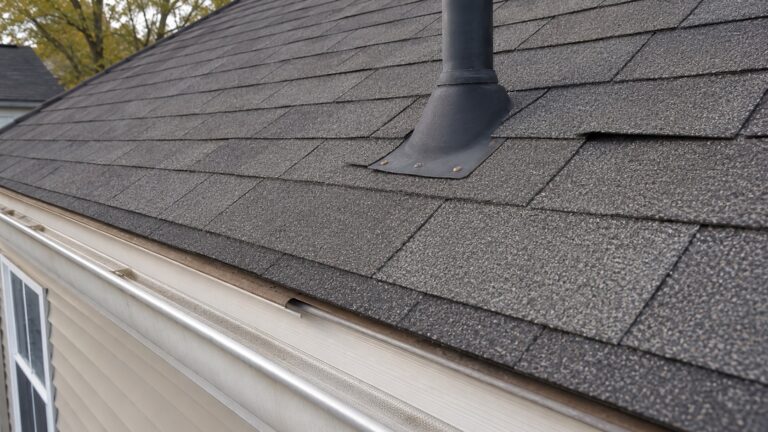
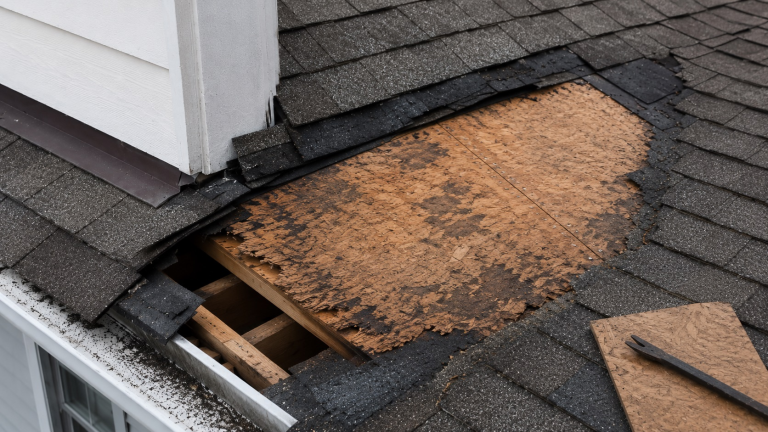
- Roof or siding water intrusion
- Improper exterior sealing or flashing
These leaks often allow water to move into structural materials before visible interior damage appears.
How Minor Subfloor Moisture Turns Into Structural Damage
Subfloor damage usually develops in stages, moving from minor moisture absorption to swelling, weakness, and eventually rot if the source is not corrected.
Water exposure weakens wood-based subfloors through repeated absorption, swelling, and structural breakdown.
Early Moisture Absorption Phase
In the early stage, subfloor materials begin absorbing moisture without visible structural failure. This stage may last for days or weeks depending on moisture levels.
During this phase, homeowners may notice:
- Slight dampness beneath appliances
- Minor staining along flooring seams
- Subtle odor development
- Very small surface irregularities
Although damage is still limited, repeated moisture exposure increases long-term risk.
Swelling and Expansion Phase
As moisture continues entering the subfloor, wood fibers begin expanding. This expansion pushes against surrounding materials, causing visible surface changes.
Typical signs during this phase include:
- Flooring seams separating slightly
- Raised flooring sections
- Surface distortion along edges
- Increased pressure beneath flooring materials
Swelling indicates that moisture has remained present long enough to affect material stability.
Structural Weakening Phase
With prolonged exposure, moisture breaks down the internal strength of subfloor materials. At this stage, flooring begins losing its ability to support normal loads.
Warning signs may include:
- Increasing softness underfoot
- Widening gaps between flooring sections
- Noticeable floor movement
- Persistent dampness beneath affected areas
Structural weakening signals a progression beyond minor damage.
Rot and Failure Phase
The final stage occurs when subfloor materials begin to rot. Rotting wood loses structural strength and may crumble under pressure.
Signs of advanced failure include:
- Crumbling or breaking wood surfaces
- Severe floor instability
- Large sagging areas
- Visible mold or decay near structural elements
At this stage, the issue has moved beyond simple symptom-watching. The decision about when subfloors must be replaced depends on the extent of rot, softness, delamination, and structural support loss.
When Subfloor Water Damage Becomes Dangerous
Not all subfloor moisture problems create immediate hazards, but certain warning signs indicate that structural safety may be at risk. As water damage progresses, the strength of the subfloor declines, and the ability to safely support weight becomes compromised.
The signs below are the point where the issue should be treated as a safety concern, not just a flooring problem.
Large Soft Areas That Continue Expanding
Small soft spots may remain stable for some time, but expanding soft areas signal progressive structural weakening. When softness spreads outward from the original moisture source, it usually means that water damage is affecting a larger portion of the subfloor.
Warning signs of expanding damage include:
- Soft areas growing larger over time
- Multiple soft spots appearing in different locations
- Floor sections that feel unstable across wider areas
- Increasing difficulty supporting heavy objects
Expanding soft areas indicate that the subfloor structure may no longer be reliable.
Deep Sagging Between Floor Supports
Sagging becomes dangerous when it occurs between structural supports such as joists. This condition indicates that the subfloor has lost enough strength to bend under normal weight.
Deep sagging often creates visible dips or depressions across affected areas. In more advanced cases, objects placed on the floor may appear tilted or unstable.
Severe sagging suggests that structural support has been compromised and requires immediate attention.
Strong Odors Combined With Structural Symptoms
Persistent odors combined with visible floor movement indicate long-term moisture exposure. This combination may point to hidden mold risk as well as structural deterioration; mold-specific floor symptoms are covered more fully in signs of mold under flooring.
Strong odor-related warning signs include:
- Musty smells that worsen over time
- Odors spreading beyond the original moisture area
- Lingering smells despite cleaning attempts
- Odors accompanied by visible surface damage
Odors alone may not indicate structural failure, but when combined with movement or soft flooring, they signal elevated risk.
Floor Movement That Feels Unsafe
When floors begin to feel unstable or unsafe under normal walking conditions, structural damage may be advanced. Floors that bounce, flex excessively, or shift unexpectedly should always be treated as high-risk conditions.
Danger-level movement signs include:
- Bouncing sensation during normal walking
- Large areas shifting under pressure
- Rapid worsening of instability
- Structural noises becoming louder or more frequent
Unstable flooring presents safety hazards and should not be ignored. Avoid placing heavy furniture, appliances, or groups of people on areas that feel spongy, sagging, or structurally weak.
What to Do After You Notice Subfloor Damage Signs
Once subfloor damage signs appear, the first priority is stopping the water source so the damaged area does not keep spreading beneath the finished flooring.
Stop Active Moisture Sources Immediately
Identifying and stopping the moisture source is critical. Even minor ongoing leaks can continue weakening structural materials.
Common moisture sources that should be addressed include:
- Appliance hose leaks
- Plumbing supply failures
- Drain connection problems
- Condensation buildup near fixtures
If the source is not obvious, start with the most likely plumbing or appliance leak paths. The broader guide to how plumbing leaks cause structural damage explains why small hidden leaks can weaken floor systems over time.
Improve Airflow Around Affected Areas
Increasing airflow helps reduce moisture retention in damp materials. Faster drying reduces the chance of further structural weakening.
Airflow improvements may include:
- Opening nearby cabinet doors
- Using portable fans to circulate air
- Allowing ventilation around enclosed spaces
- Reducing humidity in affected rooms
Improved airflow supports drying but should not replace addressing the moisture source itself. A surface that feels dry does not prove that the subfloor or the space beneath it is dry.
Monitor Damage Progression Carefully
After moisture sources are addressed, continued observation helps determine whether structural conditions are stabilizing or worsening.
Monitor for:
- Changes in floor firmness
- Expansion of soft areas
- New moisture stains
- Worsening odor patterns
If symptoms continue to worsen despite stopping moisture sources, further evaluation may be required.
Frequently Asked Questions About Subfloor Water Damage
How can I tell if my subfloor is water damaged?
Common signs include soft flooring, sagging surfaces, musty odors, and visible staining near water sources. Changes in floor stability are often among the earliest structural indicators.
Can subfloor damage spread to other areas?
Yes. Moisture can travel through wood materials and spread into surrounding structural components. Over time, damage may extend beyond the original leak location.
Does subfloor damage always produce odors?
Not always. Some subfloor damage develops without noticeable smells, especially during early stages. Odors typically appear after moisture remains trapped for extended periods.
How serious is a soft floor?
A soft floor is more serious when it appears near a leak source, grows larger, feels spongy, or comes with odor, staining, sagging, or movement. Mild isolated softness may need monitoring, but spreading softness should be evaluated.
Can subfloors dry naturally without intervention?
A small, one-time moisture event may dry if the flooring system is open to airflow, but trapped moisture under tile, vinyl, laminate, or carpet often remains longer than the surface suggests. If softness, odor, or staining continues, the subfloor should be checked rather than assumed dry.
When should professional evaluation be considered?
Professional evaluation is recommended when the floor feels spongy, soft areas expand, visible rot appears, sagging worsens, or the damaged area is near a toilet, tub, dishwasher, washing machine, or exterior door. Severe symptoms should be addressed promptly to reduce safety risks.
Bottom Line: Soft, Sagging, or Musty Floors Should Not Be Ignored
Subfloor water damage should be taken seriously when floor changes involve softness, sagging, musty odor, staining, movement, or visible rot. A single symptom may not prove structural failure, but symptoms that worsen, spread, or appear near a leak source deserve closer evaluation.
The safest response is to stop the moisture source, avoid stressing unstable areas, and determine whether the damage is limited to finished flooring or has reached the subfloor. If the floor feels spongy, deeply sagged, or unsafe, professional evaluation is the next step.
One Comment
Comments are closed.