How to Fix Recurring Roof Condensation Issues
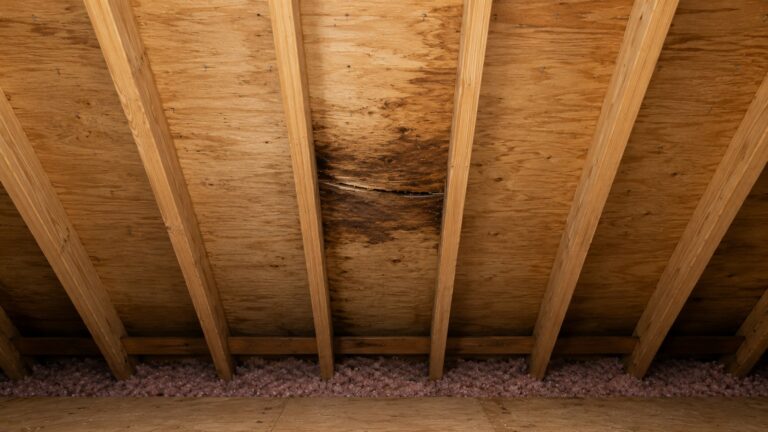
Recurring roof condensation usually means the attic is still receiving too much warm, moist air, not moving enough air through the roof system, or staying too cold in isolated areas. The fix is not simply drying the roof sheathing again. The real solution is to find which system is failing—ventilation, air sealing, insulation, exhaust ducting, or indoor humidity control—and correct that failure before more moisture forms.
Many homeowners first recognize the problem after seeing repeated damp sheathing, frost patterns, musty attic odors, or mold growth. If you are still confirming whether the issue is ongoing, Signs of Persistent Roof Condensation Problems explains the warning signs. This article focuses on the next step: choosing the right correction so condensation does not keep returning.
Fixing recurring roof condensation requires more than drying wet surfaces. It requires identifying the system failures that allow moisture to form repeatedly. In most homes, these failures involve airflow imbalance, air leakage, insulation gaps, or humidity overload. Addressing these problems correctly stops condensation at its source.
Why Recurring Condensation Requires Permanent Fixes
Recurring condensation indicates that the conditions causing moisture formation are still active. Temporary drying methods may remove visible moisture, but they do not stop new moisture from forming. Permanent fixes focus on correcting airflow, temperature, and humidity balance throughout the attic.
Recurring condensation often follows a predictable cycle:
- Moisture forms during cold conditions
- Surfaces dry temporarily
- Humidity conditions remain unchanged
- Moisture returns under similar conditions
This cycle repeats until the root cause is corrected. Understanding the causes described in Why Roof Sheathing Stays Wet helps explain why simple drying does not permanently solve recurring moisture problems.
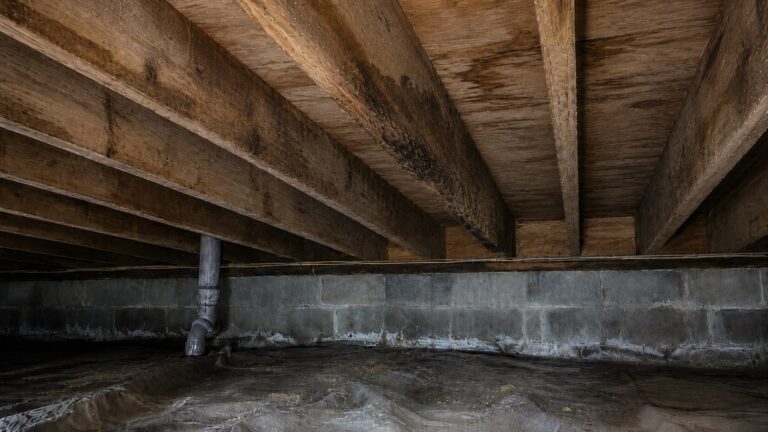
Permanent fixes are necessary because recurring moisture gradually weakens roof structures. Over time, repeated exposure can lead to mold growth, insulation failure, and structural deterioration.
Most Effective Fixes for Recurring Roof Condensation
Several corrective actions may be required to eliminate recurring condensation. In many cases, more than one fix is necessary because multiple conditions often contribute to moisture formation.
The best repair order is usually: stop humid air from entering the attic, confirm exhaust ducts vent outdoors, restore balanced intake and exhaust ventilation, then correct insulation gaps or damaged materials. Adding more vents before sealing major air leaks can leave the main moisture source untouched.
Fix Attic Ventilation Problems
Ventilation is one of the most important systems controlling attic moisture, but the goal is balanced airflow, not simply adding more vents. If soffit intake is blocked, ridge exhaust is restricted, or air cannot move continuously from low to high areas, humid attic air can remain trapped and condense repeatedly on cold roof surfaces.
Ventilation corrections may include:
- Clearing blocked soffit vents
- Ensuring ridge vents remain open
- Balancing intake and exhaust airflow
- Removing insulation that blocks soffit vent openings and adding baffles where needed to keep intake paths open
- Restoring continuous airflow paths
Balanced airflow allows humid air to escape and dry air to enter, reducing condensation risk. Preventive airflow improvements described in How to Prevent Roof Condensation support long-term moisture control.
Seal Air Leaks From Living Spaces
Air leaks allow warm, humid air from living areas to enter the attic. Once this air reaches cold roof surfaces, condensation forms quickly. Sealing air leaks reduces moisture movement and improves overall attic performance.
Common air leakage points include:
- Attic access hatches
- Light fixtures installed in ceilings
- Plumbing penetrations
- Electrical wiring openings
- Ceiling cracks and seams
Seal major bypasses before adding more insulation. Once deep insulation covers the attic floor, air leaks around plumbing, wiring, recessed lights, dropped soffits, and attic access points can be harder to find and correct.
ENERGY STAR also recommends sealing attic-floor air leaks before adding insulation and keeping soffit vent paths open with baffles when needed.
Correct Insulation Deficiencies
Insulation helps separate the conditioned living space from the cold attic, but it should not be treated as a substitute for air sealing. Uneven, compressed, missing, or poorly placed insulation can create cold zones and temperature imbalances that make condensation more likely.
Insulation corrections may involve:
- Adding missing insulation sections
- Leveling uneven insulation layers
- Replacing damaged insulation
- Correcting compressed insulation areas
- Improving insulation coverage around roof edges
Balanced insulation coverage helps stabilize temperatures and reduce condensation formation.
Repair or Redirect Exhaust Vent Systems
Exhaust ventilation systems remove moisture from bathrooms, kitchens, and laundry areas. When these systems fail or discharge into the attic instead of outdoors, they introduce large amounts of humid air into enclosed roof spaces. Over time, this repeated moisture release leads to persistent condensation problems.
Common exhaust system corrections include:
- Ensuring bathroom and kitchen vents discharge outdoors
- Repairing disconnected duct sections
- Replacing crushed or blocked ducting
- Sealing joints where moisture escapes
- Confirming exterior vent hoods function properly
Even small duct leaks can introduce significant moisture into attic air. Correcting exhaust problems is often one of the fastest ways to reduce recurring condensation patterns.
Do not terminate bathroom, kitchen, or dryer exhaust into the attic, even near a vent opening. The duct should discharge outdoors through an approved exterior termination.
Reduce Indoor Humidity Sources
Indoor humidity plays a major role in recurring condensation. When indoor moisture levels remain high, even properly ventilated attics may struggle to prevent condensation formation.
Effective humidity-reduction practices include:
- Using exhaust fans during showers and cooking
- Limiting extended humidifier operation
- Drying clothes outdoors when possible
- Maintaining balanced indoor ventilation
- Monitoring indoor humidity levels regularly
Reducing indoor humidity lowers the amount of moisture entering attic spaces, making long-term condensation control more achievable.
How to Choose the Right Fix Based on Symptoms
Recurring condensation problems rarely have a single cause. Identifying patterns in moisture behavior helps determine which corrective actions will be most effective. Matching symptoms to solutions improves the chances of permanently resolving moisture problems.
| Moisture pattern | Most likely issue | First correction to check |
|---|---|---|
| Dampness or frost near the ridge | Poor exhaust or intake/exhaust imbalance | Check ridge vent openings and soffit intake paths |
| Moisture above bathrooms, kitchens, or laundry areas | Air leakage or exhaust duct failure | Confirm ducts discharge outdoors and seal ceiling penetrations |
| Condensation in isolated cold areas | Insulation gaps, compression, or cold bridging | Correct insulation coverage after air leaks are sealed |
| Widespread attic moisture after cold nights | High indoor humidity or major attic bypasses | Reduce indoor humidity and seal large attic air leaks |
If Moisture Forms Near the Ridge
Moisture concentrated near ridge areas often indicates ventilation imbalance. Warm air naturally rises toward the ridge, and if airflow cannot escape efficiently, condensation forms in these upper regions.
Possible corrective actions include:
- Inspecting ridge ventilation openings
- Ensuring intake airflow from soffit vents
- Removing obstructions restricting airflow paths
- Balancing intake and exhaust ventilation
Correcting ridge airflow improves moisture removal across the entire roof structure.
If Moisture Forms Above Bathrooms or Kitchens
Moisture appearing above areas that generate steam often indicates air leakage or exhaust system failure. These locations release large volumes of humid air, which can accumulate inside attic spaces.
Possible corrective actions include:
- Checking exhaust vent connections
- Sealing ceiling penetrations
- Improving bathroom ventilation performance
- Ensuring exhaust ducts vent outdoors
Correcting localized moisture sources helps reduce repeated condensation in targeted areas.
If Moisture Forms in Isolated Cold Zones
Condensation appearing in isolated cold areas often indicates insulation deficiencies. Cold surfaces attract condensation because warm air cools rapidly when contacting these zones.
Possible corrective actions include:
- Adding insulation to cold areas
- Correcting uneven insulation coverage
- Replacing damaged insulation materials
- Improving temperature consistency across attic spaces
Stabilizing temperatures reduces condensation formation in localized areas.
Structural Repairs That May Be Required
In some cases, recurring condensation causes structural damage that cannot be corrected through airflow or humidity improvements alone. Structural repairs may be necessary when materials show visible deterioration, especially when condensation has contributed to broader roofing material failure. For a wider view of roof-related moisture damage, see Most Common Roofing Material Failures.
Replacing Damaged Roof Sheathing
Roof sheathing that remains wet for extended periods may lose strength. Replacement may be required when wood becomes soft, warped, or weakened.
Do not judge roof sheathing by surface dryness alone. Wood that looks dry after a warm day may still be weakened, delaminated, mold-stained, or soft from repeated wetting cycles.
Replacement may be necessary when:
- Wood surfaces feel soft or spongy
- Panels show visible warping
- Fasteners loosen from weakened wood
- Structural strength becomes questionable
Structural replacement should be performed carefully to restore roof stability.
Repairing Framing Components Affected by Moisture
Framing components such as rafters and support members may also experience moisture damage. Structural repairs may be necessary when framing materials show signs of weakening.
Warning signs include:
- Visible sagging in roof structure
- Distorted framing members
- Splitting or cracking wood
- Loss of alignment between components
Addressing framing damage helps prevent further structural complications.
When Ventilation Upgrades Are Necessary
In many homes, existing ventilation systems are present but not strong enough to manage moisture loads. When condensation continues despite basic corrections, upgrading the ventilation system may be necessary. Ventilation upgrades improve airflow efficiency and allow moisture to leave the attic more effectively.
Understanding when upgrades are needed helps prevent ongoing moisture damage. If persistent moisture patterns described in Signs of Persistent Roof Condensation Problems continue after initial corrections, ventilation improvements should be evaluated carefully.
When Existing Ventilation Is Undersized
Ventilation systems must match the size and layout of the attic. Undersized ventilation cannot move enough air to remove moisture effectively. This often leads to repeated condensation even when vents are open.
Signs of undersized ventilation include:
- Moisture appearing across large sections of roof decking
- Condensation affecting multiple roof areas simultaneously
- Slow drying after moisture events
- Persistent humidity inside the attic
If intake and exhaust are balanced, increasing ventilation capacity can improve air exchange and drying performance.
When Airflow Paths Are Poorly Designed
Even when vents exist, airflow pathways must remain continuous from intake to exhaust. Poor airflow design creates stagnant air pockets where humidity accumulates.
Airflow design issues may include:
- Disconnected airflow paths between vents
- Blocked soffit intake areas
- Restricted airflow channels inside attic spaces
- Uneven distribution of ventilation openings
Improving airflow design allows air to circulate evenly across roof areas and reduces localized condensation.
When Roof Geometry Requires Additional Ventilation
Some roof structures naturally require more ventilation due to their shape or size. Complex roof layouts can create isolated air pockets that standard ventilation systems cannot fully address.
Examples of complex roof geometry include:
- Multiple roof valleys
- Long attic spans
- Cathedral ceiling sections
- Irregular roof shapes
These structures often require additional ventilation support to maintain balanced airflow.
When Professional Repairs Are Required
While some condensation problems can be corrected with simple adjustments, others require professional repair. Knowing when to involve professionals helps prevent long-term damage and ensures safe repair practices.
Moisture Persists After Corrective Steps
If condensation continues after improving ventilation, sealing air leaks, and adjusting humidity levels, professional evaluation may be required. Persistent moisture suggests deeper structural or system issues.
Professional involvement may be necessary when:
- Moisture continues despite airflow improvements
- Damp areas expand beyond initial locations
- Drying efforts produce little improvement
- Recurring condensation cycles worsen over time
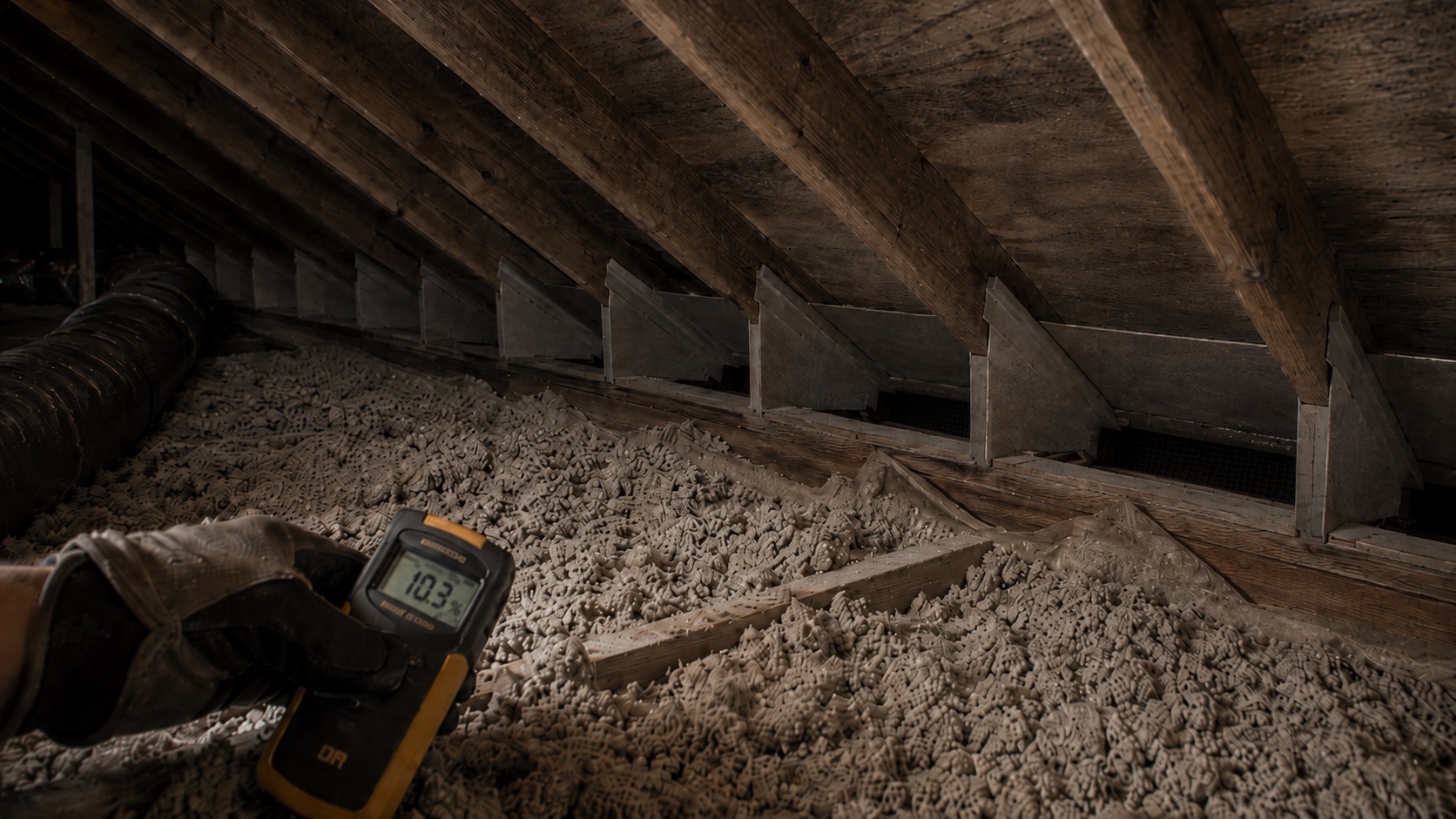
Professional inspection tools may be required to locate hidden moisture pathways or structural deficiencies.
Mold Growth Becomes Widespread
Extensive mold growth increases both structural and indoor air quality risks. When mold spreads across multiple areas, professional removal and moisture correction may be necessary.
Serious mold warning signs include:
- Mold covering large sections of roof decking
- Mold spreading to framing members
- Persistent musty odors indoors
- Mold returning after repeated cleaning
In these cases, long-term mold removal strategies explained in How to Remove Mold Permanently become critical.
Structural Damage Is Visible
Structural damage is one of the most serious consequences of recurring condensation. Visible changes in roof materials indicate that moisture exposure has reached dangerous levels.
Serious structural warning signs include:
- Sagging roof panels
- Warped sheathing surfaces
- Loose or weakened fasteners
- Visible separation between wood components
Professional repair ensures that damaged materials are restored safely.
Frequently Asked Questions About How To Fix Recurring Roof Condensation
What is the best fix for recurring roof condensation?
The best fix depends on the root cause, but in most homes the most effective solution involves correcting ventilation problems, sealing air leaks, and managing indoor humidity. Recurring condensation almost always requires addressing multiple contributing factors rather than applying a single fix.
Can ventilation alone fix condensation problems?
Ventilation plays a major role, but it does not always solve the problem by itself. Air leaks, insulation gaps, and indoor humidity sources often contribute to recurring condensation. A complete solution typically includes ventilation improvements combined with humidity and insulation corrections.
Why does roof condensation come back after I dry the attic?
Roof condensation comes back when the attic conditions that caused it are still active. Drying removes existing moisture, but air leaks, blocked soffit vents, poor exhaust ducting, insulation gaps, or high indoor humidity can create the same condensation pattern again during the next cold cycle.
Should I add insulation before fixing attic condensation?
Do not add insulation as the first fix unless major air leaks and blocked ventilation paths have already been addressed. Adding insulation too soon can hide attic bypasses, cover soffit openings, or trap moisture-damaged materials that still need inspection.
When should roof components be replaced due to condensation damage?
Replacement becomes necessary when materials show structural deterioration, including softened wood, warped panels, or severe mold damage. If roof components lose strength or stability, replacement helps restore structural integrity and prevent further moisture problems.
Conclusion
Fixing recurring roof condensation starts with correcting the source of the moisture cycle, not repeatedly drying the same roof surfaces. In most homes, the lasting solution is a combination of air sealing, proper exhaust ducting, balanced attic ventilation, insulation correction, and indoor humidity control.
If condensation keeps returning after these corrections, or if sheathing, rafters, fasteners, or insulation show deterioration, the problem has moved beyond routine moisture control. At that point, professional inspection is the safer next step because the roof system may need structural repair as well as moisture correction.
Key Takeaways
- Recurring roof condensation requires permanent correction rather than temporary drying.
- Balanced ventilation is one of the most effective long-term solutions.
- Air leakage and insulation deficiencies often contribute to moisture buildup.
- Humidity control reduces the risk of recurring condensation cycles.
- Exhaust ducts should discharge outdoors, not into the attic or near a vent opening.
- If condensation returns after air sealing, ventilation correction, and humidity control, professional inspection is the safer next step.