How to Fix Persistent Crawl Space Moisture Problems
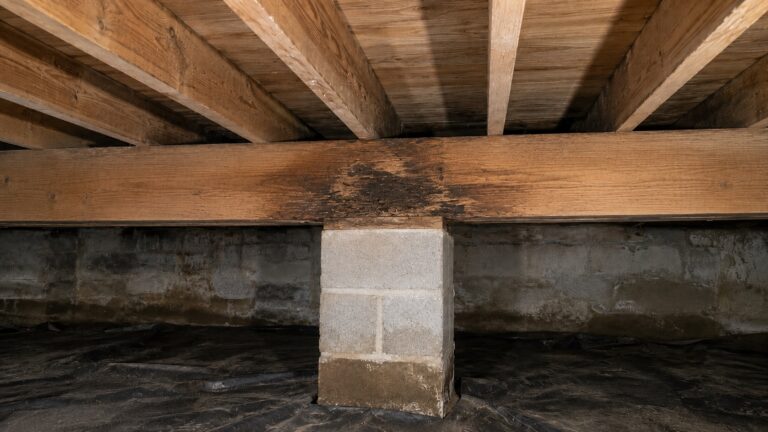
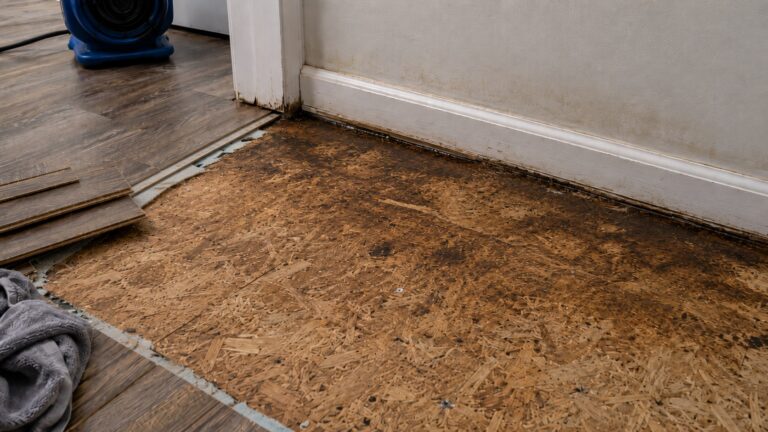
Persistent crawl space moisture usually means one of the moisture sources is still active. Drying the space, removing standing water, or running fans may help temporarily, but dampness will return if ground vapor, exterior drainage, humid air, plumbing leaks, or trapped moisture conditions are not corrected.
If you have already dried the area once, reviewing how to dry crawl spaces after moisture exposure can help confirm whether the first cleanup was complete. When the same crawl space becomes damp again, the next step is not more temporary drying. It is finding which permanent repair is missing.
This guide explains how to fix persistent crawl space moisture problems by matching the repair to the source: ground vapor, exterior drainage, air leaks, high humidity, or structural conditions that trap moisture. If moisture has returned after previous cleanup or drying, the broader pattern is part of why moisture problems keep returning.
Key Takeaways
- Persistent crawl space moisture usually means one or more moisture sources are still active.
- The right fix depends on whether the problem comes from ground vapor, exterior drainage, humid air, water entry, or structural moisture traps.
- A vapor barrier helps only if it fully covers exposed soil and is sealed well enough to block ground vapor.
- Drainage and grading repairs are often needed when moisture increases after rain.
- Encapsulation or professional repair may be necessary when basic fixes fail repeatedly.
Why Temporary Fixes Often Fail
Temporary moisture control methods may provide short-term relief, but they rarely solve the problem completely. Many homeowners rely on basic drying techniques such as running fans or removing visible water. While these steps are helpful, they do not address the root conditions that allow moisture to return.
Temporary fixes fail for several common reasons:
- Moisture sources remain active after drying
- Ground vapor continues rising from soil
- Drainage problems allow water to re-enter the crawl space
- Humidity remains high due to poor airflow
- Structural conditions trap moisture in hidden areas
For example, removing standing water after heavy rain may seem successful, but if water continues entering through foundation gaps or poor drainage, dampness will return during the next storm. Likewise, installing fans without controlling humidity may only move moisture rather than remove it.
Persistent moisture often follows the same cycle: moisture enters, temporary drying occurs, and dampness returns when environmental conditions change. Understanding why this cycle happens is explained further in why crawl spaces stay damp.
When moisture problems continue repeating, the solution requires identifying and correcting the source of moisture rather than simply treating the visible effects.
Fix Ground Moisture Problems
Ground moisture is one of the most common causes of persistent crawl space dampness. Soil beneath the home naturally contains water, which slowly evaporates into the air. Without proper barriers, this moisture can continue rising into the crawl space for long periods, especially during wet or humid seasons.
Correcting ground moisture problems typically involves installing or repairing a vapor barrier across the crawl space floor. Vapor barriers are plastic sheets designed to block moisture vapor from entering the crawl space air.
Key features of an effective vapor barrier include:
- Complete coverage across the entire soil surface
- Overlapped and sealed seams between barrier sections
- Edges carried up the foundation walls and secured where appropriate
- Tight cuts and seals around piers, pipes, and other penetrations
- Durable material protected from tears, foot traffic, and sharp debris
Partial vapor barrier coverage often fails because uncovered areas allow moisture to escape. Even small gaps can introduce enough vapor to keep humidity levels elevated.
If ground moisture remains uncontrolled, mold growth may eventually develop on nearby materials. Understanding the moisture-driven causes of mold formation is explained further in why mold forms in crawl spaces.
Proper ground moisture control is one of the most effective long-term fixes for recurring crawl space dampness. Without addressing soil moisture, other repair efforts may produce only temporary results.
Improve Drainage Around the Foundation
Exterior drainage problems are one of the most common reasons crawl space moisture keeps returning. Even when interior drying is successful, water that collects around the foundation will eventually find its way into the crawl space through soil, cracks, or structural joints.
Correcting drainage issues often produces some of the most noticeable long-term improvements in crawl space moisture control. The goal of drainage improvements is simple: move water away from the home before it has a chance to enter the crawl space.
Common drainage improvements include:
- Extending downspouts so water discharges several feet away from the foundation
- Cleaning gutters to prevent overflow during rainfall
- Regrading soil so it slopes away from the structure
- Filling low spots where water tends to collect
- Installing perimeter drainage systems in high-moisture areas
These improvements help reduce the amount of water that reaches the soil surrounding the foundation. When less water accumulates near the home, less moisture enters the crawl space.
Many persistent moisture problems begin outside the home rather than inside it. If dampness increases after rainstorms, snowmelt, irrigation, or seasonal weather changes, exterior drainage may be contributing to the issue.
Decide Whether the Vapor Barrier Needs Repair or Replacement
After confirming that ground moisture is part of the problem, the next decision is whether the existing vapor barrier can be repaired or whether it should be replaced. A small tear or loose seam may only need patching, but widespread exposed soil, brittle plastic, missing wall edges, or repeated displacement usually point to replacement.
Vapor barrier repairs typically involve:
- Replacing damaged or torn sections of plastic sheeting
- Sealing gaps between overlapping sections
- Extending coverage into uncovered areas
- Reattaching loose edges along foundation walls
In crawl spaces without existing vapor barriers, installation may be necessary to stop continuous vapor release from soil. Proper installation requires careful placement to ensure that the barrier remains intact and covers the entire ground surface.
Common problems that reduce vapor barrier effectiveness include:
- Incomplete coverage leaving exposed soil
- Loose seams that allow vapor to escape
- Thin materials that tear easily
- Shifting soil that damages barrier edges
Repairing vapor barriers helps stabilize humidity levels by reducing the amount of moisture entering the crawl space from below. When combined with drainage improvements, vapor barriers provide a strong defense against recurring moisture.
Seal Crawl Space Air Leaks
Air leaks allow humid outdoor air to enter crawl spaces, increasing moisture levels even when liquid water intrusion is minimal. Sealing these leaks helps control humidity, but it should be done after checking for active water entry, combustion-appliance safety concerns, and any ventilation requirements that apply to the home.
Typical areas where air leaks occur include:
- Gaps around plumbing penetrations
- Openings around electrical wiring
- Cracks in foundation walls
- Loose access doors or crawl space hatches
Air leak sealing improves humidity control by limiting the amount of moisture carried into the crawl space through airflow. This step is especially important in climates where outdoor air contains high humidity levels.
If air leaks remain open, moisture can enter repeatedly, even after other repairs are completed. Persistent humidity caused by airflow problems is one of the reasons moisture problems continue returning.
When air leaks contribute to recurring moisture problems, combining sealing with humidity control systems often produces the best long-term results.
Install Humidity Control Systems
In some homes, moisture problems continue even after drainage and vapor barrier improvements. When humidity remains high despite basic repairs, installing humidity control systems may be necessary to maintain long-term dryness.
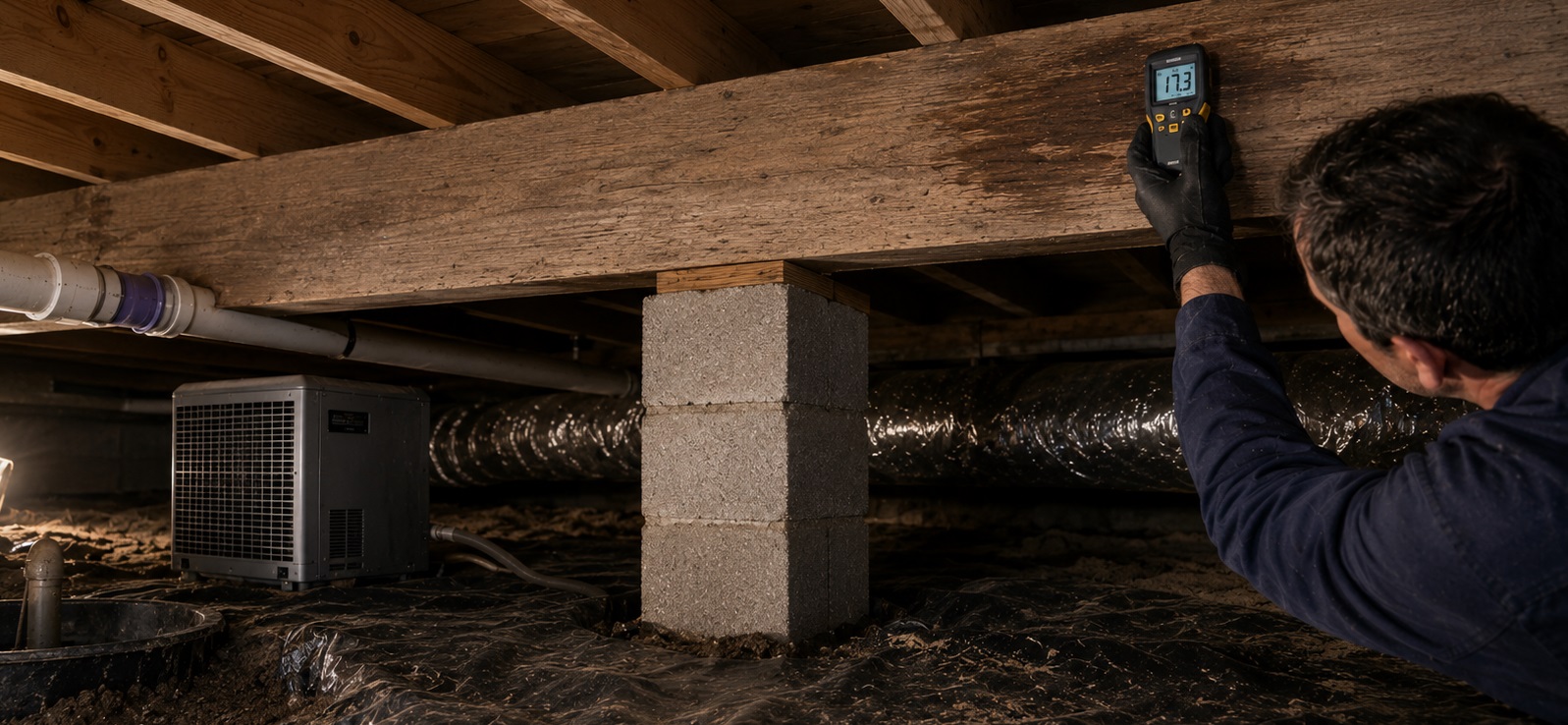
Humidity control systems work by removing moisture from the air and keeping crawl space humidity from staying elevated for long periods. As a practical goal, many crawl spaces should be kept below about 60% relative humidity, with lower targets often used when the space has a history of mold, damp insulation, or musty odors.
Common humidity control solutions include:
- Installing crawl space dehumidifiers designed for enclosed spaces
- Using humidity monitoring devices to track moisture levels
- Correcting airflow problems based on whether the crawl space is vented, sealed, or encapsulated
- Maintaining continuous operation during humid seasons
Humidity control becomes especially important in regions with high seasonal humidity. In these environments, outdoor air may carry enough moisture to overwhelm natural drying methods.
If mold has previously formed in the crawl space, controlling humidity becomes even more critical. Ongoing humidity increases the likelihood that mold will return. To identify warning signs of mold recurrence, review signs of mold growth in crawl spaces.
Consider Encapsulation When Basic Repairs Keep Failing
Crawl space encapsulation may be worth considering when moisture keeps returning after drainage, vapor barrier repair, air sealing, and humidity control have already been addressed. Encapsulation is not just laying plastic on the soil. A proper system usually involves sealing the ground, foundation walls, seams, piers, access door, and major air leaks so the crawl space becomes a more controlled environment.
Encapsulation is most appropriate when the crawl space has repeated humidity problems, exposed soil, damp insulation, musty odors, or moisture that returns seasonally despite basic repairs. It should not be used to hide active water entry. Standing water, foundation seepage, plumbing leaks, and drainage failures should be corrected before the space is sealed tightly.
Address Structural Design Issues
Some crawl spaces remain damp due to structural design limitations that trap moisture. Even with proper drainage and vapor barriers, certain layouts create conditions where moisture accumulates repeatedly.
Structural corrections may include:
- Leveling or correcting low soil areas where water collects
- Improving interior drainage paths beneath the crawl space where appropriate
- Removing debris, fallen insulation, or stored materials that trap moisture
- Correcting blocked access between crawl space compartments
- Addressing sagging insulation or framing details that hold moisture against wood
These improvements help eliminate areas where moisture collects and remains trapped. In crawl spaces with multiple compartments or limited access points, structural adjustments may significantly improve drying performance.
Structural moisture problems often develop gradually. If dampness consistently appears in the same locations, design-related factors may be contributing to moisture retention.
When Professional Repairs Are Necessary
Some crawl space moisture problems exceed what basic maintenance can solve. When damage becomes widespread or moisture sources remain unclear, professional repair services may be necessary to correct the issue safely and effectively.
Situations that typically require professional evaluation include:
- Repeated moisture problems despite multiple repair attempts
- Standing water returning after rainfall
- Structural wood showing signs of damage
- Persistent mold growth despite cleaning
- Large areas of insulation repeatedly becoming wet
Professional repairs may involve perimeter drainage, sump pump installation, vapor barrier replacement, crawl space encapsulation, foundation sealing, insulation replacement, or structural corrections that require specialized equipment and experience. In severe cases, the correct repair may involve more than one system because drainage, ground vapor, humidity, and wood damage often reinforce each other.
If persistent moisture has already caused mold growth, identifying the source of moisture remains the most important step. Cleaning visible growth without correcting drainage, vapor, humidity, or air-leak problems usually leads to the same conditions returning.
Cost and Severity Considerations
Not all crawl space moisture problems require large-scale repairs. The level of intervention needed depends on how severe the moisture problem has become and how long it has been present.
Typical severity levels include:
- Minor problems: Localized damp areas with no structural damage
- Moderate problems: Recurring moisture affecting insulation or humidity levels
- Severe problems: Widespread moisture causing mold growth or structural damage
Minor issues may be resolved through downspout extensions, grading correction, small vapor barrier repairs, or access-door sealing. Moderate problems may require a better vapor barrier, humidity monitoring, insulation replacement, or a crawl space dehumidifier. Severe problems often require professional drainage, encapsulation, foundation repair, mold remediation, or structural evaluation.
Understanding the severity level helps homeowners determine whether temporary repairs are sufficient or whether permanent structural solutions are required.
Frequently Asked Questions
What is the best permanent fix for crawl space moisture?
The best permanent fix depends on the moisture source. Crawl spaces that stay damp after drying often need a combination of drainage correction, vapor barrier repair, air sealing, humidity control, and sometimes encapsulation. The most reliable repair is the one that stops the source that keeps re-wetting the space.
Do vapor barriers solve crawl space moisture problems?
Vapor barriers significantly reduce ground moisture entering the crawl space, but they do not solve every moisture problem by themselves. Drainage improvements and humidity control may also be required to prevent recurring dampness.
Can drainage fixes eliminate crawl space moisture permanently?
Drainage improvements can greatly reduce moisture entering from outside the home. However, additional measures such as vapor barriers and humidity control systems may still be necessary depending on soil conditions and climate.
Is crawl space encapsulation worth considering?
Encapsulation is worth considering when exposed soil, humid air, musty odors, damp insulation, or repeated seasonal moisture keep returning despite basic repairs. However, encapsulation should not be used to cover up active water entry. Drainage problems, standing water, and leaks should be corrected first.
How do I know if my crawl space needs professional repairs?
Professional repairs are often necessary when moisture problems continue returning, mold growth spreads across multiple surfaces, or structural materials show signs of deterioration. Repeated failures of basic repairs typically indicate deeper structural moisture problems.
Conclusion
Persistent crawl space moisture usually needs a source-by-source repair plan, not repeated temporary drying. Before adding another fan or temporary cleanup step, identify whether the crawl space is being re-wetted from below, outside, through humid air, or through an active leak.
The right permanent fix may be simple, such as extending downspouts and repairing a damaged vapor barrier, or more involved, such as adding drainage, encapsulation, humidity control, or structural repair. The important step is to stop treating the visible dampness as the whole problem and correct the condition that keeps bringing moisture back.