
Should You Repair or Replace Water-Damaged Flooring?
You can usually repair water-damaged flooring when the water exposure was clean, brief, localized, and the floor remains dry, flat, firm, odor-free, and stable. Replacement becomes more likely when flooring swells, buckles, cups severely, delaminates, smells musty, develops mold, traps moisture underneath, or the subfloor becomes soft.
The most important rule is this: do not judge water-damaged flooring by the top surface alone. A floor can look dry while water remains underneath planks, padding, adhesive, underlayment, or subfloor panels. That hidden moisture is what often turns a small flooring repair into a larger replacement problem.
Evaluate the floor as a system: finish flooring, underlayment, padding, adhesive, and subfloor. Hardwood, laminate, vinyl, tile, and carpet all react differently to moisture, so the right decision depends on which layers got wet, how long they stayed wet, and whether the water source has been fixed. If the floor feels soft, unstable, or affected beyond the surface, the issue may connect to broader structural moisture problems in homes. For a larger prevention view, this topic also fits into a whole-home strategy to find, fix, and prevent moisture problems in your home.
Quick Decision: Repair When It Is Dry and Stable, Replace When Damage Reaches the Layers Below
Water-damaged flooring may be repairable when the water was removed quickly, the material did not change shape, the subfloor stayed dry, and there is no musty odor or mold concern. Repair might mean drying, cleaning, refinishing, replacing a few boards or planks, resetting a small loose area, or repainting nearby trim after the floor system is confirmed dry.
Water-damaged flooring is more likely to need replacement when the damage has reached the layers below the surface. Swollen laminate cores, saturated carpet padding, loose vinyl adhesive, buckled hardwood, soft subfloor panels, moldy underlayment, or recurring dampness usually means drying the surface is not enough.
- Repair is more likely when the flooring is dry, flat, firm, stable, and the water source has been stopped.
- Replacement is more likely when flooring is swollen, warped, soft, moldy, contaminated, delaminated, or repeatedly wet.
- Professional evaluation is needed when the subfloor feels soft, the water source is unknown, sewage or floodwater is involved, or moisture may have reached structural wood.
The decision also depends heavily on the flooring material: hardwood may sometimes dry and be refinished, laminate often fails when its core swells, vinyl may trap water underneath, tile may hide subfloor moisture, and carpet padding may stay soaked after the surface feels dry.
Start With the Water Source Before Fixing the Floor
Before repairing or replacing flooring, identify and stop the water source. New flooring should not be installed over an active leak, damp subfloor, or recurring moisture path. If the source is not fixed, the replacement floor can fail just like the damaged one.
Common sources of water-damaged flooring include plumbing leaks, dishwasher leaks, refrigerator water line leaks, washing machine overflows, toilet leaks, shower leaks, basement seepage, roof leaks that travel down walls, exterior door leaks, window leaks, and minor flooding events. The visible floor damage may be several feet away from the actual source if water traveled under cabinets, walls, baseboards, or floating flooring.
For example, a dishwasher leak may swell flooring near the appliance while also sending water under nearby cabinets. A refrigerator water line leak may wet flooring behind the appliance before it becomes visible. A toilet leak may damage flooring around the base while also affecting underlayment and subfloor materials.
If the moisture source is unclear, do not rush into flooring replacement. It is better to inspect the floor system and surrounding areas first. In some cases, the next step is not replacement but learning how to inspect flooring for hidden moisture so you know what the repair actually needs to address.
Key Factors That Decide Whether Water-Damaged Flooring Can Be Saved
The right decision depends on more than whether the floor looks better after drying. Flooring damage should be judged by water type, exposure time, material type, hidden moisture, deformation, odor, and subfloor condition. Check the source first, then the visible floor, then the edges and transitions, then the underlayment or subfloor where access is possible.
The Type of Water Matters
Clean water from a short-lived supply leak, appliance leak, or fresh overflow may leave more repair options if it is removed quickly. Even then, clean water can damage flooring if it gets trapped underneath or remains in contact with absorbent materials.
Contaminated water is different. Sewage backups, floodwater, dirty drain water, and water mixed with debris can create sanitation concerns and should be treated as a safety issue, not just a flooring issue. In those cases, porous materials such as carpet padding, underlayment, and some wood-based flooring layers are much less likely to be safely repaired.
How Long the Water Was Present Matters
A brief surface spill is very different from water that sat overnight, spread beneath floating flooring, or soaked into padding. The longer water stays in contact with flooring, the more likely it is to reach seams, underlayment, adhesive, subfloor panels, and structural wood.
Time also affects mold risk because flooring assemblies often dry slowly between layers, especially under vinyl, laminate, carpet padding, or tile.
The Flooring Material Matters
Each flooring material reacts differently to water. Solid hardwood may cup or crown but can sometimes be dried and refinished if caught early. Laminate can swell permanently when its fiberboard core absorbs water. Vinyl plank and sheet vinyl may resist surface water but trap moisture below. Tile may survive while grout, mortar, underlayment, or subfloor materials fail. Carpet padding may stay wet long after the carpet surface feels dry.
The better question is not just “Did the floor get wet?” but “What material got wet, for how long, and did the layers below the surface dry completely?”
Hidden Moisture Matters More Than Surface Dryness
Surface dryness can be misleading. Water often moves through seams, perimeter gaps, transitions, floor registers, cabinet edges, and wall-floor joints. Once it gets below the surface, it may remain trapped under flooring that looks clean and dry from above.
Warning signs of hidden moisture include musty odor, cool spots, swollen seams, lifted edges, loose planks, darkened baseboards, soft areas, recurring dampness, and stains that spread from below. If mold is suspected, compare the area with common signs of mold under flooring before covering or reinstalling materials.
Physical Shape Changes Matter
Flooring that changes shape after water exposure is showing material damage. Cupping, crowning, buckling, bubbling, edge swelling, delamination, loose tiles, lifted vinyl, and separated seams all suggest that water affected the material beyond the surface.
Some slight hardwood cupping may improve after controlled drying, but severe distortion often remains. Laminate that swells at the seams usually does not flatten back to its original condition. Vinyl that lifts or bubbles may be hiding trapped moisture or adhesive failure.
Odor and Mold Change the Decision
A musty odor after a floor dries is a warning sign. It often means moisture stayed beneath the flooring long enough to affect padding, underlayment, adhesive, or subfloor materials. Visible mold, dark staining, or recurring odor should not be covered with new flooring.
Mold concerns are especially common under carpet padding, laminate, vinyl plank seams, baseboards, and subfloor edges. The goal is to avoid sealing moisture or contamination under a new floor surface.
Subfloor Condition Is the Final Test
The floor covering may be replaceable, but the subfloor must be dry, flat, firm, and stable before any new flooring is installed. If the subfloor is soft, swollen, sagging, delaminated, moldy, or damp, replacing only the visible flooring will not solve the problem.
A soft or spongy floor after water damage may indicate underlayment failure, subfloor swelling, or structural wood moisture. That issue deserves special attention because it can move beyond cosmetic flooring repair. If the floor feels unstable, review the warning signs that explain why flooring feels soft after water damage.
If you press gently near the damaged area and the floor moves, crunches, dips, or feels spongy compared with nearby dry flooring, treat it as more than a cosmetic finish-floor issue.
Repair or Replace Water-Damaged Hardwood Flooring?
Hardwood flooring has more repair potential than many other flooring materials, but it still depends on how long the wood was wet and whether moisture reached the subfloor. Solid hardwood can sometimes dry, stabilize, and be refinished after water exposure. Severe distortion, mold, black staining, or repeated wetting can push the decision toward replacement.
Hardwood reacts to moisture by absorbing water and changing shape. Boards may cup when the edges rise, crown when the center rises, or buckle when boards lift from the subfloor. Slight cupping after a brief leak may improve as the wood dries slowly and evenly. Severe cupping, crowning, splitting, or buckling usually means the floor has changed beyond a simple surface repair.
When Hardwood Flooring May Be Repairable
Hardwood may be repairable when the water exposure was brief, the source was fixed quickly, and the boards remain attached, stable, and free of mold or odor. If the wood only has minor cupping or surface staining, it may be possible to dry the floor, allow the moisture content to stabilize, then sand or refinish the surface if needed.
The floor should not be sanded too soon. Sanding cupped boards before they stabilize can create uneven flooring later if the wood continues to move as it dries. The better approach is to stop the water source, dry the area carefully, confirm that the subfloor is dry, then decide whether refinishing is needed.
If the homeowner suspects moisture is still trapped below the hardwood, the issue should be evaluated before refinishing. Hardwood can look better on top while moisture remains beneath the boards. In that situation, a more targeted look at how to detect moisture under hardwood floors may be needed before deciding the floor is safe to keep.
When Hardwood Flooring Should Usually Be Replaced
Hardwood replacement becomes more likely when boards are severely cupped, crowned, buckled, split, loose, moldy, or deeply stained. Black staining, persistent musty odor, and repeated wetting are also warning signs. These symptoms suggest that water affected the wood deeply or remained long enough to create lasting damage.
Replacement is also more likely when the subfloor below the hardwood is soft or swollen. Even if some hardwood boards could be refinished, the floor system is not sound if the material underneath is damaged. In that case, the repair may involve removing hardwood, drying or replacing the subfloor, and then reinstalling or replacing the finish flooring.
Repair or Replace Water-Damaged Laminate Flooring?
Laminate flooring is often less forgiving after water damage than hardwood. Many laminate floors have a fiberboard core that swells when water enters through seams, edges, or damaged surface layers. Once that core expands, bubbles, or delaminates, the plank usually does not return to its original shape.
This is why laminate may look like a minor issue at first but become a replacement problem quickly. Swollen seams, raised edges, soft spots, and bubbling are signs that water reached the core or underlayment. Drying the surface may not reverse that damage.
When Laminate Flooring May Be Repairable
Laminate may be repairable when only a few planks were affected, swelling is minimal, and the underlayment and subfloor are dry. In that case, individual plank replacement may be possible if matching material is available and the floor system allows it.
Repair is more realistic when the water stayed on top briefly and did not spread below the floating floor. If the planks still lock together tightly, remain flat, and do not smell musty, the damage may be limited.
When Laminate Flooring Should Usually Be Replaced
Laminate should usually be replaced when seams swell across multiple planks, the surface bubbles, the core feels soft, or the planks no longer lock together correctly. Widespread swelling usually means water traveled beneath the floor or entered the core of many boards.
Replacement is also more likely when there is odor or suspected mold beneath the laminate. Floating floors can trap moisture between the laminate and underlayment, allowing the top surface to look dry while the layers underneath remain damp. If mold symptoms are suspected in this type of floor, compare the area with signs of mold under laminate flooring before assuming plank replacement alone is enough.
Repair or Replace Water-Damaged Vinyl Flooring?
Vinyl flooring can be confusing because many vinyl products are marketed as waterproof or water-resistant. The vinyl surface may survive water exposure, but that does not mean the entire floor system is safe. Water can still reach the subfloor through seams, edges, transitions, damaged caulk, perimeter gaps, appliance openings, or plumbing penetrations.
Vinyl plank, luxury vinyl tile, and sheet vinyl can sometimes trap water underneath. When that happens, the top may look fine while moisture remains between the vinyl and subfloor. Over time, this can lead to odor, adhesive failure, subfloor swelling, or mold growth below the visible surface.
When Vinyl Flooring May Be Repairable
Vinyl flooring may be repairable when water stayed on top of the surface, was removed quickly, and there are no signs of edge lifting, bubbling, odor, plank separation, or moisture below. A small surface spill or minor leak that is cleaned up immediately may not require replacement if the surrounding floor remains stable.
Individual vinyl planks may also be replaceable if damage is localized and the subfloor underneath is dry and sound. Sheet vinyl may be repaired in limited situations, but water beneath sheet vinyl can be harder to confirm without lifting or inspecting edges.
When Vinyl Flooring Should Usually Be Removed or Replaced
Vinyl flooring should be removed or replaced when water gets underneath and cannot dry properly. Warning signs include lifted edges, bubbling sheet vinyl, separated planks, loose adhesive, musty odor, soft spots, or moisture appearing at seams and transitions.
The biggest risk is trapped moisture. A waterproof-looking surface can prevent evaporation from below. If the floor smells musty after drying, or if the subfloor feels soft near vinyl seams or appliance areas, the damage may be below the finish floor.
Moisture under vinyl can be especially hard to judge visually. If the flooring looks intact but symptoms continue, compare the area with signs of moisture under vinyl flooring before installing new material or sealing edges.
Repair or Replace Water-Damaged Tile Flooring?
Tile flooring can survive water better than many other floor surfaces, but that does not mean the floor assembly is immune to damage. Ceramic and porcelain tile may remain intact while grout, mortar, backer board, wood subfloor, or underlayment materials below it are affected by moisture.
Tile should be judged by how solid the system remains after the water event. If the tile is firmly bonded, grout is intact, the floor is stable, and there is no odor or softness nearby, repair may be minimal. If tiles loosen, sound hollow, crack, shift, or develop musty odor along edges, water may have reached the layers below.
When Tile Flooring May Be Repairable
Tile flooring may be repairable when the water exposure was limited, the tile remains firmly bonded, and the substrate below it stays dry and stable. Minor grout staining or surface moisture may be cleaned or repaired if there is no sign of deeper water movement.
Tile is most likely to remain serviceable when the leak was brief and water did not enter through cracks, failed grout, perimeter gaps, or damaged transitions. The floor should still be monitored, especially around toilets, tubs, showers, dishwashers, exterior doors, and basement areas where water can move below the surface.
When Tile Flooring Should Usually Be Repaired More Deeply or Replaced
Tile flooring needs deeper repair when tiles loosen, grout cracks, the floor sounds hollow, or the surface shifts underfoot. These signs may mean the bond between tile and substrate has been weakened or that the layers below the tile have moved after getting wet.
Replacement is more likely when water reached wood subfloor materials, caused underlayment swelling, or created odor beneath the floor. A tile surface can look durable while the material supporting it is no longer stable. If the subfloor below tile becomes soft, the repair is no longer just a tile issue.
Repair or Replace Wet Carpet and Padding?
Carpet and carpet padding should always be evaluated separately. The carpet surface may feel dry while the padding underneath remains wet. Padding can hold moisture against the subfloor, develop odor, and become difficult to restore after saturation.
Carpet may be more salvageable after a small, clean, short-lived water event if it is lifted and dried quickly. But padding is often the weak point. Once padding is soaked, contaminated, musty, or slow to dry, replacement is usually the better choice.
When Carpet May Be Repairable
Carpet may be repairable when the water was clean, the exposure was brief, the affected area was small, and both the carpet and padding dried quickly. This is more likely after a small fresh leak or spill than after flooding, sewage backup, or water that sat for hours.
Even when the carpet surface dries, the padding should be checked. If the padding stayed wet, smells musty, feels compressed, or shows staining, the carpet surface may not tell the full story.
When Carpet or Padding Should Usually Be Replaced
Carpet padding should usually be replaced when it becomes saturated. It can hold moisture and odor even after the carpet surface feels dry. If the water was contaminated, replacement becomes even more important because padding is difficult to clean thoroughly.
Carpet replacement is more likely when the backing separates, the carpet smells musty, staining remains, mold is suspected, or the water source was dirty. If the subfloor below the carpet is damp, soft, or stained, the floor system needs to be dried and evaluated before new carpet or padding is installed.
When Water-Damaged Flooring Means Subfloor Damage
Subfloor damage is the dividing line between a finish-floor repair and a more serious structural moisture concern. If the subfloor becomes soft, swollen, delaminated, or moldy, replacing only the visible floor covering will not solve the problem.
Water can reach the subfloor through plank seams, carpet padding, failed grout, sheet vinyl edges, appliance leaks, toilet leaks, door leaks, basement seepage, or gaps around cabinets and walls. Once it gets there, it can spread beyond the visible wet area.
Signs Water May Have Reached the Subfloor
- The floor feels soft, spongy, bouncy, or uneven.
- Flooring lifts, buckles, or separates after drying.
- There is a musty odor near seams, edges, or baseboards.
- Baseboards or lower trim are swollen or stained.
- Water appeared near appliance, toilet, tub, or exterior door areas.
- Moisture returns after surface drying.
- New stains appear along floor edges or transitions.
- Underlayment or particleboard has swollen.
If the subfloor is dry, firm, flat, and clean, flooring repair or replacement can move forward. If the subfloor is soft, swollen, moldy, or still damp, it must be addressed first. Installing new flooring over a damaged subfloor can trap moisture and cause the replacement floor to fail. If the damage is structural or widespread, review when subfloors must be replaced after water damage before installing new finish flooring.
If moisture has affected framing or other wood components below the floor, the decision may overlap with whether to repair or replace structural wood affected by moisture. Structural wood should not be covered or ignored if it is soft, decayed, or repeatedly wet.
Common Mistakes to Avoid With Water-Damaged Flooring
Many flooring problems get worse because the visible surface is repaired before the hidden moisture problem is solved. The most expensive mistake is not always waiting too long. Sometimes it is replacing the wrong layer too soon.
Mistake 1: Assuming the Floor Is Fine Because the Surface Is Dry
A dry surface does not prove the floor assembly is dry. Water can remain under vinyl, laminate, tile, carpet padding, cabinets, or baseboards. If the floor smells musty, feels cool, or changes shape after drying, hidden moisture may still be present.
Mistake 2: Trusting Waterproof Flooring Too Much
Waterproof flooring can protect the visible surface, but it does not always protect the subfloor. Water can enter through seams, perimeter gaps, transitions, or damaged edges. Once water gets underneath, the same waterproof surface can slow evaporation and trap moisture below.
Mistake 3: Installing New Flooring Over a Damp Subfloor
New flooring should not be installed over damp, soft, swollen, moldy, or contaminated subfloor materials. Covering the damage may make the room look finished, but it can trap moisture and lead to odor, mold, adhesive failure, or another round of floor replacement.
Mistake 4: Ignoring Musty Odor
Musty odor after a water event is not just an inconvenience. It can mean moisture remained below the surface long enough to affect padding, underlayment, adhesive, or subfloor materials. Odor should be investigated before the area is covered, sealed, or refloored.
Mistake 5: Replacing the Finish Floor Before Fixing the Water Source
Replacing damaged flooring before fixing the leak or moisture source can waste money. A new floor can fail quickly if the dishwasher still leaks, the toilet seal still allows water under the floor, basement seepage continues, or exterior water still enters near a door.
When moisture keeps returning under the same floor area, the issue is no longer just a flooring repair. The homeowner should look deeper into how to fix persistent moisture under floors before installing new materials.
Water-Damaged Flooring Repair vs. Replacement Table
| Flooring Type | Repair May Be Enough When… | Replacement Is More Likely When… |
|---|---|---|
| Hardwood | Water exposure was brief, boards are stable, cupping is minor, and the subfloor is dry. | Boards are severely cupped, crowned, buckled, loose, moldy, black-stained, or repeatedly wet. |
| Laminate | Only a few planks are affected and the underlayment and subfloor are dry. | Seams are swollen, planks bubble or delaminate, the core is soft, or moisture spread below the floor. |
| Vinyl | Water stayed on top, was removed quickly, and the vinyl remains flat with no odor or edge lifting. | Water got underneath, planks separate, sheet vinyl bubbles, adhesive fails, or the subfloor is damp. |
| Tile | Tile remains firmly bonded, grout is intact, and the substrate below is stable. | Tiles loosen, sound hollow, grout cracks, odor appears, or the subfloor below is affected. |
| Carpet | Clean water exposure was brief and both carpet and padding dried quickly. | Padding is saturated, odor develops, backing separates, mold is suspected, or water was contaminated. |
| Subfloor | The subfloor is dry, firm, flat, and free of odor or swelling. | The subfloor is soft, swollen, sagging, delaminated, moldy, or repeatedly wet. |
When to Call a Professional for Water-Damaged Flooring
Some water-damaged flooring can be handled with quick drying, localized repair, or limited plank replacement. Other situations need professional evaluation because the problem may extend below the finish floor into the underlayment, subfloor, structural wood, or contaminated materials.
You should consider calling a professional when the floor feels soft, the damage covers a large area, water sat for a long time, mold or musty odor is present, sewage or floodwater was involved, or the water source is still unknown. These are signs that the problem may not be limited to the visible surface.
Call a Professional Immediately If You Notice These Warning Signs
- The floor feels soft, spongy, bouncy, or unstable.
- Water damage covers multiple rooms or a large floor area.
- There is a strong musty odor after drying attempts.
- Visible mold appears near flooring, baseboards, seams, or subfloor materials.
- Water came from sewage, floodwater, or a contaminated source.
- The subfloor is swollen, sagging, delaminated, or crumbling.
- Flooring continues to swell, buckle, or lift after drying.
- The water source has not been identified or repaired.
- Moisture may have reached joists or other structural wood below the floor.
- Wet flooring is near electrical appliances, outlets, or wiring.
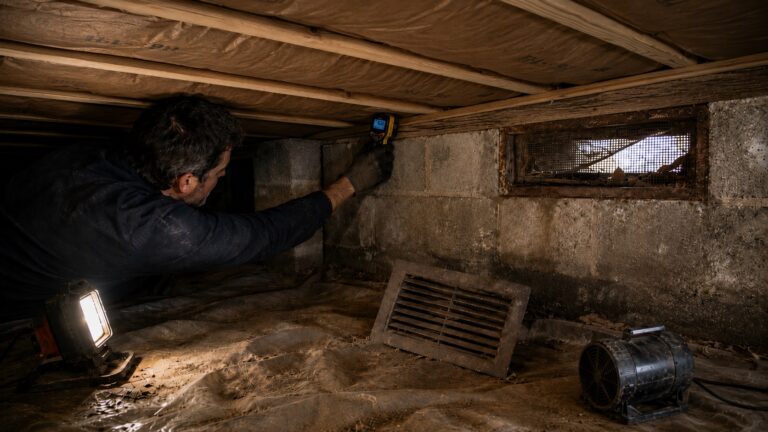
- Water may have entered wall cavities, crawl spaces, or enclosed structural areas below the floor.
A restoration company may be needed when water is widespread or hidden below layers. A flooring contractor may be needed when damaged materials must be removed and replaced. A plumber may be needed when the source is a leaking pipe, toilet, appliance line, or fixture. If structural wood is affected, a structural repair professional or qualified inspector may be needed before new flooring is installed.
How to Prevent the Same Flooring Damage From Coming Back
The best flooring repair prevents hidden moisture from returning under the new or repaired floor. That means stopping the source, confirming the subfloor is dry, and avoiding installation choices that trap moisture in the same area again.
Fix the Water Source First
Do not replace flooring until the water source is corrected. A new floor can fail quickly if the dishwasher still leaks, the refrigerator water line still drips, the toilet wax ring still allows water under tile, or basement seepage continues below the surface.
In many cases, the flooring damage is only the symptom. The real problem may be a slow plumbing leak, appliance connection, exterior door leak, basement moisture issue, or hidden wall leak.
Confirm the Subfloor Is Dry Before Covering It
New flooring should only be installed over a subfloor that is dry, firm, flat, and clean. If moisture is trapped below the replacement floor, the new material may buckle, smell musty, loosen, or fail. This is especially important under vinyl, laminate, engineered flooring, carpet padding, and tile assemblies.
If the floor was affected by a minor flood or widespread leak, drying should be treated as a separate step before repair. If you are still in the recovery stage, start with how to dry flooring after minor flooding before deciding on finish repairs.
Protect Appliance and Plumbing Areas
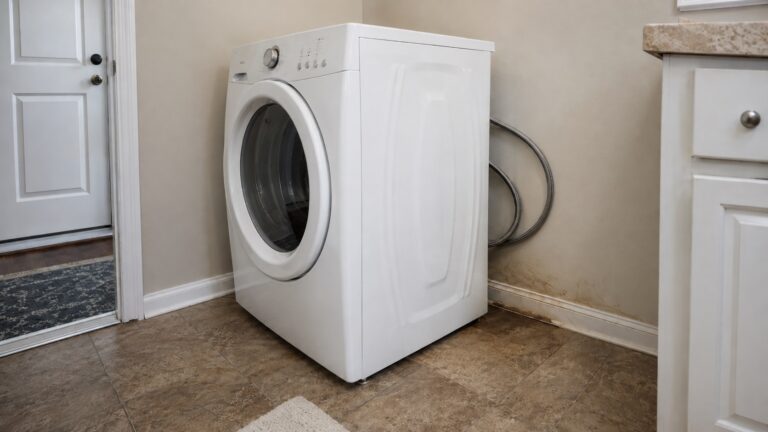
Kitchens, laundry rooms, bathrooms, and utility areas are common flooring damage zones because dishwasher leaks, refrigerator water line leaks, toilet leaks, washing machine overflows, and sink cabinet leaks can send water beneath flooring before the homeowner sees it.
Check appliance supply lines, drain hoses, shutoff valves, toilet bases, sink traps, and floor transitions regularly. Water alarms can also help in high-risk areas, especially under sinks, behind refrigerators, near washing machines, and near water heaters.
Watch Floor Edges, Seams, and Baseboards
Early flooring moisture often appears around edges before it appears in the middle of the room. Swollen baseboards, dark seams, lifted plank edges, loose transitions, or musty odor near walls can indicate water moving below the surface.
After repairs, monitor the same area during rain, after appliance use, and after plumbing repairs. If swelling, odor, or softness returns, the moisture source may still be active. Preventing mold under floors depends on keeping moisture from staying trapped below the surface, so it is useful to understand how to prevent mold under flooring after any repair.
FAQ: Repairing or Replacing Water-Damaged Flooring
Can water-damaged flooring be saved if the surface looks dry?
Water-damaged flooring can sometimes be saved if the water exposure was clean, brief, localized, and the full floor system remains dry, flat, firm, odor-free, and stable. A dry-looking surface is not enough if moisture remains under planks, padding, underlayment, or subfloor materials. Replacement is more likely when the material swells, buckles, delaminates, smells musty, develops mold, or hides moisture underneath.
Does laminate flooring need to be replaced after getting wet?
Laminate flooring often needs replacement after significant wetting because the fiberboard core can swell and lose its shape. If only a few planks were exposed briefly and the underlayment and subfloor stayed dry, local plank replacement may be possible. Widespread swollen seams, bubbling, softness, or odor usually points toward replacement.
Can hardwood floors recover from water damage?
Hardwood floors can sometimes recover from water damage if the leak was caught quickly, the boards remain stable, and the subfloor is dry. Minor cupping may improve after controlled drying. Severe cupping, crowning, buckling, black staining, mold, or repeated wetting makes replacement more likely.
Should carpet padding be replaced after water damage?
Carpet padding should usually be replaced when it becomes saturated, smells musty, is contaminated, or stays wet for too long. The carpet surface may dry faster than the padding below it. Wet padding can hold moisture against the subfloor and contribute to odor or mold concerns.
Can vinyl plank flooring trap water underneath?
Yes. Vinyl plank flooring can resist water on the surface while still allowing water to enter through seams, edges, transitions, or perimeter gaps. Once water gets underneath, the vinyl can slow evaporation and trap moisture against the subfloor. Musty odor, lifted edges, separated planks, or soft spots suggest moisture may be trapped below.
How do I know if water reached the subfloor?
Water may have reached the subfloor if the floor feels soft, spongy, uneven, or bouncy; if seams swell; if baseboards stain or expand; if odor remains after drying; or if moisture returns after the surface looks dry. In some cases, flooring must be lifted or inspected more closely to confirm the subfloor condition.
Is a soft floor after water damage dangerous?
A soft floor after water damage can be a warning sign of underlayment failure, subfloor damage, or moisture-affected structural wood. It is not always immediately dangerous, but it should not be ignored. If the floor feels unstable, sagging, or spongy, professional evaluation is recommended before installing new flooring.
Should I replace flooring before or after fixing the leak?
Fix the leak before replacing the flooring. Final flooring repairs should wait until the water source is corrected and the subfloor is dry. If new flooring is installed over an active leak or damp subfloor, the replacement floor can fail quickly.
Final Decision: Repair Only After the Floor System Is Dry
You should repair water-damaged flooring when the moisture exposure was brief, clean, localized, and the floor system remains dry, firm, flat, stable, and odor-free. You should replace flooring when the material is swollen, buckled, delaminated, moldy, contaminated, repeatedly wet, or hiding moisture below the surface.
The most important decision point is whether the layers underneath are dry and sound. Carpet padding, laminate cores, underlayment, adhesive, subfloor panels, and structural wood can all remain damaged after the visible surface appears normal.
Stop the water source first, evaluate each flooring layer separately, confirm the subfloor is dry and stable, and only then repair or replace the finish floor. That sequence prevents trapped moisture, repeated damage, and premature failure of the replacement flooring.
One Comment
Comments are closed.