How Long Do PEX Pipes Last in Homes?
PEX pipes can last for decades in a home when they are properly rated, installed correctly, protected from sunlight, and used within their temperature and pressure limits. Many PEX plumbing systems are designed around a long service life, often discussed in the range of about 50 years under proper conditions. But that does not mean every PEX pipe automatically lasts that long.
The real lifespan of PEX depends on the conditions around the pipe. Heat, pressure, chlorine or chloramine exposure, ultraviolet light, mechanical damage, poor fittings, tight bends, and installation mistakes can all shorten its service life. A well-protected PEX line in a basement may age very differently from a line exposed to sunlight in a garage or a stressed fitting hidden inside a wall.
PEX does not corrode like copper, which is one reason it became popular in residential plumbing. However, it is not failure-proof. PEX can still leak at fittings, become damaged by abrasion, weaken from excessive UV exposure, or fail earlier when used outside its intended conditions.
This article explains how long PEX pipes usually last, what shortens their lifespan, what warning signs homeowners should watch for, and when older or damaged PEX should be inspected. It focuses on lifespan and condition, not PEX installation, crimping methods, expansion tools, or step-by-step pipe repair.
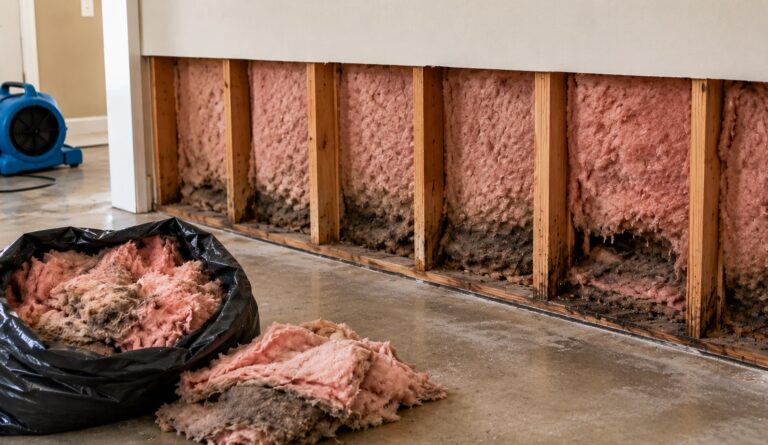
When any plumbing material begins leaking inside walls, floors, crawl spaces, or utility areas, the pipe material is only part of the concern. Even small leaks can spread into drywall, framing, insulation, subfloors, and nearby finishes. That is why PEX lifespan matters within the larger issue of how plumbing leaks can cause structural damage and how often major plumbing parts should be reviewed for age, wear, and leak risk.
How Long Do PEX Pipes Usually Last?
PEX pipes are commonly expected to last for several decades, and properly rated systems are often associated with a service life of around 50 years under normal conditions. That expectation assumes the pipe is installed correctly, protected from damaging exposure, and used within its rated temperature and pressure limits.
For the most accurate limit, check the printed rating on the tubing and the manufacturer’s documentation for temperature, pressure, disinfectant, and UV exposure limits.
That number is a guideline, not a promise. A protected, correctly installed cold-water line may remain reliable for a very long time, while PEX exposed to heat stress, sunlight, poor support, chemical stress, or bad fittings may develop problems sooner.
PEX lifespan is also affected by the difference between the tubing itself and the connections. A long run of tubing may be in good condition while a fitting, clamp, crimp, transition, or manifold connection begins to leak. For homeowners, this means a visible leak around PEX does not automatically prove that the entire pipe material is failing.
Age still matters when evaluating older remodeling work or buying a home with existing PEX plumbing, but condition matters more. A 20-year-old PEX system with poor installation, sunlight exposure, and multiple fitting leaks may deserve more concern than an older system that is protected, supported, and leak-free.
Why PEX Pipes Can Last for Decades
PEX can last for decades because it avoids some of the failure patterns common to metal plumbing. It does not rust, and it does not develop copper-style pinhole corrosion from internal pitting. It is flexible, which can reduce the number of fittings needed in some layouts and allow the pipe to handle normal movement better than rigid materials.
Flexibility is one of the major advantages of PEX. In many installations, PEX can curve around obstacles instead of requiring multiple elbows. Fewer joints can mean fewer potential leak points, as long as the pipe is supported and bent within its limits.
PEX also resists scale buildup better than many older metal systems. In normal domestic water use, that can help maintain flow over time. It can handle hot and cold water distribution when the product is rated for those conditions and installed according to the system requirements.
PEX also performs best as part of a complete fitting system. Crimp, clamp, expansion, press, and other methods are designed to work with specific tubing and tools. When the correct system is used properly, PEX can provide long-term service with fewer rigid joints than some traditional layouts.
But those same advantages depend on proper conditions. PEX must be protected from UV exposure, installed without damaging bends or abrasion points, connected with compatible fittings, and kept within its temperature and pressure ratings. It lasts longest when it is treated as a rated plumbing system, not as generic flexible tubing.
What Can Shorten PEX Pipe Lifespan?
PEX pipe lasts longest when it is protected, supported, and used within its rated conditions. The most common lifespan problems come from exposure or installation conditions that stress the tubing or fittings over time. PEX does not corrode like copper, but it can still be weakened by sunlight, excessive heat, high pressure, chemical exposure, abrasion, kinks, or poor connections.
UV Exposure From Sunlight
Ultraviolet light is one of the most important exposure risks for PEX. PEX should not be left in sunlight for long periods unless the specific product instructions allow that exposure. Sunlight can affect the material before installation during storage, and it can also matter after installation if pipe runs are exposed near windows, garage doors, unfinished exterior openings, or bright jobsite conditions.
This does not mean every visible PEX line is automatically damaged. The concern is excessive or prolonged UV exposure. If PEX has been exposed to direct sunlight for an unknown amount of time, especially before installation or in an unfinished area, it should be inspected before assuming it will reach its expected lifespan.
Heat and Pressure Stress
PEX used for hot water is designed to handle rated temperature and pressure conditions, but heat and pressure still affect long-term durability. A hot-water line is under more stress than a cold-water line because elevated temperature can accelerate material aging when combined with pressure and disinfectants in the water.
Pressure problems can also stress fittings, manifolds, and transition points. If a home has high water pressure, thermal expansion problems, or repeated pressure spikes, the issue can affect more than one plumbing material. PEX may be flexible, but the fittings and connections still need stable operating conditions.
Chlorine and Chloramine Exposure
PEX used in potable water systems is tested and rated for disinfectant exposure, but chlorine and chloramine are still part of the lifespan equation. Hot chlorinated water, pressure, and long service time can affect plastic plumbing materials. This is why PEX products have ratings and standards instead of being treated as permanent tubing.
Homeowners usually do not need to test disinfectant levels themselves unless there is a repeated failure pattern or a known water-quality concern. The key point is that water chemistry can affect PEX lifespan just as it can affect other plumbing materials, even though the failure mechanism is different from copper corrosion.
Poor Installation or Wrong Fittings
PEX systems depend heavily on correct fittings and installation methods. A leak near PEX often starts at a connection rather than in the middle of an undamaged pipe run. Incorrect tools, poorly made crimps or clamps, incompatible fittings, stressed transitions, or poorly supported tubing can all shorten the system’s reliable life.
This article does not teach installation procedures, but homeowners should understand that PEX is not just flexible pipe. It is part of a system. The tubing, fittings, rings, tools, manifolds, and transitions all need to match the intended method.
Kinks, Abrasion, and Mechanical Damage
PEX can bend, but it still has limits. Sharp bends, flattened sections, crushed pipe, or kinks can create weak points. Abrasion can also occur where the pipe rubs against framing, metal edges, concrete, masonry, or rough openings. Over time, vibration and movement can make abrasion worse.
Mechanical damage is especially important in crawl spaces, garages, unfinished basements, and remodel areas where pipes may be exposed. A pipe that has been stepped on, pulled, pinched, chewed, or scraped may not have the same lifespan as a protected run inside a clean framing cavity.
Rodent or Pest Damage
PEX can be vulnerable to chewing damage in some crawl spaces, basements, attics, or utility areas. Rodent damage may appear as tooth marks, gouges, small punctures, or sudden leaks in exposed tubing. This is not normal aging, but it can create a leak risk even in newer PEX systems.
If a PEX leak appears in an area with pest activity, the pipe material may not be the main issue. The surrounding crawl space, wall cavity, or utility area may need pest control and pipe protection to prevent repeated damage.
Signs PEX Pipes May Be Aging or Damaged
PEX does not usually show age the same way metal pipe does. You will not see rust or green copper corrosion. Instead, warning signs often involve leaks at fittings, damaged tubing, discoloration, brittleness, abrasion marks, or moisture around the pipe path.
The most important signs are not always on the pipe itself. Water stains below fittings, damp framing, soft flooring, musty odors, or wet insulation can suggest a hidden PEX leak even when the tubing is not visible.
Leaks at Fittings or Manifolds
Leaks at fittings are among the most common visible PEX warning signs. Look for water beads around crimp rings, clamp rings, expansion fittings, push connections, manifolds, shutoff valves, or transition fittings. Dampness near a fitting may mean the connection was poorly made, stressed, damaged, or aging.
Also check the material below the fitting. A dry pipe with staining, mineral residue, swollen wood, or a damp cabinet floor underneath may point to an intermittent seep that is not actively dripping when you inspect it.
One fitting leak may be a local connection problem, but repeated fitting leaks in different locations can point to a larger installation, pressure, or support issue.
Kinked, Flattened, or Discolored Tubing
PEX should not look sharply kinked, crushed, flattened, or severely twisted. A bend that exceeds the pipe’s limits can create a weak point. A flattened section may restrict flow and may be more vulnerable to future failure.
Discoloration can be harder to interpret because PEX comes in different colors and may change appearance slightly with age. The more concerning signs are brittleness, cracking, chalky surface change, or discoloration paired with known sunlight exposure or heat stress.
Abrasion Marks or Rub Points
PEX that rubs against framing, metal edges, masonry, or rough holes can develop wear marks. These may look like scratches, flattened spots, or dull areas where the pipe has been moving against a surface. Abrasion is especially concerning when the pipe is under pressure and the rubbing occurs at a bend or support point.
Small rub marks should not be ignored if they are located where the pipe can continue moving. Over time, a minor abrasion point can become a leak point.
Moisture Near Hidden PEX Runs
When PEX runs through walls, ceilings, or floors, the pipe may not be visible. The first sign of trouble may be a stain, swollen drywall, damp insulation, peeling paint, soft flooring, or a musty smell. These symptoms do not prove the PEX has failed, but they do mean moisture is present and should be traced.
Do not assume a wall, ceiling, or floor cavity is dry just because the surface feels dry. If stains, soft materials, musty odors, or recurring damp spots remain, hidden materials may still need moisture testing or professional inspection.
If the suspected pipe route is inside a wall, a guide on how to detect plumbing leaks inside walls can help with the next step. If moisture appears under flooring or near supply lines below the floor, see how to detect plumbing leaks under floors.
PEX Tubing Problems vs PEX Fitting Problems
One of the most important things to understand about PEX lifespan is the difference between tubing failure and fitting failure. The tubing itself may be in good condition while a connection point leaks. In many homes, the weak point is often a fitting, clamp, crimp, valve, manifold, or transition point rather than the middle of a protected PEX run.
This distinction matters because a leak at one PEX fitting does not automatically mean every PEX line in the home is failing. However, repeated leaks at multiple fittings can suggest a broader installation issue, pressure problem, incompatible fitting system, or aging connection pattern.
When the Tubing Is the Problem
The tubing itself may be the problem if it is kinked, cracked, brittle, abraded, chewed, overheated, or exposed to too much sunlight. Tubing problems are also more likely when the pipe was bent beyond its limits, pulled tightly through framing, rubbed against rough surfaces, or installed near heat sources without proper protection.
A damaged tubing section may show visible flattening, gouges, bite marks, discoloration, or cracking. In hidden areas, the only clue may be a damp wall, wet floor, or water stain along the pipe route.
When the Fitting Is the Problem
PEX fitting problems usually appear at connection points. You may see water around a crimp ring, clamp ring, expansion fitting, manifold port, shutoff valve, fixture connection, or transition from PEX to copper or threaded metal. These leaks may come from installation error, aging seals, pressure stress, movement, or incompatible parts.
Fitting leaks are especially important around manifolds, water heaters, sinks, toilets, washing machines, and remodel transitions because these areas have more connections. More connections mean more potential leak points compared with a long uninterrupted tubing run.
If several fittings leak across the same home, the issue may not be the PEX material itself. It may involve installation quality, system pressure, water hammer, poor support, or a fitting system that was not installed correctly.
Does PEX Type Affect Lifespan?
PEX type can affect performance, but homeowners should not reduce lifespan to a simple PEX-A vs PEX-B vs PEX-C debate. These types refer to different manufacturing methods. They can have different flexibility, memory, fitting systems, and handling characteristics, but all must be used within their ratings and installed correctly.
PEX-A is often known for flexibility and expansion-style fitting compatibility. PEX-B is commonly used with crimp or clamp systems and is widely available. PEX-C is less common in many residential markets but is still part of the broader PEX category. The exact product, rating, fitting system, and installation quality matter more than the letter alone.
Fitting method also matters. Crimp, clamp, expansion, press, and push-to-connect systems each have their own requirements. A properly installed system can last for decades. A poorly installed connection can leak early even if the tubing itself is high quality.
If you are not sure what kind of plumbing material is installed in your home, start with a guide on how to identify aging plumbing materials. Material identification helps you understand whether you are looking at PEX, copper, PVC, CPVC, polybutylene, or another pipe type.
Where PEX Is Most Likely to Have Problems
PEX can perform well in many parts of a home, but certain locations deserve closer attention. Problems are more likely where the pipe is exposed, stressed, connected to other materials, close to heat, or hidden in a way that allows leaks to go unnoticed.
Water Heater Areas
PEX near water heaters should be evaluated carefully because this area involves hot water, pressure, valves, transitions, and sometimes thermal expansion issues. Some installations require specific transition materials or minimum separation from the heater, depending on local code and manufacturer requirements.
Homeowners should not judge the entire system from one visible connection, but leaks, heat damage, sagging, stressed fittings, or PEX connected too close to hot equipment should be inspected promptly.
Crawl Spaces and Unfinished Basements
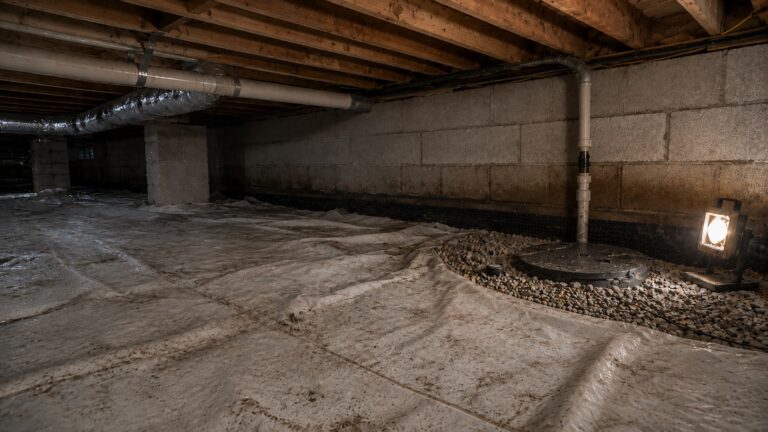
Crawl spaces and unfinished basements often contain exposed PEX runs. These areas make pipes easier to see, but they also expose the tubing to mechanical damage, pests, poor support, temperature swings, or abrasion against framing.
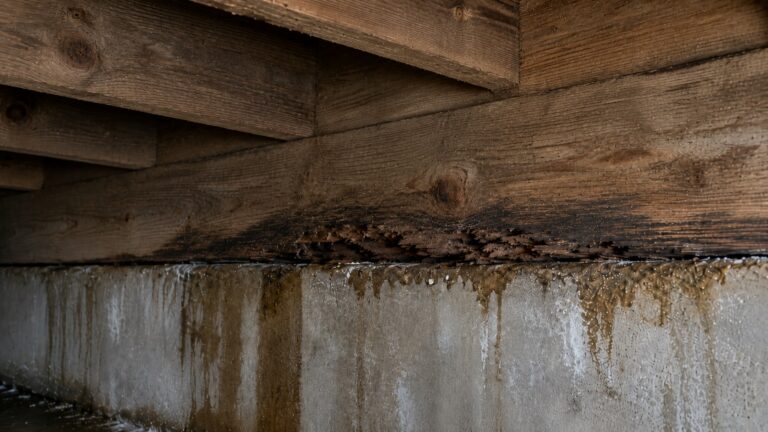
Inspect for sagging lines, unsupported runs, rubbing points, rodent damage, damp insulation, or fittings with mineral staining. In crawl spaces, even small leaks can go unnoticed long enough to wet wood framing or insulation.
Garages and Sunlit Utility Areas
Garages, utility rooms, and unfinished areas deserve extra attention when PEX is visible. Sunlight through windows, open garage doors, or jobsite storage can matter if exposure exceeds the product’s UV limits.
In these areas, also check for unsupported spans, rub points, heat exposure, and impact damage from stored tools, shelves, vehicles, or remodeling work.
Manifold Systems
PEX manifold systems can be useful because they organize multiple runs in one location. However, the manifold also concentrates many fittings in one area. If there is a leak, it may appear at a manifold port, connection, valve, or transition rather than along the tubing itself.
Check manifolds for dampness, mineral deposits, staining, loose supports, or signs that one connection has been seeping. A small leak at a manifold can be easy to overlook if the area is not checked regularly.
Remodel Transitions
PEX is often used during remodels to connect new fixtures to older plumbing. These transition areas can include copper-to-PEX, threaded adapters, valves, and mixed material connections. The pipe may be fine, but the transition fitting may be the weak point.
If leaks appear after remodeling, look closely at the connection points rather than assuming the PEX tubing itself is failing.
When Older PEX Should Be Inspected
Older PEX should be inspected when age is combined with symptoms, exposure history, or repeated leaks. A protected PEX system that is aging normally may not need immediate replacement, but visible damage or recurring leaks should not be ignored.
Inspection is especially important if the PEX has been exposed to sunlight, if several fittings have leaked, if there are water stains near hidden pipe routes, or if the system was installed during a remodel with unknown workmanship.
PEX should also be inspected when buying a home, opening walls during remodeling, or investigating unexplained moisture. Plumbing may look fine at fixtures while hidden lines or fittings are showing early signs of trouble behind walls, below floors, or in crawl spaces.
If you are no longer asking about PEX specifically and are seeing broader failure patterns across the home, compare the signs it is time to replace old plumbing pipes. For broader lifecycle planning, see how often plumbing parts should be replaced. Those broader decisions depend on leak frequency, material type, age, water pressure, water quality, and the number of areas affected.
PEX vs Copper and PVC Lifespan
PEX, copper, and PVC age in different ways, so this comparison should stay broad. Copper can last for decades and handles heat well, but it can develop pitting corrosion and pinhole leaks in some water conditions. PEX does not corrode like copper and is more flexible, but it can be affected by UV exposure, heat, pressure, chemical stress, fittings, and installation quality.
PVC is different again. It is commonly used for drain, waste, vent, irrigation, and some cold-water applications depending on the system and local code. PVC does not rust or corrode like metal, but it has its own limits related to temperature, brittleness, impact damage, and proper use. For material-specific comparisons, see how long copper pipes last and how long PVC pipes last.
The best plumbing material is not determined by lifespan alone. Location, water temperature, pressure, code requirements, water chemistry, installation quality, and repair history all matter. A well-installed PEX system can last a long time, but a poorly installed PEX system can leak early. The same principle applies to copper, PVC, and other plumbing materials.
FAQ About PEX Pipe Lifespan
Can PEX pipes last 50 years?
Yes, PEX pipes are commonly expected to last around 50 years when properly rated, installed correctly, protected from sunlight, and used within temperature and pressure limits. That is a general expectation, not a guarantee. Poor installation, UV exposure, heat stress, pressure issues, or fitting problems can shorten lifespan.
Does sunlight damage PEX pipe?
Yes, excessive sunlight can damage PEX. Ultraviolet exposure can reduce service life, especially if the pipe is stored outdoors too long or installed where direct sunlight reaches it. PEX should be protected from prolonged UV exposure unless the specific product instructions allow limited exposure.
Does chlorine shorten PEX pipe lifespan?
PEX used for potable water is tested and rated for chlorinated water exposure, but disinfectants still matter. Hot water, pressure, and chlorine or chloramine exposure can affect long-term durability. This does not mean chlorine automatically ruins PEX, but it is one reason proper ratings and system conditions matter.
Do PEX fittings fail before the pipe?
PEX fitting problems are often more visible than tubing problems. Many leaks occur at fittings, manifolds, valves, or transitions rather than in the middle of protected tubing. A fitting leak does not always mean the pipe material is failing, but repeated fitting leaks deserve closer inspection.
Does PEX usually fail differently than copper?
Yes. Copper often fails through corrosion, pitting, or pinhole leaks, while PEX problems are more often related to sunlight exposure, heat and pressure stress, damaged tubing, or fittings. Lifespan depends less on which material sounds better and more on water conditions, installation quality, location, and maintenance history.
How do I know if PEX pipes are failing?
Warning signs include leaks at fittings, kinked or flattened tubing, abrasion marks, brittle or discolored pipe, rodent damage, water stains below pipe runs, damp framing, wet insulation, or repeated leaks at manifolds and transitions. Hidden leaks may show up as soft flooring, musty odors, or stained drywall.
Should old PEX plumbing be replaced automatically?
No. Old PEX does not need replacement based on age alone. It should be inspected if there are leaks, UV exposure concerns, brittle tubing, damaged pipe, repeated fitting problems, or moisture symptoms near hidden pipe runs. Replacement decisions should be based on condition, not just the installation date.
What Homeowners Should Remember About PEX Lifespan
- PEX pipes can last for decades and are often associated with a 50-year service-life expectation under proper conditions.
- PEX does not corrode like copper, but it can still fail from UV exposure, heat, pressure, chemical stress, mechanical damage, or poor fittings.
- Many PEX leaks occur at fittings, manifolds, valves, or transition points rather than in the middle of protected tubing.
- Sunlight exposure is one of the most important preventable risks for PEX lifespan.
- Hot water, pressure, and disinfectants can affect long-term durability, so proper ratings matter.
- PEX should be inspected if it is kinked, abraded, brittle, exposed to sunlight, damaged by pests, or leaking at multiple fittings.
- Age alone does not determine whether PEX plumbing should be replaced.