How Long Do PVC Pipes Last?
PVC pipes can last for many decades when they are properly installed, supported, and protected from damage. In many protected residential plumbing applications, PVC pipe systems may remain serviceable for 75 to 100 years or more, but age alone does not prove a pipe is safe, failing, or ready for replacement.
The real lifespan of PVC plumbing depends on where the pipe is located, how it was installed, whether it is exposed to sunlight or heat, how well it is supported, and whether joints or nearby materials show signs of leakage. A protected drain line inside a wall can age very differently from under-sink PVC, crawl space piping, or exterior exposed pipe.
This guide explains the usual PVC pipe lifespan, the conditions that shorten it, the warning signs homeowners should take seriously, and when inspection or replacement becomes more important. For the bigger picture of how pipe leaks can affect framing, floors, walls, and other building materials, see how plumbing leaks cause structural damage.
How Long PVC Pipes Usually Last
PVC pipes commonly last for several decades, and properly installed PVC pipe systems may remain serviceable for 75 to 100 years or more under favorable conditions. Industry longevity research on PVC pipe has found that tested pipes would be expected to exceed 100 years under normal operating conditions, though real homes still need to be judged by pipe condition, exposure, support, and leak history.
The phrase “PVC pipes last 100 years” needs context. A pipe protected inside a wall or buried in stable conditions is not exposed to the same risks as a pipe in direct sunlight, a hot attic, a garage wall, a loose under-sink cabinet, or a crawl space where it can be bumped, frozen, or poorly supported.
For homeowners, the better question is not only “How old is the PVC?” but “What condition is it in?” Visible cracks, sagging, joint stains, leak history, and nearby moisture signs matter more than age alone.
A 30-year-old PVC drain line that is dry, properly supported, protected from sunlight, and free from stress may be less concerning than a 10-year-old line that is sagging, cracked, badly glued, or leaking around a fitting.
PVC Does Not Usually Fail Just Because It Is Old
PVC is not like galvanized steel pipe, which can rust from the inside and lose flow capacity over time. PVC does not corrode in the same way metal pipe does, and it does not develop rust scale inside the pipe. This gives PVC a major lifespan advantage in many residential plumbing situations.
That does not mean PVC is immune to failure. It can crack, leak at joints, sag when unsupported, separate at bad fittings, or become more vulnerable when exposed to sunlight, heat, freezing, or movement. In most homes, PVC problems are caused by stress or conditions around the pipe rather than the material simply reaching an expiration date.
Protected, correctly installed PVC may last for generations. Poorly installed, exposed, damaged, or stressed PVC may fail much sooner.
Drain Pipes, Waste Pipes, and Exposed PVC May Age Differently
Many homeowners see PVC under sinks, behind washing machines, in basements, in crawl spaces, or connected to fixture drains. These pipes often carry drainage rather than constant pressure. Because drain lines are not always under pressure, a small defect may not show up as an obvious spray or burst. Instead, the pipe may drip slowly only when water is running.
That slow leak pattern is important. A pipe can look fine most of the day and still leak during sink use, dishwasher discharge, laundry drainage, or heavy fixture use. If the leak is hidden inside a cabinet, wall, floor cavity, or crawl space, it can cause gradual moisture damage before the pipe itself looks severely deteriorated.
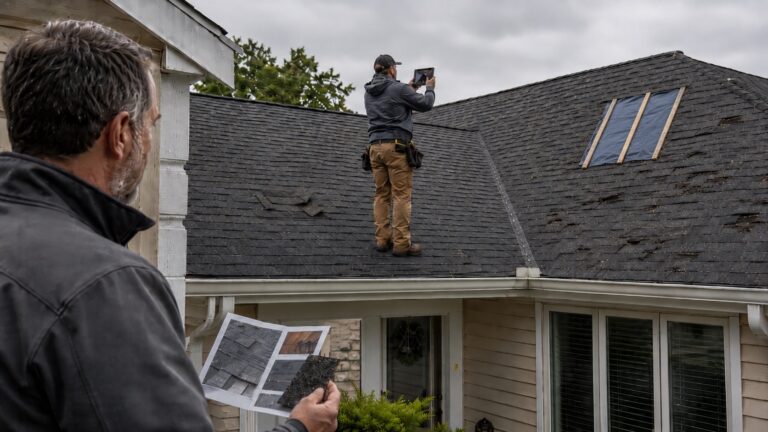
Exposed PVC also deserves closer attention. Pipe in garages, crawl spaces, utility rooms, and storage areas can be hit, bumped, flexed, or stressed. Sun-exposed PVC may discolor and lose some surface impact resistance. Pipe in cold areas may be vulnerable if water becomes trapped and freezes. These conditions can shorten the practical service life even when the material itself is capable of lasting much longer.
If you are trying to evaluate all plumbing components in an older home, not just PVC, it helps to compare this article with a broader plumbing parts replacement schedule.
What Can Shorten the Lifespan of PVC Pipes?
PVC pipes usually last a long time, but early failures can happen when the pipe is exposed to stress, poor support, impact, bad joints, freezing, sunlight, heat, or movement.
That is why two homes with PVC plumbing from the same decade can have very different outcomes. One system may stay dry and stable for decades, while another develops leaks much earlier because the pipe was installed under stress or left exposed to damaging conditions.
Sunlight and UV Exposure
PVC pipe exposed to direct sunlight can discolor over time. White PVC may turn yellowish, tan, or chalky on the surface. This does not always mean the pipe is about to fail, but it does mean the pipe has been exposed to conditions that can affect the surface.
UV exposure can degrade the surface of plastic piping materials and reduce impact strength. That means exposed PVC may become more vulnerable if it is bumped, struck, or flexed. A discolored pipe that is still straight, dry, well supported, and free from cracks may not be an immediate problem. But if the pipe is chalky, brittle, cracked, or located where it can be hit, it should be inspected more carefully.
Outdoor or sun-exposed PVC should not be ignored just because PVC is generally durable. Protection from UV exposure, physical damage, and temperature extremes can help preserve the pipe’s useful life.
Heat Exposure
PVC is not designed for unlimited heat. Pipe located near heat sources, hot mechanical equipment, poorly ventilated attic spaces, improper appliance connections, or unusual hot discharge conditions may experience more stress than pipe in a protected indoor location.
Heat can contribute to distortion, softening, movement, or stress at fittings. Even when the pipe does not visibly melt or deform, repeated heat exposure can make an already stressed installation more vulnerable. If PVC looks warped, bent, distorted, or misaligned near a heat source, it should be treated as a warning sign.
If PVC is connected to equipment that may discharge hot water or condensate, do not assume the pipe is suitable just because it has not failed yet. A plumber can confirm whether the pipe material and connection are appropriate for that use.
Poor Support and Sagging
Unsupported PVC can sag, especially along horizontal drain runs. Sagging matters because drain pipes depend on slope. Wastewater should move smoothly through the pipe instead of sitting in low spots.
When a PVC drain line sags, water and debris can collect in the low section. Over time, that can lead to odors, recurring clogs, slow drainage, and extra stress on joints. Sagging can also pull on fittings and create small leaks where pipe sections connect.
This is one of the most common ways a pipe can develop problems before the material itself has reached the end of its expected life. The pipe may not be “too old,” but the installation may no longer be properly supported.
Bad Joints or Improper Installation
PVC pipe depends heavily on proper joint assembly. A bad joint can leak even if the pipe itself is still in good condition. If a fitting was misaligned, poorly prepared, poorly solvent-welded, or forced into position under stress, that connection can become the weak point.
A joint that looks crooked, strained, heavily patched, or pulled out of alignment deserves closer attention than a straight, clean, dry fitting.
Homeowners often notice this as staining, residue, dampness, swelling, or musty odor near a joint. Under sinks, these signs may appear in cabinet bottoms before the pipe itself looks obviously damaged.
This is one reason older PVC should be evaluated by condition rather than age alone. A well-made joint may last for decades. A poorly made joint may leak much sooner.
Freezing and Physical Impact
PVC can crack if trapped water freezes inside the pipe or if the pipe is struck hard enough. This is more likely in garages, crawl spaces, exterior walls, unconditioned spaces, or other areas where temperatures drop and the pipe is not protected.
If a frozen pipe is suspected, avoid striking or flexing the PVC to test it. Brittle or stressed pipe can crack more easily when forced.
Physical impact is another issue. PVC in storage areas, garages, basements, and crawl spaces can be hit by tools, boxes, ladders, or foot traffic. Older exposed pipe may be more vulnerable if it has already been weakened by sunlight, stress, or poor support.
A crack does not have to be large to matter. A small crack in a drain line may only leak when water runs through the pipe. That kind of intermittent leak can be easy to miss, especially if the pipe is above a crawl space, inside a cabinet, or behind stored items.
Building Movement and Pipe Stress
Homes move slightly over time. Framing can settle, floors can shift, cabinets can be replaced, and remodeling work can disturb old plumbing. If PVC piping is locked into a stressed position, movement can place pressure on joints, fittings, and transitions.
This is especially important where PVC connects to other materials or passes through framing. A pipe that is pinched, pulled, twisted, or forced into alignment may be more likely to leak at a joint or crack at a stressed section.
If an older home has had multiple plumbing repairs, cabinet replacements, fixture changes, or appliance upgrades, the PVC may deserve a closer look. The concern is not just age. It is whether the system has been disturbed or stressed over time.
Chemical Misuse
PVC is resistant to many normal household drainage conditions, but repeated use of harsh drain chemicals can still create problems around seals, fittings, traps, and nearby components. More importantly, frequent chemical use may hide a recurring drainage issue instead of fixing it.
If a PVC drain line keeps clogging, the better question is why the line is clogging. Sagging, poor slope, buildup, venting problems, or layout issues may need inspection instead of repeated chemical treatment.
Signs Older PVC Pipes May Be Wearing Out
Older PVC does not need to be replaced just because it has been in the home for many years. But certain signs suggest the pipe should be inspected. These signs are especially important when PVC is near wood framing, cabinets, drywall, flooring, insulation, or other materials that can hold moisture.
If you are seeing general warning signs across several plumbing components, compare them with signs plumbing parts are near failure. For PVC specifically, the warning signs below are the ones that matter most.
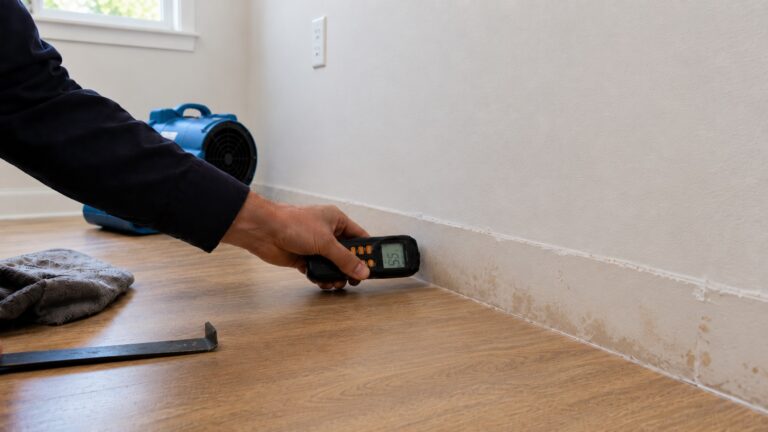
A simple inspection should focus on the places PVC usually fails first: joints, fittings, traps, transitions, unsupported horizontal runs, and areas where the pipe passes through cabinets, floors, walls, or framing. Run water through the fixture when possible, then look for fresh dampness, staining, odor, movement, or dripping around the pipe and nearby materials.
For under-sink drains, fill the sink basin and release the water while watching the trap and wall connection. For appliance or laundry drains, inspect immediately after the appliance discharges, because intermittent PVC leaks may only appear during high-flow use.
Visible Cracks
Cracks are one of the clearest signs that PVC is no longer reliable in that area. A crack may appear along the pipe body, near a fitting, around a joint, or at a stressed connection point.
Some cracks leak only when water runs through the pipe. Others may allow sewer gas odor, moisture, or staining to develop slowly. Any visible crack in a PVC drain or waste line should be taken seriously, especially if it is near finished materials or structural wood.
Staining or Dampness Around Joints
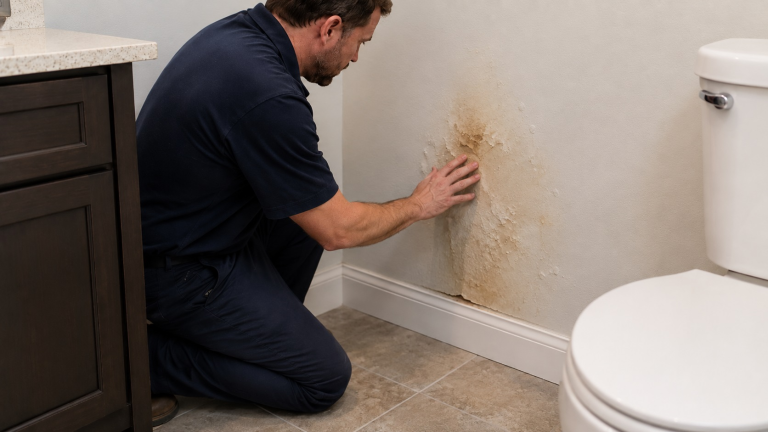
Leaks often start at joints before they appear along the pipe body. Look for brown stains, dark rings, white residue, damp cabinet floors, swollen particleboard, musty odor, or discoloration beneath fittings.
Under sinks, a joint leak may drip only during heavy use. Around laundry areas, dishwashers, or utility drains, the leak may appear only when the appliance discharges water. Because of this intermittent pattern, the surrounding material may show damage before the homeowner sees active dripping.
Sagging Horizontal Runs
A sagging PVC drain line is a warning sign because drain pipes depend on slope. In basements and crawl spaces, look for horizontal runs that dip between supports. In cabinets, check whether the trap or drain assembly is hanging loosely or pulling at the wall connection.
Sagging does not always mean the pipe is failing immediately, but it can cause slow drainage, recurring clogs, and stress at fittings. It should be corrected before it turns into a leak or a repeated drainage problem.
Chalky, Yellowed, or Brittle-Looking PVC
Discoloration alone is not proof that PVC has failed. White PVC can yellow or become chalky after exposure to sunlight or certain environmental conditions. The concern increases when discoloration appears with cracks, surface flaking, brittleness, impact damage, or leaks.
Do not hit, bend, or force old exposed PVC to test it. If it looks brittle or damaged, inspect visually and call a professional if the pipe is part of an active drainage system.
Recurring Leaks in the Same Area
A repeated leak around the same PVC joint or pipe run usually means something is wrong beyond a random drip. The pipe may be misaligned, poorly supported, stressed, cracked, or connected to a failing fitting.
This kind of pattern is important because repeated small leaks can lead to hidden moisture. If moisture keeps appearing near the same plumbing area, it may help to review signs of slow hidden water leaks so the surrounding materials are not overlooked.
Odors Near PVC Drain Lines
Sewer-like odors near PVC drain piping may point to a dry trap, venting issue, loose connection, cracked pipe, or another drainage problem. Odor alone does not prove the PVC has reached the end of its life, but it should not be ignored when it appears with stains, dampness, movement, or visible pipe damage.
Where PVC Pipe Aging Matters Most in a Home
PVC pipe aging matters most where small leaks can stay hidden or where the pipe is exposed to impact, movement, poor support, heat, freezing, or sunlight. The highest-risk pipes are not always the oldest pipes. They are the pipes most likely to leak unnoticed or damage nearby materials.
Focus first on accessible areas where PVC connects to fixtures, appliances, cabinets, crawl spaces, basements, utility rooms, and exterior-adjacent spaces.
Under Sinks
Under-sink PVC is easy to access, but it is also easy to disturb. Drain assemblies beneath kitchen and bathroom sinks can be bumped by stored cleaning supplies, trash cans, plumbing work, or cabinet repairs. Over time, this movement can loosen fittings or place stress on connections.
Older under-sink PVC should be checked for staining, damp cabinet floors, swelling, musty odor, loose trap connections, and signs of past patching. The pipe may still be serviceable, but any moisture around the cabinet base should be treated as more than a cosmetic issue.
Basements and Crawl Spaces
PVC drain lines in basements and crawl spaces are often easier to see than pipes inside finished walls. That makes these areas useful for inspection. Look for sagging horizontal runs, missing supports, stains below fittings, pipe sections that appear twisted or stressed, and areas where the pipe may have been hit or moved.
Crawl spaces deserve special attention because leaks there may go unnoticed. Moisture under the home can affect joists, subflooring, insulation, and indoor air quality over time. Even a small PVC drain leak can contribute to a larger hidden moisture pattern if the area is not inspected regularly.
Garages, Utility Rooms, and Mechanical Areas
PVC in garages and utility rooms may be exposed to impact. Ladders, tools, storage bins, bikes, and appliances can strike or stress pipes. If an older PVC pipe is discolored, unsupported, or located where it can be bumped, its risk is higher than a protected pipe inside a wall.
Mechanical areas can also expose PVC to heat, vibration, or past service work. A pipe near water heaters, HVAC equipment, laundry drains, or utility sinks should be checked for movement, staining, loose connections, and signs of previous leakage.
Attics and Exterior-Adjacent Spaces
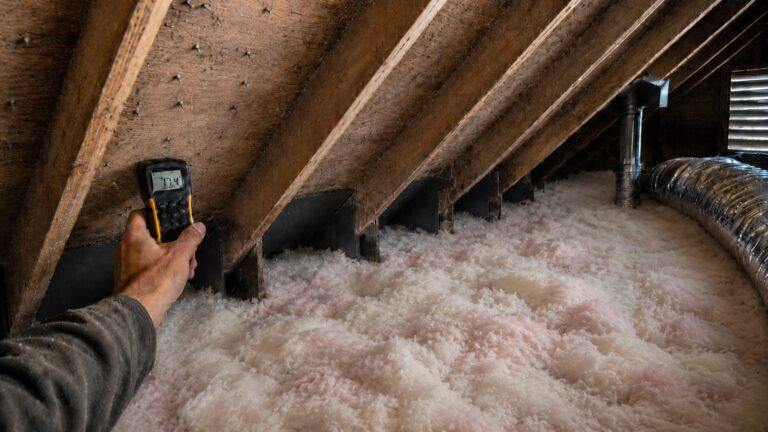
PVC in attics or exterior-adjacent spaces may experience temperature swings, heat, freezing risk, or movement. These conditions do not automatically mean the pipe is failing, but they make inspection more important.
Vent lines, drain runs, and pipe penetrations should be checked for cracking, separation, stress at fittings, and moisture stains on nearby materials. If the pipe passes through framing or roof areas, the surrounding opening should also be evaluated for water entry from other sources.
Appliance Drainage Areas
Some PVC piping is connected to or located near appliance drainage areas, including laundry rooms, dishwashers, utility sinks, condensate drains, and other water-using equipment. These areas may experience intermittent high-volume drainage, vibration, or repeated service work.
If an appliance drain area shows stains, soft flooring, musty odor, or recurring dampness, inspect more than the PVC pipe. The appliance connection, drain hose, fitting, trap, and nearby materials may all be involved. For a broader moisture-control approach across the home, see how to find, fix, and prevent moisture problems in homes.
Does Old PVC Need to Be Replaced Automatically?
Old PVC does not need automatic replacement just because it has reached a certain age. If the pipe is dry, protected, properly supported, and free from cracks or leaking joints, continued inspection may be more reasonable than replacement.
Replacement becomes more reasonable when old PVC has visible defects, repeated leaks, poor support, sunlight or impact damage, failing joints, or nearby materials that already show moisture damage.
When Age Alone Is Not Enough
A protected PVC pipe that has been in place for decades may still be functioning well if it has no cracks, staining, sagging, odor, recurring clogs, or nearby moisture damage. In that situation, normal observation may be enough.
Inspection becomes more important before remodeling, buying a home, finishing a basement, or enclosing a crawl space area where plumbing will become harder to access later.
When Age Plus Symptoms Becomes a Concern
Age becomes more important when it appears with symptoms. A decades-old PVC pipe with cracked fittings, stains, sagging, loose supports, or damp surrounding materials is no longer just “old plumbing.” It is a possible moisture source.
These symptoms are especially important when they appear near wood cabinets, subfloors, baseboards, drywall, insulation, or framing. Porous materials can absorb water from slow leaks and hold moisture long after the pipe stops dripping.
If multiple pipe materials are present in the home, the next step may be to identify which materials are aging and where each type is used. That topic is covered more directly in how to identify aging plumbing materials.
When Replacement Becomes More Likely
Replacement becomes more likely when PVC has visible cracking, repeated leaks, poor support that affects drainage, impact damage, severe brittleness, or failing connections. It may also become more practical during remodeling if old pipe will soon be hidden behind new cabinets, walls, ceilings, or flooring.
The decision should consider both pipe condition and moisture risk. A minor exposed drain issue in an unfinished area is very different from a questionable pipe hidden behind finished materials. When the pipe is hard to access and surrounding materials are vulnerable, inspect before closing walls, ceilings, cabinets, or flooring around it.
If you are trying to decide whether a broader plumbing system is reaching the end of its useful life, compare the PVC-specific guidance here with signs it is time to replace old plumbing pipes.
How Aging PVC Pipes Can Lead to Moisture Damage
The main moisture risk from older PVC is not usually a dramatic burst. It is a small leak that appears only during fixture use, appliance drainage, or heavy water flow. That intermittent pattern can wet cabinet floors, drywall edges, subfloors, insulation, ceiling materials, or framing before active dripping is noticed.
If stains, musty odor, bubbling paint, soft flooring, or damp drywall appear near PVC drain lines, inspect both the pipe and the surrounding materials. When the pipe is hidden inside a wall or ceiling, a more targeted approach such as detecting plumbing leaks inside walls may be needed.
When to Call a Plumber About Older PVC Pipes
Older PVC pipes do not always require urgent service, but damaged, stressed, leaking, or poorly supported sections should be inspected before they create hidden moisture damage.
Call a plumber if you see active dripping, visible cracks, loose fittings, repeated leaks, sewer-like odors, unexplained moisture near plumbing, or recurring clogs tied to a specific drain line. These signs suggest that the issue may involve more than normal aging.
Call When PVC Is Cracked or Actively Leaking
Any visible crack in a PVC drain, waste, or vent line should be evaluated. Even if the crack only leaks during fixture use, it can still wet nearby materials repeatedly. Active dripping, stains below a pipe, or dampness around fittings should not be treated as normal wear.
If the pipe is near cabinets, drywall, flooring, insulation, or structural wood, the surrounding materials should also be checked. A pipe repair may stop the leak, but hidden moisture can remain in nearby materials if the leak has been happening for a long time.
Call When the Pipe Is Sagging or Poorly Supported
A sagging PVC drain line can create drainage problems and stress the fittings. If the line has visible dips, loose hangers, missing support, or recurring clogs, a plumber can evaluate the slope and support pattern.
This is especially important in basements, crawl spaces, garages, and utility areas where long horizontal pipe runs are visible. The issue may not be the age of the PVC itself. It may be that the pipe is no longer positioned correctly.
Call When Moisture Keeps Appearing Near the Same Pipe
If moisture returns near the same PVC pipe, joint, cabinet, ceiling, or wall area, the pipe should be inspected more carefully. Repeated dampness usually means there is an unresolved source, even if the leak is not visible all the time.
Moisture that appears only after sink use, dishwasher cycles, laundry drainage, or heavy fixture use may point to an intermittent drain leak. Because intermittent leaks can be hard to catch, the surrounding stains, odors, and material damage are often just as important as the pipe itself.
Call Before Covering Old PVC During Remodeling
Remodeling is a good time to inspect old PVC before it becomes harder to reach. If old pipe will soon be hidden behind new cabinets, walls, ceilings, flooring, or finished basement materials, it is better to evaluate questionable sections before the work is closed up.
This is especially true if the pipe has visible staining, poor support, signs of previous repair, mixed-material connections, or a history of leaks. If you are weighing whether a plumbing issue should be repaired or replaced more broadly, see whether you should repair or replace plumbing pipes.
FAQ About How Long PVC Pipes Last
Can PVC pipes last 100 years?
Yes. PVC pipe systems can last 100 years or more in favorable conditions when they are properly designed, installed, supported, and protected. In a house, actual lifespan still depends on exposure, joint quality, heat, sunlight, movement, impact, and whether the pipe has developed leaks or stress.
Do PVC pipes become brittle with age?
PVC does not automatically become brittle just because it is old, especially when it is protected indoors. Brittleness is more concerning when PVC has been exposed to sunlight, heat, impact, freezing, or long-term stress. If older PVC looks cracked, chalky, damaged, or fragile, inspect it instead of bending or forcing it.
Is yellow PVC pipe bad?
Yellowing alone does not always mean PVC pipe has failed. PVC can discolor from sunlight or age. The concern is greater when yellowing appears with cracking, chalkiness, brittleness, leaks, or impact damage. A dry, protected, discolored pipe may be less urgent than a cracked or leaking pipe.
How long do PVC drain pipes last under sinks?
PVC drain pipes under sinks can last for decades, but they are more likely to be disturbed than hidden pipes. Stored items, loose fittings, cabinet repairs, trap movement, and poor alignment can shorten their useful life. Check under-sink PVC for damp cabinet floors, stains, loose connections, odors, or dripping during use.
Should old PVC pipes be replaced before they leak?
Not always. Old PVC does not need automatic replacement if it is dry, stable, protected, and undamaged. Replacement becomes more reasonable when there are cracks, repeated leaks, poor support, severe discoloration with brittleness, previous bad repairs, or hidden moisture near the pipe.
Can PVC pipes leak even though they do not rust?
Yes. PVC does not rust like metal pipe, but it can still leak at joints, fittings, cracked sections, transitions, or stressed connections. Many PVC drain leaks are intermittent and appear only when water is running through the fixture or appliance drain.
Does sunlight damage PVC pipe?
Sunlight can discolor PVC and reduce surface impact resistance. That does not mean every sun-exposed PVC pipe has failed, but exposed pipe should be protected and inspected more carefully. Cracks, chalkiness, brittleness, or damage in sun-exposed PVC are stronger warning signs than color change alone.
Bottom Line on PVC Pipe Lifespan
PVC pipes are long-lasting plumbing materials, and many properly installed, protected PVC systems can remain serviceable for decades. In favorable conditions, PVC pipe lifespan may reach 75 to 100 years or more.
In a real home, condition matters more than age alone. An old pipe that is dry, stable, and well supported may not need replacement, while a newer pipe that is cracked, sagging, leaking, sun-damaged, poorly supported, or stressing nearby materials may need attention much sooner.
The best approach is to inspect accessible PVC periodically and take cracks, stains, odors, sagging, recurring clogs, and recurring leaks seriously. PVC can last a long time, but a small leak from a stressed joint or damaged pipe can still cause hidden water damage if it goes unnoticed.
PVC Pipe Lifespan Checklist
- PVC pipes can often last for many decades, and protected systems may last 75 to 100 years or more.
- Age alone does not mean PVC pipe needs replacement.
- Sunlight, heat, freezing, impact, poor support, bad joints, and movement can shorten PVC pipe lifespan.
- Cracks, leaks, sagging, staining, odors, and damp nearby materials are more important than age alone.
- Older PVC should be inspected before it is hidden behind new cabinets, walls, ceilings, or flooring.
- A small PVC drain leak can damage cabinets, subfloors, drywall, framing, or insulation if it stays hidden.