Should You Repair or Replace Plumbing Pipes?
You can usually repair a plumbing pipe when the leak is isolated, accessible, and the surrounding pipe is still in good condition. Replacement becomes smarter when pipes are corroded, brittle, repeatedly leaking, hidden inside damaged walls or floors, or part of an aging plumbing system that keeps developing new problems.
The decision is not only about stopping the visible drip. A small leak at a loose fitting may be a simple repair, but a small leak in corroded or brittle pipe can be a warning that more of the pipe is deteriorating.
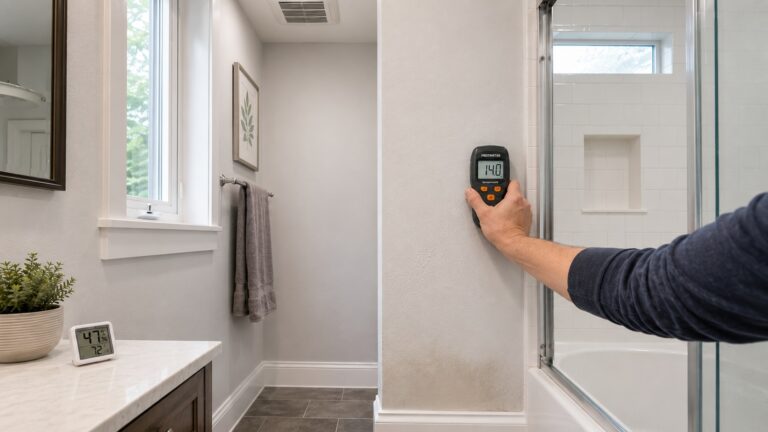
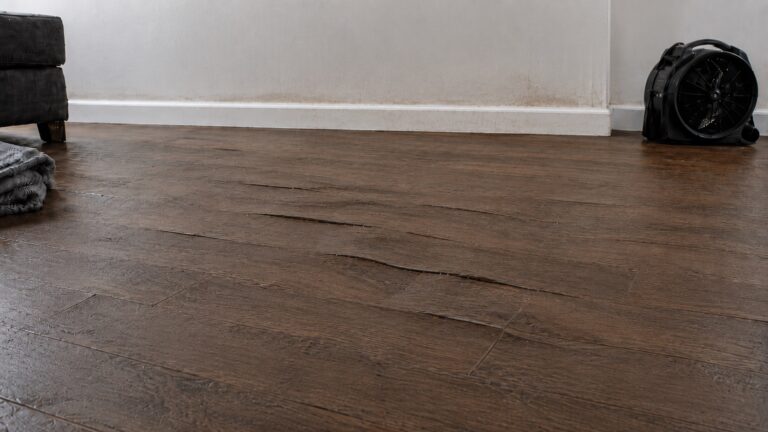
If the leak has already caused water stains, soft flooring, swollen cabinets, mold concerns, or structural moisture, the decision also connects to how plumbing leaks cause structural damage. For a broader moisture-control strategy, it also helps to understand how to find, fix, and prevent moisture problems across the whole home.
The Short Answer: When Pipes Can Be Repaired vs. Replaced
A plumbing pipe can often be repaired when the problem is local, the pipe is easy to access, and the material around the leak is still solid. Examples include a loose drain fitting, a leaking trap, a failed shutoff valve, a damaged supply connector, or one short section of otherwise sound pipe.
Pipe replacement becomes more likely when the leak is not isolated. Repeated leaks, widespread corrosion, brittle pipe material, hidden wall leaks, slab leaks, low pressure from old pipes, recurring drain failures, or water damage around the pipe route all suggest that replacing a section or larger run may be more reliable than patching the same problem again.
- Repair is more likely when the leak is isolated, accessible, recent, and surrounded by pipe that is still clean, solid, and stable.
- Replacement is more likely when the pipe is corroded, brittle, cracked, repeatedly leaking, hidden in damaged materials, or part of an aging system.
- Professional evaluation is needed when the leak is pressurized, hidden inside walls or floors, under a slab, recurring, or causing water damage or mold concerns.
| Situation | Better Decision | Why |
|---|---|---|
| One loose fitting, trap, valve, or connector | Repair | The failure is local and accessible if the surrounding pipe is sound. |
| One short damaged section with clean, solid pipe nearby | Repair or replace that short section | The problem may be isolated rather than system-wide. |
| Repeated leaks, corrosion, pitting, brittle pipe, or cracking | Replace the affected section or evaluate a larger run | The visible leak may be a symptom of wider deterioration. |
| Hidden wall, floor, ceiling, crawl space, or slab leak | Professional evaluation | The pipe condition and surrounding moisture damage both need to be checked before closing the area. |
Start With the Type of Plumbing Problem
The repair-or-replace decision depends on what kind of plumbing failure is happening. A leaking drain trap under a sink is different from a pinhole leak in a copper pipe, a brittle CPVC break inside a wall, a rusted galvanized pipe, or a cast iron drain line that is leaking in several locations.
Active Pressurized Leaks
Supply pipes carry water under pressure, so leaks in these lines usually need faster action. Even a small pressurized leak can continue releasing water until the water is shut off. If the leak is active, shut off the fixture valve or main water supply if it is safe to do so, and avoid touching wet areas near electrical outlets, wiring, panels, or appliances.
An isolated supply-line problem may be repairable if the surrounding pipe is sound. But repeated pinhole leaks, corrosion, brittle material, or hidden leaks inside walls are stronger signs that a section of pipe may need replacement.
Slow Drips at Fittings or Valves
A slow drip at an accessible fitting, shutoff valve, supply connector, or drain trap may be a local repair. These problems are common under sinks, behind toilets, near water heaters, and around appliance connections.
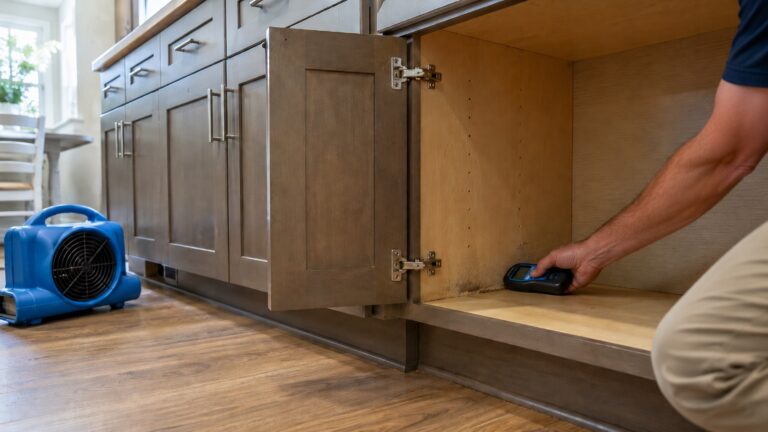
However, the surrounding area still matters. A slow drip that has damaged a cabinet base, flooring, wall cavity, or subfloor may have been active for longer than expected. The pipe issue may be small, but the water damage around it may still need attention.
Pinhole Leaks
A pinhole leak can look tiny but signal a larger pipe condition problem. In copper pipes, repeated pinhole leaks may point to corrosion, water chemistry, pressure issues, or aging pipe. Patching one pinhole may not prevent another from appearing nearby.
If a pinhole leak is the first and only issue in an accessible section of otherwise sound pipe, a local repair may be reasonable. If there are multiple pinholes, staining, corrosion, or previous repairs nearby, replacement of a longer section may make more sense.
Drain Pipe Leaks
Drain pipes are usually not pressurized in the same way as supply pipes, so leaks may only appear when a sink, tub, shower, washing machine, or dishwasher drains. That can make them easy to underestimate. A drain leak may be intermittent, but it can still soak cabinets, walls, floors, and framing over time.
A leaking trap or slip joint may be repairable. A cracked drain line, poorly supported pipe, leaking pipe inside a wall, or deteriorated cast iron drain may require replacement. Drain leaks should not be ignored simply because water only appears during fixture use.
Hidden Wall or Floor Leaks
Leaks inside walls, ceilings, floors, and slabs require more caution than exposed leaks. By the time water stains or musty odor appear, the leak may have already affected drywall, insulation, flooring, subfloor, framing, or cabinets.
If you are not sure whether a pipe leak is hidden inside a wall, the next step may be learning how to detect plumbing leaks inside walls. If the problem appears below flooring, compare the situation with how to detect plumbing leaks under floors.
Recurring Pipe Failures
Recurring leaks are one of the strongest signs that replacement may be smarter than another repair. If the same pipe material keeps leaking, new leaks appear after old ones are repaired, or the same area keeps getting wet, the problem may involve pipe age, corrosion, poor installation, movement, pressure, or material deterioration.
At that point, the question is no longer just “How do I stop this leak?” It becomes “Why does this pipe location keep failing?” A homeowner dealing with repeated failures should look deeper into how to fix persistent plumbing leak locations.
Key Factors That Decide Repair vs. Replacement
The best pipe decision depends on six things: material, age, accessibility, corrosion or brittleness, leak history, and the amount of water damage already present. A repair that makes sense for one pipe may be a poor decision for another pipe in weaker condition.
Pipe Material
Different pipe materials fail in different ways. Copper may develop pinhole leaks or corrosion. Galvanized steel may rust internally and restrict flow. CPVC can become brittle. PEX may fail at fittings or damaged sections. PVC and ABS drains may crack or leak at joints. Cast iron drains can corrode, scale, crack, and leak after long service.
Material does not automatically decide the answer, but it strongly shapes the risk. A single loose fitting in newer piping is different from a leak in old corroded metal pipe or brittle plastic pipe that may break again nearby.
Pipe Age
Age alone does not prove a pipe must be replaced. Some older pipes remain functional, and some newer pipes fail because of installation defects, damage, pressure, freezing, or movement. But age plus symptoms is important.
Old pipes with corrosion, low pressure, discolored water, repeated leaks, brittle sections, or multiple previous repairs are stronger candidates for replacement than pipes with one isolated defect. If those symptoms are showing up in more than one area, compare them with the broader signs it may be time to replace old plumbing pipes.
Leak Location
An exposed leak under a sink is easier to repair and monitor than a leak inside a wall, ceiling, floor, crawl space, or slab. Hidden leaks tend to cause more damage before they are discovered. They also create access problems because the wall, ceiling, floor, or cabinet may need to be opened to reach the pipe.
When a wall or floor is already opened for a pipe repair, it may be practical to replace a questionable section rather than patch only the visible leak and leave deteriorated pipe behind the new finish materials.
Accessibility
Accessible pipes are usually easier to repair locally. Pipes in basements, crawl spaces, mechanical rooms, exposed utility areas, and under sinks can often be inspected after repair. Hidden pipes are harder to monitor.
If repairing a hidden pipe requires opening drywall, flooring, or cabinets, the surrounding pipe condition should be checked carefully before the area is closed again. Replacing a weak section while the area is open can sometimes prevent another leak in the same cavity later.
Corrosion, Brittleness, or Cracking
Corrosion is not just an appearance issue. Green, blue, white, orange, or rust-like staining may suggest mineral deposits, oxidation, old leakage, or pipe deterioration. Brittle plastic pipe, cracked fittings, and pipe that breaks when disturbed also point toward replacement rather than repeated small repairs.
If the material around the leak is weak, a repair may fail because the nearby pipe cannot support a durable connection. In that case, replacing the compromised section is often more reliable.
A simple rule of thumb is this: if the pipe surface looks stained but still feels solid, the repair may be local; if the pipe is pitted, flaking, cracking, crumbling, or flexing at the connection, replacement of the affected section is usually safer.
Water Damage Around the Pipe
Water damage around the pipe increases the importance of a complete repair. Swollen cabinets, stained drywall, wet insulation, soft flooring, mold-like growth, or damp framing suggest the leak may have been active longer than expected.
Check the material below and beside the pipe, not just directly under the drip. Slow leaks often travel along pipe runs, framing edges, cabinet bottoms, or flooring seams before they become visible.
If the pipe leak damaged the floor, the flooring decision may need to be handled separately after the plumbing source is fixed. In that case, review whether to repair or replace water-damaged flooring before covering the area again.
When Plumbing Pipe Repair May Be Enough
Plumbing pipe repair may be enough when the problem is isolated, recent, accessible, and not connected to wider pipe deterioration. In these cases, the goal is to correct the specific failure point without replacing more plumbing than necessary.
A local repair makes the most sense when the nearby pipe is still solid, the leak source is obvious, and there is no pattern of repeated failure. Even then, the surrounding cabinet, wall, ceiling, or floor should be checked for moisture before the area is considered finished.
An Isolated Fitting or Valve Leak
A leak at a single fitting, shutoff valve, supply connector, or joint may be repairable if the surrounding pipe is in good condition. These leaks are common under sinks, near toilets, behind appliances, and around water heaters.
If the fitting failed because it loosened, wore out, or was installed poorly, replacing that component may solve the issue. But if the fitting is attached to corroded, brittle, or unstable pipe, the repair should not stop at the fitting alone.
A Replaceable Supply Line or Connector
Flexible supply lines and appliance connectors are often replaceable without replacing the entire plumbing run. A failed toilet connector, faucet supply line, dishwasher hose, refrigerator water line, or washing machine hose may be a localized issue.
However, the shutoff valve and nearby pipe should still be checked. If the connector failed because of age but the surrounding pipe is sound, a local replacement may be enough. If the valve is corroded or the pipe moves when handled, a plumber may need to replace more than the connector.
A Localized Drain Trap Leak
Leaks under sinks are often caused by drain traps, slip joints, washers, or loose connections. These are usually more repairable than hidden pipe failures because they are accessible and only leak when water drains through the fixture.
Still, a slow drain leak can damage cabinet bases and flooring over time. If the cabinet bottom is swollen, dark, soft, or musty, the pipe repair should be followed by a moisture inspection. The visible plumbing problem may be small while the cabinet damage is more advanced. For under-sink damage patterns, compare the area with signs of water damage under sink cabinets.
A Short Damaged Section With Sound Pipe Around It
A short section of pipe may be repairable or replaceable locally when the surrounding pipe is still in good condition. This can happen after accidental impact, freezing damage in one area, a localized crack, or a single failed connection.
The key question is whether the damaged section is an exception or a warning sign. If nearby pipe is clean, stable, and not corroded or brittle, a local repair may be enough. If the surrounding pipe looks similar to the failed section, replacing more of the run may be smarter.
When Plumbing Pipe Replacement Is the Better Choice
Pipe replacement becomes the better choice when the pipe can no longer be trusted after a small repair. This does not always mean whole-home repiping. Sometimes it means replacing one section, one branch line, one drain run, or one problem area before another leak damages the home.
Replacement is especially important when the leak is part of a pattern. Repeated repairs may seem cheaper at first, but each new leak increases the chance of hidden damage behind walls, under floors, and inside cabinets.
Repeated Leaks in the Same Pipe Material
If one leak is followed by another leak in the same type of pipe, the issue may be larger than one weak spot. Repeated pinhole leaks, recurring fitting failures, or multiple drain leaks suggest the pipe material, installation, water pressure, movement, or age may be contributing to the problem.
At that point, replacing only the newest leaking spot may not be the best long-term decision. A plumber may recommend replacing a longer section or evaluating the system more broadly.
Visible Corrosion or Rust
Corrosion can indicate that the pipe is deteriorating, not just stained. Rust, green or blue deposits, white crust, pitting, mineral buildup, and staining around joints can all point to past or ongoing leakage.
If a pipe is corroded near the leak, a patch may fail because the surrounding material is already weakened. Replacement is more likely to make sense when corrosion appears in several areas, when the pipe wall looks thin or pitted, or when repairs disturb nearby weakened sections.
Brittle, Cracked, or Aging Plastic Pipe
Plastic pipe materials can fail from age, heat, stress, freezing, poor support, chemical exposure, impact, or installation problems. CPVC in particular can become brittle in some older systems. PVC and ABS drains can crack or leak at joints if poorly supported or stressed.
If the pipe cracks when touched, breaks near fittings, or has several joint failures, replacement of the affected section may be safer than repeated small fixes. A pipe that is brittle around the leak may not hold a durable repair.
Hidden Pipe Leaks Inside Walls or Floors
Hidden pipe leaks often justify a more careful replacement decision because access is already difficult. If a wall, ceiling, cabinet, or floor must be opened to reach the pipe, the plumber should evaluate the full exposed section before the area is closed again.
If the leak came from a corroded, brittle, or old section inside the wall, replacing only the active leak may leave another weak point behind new drywall. Hidden leaks should also be checked for related moisture damage before repairs are covered.
Slab or Under-Floor Pipe Problems
Pipe leaks below floors or slabs can be more complex than exposed leaks. They may show up as warm spots, damp flooring, low pressure, unexplained water bills, moldy odor, or recurring moisture near floor lines.
These situations often require professional diagnosis. Depending on the pipe location and condition, the solution may involve section replacement, rerouting, or a specialized repair approach. This article should not become a slab leak guide, but homeowners should understand that under-floor pipe problems are rarely just cosmetic surface issues. For cause-focused background, see why pipes leak under floors.
Water Damage Around the Pipe Route
If the leak has damaged drywall, flooring, cabinets, insulation, subflooring, or structural wood, replacement becomes more likely when the pipe condition is questionable. The more damage a future leak could cause, the less sense it makes to keep patching an unreliable pipe.
In these cases, the plumbing repair and the moisture repair should be planned together. The pipe must be fixed first, then the affected materials should be dried, removed, repaired, or replaced as needed.
Supply Pipes vs. Drain Pipes: How the Decision Changes
Supply pipes and drain pipes fail differently, so the repair-or-replace decision is not the same for both. Supply pipes are under pressure and can leak continuously. Drain pipes may leak only when fixtures are used, but they can still cause serious hidden moisture damage over time.
Repair or Replace Supply Pipes?
Supply pipe leaks usually need faster attention because water can keep flowing until a valve is shut off. A small pressurized leak inside a wall, ceiling, crawl space, or cabinet can cause significant water damage if it goes unnoticed.
Supply pipe repair may be enough when the problem is a single accessible valve, fitting, connector, or short damaged section. Replacement becomes more likely when supply pipes show corrosion, pinhole leaks, brittle material, repeated failures, low pressure from aging pipe, or hidden leaks behind finished surfaces.
If the leak is active and pressurized, temporary water control is not the same as a permanent repair. Shutoff valves, buckets, and towels may limit damage temporarily, but the pipe condition still needs proper evaluation.
Repair or Replace Drain Pipes?
Drain pipe leaks may appear less urgent because they often leak only when water flows through the fixture. But slow drain leaks can rot cabinet bases, stain ceilings, wet subfloors, and create musty odors because they may continue for months before discovery.
Drain pipe repair may be enough when a trap, slip joint, washer, or accessible fitting is the problem and the surrounding pipe is sound. Replacement becomes more likely when drain pipes are cracked, sagging, poorly supported, misaligned, corroded, or repeatedly leaking.
Older cast iron drains and poorly supported plastic drains deserve special attention. If the pipe leaks in multiple areas or shows structural deterioration, repeated joint repairs may not solve the underlying problem.
Why Pipe Repair Must Include Moisture Damage Evaluation
A plumbing repair stops the water source, but it does not automatically restore the materials the water damaged. This is one of the most important differences between fixing a pipe and fixing a moisture problem.
After a pipe leak, check nearby materials for staining, swelling, softness, odor, mold-like growth, and recurring dampness. Under sinks, this may mean inspecting the cabinet base and wall behind the plumbing. Inside walls, it may mean checking drywall and insulation. Under floors, it may mean evaluating flooring, underlayment, subfloor, and joists.
Do not close a wall, reinstall cabinet panels, replace flooring, or repaint over water stains until the area is dry and stable. If the leak involved sewage, drain backup, floodwater, or visibly contaminated water, do not treat the cleanup like a clean-water plumbing drip. Contaminated materials may need professional cleanup or removal.
If the leak reached framing, joists, or subfloor materials, the decision may also overlap with whether to repair or replace structural wood affected by moisture.
How Pipe Material Changes the Repair or Replacement Decision
Pipe material does not automatically decide whether repair or replacement is required, but it changes what failure usually means. A loose fitting on newer PEX is a different decision from a pinhole leak in aging copper, a rusted galvanized line, brittle CPVC, or a deteriorated cast iron drain.
Copper Pipes
Copper pipes can often be repaired when the leak is isolated, accessible, and the surrounding pipe is still clean and solid. A single damaged fitting, joint, or short section may not mean the entire plumbing run has failed.
Replacement becomes more likely when copper pipes develop repeated pinhole leaks, widespread green or blue corrosion, pitting, or multiple weak spots. If one pinhole leak appears shortly after another, the pipe may have a broader corrosion or water-condition problem. In that case, replacing a longer section may be more reliable than repairing one hole at a time.
Galvanized Steel Pipes
Galvanized steel pipes are more likely to become replacement candidates when they show rust, low water pressure, discolored water, mineral buildup, or repeated leaks. These pipes can corrode internally, which means the outside may not show the full condition of the pipe.
A small repair may be possible on an exposed section, but old galvanized plumbing often becomes difficult to repair cleanly because the surrounding material may be weakened. If repairs disturb nearby threads or fittings, new leaks can appear. Repeated repairs on aging galvanized pipe often point toward section replacement or broader repiping evaluation.
PEX Pipes
PEX pipe is flexible and often easier to repair locally when the issue is a damaged section, failed fitting, kink, puncture, or installation-related problem. If the surrounding pipe is sound and the failure is isolated, replacement of a short section or fitting may be enough.
Replacement becomes more likely when fittings repeatedly fail, the pipe was exposed to damaging conditions, or the installation has multiple questionable areas. Rodent damage, improper support, excessive heat exposure, or repeated connection failures can turn a local repair into a larger evaluation.
CPVC Pipes
CPVC pipe can sometimes be repaired when the failed section is localized and the surrounding pipe is still stable. However, older or stressed CPVC can become brittle. If the pipe cracks easily, breaks near fittings, or appears discolored and fragile, replacement may be safer than repeated repairs.
CPVC failures can become more frustrating when a repair causes nearby pipe to crack during handling. If the material around the leak is brittle, replacing a longer section may be more reliable than trying to repair only the visible break.
PVC and ABS Drain Pipes
PVC and ABS drain pipes are often repairable when the problem is an accessible trap, joint, or short cracked section. Drain piping under sinks, in basements, or in crawl spaces may be repaired locally if the surrounding pipe is well-supported and still aligned.
Replacement becomes more likely when drain lines are cracked, sagging, poorly supported, misaligned, repeatedly leaking, or hidden behind finished surfaces. A drain line that leaks because of poor slope or movement may not be fixed by sealing one joint. The pipe layout or support may need correction.
Cast Iron Drain Pipes
Cast iron drain pipes can last a long time, but older lines may develop corrosion, scaling, cracks, leaks, sewer odor, or recurring drainage problems. A small exposed section may be repairable, but repeated leaks or widespread corrosion usually shift the decision toward replacement.
If cast iron is leaking inside a wall, ceiling, crawl space, or basement, the surrounding materials should also be checked for moisture and odor. A single repair may not be enough if the pipe wall is thinning or multiple sections are deteriorating.
Repair or Replace Pipes Inside Walls and Floors?
Pipes inside walls and floors require more caution than exposed pipes because the leak may have been active before it became visible. Water can soak drywall, insulation, flooring, subflooring, framing, and cabinets while the pipe problem remains hidden.
Once a wall, ceiling, or floor is opened, the plumber should evaluate more than the exact leak point. If the surrounding pipe is corroded, brittle, poorly supported, or stained from previous leakage, replacing a longer section may prevent another leak after the wall or floor is repaired.
Wall Pipe Leaks
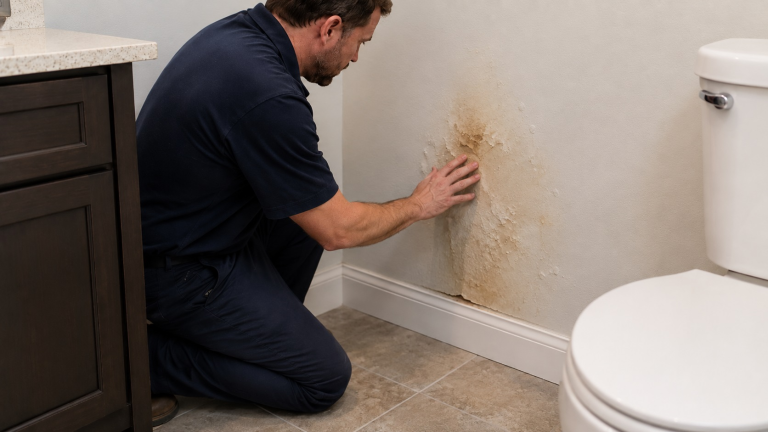
Wall pipe leaks may show up as stains, peeling paint, soft drywall, musty odor, baseboard swelling, or mold-like growth. If the pipe failure is isolated and the surrounding pipe is sound, a local repair may be enough. If the pipe is old, corroded, brittle, or repeatedly leaking, replacing more of the exposed run may be smarter.
The wall materials must also be evaluated. Wet drywall, insulation, and framing should not be closed back up until they are dry and stable. If moisture damage remains behind the wall, the plumbing repair may be finished but the home repair is not.
Floor and Ceiling Pipe Leaks
Pipe leaks under floors or above ceilings can spread moisture across hidden cavities before the homeowner sees a stain or feels a soft spot. A small leak can travel along framing, under flooring, or through insulation before it becomes visible.
Repair may be enough when the pipe failure is local and the surrounding pipe is sound. Replacement becomes more likely when the leak has damaged subflooring, joists, ceiling drywall, or insulation, especially if the pipe is old or difficult to access again later.
Slab-Related Pipe Leaks
Slab-related pipe leaks are usually not simple surface repairs. Signs may include warm floor areas, unexplained water use, low pressure, damp flooring, moldy odor, or moisture that keeps returning near the same area.
These problems require professional diagnosis. Depending on the location and pipe condition, the repair may involve specialized leak detection, rerouting, section replacement, or other plumbing work. Homeowners should not treat slab leak symptoms as a flooring or cosmetic issue only.
Common Mistakes to Avoid When Repairing Plumbing Pipes
Plumbing pipe problems often become expensive when homeowners focus only on stopping the immediate drip. The visible leak matters, but the condition of the surrounding pipe and the damage around it matter just as much.
Mistake 1: Treating a Temporary Patch as a Permanent Repair
Temporary leak patches, tape, clamps, buckets, and towels may help limit damage until proper repair is completed, but they should not be treated as long-term solutions for failing pipe. A temporary patch does not correct corrosion, brittle material, poor support, or recurring pressure-related leaks.
Mistake 2: Ignoring Corrosion Around the Leak
Corrosion near a leak is a warning sign. If the surrounding pipe is pitted, rusted, crusted, or stained, the failure may not be limited to the one wet spot. Repairing only the active leak may leave another weak point nearby.
Mistake 3: Repairing Cabinets, Walls, or Floors Before Fixing the Pipe
Water-damaged materials should not be repaired before the plumbing source is fixed. New cabinet panels, drywall, flooring, or paint can be damaged again if the leak remains active. The pipe repair comes first, followed by drying and material repair.
Mistake 4: Assuming a Small Leak Did Not Cause Hidden Damage
Small leaks can cause major hidden damage when they continue over time. A slow drip under a sink can rot a cabinet base. A tiny wall leak can soak insulation. A drain leak that only appears during fixture use can still wet subflooring for months.
Early symptoms may be subtle. If the problem was not obvious at first, compare nearby signs with the broader signs of slow hidden water leaks.
Mistake 5: Repeating Repairs on a Failing Pipe System
One repair may be reasonable. Several repairs in the same material or location suggest a pattern. If new leaks keep appearing, the better question is whether the pipe system is deteriorating, poorly supported, over-pressurized, or near the end of its useful service.
Repeated repairs can feel cheaper at first, but they may allow ongoing water damage. At some point, replacing a section or evaluating a larger plumbing run may be the more protective decision.
Mistake 6: Closing the Area Before It Is Dry
After a pipe repair, do not close walls, cabinets, floors, or ceilings until affected materials are dry. Moisture trapped behind new finishes can lead to stains, swelling, odor, mold, and repeated repairs.
This is especially important when the leak was hidden. The pipe may be fixed, but drywall, insulation, framing, or flooring may still need time, drying, or replacement before the area is closed again.
When a Pipe Problem Needs a Plumber
You should call a plumber when the pipe leak is active, hidden, recurring, pressurized, difficult to access, or connected to corrosion, brittle pipe, slab moisture, mold, or water damage. Corroded metal pipe, brittle CPVC, repeated copper pinhole leaks, deteriorated cast iron, or leaking pipes inside finished walls should not be treated as quick patch jobs.
Call a Plumber Immediately If You Notice These Warning Signs
- Water is actively leaking from a pressurized supply pipe.
- The leak is inside a wall, ceiling, floor, crawl space, or slab.
- Several leaks have appeared in the same pipe material.
- The pipe is corroded, rusted, pitted, brittle, cracked, or discolored.
- Water stains, soft flooring, swollen cabinets, or mold-like growth are present near the leak.
- Water pressure has dropped along with pipe corrosion or discoloration.
- Drain lines leak repeatedly or smell like sewer gas.
- A pipe repair was already attempted and the leak returned.
- The leak may affect structural wood, subflooring, joists, or framing.
- You cannot safely access or shut off the leaking pipe.
If you are unsure whether the situation is beyond a simple repair, use the more specific guidance on when to hire a plumbing professional for leak repairs. A plumber can determine whether the issue is an isolated failure, a section replacement, or a larger pipe-system problem.
How to Prevent Plumbing Pipe Problems From Returning
The best pipe repair is not only the one that stops the leak today. It is the one that reduces the chance of another leak damaging the same area again. Prevention depends on pipe condition, water pressure, support, age, freezing risk, and regular inspection of high-risk locations.
Inspect Accessible Plumbing Regularly
Check under sinks, behind toilets, near water heaters, around washing machines, below dishwashers, behind refrigerators, in basements, and in crawl spaces. Look for dampness, staining, mineral deposits, corrosion, rust, loose fittings, swollen cabinet bases, and musty odor.
These early signs can help you catch a pipe problem before it becomes hidden damage. Under-sink areas, appliance lines, and exposed basement or crawl space pipes are especially important because small leaks can run for a long time unnoticed.
Replace Aging Connectors and Weak Components
Some plumbing failures come from connectors, valves, hoses, and fittings rather than the main pipe run. Old supply lines, shutoff valves, dishwasher hoses, refrigerator water lines, washing machine hoses, and toilet connectors should be checked periodically and replaced when they show wear, stiffness, corrosion, or leakage. For a fuller component-by-component schedule, use the guide on how often plumbing parts should be replaced.
Replacing a weak connector is different from repiping a home, but it can prevent serious water damage. Many pipe-related moisture problems start at small connection points.
Pay Attention to Repeated Leaks
Do not treat repeated leaks as unrelated coincidences. If the same room, pipe run, or material keeps failing, there may be a larger cause such as pressure issues, corrosion, poor installation, movement, freezing exposure, or aging materials.
Repeated leaks should trigger a broader evaluation rather than another surface-level fix. For prevention-focused planning, it can help to review how to prevent hidden plumbing leaks before they damage walls or floors.
Monitor Water-Damaged Areas After Repairs
After a plumbing repair, continue watching the surrounding area. Look for recurring dampness, musty odor, swelling, staining, soft flooring, peeling paint, or cabinet deterioration. These signs can mean the pipe leak was not fully corrected or that moisture remains in surrounding materials.
Do not reinstall flooring, close walls, or repaint until the area is dry and stable. A repaired pipe does not automatically mean the moisture damage has been repaired.
FAQ: Repairing or Replacing Plumbing Pipes
Is pipe age enough reason to replace plumbing?
No. Age alone does not prove pipes must be replaced. Age becomes more important when it appears with repeated leaks, corrosion, low pressure, rust-colored water, brittle sections, pinhole leaks, cracked drains, or water damage around pipe routes.
Does pipe corrosion mean replacement is needed?
Pipe corrosion does not always mean the entire system must be replaced, but it does mean the surrounding pipe should be evaluated carefully. Minor surface staining around one fitting may be repairable. Widespread corrosion, pitting, rust, mineral buildup, or repeated leaks often points toward replacing the affected section or more of the pipe run.
Should a pinhole leak be patched or should the pipe be replaced?
A single pinhole leak in an accessible section of otherwise sound pipe may be repaired locally. Multiple pinhole leaks, corrosion, nearby staining, or previous repairs suggest a larger pipe condition problem. In that case, replacing a longer section may be smarter than patching one small hole at a time.
Is it worth repairing galvanized pipes?
Small repairs may be possible on exposed galvanized pipe, but old galvanized plumbing often becomes a replacement candidate when rust, low pressure, discolored water, restricted flow, or repeated leaks are present. Repairs can also disturb nearby weakened threads or fittings, which may create new leaks.
Should pipes inside walls be replaced after leaking?
Pipes inside walls do not always need full replacement after one leak, but they should be evaluated carefully while the wall is open. If the surrounding pipe is sound and the leak was isolated, local repair may be enough. If the pipe is corroded, brittle, old, or repeatedly leaking, replacing more of the exposed section may prevent another hidden leak later.
When is repiping better than repeated repairs?
Repiping or larger section replacement becomes more reasonable when leaks keep appearing in the same pipe material, corrosion is widespread, water pressure is affected, old pipe materials are failing, or repeated repairs are causing ongoing water damage. The more often repairs are needed, the more important it becomes to evaluate the system rather than only the newest leak.
Should water-damaged materials be repaired before or after pipe replacement?
The plumbing source should be fixed before final repairs are made to drywall, cabinets, flooring, insulation, or trim. Wet or damaged materials may need to be opened, dried, or removed earlier, but final cosmetic repair should wait until the pipe problem is corrected and the surrounding area is dry.
Final Decision: Repair the Pipe or Replace It?
You should repair plumbing pipes when the leak is isolated, accessible, recent, and surrounded by pipe that is still solid and reliable. You should consider replacement when pipes are corroded, brittle, repeatedly leaking, hidden inside damaged walls or floors, or part of an aging system with multiple warning signs.
The key question is not only “Can this leak be stopped?” It is “Can this pipe still be trusted after the repair?” If the surrounding material is weak, another leak may appear near the same spot and cause more damage.
Always separate the pipe repair from the moisture repair. Fix the leak first, then evaluate cabinets, drywall, flooring, insulation, subflooring, and framing before closing the area or installing new finishes. That approach prevents repeated leaks from turning into long-term moisture and structural damage.