
How Smart Water Shutoff Systems Work
Smart water shutoff systems are designed to stop plumbing leaks before they keep releasing water for hours. A normal leak alarm can warn you that water is present, but a smart shutoff system can go one step further by closing a valve and stopping the water supply when the system detects abnormal water activity.
This matters because many plumbing leaks become serious not only because a pipe, hose, valve, or appliance connection fails, but because pressurized water continues flowing after the failure starts. A burst washing machine hose, leaking water heater connection, running toilet, refrigerator water line leak, or hidden pipe leak can keep feeding water into walls, floors, cabinets, or finished rooms until someone notices and shuts the water off.
A smart shutoff system reduces that risk by monitoring how water moves through the plumbing system, sending alerts when something looks unusual, and closing the water supply automatically or remotely when needed. It does not replace plumbing maintenance, leak inspection, or drying after water has already escaped, but it can become an important layer in preventing the kind of ongoing leaks explained in how plumbing leaks cause structural damage.
What a Smart Water Shutoff System Does
A smart water shutoff system watches the plumbing system for water use that does not match normal household activity. In a typical home, water use starts and stops in recognizable ways. A faucet runs for a short time. A toilet refills and stops. A dishwasher fills in cycles. A washing machine draws water at specific points during the wash. A shower may run longer, but it still has a beginning and an end.
A leak often behaves differently. It may create continuous flow when no fixture should be running. It may cause water to move through the system for much longer than expected. A burst hose may create a sudden high-flow event. A small hidden leak may create a repeated or persistent pattern that does not match normal use.
The smart shutoff system monitors these patterns and responds based on its design and settings. Some systems focus mainly on flow. Others also monitor pressure, temperature, or usage behavior. Some work as whole-home water monitors installed on the main water line, while others integrate with separate leak sensors placed near appliances, sinks, toilets, water heaters, laundry rooms, or other vulnerable areas.
Most smart shutoff systems are built around four basic functions:
- They monitor water activity inside the plumbing system.
- They identify unusual flow, pressure behavior, or sensor-triggered leak conditions.
- They send alerts through an app, hub, or connected device.
- They close a motorized valve when shutoff is triggered.
The important difference is that a smart shutoff system is not only an alarm. It is an active protection device. A basic water sensor may tell you there is water on the floor, but it cannot stop the supply by itself unless it is connected to a shutoff system. A smart shutoff system can interrupt the water source, which is what helps limit how far damage spreads.
The Main Parts of a Smart Water Shutoff System
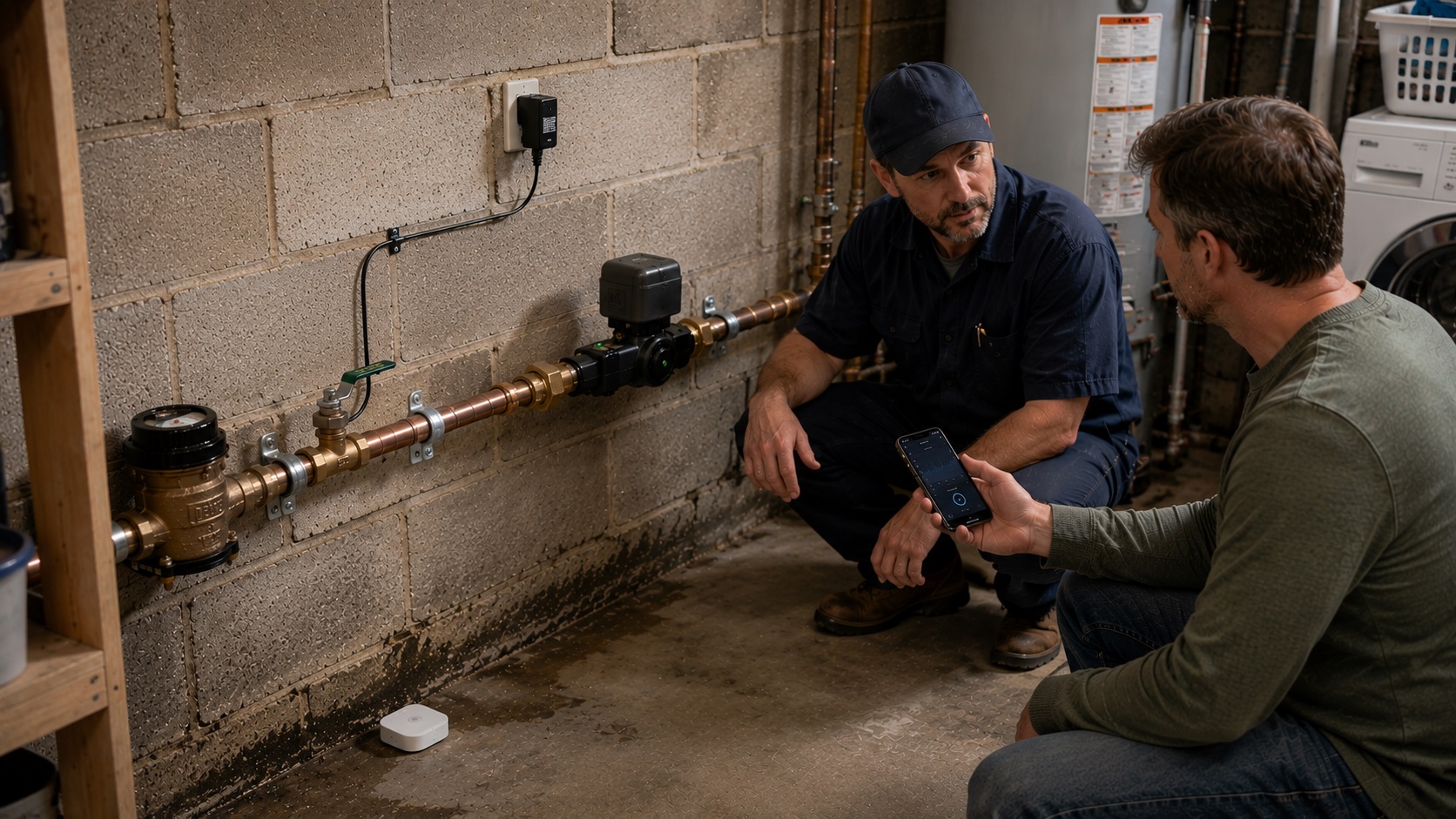
Although different brands use different technology, most smart water shutoff systems include the same core parts: a monitoring device, a shutoff valve, a control system, and sometimes separate leak sensors. Understanding these parts makes it easier to understand how the system responds during a real leak.
Water Monitor or Flow Sensor
The water monitor is the part of the system that observes water behavior. Depending on the design, it may measure flow through the main water line, monitor changes in pressure, track usage patterns, or use another sensing method to recognize abnormal water activity.
In simple terms, this part of the system answers the question: “Is water moving in a way that makes sense?” If the home is occupied and someone is taking a shower, water flow is expected. If water is moving continuously in the middle of the night, while the home is in away mode, or long after a fixture should have shut off, the system may treat that activity as suspicious.
This does not mean every system works exactly the same way. Some are better at recognizing small leaks. Some are designed to catch large, sudden water events quickly. Some rely heavily on learning normal household patterns, while others depend more on programmed limits. The article’s purpose is to explain the operating logic, not to compare specific models.
Motorized Shutoff Valve
The shutoff valve is the part that physically stops the water. In many whole-home systems, this valve is installed on the main water supply line so it can shut off water to most or all of the house. When the system decides that shutoff is necessary, the motor turns the valve closed.
This is what separates a smart shutoff system from a simple alert device. An alarm can notify you. A shutoff valve can stop the water from continuing to feed the leak. If a washing machine hose ruptures, a water heater supply line fails, or a hidden pipe leak keeps running, the valve can reduce the amount of additional water released after detection.
The valve does not fix the failed hose, pipe, fitting, or appliance connection. It simply stops new water from entering that part of the plumbing system until the issue can be inspected and repaired.
App, Hub, or Control System
Most smart shutoff systems include an app, hub, or control interface. This is where the homeowner receives alerts, checks water activity, changes settings, and sometimes shuts the water off manually from a phone.
The control system may allow different modes, such as home, away, sleep, or vacation settings. These modes matter because water behavior that is normal during the day may be suspicious when no one is home. A long water run while someone is showering may be acceptable, but a similar water run during vacation mode may trigger an alert or shutoff.
Some systems allow remote shutoff even when automatic shutoff has not been triggered. For example, if you receive an alert while away from home and suspect a leak, you may be able to close the valve through the app before someone physically reaches the house.
Optional Leak Sensors
Many smart shutoff setups can also work with separate leak sensors. These are small devices placed in areas where water is likely to appear first, such as under sinks, behind toilets, near water heaters, beside washing machines, under dishwashers, or near refrigerator water lines.
These sensors do not usually monitor water moving through the pipe. Instead, they detect water where it should not be. If a sensor near a water heater detects water on the floor, it can send an alert and, in some systems, trigger the shutoff valve to close.
This is why it is important to understand that smart shutoff systems and leak sensors work differently. A shutoff system can stop water supply. A leak sensor detects water in a specific location. When the two are connected, the home gets both localized detection and active shutoff protection.
How Flow Monitoring Detects Possible Leaks
Flow monitoring is the core function of many smart water shutoff systems. The system watches how water moves through the plumbing line and looks for activity that does not match normal household use. It is not looking for mold, damp drywall, or stained flooring directly. It is looking for water movement that may indicate a leak before those visible symptoms appear.
In a normal plumbing system, most water use is temporary. A faucet runs and then stops. A toilet refills for a short period. A dishwasher fills, pauses, drains, and fills again. A washing machine draws water in cycles. Even longer uses, such as showers, usually stay within a recognizable time range.
A leak can create a different pattern. Instead of starting and stopping, water may keep moving. Instead of a short fixture cycle, the system may see flow that continues longer than expected. Instead of normal household activity during the day, the system may detect water use when the house is empty, during the night, or while the system is in away mode.
Some smart shutoff systems look for obvious abnormal conditions, such as sudden high flow from a burst line. Others also try to identify smaller patterns, such as continuous low flow that may suggest a running toilet, dripping fixture, or hidden supply leak. The more advanced the monitoring system is, the more it may learn normal usage patterns over time.
For example, a system may recognize that water often runs briefly in the morning, again in the evening, and during appliance cycles. If water starts running continuously at 2 a.m., or continues for an unusually long time while the home is set to away mode, the system may treat that behavior as a possible leak.
This is why smart shutoff systems are useful for preventing plumbing leaks from becoming larger moisture problems. They do not need to wait until a cabinet base swells, flooring softens, or drywall stains appear. When they work properly, they can identify water movement before visible damage becomes obvious.
However, flow monitoring has limits. A very tiny intermittent leak may not always create enough measurable activity for immediate shutoff. A leak that happens downstream of a fixture only when that fixture is being used may look like normal water use at first. A system’s response also depends on its sensitivity, settings, installation location, and the type of leak involved.
That is why smart shutoff systems should support, not replace, routine plumbing awareness. Homeowners should still inspect vulnerable areas and learn how to detect slow plumbing leaks, especially when a leak is too small or intermittent to trigger immediate shutoff.
How Automatic Shutoff Happens
Automatic shutoff happens when the system decides that water activity has crossed a threshold that may indicate a leak. The exact trigger depends on the device, but the basic sequence is similar: the system detects abnormal water behavior, sends an alert, and closes the shutoff valve if automatic shutoff is enabled.
The process usually starts with a monitoring event. The system may notice continuous flow, unusually high flow, water use during away mode, a pressure pattern that suggests abnormal plumbing behavior, or a signal from a connected leak sensor. Once the system identifies the event, it decides whether the situation should only create an alert or whether it should also shut off the water.
In many systems, the homeowner receives a notification through an app. The alert may say that unusual water activity has been detected, that water has been running too long, or that a leak sensor has detected water. Depending on the system settings, the homeowner may be able to review the alert and manually shut off the water from a phone.
If automatic shutoff is active, the system can close the motorized valve without waiting for the homeowner to respond. This is especially important when nobody is home. A leak that starts during vacation, overnight, or while the homeowner is at work can keep running for hours if the water supply remains open. Automatic shutoff reduces that time window.
Once the valve closes, water flow from the protected supply line stops. In a whole-home installation, that usually means most fixtures and appliances lose water; in a branch-line installation, only the protected section may be affected. Appliances may not fill, fixtures may not run, and the home may temporarily lose water service until the system is reset. That inconvenience is intentional. The system is choosing to stop the water supply because continued flow may cause more damage than a temporary shutoff.
After shutoff, the homeowner still has to investigate. The system can tell you that abnormal water activity occurred, but it cannot always identify the exact failed part. The leak may be under a sink, behind an appliance, near a water heater, inside a wall, or at a fixture connection. If water has already reached flooring, cabinets, drywall, or subflooring, those materials still need to be checked and dried.
Automatic shutoff is best understood as damage limitation. It interrupts the water source, but the leak still needs inspection and repair. For that reason, a smart shutoff system works best when paired with inspection habits and a broader plan to prevent hidden plumbing leaks.
How Leak Sensors Work With Smart Shutoff Systems
Leak sensors add another layer of protection because they detect water at specific locations instead of only watching water movement through the plumbing line. A flow-monitoring shutoff system may notice that water is moving abnormally. A leak sensor notices that water has reached a place where it should not be.
This distinction matters in real homes. A sensor under a sink may detect water on the cabinet floor before a small leak creates a large enough flow pattern to trigger whole-home shutoff. A sensor beside a water heater may detect water at the base of the tank or supply connection. A sensor near a washing machine may detect water before it spreads across the laundry room floor.
When leak sensors are connected to a smart shutoff system, the response can be more direct. The sensor detects water, sends a signal to the system, and the system can alert the homeowner or close the shutoff valve if that automation is enabled. This helps protect high-risk areas where visible water may appear before the main-line monitor fully understands what is happening.
Common locations for connected leak sensors include:
- Behind washing machines
- Near water heaters
- Under kitchen and bathroom sinks
- Behind toilets
- Under dishwashers
- Near refrigerator water lines
- In finished basements or utility rooms
Leak sensors are especially helpful near appliances and fixtures because many leaks begin at supply lines, valves, hoses, or fittings. A whole-home shutoff device may detect abnormal water use, but a sensor can help confirm where water is appearing. That makes the system more practical when the homeowner needs to respond quickly.
Even so, sensors should not be confused with full shutoff systems. A standalone sensor may only alert you. A shutoff system can close a valve. The strongest protection usually comes from combining targeted sensors with a main shutoff device, especially in homes with finished spaces, second-floor laundry rooms, or a history of plumbing leaks.
What Smart Shutoff Systems Can Prevent
Smart water shutoff systems are best at reducing damage from leaks that continue because the water supply remains open. The system cannot make plumbing materials stronger or stop every failure before it starts, but it can shorten the time that water keeps flowing after something goes wrong.
That makes these systems most useful for pressurized plumbing failures. A washing machine hose, dishwasher supply line, refrigerator water line, toilet supply line, water heater connection, or hidden pipe can release water until the supply is closed. If nobody is nearby, even a simple failure can cause major damage because the leak keeps feeding itself.
A smart shutoff system can help limit damage from:
- Sudden high-flow leaks from burst hoses or failed supply lines
- Continuous water use from running toilets or stuck fixture problems
- Leaks that begin while the homeowner is asleep, away, or on vacation
- Some hidden plumbing leaks that create measurable flow patterns
- Water heater, laundry, kitchen, and bathroom supply-side leaks
The key benefit is time reduction. Water damage usually gets worse the longer water continues to flow. If a system closes the valve within minutes instead of allowing the leak to run for hours, the difference can affect how much flooring, drywall, cabinetry, insulation, and framing become wet.
This is why smart shutoff systems fit naturally into a water damage prevention plan. They do not eliminate the need for maintenance, but they can reduce the severity of certain failures. For homeowners comparing prevention tools, it may also help to review whether a smart shutoff system is worth it based on the home’s risk level and layout.
What Smart Shutoff Systems Cannot Do
A smart shutoff system can stop additional water from entering the plumbing system after detection, but it cannot reverse damage that has already happened. Once water has reached a floor, wall, ceiling, cabinet, or subfloor, those materials still need attention.
The most important limitation is that shutoff systems do not repair the cause of the leak. If a hose bursts, the hose still needs replacement. If a fitting fails, the fitting still needs repair. If a pipe leaks inside a wall, the pipe still has to be found and fixed. The shutoff valve only stops more water from feeding the problem.
Smart shutoff systems also do not dry wet materials. Water trapped under flooring, behind baseboards, inside cabinets, under appliances, or inside wall cavities may continue causing damage after the water supply is off. A quick shutoff reduces the volume of water, but moisture can still remain hidden long enough to cause swelling, staining, odors, or mold growth.
These systems also do not protect against every type of home moisture problem. They generally do not stop:
- Roof leaks
- Window or door water intrusion
- Basement seepage from groundwater pressure
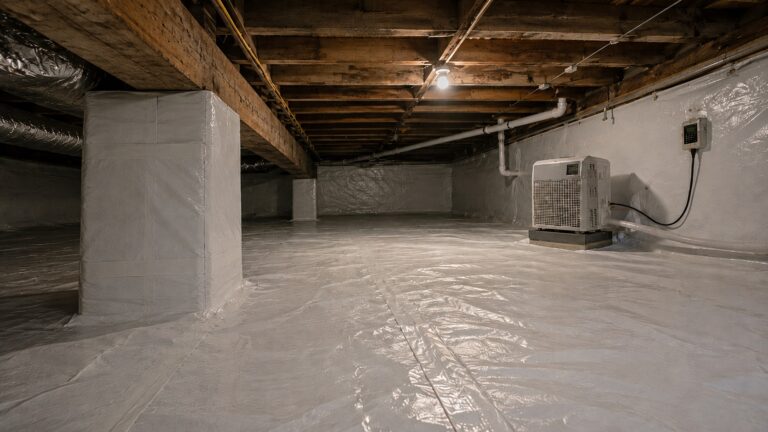
- Crawl space standing water
- Condensation problems
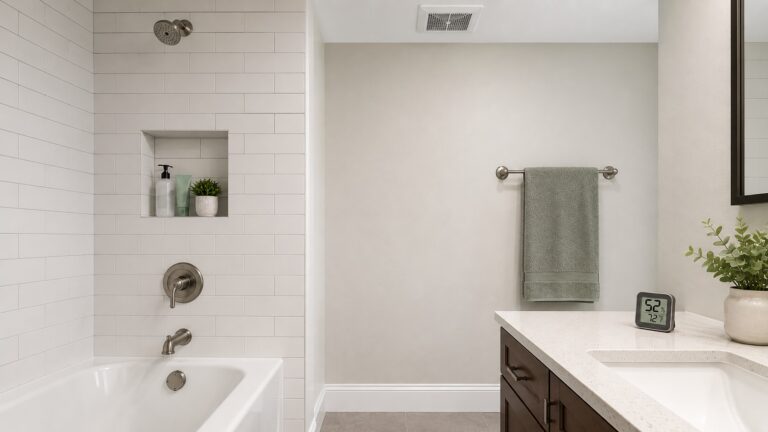
- High indoor humidity
- Sewer backups
- Sump pump failures, unless paired with separate monitoring equipment
Another limitation is detection sensitivity. Some systems are very good at identifying major water events, but tiny intermittent leaks can be harder to recognize. A very slow drip under a sink may not create enough continuous flow to trigger immediate shutoff, which is why floor sensors are still useful in cabinets, laundry rooms, and water heater areas. A leak that only happens while a fixture is being used may also look normal at first.
False alarms are also possible. A long shower, irrigation use, filling a large tub, or an unusual appliance cycle may look suspicious if the system is set aggressively. Most systems manage this through alerts, learning periods, modes, thresholds, and user settings, but homeowners still need to understand how their system behaves.
The safest way to think about a smart shutoff system is as one layer of protection: it can reduce the amount of water released during certain plumbing failures, but it still needs to be paired with maintenance, leak sensors in high-risk areas, and moisture checks after any alert or shutoff event.
When Smart Shutoff Systems Are Most Useful
Smart water shutoff systems are most useful in homes where a leak could run for a long time before anyone notices. The system is not only protecting against the first few seconds of water release. It is protecting against the hours of continued flow that can happen when a leak starts behind an appliance, inside a cabinet, in a utility room, or while the homeowner is away.
Second-floor laundry rooms are a good example. If a washing machine hose or connection fails upstairs, water can move through flooring, ceilings, insulation, and wall cavities before it becomes obvious downstairs. A smart shutoff system cannot prevent the hose from failing, but it may reduce the amount of water released after the failure begins.
Finished basements are another high-value scenario. A plumbing leak in or above a finished basement can affect drywall, flooring, trim, stored belongings, and hidden framing. Because finished materials often conceal moisture, a shutoff system can help limit the event before water spreads into more building materials.
These systems are also useful in homes with water heaters located in finished spaces, refrigerators with water lines, dishwashers over finished flooring, older plumbing components, or long periods when nobody is home. Vacation homes, rental properties, and homes where occupants travel often can benefit because leaks may otherwise go unnoticed for days.
For homeowners still deciding where this type of protection belongs, a separate planning guide on where smart shutoff systems are usually installed explains placement in more detail.
How Smart Shutoff Systems Fit Into Whole-Home Moisture Prevention
A smart shutoff system is one part of a larger moisture prevention strategy. It helps with plumbing-related water releases, but it does not address drainage, ventilation, humidity, exterior water entry, or drying after water has already escaped.
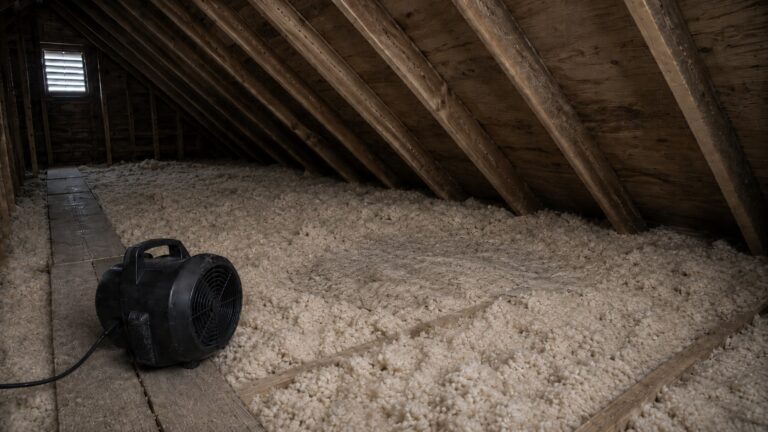
For example, a shutoff system may help limit water from a failed supply line, but it does not prevent condensation on cold surfaces. It does not correct poor attic ventilation. It does not stop groundwater from entering a basement. It does not dry a wet subfloor after a dishwasher leak. Those problems require different forms of detection and prevention.
The best way to use a smart shutoff system is to treat it as an active safety layer alongside under-sink checks, appliance hose inspections, water heater monitoring, leak sensors in high-risk areas, and prompt drying after any confirmed leak.
This broader mindset is important because moisture problems often involve more than one cause. A home may have plumbing leaks, humidity issues, exterior water intrusion, or hidden damp materials at the same time. A shutoff system helps with one category of risk, while a whole-home moisture prevention strategy helps homeowners think through the rest.
When Professional Installation or Inspection Matters
Some smart water shutoff systems are easier to install than others, but any system that connects to the main water supply line should be treated carefully. The main shutoff area may involve older valves, tight access, corroded fittings, pressure regulators, mixed pipe materials, or plumbing layouts that are not obvious to a homeowner.
Professional help is especially important when the existing shutoff valve is difficult to turn, the main line is old or corroded, the home has galvanized pipe, the plumbing layout is unclear, or cutting into the main water line would be required. A poorly installed shutoff device can create leaks, restrict flow, or fail to protect the intended portion of the home.
Inspection also matters after a shutoff event. If the system closes the valve because it detected abnormal water activity, the next step is not simply reopening the valve and ignoring the alert. The homeowner should check likely leak sources, look for damp materials, and confirm that the plumbing problem has been corrected.
If water appears near walls, ceilings, cabinets, flooring, or structural materials, the issue may be beyond a simple device reset. Do not reopen the valve repeatedly if water is still appearing, a ceiling is sagging, electrical fixtures are wet, or the leak source is hidden. In those cases, it may be safer to involve a plumber or water damage professional, especially if the affected materials are not drying quickly or the source cannot be confirmed. Homeowners can also review when to call for help in when to hire a plumbing professional for leak repairs.
Frequently Asked Questions
Do smart water shutoff systems shut off the whole house?
Many smart shutoff systems shut off water to the whole house when they are installed on the main supply line. Some systems may be installed to protect a specific branch, appliance, or section of plumbing, depending on the design. The protected area depends on where the valve is installed.
Do smart shutoff systems need separate leak sensors?
Not always. Some systems monitor flow, pressure, or water use patterns from the main line without separate floor sensors. However, leak sensors can improve protection in specific areas because they detect water where it appears, such as under sinks, near washing machines, or beside water heaters.
Can smart water shutoff systems detect slow leaks?
Many systems can detect some slow leaks, especially if the leak creates continuous or repeated water flow. Very tiny, intermittent, or fixture-dependent leaks may be harder to identify quickly. Detection depends on the system’s technology, settings, sensitivity, and the way the leak behaves.
Will a smart shutoff system stop a burst pipe?
A smart shutoff system can stop additional pressurized water after it detects abnormal flow and closes the valve. It cannot prevent the pipe from bursting, and it cannot remove water already released before shutoff. The damaged pipe still needs repair, and nearby flooring, walls, ceilings, or cabinets should still be checked for moisture.
Do smart shutoff systems work if Wi-Fi goes out?
Some systems may still perform certain local shutoff functions without Wi-Fi, while app alerts, remote control, and cloud-based features may depend on internet access. Homeowners should check the specific system’s behavior instead of assuming every device works the same way during an outage.
Are smart shutoff systems the same as leak sensors?
No. Leak sensors detect water in a specific location. Smart shutoff systems can close a valve to stop the water supply. Some setups combine both, allowing a sensor to detect water and trigger the shutoff valve.
Bottom Line: Smart Shutoff Systems Limit Water Flow, Not Every Moisture Risk
Smart water shutoff systems work by monitoring water behavior, identifying possible leak conditions, sending alerts, and closing a valve when shutoff is needed. Their main value is not that they prevent every plumbing failure. Their value is that they can reduce how long pressurized water continues flowing after a leak begins.
They are most useful when they are understood realistically. A smart shutoff system can limit certain water damage events, especially from supply-side plumbing leaks, appliance connections, and leaks that happen while nobody is home. It cannot repair plumbing, dry wet materials, or replace inspection after an alert.
Used alongside leak sensors, plumbing maintenance, and routine moisture checks, a smart shutoff system can become a strong layer of protection in a home water damage prevention plan. Homeowners who understand the operating basics can then compare smart water shutoff systems with a clearer idea of what features actually matter.
One Comment
Comments are closed.