
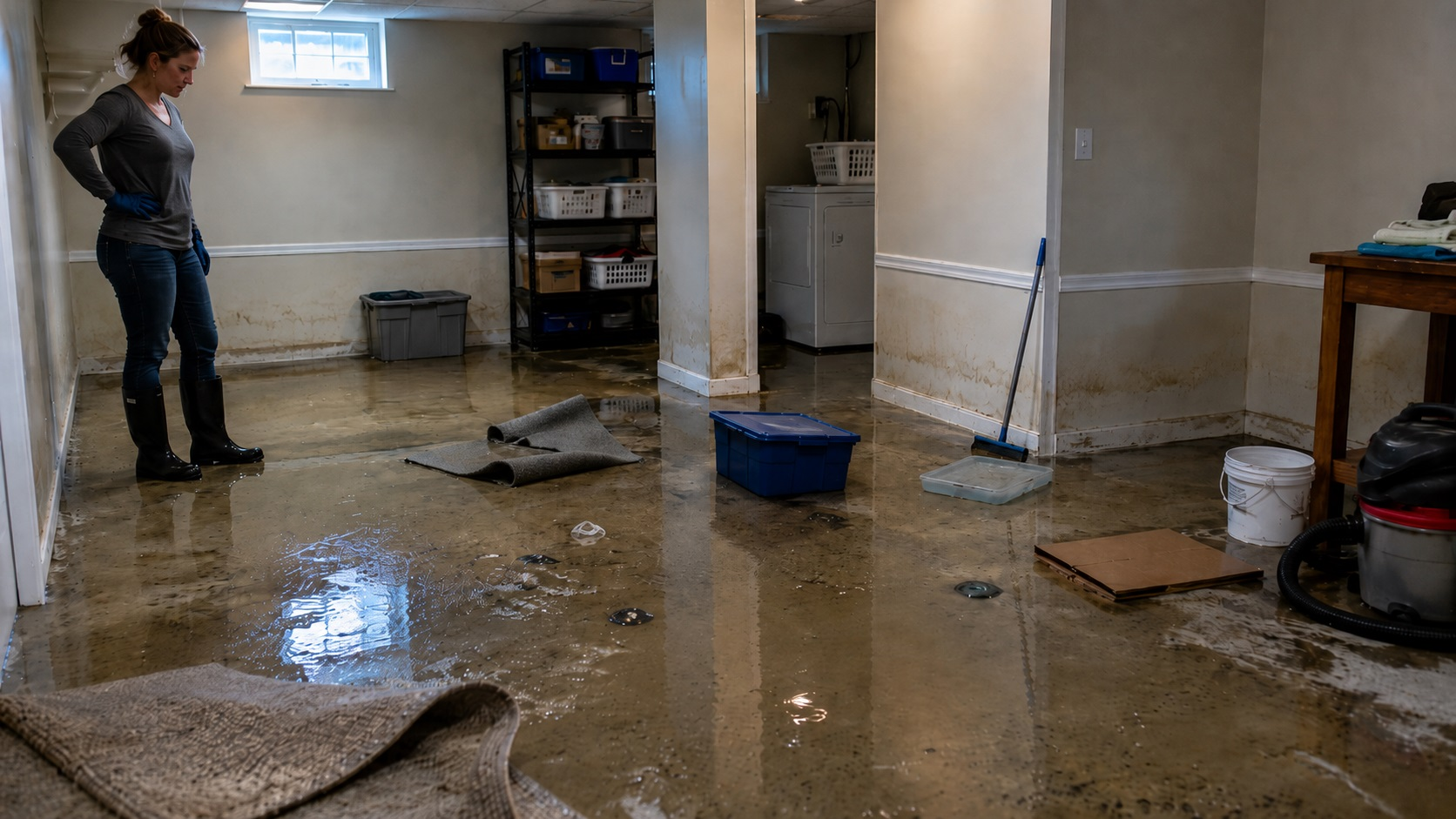
Safety Hazards to Watch for After Flooding in Your Home
A flooded home can remain dangerous even after the visible water begins to recede. The floor may look passable, the lights may be off, and the water line may already be dropping, but hidden hazards can still be present in electrical systems, gas appliances, contaminated materials, weakened flooring, damp walls, insulation, debris, and indoor air.
Before cleanup starts, slow down and look for safety hazards first. The goal is not to begin drying the house as fast as possible. The goal is to make sure the area is safe enough to enter, inspect, and clean without exposing yourself or others to avoidable risks.
This guide covers the major safety hazards to watch for after flooding, including utility hazards, contaminated floodwater, mold risk, structural instability, carbon monoxide, sharp debris, pests, chemical exposure, and situations where cleanup is too dangerous for DIY work. For the broader repair path after water affects building materials, see this guide to structural moisture problems in homes.
Leave immediately if you smell gas, hear hissing, see sparks, notice smoke, hear electrical buzzing, see downed power lines, feel floors shifting, or see a sagging ceiling. Do not continue inspecting. Get out first, then call the appropriate utility provider, emergency service, or qualified professional from a safe location.
Why Flooded Homes Can Be Dangerous After the Water Recedes
Many homeowners assume the worst danger is the standing water itself. Standing water is dangerous, but the risks do not end when it drains away. Floodwater can leave behind mud, sewage residue, bacteria, chemicals, soaked drywall, damp insulation, weakened floors, damaged wiring, displaced appliances, and contaminated belongings.
Flood damage also hides inside materials. Drywall may look stained but still hold moisture behind the surface. Flooring may feel mostly firm but have a soft subfloor underneath. Insulation can stay wet inside wall cavities. Cabinets, baseboards, and trim can trap moisture where air cannot reach. Mechanical equipment may look intact while internal controls, wiring, burners, or insulation are damaged.
Post-flood safety is not just about visible water. A flooded basement, garage, crawl space, utility room, or lower-level living area should be treated as a damaged environment until proven otherwise.
Some hazards require immediate exit even if the water is already gone. If a room feels unstable, smells like gas or chemicals, or contains wet electrical equipment, treat it as unsafe until it has been checked.
Do Not Enter Until Basic Utility Hazards Are Controlled
Utilities are one of the first safety concerns after flooding. Water and electricity are an obvious danger, but gas lines, water heaters, furnaces, boilers, HVAC equipment, appliances, and plumbing lines can also become unsafe after flood exposure.
Do not enter standing water to reach a breaker panel, gas shutoff, appliance cord, or water valve. If you cannot reach the shutoff from a dry, stable location, stay out and call for help. If you need the step-by-step safety decision process, follow this guide on how to shut off utilities after flooding.
Electrical hazards deserve special caution. Do not touch wet outlets, cords, appliances, switches, panels, or electrical equipment. Do not assume the area is safe because the power appears to be out. Power can return unexpectedly, and flood-exposed electrical systems may remain unsafe until inspected. For deeper electrical-specific guidance, see electrical safety after flood damage.
Gas hazards should be treated as an emergency. If you smell gas, hear hissing, or suspect a gas appliance was damaged or displaced, leave immediately. Do not turn lights on or off. Do not use candles, lighters, matches, or open flames. Call the gas utility or emergency services from outside the home or another safe location.
Water supply hazards also matter. If flooding is caused by a burst pipe, failed supply line, leaking water heater, appliance hose, or fixture failure, the main water valve may need to be shut off. However, do not enter floodwater or unstable areas to reach it. If the valve is inaccessible, stuck, damaged, or underwater, call a plumber or utility provider.
Contaminated Floodwater and Sewage Risks
Floodwater should be treated as contaminated unless you know it came from a small, clean-water plumbing source and did not touch dirty materials. Stormwater, groundwater, river flooding, sewer backups, and water that moves through garages, yards, streets, crawl spaces, or basements can carry bacteria, sewage, chemicals, fuel, pesticides, animal waste, sharp debris, and decaying organic material.
For official safety guidance during disaster-related flooding, review CDC flood cleanup recommendations before handling contaminated materials.
Even when floodwater looks clear, it may not be clean. Water can pick up contamination as it moves across soil, drains, roads, stored household chemicals, trash, insulation, flooring, and building materials. Mud and silt left behind after flooding can also contain contaminants.
Contaminated floodwater can affect health through skin contact, cuts, splashes, accidental ingestion, and contaminated dust during cleanup, so cover open cuts and avoid handling wet debris with bare hands. This is why gloves, boots, eye protection, and respiratory protection may be needed when cleanup is safe enough to begin. It is also why children and pets should be kept away from flooded areas.
Signs that water should be treated as especially risky include:
- Sewage odor or drain backup.
- Flooding from outside stormwater, rivers, streets, or yards.
- Mud, sludge, oily residue, or chemical smells.
- Floodwater that reached garages, stored chemicals, pesticides, fuel, or paint.
- Water that entered crawl spaces, basements, or utility rooms.
- Flooding that affected porous materials such as carpet, drywall, insulation, and upholstered furniture.
If sewage is present, if water came from outside flooding, or if contamination is likely, the cleanup should be approached very differently from a small clean-water leak. Porous materials may not be safe to simply dry in place, and professional restoration may be needed if contamination is widespread.
Before removing water, make sure utility hazards have been addressed and the area can be entered safely. Once the area is safe enough to work in, use a controlled process to remove standing water safely instead of rushing into cleanup without checking the risks first.
Mold and Indoor Air Hazards After Flooding
Mold is one of the most common concerns after flooding, but it is not the only indoor air hazard. Floodwater can leave behind damp materials, contaminated dust, musty odors, wet insulation, dirty carpet, soaked drywall, and hidden moisture inside wall and floor cavities. As these materials sit wet, the air inside the home can become harder to tolerate, especially for people with asthma, allergies, breathing problems, weakened immune systems, or mold sensitivity.
Mold risk increases when porous materials stay wet. Drywall, carpet, carpet padding, insulation, upholstered furniture, wood products, cabinets, baseboards, and subfloor materials can all hold moisture after the surface looks dry. That trapped moisture can support mold growth and may also keep bacteria, odors, and contaminated residue inside the home.
The important point is not just whether mold is visible. Mold can begin in hidden areas before the homeowner sees obvious growth. A musty smell, damp materials, swelling, staining, peeling paint, soft surfaces, or recurring condensation after flooding can all suggest that moisture is still trapped somewhere.
Do not run the HVAC system to “dry out” the house if the system, ductwork, filter area, return path, air handler, or connected crawl space area may have been exposed to floodwater. Running contaminated or wet HVAC equipment can spread odors, particles, and moisture through the home. The system should be inspected before use if floodwater reached any part of it.
If you are trying to understand the time-sensitive mold risk after water exposure, review this guide on how long water damage takes to cause mold. For this article, the main safety rule is simple: wet porous materials should not be ignored just because they look cleaner after the water recedes.
Who Should Avoid Flood Cleanup When Mold or Contamination Is Possible
Some people should not participate in flood cleanup, especially when contamination, mold, sewage, or heavy material removal is involved. Children should stay out of flooded areas. Pregnant people, older adults, people with asthma, people with chronic breathing problems, and people with weakened immune systems should avoid cleanup when mold or contaminated materials may be present.
Even healthy adults should not begin cleanup without protection when the area contains mud, sewage residue, mold growth, contaminated belongings, wet insulation, or damaged building materials. Cleanup can stir up dust, spores, particles, and odors that were not airborne before materials were disturbed.
At a minimum, safe cleanup may require boots or work shoes, protective gloves, long pants, long sleeves, eye protection, and appropriate respiratory protection. However, protective gear does not make every flood cleanup safe. If contamination is extensive, mold is widespread, materials are heavily saturated, or the structure is unstable, professional help is safer than trying to handle the cleanup yourself.
Structural Hazards After Flooding
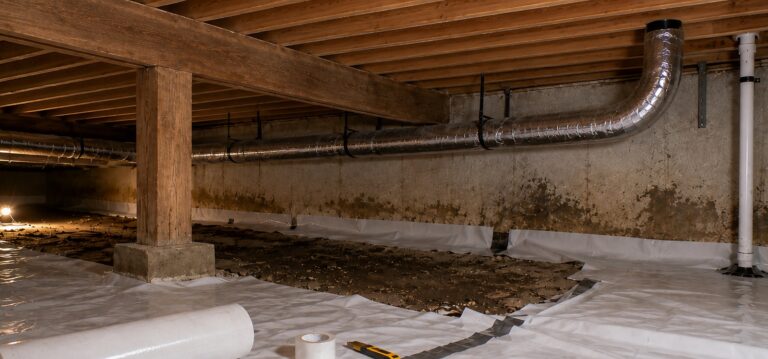
Flooding can weaken parts of a home long before collapse is obvious. Water can soak subfloors, floor joists, stair framing, wall cavities, ceiling drywall, insulation, sill plates, cabinets, and foundation-adjacent materials. Some damage is visible right away, but other structural problems show up as softness, movement, sagging, cracking, or unusual sounds under load.
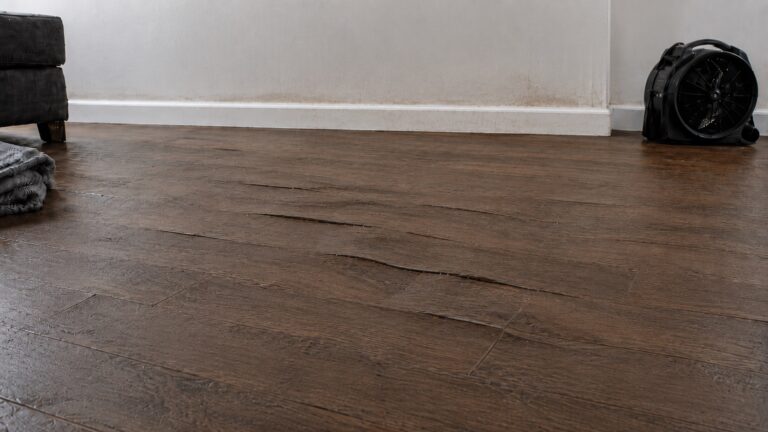
Do not assume a floor is safe because it is still standing. A floor that feels soft, spongy, uneven, or bouncy after flooding may have water-damaged sheathing, subflooring, framing, or underlayment. Avoid walking across questionable areas, especially if the water was deep, remained for a long time, or affected a basement, crawl space, or lower-level floor system.
Ceilings can also become dangerous after flooding or overhead leaks. A sagging ceiling, bulging drywall, dripping light fixture, cracked plaster, or bowed surface may indicate trapped water above. Do not stand under sagging materials or poke bulging drywall to “release” water unless the area has been evaluated and utilities are safe.
Watch for structural warning signs such as:
- Soft, spongy, sagging, or unstable floors.
- Stairs that shift, flex, separate, or feel loose.
- Bulging ceilings or water-filled drywall.
- Cracked, leaning, or newly bowed walls.
- Doors or windows that suddenly stick after flooding.
- Foundation cracks that widen or leak after water exposure.
- Wet structural wood in basements, crawl spaces, or floor systems.
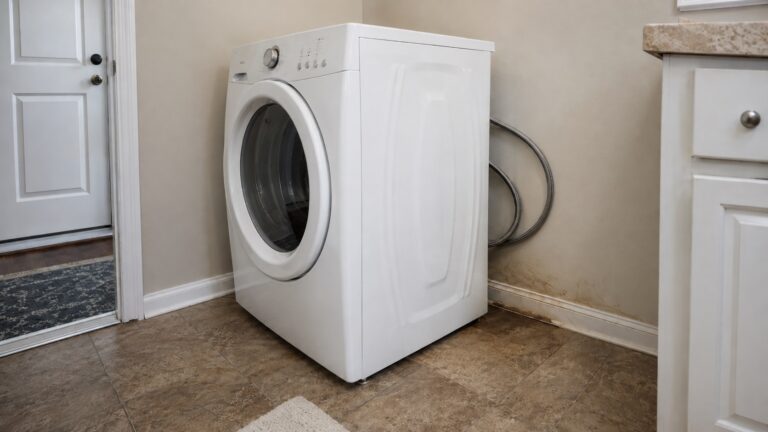
- Cabinets, appliances, or heavy items that have shifted or pulled away from walls.
If these signs are present, do not treat the damage as cosmetic. Flooding can turn a drying problem into a structural safety issue. For flood-specific warning signs, see signs of structural damage after flooding. For broader guidance on how moisture affects building stability, see structural moisture problems in homes.
Material Damage Can Hide Structural Risk
Drywall, flooring, and insulation are not just appearance materials after a flood. They can trap water against framing, subfloors, plates, and cavities. Wet drywall can hide saturated insulation. Wet flooring can conceal subfloor damage. Wet insulation can hold water against wood and metal components.
That does not mean every material must be removed automatically, but it does mean material decisions should be made after moisture exposure, contamination, and structural risk are considered together. If floodwater reached finished walls, floors, or insulated cavities, the next stage may require decisions about drywall replacement after flooding, flooring replacement after flooding, or insulation replacement after flooding.
Carbon Monoxide and Generator Hazards
Carbon monoxide is a serious post-flood hazard because power outages often lead homeowners to use generators, grills, camp stoves, fuel-burning heaters, or other temporary equipment. These devices can produce carbon monoxide, a gas that cannot be seen or smelled. Using them in the wrong location can be deadly.
Never run a generator indoors, in a basement, in a crawl space, in a garage, in an attached garage, on an enclosed porch, or near open windows, doors, or vents. A generator should be kept outside and far away from openings where exhaust can enter the home, with exhaust directed away from doors, windows, vents, and neighboring structures.
Do not use charcoal grills, gas grills, camp stoves, propane heaters, kerosene heaters, or other fuel-burning equipment indoors for heat, light, drying, or cooking after a flood. A flooded home may already have poor ventilation, blocked openings, damaged HVAC equipment, and damp materials. Adding combustion gases indoors makes the situation more dangerous.
Carbon monoxide risk can also come from damaged furnaces, boilers, water heaters, fireplaces, or venting systems. If floodwater reached fuel-burning equipment, do not restart it until it has been inspected. This is especially important if vents, chimneys, flues, burners, controls, or gas lines were exposed to water or debris.
If anyone develops headache, dizziness, weakness, nausea, confusion, chest discomfort, or unusual fatigue while using fuel-burning equipment nearby, get outside immediately and call emergency services. Do not try to ventilate the area yourself before leaving.
Slip, Trip, Debris, and Sharp-Object Hazards
Flooded areas often contain more physical hazards than they appear to at first glance. Mud, silt, soaked flooring, loose carpet, warped boards, broken glass, nails, screws, splintered wood, displaced tools, fallen ceiling material, and broken belongings can all be hidden under dirty water or residue.
Do not walk through a flooded or recently flooded area barefoot, in sandals, or in thin shoes. Wear sturdy boots or work shoes if the area is safe enough to enter. Even shallow water can hide sharp objects, holes, broken tile, loose floor registers, or gaps where flooring has lifted.
Slippery surfaces are also common after flooding. Concrete floors, tile, vinyl, painted basement floors, garage slabs, and wet stair treads can become slick from mud, algae, oil, cleaning products, sewage residue, or fine sediment. Move slowly and avoid carrying heavy items until the walking path is stable and visible.
Watch especially for:
- Loose carpet or padding that bunches underfoot.
- Wet stairs with mud or damaged treads.
- Broken glass, nails, screws, and splintered wood.
- Loose baseboards, trim, drywall pieces, or ceiling debris.
- Uncovered floor drains, vents, holes, or gaps.
- Floating debris that settles in unexpected places.
- Heavy furniture or appliances that shifted during flooding.
Do not begin carrying boxes, furniture, appliances, or wet carpet until you know the floor is stable and the path is clear. Wet materials are heavier than they look, and trying to move them too soon can cause falls, back injuries, cuts, and crushed fingers.
Pests, Rodents, Snakes, and Insects After Flooding
Flooding can displace pests and wildlife. Rodents, snakes, insects, spiders, and other animals may move into dry areas of a home, garage, crawl space, attic, storage room, or debris pile. This is especially common when floodwater affects yards, basements, sheds, crawl spaces, or stored belongings.
Do not reach blindly into boxes, behind appliances, under cabinets, into crawl space openings, behind stored items, or under debris. Use tools to move items carefully and inspect before placing your hands anywhere you cannot see.
Rodent droppings, nesting material, and dead animals can also create cleanup hazards. If floodwater moved through storage areas, garages, or crawl spaces, assume contaminated debris may include animal waste or nesting material. Wear gloves and avoid stirring up dust when handling damaged belongings.
Insects can also become more active after flooding. Mosquitoes may breed in standing water, while ants, roaches, flies, and other pests may move into damp materials. Remove standing water when it is safe to do so, discard contaminated soft goods when appropriate, and avoid leaving damp debris piled indoors.
Chemical and Household Product Hazards
Floodwater can move household chemicals into places where they do not belong. Garages, basements, sheds, utility rooms, laundry areas, and storage closets often contain paint, fuel, solvents, pesticides, fertilizers, pool chemicals, cleaners, oil, automotive fluids, and other hazardous products. When these containers tip, leak, mix, or lose labels, cleanup becomes more dangerous.
Do not assume a chemical spill is harmless because the container is small. Some products can irritate skin, eyes, and lungs. Others can react with cleaners or create dangerous fumes. If you see unknown residue, strong chemical odor, oily film, leaking containers, or mixed products, ventilate only if it is safe and avoid direct contact.
Be especially careful with:
- Bleach, ammonia, drain cleaners, and disinfectants.
- Gasoline, diesel, kerosene, motor oil, and automotive fluids.
- Pesticides, herbicides, fertilizers, and rodent poisons.
- Paint, paint thinner, solvents, adhesives, and stains.
- Pool chemicals and oxidizers.
- Unknown containers with missing or damaged labels.
Do not mix cleaning products during flood cleanup. Mixing bleach with ammonia or acidic cleaners can create dangerous fumes. If disinfection is needed, follow product labels carefully and keep the area ventilated only when ventilation does not create other hazards.
If flooding affected a garage, workshop, storage room, or utility area with chemicals, the cleanup may require more caution than a typical wet-room cleanup. Do not handle leaking containers without proper protection, and contact local waste disposal guidance or professionals when hazardous materials are involved.
When Flood Cleanup Is Too Dangerous for DIY
Some flood cleanup can be handled by homeowners after utilities are controlled, the area is safe to enter, and the water source is limited. But many flood situations are too hazardous for normal DIY cleanup. If the damage involves contamination, electrical exposure, structural movement, widespread saturation, or hidden moisture in building cavities, professional help may be the safer choice.
Do not treat a major flood like a small spill. A few wet towels near a clean-water leak are very different from floodwater that reached drywall, flooring, insulation, cabinets, crawl spaces, basements, appliances, or mechanical equipment.
Flood cleanup may be too dangerous for DIY if:
- Sewage, stormwater, groundwater, or unknown floodwater entered the home.
- Electrical panels, outlets, cords, appliances, HVAC equipment, or water heaters got wet.
- You smell gas, chemicals, sewage, fuel, or strong musty odors.
- Floors feel soft, stairs shift, ceilings sag, or walls appear bowed.
- Wet materials include drywall, carpet padding, insulation, subflooring, cabinets, or wall cavities.
- Mold is visible or strongly suspected behind materials.
- The flooding affected multiple rooms, a basement, a crawl space, or a finished lower level.
- You cannot dry affected materials quickly and safely.
- Children, older adults, people with asthma, or people with weakened immune systems live in the home.
These conditions do not always mean the home is beyond repair. They mean the cleanup requires more than surface drying. A restoration professional can help evaluate moisture depth, contamination level, material removal, drying equipment, and safety concerns. If you are unsure where the line is, review this guide on when to call water damage restoration services.
What to Do Before Cleanup Starts
Before cleanup begins, make sure the area is safe enough to enter and work in. Do not start by pulling carpet, cutting drywall, moving appliances, or setting up fans without first checking utilities, contamination, structural stability, and personal protection.
Start with a basic safety sequence:
- Wait until authorities say it is safe to return if the flooding was part of a storm, flash flood, evacuation, or disaster event.
- Check for gas odor, electrical hazards, structural movement, contaminated water, and damaged utilities before entering.
- Keep children, pets, and vulnerable people away from the affected area.
- Use battery-powered lighting instead of candles or open flames.
- Wear protective clothing if cleanup is safe enough to begin, including sturdy footwear, gloves, eye protection, and respiratory protection when dust, mold, sewage residue, or contaminated materials may be present.
- Take photos or video for documentation before moving materials if it is safe to do so.
- Remove standing water only after electrical hazards are controlled.
- Separate salvageable hard items from porous materials that may hold contamination or moisture.
- Monitor hidden areas such as wall bases, subfloors, cabinets, insulation, and crawl spaces.
Material decisions should come after the safety check. Wet drywall, flooring, and insulation often need closer evaluation because they can trap water and contamination out of sight. For specific next steps, review when flooring must be replaced after flooding and when insulation must be replaced after flooding.
The safest cleanup plan moves in order: control utilities, check hazards, remove water, document damage, dry the structure, evaluate materials, and prevent recurrence. Skipping the hazard check can turn a repairable moisture problem into an injury, contamination issue, or hidden long-term damage.
FAQ: Safety Hazards After Flooding
Is it safe to enter a house after flooding?
It is only safe to enter after authorities say reentry is allowed and you can confirm there are no obvious utility, structural, contamination, or gas hazards. Do not enter if floodwater remains near electrical systems, if you smell gas, if floors feel unstable, or if the building appears damaged.
What is the biggest danger after a flood?
The biggest danger depends on the situation. Electrical hazards, contaminated water, gas leaks, structural instability, carbon monoxide, mold-prone materials, and sharp debris can all be serious. The most dangerous hazard is often the one the homeowner does not recognize before entering or starting cleanup.
Can floodwater make you sick?
Yes. Floodwater can contain sewage, bacteria, chemicals, fuel, pesticides, animal waste, mud, and contaminated debris. Avoid direct contact when possible, wear protection if cleanup is safe enough to begin, and keep children and pets away from affected areas.
How soon does mold become a hazard after flooding?
Mold risk increases when porous materials remain wet. The exact timing depends on the material, temperature, humidity, contamination, and airflow. The safest approach is to begin drying and material assessment as soon as the area is safe, especially when drywall, carpet, insulation, cabinets, or subfloors are wet.
Should I clean flood damage myself?
DIY cleanup may be reasonable for a small, clean-water event in a limited area after utilities are safe. Professional help is safer when the water is contaminated, sewage is involved, electrical systems got wet, materials are saturated, mold is visible, or floors and ceilings appear unstable.
What protective gear should I wear after a flood?
If the area is safe enough to enter, protective gear may include boots or work shoes, gloves, long pants, long sleeves, eye protection, and appropriate respiratory protection. Protective gear reduces exposure, but it does not make an unsafe structure or energized wet area safe.
Can I use fans to dry the house after flooding?
Only use fans after utilities are safe and contamination concerns are understood. Do not use household fans in standing water, near wet electrical equipment, or in areas with sewage contamination or unsafe wiring. Do not run a flood-exposed HVAC system until it has been inspected.
Final Safety Check Before You Start Cleanup
Before cleanup begins, make one final pass for the hazards that can injure people quickly: wet electrical equipment, gas odor, unstable floors, sagging ceilings, contaminated water, chemical residue, carbon monoxide risks, sharp debris, and flood-exposed mechanical systems. If any of those hazards are present, stop and get the right help before moving materials or setting up drying equipment.
Once the area is safe enough to enter, the recovery process can move in order: document damage, remove water safely, dry affected materials, evaluate what must be removed, and prevent moisture from returning. That order protects both the people in the home and the structure itself.
3 Comments
Comments are closed.