Common Roofing Brand Problems: What Homeowners Should Know Before Choosing Shingles
Common roofing brand problems usually show up as granule loss, curling, cracking, sealing problems, wind lift, algae staining, color mismatch, warranty frustration, or leaks after roof replacement. The hard part is figuring out whether the problem is really the shingle brand, the exact product line, the installer, the roof system, or the climate. A brand complaint may be legitimate, but many problems that look like bad shingles are actually caused by poor installation, weak roof decking, bad attic ventilation, flashing failures, climate mismatch, or choosing the wrong product tier for the home.
This is why roofing brand complaints can be confusing. A homeowner may read negative reviews about GAF, Owens Corning, CertainTeed, TAMKO, Atlas, Malarkey, IKO, or another brand and assume the brand itself is unreliable. Sometimes a product problem may be real, especially if many homeowners report the same issue with the same shingle line. But many complaints come from roofs that were installed incorrectly, used in the wrong climate, or expected to perform beyond what that product line was designed to handle.
From my own roofing experience, mostly from my full-time roofing years before 2012, I did see real differences in how shingles handled, sealed, and held up in the field. I still did some roofing work after that, with my last limited roofing work around 2017, but most of my hands-on experience came before 2012. TAMKO was my favorite asphalt shingle brand to work with, and it gave me the most long-term confidence. Owens Corning and CertainTeed were also good in my experience, and Owens Corning Duration/SureNail deserves special attention in wind-prone areas because the reinforced nailing strip can help support more consistent fastening. GAF was the brand I had less confidence in from that period because I saw more cracking, wind blow-offs, and roofs that seemed not to hold up as well as some other brands we used. That is field experience from a specific time period, not a blanket claim about every current product line, but it is part of why I would tell homeowners to ask local roofers what they actually see in their area.
This article does not rank the best or worst roofing brands. If you want a broader comparison of brand strengths, start with a broader asphalt shingle brand comparison. If you want durability rankings, compare the most durable roofing shingle brands. This guide is different. It explains the problems homeowners commonly associate with roofing brands and how to tell whether the real issue is the product, the installer, the climate, the roof system, or the warranty expectations.
That distinction matters because roofing problems can quickly become moisture problems. If shingles lift, flashing leaks, decking stays damp, or a warranty dispute delays repairs, water can reach the attic, insulation, rafters, ceilings, and wall cavities. Brand-related roof concerns often connect to the larger pattern of common roofing material failures that allow water into the home.
What “Roofing Brand Problems” Usually Means
When homeowners talk about roofing brand problems, they may mean several different things. Some are true product concerns. Some are installation problems. Some are warranty frustrations. Some are normal aging. Some are caused by using a lower-tier product in a harsh climate. Before deciding that a roofing brand is bad, it is important to identify what kind of problem is actually happening.
Product defect vs installation problem
A product defect means the shingle itself may have a manufacturing or material problem. This could include abnormal granule adhesion failure, unusual cracking, poor sealant performance, or deterioration that happens under normal conditions much earlier than expected. True defects are possible, but they must be evaluated carefully.
Even with a brand I liked, we still had to watch the actual bundles we received. With TAMKO, during my roofing years, we occasionally saw laminated shingles where the two layers were not aligned correctly. The top layer might extend past the lower layer or fall short of it instead of sitting flush. When that happened, we did not install that batch; we returned it and got better shingles.
I do not know whether that is still an issue with current TAMKO production, so I would treat it as an example from my field experience rather than a claim about today’s shingles. That experience is still a good reminder that roofers should look at the actual shingles on the job before installing them instead of assuming every bundle from any brand is perfect.
An installation problem means the shingles may be fine, but they were installed incorrectly. High nails, overdriven nails, missing starter shingles, poor valley work, reused flashing, weak underlayment, incorrect ridge caps, and poor ventilation details can all make a good product fail early. From the ground, the homeowner may only see lifted shingles, leaks, or early wear, so it is easy to blame the brand before checking the installation. If the visible issue is mostly shingle layout, fastening, or sealing, compare it with the warning signs in signs of improper roof shingle installation.
Brand reputation vs product line
Most major roofing brands sell more than one product line. A basic shingle, a standard architectural shingle, and a premium performance shingle from the same manufacturer may have very different durability and lifespan expectations. A complaint about one product line should not automatically be applied to the entire brand.
This is one of the most common mistakes homeowners make when reading reviews. A negative review may not say which exact shingle was installed, who installed it, what climate it was exposed to, whether the attic was ventilated properly, or whether the roof deck was already damaged. Without those details, the complaint may be useful as a warning sign, but it is not enough by itself to condemn the brand.
A more useful question is: “Which exact shingle line failed, how old was the roof, what did the inspection find, and were there any visible batch or installation issues?” If the complaint cannot answer those questions, treat it as a caution sign rather than proof that the entire brand is bad.
Normal aging vs early failure
Some roofing problems are normal signs that a roof is aging. Older shingles may lose granules, fade, curl, become brittle, or develop surface wear. That does not always mean the brand failed. It may simply mean the roof is approaching the end of its useful life.
Early failure is different. If newer shingles are curling, cracking, losing heavy granules, lifting in moderate wind, or leaking soon after installation, that deserves closer investigation. The cause may be product-related, but it may also be installation, ventilation, roof design, storm damage, or moisture trapped beneath the roof covering.
Common Problems Homeowners Blame on Roofing Brands
Many roofing brand complaints repeat the same themes. These complaints should not be ignored, but they should be interpreted carefully. A problem category can point you toward the right questions to ask, but it does not always prove the brand is defective.
Premature granule loss
Granule loss is one of the most common roofing shingle complaints. Asphalt shingles are covered with mineral granules that protect the asphalt layer from sunlight and weather exposure. When shingles lose too many granules too early, the asphalt underneath becomes more vulnerable to UV damage, drying, cracking, and faster aging.
Some granule shedding is normal, especially after a new roof is installed. Loose granules from manufacturing, handling, and installation often wash into gutters during the first few rains. That alone does not mean the shingles are defective. The concern is heavy, uneven, patchy, or rapid granule loss that exposes dark asphalt or creates bald-looking areas on newer shingles.
Granule loss may come from a product issue, but it can also come from foot traffic, hail damage, tree abrasion, pressure washing, overheating, poor ventilation, or shingles being handled roughly during installation. If granule loss appears early, the homeowner should document the areas, check gutters, photograph the shingles, and have the roof inspected before assuming the brand is the only cause.
Shingle curling, cracking, or brittleness
Curling, cracking, and brittleness are often blamed on poor shingle quality, but the cause depends on timing and conditions. On an older roof, these symptoms may simply mean the shingles are nearing the end of their life. On a newer roof, they are more concerning and may point to heat stress, poor ventilation, installation problems, storm damage, or material weakness.
Curling can appear when shingle edges lift or corners turn upward. Cracking may show as visible splits across the shingle surface. Brittleness may show up when shingles break easily during repair or inspection. These symptoms reduce the roof’s ability to shed water properly and can increase the risk of leaks, especially during wind-driven rain.
Before blaming the brand, the homeowner should ask whether the attic is overheating, whether the roof has proper ventilation, whether the shingles were installed over old layers, whether the deck is uneven, and whether the roof has had hail or thermal stress. The brand may be part of the issue, but it should not be the only thing investigated.
Sealing problems and wind lift
Shingles depend on sealant strips to bond properly after installation. If shingles do not seal correctly, wind can lift them, bend them, crease them, or tear them loose. Homeowners may blame the roofing brand when this happens, but sealing and wind performance are highly installation-sensitive.
Shingles may seal poorly if they are installed in cold weather, dusty conditions, or situations where the sealant cannot activate properly. They may also fail in wind if nails are placed too high, too few nails are used, starter shingles are missing, or edge details are weak. Even a shingle with a strong wind rating can underperform if the installation does not meet the manufacturer’s requirements.
In wind-prone areas, the shingle’s fastening zone matters. Some product lines, such as Owens Corning Duration shingles with the SureNail reinforced nailing strip, are specifically marketed around improved fastening consistency, which can be an advantage when wind resistance is a major concern.
Wind-lift complaints should be inspected carefully. The inspector should look at nail placement, starter strips, underlayment, roof edges, sealant activation, and whether high-wind installation methods were required. If those details are wrong, the problem may be workmanship rather than brand quality.
Algae staining and dark streaks
Dark streaks on asphalt shingles are often blamed on a bad roofing brand, but they are usually connected to algae growth, shade, humidity, and slow roof drying. Algae staining is especially common on roof slopes that receive less sunlight, sit under trees, or stay damp after rain and morning dew.
Algae staining does not always mean the roof is leaking. It is often an appearance problem first. However, it can make the roof look older than it is and may indicate that the roof surface stays damp for long periods. In moisture-prone climates, homeowners should pay attention to whether the shingle line includes algae-resistant granules or other streak-resistance features.
Algae-resistant shingles can help, but they do not solve every condition that keeps a roof damp. Overhanging branches, clogged gutters, poor drainage, debris buildup, and attic moisture problems can all contribute to roof surfaces that dry slowly. If a homeowner chooses a basic shingle with limited algae protection in a humid or shaded location, the result may look like a brand problem when the real issue is climate mismatch.
Color variation and appearance mismatch
Color variation is another complaint homeowners sometimes connect to roofing brands. A roof may look slightly uneven if shingles from different production batches are mixed, if bundles were stored differently, or if replacement shingles are installed next to older weathered shingles. Some variation can also be more visible in certain lighting conditions or on large, simple roof planes.
This does not always mean the shingles are defective. Asphalt shingles can have natural color variation, especially in blended colors. The problem becomes more serious when the roof has obvious patchy areas, mixed tones that should not be present, or visible differences that appear immediately after installation.
Homeowners can reduce this risk by asking the contractor how bundles will be blended across the roof and whether all shingles come from compatible production lots. Appearance issues should be documented immediately, before the roof has weathered and before the contractor has moved on to other jobs.
Warranty claim frustration
Warranty frustration is one of the biggest reasons homeowners complain about roofing brands. Many people assume a long shingle warranty means nearly any roof problem will be covered. In reality, roofing warranties usually separate material defects from workmanship errors, storm damage, ventilation problems, improper installation, algae staining, wind coverage, and accessory requirements.
A homeowner may file a warranty claim after leaks, shingle lift, granule loss, or premature wear and then discover that the manufacturer does not cover the issue because it was caused by installation, roof design, storm impact, or ventilation. That can feel like the brand failed the homeowner, even when the warranty language excluded that condition from the beginning.
This is why it is important to understand how roofing warranties work before choosing a brand. Homeowners should also review what roofing warranties actually cover, because material coverage, workmanship coverage, wind coverage, algae coverage, and system coverage are not always the same thing.
Leaks after roof replacement
A leak after roof replacement is alarming, and many homeowners immediately blame the shingle brand. But new roof leaks often come from details around the shingles rather than the shingles themselves. Flashing, valleys, chimneys, skylights, pipe boots, vents, dormers, low-slope sections, and roof-to-wall transitions are common leak points.
Field shingles usually shed water across the main roof surface. They are not designed to solve every transition or penetration. If flashing is reused, poorly lapped, nailed incorrectly, or sealed with temporary caulk, the roof can leak even if the shingles are performing normally.
When a new roof leaks, the first step is to identify the leak location. A leak near a chimney, vent, valley, skylight, or wall transition should not automatically be treated as a shingle defect. The contractor should inspect the flashing, underlayment, fasteners, penetrations, and roof deck before making conclusions about the brand.
Why Brand Complaints Are Not Always Brand Defects
Roofing complaints often start with visible symptoms, but the visible symptom is not always the root cause. A homeowner may see lifted shingles, stains, leaks, or early wear and assume the brand is defective. In reality, many roofing brand complaints are caused by installation, ventilation, decking, flashing, climate, or product-tier mismatch.
Poor installation
Poor installation can make almost any roofing brand look bad. High nails, overdriven nails, underdriven nails, missing starter shingles, poor ridge caps, and weak valley work can all cause early problems even when the shingles themselves are not defective.
These defects may not be obvious from the ground. The roof can look acceptable on the day of installation but fail during the first strong wind or heavy rain. If a homeowner sees early shingle movement, leaks, or uneven wear, installation should be investigated before assuming the brand itself failed. For a deeper inspection checklist, see the guide to signs a roof was installed incorrectly.
Bad attic ventilation
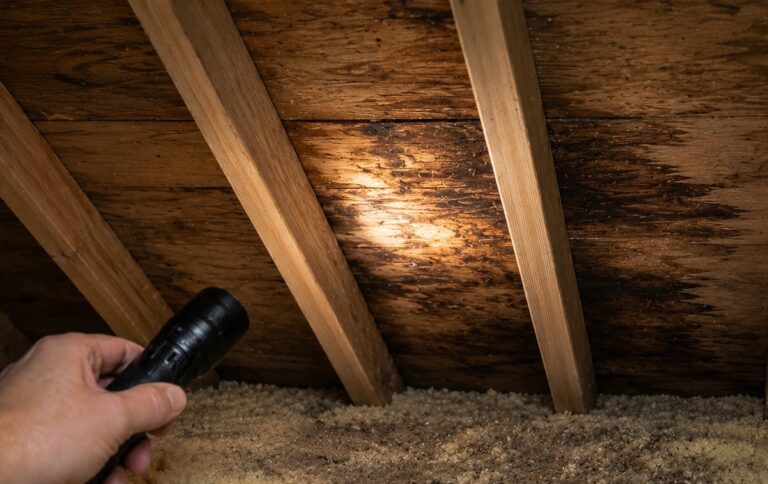
Bad attic ventilation can shorten shingle life and create symptoms that look like material failure. Heat trapped under the roof deck can accelerate asphalt aging. Moisture trapped in the attic can condense on sheathing and framing, weakening the roof system from below. Over time, this can contribute to brittle shingles, wet decking, mold growth, and premature roof deterioration.
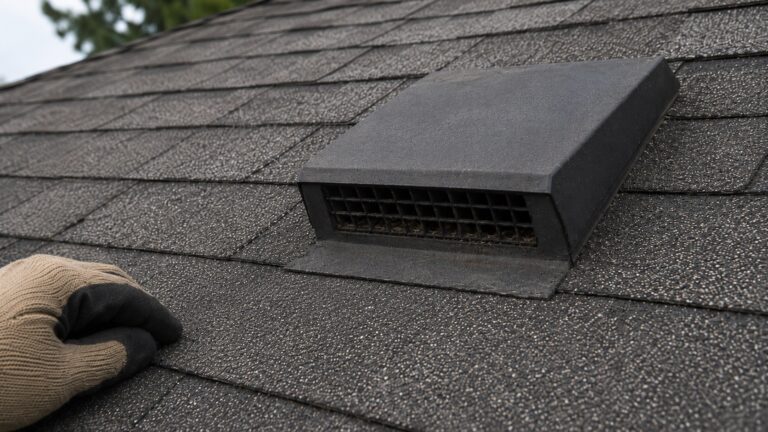
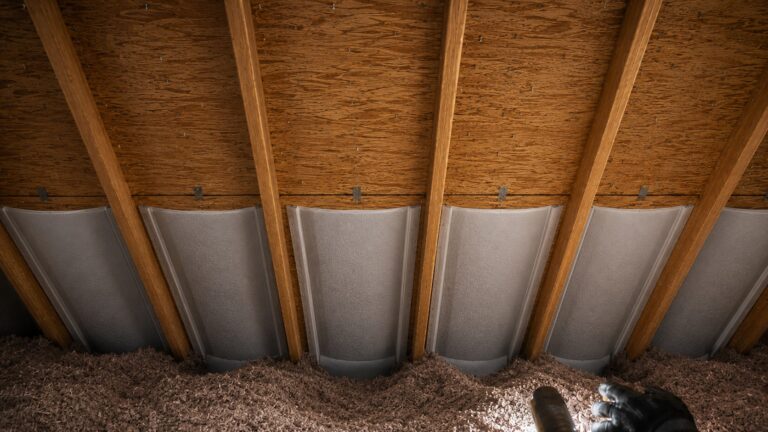
No roofing brand can fully overcome poor ventilation. A premium shingle may resist weather from above, but it cannot fix heat and moisture trapped underneath. If the roof shows early aging, attic ventilation should be checked along with the shingles.
Weak roof decking
Roof shingles need solid decking underneath them. If the roof deck is soft, swollen, rotted, delaminated, or uneven, fasteners may not hold correctly and shingles may not lie flat. Weak decking can create waves, nail pops, leaks, and premature movement.
This is especially common when a new roof is installed after years of leaks or condensation problems. If damaged decking is not replaced during roof installation, the new shingles may inherit the old roof’s structural problems. The homeowner may blame the new brand, but the failure may have started below the shingles.
Flashing failures
Flashing failures are often mistaken for shingle failures. Chimneys, valleys, walls, skylights, dormers, vents, and pipe penetrations all need correct flashing details. If those details fail, the roof can leak even when the shingles are still intact.
This matters because many roof leaks show up inside the home far from the actual entry point. Water can travel along rafters, sheathing, insulation, and framing before appearing as a ceiling stain. Without proper inspection, a homeowner may blame the shingle brand when the real issue is a flashing defect.
Wrong shingle for the climate
A shingle that performs reasonably well in one climate may not be the right choice in another. A basic shingle may be acceptable in a mild region but struggle on a hot, exposed roof. A shingle with limited algae protection may stain quickly in a humid, shaded area. A standard architectural shingle may not be the best choice in a hail-prone region.
This is not always a manufacturer defect. It may be a product selection problem. Homeowners should match the shingle line to their climate instead of choosing only by price or brand familiarity. If the wrong product tier is used in a harsh environment, the roof may develop problems earlier than expected.
Brand-Related Problems to Watch for Before Choosing Shingles
Some brand-related risks can be spotted before the homeowner signs the contract. The key is to evaluate the exact product line, local installer experience, warranty terms, and climate fit before the roof is installed.
Product tier mismatch
Product tier mismatch happens when a homeowner expects premium performance from a lower-tier shingle. This is one of the most common causes of roofing disappointment. A basic shingle may not have the same impact resistance, algae resistance, wind performance, or lifespan potential as a premium architectural or performance shingle.
This does not mean every homeowner needs the most expensive shingle. It means the product should match the home’s exposure. A low-cost shingle on a simple roof in a mild climate may perform acceptably. The same product on a hot, storm-exposed, shaded, or high-wind roof may lead to early complaints. Homeowners should understand why cheap roofing materials fail early before choosing a lower-priced product only to reduce the quote.
Weak local availability
A roofing brand may be strong in one region but harder to support in another. If shingles, ridge caps, accessories, or matching repair materials are hard to source locally, future repairs can become more complicated. Local availability also affects contractor familiarity, so homeowners should ask whether the contractor installs that specific brand often and whether replacement materials are easy to source in the area.
Contractor unfamiliarity
Contractor unfamiliarity can create brand problems even when the product is good. Different shingle brands and product lines may have specific requirements for nailing zones, underlayment, starter strips, ridge caps, ventilation, and warranty upgrades. A homeowner comparing brands should ask how often the contractor installs that exact shingle and whether the written quote includes the required accessories.
Confusing warranty terms
Confusing warranty terms can make a roofing brand look worse than it is. Homeowners often see phrases like limited lifetime warranty, wind warranty, algae warranty, system warranty, or workmanship warranty without understanding the differences. Later, if a problem happens, they may discover that the warranty does not cover the issue they expected.
Before choosing shingles, homeowners should compare warranty terms carefully. They should ask what coverage is non-prorated, what exclusions apply, whether ventilation is required, whether accessories must match the manufacturer, whether workmanship is covered, and what happens if the contractor goes out of business. A useful next step is to compare roofing warranties before choosing a brand.
Limited algae or impact resistance
Some roofing complaints happen because the shingle was not designed for the roof’s biggest risk. A roof in a humid, shaded area may need stronger algae resistance. A roof in a hail-prone region may need impact resistance. A roof in a high-wind area may need a product and installation method designed for wind exposure.
If the product does not match the climate, the homeowner may blame the brand when the real problem is selection. This is why the quote should identify the exact shingle line, not just the manufacturer. A brand may offer excellent impact-resistant shingles and basic shingles with limited storm performance. The homeowner needs to know which one is being installed.
Moisture-Related Roofing Brand Problems
Brand complaints matter most when they affect water shedding. A cosmetic issue may be frustrating, but lifted shingles, failed seals, cracked shingles, or weak flashing details can allow water into sheathing, rafters, insulation, ceilings, and wall cavities.
When shingle problems lead to leaks
Shingle problems can lead to leaks when they affect the roof’s ability to shed water. Lifted shingles, cracked shingles, missing shingles, exposed fasteners, failed sealant strips, and heavy granule loss can all increase leak risk. The risk is higher during wind-driven rain, heavy storms, and repeated wetting.
However, many leaks blamed on shingles actually begin at roof details. Valleys, chimneys, skylights, roof vents, plumbing boots, dormers, and wall intersections are more vulnerable than the open roof field. If a leak appears after roof replacement, the contractor should inspect the entire roof system, not just the shingle surface.
When damp roof conditions create algae staining
Algae staining is usually not the same as a roof leak, but it can reveal damp roof conditions. Roof slopes that stay shaded, collect debris, or dry slowly after rain are more likely to develop dark streaks. A homeowner may blame the shingle brand, but the roof environment may be creating the problem.
Algae-resistant shingles are helpful in humid climates, but they work best when the roof is also maintained properly. Tree branches should be trimmed back where appropriate, gutters should drain correctly, and debris should not be allowed to hold moisture on the roof. If a roof remains damp for long periods, appearance problems may return even with better shingles.
When attic moisture shortens shingle life
Attic moisture can make roofing brand problems worse from below. If humid indoor air enters the attic and condenses on roof sheathing, the deck can stay damp even when the shingles look fine from outside. Bathroom fans vented into the attic, blocked soffit vents, poor insulation details, and inadequate roof ventilation can all contribute to this problem.
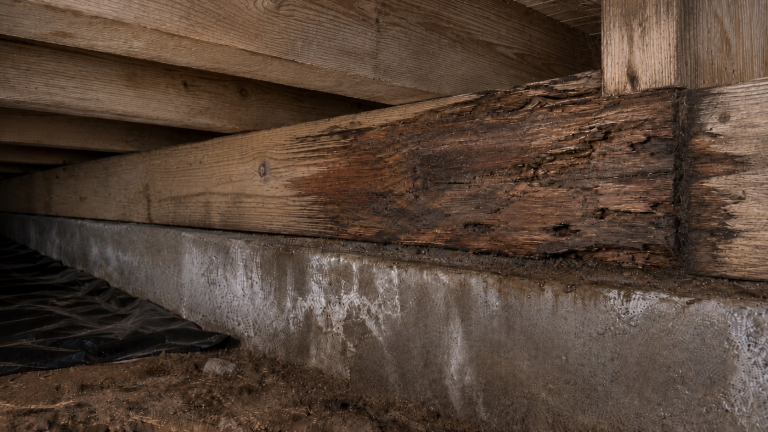
Once roof decking stays damp, fasteners may loosen, sheathing may swell, and mold may appear on framing or insulation. The homeowner may notice roof wear or leaks and assume the shingle brand is failing, but the roof may actually be deteriorating from hidden moisture. These issues connect directly to roof installation problems that can lead to mold and broader whole-home moisture prevention.
How to Research Roofing Brand Complaints the Right Way
Roofing brand complaints can be useful, but only if you read them for patterns instead of isolated frustration. One complaint about granule loss may not mean much. Many complaints about the same shingle line, same age range, and same failure pattern deserve more attention.
When researching complaints, look for five details: the exact product line, roof age, installation quality, climate exposure, and whether the problem was inspected or verified. A complaint about one entry-level shingle should not automatically apply to the manufacturer’s premium shingles. Likewise, a good experience with one premium product does not guarantee every product from that brand will perform the same way.
Local roofer experience also matters. A brand that performs well in one region may have different results in another because of weather, installer familiarity, product availability, and climate. Before choosing a shingle, ask local roofers what they actually see after five, ten, or fifteen years in your area.
Complaint Patterns That Deserve Extra Attention
Some roofing complaints are more useful than others. Pay closer attention when many homeowners report the same problem with the same shingle line, the same age range, and similar conditions. Repeated early granule loss, widespread seal failure, shingles lifting in moderate wind, or warranty claims denied for the same reason are stronger warning signs than one vague negative review.
Be more cautious with complaints that do not name the product line, roof age, installer, climate, or inspection findings. Those complaints may still be honest, but they are harder to use when comparing brands.
Questions to Ask Before Choosing a Roofing Brand
The best way to avoid roofing brand problems is to ask detailed questions before signing the contract. A vague quote makes it harder to compare brands fairly. A clear quote should identify the exact product line, accessory system, ventilation work, flashing plan, decking repair terms, and warranty coverage.
- Which exact shingle product line are you quoting?
- Is this the same shingle line you normally install, or a lower-cost substitute?
- Is this a basic, architectural, premium, impact-resistant, or designer shingle?
- What problems do you commonly see with this product in our climate?
- Do you install this brand regularly?
- What warranty applies, and what conditions must be met?
- Are starter shingles, ridge caps, underlayment, drip edge, and flashing included?
- Will damaged decking be replaced after tear-off?
- Will attic ventilation be inspected?
- Is this shingle appropriate for hail, wind, humidity, shade, or heat in this region?
- What would void or limit the warranty?
These questions shift the conversation away from brand slogans and toward roof performance. A good contractor should be able to explain why a specific shingle line fits your home. If the contractor cannot answer clearly, that may be a bigger warning sign than the brand itself.
When a Brand Complaint Needs a Roof Inspection
Not every roofing complaint requires emergency repair, but some symptoms should be inspected quickly. The more widespread the problem is, the newer the roof is, or the closer the issue is to a leak-prone area, the more important professional inspection becomes. A trained roofer can help separate material problems from installation errors, storm damage, ventilation issues, and roof-system defects.
Widespread granule loss on a newer roof
If a newer roof is losing heavy granules across large areas, it should be inspected. Some granule shedding is normal after installation, but bald patches, exposed asphalt, uneven wear, or repeated gutter buildup may point to a deeper issue. The inspector should evaluate foot traffic damage, hail impact, heat exposure, ventilation, product age, and possible material concerns.
Lifted, creased, or missing shingles
Lifted or missing shingles should not be ignored. Even if only a small area is affected, wind-driven rain can enter under loosened shingles and reach the underlayment or roof deck. If the shingles are creased, the damage may be permanent. Do not climb onto a steep, wet, icy, or storm-damaged roof to check this yourself. A qualified roofer should check nail placement, sealant activation, starter strips, edge details, and whether the shingle line was installed according to wind requirements.
Leaks after a recent roof replacement
A leak after roof replacement should be inspected as soon as possible. The problem may not be the shingle brand. It may be flashing, pipe boots, skylights, chimneys, valleys, roof-to-wall transitions, or poor underlayment. Early inspection helps prevent the leak from spreading into insulation, ceilings, wall cavities, and structural wood.
Soft decking or attic moisture
If the roof feels uneven, shows sagging areas, or has signs of soft decking, the issue may be structural. Attic moisture, condensation, mold on sheathing, wet insulation, and dark staining on rafters also need attention. These symptoms can shorten the life of any roofing brand and may indicate hidden moisture problems beneath the shingles.
Warranty disputes or unclear responsibility
If the manufacturer, contractor, and homeowner disagree about the cause of the problem, an independent roof inspection may help. Warranty disputes often depend on whether the issue is a material defect, installation defect, storm damage, ventilation problem, or maintenance issue. Documentation matters. Photos, installation records, product labels, warranty paperwork, weather history, and inspection reports can all help clarify the claim.
Frequently Asked Questions About Common Roofing Brand Problems
Are roofing brand complaints always caused by bad shingles?
No. Some complaints may involve real product issues, but many are caused by poor installation, weak decking, bad attic ventilation, storm damage, climate mismatch, or warranty misunderstandings. The exact product line, installation method, roof age, and local conditions should be reviewed before blaming the entire brand.
Is granule loss a roofing brand problem?
It can be, but not always. Some granule shedding is normal after installation, while heavy, uneven, or early granule loss may come from foot traffic, hail, tree abrasion, overheating, poor ventilation, installation damage, or a possible product issue. A newer roof with widespread bald areas should be inspected before deciding whether the issue is product-related.
Can poor installation look like a roofing brand defect?
Yes. High nails, overdriven nails, missing starter shingles, poor flashing, weak valleys, bad ridge caps, and poor ventilation can all make shingles fail early. If the roof has early leaks, lifted shingles, or uneven wear, installation quality should be checked before blaming the shingle brand.
Should I avoid a roofing brand because of online complaints?
Not automatically. Online complaints can reveal patterns, but they often leave out important details such as product line, installer quality, roof age, ventilation, storm history, and warranty terms. Look for repeated complaints about the same product line and same failure pattern, then compare that with local contractor experience.
Should roofers inspect shingle bundles before installing them?
Yes. Roofers should check shingles before installation for visible damage, color mismatch, visible manufacturing or handling issues, or laminated layers that do not line up correctly. Problems are easier to handle before the shingles are nailed on the roof. If a batch looks wrong, the contractor should stop, document the issue, and contact the supplier before installing it.
How do I know if shingles are defective?
Possible signs include unusual early cracking, widespread granule loss, sealant failure, abnormal curling, or deterioration that does not match the roof’s age or exposure. However, these symptoms can also come from installation, ventilation, weather, or deck problems. A professional inspection and warranty documentation are usually needed.
Why do roofing warranties disappoint homeowners?
Roofing warranties often disappoint homeowners because they do not cover every roof problem. Many warranties focus on manufacturing defects and may exclude workmanship errors, storm damage, improper ventilation, poor installation, maintenance issues, or cosmetic concerns. Homeowners should read warranty terms before choosing a brand.
What should I ask a contractor about roofing brand problems?
Ask which exact product line is being installed, what problems the contractor has seen with it locally, what warranty applies, what accessories are required, whether attic ventilation will be inspected, and whether flashing and damaged decking are included in the scope of work.
The Bottom Line on Roofing Brand Problems
Common roofing brand problems usually include granule loss, curling, cracking, sealing issues, wind lift, algae staining, color variation, warranty frustration, and leaks after replacement. These problems are worth taking seriously, but they do not always mean the entire roofing brand is defective. The cause may be the exact product line, installation quality, climate, attic ventilation, roof decking, flashing, storm damage, or warranty expectations.
The best way to avoid disappointment is to compare the exact shingle line, not just the manufacturer name. Ask whether the product fits your climate, whether the contractor installs it regularly, what warranty requirements apply, and whether the roof system includes proper flashing, underlayment, ventilation, starter shingles, ridge caps, and deck repairs. Strong shingles matter, but they cannot overcome poor workmanship, weak decking, trapped attic moisture, or neglected flashing.
Key Takeaways
- Common roofing brand complaints include granule loss, curling, cracking, sealing issues, wind lift, algae staining, appearance mismatch, warranty frustration, and early leaks.
- Not every roofing complaint is caused by defective shingles; installation, ventilation, decking, flashing, climate, and product-tier mismatch can all look like brand problems.
- Homeowners should compare exact shingle product lines, not just brand names.
- Warranty frustration often comes from misunderstanding what is covered, what is excluded, and what installation conditions must be met.
- The best protection is a well-matched shingle installed correctly as part of a complete roof system.