Most Durable Roofing Shingle Brands: Which Brands Hold Up Best Against Weather, Moisture, and Wear
The most durable roofing shingle brand depends on the exact product line, the climate, and the quality of the installation. But based on my own years roofing, TAMKO was the asphalt shingle brand I trusted most overall. TAMKO shingles seemed to have more tar, handled well, sealed well, and gave me more confidence that the roof had a real chance of lasting close to what homeowners expected from the warranty when installed correctly.
That does not mean TAMKO is the only brand worth considering. Owens Corning was also good in my experience, and I would especially consider Owens Corning Duration/SureNail in high-wind, hurricane-risk, or tropical-storm-prone areas because the reinforced nailing strip supports better fastening consistency. CertainTeed was also good and belongs in the strong premium/durability category. Atlas and IKO may also be worth considering when local roofers have a strong track record with them, but I do not have the same strong field preference for them that I had for TAMKO.
GAF is widely known and widely available, but it was the brand I was most cautious about from field experience. Some GAF shingles I dealt with seemed less sticky, more prone to wind release or blow-off, and more likely to show earlier wear than homeowners expected. That does not mean every GAF roof will fail or that every GAF product is defective. It means I would ask the roofer why they trust that exact GAF line, how it has performed locally, and why they prefer it over the other options available.
This guide focuses specifically on durability. It is not just a general list of popular asphalt shingle brands. If you want a broader brand-by-brand overview, you may also want to compare this with a full asphalt shingle brand comparison. Here, the goal is narrower: which roofing shingle brands and product lines are most likely to resist early wear, weather damage, moisture-related deterioration, granule loss, cracking, and structural failure when installed correctly.
The most important thing to understand is that even the best shingle brand can fail early if the roof is installed poorly. Bad nailing, weak flashing, poor attic ventilation, deteriorated roof decking, missing starter shingles, reused accessories, and trapped moisture can shorten the life of any roof. Durable shingles matter, but they are only one part of the full roof system. That is why this topic belongs closely with the larger issue of common roofing material failures and the way roof problems allow water to enter the home.
What Makes a Roofing Shingle Brand Durable?
A durable roofing shingle is not just a thick shingle. Thickness can matter, but durability also depends on asphalt quality, mat strength, sealant strength, granule adhesion, flexibility, impact resistance, wind performance, algae protection, and how well the shingle handles repeated wetting and drying.
Homeowners should compare durability by risk. Hail-prone roofs need impact resistance. Wind-prone roofs need strong fastening and sealing. Humid or shaded roofs need algae resistance and good moisture tolerance. Hot, exposed roofs need strong granule retention and good attic ventilation below the roof deck.
Impact resistance
Impact resistance matters most in areas that receive hail, falling branches, storm debris, or frequent severe weather. Many of the most durable asphalt shingles are rated as Class 4 impact-resistant products. Class 4 is commonly treated as the highest impact-resistance classification for asphalt shingles, but homeowners should understand what that means. It does not mean the shingle is hailproof. It means the shingle passed a controlled impact test, and some manufacturers specifically state that hail damage is not covered under the limited warranty even when a product has a Class 4 rating.
This distinction is important because some homeowners assume a Class 4 shingle guarantees there will be no hail damage. That is not realistic. Large hail, wind-driven hail, old shingles, brittle asphalt, poor attic ventilation, and weak roof decking can still contribute to damage. Class 4 shingles are usually a better option in hail-prone regions, but they are not a promise that the roof will never be damaged.
Wind resistance
Wind durability depends on the shingle’s sealant strip, fastening pattern, roof slope, edge details, starter shingles, and installation temperature. Many major brands offer shingles with strong wind ratings, but those ratings often depend on correct installation. If the contractor nails too high, uses too few nails, installs over a weak deck, skips required starter strips, or installs shingles in poor sealing conditions, the roof may not perform as the manufacturer intended.
This is why the most durable shingle brand is not always the most durable roof. A strong shingle installed incorrectly can lift, crease, tear, or lose tabs during storms. Homeowners comparing shingle brands should ask the contractor which wind warranty applies, what installation method is required, and whether the quote includes the full roofing system or only the shingles.
Granule retention
Granules protect asphalt shingles from sunlight and weather exposure. When shingles lose granules too quickly, the asphalt underneath becomes more exposed to UV damage. Over time, this can make shingles brittle, faded, cracked, and less water-resistant. Some granule loss is normal, especially on a new roof, but heavy or uneven granule loss can be a warning sign of premature wear.
Granule retention is one reason premium shingle lines often perform better than low-cost shingles. Better shingles usually have stronger construction, better asphalt formulation, and improved granule adhesion. This does not mean every expensive shingle is perfect, but it does mean cheap shingles often have less margin for weather exposure, especially on hot, steep, or storm-exposed roofs. For a deeper look at early roof failure, this topic connects naturally with why cheap roofing materials fail early.
Flexibility and crack resistance
Flexibility matters because roofs move. Shingles expand and contract as temperatures change. Roof decks flex slightly. Homes settle. Wind and storms put stress on the roof surface. A brittle shingle is more likely to crack, split, or lose resistance to water over time. This is one reason polymer-modified and rubberized asphalt shingles are often considered strong durability choices.
Brands such as CertainTeed, Owens Corning, Malarkey, and others offer upgraded shingle lines designed to improve impact resistance, flexibility, or weather performance. These product lines are especially worth comparing in climates with hail, sudden temperature changes, hot sun, or repeated storm exposure. Flexibility does not solve every roofing problem, but it can help the shingle absorb stress better than a more brittle product.
Algae and moisture resistance
Algae resistance is not the same as structural strength, but it still matters for long-term roof performance and appearance. In humid, shaded, or tree-covered areas, dark streaks can appear when algae grows on the roof surface. These streaks may not always mean the roof is leaking, but they can make the roof look older and may indicate that the roof stays damp for long periods after rain or morning dew.
Durable roofing shingles for humid climates often include algae-resistant granules or surface protection technologies. This can help the roof hold its appearance longer, especially in areas with frequent moisture exposure. However, algae-resistant shingles do not fix poor drainage, overhanging branches, clogged gutters, or attic ventilation problems. If the roof repeatedly stays wet, the homeowner should also think about how roofing choices fit into broader whole-home moisture prevention.
Quick Answer: Durable Shingle Brands Worth Comparing
For durability, I would start with field experience first, then compare the exact shingle line being quoted. TAMKO was my top overall pick from roofing experience, Owens Corning deserves special attention in wind-prone areas, CertainTeed is a strong premium choice, and the other brands should be judged by the exact product line and local roofer track record.
- TAMKO: My top overall pick from field experience because the shingles seemed to have more tar, handled well, sealed well, and gave me more confidence that the roof could last close to what homeowners expected from the warranty when installed correctly.
- Owens Corning: A good shingle brand in my experience and especially worth considering in high-wind, hurricane-risk, or tropical-storm-prone areas because Duration/SureNail supports better fastening consistency and wind-performance confidence.
- CertainTeed: A good shingle brand in my experience and a strong premium/durability choice, especially in upgraded architectural and polymer-modified lines such as ClimateFlex products.
- Atlas and IKO: Worth considering when local roofers have a strong track record with the exact product line, though I do not have the same strong field preference for them that I had for TAMKO.
- Malarkey: Often discussed as a strong durability contender on paper because of rubberized asphalt and impact-resistant product lines, but local availability and roofer familiarity matter.
- GAF: Widely known and widely available, but the brand I would be most cautious about because some shingles I dealt with seemed less sticky, more prone to wind release, and more likely to show earlier wear than homeowners expected.
For many homeowners, the best durability choice will come down to the strongest shingle line available locally, the roofer’s real experience with that shingle, and the roof’s climate risks. I would not choose a brand from advertising alone. I would ask the roofer which shingle they personally prefer installing, which ones they have seen seal well, and which ones they have seen hold up after years of local weather.
It is also important to separate durability from lifespan. A durable shingle resists damage, stress, and early wear. A long-lasting shingle is one that continues performing for many years under real conditions. Those ideas overlap, but they are not identical. For lifespan-focused buying research, compare this article with roofing brands that last the longest. This article stays focused on durability under weather, moisture, and structural stress.
Most Durable Roofing Shingle Brands Compared
When comparing durable roofing shingle brands, it is better to compare each brand’s strongest product lines rather than judging the entire brand as one category. Most major manufacturers sell more than one type of shingle. A basic builder-grade shingle from a strong brand may not perform like that same brand’s premium impact-resistant or polymer-modified product. This is where many homeowners get misled during roof replacement quotes.
A contractor may say, “We install GAF,” “We install Owens Corning,” or “We install CertainTeed,” but that does not tell you enough. Ask which exact product line is being quoted, what performance ratings apply, whether the roof system includes matching accessories, and which shingle the roofer personally prefers installing and why. A roofer who has watched certain shingles seal, age, lift, or hold up over years of local jobs may give you a better real-world answer than a brochure alone.
TAMKO
TAMKO deserves the strongest place in this durability discussion because it was my favorite asphalt shingle brand during my years roofing. The shingles seemed to have more tar, handled well, sealed well, and gave me more long-term confidence compared with some other brands we worked with. In my experience, TAMKO was not just easier to install. It also seemed more likely to hold up close to the life homeowners expected from the warranty when the roof was installed correctly.
That does not mean every TAMKO product should be treated the same. TAMKO has basic, architectural, and upgraded products, and homeowners should still compare the exact shingle line, wind rating, impact rating, algae protection, and warranty terms. But if a local roofer has a strong track record with TAMKO and prefers it for your area, I would take that seriously.
The right way to evaluate TAMKO is to ask what product line is being quoted, what roof conditions it is being installed on, and whether the roofer has seen that shingle hold up well locally. Brand reputation matters, but local installer experience matters too.
Owens Corning
The place Owens Corning stands out most to me is wind-prone roofing. I would especially suggest looking at Owens Corning Duration/SureNail in high-wind areas, hurricane-risk areas, coastal areas, or places that get tropical storm conditions because the reinforced nailing strip helps support more consistent fastening. That does not replace correct installation, but it does give me more wind-performance confidence than a shingle with a less forgiving nail zone.
Owens Corning was also a good shingle in my experience. I would especially suggest looking at Owens Corning Duration/SureNail in high-wind areas, hurricane-risk areas, coastal areas, or places that get tropical storm conditions because the reinforced nailing strip helps support more consistent fastening. That does not replace correct installation, but it does give me more wind-performance confidence than a shingle with a less forgiving nail zone.
Duration FLEX is the line to compare when durability is the main concern. Standard Duration may still be a good all-around shingle, but it should not be treated the same as an upgraded impact-resistant product. Homeowners should ask contractors exactly which Owens Corning line is being quoted and whether the quote includes the proper underlayment, starter shingles, ridge caps, ventilation details, and flashing replacement.
CertainTeed
CertainTeed was also good in my roofing experience, and I am comfortable treating it as a strong premium/durability brand. I still personally preferred TAMKO, but CertainTeed belongs near the top of the list for homeowners comparing heavier-feeling, upgraded architectural shingles. Its Landmark family is widely recognized, and its ClimateFlex products give CertainTeed a strong durability angle for homeowners who want impact resistance, flexibility, and weather performance.
The strength of CertainTeed is that it has several strong product tiers. A homeowner can compare a more standard architectural shingle against upgraded options depending on budget and climate. In areas with hail, storm exposure, or strong temperature swings, the upgraded lines may make more sense than the entry-level options.
The caution with CertainTeed is cost. Premium CertainTeed shingles may be more expensive than some mainstream alternatives. That does not automatically make them overpriced, but the homeowner should ask whether the upgrade solves a real roof risk. If the home is in a mild climate with low storm exposure, a top-tier impact-resistant shingle may not always produce enough added value. If the home is in a storm-prone, humid, or high-exposure area, the upgrade may be easier to justify.
Atlas and IKO
Atlas and IKO are worth considering when local roofers have a strong track record with the exact product line being quoted. I do not have the same strong field preference for them that I had for TAMKO, but that does not mean they should be ignored. In some markets, a roofer who installs Atlas or IKO regularly may have good reasons for trusting a specific shingle line.
Atlas is especially worth comparing when impact resistance and storm performance are major concerns. Atlas offers impact-resistant product lines such as Pinnacle Impact and StormMaster options, which can be attractive for homeowners in hail-prone regions or storm-exposed areas.
The best use case for Atlas or IKO is not necessarily every roof. These brands make the most sense when a local contractor can explain why they trust a specific line, how it performs in the local climate, and whether they have seen it hold up over years of real installations. As with every brand, the installation details matter. A strong shingle will not overcome poor flashing, poor ventilation, or weak roof decking.
Malarkey
Malarkey is often discussed as a strong durability contender on paper because many of its shingles are built around rubberized asphalt technology. Rubberized asphalt can give the shingle more flexibility and impact resistance than a standard asphalt formulation. That can be valuable in areas with hail, wind-driven debris, rapid temperature changes, or roof movement caused by seasonal expansion and contraction.
Malarkey’s Legacy line is often one of the first products homeowners compare when durability is the priority. It is commonly associated with strong impact resistance, upgraded construction, and algae-resistant options. For a homeowner who wants a roof that can handle tough weather without jumping immediately to metal roofing or another premium material, Malarkey deserves consideration.
The main limitation is availability. Malarkey may not be as widely available in every market as GAF, Owens Corning, or CertainTeed. Some contractors may not install it regularly, and that matters. A strong shingle still needs a contractor who understands the product, the fastening pattern, the accessory system, and the warranty requirements. If a contractor is not familiar with the brand, the durability advantage may be reduced by installation uncertainty.
GAF
GAF is one of the most widely available roofing shingle brands in the United States. Its Timberline series is common, and many contractors are familiar with GAF roofing systems. For homeowners, that availability can be convenient because it is usually easy to find contractors who know the product and can source matching accessories.
For durability comparisons, homeowners should look beyond basic GAF name recognition and compare the exact line being quoted. GAF has upgraded products such as Timberline UHDZ with UltraMat, and some roofers may have good results with specific GAF systems. But because GAF was the brand I was most cautious about from field experience, I would not choose it just because it is common or easy to find. I would ask the roofer why they trust that exact GAF shingle, how it has performed locally, and whether they have seen sealing or wind-release issues with it over time.
The caution is that GAF is sometimes treated as the default choice because it is common. Common does not automatically mean most durable. In my roofing experience, some GAF shingles seemed less sticky, more prone to wind release or blow-off, and more likely to show earlier wear than homeowners expected. That does not mean every GAF roof will fail, and it does not mean every GAF product should be dismissed. It means I would be more careful about the exact product line, installer, roof exposure, and local track record before choosing it. For a broader discussion of reliability complaints across brands, see common roofing brand problems. For homeowners comparing brand promises, it is also worth learning how to compare roofing warranties instead of assuming the longest or most familiar warranty is always the strongest.
Best Durable Shingles by Climate and Roof Risk
The most durable shingle brand for one house may not be the best choice for another. Roof durability depends heavily on climate and exposure. A roof in a hail-prone area has different durability needs than a roof in a humid coastal climate. A roof under heavy tree shade has different risks than a steep roof in hot sun. This is why homeowners should match shingle durability to the actual conditions around the home.
Best shingles for hail-prone regions
In hail-prone regions, homeowners should look closely at Class 4 impact-resistant shingles. Strong contenders include Malarkey Legacy, CertainTeed ClimateFlex products, Owens Corning Duration FLEX, GAF Timberline UHDZ with UltraMat, and Atlas impact-rated lines. These shingles are designed to handle impact better than standard shingles, making them more appropriate for areas where hail damage is a recurring concern.
However, impact-resistant does not mean damage-proof. A severe hailstorm can still damage shingles, vents, flashing, gutters, siding, and soft metals. Homeowners should also check whether their insurance company offers any discount for Class 4 shingles and whether that discount changes the roof damage coverage terms. In some cases, a homeowner may receive a premium discount but accept different cosmetic damage exclusions, so the details matter.
Best shingles for high-wind areas
In high-wind areas, Owens Corning Duration/SureNail is one of the first asphalt shingle options I would consider because the reinforced nailing strip supports better fastening consistency and gives me more wind-performance confidence. That can matter in coastal areas, hurricane-risk areas, tropical-storm-prone regions, open fields, and other high-uplift situations. The brand still has to be installed correctly, but the nail zone design is a real advantage.
Homeowners should ask whether the contractor uses the required number of nails, whether high-wind nailing is needed, whether starter shingles are included at the eaves and rakes, and whether old underlayment or flashing will be replaced. Wind damage often begins at edges, corners, ridges, and poorly sealed areas. Even a durable shingle can lift if the roof system is incomplete.
Best shingles for humid or shaded roofs
Humid and shaded roofs need shingles with strong algae resistance and good moisture tolerance. Many major brands offer algae-resistant options in different product lines. In these conditions, homeowners should look for shingles designed to resist dark streaking and surface discoloration, but they should still ask local roofers which brands have actually held up well in that climate.
Algae-resistant shingles are especially useful on roofs shaded by trees, roofs in damp climates, and roof slopes that dry slowly after rain. Still, algae resistance should not be confused with leak prevention. If a roof stays wet because of clogged gutters, overhanging branches, poor ventilation, or drainage problems, the homeowner may need broader moisture control. For homes in damp regions, it may also help to compare roofing materials for wet climates and roofing materials for high-humidity conditions.
Best shingles for hot, sunny roofs
Hot, sunny roofs put constant stress on asphalt shingles. UV exposure dries and ages asphalt over time. Heat can accelerate brittleness, granule loss, thermal movement, and surface wear. In these climates, homeowners should look for shingles with strong granule retention, good asphalt quality, and a proven record in hot weather.
Ventilation becomes especially important on hot roofs. Poor attic ventilation can trap heat under the roof deck, increasing shingle temperature and shortening roof life. A premium shingle installed over a poorly ventilated attic may age faster than expected. This is one reason roof durability should always be evaluated as part of a complete roof system, not just a surface product.
Why Even Durable Roofing Shingles Fail Early
Durable shingles reduce the risk of premature roof problems, but they do not make a roof immune to failure. Many early failures blamed on the shingle brand actually come from the roof system around the shingles: bad nailing, weak flashing, poor ventilation, soft decking, missing starter shingles, or trapped moisture below the roof covering.
A premium shingle can still leak if the valleys are poorly flashed. A Class 4 shingle can still fail if it is installed over rotten decking. A high-wind shingle can still lift if the contractor misses the nail zone. Brand durability matters most when the roof underneath it is sound.
Poor installation
Installation quality has a direct effect on shingle durability. Nails must be placed in the correct zone, driven straight, and set at the proper depth. If nails are too high, the shingle may not be properly secured. If nails are overdriven, they can cut into the shingle and weaken the fastening point. If nails are underdriven, they can hold the shingle up and interfere with sealing.
Poor installation also includes missing starter shingles, weak ridge cap installation, bad valley details, improper flashing, and failure to follow high-wind requirements. These mistakes can make a strong shingle behave like a weak one. If the roof begins lifting, leaking, or losing shingles early, the issue may not be the brand itself. It may be the way the roof was installed.
Weak or damaged roof decking
Roof shingles need a stable base. If the decking underneath is soft, delaminated, swollen, rotted, or uneven, the shingles cannot perform as designed. Weak decking can cause fasteners to loosen, shingles to sit unevenly, and moisture problems to continue below the surface. This is especially important on homes that have had repeated leaks, old roof layers, poor attic ventilation, or long-term condensation problems.
A durable shingle installed over questionable decking may look good at first, but problems can appear later. The roof may develop waves, soft spots, nail pops, recurring leaks, or premature shingle movement. Before paying for a premium shingle, homeowners should make sure the contractor will inspect the roof deck and replace damaged sections when needed.
Poor attic ventilation
Attic ventilation affects roof durability more than many homeowners realize. Poor ventilation can trap heat and moisture under the roof deck. In hot weather, excessive attic heat can accelerate asphalt aging. In cold weather, trapped indoor moisture can condense on roof sheathing and framing. Over time, that moisture can weaken decking, support mold growth, and create conditions that make the roof system fail from underneath.
This is why roof durability is closely connected to attic moisture control. A homeowner may install a premium shingle and still experience premature aging if the attic remains overheated or damp. If there are signs of poor airflow, condensation, wet sheathing, or mold in the attic, those problems should be corrected before assuming a better shingle alone will solve the issue. This is also why roof problems often connect with broader moisture problems throughout the home.
Flashing failures
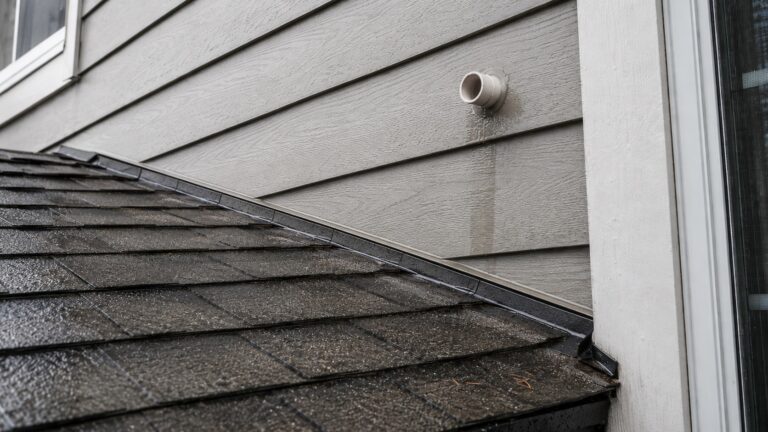
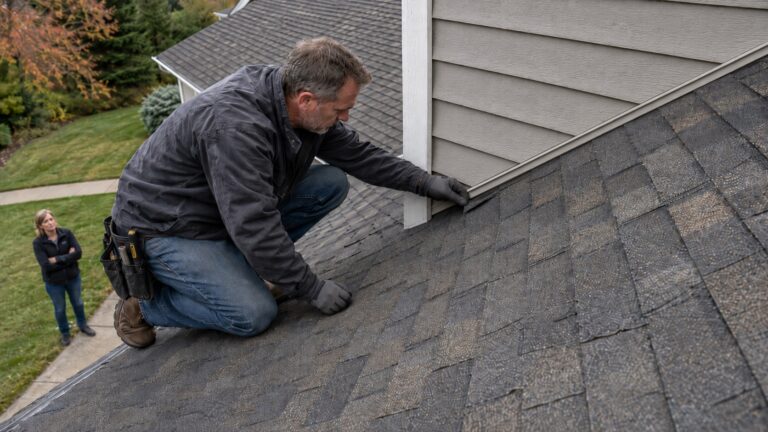
Flashing protects the areas where shingles alone cannot reliably stop water. Chimneys, valleys, walls, skylights, vents, plumbing penetrations, dormers, and roof-to-wall transitions all depend on proper flashing. A durable shingle can shed water across the open roof field, but it cannot fix poorly installed or deteriorated flashing.
Many roof leaks blamed on shingles actually begin at flashing details. If old flashing is reused, poorly lapped, nailed incorrectly, sealed with temporary caulk, or buried under new shingles without proper replacement, water can enter even when the shingles are in good condition. Homeowners comparing durable shingle brands should ask whether the quote includes flashing inspection and replacement where needed.
Moisture trapped under the roof system
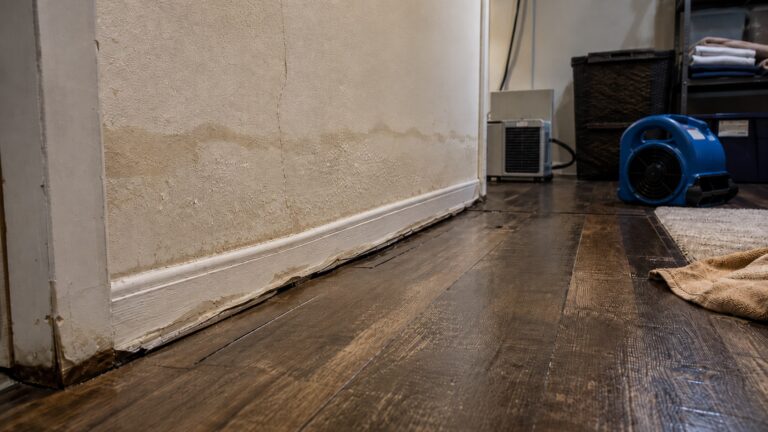
Moisture can damage a roof from below as well as above. Roof leaks, condensation, bathroom exhaust fans venting into the attic, kitchen exhaust leaks, humid indoor air, and poor insulation details can all contribute to moisture under the roof deck. Once roof sheathing or framing stays damp, the shingles above may no longer have a stable dry base.
This matters because shingle durability is usually judged from the outside, while many roof failures begin inside the roof assembly. A roof may have good shingles but still develop mold, decking rot, nail loosening, or recurring leak symptoms if moisture is trapped below. That is why durable shingles should be paired with proper attic ventilation, dry decking, sound flashing, and a complete moisture-control approach.
How to Choose the Most Durable Shingle Brand for Your Home
Compare product lines, not just brand names
The first question is not “Which brand is best?” The better question is “Which specific shingle line is being quoted?” Every major manufacturer offers different product tiers. A basic architectural shingle, a premium architectural shingle, and a Class 4 impact-resistant shingle from the same brand may perform very differently.
Ask the contractor for the exact product name, not just the manufacturer. Then compare that product’s impact rating, wind rating, algae protection, warranty terms, and installation requirements. This helps you avoid comparing a premium shingle from one brand against a basic shingle from another brand.
Match the shingle to your climate
Climate should guide the durability decision. In hail-prone areas, prioritize impact resistance. In high-wind areas, prioritize wind performance and installation details. In humid or shaded areas, prioritize algae resistance and moisture tolerance. In hot, sunny climates, prioritize granule retention, asphalt quality, and ventilation.
Homeowners often focus too much on general brand reputation and not enough on climate fit. A shingle that performs well in a dry climate may not be the best choice under heavy shade and frequent humidity. A shingle that looks attractive may not be the right choice if the roof is repeatedly exposed to hail or wind-driven storms. For roofs exposed to repeated weather stress, it helps to understand how weather affects roof lifespan before choosing a product.
Ask about the full roof system
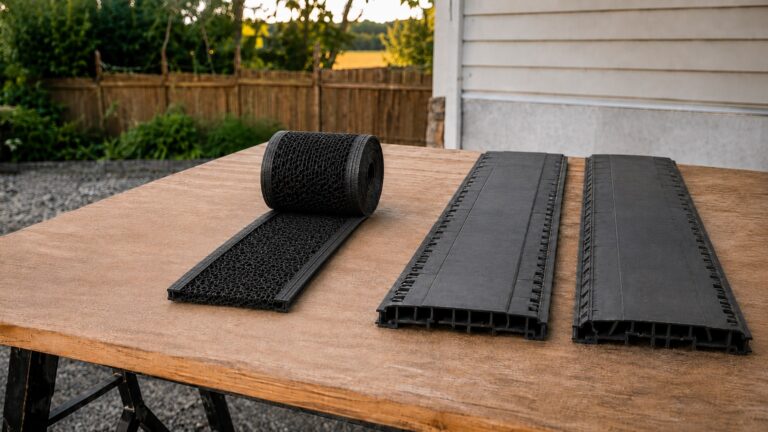
Durability depends on more than shingles. A complete roof system may include underlayment, ice and water shield, starter shingles, ridge caps, ventilation products, flashing, drip edge, pipe boots, valley materials, and manufacturer-approved accessories. If the contractor only talks about the shingle brand and ignores the rest of the system, that is a warning sign.
A durable shingle installed with weak accessories may not deliver the performance the homeowner expects. For example, high-quality shingles around a poorly flashed chimney may still leak. Impact-resistant shingles installed over weak decking may still suffer from structural problems. Strong shingles with poor attic ventilation may still age faster than expected.
Compare warranty terms carefully
Warranty language can be confusing. A long warranty does not automatically mean the roof will last that long without problems. Some warranties are prorated after a certain period. Some require manufacturer-approved accessories. Some require certified installation. Some exclude certain types of damage. Some offer stronger coverage only when the full roofing system is installed.
When comparing durable shingles, use warranties as one part of the decision, not the whole decision. Ask what is covered, what is excluded, how long non-prorated coverage lasts, whether wind or algae coverage has separate limits, and whether workmanship is covered by the contractor or the manufacturer. This is where understanding how roofing warranties work can prevent expensive assumptions.
Make sure the quote names the exact shingle line
The quote should clearly identify the shingle line, accessory materials, flashing work, ventilation work, deck repair terms, cleanup, and warranty coverage. If the quote only says “architectural shingles,” it is not detailed enough for a serious durability comparison.
When Paying More for a Durable Shingle Brand Makes Sense
Paying more for a durable shingle makes the most sense when the roof faces a real durability threat: hail, high wind, heavy shade, persistent humidity, hot sun, or a history of early roof failure. If the roof is in a mild climate and the existing system is simple, a well-installed mid-grade architectural shingle may be enough.
You live in a hail-prone area
If your area regularly experiences hail, impact-resistant shingles may be worth the upgrade. Class 4 shingles can reduce the risk of some impact damage and may qualify for insurance discounts in some regions. However, homeowners should check with their insurance provider before assuming a discount applies. They should also ask whether any discount changes cosmetic damage coverage.
Your roof is exposed to strong wind
In high-wind areas, a durable shingle with strong wind performance may be worth paying for, especially if the contractor installs the roof according to high-wind requirements. Owens Corning Duration/SureNail is one shingle I would strongly consider in higher-wind areas because the reinforced nailing strip supports more consistent fastening. The upgrade only makes sense if the full installation supports the rating. Starter strips, edge details, fastener placement, and sealing conditions are critical.
Your roof stays shaded or damp
Homes surrounded by trees or located in humid climates may benefit from shingles with stronger algae resistance. This is especially true when the roof has north-facing slopes or areas that dry slowly after rain. The goal is not only appearance. A roof that stays wet for long periods deserves a product that can handle moisture exposure better than a basic shingle.
You plan to stay in the home long term
If you plan to stay in the home for many years, durability upgrades are easier to justify. A stronger shingle may reduce the risk of premature replacement, repeated repairs, and appearance problems. If you plan to sell soon, the upgrade may still help with buyer confidence, but the return depends on your market and the price difference.
The existing roof failed early
If your current roof failed earlier than expected, do not simply choose a more expensive brand and assume the problem is solved. First identify why the roof failed. Was it poor installation, storm exposure, ventilation failure, weak decking, low-quality shingles, or recurring moisture below the roof deck? If the cause is not corrected, the new roof may repeat the same pattern.
Frequently Asked Questions About Durable Roofing Shingle Brands
What roofing shingle brand do I trust most from field experience?
From my own roofing experience, TAMKO was the asphalt shingle brand I trusted most. It seemed to have more tar, handled well, sealed well, and gave me more confidence that the roof could last close to what homeowners expected from the warranty when installed correctly. Owens Corning and CertainTeed were also good, and Owens Corning Duration/SureNail deserves special credit for high-wind, hurricane-risk, and tropical-storm-prone areas. I would be most cautious with GAF because some shingles I dealt with seemed less sticky, more prone to wind release, and more likely to show earlier wear than expected.
Are Class 4 shingles worth it?
Class 4 shingles can be worth it in hail-prone regions or areas with frequent severe storms. They are designed to resist impact better than standard shingles, but they are not hailproof. Severe hail can still damage a roof. Before upgrading, ask your contractor which Class 4 product is being quoted and check whether your insurance company offers any discount or coverage changes.
Which shingle brand is best for hail?
For hail-prone areas, strong options to compare include Malarkey Legacy, CertainTeed ClimateFlex products, Owens Corning Duration FLEX, GAF Timberline UHDZ with UltraMat, and Atlas impact-rated shingles. The best choice depends on local availability, contractor experience, warranty terms, and whether the roof deck and flashing are being properly addressed during installation.
Which shingle brand is best for high-wind areas?
For high-wind areas, Owens Corning Duration/SureNail deserves special consideration because the reinforced nailing strip helps support more consistent fastening. Other brands can also perform well in wind when the right product line is installed correctly, but wind resistance depends heavily on nail placement, starter shingles, edge details, roof slope, and whether the shingles have sealed properly.
Which shingle brand is best for humid climates?
In humid climates, look for shingles with strong algae resistance, good granule retention, and proven performance in damp conditions. Several major brands offer algae-resistant options in different product lines. Homeowners in humid areas should also address shade, clogged gutters, poor ventilation, and moisture buildup because shingles alone cannot solve every damp-roof problem.
Are thicker shingles always more durable?
Thicker shingles are not always more durable. Weight and thickness can help, but they do not guarantee better performance. Asphalt quality, mat strength, granule adhesion, flexibility, sealant strength, impact rating, and installation quality all matter. A well-designed performance shingle can be more durable than a heavier shingle with weaker construction or poor installation.
Do premium shingles prevent roof leaks?
Premium shingles can reduce the risk of some surface failures, but they do not prevent every roof leak. Many leaks begin at flashing, valleys, vents, chimneys, skylights, pipe boots, or roof-to-wall transitions. A premium shingle still needs proper underlayment, flashing, ventilation, decking, and installation. If these details are weak, even a high-end roof can leak.
Do durable shingles always last longer?
Durable shingles often have a better chance of lasting longer, but durability and lifespan are not exactly the same. Durability describes resistance to damage and wear. Lifespan describes how long the roof performs in real conditions. Weather, ventilation, installation, maintenance, and roof design all affect how long shingles actually last.
Final Verdict: Brand Matters, but the Roof System Matters Too
The most durable roofing shingle brand is not simply the brand with the most name recognition or the longest warranty language. From my own field experience, TAMKO would be my top overall asphalt shingle pick, Owens Corning deserves special attention in wind-prone areas because of Duration/SureNail, and CertainTeed belongs in the strong premium/durability category. Atlas and IKO can be worth considering when local roofers trust the exact line. GAF is widely available, but it is the brand I would be most cautious about.
That matches my own roofing experience: TAMKO was the brand I preferred most, Owens Corning and CertainTeed were also good, and GAF was the brand I approached most cautiously. The point is not that every roof from one brand succeeds or fails. The point is that homeowners should compare the exact shingle line, ask what their roofer has seen hold up locally, and make sure the full roof system is installed correctly.
For maximum durability, compare impact resistance, wind performance, granule retention, algae resistance, flexibility, warranty terms, and climate suitability. In hail-prone areas, Class 4 impact-resistant shingles may be worth the upgrade. In humid or shaded areas, algae resistance and moisture performance matter more. In hot climates, attic ventilation and granule retention become especially important.
The biggest mistake is assuming the shingle brand alone determines roof performance. A durable shingle still depends on proper installation, dry roof decking, good attic ventilation, strong flashing, correct underlayment, and complete moisture control. If those details are ignored, even a premium shingle can fail early. If they are handled correctly, a strong shingle brand can provide better long-term protection and reduce the risk of premature roofing problems.
Key Takeaways
- From my own roofing experience, TAMKO was my top overall asphalt shingle pick for handling, sealing confidence, and long-term trust.
- TAMKO shingles seemed to have more tar, sealed well, handled well, and appeared more likely to last close to what homeowners expected from the warranty when installed correctly.
- Owens Corning Duration/SureNail is especially worth considering in high-wind areas because the reinforced nailing strip supports more consistent fastening.
- GAF is widely known and widely available, but it is the brand I would be most cautious about because some shingles I dealt with seemed less sticky, more prone to wind release, and more likely to show earlier wear than expected.
- CertainTeed was also good in my experience and belongs in the strong premium/durability category.
- Atlas and IKO may be worth considering when local roofers have a strong track record with the exact shingle line.
- Durability should be judged by impact resistance, wind performance, granule retention, flexibility, algae resistance, and climate suitability.
- Class 4 shingles are useful in hail-prone areas, but they are not hailproof.
- Premium shingles do not prevent leaks if flashing, decking, ventilation, or installation quality is poor.
- Homeowners should compare exact shingle lines, not just brand names.
- The best roof combines a durable shingle, a skilled contractor, proper ventilation, sound decking, and complete moisture control.