
Best Asphalt Shingle Brands Compared: GAF, Owens Corning, CertainTeed, TAMKO, Atlas, and IKO
The best asphalt shingle brand is not always the one with the most name recognition. GAF, Owens Corning, CertainTeed, TAMKO, Atlas, and IKO all make shingles that may appear in roofing quotes, but they do not all feel or perform the same in real-world roofing work. The best choice depends on the shingle line, the roof design, the climate, the installer, and how the shingles actually seal, hold, and age after installation.
Based on my own roofing experience, TAMKO was the asphalt shingle brand I trusted most among these major brands. It was not just my favorite to install; it also seemed more likely to hold up closer to the life homeowners expected from the warranty. Owens Corning and CertainTeed were also good shingles in my experience. GAF, on the other hand, was the brand I was most cautious about because some GAF shingles seemed less sticky, more prone to wind release, and more likely to show earlier wear than homeowners expected. That does not mean every GAF roof will fail, but I would not choose GAF just because it is widely known.
This comparison focuses on real-world reliability, moisture resistance, algae protection, warranty value, durability, wind resistance, and contractor decision-making. It is part of the larger roofing cluster on common roofing material failures, so the goal is to compare the major brands in a way that helps you read roofing quotes more intelligently and ask better questions before choosing a roof.
How to Compare Asphalt Shingle Brands the Right Way
Asphalt shingle brands are often marketed with big promises: lifetime warranties, high wind ratings, algae protection, impact resistance, and complete roof systems. Those features matter, but they can be misunderstood. A shingle brand does not perform in isolation. It performs as part of a roof system that includes underlayment, starter shingles, hip and ridge shingles, flashing, ventilation, roof decking, and installation quality.
Before comparing brand names, it helps to understand how to choose roofing shingles based on product line, roof conditions, and performance needs. A premium shingle from one brand may outperform an entry-level shingle from another brand, even if the second brand has a stronger overall reputation.
Compare Product Lines, Not Just Brand Names
One of the biggest mistakes homeowners make is asking, “Is GAF better than Owens Corning?” or “Is TAMKO better than CertainTeed?” without naming the exact shingle line. Every major manufacturer has different tiers. An entry-level 3-tab shingle is not the same as a heavier architectural shingle. A standard architectural shingle is not the same as an impact-resistant or premium designer shingle.
For example, GAF Timberline HDZ, Owens Corning Duration, CertainTeed Landmark, TAMKO Titan XT, Atlas Pinnacle, and IKO Dynasty are not interchangeable just because they are all asphalt shingles. They may differ in nailing zones, algae resistance, wind warranty requirements, thickness, weight, accessory requirements, and contractor familiarity. The exact line matters more than the brand name alone.
This is especially important when comparing roofing quotes. A lower bid may use a lower-tier shingle, skip key accessories, or offer a weaker workmanship warranty, while a higher bid may include a better shingle line, full tear-off, new underlayment, improved ventilation, and manufacturer-required accessories.
Ask Roofers Which Shingles They Actually Prefer
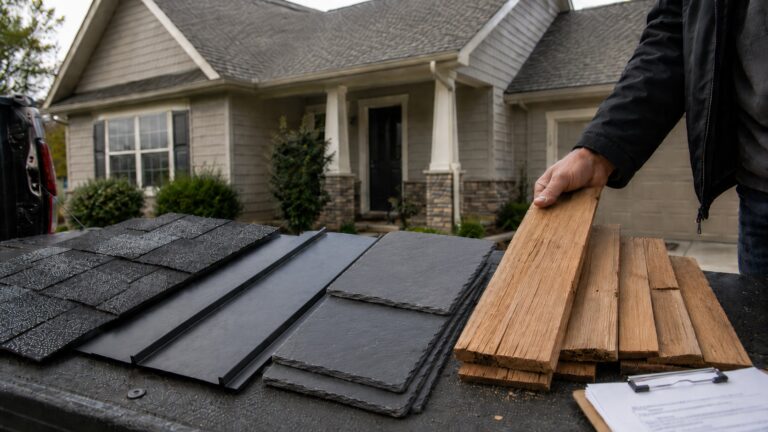
One of the most useful questions you can ask is not only, “Which brand has the best warranty?” but, “Which shingle do you personally prefer installing, and why?” Roofers notice things homeowners usually cannot see from the ground. They notice whether shingles feel dry or sticky, whether the sealant strip seems aggressive, whether the shingles lay flat, whether they handle well, and whether they seem more likely to stay sealed after wind and heat exposure.
That kind of field experience matters. A roofer who has installed thousands of squares of shingles may know which products hold up in your local climate better than a brochure or warranty sheet can show. If several experienced local roofers consistently prefer one brand and avoid another, that is worth paying attention to.
Look at Installer Quality and Accessory Systems
Installer quality can change the performance of any asphalt shingle brand. A strong shingle can fail early with poor nailing, weak flashing, inadequate attic ventilation, or mismatched starter and ridge materials. A midrange shingle can perform better than expected when it is installed cleanly as part of a complete roof system.
Many manufacturers offer stronger warranty options when their own accessories are used, including starter strips, ridge caps, leak barriers, synthetic underlayment, and ventilation products. These accessories are not always mandatory for basic performance, but they can affect warranty coverage and contractor accountability.
When a contractor recommends a brand, ask whether they are recommending a complete system or only the visible field shingles. The visible shingles are important, but many roof leaks begin at edges, valleys, walls, chimneys, pipe boots, skylights, and transitions. Those details often matter more than the shingle logo printed on the bundle.
Read Warranty Terms Carefully
Shingle warranties can sound stronger than they are. Terms like “limited lifetime,” “wind warranty,” and “algae warranty” do not mean every future roof problem is covered. Many warranties are limited by product line, installation method, registration rules, accessory requirements, transfer rules, ventilation conditions, and the difference between material defects and workmanship errors.
For homeowners, the most useful warranty comparison is not just the headline number. It is the combination of manufacturer material coverage, algae protection, wind coverage, workmanship warranty from the contractor, and whether the roof was installed according to the manufacturer’s requirements. If you are comparing two close quotes, use the separate guide on how to compare roofing warranties before treating one warranty as automatically better.
Before signing, ask the contractor to show which warranty level your exact roof system qualifies for, including any required starter shingles, ridge caps, underlayment, ventilation products, registration steps, or installation conditions.
Also remember that warranty coverage does not automatically mean the roof will last that long. Real roof life depends on heat, UV exposure, ventilation, storm exposure, tree debris, roof slope, installation quality, and maintenance. For lifespan expectations, compare the brand discussion here with how long asphalt shingles last under real roof conditions.
Match the Shingle to Your Climate and Roof Design
The best asphalt shingle brand for one home may not be the best choice for another. A shaded roof in a humid climate needs strong algae resistance. A windy region needs careful attention to nailing, starter strips, ridge caps, and wind warranty requirements. A hail-prone area may justify impact-resistant shingles. A hot climate may expose lower-quality shingles to faster aging.
Moisture conditions matter too. If your home is in a humid area, the shingle should resist algae staining and dry well as part of the roof assembly. For a broader material-level comparison, see the guide to roofing materials for high humidity. Within asphalt shingles, the most important factors are algae-resistant features, ventilation, roof slope, shade exposure, and proper installation.
Roof design also matters. Complex roofs with many valleys, dormers, skylights, chimneys, and wall transitions are more dependent on installer skill than simple roofs. If a roof is complicated, the best brand is the one your contractor can install correctly as a complete system.
Quick Comparison: Best Asphalt Shingle Brands
The best asphalt shingle brand depends on what you care about most. Some brands stand out for installer confidence, long-term field experience, wind resistance, premium durability, algae resistance, value, or regional contractor familiarity. The table below gives a practical homeowner-level comparison before the deeper brand sections.
| Brand | Best Fit | Main Strength | Main Caution |
|---|---|---|---|
| TAMKO | My top pick from roofing experience | In my experience, TAMKO felt better, sealed well, and appeared more likely to last close to warranty expectations | Ask your roofer which TAMKO line they prefer and what long-term results they have seen locally |
| Owens Corning | Strong choice for wind-prone areas | Good field reputation; Duration’s SureNail strip supports consistent fastening and wind-performance confidence | Still depends on correct fastening, starter shingles, edge details, ventilation, and quote details |
| CertainTeed | Strong premium durability choice | Good field reputation, strong Landmark lineup, heavier-duty reputation, premium and impact-resistant options | Often costs more and may be more than some homeowners need |
| GAF | Widely known, but not my first choice | Wide availability, strong contractor network, complete system options, and familiar Timberline lineup | In my experience, some GAF shingles seemed less sticky, more prone to wind release, and more likely to show earlier wear than homeowners expected |
| Atlas | Worth considering for algae resistance | Strong algae-resistance positioning on selected shingle lines | Availability and installer familiarity vary by region |
| IKO | Worth considering for budget and availability | Commonly quoted in some areas; some lines emphasize reinforced nailing zones and algae protection | Homeowners should compare exact line, warranty, and installer experience |
This comparison is not a universal ranking for every roof. A TAMKO roof installed poorly can fail sooner than a GAF roof installed correctly. Owens Corning may be the better choice in some high-wind areas. CertainTeed may be worth the premium on one home but unnecessary on another. Compare the brand, shingle line, roof condition, ventilation, and contractor together.
TAMKO Shingles: My Top Pick for Handling and Long-Term Confidence
TAMKO is often described as a value or midrange asphalt shingle brand, but my field experience with it was better than that label suggests. When I was roofing regularly, TAMKO was the shingle brand I trusted most among these major brands. It felt better during installation, seemed to have more tar, sealed well, and gave me more confidence that the roof would last closer to what the warranty suggested.
That matters because roofers notice things homeowners usually cannot see from the ground. They notice whether shingles feel dry or sticky, whether the sealant strip seems aggressive, whether shingles lay well, and whether a roof seems more likely to stay sealed after wind and heat exposure. In my experience, TAMKO gave me a better impression than GAF in both handling and expected long-term performance.
TAMKO can be a good fit when the homeowner wants a practical asphalt shingle and the contractor has strong experience with the product. I would ask the roofer which TAMKO line they prefer, how long they have been installing it, and what kind of long-term results they have seen in your local climate.
The caution is that TAMKO should not win only because it is cheaper. Homeowners should still look closely at the product line, warranty conditions, local contractor experience, roof exposure, and whether the quote includes a complete installation with proper starter strips, ridge caps, flashing, underlayment, and ventilation. TAMKO can be a strong choice, but the roof still has to be installed as a complete system.
If you are comparing TAMKO against a specific competitor, the decision deserves more detail than a broad brand overview can provide. For a closer two-brand breakdown, see the guides on TAMKO vs Owens Corning shingles, TAMKO vs CertainTeed shingles, and TAMKO vs GAF shingles.
Owens Corning Shingles: Strong for Wind-Prone Areas
Owens Corning was also a good shingle in my experience, and I would give it credit for wind resistance. Its Duration line is especially worth noting because the SureNail strip is marketed as an installation and wind-performance feature. The reinforced nailing area gives roofers a clearer target and supports more consistent fastening.
That matters in places where winds are higher or where hurricanes and tropical storms are a realistic concern. A shingle’s seal, nail placement, starter strip, roof edge details, and installation quality all affect wind performance. The SureNail strip does not replace proper installation, but it can give Owens Corning an advantage when fastening consistency matters.
Owens Corning is a strong choice for homeowners who want a reliable architectural shingle from a major brand and who care about installation consistency. It is often compared closely with GAF because both brands are widely available, heavily quoted, and familiar to many contractors. In my view, Owens Corning deserves more credit than GAF when wind resistance is a major concern.
For moisture-prone roofs, Owens Corning can also be a good fit when the selected shingle includes appropriate algae resistance and the roof system is properly ventilated. Like every brand, Owens Corning should be evaluated by the exact line being installed. Duration shingles are not the same as every other Owens Corning product, and the warranty details may vary depending on the roof system.
Owens Corning is often the best fit when a homeowner wants a strong mainstream shingle with a clear installation-focused feature, especially in higher-wind regions where the contractor has a strong track record with the Duration line.
CertainTeed Shingles: A Strong Premium Brand
CertainTeed is often viewed as a premium durability choice among major asphalt shingle brands. Its Landmark line is widely known, and the brand also offers higher-performance options for homeowners who want stronger impact resistance, heavier construction, or enhanced weather performance. CertainTeed was also a good shingle in my experience, especially for homeowners who were not simply chasing the lowest bid.
The biggest advantage of CertainTeed is its reputation for a more premium feel in many product lines. Homeowners comparing quotes may notice that CertainTeed options sometimes cost more than mainstream alternatives. That higher cost can make sense on homes where the owner wants a heavier architectural shingle, stronger durability positioning, or upgraded performance features.
CertainTeed can be a strong fit for homes in areas with hail exposure, harsh weather, or high expectations for long-term performance. Some CertainTeed lines include impact-resistant or enhanced weather-focused features, depending on the product. This makes the brand worth considering when the homeowner is not only asking, “What is cheapest?” but “What roof gives me a better long-term system?”
The caution is that premium does not always mean necessary. CertainTeed may be worth the extra money on a high-value home, a harsh-weather roof, or a homeowner’s long-term residence. But if the roof is simple, the budget is tight, or the contractor is far more experienced with another brand, it may not automatically be the best choice.
CertainTeed is usually a strong option for homeowners who are willing to pay more for a premium durability profile. It should be compared carefully against the exact TAMKO, Owens Corning, GAF, Atlas, or IKO product being quoted, not against those brands in general.
GAF Shingles: Widely Known, but Not My First Choice
GAF is one of the most recognized asphalt shingle brands in the United States, and its Timberline series is widely used on residential roofs. The brand has strong availability, a large contractor network, and a broad roofing system that can include shingles, underlayments, starter strips, ridge caps, leak barriers, and ventilation products.
Even with that popularity, GAF would not be my first choice based on my hands-on roofing experience. When I was roofing regularly, some GAF shingles seemed less sticky than the shingles I preferred. I also saw some GAF roofs that appeared more prone to wind release or earlier wear than homeowners expected from the warranty language.
That kind of field experience matters because shingles are not judged only by how they look in a brochure. Roofers notice how a shingle handles, how it seals, how it lays, how it responds to heat, and how often it comes loose or looks worn after exposure. In that real-world sense, GAF was not the brand I trusted most.
If a contractor recommends GAF, ask why they prefer it. Some roofers may have good results with a specific GAF line in their market, and a well-installed GAF roof can still perform well. But I would not choose GAF only because it is familiar or heavily marketed. I would want a roofer who can explain why they trust that exact shingle on your roof.
Atlas and IKO: Other Asphalt Shingle Brands Worth Considering
TAMKO, Owens Corning, CertainTeed, and GAF are not the only asphalt shingle brands homeowners may see in roofing quotes. Atlas and IKO are also common in many markets. They may be worth considering when a contractor has strong experience with them, the product line fits the roof, and the warranty terms are clearly explained.
Atlas Shingles
Atlas shingles are often discussed for algae-resistance features and can be a strong option in markets where contractors regularly install them. For humid areas, shaded roofs, or neighborhoods where black roof streaking is common, algae resistance can be a real decision factor. Atlas may deserve extra consideration when the specific product being quoted has strong algae-staining protection and the contractor can explain how it compares with TAMKO, Owens Corning, CertainTeed, or GAF.
The main caution with Atlas is regional familiarity. In some areas, contractors install Atlas frequently and have good results. In other areas, TAMKO, Owens Corning, CertainTeed, or GAF may have stronger availability and installer support. The brand itself should not be judged in isolation from the local contractor network.
IKO Shingles
IKO is another brand homeowners may see in asphalt shingle quotes. It can be a practical option when the contractor has good experience with the product and the quote includes a suitable architectural shingle line rather than only a low-cost basic option.
IKO may appeal to homeowners who are comparing budget-conscious roofing quotes, but the same rule applies: compare the exact line, not just the brand name. Look at wind coverage, algae resistance, impact rating if relevant, warranty terms, accessory requirements, and contractor workmanship coverage. A low price is helpful only if the roof system is still built correctly.
Which Asphalt Shingle Brand Is Best for Moisture, Algae, and Humid Climates?
For humid climates, the best asphalt shingle brand is the one that offers strong algae resistance, performs well on your roof design, and is installed as part of a system that can dry properly. TAMKO, Owens Corning, CertainTeed, Atlas, GAF, and IKO may all have product lines that can work, but not every shingle from every brand is equally suited to damp, shaded, or algae-prone conditions.
In humid areas, algae resistance should be one of the first features you compare. Black streaks on asphalt shingles are often algae discoloration, not necessarily mold. They are more common where roof surfaces stay damp, especially on shaded slopes, north-facing roof planes, and homes under tree cover. A shingle with algae-resistant features can help slow that staining, but it does not fix poor drainage, trapped attic moisture, or debris that keeps the roof wet.
TAMKO was my preferred brand overall from field experience, but humidity performance still depends on the exact line and installation. Owens Corning, CertainTeed, Atlas, GAF, and IKO also offer shingles with algae-resistance features depending on the line. Atlas is often worth comparing when algae protection is a top priority. The exact product matters more than the brand name alone.
Moisture performance is not only about the shingle. Attic ventilation, roof slope, tree debris, flashing, and drainage all affect how long the roof stays damp. A premium algae-resistant shingle can still struggle if leaves and pine needles sit on the roof or if the attic traps moisture from below. In humid regions, brand choice should be part of a larger moisture-control strategy, not the entire strategy.
Which Asphalt Shingle Brand Is Best for Wind, Hail, and Harsh Weather?
For wind and hail, the best asphalt shingle brand depends heavily on the product line and installation. Some shingles from TAMKO, Owens Corning, CertainTeed, GAF, Atlas, and IKO are designed with stronger wind or impact-resistance features than others. A brand name alone does not tell you whether the quoted shingle is appropriate for harsh weather.
Wind performance depends on correct installation. Nail placement, starter strips, sealant activation, ridge caps, and roof-edge details all affect whether shingles stay in place. A high wind warranty may require specific accessories or installation methods. If those requirements are not met, the headline wind rating may not mean much for the homeowner.
Owens Corning deserves special attention in higher-wind areas because of its SureNail strip and wind-performance positioning. In places with frequent high winds, hurricanes, or tropical storms, I would give Owens Corning extra credit compared with how I would evaluate it on a simple low-wind roof. TAMKO would still be my overall preference from field experience, but Owens Corning may be especially worth considering where wind resistance is one of the top concerns.
Hail performance is similar. Impact-resistant shingles may be worth considering in hail-prone areas, but not every architectural shingle is impact-rated, and laboratory impact ratings do not guarantee protection from every real hailstorm. Some premium lines from CertainTeed, TAMKO, Owens Corning, Atlas, GAF, or IKO may offer impact-resistant options, but homeowners should verify the exact rating and whether it affects insurance discounts in their area.
For harsh weather, Owens Corning is strong where installation consistency and wind resistance matter, CertainTeed is often a strong premium contender, and TAMKO may offer the best overall confidence when the installer has good experience with the product. GAF is widely available, but based on my own roofing experience, it is the brand I would question most carefully in wind-prone areas.
If durability is your main concern, compare this article with the separate guides to the most durable roofing shingle brands and the roofing brands that last the longest. Those pages can go deeper into durability and lifespan while this page stays focused on broad brand comparison.
Why Installer Quality Can Matter More Than the Shingle Brand
Asphalt shingle brand matters, but installer quality often matters more. Any major brand can fail early if the roof is installed poorly, and a midrange shingle can perform well when the roof system is built correctly, ventilated properly, and detailed carefully around leak-prone areas.
The most common roof failures are not always caused by bad shingles. Many start with poor nailing, missing starter strips, weak flashing, exposed fasteners, bad pipe boots, poor valley details, inadequate attic ventilation, or damaged roof decking that was not replaced during installation. These problems can lead to leaks, blow-offs, condensation issues, or premature aging even when the shingle brand itself is reputable.
This is why a roofing quote should be judged as a complete system. Ask what underlayment is included, whether old shingles will be fully removed, how damaged decking will be handled, what starter and ridge products will be used, how valleys will be built, and whether ventilation will be inspected. These details often reveal more about the roof’s future performance than the brand name alone.
Ventilation is especially important for asphalt shingles because trapped attic heat and moisture can shorten roof life. A home with poor ventilation may experience premature aging, condensation, mold risk, or damp roof sheathing. If you are comparing brands because your roof has already failed early, look beyond the shingle package and check whether the roof system was allowed to dry properly. Moisture control is part of how you prevent moisture problems throughout the home.
How to Choose Between Roofing Quotes With Different Shingle Brands
If you have multiple roofing quotes, do not choose only by brand or price. Ask each roofer which shingle they personally prefer installing and why. A roofer who has installed thousands of squares of shingles may know which brands seal well, handle well, and hold up in your local climate better than a brochure or warranty sheet can show.
Start by comparing the exact shingle line. A quote that says “architectural shingles” is not specific enough. Ask for the manufacturer, product name, color, warranty level, algae-resistance details, wind warranty requirements, and whether the quoted product is the contractor’s standard line or an upgrade.
A useful quote should name the shingle line the way a product page or bundle label names it, not just say “lifetime shingles,” “dimensional shingles,” or “30-year shingles.” If the quote does not name the line, you cannot fairly compare brands.
Next, compare the roof system details. The quote should explain underlayment, ice and water protection where applicable, starter shingles, ridge caps, pipe boots, flashing replacement, valley treatment, ventilation work, and disposal. If one quote includes these details and another does not, the prices are not truly comparable.
Then compare contractor accountability. A manufacturer warranty covers certain material issues, but workmanship problems are usually handled by the contractor. Ask how long the workmanship warranty lasts, what it covers, whether it is written into the contract, and what happens if a leak appears near a flashing detail or roof penetration.
Finally, compare the quote to your roof’s actual risk factors. A humid, shaded roof may need stronger algae resistance. A windy area may need careful wind warranty compliance. A hurricane-prone or tropical-storm-prone area may justify giving Owens Corning extra consideration because of its reinforced nailing strip. A complicated roof with many valleys and penetrations may justify paying more for the contractor with better detailing experience.
If the roof is already showing widespread leaks, soft decking, repeated repairs, or severe aging, brand comparison may not be the only decision. You may also need to decide whether to repair or replace a roof before choosing a shingle line.
FAQs About Asphalt Shingle Brands
What is the best asphalt shingle brand overall?
Based on my roofing experience, TAMKO would be my first choice among these brands because it was easier to work with, sealed well, and seemed more likely to hold up for the life homeowners expected. Owens Corning and CertainTeed were also good shingles in my experience. GAF is the brand I would be most cautious about.
Is GAF better than Owens Corning?
Based on my roofing experience, I would generally trust Owens Corning more than GAF, especially in wind-prone areas. Owens Corning’s Duration line has the SureNail strip, which supports consistent fastening and wind-performance confidence. GAF is widely available and familiar to many contractors, but in my experience some GAF shingles seemed less sticky and more prone to wind release.
Is CertainTeed worth the extra cost?
CertainTeed can be worth the higher cost if you want a premium durability profile, heavier architectural shingles, or stronger weather-focused options. It may not be necessary for every home, especially if a simpler roof and a strong TAMKO or Owens Corning shingle will meet your needs.
Is TAMKO a good shingle brand?
Yes. Based on my roofing experience, TAMKO was the asphalt shingle brand I liked and trusted most among these major brands. It felt like it had more tar, handled well during installation, sealed well, and seemed more likely to last close to what homeowners expected from the warranty. As with any brand, the exact line and installer still matter.
Which asphalt shingles are best for humid climates?
For humid climates, look for algae-resistant architectural shingles and strong installation details. TAMKO would still be my first choice overall from field experience, but Owens Corning, CertainTeed, Atlas, GAF, and IKO may all have suitable algae-resistant lines. Roof shade, debris, ventilation, and moisture exposure are just as important as the brand.
Which asphalt shingles are best for high-wind areas?
Owens Corning deserves extra consideration in high-wind areas because its Duration line uses the SureNail strip, which supports consistent fastening and wind-performance confidence. This can matter in places with higher winds, hurricanes, or tropical storm risk. Proper nailing, starter shingles, ridge caps, edge details, and installer skill still matter.
Does the shingle brand matter more than the roofer?
No. Shingle brand matters, but the roofer often matters more. Poor nailing, weak flashing, bad ventilation, or skipped accessories can ruin a good shingle. A reputable brand should be paired with a contractor who installs the complete roof system correctly and can explain why they trust the shingle they are recommending.
Which asphalt shingle brand lasts the longest?
The longest-lasting asphalt shingle brand depends on product line, climate, roof slope, ventilation, maintenance, and installation quality. In my experience, TAMKO seemed more likely to hold up close to what homeowners expected from the warranty. CertainTeed premium lines and Owens Corning Duration products are also strong contenders, but no brand can overcome poor installation or severe roof conditions.
Final Verdict: Which Asphalt Shingle Brand Should You Choose?
The best asphalt shingle brand is not the same for every home, but based on my roofing experience, TAMKO would be my first choice overall among these brands. It was not just the shingle I liked installing best; it also seemed more likely to hold up closer to the life homeowners expected from the warranty. Owens Corning and CertainTeed were also good shingles in my experience, and Owens Corning deserves extra consideration in higher-wind areas because of its SureNail strip and wind-performance positioning.
GAF is the one I would be most cautious about because, in my experience, some GAF shingles seemed less sticky, more prone to wind release, and more likely to show earlier wear than homeowners expected. Atlas and IKO may also be worth considering when they are well supported by roofers in your local market, but I would want to hear a roofer explain why they trust the specific line being quoted.
The smartest way to compare asphalt shingle brands is to compare complete roofing quotes, not just brand names. Look at the exact shingle line, algae resistance, wind and impact features, warranty terms, accessory system, ventilation plan, flashing details, and workmanship warranty. A better brand name will not protect the home if the roof is installed poorly.
For most homeowners, the best choice is a reputable architectural shingle that an experienced local roofer actually trusts. Brand matters, but the roof system and installer matter just as much.
One Comment
Comments are closed.