
How Long Asphalt Shingles Last: Lifespan, Aging Signs, and What Shortens Roof Life
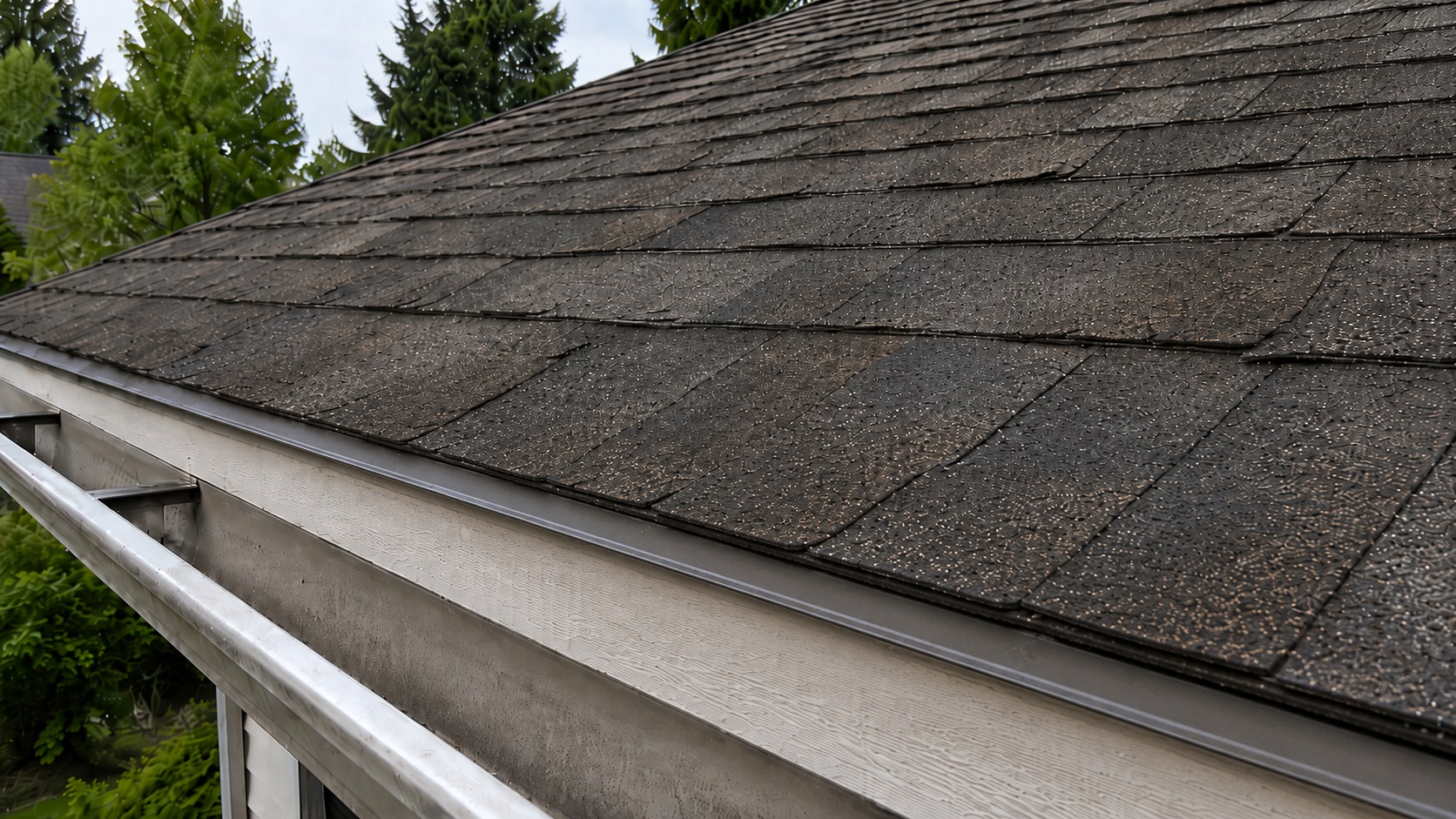
Asphalt shingles usually last about 15 to 30 years, but the real lifespan depends on the shingle type, installation quality, climate, attic ventilation, roof slope, storm exposure, and maintenance. Some asphalt roofs age slowly and perform well for decades. Others show serious wear much earlier because heat, poor ventilation, wind, or installation problems shorten their service life.
The most important thing to understand is that asphalt shingle lifespan is not a fixed number. A roof with “30-year shingles” does not automatically last 30 years in real conditions. Warranty language, product ratings, and actual roof performance are related, but they are not the same thing.
If your asphalt roof is more than 15 years old, it is worth paying closer attention to aging signs. That does not mean the roof automatically needs replacement. It means the roof has entered the age range where granule loss, curling, cracking, missing shingles, brittle edges, and leak risk become more important. Many common roofing material failures start gradually before they become obvious interior water damage, and age can increase roof leak risk even before a leak shows indoors.
How Long Do Asphalt Shingles Usually Last?
Most asphalt shingle roofs last roughly 15 to 30 years, depending on the type of shingle and the conditions around the roof. Basic 3-tab shingles are usually at the lower end of that range, while architectural shingles often last longer when they are installed correctly and maintained well.
A practical homeowner range looks like this:
- 3-tab asphalt shingles: often around 15 to 20 years in many real-world conditions
- Architectural asphalt shingles: often around 20 to 30 years when conditions are favorable
- Premium asphalt shingles: may last longer in ideal conditions, depending on product quality, climate, and installation
These ranges are not promises. A roof in a mild climate with good ventilation, proper installation, and limited storm exposure may last longer than expected. A roof exposed to harsh sun, high heat, poor attic ventilation, heavy storms, tree debris, or poor workmanship may age faster.
Roof slope also matters. Steeper roofs usually shed water and debris more easily than low-slope roofs. Shaded roof areas may stay damp longer. South- and west-facing slopes often receive more sun exposure and may age faster than shaded or north-facing sections. Valleys, edges, ridges, and penetrations may show wear before the main roof field.
Because of these variables, roof age should be treated as a starting point, not a final answer. A 12-year-old asphalt roof can have serious problems if it was poorly installed or storm damaged. A 22-year-old roof may still be serviceable if it has aged evenly and has no major warning signs. The roof’s condition matters as much as its age.
Homeowners often ask about lifespan because they are trying to decide whether to budget for replacement. If the roof is still shedding water, lying flat, holding granules, and showing only normal age-related fading, it may have useful life left. If it is curling, cracking, losing large amounts of granules, missing shingles, or showing recurring leaks, age becomes more concerning.
3-Tab vs Architectural Shingle Lifespan
3-tab shingles and architectural shingles are both asphalt shingles, but they do not usually age the same way. 3-tab shingles are thinner and flatter, while architectural shingles are thicker laminated shingles with a more dimensional profile. That construction difference affects both appearance and expected lifespan.
3-tab shingles are usually the shorter-life option. They can perform adequately when installed correctly, but they are more basic and may show wear sooner. As they age, individual tabs may curl, lift, crack, or become more vulnerable to wind damage.
Architectural shingles usually last longer because they have more material thickness and a stronger laminated design. They often resist visible aging better than 3-tab shingles, although they are still vulnerable to poor ventilation, heat, storm damage, granule loss, and installation defects.
If you are deciding between the two shingle types for a new roof, the full comparison belongs in architectural shingles vs 3-tab shingles. For lifespan purposes, the simple rule is this: architectural shingles usually offer better long-term value for a primary home, while 3-tab shingles are usually the more basic and shorter-life asphalt option.
That said, shingle type is only one factor. A poorly installed architectural shingle roof can fail earlier than a properly installed 3-tab roof. A quality shingle installed over poor decking, bad flashing, or inadequate ventilation will not perform as well as it should. Roof life depends on the whole system, not just the visible shingle.
Why Asphalt Shingles May Not Last as Long as the Warranty Says
One common misunderstanding about asphalt shingles is the difference between warranty length and real-world roof lifespan. A shingle described with a long warranty term does not mean every roof using that shingle will last that full number of years without problems.
Warranty terms usually depend on product type, installation requirements, ventilation conditions, workmanship, registration rules, transfer rules, and specific exclusions. A roof may age early because of heat, poor ventilation, storm damage, or installation defects even if the shingle product itself was not defective.
This is why homeowners should be careful with phrases like “30-year shingles.” That term may describe a product class or warranty expectation, but the actual roof may perform differently depending on the home. A poorly ventilated attic, improper nailing pattern, missing starter strips, weak flashing, or bad roof deck preparation can all shorten the useful life of the roof.
If you are comparing roof quotes or trying to understand warranty language, it helps to review how roofing warranties work separately. For this article, the key point is simple: warranty length is not a guaranteed lifespan.
What Shortens Asphalt Shingle Lifespan?
Asphalt shingles age from exposure. Sun, heat, wind, rain, snow, debris, and temperature changes all slowly wear down the material. Some aging is normal. The problem is when roof conditions speed up that process and cause shingles to fail earlier than expected.
Poor installation
Poor installation can shorten asphalt shingle life dramatically. Incorrect nail placement, overdriven nails, underdriven nails, missing starter shingles, poor flashing details, uneven roof deck preparation, and improper ridge or valley work can all create early failure points.
A shingle roof is designed to work as a system. If the shingles are not fastened correctly, wind can lift them. If flashing is reused incorrectly or installed poorly, water can enter around chimneys, walls, skylights, vents, and valleys. If underlayment is poorly installed, the roof has less backup protection when wind-driven rain or ice-related water reaches vulnerable areas.
This is why the lowest roof quote is not always the best value. A quality shingle installed poorly may not last as long as a more basic shingle installed correctly.
Heat and sun exposure
Heat and ultraviolet exposure are major causes of asphalt shingle aging. Over time, sunlight dries and hardens the asphalt components. The shingles may become brittle, faded, curled, or cracked. Granules may loosen as the shingle surface wears down.
South- and west-facing roof slopes often age faster because they receive more direct sun. Darker shingles may also absorb more heat than lighter colors, depending on the product and climate. In hot regions, a roof may show aging earlier than the same shingle type installed in a milder climate.
Poor attic ventilation
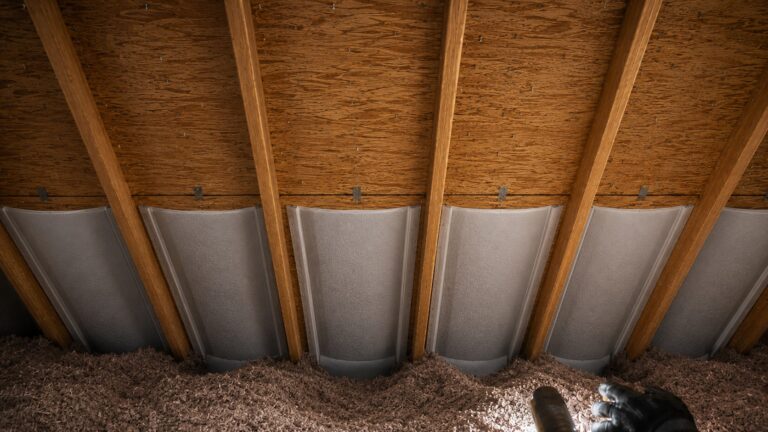
Poor attic ventilation can shorten asphalt shingle lifespan by allowing heat and moisture to build up beneath the roof deck. When an attic gets excessively hot, the shingles experience stress from above and below. That heat can accelerate aging, especially during long hot seasons.
Moisture trapped in the attic can also affect roof sheathing, fasteners, insulation, and underside roof conditions. While ventilation does not make shingles last forever, balanced intake and exhaust ventilation helps the roof system handle heat and moisture more effectively.
Storm damage
Wind, hail, falling branches, and flying debris can shorten roof life quickly. A roof that might have lasted many more years can become vulnerable after a severe storm if shingles are loosened, bruised, cracked, punctured, or torn away.
Storm damage is not always obvious from the ground. Missing shingles are easy to notice, but hail bruising, lifted tabs, damaged seal strips, and loosened fasteners may require a closer inspection. If a roof starts losing shingles after storms, its remaining lifespan may be shorter than age alone suggests.
Granule loss
Asphalt shingles rely on surface granules to help protect the asphalt layer from sun exposure and weather wear. Some granule loss is normal, especially on a newer roof as loose manufacturing granules wash away. Heavy or ongoing granule loss is different.
If gutters, downspouts, or splash blocks collect large amounts of granules, the roof may be wearing faster than expected. Bald-looking patches, shiny asphalt exposure, or uneven granule loss can indicate advanced aging or damage. Once shingles lose too much surface protection, they may age more quickly.
Debris, shade, and moisture retention
Leaves, pine needles, branches, moss, algae, and roof debris can hold moisture against shingles. Shaded areas may dry slowly after rain, especially under overhanging trees or near roof valleys. Prolonged dampness can contribute to surface staining, biological growth, and faster wear in certain areas.
This does not mean every shaded roof is failing. It means shaded and debris-covered roof sections need more attention. A roof that stays damp in valleys or under tree cover may age unevenly compared with open roof slopes that dry quickly.
Roof slope and drainage problems
Asphalt shingles are designed for sloped roofs that shed water. If the roof slope is too low for the shingle system, or if water is slowed by debris, poor drainage, or roof design problems, shingles may remain wet longer than they should.
Low-slope areas, dead valleys, clogged gutters, and roof sections where water backs up can shorten the life of asphalt shingles. Water that repeatedly moves slowly across the roof surface can increase the chance of leaks, underlayment stress, and material wear.
When choosing replacement materials, it is not enough to choose a shingle by color or price. You also need a product and system that fit the roof design. A separate guide on how to choose roofing shingles can help with that product-selection side of the decision.
How Climate Affects Asphalt Roof Life
Climate has a major effect on how long asphalt shingles last. The same shingle may age differently on a hot, sunny roof than it does in a cooler, milder region. Repeated storms, high humidity, heavy tree cover, and freeze-thaw cycles can also shorten roof life.
Hot climates tend to accelerate fading, brittleness, curling, cracking, and granule loss. Cold climates can stress shingles through freeze-thaw movement, ice buildup, and roof-edge wear. Wet or humid climates may keep shaded slopes, valleys, and debris-covered areas damp longer after rain.
Windy and storm-prone areas create a different problem: shingles may be lifted, loosened, bruised, or torn before the roof reaches its expected age. For a broader look at climate and exposure across roof types, see how weather affects roof lifespan.
This is why asphalt shingle lifespan should be interpreted locally. A 15-year-old roof may be near the end of its useful life in a harsh climate, while a 20-year-old roof may still be serviceable in a mild climate if it was installed well and has aged evenly.
Why Ventilation Problems Can Shorten Roof Life
Attic ventilation affects asphalt shingle aging because it helps manage heat and moisture below the roof deck. When ventilation is poor, the attic can trap hot air in summer and moisture in cooler seasons. That added stress can contribute to premature curling, brittleness, and reduced roof life.
Moisture is the second concern. If warm indoor air leaks into the attic and cannot escape properly, condensation may form on roof sheathing, nails, rafters, or insulation. That moisture may not be visible from outside, but it can weaken the roof system around the shingles.
Good ventilation does not make asphalt shingles last forever. It simply helps the roof assembly handle heat and moisture more evenly. If a roof is aging faster than expected, ventilation should be part of the inspection before new shingles are installed, because major roof ventilation problems that cause moisture can affect the next roof too.
Early Signs Asphalt Shingles Are Aging
Asphalt shingles usually show aging before the roof completely fails. These signs do not always mean immediate replacement is required, but they do mean the roof should be watched more closely.
Common early aging signs include:
Start with what you can see safely from the ground, from attic access, or from gutter level. Do not walk on brittle, steep, wet, or visibly damaged shingles just to confirm aging.
- Granules collecting in gutters or at downspout exits
- Faded or uneven roof color
- Shingles that look dry or brittle
- Minor curling along shingle edges
- Small cracks in individual shingles
- Loose or lifted shingles after wind
- Dark streaking, algae growth, or moss in shaded areas
- Worn areas around valleys, ridges, eaves, or penetrations
Some signs are normal with age. A roof will fade over time, and small amounts of granule loss are expected. The concern increases when aging appears widespread, uneven, or paired with leaks, missing shingles, exposed asphalt, soft decking, or interior water stains.
Homeowners should avoid judging the roof from age alone. A 20-year-old roof with even wear may be less urgent than a 12-year-old roof with severe curling, missing shingles, and recurring leaks. Condition matters more than the number of years on paper.
If aging signs are becoming severe, the issue moves beyond lifespan education and into replacement diagnosis. In that case, review the broader signs a roof needs replacement so you can separate normal wear from serious failure indicators.
When an Aging Asphalt Roof Needs a Professional Inspection
An aging asphalt roof should be inspected when wear becomes widespread, when the roof is approaching the upper end of its expected lifespan, or when small warning signs start appearing in multiple areas. The goal is not to replace the roof too early. The goal is to avoid waiting until water has already entered the attic, ceiling, insulation, or wall cavities.
A professional inspection is especially important if you notice:
- Large amounts of granules in gutters or downspouts
- Shingles curling, cracking, or lifting across multiple roof slopes
- Missing shingles after wind or storms
- Repeated roof leaks or ceiling stains
- Soft or sagging-looking roof areas
- Exposed asphalt patches where granules are gone
- Damaged flashing around chimneys, walls, vents, or skylights
- Moisture, staining, or mold-like growth in the attic
Age becomes more important when it appears with condition problems. A 17-year-old asphalt roof with several missing shingles, granule loss, and attic staining is more concerning than a 17-year-old roof that still lies flat and has aged evenly. On the other hand, even a younger roof should be inspected if it has storm damage, poor installation signs, or recurring leaks.
If the roof is aging but still has isolated damage, repair may be possible. If the roof is worn across large areas, replacement may be more practical. The more specific decision belongs in a separate guide on whether to repair or replace an asphalt shingle roof, because lifespan alone should not be the only deciding factor.
How to Help Asphalt Shingles Last Longer
You cannot stop asphalt shingles from aging, but you can reduce avoidable stress on the roof. Good maintenance helps the roof shed water, dry properly, and avoid unnecessary damage.
To help asphalt shingles last longer:
- Keep gutters clean so water can drain away from roof edges.
- Remove leaves, branches, and debris from valleys and low areas.
- Trim overhanging branches that scrape shingles or drop heavy debris.
- Address moss or algae growth before it traps moisture against the roof, but avoid pressure washing or harsh cleaning methods that can strip granules.
- Have damaged flashing repaired before leaks spread.
- Replace missing or damaged shingles promptly when repair is appropriate.
- Make sure attic ventilation is balanced and not blocked.
- Limit unnecessary foot traffic on the roof.
- Inspect the attic for staining, damp insulation, or moisture after major storms.
Maintenance should be realistic. Cleaning gutters and watching for debris can help, but maintenance cannot reverse advanced shingle aging. Once shingles are brittle, bald, cracked, curled, or widely failing, the roof may be nearing the end of its useful life even if routine upkeep has been good.
Product quality also matters. If you are planning a future replacement, shingle grade, manufacturer, warranty terms, climate suitability, and installer quality all affect long-term performance. It can be useful to compare asphalt shingle brands before choosing replacement materials, especially if your previous roof aged earlier than expected.
Longer roof life also supports whole-home moisture control. A roof that is maintained before leaks develop is less likely to allow hidden moisture into attic insulation, roof framing, ceilings, and wall cavities. That makes roof maintenance part of a larger effort to prevent moisture problems in your home.
FAQ
Do asphalt shingles really last 30 years?
Some asphalt shingles can approach 30 years in favorable conditions, especially higher-quality architectural shingles installed correctly on a well-ventilated roof. But many asphalt roofs do not last the full warranty-style number because climate, sun exposure, ventilation, installation quality, storm damage, and maintenance affect real-world lifespan.
How long do 3-tab shingles last?
3-tab shingles often last around 15 to 20 years in many real-world conditions. They can last longer in mild climates with good installation and maintenance, but they are generally the shorter-life asphalt shingle option compared with architectural shingles.
How long do architectural shingles last?
Architectural shingles often last around 20 to 30 years when installed correctly and maintained well. Their thicker laminated design usually gives them better durability than 3-tab shingles, but heat, poor ventilation, storms, and installation problems can still shorten their life.
Can asphalt shingles fail after 10 years?
Yes. Asphalt shingles can fail early if the roof was poorly installed, poorly ventilated, storm damaged, exposed to severe heat, or affected by manufacturing or workmanship issues. Early failure is not normal, but it does happen when roof conditions are unfavorable.
Does attic ventilation affect asphalt shingle lifespan?
Yes. Poor attic ventilation can trap heat and moisture under the roof deck, which may accelerate shingle aging and stress the roof system. Ventilation is not the only factor in roof life, but it is important enough that it should be checked when shingles age faster than expected.
Should asphalt shingles be replaced before they leak?
Often, yes. Waiting for a leak can allow water to damage roof decking, insulation, ceilings, and wall cavities. An aging roof should be evaluated before leaks appear if shingles are curling, cracking, missing granules, lifting, or showing widespread wear. The final decision should be based on age, roof condition, repair history, and whether damage is isolated or widespread.
What Asphalt Shingle Age Means for Your Roof
Asphalt shingles usually last about 15 to 30 years, but roof age is only the starting point. Shingle type, installation quality, ventilation, climate, sun exposure, storm damage, roof slope, debris, and maintenance all affect how long the roof performs.
The safest approach is to combine age with visible condition. If your asphalt roof is aging evenly and still shedding water well, it may have useful life left. If it is curling, cracking, losing large amounts of granules, missing shingles, or showing moisture signs, it is time for closer inspection and replacement planning.
Asphalt Shingle Lifespan Summary
- Most asphalt shingle roofs last roughly 15 to 30 years depending on type and conditions.
- 3-tab shingles usually have a shorter lifespan than architectural shingles.
- A “30-year shingle” does not guarantee 30 years of real roof performance.
- Heat, sun, poor ventilation, storm damage, poor installation, debris, and moisture retention can shorten roof life.
- Granule loss, curling, cracking, lifting, missing shingles, and attic moisture are warning signs of aging.
- Roof age matters, but condition matters more.
- Good maintenance can reduce avoidable stress, but it cannot reverse advanced shingle aging.
One Comment
Comments are closed.