Architectural Shingles vs 3-Tab Shingles: Which Asphalt Roof Is Better?
Architectural shingles and 3-tab shingles are both asphalt roofing materials, but they are not the same product. The difference matters when you are comparing roof replacement quotes, trying to understand why one contractor recommends an upgrade, or deciding whether a lower-priced roof is actually the better value.
For most full roof replacements, architectural shingles are the better long-term choice because they are thicker, more dimensional, usually more durable, and generally better suited to modern residential roofing expectations. 3-tab shingles can still make sense in some situations, especially when the budget is tight or the roof is on a lower-priority structure, but they are usually the more basic option.
Shingles are only one part of the roof system. Even the better shingle will not protect a home properly if the roof has poor flashing, weak ventilation, bad underlayment, or sloppy installation. If you are comparing material failure risks, it also helps to understand the broader patterns behind common roofing material failures.
Architectural Shingles vs 3-Tab Shingles: Quick Answer
Architectural shingles are usually better than 3-tab shingles for homeowners who want a longer-lasting, better-looking, and more durable asphalt roof. They are made with a laminated, dimensional design that gives the roof more depth and generally improves resistance to wear compared with basic 3-tab shingles.
3-tab shingles are thinner, flatter, and more uniform in appearance. They are often less expensive upfront, but they usually do not offer the same lifespan, visual appeal, or long-term value as architectural shingles. For a small budget project, detached garage, shed, rental property, or short-term ownership situation, 3-tab shingles may still be reasonable. For a primary home, architectural shingles are usually the stronger choice.
Here is the practical comparison:
- Best overall choice: Architectural shingles
- Lowest upfront cost: 3-tab shingles
- Better curb appeal and dimensional appearance: Architectural shingles
- More basic appearance: 3-tab shingles
- Better long-term value for most homes: Architectural shingles
- Better for short-term or low-budget projects: 3-tab shingles
The decision is not only about price. A roof replacement includes labor, tear-off, disposal, flashing details, underlayment, ventilation corrections, ridge components, and other roof-system parts. If the labor cost is already a large part of the project, paying more for a better shingle may make sense because the roof is already being replaced.
What Are 3-Tab Shingles?
3-tab shingles are the traditional basic asphalt shingle. Each shingle strip has cutouts that create the appearance of three separate tabs. When installed across the roof, they create a flat, uniform, repeating pattern.
This style was extremely common on older residential roofs because it was affordable, simple, lightweight, and widely available.
The main advantage of 3-tab shingles is cost. They are usually less expensive than architectural shingles, and that can make them appealing when a homeowner is trying to keep a roof replacement as affordable as possible. For some projects, the lower material cost may be the deciding factor.
The downside is that 3-tab shingles are generally thinner and less dimensional than architectural shingles. Their flat profile gives them a simpler appearance, and they typically do not provide the same depth, shadow lines, or upgraded look. On many homes, especially larger or more visible roofs, 3-tab shingles can make the roof look more basic.
From a performance standpoint, 3-tab shingles are not automatically bad. A properly installed 3-tab roof can still shed water and protect a home when the full roof system is built correctly. But compared with architectural shingles, they are usually the lower-durability option. They may be more vulnerable to wind lift, tab damage, aging, and visible wear over time, especially in harsher climates.
Homeowners should also remember that 3-tab shingles do not solve roof moisture problems by themselves. If a roof has failing flashing, damaged roof decking, poor attic ventilation, or repeated leak history, choosing a lower-cost shingle will not fix the underlying risk.
What Are Architectural Shingles?
Architectural shingles are laminated asphalt shingles designed to create a thicker, more dimensional appearance on the roof. They are also called dimensional shingles or laminated shingles. Instead of the flat, uniform tab pattern used by 3-tab shingles, architectural shingles have layered profiles that create more depth and variation across the roof surface.
This dimensional look is one reason architectural shingles have become the preferred asphalt roofing choice for many homes. They often resemble a more textured or premium roof covering, even though they are still asphalt shingles. The added depth can improve curb appeal and make the roof look less flat from the street.
Architectural shingles are not just an appearance upgrade. Their laminated construction usually gives them more material thickness than 3-tab shingles. That added weight and structure can improve durability, depending on the specific product, installation quality, roof slope, climate, and manufacturer specifications.
For homeowners comparing different roofing material types, architectural shingles are often the middle-ground option: more durable and attractive than basic 3-tab asphalt shingles, but usually less expensive than premium materials such as metal, slate, tile, or cedar.
Architectural shingles are commonly recommended for primary residences because they balance cost, availability, appearance, and performance. They also tend to align better with modern resale expectations, especially in neighborhoods where dimensional shingles are already common.
That does not mean architectural shingles are always the right choice. If the roof is on a temporary structure, a small outbuilding, or a property where the lowest upfront cost matters more than long-term value, 3-tab shingles may still be considered. For most homeowners replacing the roof on their main house, architectural shingles are usually the better asphalt shingle option.
Key Differences Between Architectural and 3-Tab Shingles
The biggest difference between architectural shingles and 3-tab shingles is how they are built. That difference affects appearance, durability, wind performance, expected lifespan, and long-term value. Both products are asphalt shingles, but they are not equal grades of the same roof covering.
Construction and thickness
3-tab shingles are built as a flatter, more basic asphalt shingle. Their cutout pattern creates the look of three separate tabs, but the shingle itself has a relatively uniform profile. This makes the roof surface look even and repetitive.
Architectural shingles use a laminated design. They are thicker and have layered sections that create a dimensional pattern. That extra material is one reason they tend to feel more substantial and look less flat once installed.
This does not mean every architectural shingle is identical or that every product performs the same way. Different manufacturers offer different product lines, weights, ratings, colors, and warranty terms. But as a category, architectural shingles are generally the upgraded asphalt shingle compared with standard 3-tab shingles.
Appearance and curb appeal
3-tab shingles create a clean but simple roof surface. On some homes, that plain appearance is acceptable. On others, especially homes with large visible roof planes, the repeated tab pattern can look dated or basic.
Architectural shingles usually create a richer look because the roof surface has more texture, shadow, and variation. The dimensional design can make the roof appear heavier and more finished. This is especially noticeable from the street, where the roof contributes heavily to the home’s overall appearance.
If you are replacing a roof before selling a home, architectural shingles often make more sense from a curb appeal standpoint. They can make the roof look more modern without moving into the cost range of premium roofing materials.
Lifespan expectations
Architectural shingles usually last longer than 3-tab shingles, assuming both are installed correctly on a properly ventilated roof. Their thicker laminated design generally gives them better resistance to aging, weather exposure, and surface wear.
3-tab shingles can still last for years when conditions are favorable, but they are usually more vulnerable to visible aging. Curling, cracking, lifted tabs, missing shingles, and granule loss may show up sooner, especially on roofs exposed to strong sun, repeated storms, poor ventilation, or freeze-thaw cycles.
For a deeper discussion of asphalt roof aging, climate effects, and early wear indicators, the lifespan question belongs more fully in how long asphalt shingles last. This comparison article should simply use lifespan as one part of the architectural-versus-3-tab decision.
Wind and storm resistance
Architectural shingles generally perform better in wind than 3-tab shingles, but the exact rating depends on the product and how it is installed. Their heavier laminated design can make them less prone to lifting than lighter 3-tab shingles. However, the roof still depends on correct nailing, proper starter strips, sealed edges, and manufacturer-approved installation details.
3-tab shingles are more likely to show individual tab damage when wind gets underneath loose or aging shingles. Once tabs lift, crack, or tear away, the exposed area can become more vulnerable to rain entry. This does not always mean immediate interior water damage, but it does create a roof weakness that should be addressed.
Storm performance should never be judged by shingle type alone. Roof slope, underlayment, flashing, roof deck condition, ventilation, fastener placement, and workmanship all matter. A poorly installed architectural shingle roof can fail earlier than a correctly installed 3-tab roof.
Cost and long-term value
3-tab shingles usually cost less upfront. That lower price can matter when a homeowner has limited funds, when the roof is going on a detached structure, or when the property is not expected to be held for long.
Architectural shingles usually cost more in material, but they often provide better long-term value. If the roof replacement already includes labor, tear-off, disposal, flashing updates, and underlayment, the difference between basic and upgraded shingles may be smaller than it looks when spread across the life of the roof.
This is why homeowners should compare total project value, not just shingle price. A cheaper roof that needs replacement sooner may not be the cheaper roof over time. When you are trying to choose the right roofing material, upfront cost should be weighed against lifespan, climate exposure, resale value, and the risk of future moisture problems.
Which Shingle Type Handles Moisture and Leaks Better?
Architectural shingles usually offer better durability against weather exposure than 3-tab shingles, but they should not be described as leak-proof. Both types of asphalt shingles are designed to shed water down a sloped roof. They are not waterproof membranes by themselves.
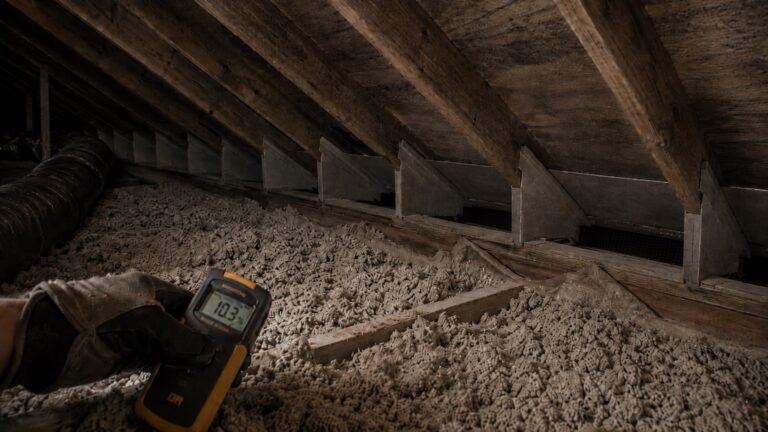
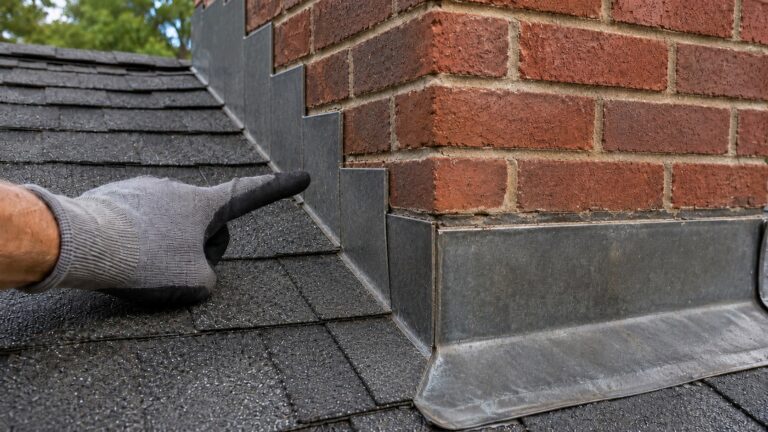
Moisture protection depends on the full roofing system. That includes the roof deck, underlayment, ice and water barrier where needed, flashing, pipe boots, valleys, starter shingles, ridge materials, attic ventilation, and installation details. If any of those parts fail, water can get beneath the shingles regardless of whether the roof has architectural or 3-tab shingles.
That said, architectural shingles often give homeowners a stronger margin of durability. Because they are thicker and more dimensional, they may resist certain types of weather wear better than basic 3-tab shingles. On roofs exposed to wind, driving rain, sun, and seasonal movement, that added durability can matter.
3-tab shingles can still shed water effectively when they are new, properly installed, and maintained. The risk is that they may age faster or become easier to damage in harsh conditions. Once tabs loosen, curl, crack, or blow off, the roof becomes more vulnerable to moisture entry.
If a roof already has active leaks, water stains, soft decking, damaged flashing, or attic moisture, choosing architectural shingles alone will not solve the issue. Those problems need to be diagnosed and corrected as part of the roof replacement. Do not cover soft decking, active leaks, or trapped moisture with new shingles and assume the problem is fixed.
Are Architectural Shingles Worth the Extra Cost?
Architectural shingles are usually worth the extra cost when the roof is on a primary home, the homeowner plans to stay for several years, or the roof is exposed to meaningful weather stress. The upgrade often makes sense because the added cost is only one part of the total roof replacement price.
When a roof is being replaced, much of the expense comes from labor, tear-off, disposal, underlayment, flashing details, ventilation corrections, and installation work. If those costs are already part of the project, choosing a stronger shingle can be a reasonable long-term decision. A lower material price is not always the same as a lower lifetime cost.
Architectural shingles may be especially worth it when:
- The home is your primary residence.
- You want better curb appeal from the street.
- You plan to stay in the home long enough to benefit from the longer service life.
- The roof has large visible slopes where flat 3-tab shingles would look basic.
- The home is in an area with wind, storms, strong sun, or frequent rain.
- You want a roof that aligns better with modern buyer expectations.
The upgrade may be less important if the roof is on a shed, detached garage, short-term rental, temporary structure, or property where the lowest upfront cost is the main priority. In those cases, 3-tab shingles may still be acceptable if local code allows them and the installation is done correctly.
The best way to compare value is to ask what you are getting for the price difference. Ask whether the quote includes a true architectural shingle product line, matching starter and ridge components, new flashing where needed, proper ventilation review, and written workmanship coverage.
If the architectural shingle quote includes better accessories, stronger warranty terms, improved ventilation, upgraded underlayment, and proper flashing work, it may be a much better value than a cheaper quote that only lists basic shingles. If the higher price is only a vague “premium roof” charge, ask the contractor to explain the exact product and system details in writing.
Warranty Considerations
Architectural shingles often come with stronger warranty options than basic 3-tab shingles, but warranties should be read carefully. A warranty is not the same as a guaranteed roof lifespan. It may contain limits, exclusions, prorated coverage, workmanship requirements, ventilation requirements, transfer rules, and specific installation conditions.
This matters because many roof problems are not caused by the shingle product alone. Poor nailing, missing starter strips, bad flashing, inadequate ventilation, and improper installation can all lead to early failure, and some of those issues may not be covered by the shingle manufacturer.
Before choosing between architectural and 3-tab shingles, ask the contractor what warranty applies to the shingles, what workmanship warranty they provide, and whether the full roof system meets the manufacturer’s installation requirements. For a more complete breakdown, review how roofing warranties work before assuming the longest warranty automatically means the lowest risk.
Also compare product lines, not just shingle categories. One architectural shingle may have different ratings, warranty terms, algae resistance features, and installation requirements than another. If you are comparing several quotes, compare asphalt shingle brands separately from the architectural-versus-3-tab decision.
When 3-Tab Shingles Still Make Sense
3-tab shingles are not always the wrong choice. They are simply the more basic asphalt shingle option. In the right situation, they can still be practical.
3-tab shingles may make sense when:
- The budget is very limited.
- The roof is on a detached garage, shed, or secondary structure.
- The property will likely be sold soon and the goal is basic roof replacement.
- The home is in a mild climate with lower wind and storm exposure.
- The existing roof has a simple shape and low visual impact from the street.
- Local contractors still install 3-tab shingles regularly and correctly.
The key is to avoid choosing 3-tab shingles only because they are cheaper. If the rest of the quote is also stripped down, the lower price may come with weaker components, minimal flashing work, basic ventilation review, or less durable accessories. A low-cost roof can become expensive if it leads to early repairs or moisture damage.
3-tab shingles are also less attractive when a home has a complex roof shape, heavy weather exposure, or a visible front-facing roof plane. In those cases, the savings may not justify the tradeoff in durability or appearance.
When Architectural Shingles Are the Better Choice
Architectural shingles are the better choice for most full residential roof replacements. They offer a stronger balance of appearance, durability, availability, and long-term value than 3-tab shingles.
They are especially appropriate when:
- You are replacing the roof on your main home.
- You want a roof that looks current rather than basic.
- The existing 3-tab roof has aged poorly or suffered repeated wind damage.
- The roof is large or highly visible from the street.
- You plan to keep the home long enough for lifespan to matter.
- You want better long-term value from the replacement project.
Architectural shingles are also a better fit when the roof has already shown signs of aging or moisture vulnerability. If shingles are curling, missing, cracking, or losing granules, those symptoms may indicate the roof is nearing the end of its useful life. In that case, review the broader signs a roof needs replacement instead of assuming a small repair or basic reroof will solve the problem.
For many homeowners, the decision comes down to this: if you are already investing in a full roof replacement, architectural shingles are a meaningful upgrade over the most basic asphalt option.
Mistakes to Avoid When Comparing Shingle Quotes
When comparing architectural shingles and 3-tab shingles, do not compare only the shingle name. Two quotes can use different materials, different accessories, different warranty terms, and different installation assumptions. A quote that looks cheaper may leave out important roof-system details.
One common mistake is assuming that all architectural shingles are the same. They are not. Different product lines may have different wind ratings, algae resistance features, color options, warranty terms, and installation requirements. Ask for the exact manufacturer, product name, color, warranty level, and included roof components.
Another mistake is focusing only on the visible shingles. The roof also depends on underlayment, flashing, drip edge, starter shingles, ridge cap shingles, ventilation, pipe boots, fasteners, and roof deck condition. A better shingle installed over weak decking, poor flashing, or avoidable roof installation mistakes can still lead to leaks.
Homeowners should also be careful with vague upgrade language. If a contractor says one quote includes a “better roof,” ask what that means in writing. A better roof should usually involve more than a different shingle profile. It may include improved accessories, better ventilation review, proper flashing replacement, stronger underlayment in vulnerable areas, and clear workmanship standards.
Before signing a contract, compare these details:
- The exact shingle type and product line
- Whether the quote uses 3-tab or architectural shingles
- The underlayment and leak barrier details
- Whether flashing will be reused or replaced
- Ventilation corrections or inspection notes
- Ridge cap and starter shingle products
- Workmanship warranty terms
- Manufacturer warranty terms
- Whether damaged decking replacement is priced separately
If your goal is to prevent moisture problems in your home, the full roof assembly matters more than the shingle upgrade alone. Architectural shingles can be a strong choice, but they should be part of a correctly installed roof system.
FAQ
Are architectural shingles better than 3-tab shingles?
Architectural shingles are usually better for most full residential roof replacements. They are thicker, more dimensional, more attractive, and generally more durable than basic 3-tab shingles. However, the roof still depends on installation quality, flashing, underlayment, ventilation, and the condition of the roof deck.
Do architectural shingles last longer than 3-tab shingles?
In most cases, yes. Architectural shingles typically have better lifespan expectations than 3-tab shingles because they are built with a thicker laminated design. Real-world lifespan still depends on climate, roof slope, sun exposure, attic ventilation, storm damage, maintenance, and installation quality.
Do architectural shingles prevent leaks better?
Architectural shingles may resist certain types of weather wear better than 3-tab shingles, but they do not automatically prevent leaks. Leaks usually come from roof-system failures such as bad flashing, damaged underlayment, poor installation, missing shingles, pipe boot failure, or roof deck problems.
Are 3-tab shingles outdated?
3-tab shingles are more basic and less common on many modern roof replacements, but they are not useless. They can still make sense for budget projects, detached structures, or situations where the lowest upfront cost matters most. For a primary home, architectural shingles are usually the stronger long-term choice.
Can you replace 3-tab shingles with architectural shingles?
Yes, many homeowners replace older 3-tab shingles with architectural shingles during a full roof replacement. The roofer should still inspect the roof deck, flashing, ventilation, and underlayment needs. The upgrade should be treated as part of a full roof-system replacement, not just a cosmetic change.
Are architectural shingles worth it for a small home?
Architectural shingles can still be worth it on a small home if the roof is visible, the home is a primary residence, or the owner plans to stay for several years. On a low-priority structure or short-term property, 3-tab shingles may be acceptable if the installation is sound.
Final Verdict: Architectural Shingles Are Usually Better for Primary Homes
Architectural shingles are usually the better choice for homeowners who want a stronger, better-looking, and longer-lasting asphalt roof. They cost more than 3-tab shingles, but they often provide better value when the full roof replacement cost is considered.
3-tab shingles still have a place in budget-driven situations, especially on simple roofs, secondary structures, or short-term properties. But for most primary homes, architectural shingles are the more practical long-term investment.
Architectural vs 3-Tab Shingles: Key Takeaways
- Architectural shingles are thicker, more dimensional, and usually more durable than 3-tab shingles.
- 3-tab shingles are typically cheaper upfront but more basic in appearance and performance.
- Architectural shingles are usually the better choice for primary homes and full roof replacements.
- 3-tab shingles may still work for tight budgets, detached structures, or short-term ownership situations.
- Neither shingle type is leak-proof by itself; roof performance depends on the full roof system.
- Compare quotes based on product line, accessories, flashing, ventilation, warranty, and workmanship—not just shingle price.