Clay Tile Roof vs Asphalt Shingles: Which Is Better for Your Home?
Clay tile roofing and asphalt shingles are both used on sloped residential roofs, but they are built for very different priorities. Asphalt shingles are common, lighter, more affordable, and easier for most contractors to install or repair. Clay tile roofing is heavier, more expensive, longer-lasting, and strongly tied to specific home styles and climates.
For the right home, clay tile can be an excellent roofing material. It performs especially well on Spanish, Mediterranean, Mission, Southwest, stucco, and hot-climate homes where the roof is part of the architecture. For many standard homes, asphalt shingles are more practical because they cost less, weigh less, and are easier to replace.
The right decision is not simply “which material lasts longer?” Clay tile usually has the advantage there. The better question is whether the home can support tile, whether the style benefits from it, whether the climate supports it, and whether the budget justifies the upgrade. For a broader look at how roof materials fail in different ways, see this guide to common roofing material failures.
Clay Tile Roof vs Asphalt Shingles: The Short Answer
Clay tile roofing is usually better for long-term durability, hot-climate performance, fire resistance, and architectural curb appeal on homes designed for tile. Asphalt shingles are usually better for upfront affordability, lighter weight, easier installation, simpler repairs, and standard residential budgets.
If the home has the right structure, roof design, and architectural style, clay tile can be a strong long-term choice. It can outlast many asphalt shingle roofs and create a distinctive appearance that shingles cannot fully match.
If the home was built for asphalt shingles, the budget is limited, or the roof does not need a premium tile appearance, asphalt shingles may be the more responsible choice. They are practical, widely available, and easier to repair or replace when damage occurs.
The biggest caution with clay tile is that the visible tile is only part of the roof system. A clay tile roof can still leak if tiles break, underlayment ages, flashing fails, or repairs are done incorrectly. Tile is durable, but the full roof assembly still matters.
| Factor | Clay tile roof | Asphalt shingles |
|---|---|---|
| Best for | Long-term durability, hot climates, and homes designed for tile | Affordability, lighter weight, and standard residential roofs |
| Upfront cost | Usually higher | Usually lower |
| Weight | Heavy; may require structural evaluation | Lighter and easier to retrofit |
| Lifespan | Usually much longer when the full system is maintained | Shorter replacement cycle |
| Repair difficulty | More specialized; tiles can break during access | Usually simpler and more widely available |
| Moisture risk | Often tied to broken tiles, underlayment, flashing, and drainage details | Often tied to aging shingles, granule loss, lifted tabs, flashing, and storm damage |
| Best decision | Choose when the structure, climate, style, and budget support it | Choose when practicality, cost, and easy repair matter more |
How Clay Tile Roofs and Asphalt Shingles Differ
Clay tile and asphalt shingles differ in material, weight, lifespan, cost, repair needs, appearance, and climate performance. They both shed water on sloped roofs, but they age and fail in different ways.
How asphalt shingles work
Asphalt shingles are manufactured roofing products installed in overlapping rows. Water flows from one shingle course to the next until it reaches the roof edge or gutter. The shingles typically include a fiberglass mat, asphalt coating, and protective mineral granules.
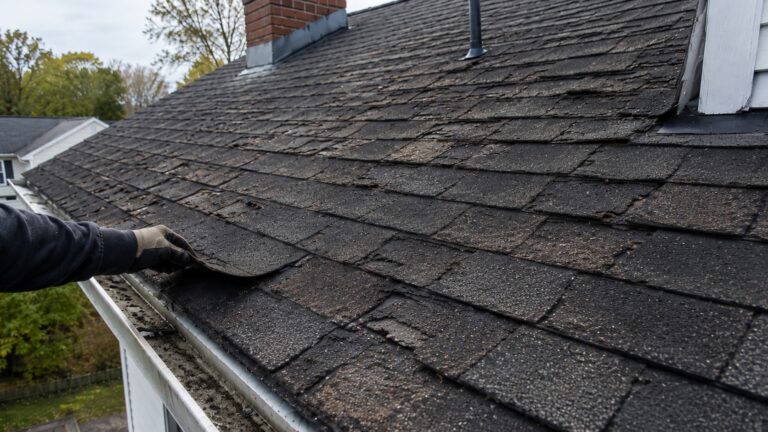
As asphalt shingles age, the surface granules wear away, the shingle becomes less flexible, and the roof becomes more vulnerable to curling, cracking, wind lift, and leaks. Shingles are practical and affordable, but they usually have a shorter replacement cycle than clay tile.
The main advantage of asphalt shingles is convenience: materials are easy to find, most residential roofers install them, and repairs are usually straightforward.
How clay tile roofs work
Clay tile roofs use individual fired clay tiles installed in overlapping courses. The tiles protect the roof from direct weather exposure and shed water down the roof surface. Clay tile is durable, fire-resistant, and well suited to certain hot-climate and architectural settings.
Clay tile does not age like asphalt shingles. It does not lose granules or curl from asphalt drying. However, clay tiles can crack, break, slip, or be damaged by improper walking, falling branches, impact, or poor repairs. The underlayment beneath the tiles can also age even when the tiles still look good.
This is one of the most important differences. On an asphalt roof, the visible shingles are often the main aging surface. On a clay tile roof, the visible tile may remain durable while hidden components beneath it become the weak point.
They solve different homeowner priorities
Asphalt shingles fit homeowners who need a practical, lower-cost roof. Clay tile fits homeowners who need long-term durability, heat performance, and architectural character on a home built or styled for tile.
If the home is a standard suburban house with roof framing designed for shingles, asphalt may be the better fit. If the home is a Spanish-style, Mediterranean, Mission, or Southwest-style property with the right structure, clay tile may better preserve the home’s identity and long-term value.
Because roof material affects leak risk, underlayment performance, attic conditions, and long-term water protection, the decision should fit into a broader plan for long-term moisture protection, not just appearance or upfront cost.
Cost Comparison: Clay Tile Roof vs Asphalt Shingles
Asphalt shingles usually cost much less upfront than clay tile roofing. This is one of the biggest reasons shingles remain the default choice for many residential roofs. The material is widely available, installation is familiar, and most roofing contractors work with asphalt shingles regularly.
Clay tile roofing usually costs more because the material is heavier, more specialized, and more labor-intensive to install. The roof may also require structural evaluation before tile can be used. That makes clay tile a premium roof decision rather than a simple material swap.
The cost comparison should include more than the roof covering. With clay tile, the real price may include structural review, stronger underlayment, specialized labor, tile matching, and future access challenges. With asphalt shingles, the real price is usually lower upfront but may include more frequent replacement over the life of the home.
Asphalt shingles usually win on upfront affordability
If the homeowner needs a roof replacement at the lowest practical cost, asphalt shingles usually have the advantage. They are easier to source, faster for many contractors to install, and less complicated on most standard roof structures.
Asphalt shingles are also easier to repair in many cases. If a section is damaged by wind, impact, or age, a roofer may be able to replace a limited area without disturbing the entire roof. This makes asphalt a practical choice for homeowners who want manageable repair costs and broad contractor availability.
Clay tile may win on long-term value
Clay tile becomes more attractive when the homeowner is thinking long term. A properly installed clay tile roof can last much longer than asphalt shingles, especially in climates and architectural settings where tile performs well.
The higher upfront cost is easier to justify when the home is designed for tile, the roof structure can support it, and the homeowner plans to stay long enough to benefit from fewer replacement cycles.
However, clay tile is not automatically the better financial choice. If the home is not built for tile, if the roof framing needs expensive reinforcement, or if the neighborhood value does not support a premium roof, asphalt shingles may be the smarter option. For homeowners still weighing several material choices, this broader guide to choosing the right roofing material can help frame the decision.
Lifespan and Durability Comparison
Clay tile roofing usually lasts much longer than asphalt shingles when it is installed correctly and maintained properly. The tile itself is durable, fire-resistant, and well suited to long-term exposure in many hot, sunny climates.
Asphalt shingles have a shorter replacement cycle. They can protect a home well for many years, but they gradually wear down from sun exposure, heat, storms, wind, and granule loss. Over time, shingles become more vulnerable to cracking, curling, and leaks.
Why clay tile lasts longer
Clay tile is made from fired clay, which gives it strong resistance to sun, heat, rot, and insects. Unlike asphalt shingles, clay tile does not rely on a granule surface that wears away over time. The tile can remain durable for decades when the roof is installed correctly and damaged tiles are repaired promptly.
That does not mean the entire roof system lasts forever without attention. Clay tiles may outlast underlayment, flashing, fasteners, battens, or other components beneath and around them. A tile roof can look good from the ground while hidden underlayment is aging below the surface.
This is why tile roof lifespan should be understood as a system issue, not just a tile issue. The visible clay may last a long time, but the roof still depends on the layers and details beneath it. Homeowners comparing long-term roof materials should understand how long tile roofs last before assuming the tile surface tells the whole story.
Why asphalt shingles age faster
Asphalt shingles are exposed directly to heat, UV light, rain, wind, and seasonal temperature changes. Their mineral granules protect the asphalt, but those granules slowly wear away. Once the surface becomes thin or brittle, the shingle loses some of its ability to resist weather.
Common aging signs include curling, cracking, missing shingles, lifted tabs, granules in gutters, and faded or bare-looking roof areas. These symptoms do not always mean immediate failure, but they do show that the roof is losing its protective margin.
Asphalt shingles are practical, but they are not usually a lifetime roof system. If the homeowner plans to own the home for many decades, replacement-cycle cost should be part of the comparison. This guide on how long asphalt shingles last can help set realistic expectations.
Tile durability is not the same as impact resistance
Clay tile is durable, but individual tiles can still break. Foot traffic, falling branches, hail, improper repairs, or impact from tools can crack or displace tiles. A broken tile may seem minor, but it can expose the underlayment to sun and water.
Asphalt shingles are less brittle, but they wear out differently. They may lose granules, tear in wind, crack from age, or loosen around fasteners. The durability comparison is not simply “tile is strong and shingles are weak.” Clay tile has better long-term material durability, while asphalt shingles are often more forgiving during routine repairs and foot traffic.
Weight and Structural Requirements
Weight is one of the most important differences between clay tile roofing and asphalt shingles. Asphalt shingles are relatively light compared with clay tile. Clay tile is heavy enough that the roof structure must be evaluated before it is installed on a home that was not built for it.
This is why clay tile is not a simple cosmetic upgrade from asphalt shingles. A roof that can support shingles cannot automatically support clay tile; framing, decking, spans, load paths, and overall structural condition all matter.
Clay tile requires structural evaluation
Clay tile roofing adds significant weight to the roof. Homes originally designed for tile may already have framing that can handle that load. Homes originally designed for asphalt shingles may not.
Before replacing asphalt shingles with clay tile, a qualified contractor or structural professional should evaluate whether the roof can support the material. In some cases, reinforcement may be needed. In other cases, clay tile may not be a practical choice.
This is especially important if the roof has long spans, older framing, previous water damage, sagging, multiple roof layers, or any history of structural repair.
Roof weight affects long-term structural performance, especially when combined with local wind, seismic, snow, or storm conditions. The safest decision is to verify the structure before choosing the material.
Asphalt shingles are easier to retrofit
Asphalt shingles are much easier to use on standard residential roofs because they do not create the same weight concern. They fit many homes without requiring major structural changes.
If the roof has damaged decking, too many existing layers, or structural problems, those issues still need attention. But asphalt shingles are generally more flexible for typical replacement projects than clay tile.
Existing clay tile homes are different from clay tile upgrades
A home that already has clay tile may have been built to support it. In that case, the decision may be whether to repair the existing tile system, replace the underlayment, or switch to another material. Replacing tile with asphalt shingles may reduce weight and upfront cost, but it can also change the appearance and long-term value of a home designed for tile.
A home that currently has asphalt shingles is different. Upgrading to clay tile requires structural capacity, a compatible roof style, and a budget that allows for specialized installation.
Heat, Sun, and Climate Performance
Clay tile roofing often performs very well in hot, sunny climates. This is one of the reasons it is common on Spanish, Mediterranean, Mission, Southwest, and stucco-style homes. Clay tile can handle intense sun exposure better than many standard asphalt shingles, and the roof assembly can help manage heat when properly designed.
Asphalt shingles can also work in hot climates, but heat and UV exposure are major aging factors. Dark shingles can absorb heat, attic temperatures can rise, and the asphalt surface can age faster when ventilation is poor. That does not mean asphalt is wrong for hot areas, but it usually does not have clay tile’s same long-term heat-resistance advantage.
Why clay tile works well in hot climates
Clay tile is naturally resistant to heat, sun, rot, and insect damage. It does not dry out and lose granules the way asphalt shingles do. Tile profiles can also create air space and shadow patterns that may help the roof assembly handle heat, depending on the installation method, color, ventilation, and roof design.
This makes clay tile especially attractive in warm regions where roofs are exposed to long periods of sun. On homes designed for tile, the material can support both performance and appearance. If heat exposure is one of the main concerns, it may also help to compare broader roofing materials for hot climates before choosing between tile and shingles.
Where asphalt shingles are more climate-sensitive
Asphalt shingles can perform well in many climates, but they are more affected by heat, UV exposure, and attic ventilation. Over time, high heat can contribute to shingle drying, brittleness, granule loss, and faster aging.
Light-colored or cool-roof asphalt shingles may perform better than dark shingles in some hot areas, but product choice and attic design matter. A poorly ventilated asphalt shingle roof in a hot climate may age faster than expected.
Clay tile is not ideal for every climate or roof
Clay tile can be excellent in hot and sunny regions, but it is not automatically the best roof for every climate. Freeze-thaw conditions, hail exposure, roof slope, local installation practices, and structural requirements all matter. Some tile products and assemblies may be better suited to certain climates than others.
Clay tile is also brittle compared with asphalt. In areas with frequent heavy impact from branches, hail, or foot traffic, broken tiles may become a recurring maintenance concern. The material performs best when the roof design, climate, and installer experience all support it.
Leak Risk and Moisture Protection
Clay tile roofs and asphalt shingle roofs can both protect a home from water when installed correctly. They can also both leak when the roof system fails. The difference is where leak risk usually develops.
Clay tile is highly durable, but the roof’s moisture protection depends on more than the visible tile surface. Underlayment, flashing, valleys, penetrations, roof edges, tile overlaps, and drainage details all matter. Asphalt shingles rely more directly on the condition of the visible shingle surface, along with flashing and underlayment.
Where clay tile roofs often leak
Clay tile roofs often leak when tiles crack, slip, or expose the underlayment beneath them. The tile surface is designed to shed most water, but the underlayment provides an important secondary layer of protection. If broken tiles allow sun and water to reach the underlayment repeatedly, that layer can deteriorate faster.
Common clay tile leak points include:
- Cracked or broken tiles
- Slipped or displaced tiles
- Failing underlayment beneath otherwise good-looking tiles
- Damaged flashing around chimneys, walls, valleys, and roof penetrations
- Debris buildup that redirects water
- Improper repairs or mismatched replacement tiles
- Damage from walking on the roof incorrectly
This is why a tile roof can look mostly intact from the ground while still having hidden leak risk. The problem may be beneath the tiles, at a flashing detail, or in a section where broken tiles have exposed the underlayment over time.
Where asphalt shingle roofs often leak
Asphalt shingles usually become more leak-prone as the visible roof surface ages. Granule loss, curling, cracking, lifted tabs, missing shingles, and storm damage can all allow water to get closer to the underlayment and roof deck.
Common asphalt shingle leak points include valleys, pipe boots, chimneys, skylights, roof-wall intersections, damaged shingles, ridge details, and areas where wind has lifted shingle tabs. Once the shingles are near the end of their service life, leaks may become more frequent and harder to solve with small repairs.
Which roof protects better from moisture?
Clay tile usually has stronger long-term moisture-protection potential because the tile itself is highly durable and can outlast asphalt shingles. However, that does not mean clay tile roofs never leak. Underlayment and flashing may fail before the tiles themselves wear out.
Asphalt shingles provide practical moisture protection at lower cost, but they usually age faster. Once the shingle surface deteriorates, the roof becomes more vulnerable to wind-driven rain and roof-deck moisture.
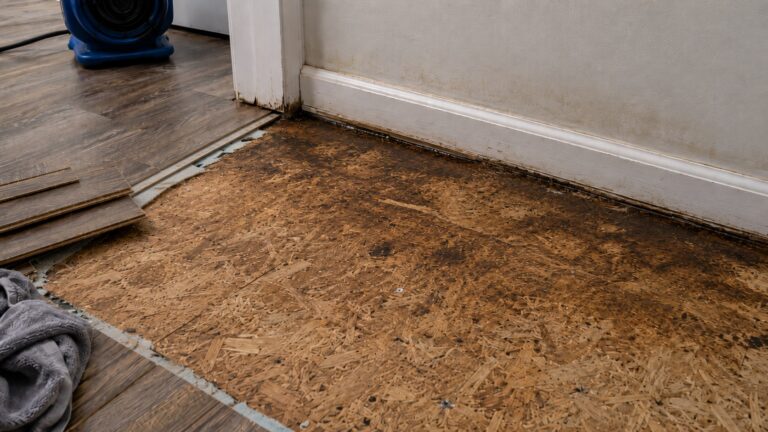
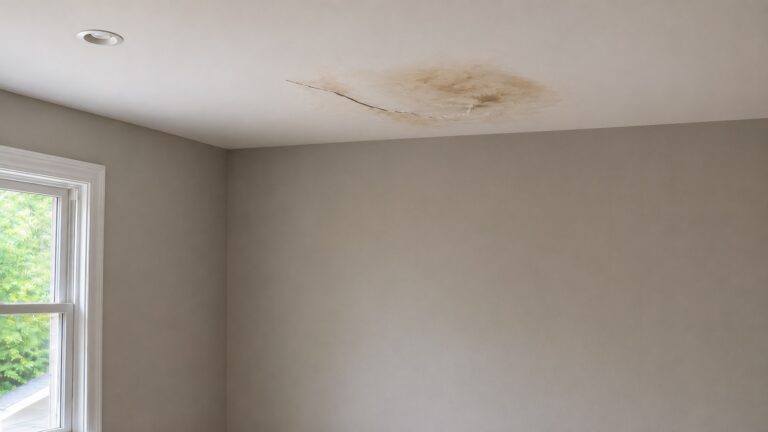
The best moisture protection comes from matching the material to the home, installing it correctly, maintaining the roof, repairing damage promptly, and checking the details water is most likely to exploit. If stains, damp attic insulation, or ceiling marks are already visible, the homeowner may need to evaluate roof leak repair costs before assuming the problem is limited to the roof surface.
Maintenance and Repair Differences
Asphalt shingles are usually easier and less expensive to repair. Clay tile can last longer, but repairs are more specialized because tiles can break, underlayment may be hidden, and walking on the roof incorrectly can cause additional damage.
Clay tile maintenance
Clay tile roof maintenance usually involves checking for broken, slipped, or displaced tiles; keeping valleys and drainage paths clear; inspecting flashing; and watching for signs of underlayment failure. Because tiles are brittle, inspections and repairs should be done carefully.
Homeowners should not treat a clay tile roof like a standard asphalt shingle roof. Walking across tile can crack individual pieces, especially without proper roof access training and fall protection. Broken tiles should be replaced promptly because they can expose the underlayment to water and sun.
Asphalt shingle maintenance
Asphalt shingle maintenance is more familiar to most homeowners and roofing contractors. It usually involves watching for missing shingles, lifted tabs, cracked shingles, exposed nails, damaged flashing, worn pipe boots, granule loss, and clogged gutters.
Small asphalt shingle repairs are often straightforward if the roof is still in good condition. However, once shingle deterioration is widespread, repeated patching may not be worth the cost. At that stage, replacement may be more practical than chasing leak after leak.
Repair complexity
Clay tile repairs require matching tile shape, size, color, profile, and attachment method as closely as possible. Older tiles may be difficult to match. Repairs also need to avoid damaging surrounding tiles during access and replacement.
Asphalt shingles are usually easier to repair because replacement shingles are widely available and the system is familiar. Matching color on an older roof can still be difficult, but the repair process is generally simpler than tile work.
This does not mean clay tile is a bad repair choice. It means the homeowner needs the right contractor. A poorly repaired tile roof can create new leak points, cracked tiles, and hidden underlayment exposure. A properly repaired tile roof can continue performing for many years.
Appearance, Curb Appeal, and Home Style
Clay tile has a strong visual identity. On the right home, it can define the entire exterior. Asphalt shingles are more neutral and practical, but they usually do not create the same architectural impact as clay tile.
Roofing affects curb appeal, resale perception, neighborhood fit, and the overall style of the home. A clay tile roof may look excellent on a Spanish-style home and out of place on a basic ranch or standard suburban home. Asphalt shingles may look ordinary on a Mediterranean-style home but perfectly appropriate on a typical residential roof.
Where clay tile looks best
Clay tile roofing often looks best on homes where the roof is part of the architecture. It commonly fits:
- Spanish-style homes
- Mediterranean homes
- Mission-style homes
- Southwest homes
- Stucco homes
- Coastal homes where tile roofing is common
- High-end homes designed around warm-climate materials
On these homes, replacing clay tile with asphalt shingles can change the character of the property. The roof may still function, but the home may lose part of its intended appearance.
Where asphalt shingles look more practical
Asphalt shingles work well on many standard residential homes because they come in a wide range of colors and profiles. Architectural shingles can add texture and dimension without the cost or weight of tile.
For homes that were not designed for clay tile, asphalt shingles may look more natural and balanced. They are also easier for future buyers, insurers, and contractors to understand. In many neighborhoods, asphalt shingles are the expected roof material.
Curb appeal should not override structure
A homeowner may love the look of clay tile, but appearance should not override structural requirements. If the home was not designed for tile, the framing must be evaluated before choosing it. A beautiful roof material is not the right choice if the structure cannot safely support it.
The best roofing decision balances appearance with weight, climate, cost, maintenance, and long-term moisture protection. Clay tile is strongest when the house was built for it or can safely support it. Asphalt is strongest when the homeowner needs practical performance without the added cost and complexity of tile.
When Asphalt Shingles Are the Better Choice
Asphalt shingles are often the better choice when budget, weight, repair simplicity, and broad practicality matter more than premium lifespan or architectural tile appearance. They may not last as long as clay tile, but they are the right fit for many homes.
Asphalt shingles may be the better choice when:
- The roof replacement budget is limited.
- The home was not built to support clay tile.
- The roof framing would need expensive reinforcement.
- The home’s style does not benefit from clay tile.
- You want easier access to repair contractors.
- You need a lighter roof material.
- You plan to sell before clay tile’s long-term value pays off.
- The neighborhood value does not justify a premium tile roof.
Asphalt shingles are especially practical when the roof needs replacement soon and the homeowner wants a dependable system without a major structural upgrade. They still require good installation, proper flashing, adequate ventilation, and timely repair, but they are usually easier to manage than clay tile.
When Clay Tile Roofing Is Worth It
Clay tile roofing is often worth considering when the home’s structure, climate, style, and value support it. It is not just a longer-lasting roof material; it is also an architectural choice.
Clay tile may be worth it when:
- The home was designed for tile roofing.
- The roof structure can support the added weight.
- The home has Spanish, Mediterranean, Mission, Southwest, or stucco architecture.
- You live in a hot, sunny region where tile performs well.
- You want a long-lasting roof material.
- The property value supports a premium roof investment.
- You have access to contractors experienced with tile roofing.
- You want to preserve the character of an existing tile-roof home.
Clay tile is especially worth evaluating if the home already has a tile roof. Broken tiles, aging underlayment, or flashing problems do not always mean the home should be converted to asphalt shingles. In some cases, repairing or restoring the tile system may preserve both appearance and long-term value.
If you are comparing clay tile with other long-life roof materials, it may help to review different roofing material types before making a final decision.
When to Call a Roofing Contractor
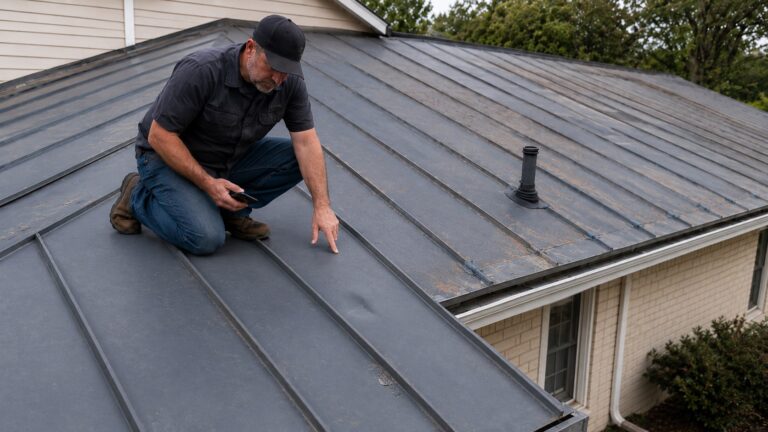
You should call a roofing contractor before choosing between clay tile and asphalt shingles if the roof already has leaks, cracked tiles, missing shingles, underlayment concerns, sagging areas, storm damage, or interior moisture signs. If the roof is sagging or water is actively entering the home, treat that as a repair and safety issue before treating it as a material-selection question.
Clay tile especially requires contractor experience. A roofer who mainly works on asphalt shingles may not be the right person to evaluate tile roof underlayment, broken tiles, flashing details, and safe roof access.
What the contractor should evaluate
A proper roof evaluation should include:
- Roof framing and structural load capacity
- Condition of the existing clay tiles or asphalt shingles
- Underlayment and decking condition where visible or accessible
- Flashing around chimneys, walls, valleys, dormers, and penetrations
- Broken, slipped, displaced, curled, cracked, or missing roof materials
- Interior leak signs, attic moisture, drainage problems, and debris buildup
- Whether the roof is a better candidate for repair, restoration, or full replacement
If water has already reached the attic, ceilings, or walls, the decision should include moisture investigation, not just material replacement. Stains, damp insulation, moldy sheathing, or repeated ceiling marks may indicate roof moisture problems that require a deeper inspection. In those cases, choosing a contractor experienced in roof leak repair work becomes especially important.
Questions to ask before choosing clay tile or asphalt
Before deciding, ask:
- Can this roof structure safely support clay tile?
- Was the home originally designed for tile or shingles?
- Is the current leak caused by broken tiles, underlayment, flashing, or the roof covering itself?
- Can the existing clay tile system be repaired instead of replaced?
- Would asphalt shingles reduce the home’s curb appeal or value?
- How will the material perform in this climate?
- Who will maintain or repair the roof in the future?
- What roof details are most likely to leak if they are not corrected?
A good contractor should explain why one material fits the home better than the other. The answer should include structure, climate, water management, style, and long-term cost, not just the price of the roof covering.
FAQ: Clay Tile Roof vs Asphalt Shingles
Is clay tile better than asphalt shingles?
Clay tile is usually better for long-term durability, hot climates, fire resistance, and architectural curb appeal on homes designed for tile. Asphalt shingles are usually better for affordability, lighter weight, easier installation, and simpler repairs.
Which lasts longer, clay tile or asphalt shingles?
Clay tile usually lasts much longer than asphalt shingles when installed and maintained correctly. Asphalt shingles have a shorter replacement cycle because they age through heat exposure, granule loss, curling, cracking, and wind damage.
Is clay tile roofing worth the cost?
Clay tile can be worth the cost if the home is built for it, the climate supports it, and the roof style adds real value. It may not be worth it if the structure cannot support tile, the budget is limited, or the home does not need a premium tile appearance.
Is clay tile too heavy for a normal house?
Clay tile may be too heavy for homes that were built for asphalt shingles. The roof framing, decking, spans, and structural condition should be evaluated before installing clay tile. A home that already has tile may have been built to support it.
Does clay tile leak less than asphalt shingles?
Clay tile can provide excellent long-term water shedding, but it can still leak if tiles break, underlayment fails, flashing deteriorates, or repairs are done incorrectly. Asphalt shingles can also protect well, but they usually become more leak-prone as they age.
Is clay tile good for hot climates?
Yes, clay tile is often a strong choice for hot, sunny climates, especially on homes designed for tile. It handles heat and sun exposure well, though color, roof assembly, ventilation, and installation still affect performance.
Is clay tile hard to repair?
Clay tile is more specialized to repair than asphalt shingles. Tiles can break if walked on incorrectly, matching older tiles can be difficult, and underlayment issues may be hidden. Tile roof repairs should usually be handled by someone experienced with tile roofing.
Should I replace clay tile with asphalt shingles?
Replacing clay tile with asphalt shingles may make sense if the tile system is badly damaged, the budget is limited, or the home no longer justifies tile. However, if the home was designed for clay tile, switching to asphalt may reduce curb appeal and long-term roof value.
Is clay tile the same as concrete tile?
Clay tile and concrete tile are both tile roofing products, but they are different materials. Clay tile is made from fired clay, while concrete tile is made from cement-based materials. Their weight, appearance, cost, and long-term behavior should be compared separately.
Bottom Line: Which Roof Is Better?
Clay tile is usually the better long-term choice when the home was built for tile, the roof structure can support the weight, the climate favors tile, and the architectural style benefits from it. Asphalt shingles are usually the better practical choice when affordability, lighter weight, easier repairs, and broad contractor availability matter more.
If the home already has clay tile and the structure is sound, restoring or replacing the tile system may preserve more long-term value than switching to shingles. If the home was built for asphalt shingles and tile would require major structural changes, asphalt is usually the more responsible choice.
The safest decision is not based on lifespan alone. Choose the roof material that fits the structure, climate, budget, home style, and future maintenance plan.