What Roofing Warranties Actually Cover
A roofing warranty can sound reassuring, especially when a contractor says the roof comes with a lifetime warranty, manufacturer warranty, or workmanship warranty. But a warranty does not mean every roof problem will be fixed for free. Roofing warranties usually cover specific failures under specific written conditions.
The main question is what caused the problem. A defective shingle, bad flashing detail, storm-damaged roof, poor attic ventilation, and interior ceiling stain may all be handled differently. One issue may fall under the manufacturer warranty. Another may fall under the contractor’s workmanship warranty. Another may not be a warranty issue at all.
That is why homeowners should look beyond phrases like “lifetime warranty” or “50-year warranty.” Those labels do not explain whether labor, tear-off, disposal, leak repairs, or interior water damage are included. If you are still trying to understand the basic warranty types first, start with how roofing warranties work. This article focuses on what roofing warranties actually cover when a problem appears.
What a Roofing Warranty May Cover
A roofing warranty may cover one or more parts of a roof problem, depending on the warranty type. Some warranties only cover roofing materials. Some cover labor during a specific early period. Some enhanced warranties may include stronger system protection when the roof was installed with approved components by a qualified contractor. A contractor workmanship warranty may cover installation errors, but only under that contractor’s written terms.
Most warranty coverage falls into a few broad categories:
- Defective roofing materials
- Premature product failure caused by a manufacturing issue
- Limited replacement material coverage
- Labor coverage during certain warranty periods or warranty tiers
- Contractor workmanship problems
- Specific wind, algae, or accessory coverage if included in the written warranty
That list does not mean every roofing warranty covers all of those items. It means those are common warranty categories homeowners may see. The actual coverage depends on the manufacturer, product line, warranty level, installation requirements, registration rules, and whether the problem meets the warranty definition of a covered failure.
A roof warranty is not a full roof performance guarantee. It is a written agreement that defines the remedy if a covered problem occurs. That remedy may be replacement materials, partial material credit, limited labor coverage, or correction of an installation-related defect. It may also exclude many problems homeowners assume are covered.
This is why roof warranties should be viewed alongside common roofing material failures, installation quality, ventilation, flashing details, and roof maintenance. A warranty can help when a covered failure occurs, but it does not replace a properly installed roof system.
Here is the simple version before looking at each warranty category in more detail:
Quick Coverage Guide
| Roof problem | Usually covered by warranty? | What to check |
|---|---|---|
| Manufacturing defect in shingles or roofing materials | Often possible | Manufacturer warranty terms, product line, defect definition, registration, and time period |
| Installation mistake | Usually contractor-dependent | Workmanship warranty, installation contract, contractor service terms, and proof of the defect |
| Storm, hail, wind debris, or falling branches | Usually not under standard warranty | Insurance policy, storm documentation, and any specific wind-related warranty language |
| Labor, tear-off, and disposal | Sometimes | Non-prorated period, enhanced warranty tier, and written labor coverage |
| Interior ceiling, drywall, insulation, or mold damage | Not automatically | Consequential damage exclusions, workmanship terms, insurance coverage, and cause of the leak |
| Poor ventilation or lack of maintenance | Usually a coverage problem | Ventilation requirements, maintenance exclusions, inspection records, and roof condition |
What Manufacturer Roofing Warranties Usually Cover
A manufacturer roofing warranty usually covers the roofing product against qualifying manufacturing defects. For asphalt shingles, that means the manufacturer may provide coverage if the shingles were defective in a way that affects their intended performance. For other roofing materials, the coverage may apply to panels, tiles, coatings, accessories, or other manufactured components depending on the warranty.
The key point is that manufacturer warranties usually focus on the product, not the entire finished roof. If the roofing material was made incorrectly and fails under conditions covered by the warranty, the manufacturer may provide replacement materials or another remedy described in the warranty. If the roof leaks because the material was installed incorrectly, the manufacturer may deny responsibility because the product itself was not the cause.
Manufacturer warranties may include different coverage sections. A shingle warranty may have one section for manufacturing defects, another for wind resistance, another for algae resistance, and another for accessory products. Each section may have its own time limits, requirements, and exclusions. The strongest protection may only apply during an early non-prorated period.
For example, a manufacturer may provide stronger coverage during the first years after installation and reduced coverage later. During the stronger period, covered defects may include more complete material replacement and sometimes labor, depending on the warranty tier. After that period, the warranty may become prorated, meaning the homeowner receives only partial material value or reduced coverage as the roof ages.
Manufacturer warranties may also depend on proper installation. If the shingles were installed over an unsuitable roof deck, nailed incorrectly, installed without required ventilation, mixed with incompatible components, or used outside the manufacturer’s instructions, the claim can become difficult. The manufacturer may argue that the issue came from installation or roof conditions rather than a defect in the product.
Homeowners should ask for the exact manufacturer warranty document for the specific product being installed. A brochure or sales summary may leave out limitations, exclusions, transfer rules, and claim requirements.
What Workmanship Warranties Usually Cover
A workmanship warranty is usually provided by the roofing contractor and covers certain installation-related problems for a defined period. This matters because many roof failures come from workmanship rather than defective materials.
A workmanship warranty may apply if the contractor made a mistake during installation that later causes a roof problem. Examples may include improper flashing, incorrect nail placement, poor valley installation, poorly sealed penetrations, incorrect underlayment laps, loose drip edge, or other installation details that allow water to enter.
The written terms matter here as much as they do with manufacturer warranties. One contractor may offer a one-year workmanship warranty. Another may offer five, ten, or more years. Some warranties may cover only labor corrections. Others may address resulting leak repairs within defined limits. Some may exclude damage caused by storms, other contractors, homeowner alterations, or lack of maintenance.
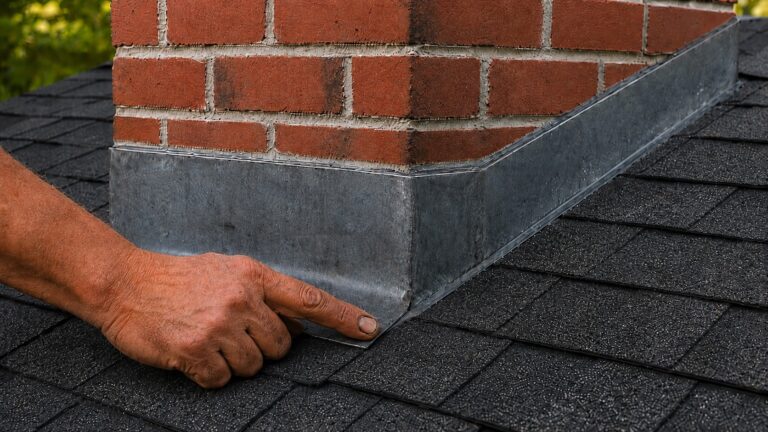
Workmanship coverage is especially important because installation errors often appear around vulnerable roof details. Chimneys, vents, valleys, skylights, dormers, walls, and roof penetrations are common leak points. If those areas were installed incorrectly, the manufacturer may not be responsible unless the written manufacturer warranty includes some kind of installation-related protection through an enhanced program.
If a homeowner notices signs a roof was installed incorrectly, the workmanship warranty may be the first document to review. The question is not only whether the roof is leaking. The question is whether the leak came from a covered installation defect during the workmanship warranty period.
A workmanship warranty should always be written into the contract or provided as a separate document. A verbal promise from the salesperson is not enough. Homeowners should know who handles service calls, how long the workmanship warranty lasts, whether it transfers to a new owner, and whether the contractor will inspect and correct covered problems without charging a new diagnostic fee.
Do Roofing Warranties Cover Leaks?
Roofing warranties may cover leaks, but only when the leak is caused by something the warranty actually covers. A roof leak by itself does not automatically prove that the warranty applies. The cause of the leak determines which warranty, if any, may respond.
If a leak is caused by a qualifying manufacturing defect in the roofing material, the manufacturer warranty may apply. If the leak is caused by a contractor’s installation mistake, the workmanship warranty may apply. If the leak is caused by hail, falling branches, storm damage, clogged gutters, poor maintenance, or another external issue, the warranty may not apply in the way the homeowner expects.
This is where many warranty disputes begin. The homeowner sees water inside and assumes the roof warranty applies. The manufacturer may say the shingles are not defective. The contractor may say the roof was damaged by weather or altered after installation. The claim then turns on proving the leak source.
That is why leak documentation is so important. Photos of the leak location, attic moisture, roof area, storm timing, previous repairs, and installation records can help clarify whether the leak is related to a product defect, workmanship issue, or outside event.
Leaks near valleys, chimneys, skylights, vents, dormers, and walls are often tied to installation details rather than broad material failure. That does not mean the warranty will never apply. It means the claim may depend on whether the contractor’s workmanship warranty is still active and whether the installation detail was actually defective.
If the leak is part of a wider pattern of premature material failure, the manufacturer warranty may be more relevant. For example, widespread abnormal deterioration across roof surfaces may be evaluated differently than a single leak at a poorly flashed penetration. The more clearly the homeowner can document the pattern, the easier it is to have a productive warranty discussion.
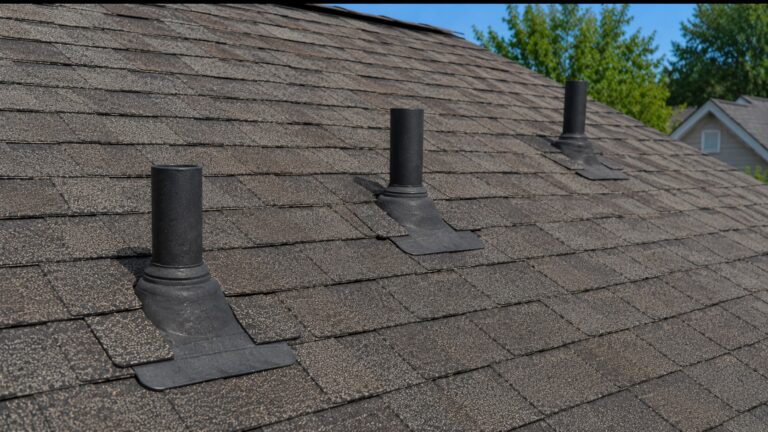
A useful way to think about leak coverage is this: a single leak at a chimney, wall, skylight, vent boot, or valley often points first toward flashing, seal, or workmanship questions. Widespread abnormal shingle cracking, blistering, granule loss, or product deterioration across several roof areas may point more toward a material warranty question.
Do Roofing Warranties Cover Labor, Tear-Off, and Disposal?
Some roofing warranties cover labor, tear-off, or disposal in certain situations. Many do not. This is one of the most important details homeowners should check before relying on a warranty.
A basic manufacturer warranty may provide replacement materials for a qualifying defect but may not pay the full cost to remove the defective materials, dispose of them, and install the new materials. In that situation, the homeowner may still face significant out-of-pocket costs even if the claim is partly approved.
Stronger warranties may include labor during a specific non-prorated period. Enhanced system warranties may offer broader labor-related protection if the roof was installed by a qualified contractor using approved components. The exact protection depends on the warranty tier, registration, and installation requirements.
Tear-off and disposal are separate issues. Removing old shingles, hauling debris, replacing underlayment, correcting flashing, and reinstalling roof components can make up a large part of the real cost of roof replacement. A warranty that only provides material credit may be much less valuable than a warranty that includes labor, tear-off, and disposal for qualifying claims.
Homeowners should ask these questions before signing a roofing contract:
- Does the warranty cover materials only?
- Does it include labor during the non-prorated period?
- Does it include tear-off of defective materials?
- Does it include disposal costs?
- Does coverage change after a certain number of years?
- Does the workmanship warranty cover labor differently from the manufacturer warranty?
These questions are especially important when homeowners compare roofing warranties. Two warranties may have similar headline lengths but very different cost protection if one includes labor and the other only provides partial material coverage.
Do Roofing Warranties Cover Interior Water Damage?
Roofing warranties usually do not automatically cover interior water damage. This is a major point homeowners should understand before assuming a roof warranty will pay for ceiling stains, wet insulation, damaged drywall, mold, flooring damage, or personal property losses.
A roofing warranty is usually focused on the roof product, roof system, or installation work. Interior damage may be treated differently depending on the written warranty, the cause of the leak, the contractor’s responsibility, and whether insurance applies. Some warranties may exclude incidental or consequential damages, which can include damage inside the home.
For example, if a manufacturing defect causes a covered roof leak, the manufacturer warranty may address the defective roofing material under its terms. That does not always mean the warranty also pays to repair stained drywall, repaint a ceiling, replace wet insulation, or remediate mold. Those costs may be excluded, limited, or handled through a different claim path.
If the leak was caused by a contractor’s installation error, the contractor’s workmanship warranty or liability process may be more relevant. Even then, the homeowner needs to read the written terms. Some workmanship warranties promise to correct the roof installation but limit responsibility for interior damage.
If the leak was caused by storm damage, hail, wind-driven debris, or sudden accidental damage, the issue may belong more to insurance than warranty coverage. Homeowners should separate these systems instead of assuming one replaces the other. For a deeper insurance-specific explanation, review does insurance cover water damage from leaks.
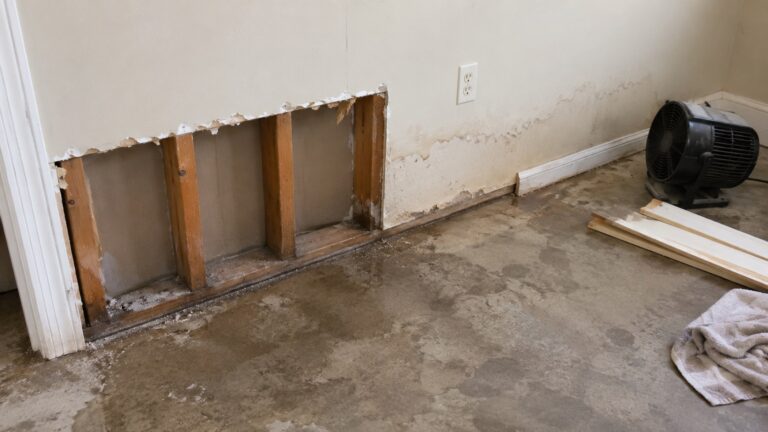
Interior water damage still needs immediate attention, regardless of warranty responsibility. If water reaches ceilings, walls, attic insulation, or framing, the homeowner should document the damage, reduce further water entry if safe, and inspect for spreading moisture. Early signs such as stains, bubbling paint, damp insulation, or musty odors may indicate that water has moved beyond the roof surface. Homeowners dealing with visible staining can also review signs of water damage from roof leaks to understand what interior symptoms may mean.
What Roofing Warranties Usually Do Not Cover
Roofing warranties are limited documents, not open-ended promises. The most common mistake is assuming that any roof problem during the warranty period must be covered. In reality, exclusions often decide whether a claim is approved, limited, or denied.
Common coverage problems include:
- Installation errors that belong under workmanship coverage instead of the manufacturer warranty
- Storm, hail, impact, or falling-object damage
- Poor attic ventilation, trapped heat, or moisture conditions that affect roof performance
- Neglected maintenance, clogged gutters, debris buildup, or ignored visible damage
- Leaks caused by later roof penetrations, unauthorized repairs, solar installations, satellite mounts, or added vents
Installation Errors Not Covered by the Manufacturer
A manufacturer warranty usually does not cover installation errors unless the homeowner has an enhanced warranty that specifically includes some level of installation-related protection. If the roof leaks because the installer made a mistake, the manufacturer may deny the claim because the roofing material itself was not defective.
Common installation-related problems can include incorrect nailing, poor flashing, missing starter strips, bad valley work, improper underlayment laps, incorrect drip edge details, exposed fasteners, or failure to follow manufacturer instructions. These issues belong more naturally under the contractor’s workmanship warranty.
This is why homeowners should understand common roof installation mistakes before assuming the manufacturer will be responsible for every roof failure. A material warranty and an installation warranty are not the same thing.
Storm, Hail, and Impact Damage
Most roofing warranties do not function as storm damage protection. Hail, falling branches, wind-driven debris, impact damage, fire, and severe weather events are usually treated differently from manufacturing defects or workmanship issues.
Some roofing products include wind resistance terms, but those terms still have limits. They may depend on product type, fastening method, installation requirements, wind speed limits, and time period. Hail impact and falling-object damage are often outside standard product warranty coverage unless a specific product warranty says otherwise.
If roof damage appears after a major storm, the homeowner should document the date, weather event, roof condition, exterior damage, interior leaks, and any emergency repairs. The issue may involve insurance, warranty, contractor inspection, or all three depending on the situation.
Poor Ventilation or Maintenance Problems
Poor attic ventilation can affect roof performance and may complicate warranty coverage. Excessive attic heat and trapped moisture can stress shingles, contribute to condensation, affect roof decking, and create conditions that look like roofing failure even when the product was not defective.
Maintenance issues can also weaken a warranty claim. Debris left in valleys, clogged gutters, ignored flashing damage, moss or algae neglect, repeated foot traffic, or failure to repair visible damage may allow small problems to become larger ones. A warranty provider may deny or limit coverage if neglect contributed to the failure.
This matters because roof warranties do not replace basic roof care. Homeowners still need to keep water moving off the roof, watch for damage after storms, and address small problems before they create hidden moisture damage inside the home.
Unauthorized Repairs or Added Roof Penetrations
Roof warranties can also be affected by later changes to the roof. Satellite dishes, solar panels, new vents, skylights, antennas, HVAC penetrations, or repairs by another contractor may create new leak paths. If those changes damage the roof system, the original roofing warranty may not apply.
This does not mean homeowners can never make changes to a roof. It means penetrations and repairs should be handled carefully, documented clearly, and completed according to manufacturer and contractor requirements. Any trade that cuts into the roof should understand that careless work can affect warranty protection.
How Roofing Warranty Claims Are Usually Evaluated
Roofing warranty claims are usually evaluated by looking for the cause of the failure. The warranty provider wants to know whether the problem came from a covered material defect, a workmanship issue, storm damage, poor maintenance, ventilation problems, structural movement, or another excluded cause.
The process often begins with documentation. The homeowner may need to provide the installation date, contractor information, product name, warranty registration, photos, invoices, and a description of the problem. The manufacturer or contractor may then inspect the roof, request samples, review photos, or ask for additional details.
If the problem appears to be a material defect, the manufacturer may evaluate whether the product failed under warranty terms. If the issue appears to be installation-related, the claim may be redirected to the contractor or denied under the manufacturer warranty. If the issue appears to be caused by weather, impact, maintenance, or another excluded condition, the warranty may not provide coverage.
A leak may feel simple from inside the house: water is coming in, and the roof is under warranty. But from a warranty standpoint, the leak still needs a cause. The same ceiling stain could come from a defective shingle, bad flashing, wind-driven rain, a cracked pipe boot, storm damage, condensation, or a roof penetration added later.
A homeowner should not wait until a claim is denied to gather evidence. Photos, dates, service records, and written communication make the claim process easier. If the damage is active, the homeowner should also take reasonable steps to prevent moisture problems from spreading through the home by following safe temporary protection and documentation practices.
What to Save Before You Ever Need a Warranty Claim
The best time to prepare for a warranty claim is before there is a problem. Homeowners should create a roof file as soon as the roof is installed. This can be physical, digital, or both.
Important documents to save include:
- The signed roofing contract
- The final invoice
- The manufacturer warranty document
- The contractor workmanship warranty
- Proof of warranty registration
- The product name, color, and line installed
- The contractor’s license, certification, or credential information
- Photos of the roof before, during, and after installation
- Any inspection reports or service records
- Records of maintenance, repairs, and storm inspections
Homeowners should also save written communication with the contractor. Emails, text messages, proposal notes, change orders, and service visit summaries can help clarify what was promised, what was installed, and who handled later repairs or roof penetrations.
If a leak or visible roof issue appears, document it immediately. Take photos of the interior damage, attic area, exterior roof area if safely visible, nearby penetrations, and any temporary protection used. Write down the date the problem was first noticed and whether it followed rain, wind, hail, snow, repair work, or another event.
Clear documentation does not guarantee coverage, but it gives the homeowner a stronger position. It also helps separate warranty issues from insurance issues, contractor service issues, and maintenance problems.
When Warranty Coverage Is Not Enough
Warranty coverage can help resolve certain roof problems, but it is not always enough to protect the home from damage while the claim is being reviewed. If water is entering the house, the immediate priority is to limit additional moisture damage, document the problem, and identify the leak source as safely as possible.
A warranty claim may take time. The contractor may need to inspect the roof. The manufacturer may need photos, samples, product information, installation records, or a field evaluation. During that time, active leaks can continue damaging ceilings, insulation, wall cavities, flooring, framing, and indoor air quality.
Homeowners should not ignore an active leak while waiting for warranty approval. Reasonable temporary protection may be needed, such as placing a container under an active drip, moving belongings, protecting flooring, documenting wet areas, or contacting a qualified roofing contractor for emergency leak control. Avoid climbing onto a wet, steep, icy, or storm-damaged roof. Any temporary repair should be documented so it does not create confusion later.
Warranty coverage is also not enough when water has already moved beyond the roof surface. A roof leak can run along rafters, drip into insulation, stain ceilings, wet wall cavities, or create mold risk if materials stay damp. The warranty question and the moisture-control question are related, but they are not identical.
If the contractor who installed the roof is unresponsive, the manufacturer denies the claim, or the cause of the leak is disputed, the homeowner may need an independent roof inspection. A qualified inspector or roofing contractor can help identify whether the problem looks like material failure, installation error, storm damage, ventilation trouble, or another cause.
This is also the point where contractor quality matters. A warranty is easier to use when the contractor communicates clearly, documents the job, responds to service calls, and stands behind the installation. If you are still choosing who should repair or replace the roof, it is worth learning how to choose a roofing contractor for leak repairs before relying on warranty promises alone.
FAQ About What Roofing Warranties Cover
Does a roofing warranty cover every roof leak?
No. A roofing warranty usually covers only leaks caused by a covered product defect, covered workmanship issue, or another specifically included warranty condition. A leak caused by storm damage, poor maintenance, later roof penetrations, improper ventilation, or unrelated structural problems may not be covered.
Does a manufacturer warranty cover installation mistakes?
Usually no. A manufacturer warranty typically focuses on the roofing product, not mistakes made by the installer. Installation mistakes are usually handled through the contractor’s workmanship warranty unless the homeowner has an enhanced warranty that specifically includes some installation-related protection.
Does a roof warranty cover storm damage?
Standard roofing warranties usually do not cover storm damage the same way homeowners insurance might. Some products include wind-related terms, but hail, falling branches, flying debris, and severe weather damage are often excluded or handled separately. Always check the written warranty and insurance policy.
Does a roofing warranty cover interior ceiling damage?
Not automatically. A roof warranty may address the covered roofing problem but exclude interior damage such as stained drywall, wet insulation, repainting, mold, or damaged belongings. Interior damage may involve insurance, contractor responsibility, or separate claim handling depending on the cause and written terms.
Does a roof warranty pay for labor?
Sometimes. Some warranties include labor during a specific early period or under an enhanced warranty tier. Others cover only replacement materials or provide prorated material value after a certain period. Labor, tear-off, and disposal should be checked carefully before assuming they are included.
Why would a roofing warranty claim be denied?
A claim may be denied if the problem is not caused by a covered defect, if installation requirements were not followed, if the roof was damaged by storms or later work, if maintenance was neglected, if documentation is missing, or if the warranty period or transfer rules were not met.
The Bottom Line on Roofing Warranty Coverage
Roofing warranties can provide valuable protection, but they do not cover every roof problem. Most manufacturer warranties focus on qualifying defects in the roofing product. Contractor workmanship warranties focus on certain installation-related problems. Enhanced warranties may offer broader protection, but only when the roof meets specific requirements.
The most important coverage question is not simply whether the roof is under warranty. The real question is what caused the problem and whether that cause is included in the written warranty. A defective shingle, a bad flashing detail, a hail impact, a ventilation problem, and interior ceiling damage may all be handled differently.
Before relying on a roofing warranty, homeowners should ask what is covered, what is excluded, whether labor is included, whether tear-off and disposal are included, and what documentation is required. A strong warranty can help, but it works best when paired with good installation, clear records, regular roof attention, and a contractor who stands behind the work.