Signs a Roof Was Installed Incorrectly
A roof that was installed incorrectly does not always fail right away. Sometimes the first clues are subtle: uneven shingle lines, exposed nails, shingles lifting earlier than expected, water stains after ordinary rain, or roof edges that do not shed water cleanly. Other times, the problem becomes obvious when a newer roof leaks, loses shingles in moderate wind, or develops moisture problems long before the materials should be wearing out.
The important thing is not to panic over one small imperfection. A single damaged shingle, a small color variation, or a cosmetic irregularity does not automatically prove bad workmanship. The stronger warning sign is a repeated pattern. If the same problem appears across several roof sections, along multiple edges, around several penetrations, or soon after installation, the roof may not have been installed correctly.
This guide explains the most common signs a roof was installed incorrectly, how those signs differ from normal aging or storm damage, and when the issue should be inspected by a roofing professional. If you are comparing this problem with broader common roofing material failures, the key difference is timing and pattern. Installation defects often show up early and repeatedly, while age-related failures usually develop more gradually.
Why Incorrect Roof Installation Usually Shows Up as Patterns
A properly installed roof is designed to shed water in layers. Shingles, underlayment, drip edge, flashing, valleys, vents, and roof edges all have to work together so rainwater moves down and away from vulnerable areas. When one part is installed incorrectly, water can move sideways, back up under materials, enter around fasteners, or collect where it should drain freely.
That is why installation problems often appear as patterns instead of one random defect. A roof that was fastened incorrectly may show repeated nail pops, lifting shingles, or early blow-offs. A roof with poor edge details may show water running behind gutters, fascia stains, or damp roof decking near the eaves. A roof with poor flashing integration may leak around walls, chimneys, skylights, or vents even when the shingles themselves look new.
Homeowners often notice the problem because something feels wrong after a roof replacement. The roof may look wavy from the driveway, leak during the first heavy rain, or lose shingles sooner than expected. In those situations, the better question is whether the symptoms form a pattern that points back to workmanship.
Some of the strongest pattern-based warning signs include:
- Shingle rows that wander, dip, or look uneven across large sections of the roof
- Several exposed nail heads in water-shedding areas
- Shingles lifting or sliding shortly after installation
- Leaks appearing near multiple roof penetrations or transitions
- Water stains inside the attic after normal rain
- Uneven roof edges, poor overhangs, or water running behind gutters
- Repeated problems on the same roof slope or along the same installation line
These signs matter because roof installation quality affects more than appearance. Poor workmanship can shorten material life, increase wind vulnerability, and allow leaks into roof decking, attic insulation, ceilings, and wall cavities. If you are already seeing interior staining or damp attic materials, review the signs of water damage from roof leaks before assuming the problem is only cosmetic.
Incorrect installation can also be confused with other problems. Storms can lift shingles, old shingles can curl, poor ventilation can dampen roof sheathing, and structural movement can make a roof plane look uneven. Installation-related symptoms are more suspicious when they appear soon after the work is completed, follow the layout of the roof, or repeat where materials had to be integrated carefully.
That is also why this article focuses on signs, not a full list of mistakes. For the broader explanation of what roofers commonly do wrong during installation, see the guide to common roof installation mistakes. Here, the goal is to help you recognize whether the roof you are looking at may need closer evaluation.
Visible Signs a Roof May Have Been Installed Wrong
The easiest installation problems to spot are usually visible from the ground. You may not be able to see underlayment, nail placement, or flashing layers, but you can often see whether the finished roof looks organized, consistent, and properly integrated with edges, gutters, valleys, vents, and wall transitions. A roof does not have to look perfect from every angle, but repeated irregularities deserve attention.
Crooked or uneven shingle lines
One of the most common signs of poor roof installation is shingle rows that do not line up correctly. Asphalt shingles are installed in courses, and those courses should create a consistent visual pattern across each roof plane. If the rows rise, dip, wander, or create a noticeably crooked appearance, the roof may have been laid out poorly.
Uneven shingle lines are not only cosmetic. They may indicate inconsistent exposure, poor alignment, incorrect offset, or rushed installation. When shingles are not positioned correctly, water may not flow over the roof surface as intended. Gaps, joints, and laps can become more vulnerable if the pattern does not protect the layers beneath.
Look for crooked lines from several angles, especially from the driveway, yard, or across the street. Lighting can exaggerate minor texture differences, so do not judge the roof from one angle only. The concern becomes stronger when the same uneven pattern continues across a large roof slope, repeats on several slopes, or lines up with leaks, lifted shingles, or exposed fasteners.
If the issue appears mostly in the shingles themselves, the more focused article on shingle-specific installation warning signs will be the better place to go deeper. For this article, the key warning sign is that the roof looks consistently misaligned instead of showing one isolated cosmetic irregularity.
Wavy roof sections or uneven planes
A roof that looks wavy, rippled, or uneven after installation deserves closer attention. Some unevenness can come from old decking, structural movement, uneven framing, or poor attic ventilation. However, a newly installed roof should not look dramatically distorted unless there is an underlying issue that should have been addressed before or during installation.
Waves may appear when shingles are installed over uneven decking, when old roofing layers were not removed properly, when the roof deck was not repaired before new materials were applied, or when materials were installed in a way that caused buckling. In some cases, the installer may have covered over roof deck problems instead of correcting them.
This matters because uneven roof planes can affect how water drains. Low areas may hold moisture longer. Raised areas may catch wind. Buckled materials may break the intended overlap between roofing layers. Over time, this can increase the chance of premature wear, hidden moisture, and leaks.
Not every uneven roof is an installation mistake. Some homes have older framing, settled rafters, or visible deck irregularities that existed before the new roof was installed. But if a roof looks significantly wavier after replacement, or if the uneven areas line up with other leak symptoms, the installation should be evaluated. If the roof surface appears uneven because the underlying structure may be moving or weakened, review how to tell whether roof damage is structural before treating it as only a shingle problem.
Exposed nails or suspicious fastener marks
Exposed nail heads are one of the clearest visible warning signs that a roof may have been installed incorrectly. Most fasteners should be covered by the overlapping roofing materials above them. When nail heads are visible in water-shedding areas, they can become direct leak points as the metal rusts, sealant dries out, or water follows the fastener into the roof system.
Some exposed fasteners may be expected on certain roof accessories, vents, or metal components, depending on the product and installation method. The problem is exposed nails in areas where shingles, flashing, or trim details should have protected them. A few random exposed nails may indicate a small local defect. Repeated exposed nails across a roof slope, along a ridge, near flashing, or around penetrations suggest a more serious workmanship issue.
Nail pops are another concern. These may look like raised bumps under the shingles or small fastener heads pushing upward. Nail pops can happen when fasteners were not seated correctly, when decking movement pushes nails upward, or when poor fastening allows materials to shift. Once a shingle is lifted by a fastener, wind and water have an easier path under the surface.
Homeowners should not climb onto the roof to inspect fasteners closely, especially if the roof is steep, wet, or recently damaged. Instead, use binoculars, zoomed photos from the ground, or attic observations when access is safe. If exposed nails appear with ceiling stains, attic dampness, rust marks, or early leaks, the problem is no longer just visual.
Uneven overhangs at the roof edges
The roof edge is one of the most important areas to inspect because it controls how water leaves the roof. Shingles should extend correctly at eaves and rakes, and edge metal should help direct water away from fascia, sheathing, and wall assemblies. If the roof edge looks uneven, short, wavy, or poorly integrated with the gutters, the roof may not be shedding water properly.
Warning signs at roof edges include shingles that barely reach the gutter, shingles that overhang too far, drip edge that appears missing or inconsistent, water stains on fascia boards, or water running behind gutters instead of into them. These details may seem minor, but roof edges are exposed to repeated wetting during every rainstorm.
Poor edge installation can lead to moisture entering the roof deck edge, fascia, soffit, or wall cavity. Over time, this can cause peeling paint, soft wood, gutter attachment problems, and hidden rot. If water is bypassing the gutter system, the issue may also contribute to siding moisture, foundation splashback, or recurring dampness near exterior walls.
Edge problems are especially important on a newer roof. If stains, drips, or fascia moisture appear shortly after installation, the roof edge may not have been detailed correctly. This is one reason roof installation concerns should be connected to whole-home moisture prevention, not treated as isolated exterior defects. A roof that sheds water poorly can make it harder to prevent moisture problems from spreading through the home.
Performance Signs That Point to Poor Roof Installation
Some roof installation problems are not obvious from the ground. The roof may look acceptable at first, but poor workmanship can show up when the roof is exposed to rain, wind, temperature changes, or repeated wetting. These performance signs are often more important than appearance because they show whether the roof is actually protecting the home.
Leaks soon after a new roof is installed
A leak shortly after roof installation is one of the strongest warning signs that something may be wrong. New roofing materials should not allow water into the attic or living space under normal rain conditions. If stains appear on ceilings, water drips near exterior walls, or attic materials become damp soon after replacement, the installation should be inspected.
Early leaks commonly appear near roof details rather than in the middle of an open roof plane. Watch areas around chimneys, plumbing vents, skylights, dormers, valleys, roof-wall intersections, and eaves. These are places where shingles must work together with flashing, underlayment, sealants, and edge details. If those layers were not integrated correctly, water may bypass the visible roof covering.
A new roof leak does not automatically mean the entire roof must be replaced. The problem may be limited to a flashing transition, vent boot, valley detail, or roof edge. However, if leaks appear in several areas or keep returning after patch attempts, the issue may be broader than one defective component. At that point, it is useful to inspect roof areas for leak damage so the moisture path can be traced before interior damage spreads.
Shingles lifting, sliding, or blowing off early
Shingles should not lift, slide, or blow off soon after installation during ordinary weather. If a newer roof loses shingles in moderate wind, or if multiple shingles lift before the roof has aged, poor fastening, poor sealing, poor alignment, or poor deck preparation may be involved.
Early shingle movement can happen when nails were placed too high, driven at the wrong angle, overdriven, underdriven, or not secured into sound decking. It can also happen when shingles were installed in conditions that prevented proper sealing or when the installer failed to follow the correct layout. From the ground, you may see raised tabs, curled-looking edges, missing shingles, or shingles that appear to have shifted out of line.
This kind of movement matters because lifted shingles allow wind-driven rain to reach areas that should be covered. Once wind can get under the roofing surface, each storm can worsen the opening. Water may then reach underlayment, nail holes, roof decking, or attic cavities.
One lifted shingle may be a local repair issue. A repeated pattern of lifting across a roof slope is more concerning. That kind of pattern may indicate that the roof was fastened or aligned incorrectly across a larger area.
Water problems near valleys, vents, chimneys, or walls
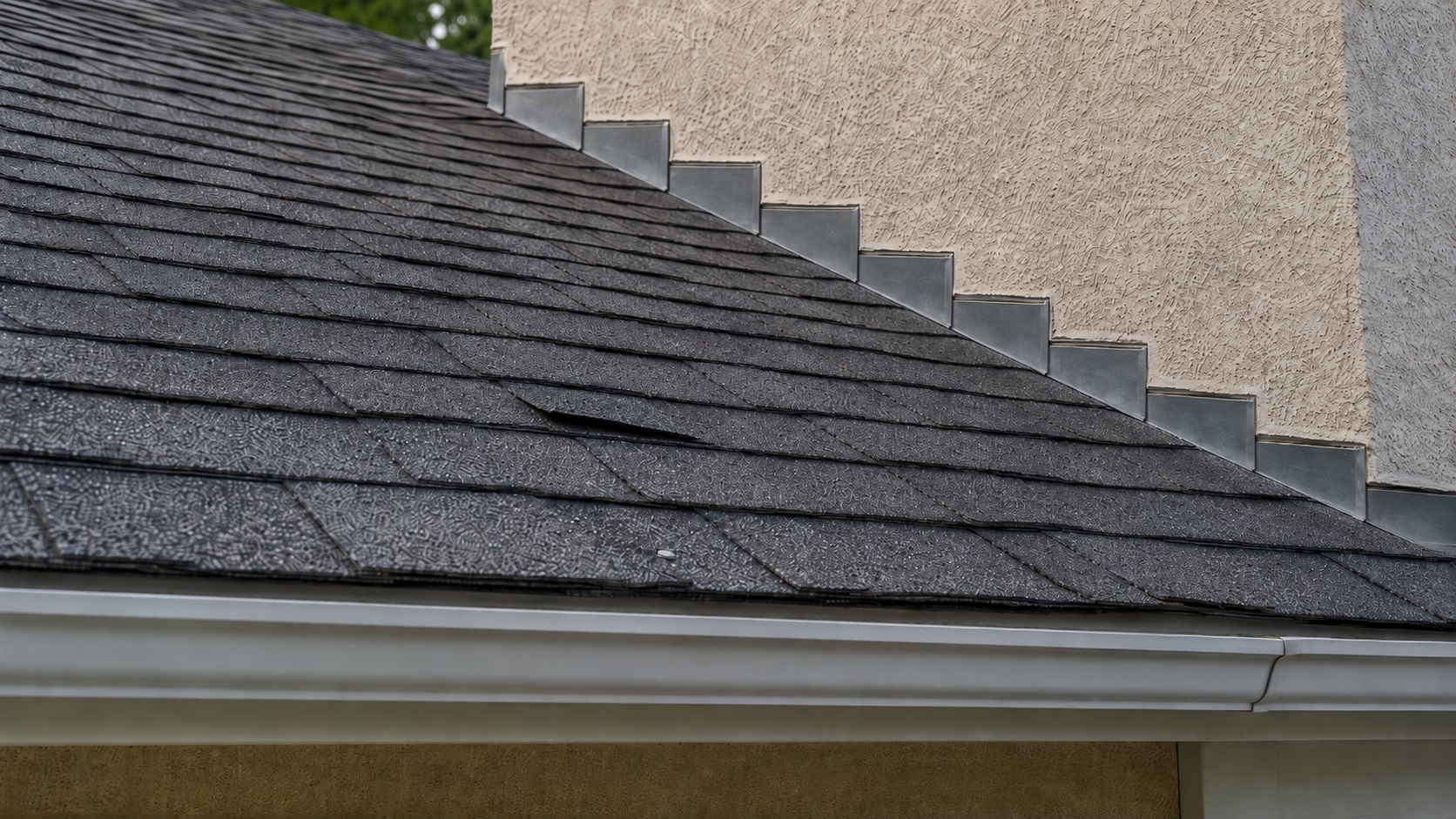
Roof transitions are common leak points because they interrupt the flat flow of water. Valleys collect water from two roof planes. Vents and pipes penetrate the roof surface. Chimneys, dormers, and walls require flashing to redirect water away from vertical surfaces. When these areas are installed poorly, leaks can appear even if the surrounding shingles look new.
Warning signs include stains below a chimney, damp insulation near a vent pipe, water marks near a roof valley, or ceiling stains that appear after wind-driven rain. On the exterior, you may see lifted flashing, excessive roof cement, exposed fasteners, uneven metal edges, or gaps where the roof meets a vertical surface.
Heavy sealant is not always a good sign. Sometimes roofing cement or caulk is used as a shortcut where layered flashing should have been installed correctly. Sealant can dry, crack, or separate over time. It may slow water temporarily, but it does not replace proper water-shedding details.
If leak symptoms appear near several roof transitions, the issue may point to installation quality rather than one random failure. Transition leaks can send moisture into attic framing, insulation, ceiling drywall, and wall cavities before the homeowner sees obvious dripping.
How to Tell Bad Installation Apart From Aging or Storm Damage
Bad installation, aging, and storm damage can look similar at first. All three can cause leaks, missing shingles, stains, and roof surface irregularities. The difference is usually found in timing, pattern, location, and the condition of the surrounding materials.
Normal roof aging tends to be gradual. Older shingles may lose granules, become brittle, curl, crack, or fade over many years. The wear is often widespread and related to sun exposure, ventilation, roof slope, tree cover, or material age. If a roof is near the end of its expected service life, visible deterioration may not point to installation error.
Storm damage is usually connected to a specific event. High wind may lift shingles on exposed slopes. Hail may leave impact marks, bruising, or granule displacement. Fallen limbs may damage one area. If the roof looked normal before a storm and changed afterward, weather damage may be the main cause.
Installation problems are different. They often show up early, repeat across similar details, or follow the installer’s layout. A roof that leaks during the first heavy rain, has several exposed nails, shows uneven shingle courses, or loses shingles soon after installation may have workmanship defects. The more the symptoms follow a pattern, the more suspicious the installation becomes.
Use these comparisons as a general guide:
- Likely aging: slow, widespread wear on an older roof with brittle or faded materials.
- Likely storm damage: sudden damage after a known wind, hail, or impact event.
- Possible bad installation: early leaks, repeated visual defects, exposed fasteners, poor edge details, or failures that follow installation lines.
Some roofs have more than one problem. A poorly installed roof may also suffer storm damage more easily. An older roof may have been patched badly. A new roof may have been installed over weak decking. If symptoms suggest deeper movement, sagging, soft decking, or structural weakness, the issue should be evaluated beyond the surface roofing materials.
Bad installation becomes more serious when it leads to repeated leaks, damp roof decking, wet insulation, mold risk, or visible ceiling damage. At that point, the question is not just whether the roof looks wrong. The question is whether the roof is allowing moisture into the home and whether the damage is spreading beyond the roofing surface.
What to Document Before Calling a Roofer
If you suspect your roof was installed incorrectly, document the symptoms before anyone starts making repairs. Good documentation helps separate visible concerns from hidden damage, gives the roofer or inspector a clearer starting point, and protects you if warranty, workmanship, or insurance questions come up later.
Start with the installation date, contractor name, warranty paperwork, invoice, product information, and any photos taken before or during the job. Then document what you are seeing now. Take photos from safe ground-level locations, including wide shots that show the roof plane and closer zoomed photos that show the problem area. Do not climb onto a steep, wet, icy, or damaged roof just to get better pictures, and do not enter an attic area with active dripping near electrical fixtures or unsafe footing.
Useful documentation includes:
- Photos of uneven shingle lines, lifted shingles, exposed nails, or poor roof edges
- Interior photos of ceiling stains, wall stains, bubbling paint, or damp trim
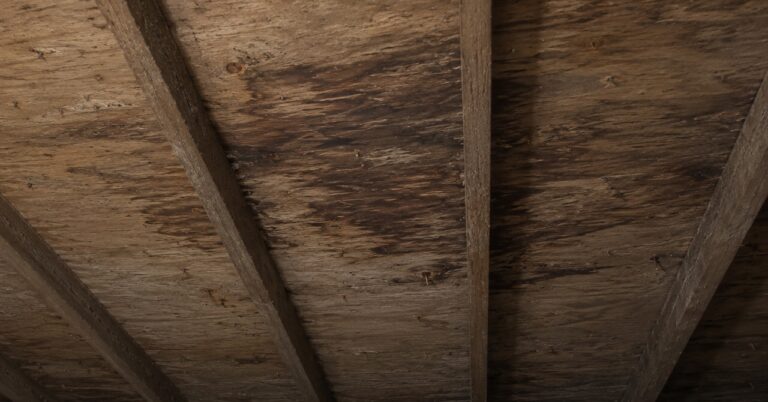
- Attic photos of damp insulation, stained decking, or water trails if the attic is safe to access
- Dates when leaks or stains appeared
- Weather conditions before the problem showed up
- Whether the same area leaked before the roof was replaced
- Notes about whether the problem appeared after normal rain, heavy rain, wind, or snow melt
- Copies of written communication with the installer
Do not rely only on close-up photos. A close-up can show a defect, but a wide photo shows where that defect sits in the roof system. For example, a ceiling stain below a chimney is more useful when paired with an exterior photo of the chimney flashing area and an attic photo of the decking below it.
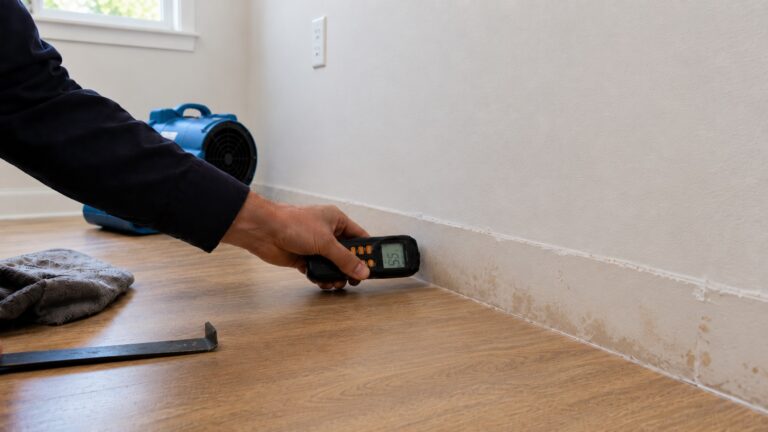
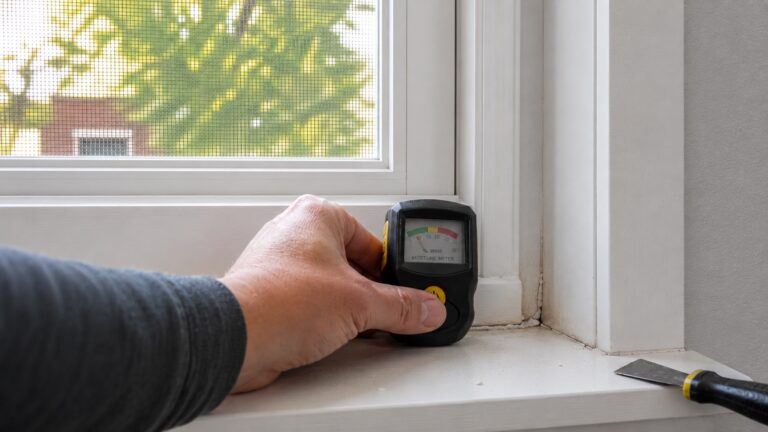
If you are seeing interior signs, track them carefully. A stain that grows after every rain is more concerning than an old stain that stays dry. A damp attic area below a roof valley points to a different problem than a stain below a bathroom vent. The more specific your notes are, the easier it becomes to separate a roof installation problem from condensation, plumbing, or unrelated interior moisture.
Documentation also helps if you need a second opinion. A qualified roofing contractor or inspector can often read patterns from photos, but they may need to see the roof in person to confirm the cause. If the roof is actively leaking, prioritize stopping water entry and protecting interior materials. Then document the damage before permanent repairs are made.
When Incorrect Roof Installation Needs Professional Inspection
Some roof concerns can wait for a scheduled inspection. Others need attention quickly because water may already be entering the home. You should arrange a professional roof inspection if the roof is new or recently replaced and you are seeing leaks, lifted shingles, exposed fasteners, uneven roof planes, or repeated moisture signs.
Professional inspection is especially important when the symptoms are not isolated. One missing shingle may be a simple repair, but several lifted shingles on the same slope may suggest fastening or sealing problems. One small stain may come from an old leak, but a stain that grows after each storm may mean water is still entering. Repeated problems across different roof areas usually deserve a broader workmanship review.
Call for inspection promptly if you notice:
- Water dripping during or after rain
- New ceiling stains after roof replacement
- Wet attic insulation or stained roof decking
- Multiple lifted, loose, or missing shingles on a newer roof
- Exposed nails in water-shedding areas
- Water running behind gutters or staining fascia boards
- Leaks near chimneys, vents, skylights, dormers, valleys, or roof-wall intersections
- Roof planes that look uneven, sagging, or structurally distorted
If the concern is workmanship-related, you may choose to contact the original installer first, especially if the roof is still under a labor or workmanship warranty. Give them clear photos, dates, and a calm explanation of the issue. If the problem involves active leaking, widespread defects, repeated failed repairs, or disagreement about the cause, an independent second opinion may be worthwhile.
When moisture has already entered the home, the inspection should not stop at the roof surface. The attic, decking, insulation, ceilings, and nearby wall areas may also need to be checked. A roof problem that looks small from outside can still create hidden dampness inside the structure. If the roof has leaked more than once, compare the symptoms with guidance on whether a roof shows signs a roof needs replacement or whether targeted correction may be enough.
If you need a contractor for leak correction rather than a warranty callback, choose carefully. Poor installation is often a workmanship issue, so the person evaluating it should understand roof systems, flashing, drainage paths, ventilation, and moisture damage. Before hiring someone for correction work, review how to choose a roofing contractor for leak repairs so the next repair does not repeat the same problems.
FAQ About Incorrect Roof Installation Signs
Is it normal for a new roof to look uneven?
Minor texture differences, color variation, and lighting effects can be normal. Repeated crooked shingle lines, wavy roof planes, uneven edges, lifted shingles, or exposed nails are more concerning. A new roof should generally look consistent and should not leak during normal rain.
Can a roof leak because it was installed incorrectly?
Yes. Incorrect installation can cause leaks around shingles, valleys, vents, chimneys, skylights, roof edges, and wall transitions. Leaks are especially suspicious when they appear soon after a new roof is installed or return repeatedly after patch attempts.
Are exposed nails always a sign of bad roof installation?
Not always. Some roof accessories may have exposed fasteners depending on the product. Exposed nails become a concern when they appear in water-shedding areas where shingles or flashing should cover them, especially if there are many of them or they are near leaks.
How soon do bad roof installation problems show up?
Some problems show up immediately, such as crooked shingle lines, poor edges, or visible fasteners. Others appear after the first heavy rain, strong wind, or seasonal temperature change. Hidden moisture problems may take longer to become visible indoors.
Should I call the original roofer or get a second opinion?
If the roof is under workmanship warranty, start by documenting the problem and contacting the original roofer. If there is active leaking, repeated failure, widespread visible defects, or disagreement about the cause, an independent inspection can help clarify whether the issue is installation-related.
What These Installation Warning Signs Mean
The clearest signs a roof was installed incorrectly are not always dramatic. Crooked shingle lines, exposed nails, uneven roof edges, early lifting, leaks after installation, and repeated moisture problems can all point to workmanship issues. The more these signs appear in patterns, the more seriously they should be taken.
A roof does not have to be perfect in every cosmetic detail, but it does need to shed water reliably. If a newer roof is leaking, lifting, staining fascia, or allowing attic moisture, the issue should be documented and inspected before the damage spreads. Catching installation problems early can help protect the roof deck, attic insulation, ceilings, walls, and the rest of the home from preventable moisture damage.