
Signs Your Sump Pump Needs Replacement
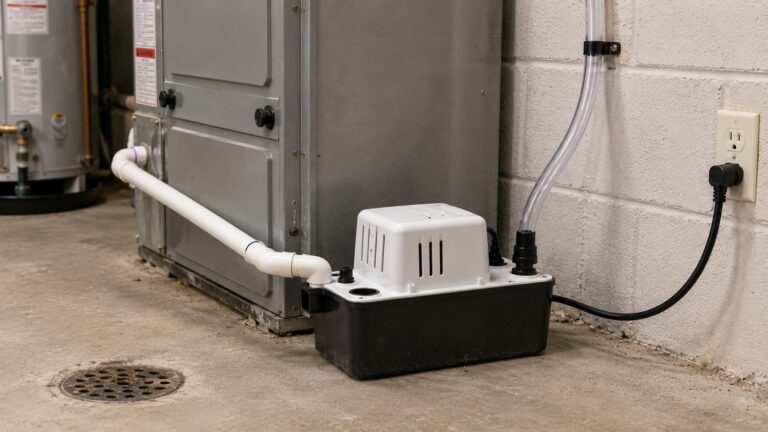
Your sump pump may need replacement if it is more than 7–10 years old, fails a water test, runs constantly, makes grinding or rattling noises, short cycles, overheats, shows corrosion, or no longer keeps up during heavy rain. A pump can still turn on and still be unreliable when the basement needs it most.
Many sump pump failures happen during storms, when groundwater is high and the pump is under its heaviest load. Replacing a declining pump before it fails is usually safer than waiting for a complete breakdown and dealing with basement flooding afterward.
This guide explains the main signs your sump pump needs replacement, when repair may still be reasonable, and when maintenance is no longer enough.
Because a failing sump pump can lead to basement flooding, trapped moisture, and structural damage, this topic also connects closely with broader structural moisture problems in homes.
How Long Sump Pumps Typically Last
Sump pumps have a limited lifespan, even when they are well maintained. In most residential homes, a sump pump lasts between 7 and 10 years. However, this range can vary depending on how often the pump is used and the conditions it operates under.
Factors that affect sump pump lifespan include:
- Frequency of operation during storms
- Amount of sediment and debris in the water
- Quality of installation
- Regular maintenance and inspection
- Overall system design and drainage conditions
In homes with high water tables or frequent rainfall, sump pumps tend to wear out more quickly because they operate more often and under heavier loads. Even with proper maintenance—such as the steps outlined in How to Maintain Basement Sump Pumps—mechanical components eventually degrade.
A sump pump near the end of its lifespan may still work during light testing but fail during heavy rain or extended operation.
Safety note: Before touching the pump, float switch, power cord, or water inside the pit, make sure the area is safe and avoid handling electrical components while standing in water. If there is standing water near outlets, damaged wiring, sewage, or contaminated floodwater, stop and call a qualified professional.
Signs Your Sump Pump May Need Replacement
Most sump pumps show declining performance before they fail completely. The signs below matter most when they appear in an older pump or occur repeatedly after maintenance.
Reduced Pumping Performance
One of the earliest signs of a failing sump pump is reduced performance. The pump may still activate, but it takes longer to remove water or struggles to keep up with incoming flow.
Signs of reduced performance include:
- Water remaining in the sump pit longer than usual
- Pump running for extended periods
- Slower drainage during testing
This often indicates internal wear or partial blockage, both of which can worsen over time.
Inconsistent Activation
A properly functioning sump pump should activate automatically when water levels rise. If the pump activates inconsistently or fails to turn on during testing, it is a strong indication that replacement may be needed.
Common signs include:
- Delayed response when water is added to the pit
- Failure to activate during testing
- Intermittent operation
Issues like these may initially appear minor, but they can lead to complete failure under real conditions. Many of these warning signs are also discussed in Signs Your Basement Sump Pump Is Not Working, which focuses on identifying system problems early.
Unusual Noises During Operation
Unusual sounds are often a sign of internal mechanical problems. While some noise is normal, loud or irregular sounds can indicate that components are worn or damaged.
Listen for:
- Grinding or rattling noises
- Loud humming or buzzing
- Vibrations during operation
These sounds may indicate issues with the motor, impeller, or other internal parts. In many cases, these problems worsen over time and lead to failure.
Continuous or Excessive Running
If your sump pump runs continuously or cycles on and off frequently, it may be struggling to keep up with water inflow or experiencing internal issues.
Possible causes include:
- Pump capacity limitations
- Float switch problems
- Internal wear reducing efficiency
Continuous operation places additional strain on the system and can shorten the pump’s remaining life. For a fuller explanation of the mechanical and system causes behind this behavior, see Why Basement Sump Pumps Fail.
Replacement Signs That Should Not Be Ignored
Some warning signs point more strongly toward replacement than routine maintenance. These symptoms suggest the pump may no longer be dependable during heavy rain or prolonged operation.
Failure During Testing
If your sump pump does not activate during a standard water test, it has already crossed a critical threshold. A pump that fails to turn on—or cannot remove water effectively during testing—should be considered unreliable.
- No response when water is added to the pit
- Pump turns on but does not remove water efficiently
- System shuts off before water is fully discharged
Testing failures are one of the clearest indicators that replacement is necessary. Continuing to rely on a pump that cannot pass a basic functionality test significantly increases the risk of flooding.
Loud Grinding or Mechanical Noise
While minor operational noise is normal, loud grinding, clanking, or rattling sounds often signal internal damage. These noises typically come from worn or damaged components inside the pump.
- Grinding may indicate impeller damage
- Rattling can suggest loose internal parts
- Loud vibration often points to imbalance or wear
Once these sounds develop, the internal condition of the pump is usually beyond simple repair. Continued operation can lead to sudden failure.
Visible Rust, Corrosion, or Physical Damage
External signs of wear often reflect internal deterioration. Over time, constant exposure to moisture can cause corrosion and weaken the pump’s structure.
Common visible warning signs include:
- Rust forming on metal components
- Cracks or damage to the housing
- Corrosion around electrical connections
- Loose or unstable mounting
These issues reduce the reliability of the pump and increase the likelihood of failure during operation.
Frequent Cycling or Short Cycling
Short cycling occurs when the sump pump turns on and off rapidly in short intervals. This behavior places stress on the motor and can accelerate wear.
- Pump activates repeatedly in quick succession
- Cycles even when water levels are low
- Turns on and off without completing full drainage
Frequent cycling often indicates problems with the float switch or internal components. Over time, this can lead to premature failure.
Overheating or Sudden Shutdown
Sump pumps that overheat or shut down unexpectedly are showing clear signs of internal stress. Overheating can occur when the pump runs continuously or when internal components are worn.
- Pump stops working after extended operation
- Motor becomes excessively hot
- System requires time to reset before running again
These symptoms indicate that the pump may not be able to handle high-demand conditions, making replacement the safest option.
When Maintenance Is No Longer Enough
Routine maintenance can clear debris, free a stuck float switch, or confirm that the pump still runs, but it cannot restore a worn motor, damaged impeller, or aging pump that no longer performs reliably.
Repeated Issues Despite Maintenance
If problems continue after cleaning, testing, and inspection, the pump may have underlying mechanical wear that cannot be corrected through maintenance alone.
- Recurring performance issues
- Frequent need for adjustments
- Ongoing inconsistencies in operation
These patterns indicate that the system is no longer reliable and should be evaluated for replacement.
Age Combined With Performance Decline
A sump pump that is more than 7 years old and showing signs of reduced performance is at a high risk of failure. Even if it still operates under light conditions, it may not handle heavy water inflow during storms.
At that point, replacing the pump before the next major storm is usually safer than waiting for it to fail.
A simple rule of thumb is this: a newer pump with one minor issue may deserve inspection or repair, but an older pump with weak performance, repeated cycling, or failed testing should be treated as a replacement candidate.
Increasing Risk During Heavy Rain
A pump that cannot keep up during heavy rain should be treated as a serious replacement candidate, especially if it is older or has already shown weak performance during testing.
In situations where failure leads to flooding, the consequences can extend beyond water damage. Moisture that remains after flooding can create conditions for mold growth, similar to those described in Signs of Mold Growth Caused by Sump Pump Failures.
Risks of Waiting Too Long to Replace a Sump Pump
Delaying sump pump replacement is risky because aging pumps often continue to work under light conditions but fail during heavy rain. When groundwater is high and the pump is under maximum load, a weak system may stop working with little warning.
Rapid Flooding During Storm Conditions
When a sump pump stops working during a storm, water can continue entering the pit until it overflows onto the basement floor.
- Water spreads across the basement floor
- Low areas fill first, followed by surrounding surfaces
- Moisture begins soaking into walls and flooring
This process can occur in a matter of hours, especially during intense rainfall. Without immediate intervention, flooding can escalate into widespread damage.
Hidden Moisture and Mold Risk After Failure
Even after standing water is removed, moisture can remain inside drywall, wood, flooring, and stored materials. If a failed sump pump has already caused flooding, check for lingering odors, damp materials, and hidden moisture conditions like those described in Signs of Mold Growth Caused by Sump Pump Failures.
Increased Repair and Replacement Costs
The financial impact of sump pump failure often extends beyond the cost of replacing the pump itself. Flooding can damage multiple areas of the basement, requiring repairs such as:
- Replacing flooring materials
- Repairing drywall and insulation
- Cleaning or replacing stored items
- Addressing mold contamination
In many cases, the cost of repairing flood damage is significantly higher than the cost of replacing a failing sump pump before it breaks.
Recurring Moisture Problems
Once a sump pump failure causes flooding, moisture can remain in materials even after visible water is removed. That can lead to:
- Repeated mold growth
- Lingering odors
- Long-term structural damage
Addressing these issues often requires additional work beyond replacing the sump pump, including drying, remediation, and improvements to the overall drainage system. Solutions discussed in How to Fix Persistent Basement Flooding Problems may be necessary in more severe cases.
Repair vs Replacement: How to Make the Right Decision
When a sump pump begins showing signs of wear, homeowners often face a choice between repairing the existing system and replacing it entirely. While repairs can resolve certain issues, they are not always the best long-term solution.
When Repair May Be Appropriate
In some cases, a sump pump can be repaired rather than replaced. This is typically true when:
- The pump is relatively new (less than 5 years old)
- The issue is minor, such as a stuck float switch
- The problem is caused by debris or blockage
- The system has otherwise been operating reliably
In these situations, performing maintenance or replacing a small component may restore normal operation.
When Replacement Is the Better Option
Replacement is usually the better choice when the sump pump shows signs of aging or declining reliability.
Consider replacing the pump if:
- The system is more than 7–10 years old
- Multiple warning signs are present
- Performance has noticeably declined
- The pump fails or struggles during testing
- Reliability during storms is uncertain
In these cases, replacing the pump reduces the risk of sudden failure and provides a more dependable solution. If two or more of these signs are present at the same time, replacement is usually safer than continuing to troubleshoot the same aging pump.
When Reliability Is Uncertain
The most important factor in this decision is reliability. A sump pump must perform consistently under demanding conditions. If there is any doubt about whether the system will function during heavy rain, replacement is the safer option.
Because sump pump failures can lead to rapid flooding, waiting until the system stops working completely can result in avoidable damage. Proactive replacement helps ensure that your basement remains protected even during extreme conditions.
For additional protection, many homeowners combine pump replacement with backup systems, as explained in Why Sump Pump Backup Systems Are Important. This adds redundancy and reduces the risk of failure in the future.
Frequently Asked Questions
How long does a sump pump usually last?
Most sump pumps last between 7 and 10 years, depending on usage, maintenance, and water conditions. Pumps that run frequently during heavy rain or in high water table areas may wear out sooner.
Can a sump pump be repaired instead of replaced?
Yes, minor issues like a stuck float switch or small debris blockage can often be repaired. However, if the pump is old or showing multiple failure signs, replacement is usually the more reliable option.
Should I replace my sump pump before it fails?
Yes. Replacing a sump pump before it fails reduces the risk of flooding, especially since failures often happen during storms when the system is under the most stress.
What happens if I wait too long to replace it?
Delaying replacement increases the risk of sudden failure, which can lead to basement flooding, water damage, and potential mold growth if moisture is not removed quickly.
Is it worth replacing a sump pump that still runs?
Yes, if the pump is old, weak, noisy, corroded, overheating, or unreliable during testing. A sump pump can still run under light conditions but fail when heavy rain creates the highest demand.
Final Replacement Decision
A sump pump should be replaced when age, weak performance, failed testing, unusual noise, corrosion, overheating, or uncertain storm reliability make it hard to trust. The safest time to replace a failing pump is before the next heavy-rain event, not after the basement has already flooded.
Key Takeaways
- Sump pumps typically last 7–10 years depending on usage and conditions
- Early warning signs include reduced performance, noise, and inconsistent activation
- Waiting for complete failure can lead to basement flooding and water damage
- Repair is only suitable for minor or early-stage issues
- Replacement is recommended when reliability becomes uncertain
- A replacement pump combined with a backup system offers stronger protection during storms and outages
One Comment
Comments are closed.