Why Cheap Roofing Materials Fail Early
Cheap roofing materials do not always fail because they are defective. Some affordable materials perform well when they match the roof design, climate, installation requirements, and expected service life. The problem is that low-cost roofing packages often have less margin for heat, wind, rain, UV exposure, installation errors, and long-term moisture stress.
A roof is not made from shingles alone. It is a system of shingles, underlayment, flashing, fasteners, pipe boots, vents, sealants, drip edges, ridge components, and roof decking. If one part of that system is weak, moisture usually finds that weak point first. That is why a roof built with the cheapest available components may start showing problems before the homeowner expected.
Early failure may look like granules collecting in gutters, shingle tabs lifting in wind, brittle or cracked shingles, rusted flashing, split pipe boots, exposed fasteners, repeated small leaks, or damp roof decking. These problems may seem separate, but they often point to the same issue: the roof system did not have enough durability margin for the conditions it faced.
The main lesson is simple: compare the full roof system, not only the shingle price. This article explains which low-cost components fail first, why those failures lead to leaks, and how to judge roofing quotes without turning the decision into only a brand-ranking exercise. For a broader look at roof system weaknesses, see common roofing material failures.
What “Cheap Roofing Materials” Usually Means
Cheap roofing materials are not defined by price alone. A lower-cost roof can still be reasonable if the materials are suitable, properly installed, and backed by a complete scope of work. The real concern is a roof package that lowers the price by reducing material quality, skipping accessories, reusing worn components, or relying on the minimum possible system.
From the ground, two roofs may look nearly identical. Both may have new shingles. Both may have a clean ridge line. Both may appear finished after installation. But the hidden details can be very different. One roof may include better underlayment, new flashing, quality pipe boots, corrosion-resistant fasteners, proper intake and exhaust ventilation, and careful deck inspection. Another may use basic materials, reuse old flashing, install cheap accessories, and skip details that do not show from the driveway.
This is where many homeowners get caught. They compare roofing quotes by the visible shingle price, but early failure often begins with the parts they did not ask about. Underlayment may tear or wrinkle. Flashing may rust or separate. Pipe boots may crack around vent pipes. Sealants may shrink. Fasteners may corrode or back out. Vents may restrict airflow or let wind-driven rain enter. Any one of these weak points can create a moisture path.
The difference between affordable and low-quality matters. Affordable roofing uses materials that are appropriate for the roof’s slope, climate, exposure, and installation requirements. Low-quality roofing cuts the system too close to the edge. It may work for a while under mild conditions, but it has less tolerance when the roof faces high heat, heavy rain, strong wind, hail, freeze-thaw movement, or small installation imperfections.
Cheap materials become more risky when paired with rushed installation. A budget shingle may still perform acceptably over sound decking with proper flashing and ventilation, but a low-bid job often leaves less time and fewer materials to correct hidden problems.
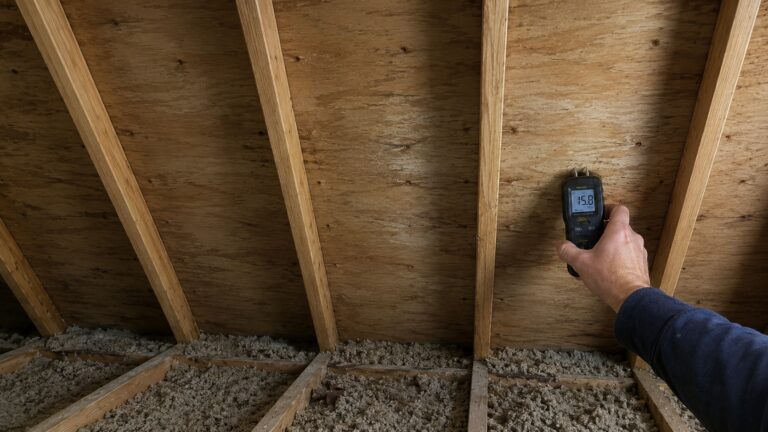
Moisture is the main long-term concern. When a weak component fails, water can reach roof decking, insulation, attic framing, ceiling drywall, or wall cavities. Once that happens, the roof problem can become part of a larger structural moisture issue, not just a shingle problem.
A good roofing quote should not only say “new roof.” It should explain the materials being used throughout the assembly. That includes the shingle type, underlayment, flashing approach, pipe boots, vents, fasteners, drip edge, ridge system, and what happens if damaged decking is found. Without those details, the lowest quote may be low because important parts of the roof system were left vague.
| Roof detail | Why cheap versions fail early | What to ask before choosing |
|---|---|---|
| Underlayment | Tears, wrinkles, poor laps, or weak backup protection | What underlayment is used at valleys, eaves, edges, and penetrations? |
| Flashing | Thin, reused, bent, rusted, or over-caulked details leak early | Will flashing be replaced, rebuilt, or reused? |
| Pipe boots | Rubber collars harden, shrink, split, or pull away | What type of pipe boots are included? |
| Fasteners | Poor fasteners corrode, back out, or reduce wind resistance | What fasteners are used, and how is nail placement controlled? |
| Ventilation parts | Cheap vents can restrict airflow or allow wind-driven rain | How will intake and exhaust ventilation be checked? |
Why Budget Shingles Wear Out Faster
Shingles are the most visible roofing material, so they usually get the most attention. But not all shingles have the same durability margin. Lower-cost shingles may be thinner, less impact-resistant, less wind-resistant, or less tolerant of heat and UV exposure. They may still shed water when new, but they can lose performance faster as the roof ages.
Faster Granule Loss
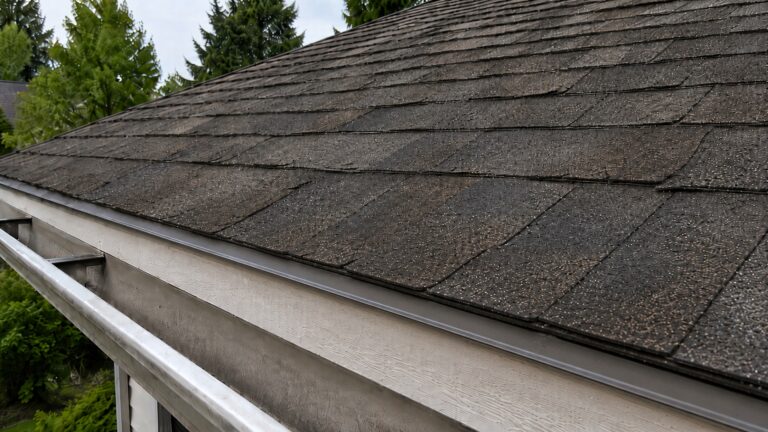
Granules protect asphalt shingles from sunlight, weather, and surface wear. Some granule loss is normal, especially shortly after installation or as shingles age. The concern is excessive early granule loss. If gutters fill with granules soon after installation, or if shingles begin showing bare, dark, or shiny asphalt areas early in their life, the shingle surface may be losing protection too quickly.
Once granules are gone, the asphalt layer is exposed to more direct UV and weather stress. That can speed up drying, cracking, brittleness, and surface breakdown. A cheaper shingle with weaker asphalt-to-granule bonding has less protection when the roof faces strong sun, heavy rain, hail, or repeated thermal movement.
Weaker Seal Strips and Wind Resistance
Asphalt shingles rely on seal strips to help bond tabs together after installation. When those strips bond properly, shingles are more resistant to wind uplift. If the seal strip is weak, contaminated, poorly aligned, or never bonds well, shingle tabs can lift during storms. Lifted tabs allow wind-driven rain to move beneath the roof covering and can eventually lead to leaks.
Budget shingles may have less wind-resistance margin, especially when combined with poor fastening or difficult weather exposure. This matters most at eaves, rakes, ridges, corners, and exposed roof planes where wind pressure is stronger. A shingle does not have to blow completely off to create a problem. Even repeated lifting can weaken the seal and allow water to reach areas that should stay protected.
Brittleness, Cracking, and Early Curling
Cheap shingles often show aging symptoms sooner when exposed to high heat, intense sunlight, and repeated expansion and contraction. As shingles become brittle, they crack more easily and are harder to repair without damaging nearby materials. Curling edges can interrupt water flow and create small openings where wind-driven rain can enter.
Early curling is especially concerning because it changes how water moves across the roof. Instead of lying flat and shedding water downward, curled shingles can catch wind, collect debris, and expose edges. Cracks can allow moisture to reach underlayment or decking. When many shingles become brittle at once, the roof becomes less repairable because each small repair can damage the surrounding area.
How Cheap Underlayment Increases Leak Risk
Underlayment is the layer beneath the visible roof covering. It is not meant to replace shingles, but it provides secondary protection when wind-driven rain, ice backup, damaged shingles, or small exterior failures allow water past the top layer. When underlayment is weak, poorly installed, or damaged during construction, a minor roof problem can reach the roof deck faster.
Cheap underlayment can fail in several ways. It may tear during installation, wrinkle under shingles, degrade after exposure to sunlight, or fail around fasteners and transitions. If it is left exposed too long before shingles are installed, it may lose some of its protective value before the roof is even finished. If it is installed with poor overlaps, water can move beneath it instead of over it.
Underlayment quality matters most when the roof is stressed. A shingle may lift during wind. A valley may handle heavy runoff. A small flashing defect may allow water behind the visible roof surface. In those moments, the underlayment becomes the backup layer. If that backup layer is thin, torn, wrinkled, or poorly lapped, water can reach the roof deck and begin the kind of moisture damage that leads to staining, rot, or mold.
Homeowners often do not ask about underlayment because they never see it after the roof is finished. But it is one of the details that separates a low-price roof from a more durable roof system. A quote that only emphasizes the shingle brand but says little about underlayment may not tell the full story.
Underlayment is also important in valleys, eaves, low-slope transitions, roof edges, and around penetrations. These areas are more likely to see water backup, wind-driven rain, or repeated wetting. If the roof package uses the cheapest possible secondary protection in the highest-risk areas, the roof has less margin when the visible shingles are stressed.
Why Low-Quality Flashing Causes Early Moisture Problems
Flashing is one of the worst places to cut costs because it protects the roof’s most vulnerable transitions. Shingles can shed water across open roof planes, but flashing is what protects chimneys, sidewalls, dormers, valleys, skylights, vents, and roof-to-wall intersections. These are the places where water naturally slows down, changes direction, or tries to move behind the roof covering.
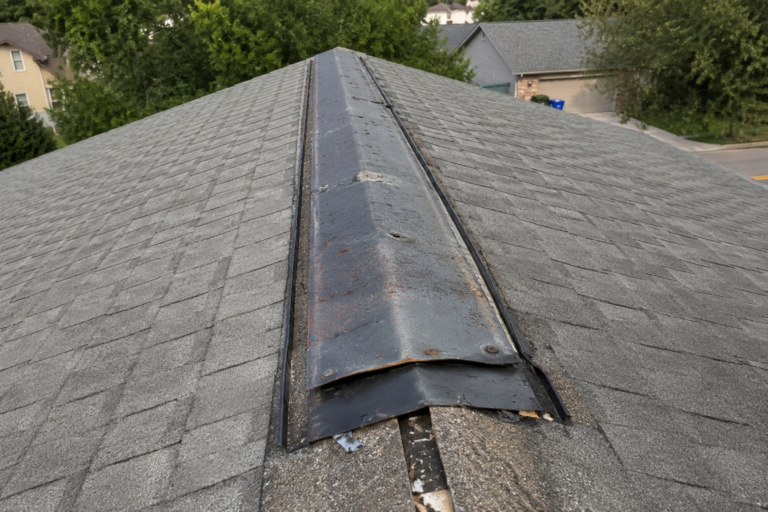
Low-quality flashing can fail before the shingles do. Thin metal may bend, loosen, corrode, or separate at edges. Poorly formed flashing may not sit tightly against the roof or wall surface. Reused flashing may already have nail holes, bends, rust, cracks, or old sealant buildup. If flashing is weak, water can enter even while the shingles around it still look new.
Cheap roof quotes sometimes reduce cost by reusing old flashing or avoiding full flashing reconstruction. That may save money during installation, but it can leave the roof vulnerable at exactly the places where leaks are most likely to begin. Once water gets behind flashing, it can wet roof decking, framing, insulation, or wall cavities before the homeowner sees a visible stain.
Another common problem is relying on caulk instead of proper flashing. Sealant can be part of a roof detail, but it should not be the main defense against water at a chimney, sidewall, skylight, or valley. If flashing is poorly installed and then covered with sealant, the roof may look patched but still fail once the sealant cracks, shrinks, or loses adhesion. For a deeper look at this failure pathway, see roof flashing failures.
Flashing failure is especially serious because it often creates hidden moisture. Water may follow framing, run behind siding, travel along underlayment, or appear inside the home far from the entry point. A homeowner may blame the shingles when the real weak point is a low-quality or reused flashing detail.
Small Roofing Components That Often Fail First
Small roofing components can cause large moisture problems. A roof system is only as reliable as its weakest opening, edge, or attachment point. Pipe boots, sealants, fasteners, and vents may not seem as important as shingles, but they often fail earlier because they are exposed to movement, sunlight, temperature changes, and water concentration.
Pipe Boots That Crack or Split Early
Pipe boots protect plumbing vent pipes where they pass through the roof. Many include rubber collars that seal around the pipe. Lower-quality rubber can harden, shrink, split, or pull away sooner under heat and UV exposure. Once that collar opens, rain can run down the pipe or enter around the flashing assembly.
This type of failure can be frustrating because the roof may look mostly fine. The shingles may still have years of life left, but one cheap boot can leak into insulation, roof decking, or ceiling drywall. Because pipe boots are small components, homeowners often do not realize how much risk they carry until a stain appears indoors.
Sealants That Shrink, Crack, or Lose Adhesion
Sealants are useful in specific roof details, but cheap sealants fail quickly when they are asked to do too much. A sealant exposed to sunlight, heat, rain, and roof movement may dry out, crack, shrink, or pull away from the surface. If the sealant was only backing up a proper roof detail, the problem may be minor. If the sealant was the main repair or main water barrier, failure can lead directly to leaks.
This is why cheap roof systems that rely heavily on surface sealant are risky. Sealant should not replace properly installed flashing, underlayment, shingles, pipe boots, or fasteners. When it is used as a shortcut, the roof becomes dependent on a material that may age faster than the components around it.
Fasteners That Corrode or Back Out
Fasteners hold shingles, flashing, vents, and other roofing components in place. Low-quality fasteners, incorrect fastener types, or poor placement can cause early roof problems. Fasteners may corrode, back out, puncture materials incorrectly, or fail to hold during wind movement. Once a fastener becomes exposed or loose, it can become a small water-entry point.
Fastener problems are especially risky because they are repeated across the roof. One bad fastener may create a small leak. Many poor fasteners can reduce wind resistance and make shingles or accessories more likely to lift. When fasteners fail, the roof can lose both water resistance and structural hold-down strength.
Low-Quality Ventilation Components
Ventilation components affect both roof life and attic moisture. Cheap vents may crack, clog, crush, restrict airflow, or allow wind-driven rain to enter. Ridge vents, box vents, intake vents, and roof caps all need to match the roof system and attic ventilation plan. If they are poorly made or poorly selected, the attic may not dry properly.
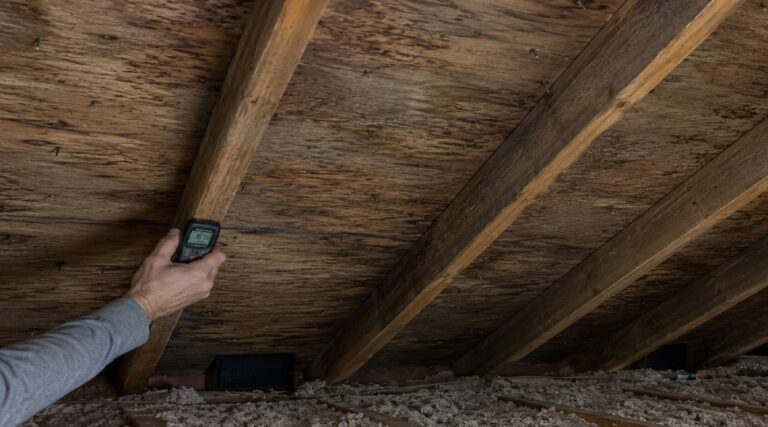
Ventilation weakness can turn a roof material problem into a moisture problem. Damp attic air can condense on roof sheathing, wet insulation, or contribute to mold growth. Cheap ventilation materials are especially risky when combined with poor installation because they can limit airflow while still giving the appearance of a vented roof. For more on the mold pathway, see roof installation problems that lead to mold.
Why Budget Roof Systems Have Less Weather Margin
Weather exposes weak roofing materials faster than mild conditions do. A budget roof may look fine during calm weather, but heat, UV exposure, wind, hail, freeze-thaw movement, and heavy rain test every part of the system. When materials have less durability margin, they reach failure sooner.
Heat and sunlight are especially hard on asphalt shingles, rubber boots, and exposed sealants. High roof temperatures can dry materials out, weaken adhesion, and speed up brittleness. Once shingles become brittle, they are more likely to crack during storms, repairs, foot traffic, or thermal movement.
Wind tests shingle bonding, fastening, edge details, and roof accessories. If shingles do not seal well, if fasteners are weak, or if roof edges were built with minimal materials, wind can lift tabs and allow rain underneath. This is where low-cost materials and low-cost installation often overlap. Even a decent shingle can fail early if the system around it was installed with poor fasteners, weak edge details, or inadequate attention to wind exposure.
Heavy rain exposes weak flashing, valleys, underlayment, and drainage details. Water does not need a large opening to cause damage. A small defect at a wall, pipe boot, valley, or roof edge can allow repeated wetting. Over time, that moisture can affect sheathing, insulation, and interior finishes. For a deeper explanation of climate stress, see how weather affects roof lifespan.
Freeze-thaw cycles can make small weaknesses worse. Water that enters a tiny gap can expand when it freezes, then leave a slightly larger opening when it thaws. Budget materials with less flexibility or weaker surface protection may show this damage sooner.
When Cheap Materials Become More Expensive Later
The cheapest roof is not always the least expensive roof over time. A low upfront price can become costly if the roof needs repeated repairs, develops early leaks, damages decking, stains ceilings, or creates mold-risk conditions. These later costs are often where the true price difference appears.
Repeated patching is one common cost. A cheap pipe boot leaks, then a vent leaks, then flashing separates, then a valley needs attention. Each repair may seem small by itself, but the total cost can quickly reduce or erase the savings from the original low-cost roof. At some point, homeowners have to ask whether repeated repairs are still worthwhile. That decision connects closely to when roof repairs are worth the cost.
Moisture damage can become even more expensive than the roof repair itself. If water reaches decking, framing, insulation, drywall, or wall cavities, the problem is no longer limited to exterior roofing. Cheap materials do not cause mold by themselves, but weak materials and poor installation details can create the moisture conditions that allow mold to develop. That pathway is explained more fully in roof installation problems that lead to mold.
Cheap materials can also make later repairs harder. Brittle shingles may break when lifted. Reused flashing may be difficult to separate cleanly. Old sealant patches may hide the real failure. Low-quality components may fail in multiple places at once. When the surrounding roof materials are weak, a simple repair can expand into a larger repair area.
Another hidden cost is lost confidence. A homeowner with a newer roof expects fewer problems, not repeated calls after every storm. When low-cost materials fail early, the homeowner may have to pay for inspections, temporary patches, interior repairs, and eventually larger roof work sooner than planned.
How Homeowners Can Avoid Early Roofing Material Failure
The best way to avoid early failure is to compare the full roof assembly, not just the shingle price. A roof quote should identify the shingles, underlayment, flashing, pipe boots, vents, fasteners, drip edge, ridge materials, and any deck repair allowances. If the quote only says “new roof” or focuses only on shingle color, it may not give enough information to judge quality.
If you inspect your roof yourself, stay on the ground or inspect from the attic when possible. Walking on a steep, wet, brittle, or storm-damaged roof can be dangerous and can also damage weak shingles further.
Ask what type of underlayment is included and where upgraded protection will be used. Valleys, eaves, roof edges, low-slope areas, and penetrations often need better moisture protection than simple open roof planes. If the quote does not explain these areas, ask before signing.
Ask whether flashing will be replaced, rebuilt, or reused. Reusing flashing may be acceptable in limited cases if it is still in excellent condition and compatible with the new roof, but old, bent, rusted, punctured, or heavily sealed flashing should not be treated as automatically reusable. Flashing is too important to ignore just because it is less visible than shingles.
Also ask how the contractor handles surprises. If rotten decking, bad flashing, blocked intake vents, or old pipe boots are discovered during tear-off, the quote should explain how those problems are approved and priced instead of quietly covered over.
Ask about pipe boots, roof caps, ridge vents, intake ventilation, and fasteners. These smaller components are common early failure points. A contractor who can explain why those parts were chosen is usually thinking about the roof as a complete system instead of only a shingle installation.
If you are comparing shingle quality, use brand and durability content as support rather than relying only on advertising claims. Pages about durable roofing shingle brands, asphalt shingle brand comparisons, and roofing brands that last the longest can help you understand what durability differences mean in real-world roof performance.
Finally, compare the contractor’s process, not just the materials list. Better materials can still fail early if they are installed poorly. Ask how the roof deck will be inspected, how damaged decking will be handled, how ventilation will be checked, and how high-risk details will be flashed. If you need help evaluating contractor recommendations, review how to choose a roofing contractor for leak repairs.
FAQs About Cheap Roofing Materials
Are cheap roofing materials always bad?
No. Affordable roofing materials are not automatically bad. The concern is low-quality materials that are poorly matched to the roof, climate, slope, or installation requirements. A lower-cost roof can perform well if the full system is appropriate and installed correctly.
Why do cheap shingles lose granules early?
Cheap shingles may lose granules early if the asphalt surface, granule bond, or overall shingle construction is lower quality. Some granule loss is normal, but heavy early granule loss can expose asphalt faster and speed up cracking, drying, and weather damage.
Is roof underlayment worth paying more for?
In many cases, yes. Underlayment is the backup layer beneath shingles. Better underlayment can provide more protection when wind-driven rain, lifted shingles, ice backup, or small exterior failures allow water past the visible roof covering. It is especially important at vulnerable roof areas.
Can cheap flashing cause roof leaks?
Yes. Cheap, thin, rusted, reused, or poorly formed flashing can allow water behind the roof system. Flashing protects transitions such as chimneys, sidewalls, skylights, valleys, and roof-to-wall intersections. If flashing fails, leaks can occur even when the shingles still look good.
Can cheap roofing materials cause mold?
Cheap materials do not directly create mold, but they can allow the moisture that supports mold growth. Weak flashing, cracked pipe boots, poor ventilation components, bad underlayment, and early leaks can wet sheathing, insulation, or framing. If those materials stay damp, mold risk increases.
Is the lowest roofing quote usually the riskiest?
Not always. A low quote may be reasonable if the scope is complete, but it may also leave out better underlayment, new flashing, quality vents, deck repair allowances, or important installation details. Compare the complete roof system, not just the final price.
What roofing materials should homeowners avoid cheaping out on?
Homeowners should be cautious about cutting costs on flashing, underlayment, pipe boots, fasteners, ventilation components, valleys, ridge materials, and roof edges. These components often control moisture risk. Weak materials in these areas can lead to leaks even if the shingles look acceptable.
The Real Risk Is a Cheap Roof System, Not Just a Cheap Shingle
Cheap roofing materials fail early when the roof system has too little margin for weather, movement, moisture, and installation mistakes. The issue is not price alone. The issue is whether the whole assembly is strong enough for the home’s climate, slope, exposure, and long-term moisture risk.
Shingles matter, but underlayment, flashing, pipe boots, fasteners, vents, sealants, ridge details, and roof edges often determine where early leaks begin. When the cheapest components are used throughout the system, the roof has more weak points and fewer backup layers when conditions get harsh.
A homeowner choosing between roofing quotes should ask what is included behind the visible shingles. A roof that costs less upfront can cost more later if it leads to early leaks, repeated repairs, wet decking, mold risk, or premature replacement.