
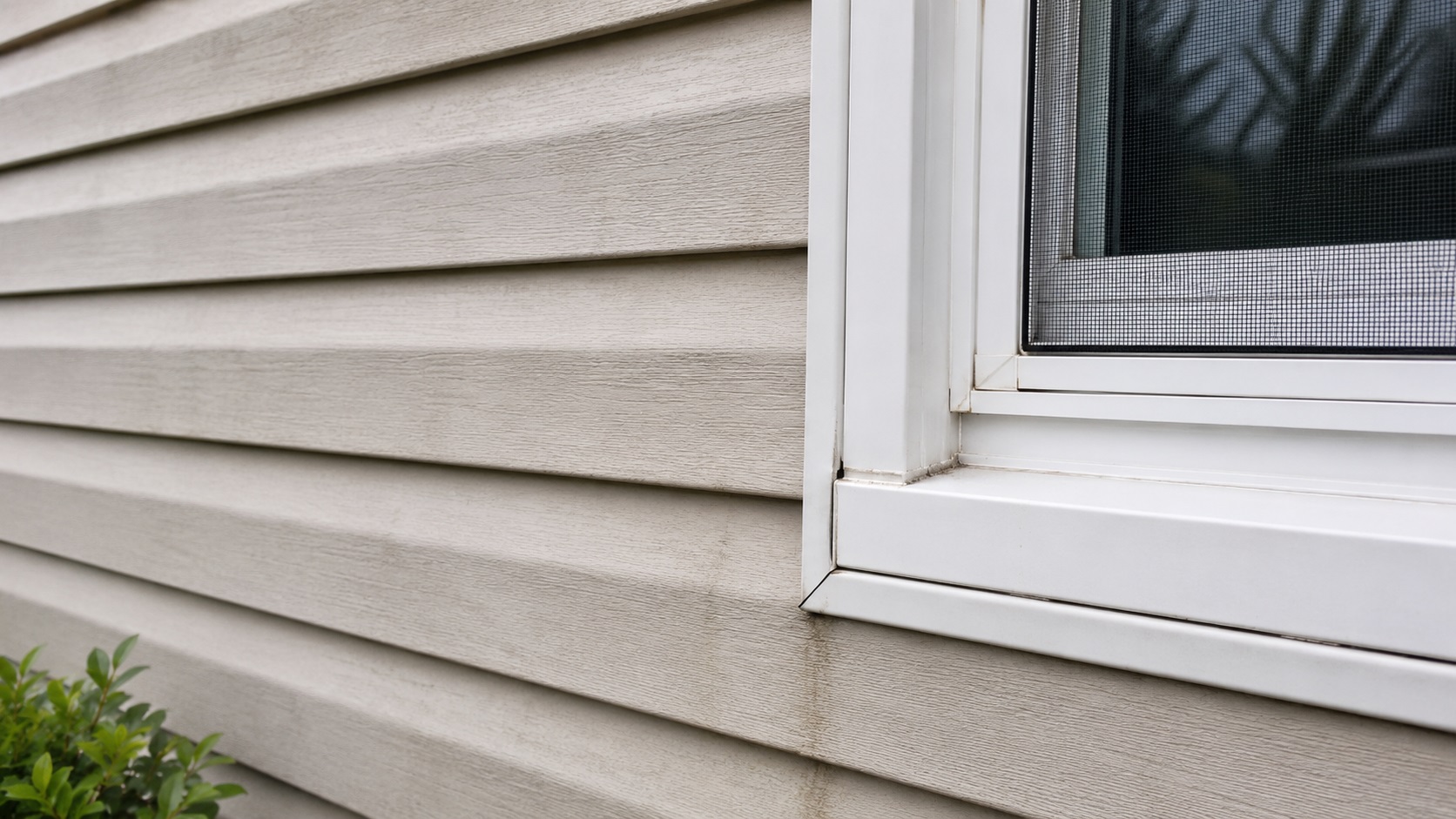
How Exterior Walls Allow Moisture Into Homes
Exterior walls protect a home from rain, wind, and changing outdoor conditions, but siding is not a perfect waterproof shell. It is part of a layered wall assembly that must shed rain, redirect runoff, drain trapped moisture, and dry between storms. When a single detail fails, water can move behind the siding before the homeowner notices any visible damage indoors.
That is why these problems are easy to misread. A damp wall, swollen baseboard, musty smell, or stain near an exterior wall may look like an indoor leak even when the water is coming from outside. Common entry points include cracked siding, loose panels, failed caulk, damaged trim, missing flashing, storm damage, and small gaps around exterior penetrations. Once water gets behind the cladding, it can reach sheathing, insulation, framing, or drywall.
This guide explains how exterior wall moisture starts, when siding damage is only cosmetic, and when it may point to deeper wall damage. For the larger repair context, see structural moisture problems in homes. For the full sitewide moisture guide, start with how to find, fix, and prevent moisture problems in homes.
Why Exterior Walls Let Moisture In
Exterior wall leaks usually begin when water gets past the outer surface faster than the wall can shed, drain, or dry it. A cracked siding panel, failed trim joint, missing flashing detail, or small storm impact mark can all create the same basic problem: water gets behind the siding and wets materials that were supposed to stay protected.
Most exterior wall moisture problems are not dramatic at first. The wall may get damp during wind-driven rain, dry partly, and then get wet again during the next storm. Over time, repeated wetting can stain sheathing, soften trim, swell wood siding, wet insulation, loosen paint, and create conditions that support mold if materials stay damp long enough.
The key is understanding that exterior walls manage water in layers. Siding sheds most of the rain. Flashing redirects water at vulnerable transitions. Sealants close some joints. The weather-resistive barrier behind the siding helps protect the sheathing. Drainage gaps and laps help water escape. When one of these layers fails, water may not show up immediately inside the home, but the wall assembly may still be getting wet.
How a Siding and Exterior Wall System Is Supposed to Manage Water
A good exterior wall system does more than cover the house with siding. It controls water through overlapping layers. The outside surface handles most direct rain. The details behind and around that surface handle the water that gets through seams, joints, corners, openings, and wind-driven pressure.
Siding Is the First Water-Shedding Layer
Siding is the visible outer layer of the wall. Its job is to shed the majority of rain away from the structure. Vinyl, fiber cement, wood, engineered wood, metal, and other siding materials all do this differently, but none of them should be treated as the only protection the wall has.
Even well-installed siding has seams, laps, corners, trim transitions, and openings. These areas are normal, but they must be detailed correctly. If water gets behind the siding, the wall system should still have a way to redirect or drain that moisture before it damages sheathing or framing.
If you are comparing materials before repairing or replacing exterior cladding, the guide to types of house siding is the better place to review the major siding options. This hub focuses on how those materials can allow moisture into the wall system when they age, move, crack, loosen, or fail.
Flashing Redirects Water at Vulnerable Areas
Flashing is used where water needs to be directed away from a vulnerable joint or transition. Exterior walls often need flashing around windows, doors, roof-wall intersections, horizontal trim, deck connections, penetrations, and other areas where water could otherwise run behind the siding.
When flashing is missing, damaged, buried behind poor repairs, or installed in the wrong order, water can travel behind the siding instead of draining outward. This is one reason exterior wall leaks are often misdiagnosed. The visible siding may look mostly intact, but water may be entering at a transition above or beside the damaged area.
Flashing problems also overlap with other exterior water-entry systems. If the leak path involves chimneys, roof-wall intersections, mortar gaps, or other structural openings, the broader guide on how water enters homes through structural gaps may be more relevant than a siding-only repair.
Sealants and Caulk Only Help in the Right Places
Exterior caulk and sealant can close small joints around trim, penetrations, and siding transitions. But they cannot replace proper siding, flashing, drainage, or damaged material. A bead of caulk over a moving joint, rotten trim edge, loose panel, or hidden flashing failure may slow water for a while without fixing the cause.
If the issue is limited to small exterior joints, the guides to the best exterior caulks for siding repairs and best exterior sealants for water protection may help. If the same wall keeps getting wet, the problem probably needs more than another bead of sealant.
Exterior Walls Need Drainage and Drying Potential
Water that gets behind siding needs a way back out. If moisture becomes trapped behind cladding, trim, or poorly sealed repairs, it can keep materials damp long after the storm ends. This matters most with wood siding, engineered wood, sheathing, and wall cavities that dry slowly once water gets in.
A one-time splash is different from a wall that gets wet after every storm. Repeated wetting can turn a small siding defect into hidden sheathing damage, wet insulation, mold-supporting conditions, or rot.
Common Ways Moisture Gets Behind Siding
Moisture can get behind siding in several ways. Some are easy to see from the outside. Others only become obvious after indoor symptoms appear. The most important clue is whether the problem repeats after rain, wind, storms, or certain weather patterns.
Cracked, Loose, or Damaged Siding
Cracked siding gives water a direct path behind the exterior cladding. Loose siding can lift during wind-driven rain and allow water to move behind panels or boards. Damaged siding may also expose fastener holes, joints, cut edges, or backing materials that were never meant to handle repeated wetting.
Damage does not have to be large to matter. A small crack in the wrong location can let water enter repeatedly. A loose panel may only open during wind. A broken corner piece may direct water behind the siding instead of down the face of the wall. When these defects line up with interior stains, damp drywall, swollen baseboards, or musty odors, the siding should be inspected as a possible source.
Failed Caulk and Open Trim Joints
Trim boards, corner boards, horizontal bands, utility penetrations, and siding transitions often rely on sealant in specific places. When that sealant cracks, shrinks, pulls away, or separates from the surface, water can enter the joint. Over time, the exposed edge may absorb water or allow moisture to reach the sheathing behind the siding.
Failed caulk is especially common where materials expand and contract differently. Wood, vinyl, fiber cement, metal, and trim products do not all move the same way. If a joint opens repeatedly, simply adding more caulk may not solve the cause. The underlying movement, rot, poor slope, or missing flashing may need attention.
Missing or Failed Flashing
Flashing failures can be more serious than visible siding cracks because they often direct water into hidden areas. A wall may look finished from the outside while water is slipping behind trim, siding laps, or wall transitions. This can happen around windows, doors, decks, roof-wall intersections, and horizontal trim details.
If moisture appears below a window or door, the issue may belong more to the window and door moisture system than to the siding itself. For those cases, use the guide on how windows and doors cause hidden moisture problems to separate siding leakage from frame, sill, trim, and opening failures.
Poorly Sealed Wall Penetrations
Exterior walls are interrupted by many penetrations: vents, hose bibs, light fixtures, electrical boxes, cable lines, pipes, exhaust terminations, and utility connections. Each penetration creates a possible water-entry point if it is not flashed, sealed, or detailed correctly.
Water often enters around the top or sides of these penetrations, then runs behind siding or along sheathing. The interior symptom may appear lower than the actual entry point. That is why exterior wall moisture diagnosis should look above and around the visible stain, not only directly behind it.
Wind-Driven Rain Behind Laps and Seams
Wind can push rain into places that stay dry during calm vertical rainfall. Siding laps, panel seams, corners, and trim transitions may shed normal rain but leak during storms with strong sideways wind. This pattern often confuses homeowners because the wall may only show symptoms after certain storms.
If the same wall gets damp only after wind-driven rain, the siding system, trim joints, flashing, and storm exposure should be inspected together. The problem may not be a single hole. It may be a weak area where wind pressure pushes water behind the siding system.
Storm Damage That Looks Minor From Outside
Hail and wind can damage siding without creating an obvious hole. Hail may crack, bruise, chip, or dent siding. Wind may lift panels, loosen fasteners, open seams, or pull siding away from trim. These problems can create hidden water paths that are easy to miss from the ground.
After severe weather, it is useful to know the signs of hail damage on siding and the signs of wind damage on siding. If the storm was recent, the guide on how to inspect siding after a storm can help separate cosmetic damage from moisture-risk damage.
How Different Siding Materials Affect Moisture Risk
Different siding materials do not fail the same way. Some crack. Some warp. Some rot. Some dent. Some trap moisture when installed or maintained poorly. This does not mean one material is always best for every home. It means moisture risk depends on material behavior, installation quality, climate, maintenance, and how the wall system handles drainage behind the siding.
Vinyl Siding
Vinyl siding does not rot, but it can crack, loosen, warp, separate at seams, or become displaced by wind. Because vinyl is installed as a system of panels, laps, channels, and trim pieces, water problems often occur where pieces are damaged, loose, poorly overlapped, or interrupted by openings.
Vinyl siding can also hide moisture problems behind it. The outside surface may look mostly normal while water is entering around a window, trim joint, penetration, or damaged panel. If you are comparing vinyl against other materials, the guide to vinyl vs fiber cement siding and the guide to wood vs vinyl siding are better places for a direct material comparison.
Fiber Cement Siding
Fiber cement siding is durable, but it still depends on correct installation, clearance, flashing, paint condition, and joint details. Cracks, failed joints, edge exposure, impact damage, or poor clearances can allow moisture problems to develop. The material itself may perform well, but the wall can still leak if water is directed behind it or trapped at vulnerable transitions.
For a focused comparison, use fiber cement vs engineered wood siding or vinyl vs fiber cement siding. This hub only needs the broader point: even durable siding materials can allow moisture entry when joints, edges, flashing, or installation details fail.
Wood Siding
Wood siding can be attractive and long-lasting when maintained well, but it is more vulnerable to repeated wetting than many non-wood claddings. Paint failure, open joints, end-grain exposure, poor clearance, rot, and soft trim can all allow moisture to move deeper into the exterior wall system.
Wood siding problems are especially important because the visible surface may show early warnings before deeper damage occurs. Peeling paint, soft spots, swelling, cupping, split boards, or recurring dark staining can indicate that the siding is absorbing or holding moisture. If the damage is material-specific, the guide on when to repair vs replace wood siding is more specific than this hub.
Engineered Wood Siding
Engineered wood siding can perform well when installed and maintained properly, but it still needs protection at edges, joints, clearances, penetrations, and damaged areas. Repeated wetting can become a problem if coatings fail, edges are exposed, or water is trapped behind trim or panels.
The key issue is not only the siding material itself. It is whether the wall assembly keeps water moving outward and allows materials to dry. For a direct comparison with another common siding option, use the guide to fiber cement vs engineered wood siding.
Metal Siding
Metal siding does not rot like wood, but it can dent, corrode in vulnerable areas, open at seams, loosen from fasteners, or allow water behind panels if trim and transitions fail. Storm impact can also create dents or displaced sections that affect how water sheds down the wall.
If you are deciding between materials, the guide to metal siding vs vinyl siding covers that comparison more directly. For this hub, the important point is that moisture risk can come from seams, fasteners, panel movement, corrosion points, and storm damage even when the siding material itself does not absorb water.
Choosing Siding for Wet or High-Rainfall Climates
Climate affects how much stress the exterior wall system has to handle. A home in a dry climate may go long periods without wind-driven rain, while a home in a wet or high-rainfall area may experience repeated saturation, splashback, humidity, and storm exposure. In those conditions, siding material, installation quality, flashing details, and drainage behind the siding matter much more.
The best siding choice is not only about appearance. It should match the home’s rain exposure, maintenance expectations, wall design, and local climate. A siding material that performs well in one region may require more maintenance in another. If the home is in a damp climate, use the guide to the best siding materials for wet climates. If the main concern is frequent heavy rain, use the guide to the best siding materials for high rainfall areas.
Siding Age and Moisture Vulnerability
Older siding is not automatically leaking, but aging siding becomes more vulnerable as fasteners loosen, sealants fail, paint wears, boards move, panels crack, and trim joints open. The wall may continue to look acceptable from a distance while the details that control water are weakening.
This is why siding age should be considered along with visible symptoms. A newer wall with one small damaged panel may need a localized repair. An older wall with repeated leaks, brittle panels, open seams, soft trim, and widespread staining may need a broader replacement decision. For material-specific lifespan expectations, use the guide on how long different siding materials last.
Warning Signs That Exterior Wall Moisture May Be Getting Inside
Exterior wall moisture does not always show up as an obvious leak. In many homes, the first signs are subtle: peeling paint, musty odor, swollen trim, staining near one wall, or siding that looks slightly displaced after a storm. These signs do not prove that siding is the source, but they do mean the exterior wall should be checked as part of the moisture investigation.
Exterior Warning Signs
Outside the home, watch for siding defects that create direct or repeated water paths. These include cracked panels, missing pieces, loose laps, open seams, warped sections, soft wood siding, peeling paint, failed caulk, gaps around trim, and stains below joints or penetrations.
Pay special attention to areas where water naturally concentrates. Corners, window and door trim, lower wall sections, deck connections, roof-wall transitions, horizontal trim, utility penetrations, and areas below gutters often experience more water stress than open wall sections. If exterior defects line up with interior symptoms, the siding or wall assembly may be part of the problem.
Interior Warning Signs
Inside the home, exterior wall moisture may appear as stains, bubbling paint, peeling paint, damp drywall, swollen baseboards, soft trim, musty odor, or recurring mold-like growth near an exterior-facing wall. These symptoms can be easy to confuse with plumbing leaks, condensation, or window leaks, so the pattern matters.
If the dampness appears after rain, worsens during wind-driven storms, or affects the same exterior-facing wall repeatedly, the source may be outside. If it appears near plumbing fixtures, below a bathroom, or around a supply line, the source may be plumbing instead. If it appears around a window or door, the opening may be the primary leak path rather than the siding field.
Signs the Problem May Be Hidden Behind Siding
Hidden siding damage is especially important because the exterior may look mostly intact while moisture is moving behind the cladding. Water can enter at a loose panel, small crack, open joint, displaced trim piece, or storm-damaged area, then travel behind the siding before it appears indoors.
Warning signs include repeated musty smells near one exterior wall, interior staining below a damaged siding area, soft exterior trim, damp wall readings after storms, and siding that looks slightly lifted, bowed, cracked, or separated. When the signs point to concealed water movement, the guide to hidden siding damage that leads to moisture problems is the more focused next step.
Signs Siding May Need Replacement
Some siding damage is localized. Other damage suggests the system may no longer be protecting the wall. Replacement becomes more likely when there are repeated leaks, widespread cracking, severe warping, soft or rotted wood, multiple failed repairs, storm displacement across large areas, or recurring moisture behind the same wall.
Faded siding alone does not prove moisture entry. The stronger warning signs are physical defects that let water behind the siding or show that the material is no longer stable. For a deeper replacement checklist, use the guide to signs siding needs replacement.
When Exterior Wall Moisture Is Really a Siding Problem
Exterior wall moisture is often blamed on siding, but siding is only one possible source. The same interior stain could come from a window leak, roof leak, plumbing leak, condensation, or water entering through a structural gap. The pattern matters more than the first guess.
Clues That Point Toward Siding
Siding becomes a stronger suspect when exterior damage lines up with interior moisture, especially after rain. A cracked panel outside the same wall as an interior stain matters. A loose section of siding near a damp wall matters. A failed caulk joint above a swollen baseboard matters. A storm-damaged wall that develops a musty smell after rain should not be dismissed as cosmetic.
Siding is also more likely when the problem appears on a broad wall surface rather than only around a fixture, pipe, window, or ceiling. Moisture that tracks down behind siding may show up lower than the actual entry point, so the inspection should include the area above the symptom, not just the exact interior spot.
Clues That Point Toward Windows or Doors Instead
If moisture appears around window trim, window sills, door casing, door thresholds, or the corners of an opening, the primary failure may be the window or door assembly. Water can enter through failed seals, poor flashing, damaged trim, or gaps around the structural opening.
That does not mean siding is irrelevant. Siding and window details connect to each other. But the dedicated guide on how windows and doors cause hidden moisture problems is the better next step when the moisture is concentrated around openings.
Clues That Point Toward Roofing or Upper-Wall Water Entry
If moisture appears high on a wall, near a ceiling, below a roof edge, or near a roof-wall intersection, the source may be above the siding field. Roof runoff, flashing failure, gutter overflow, or roof-wall transition problems can send water down into the exterior wall system.
In that case, siding may be wet because water is entering from above, not because the siding itself failed first. For roofing-related moisture patterns, the guide to common roofing material failures may be a better match.
Clues That Point Toward Structural Gaps or Penetrations
Some exterior wall moisture comes from gaps that are not really siding failures. Chimney intersections, masonry cracks, utility penetrations, wall vents, deck ledger areas, and poorly sealed transitions can all send water into the wall. These problems may affect siding-adjacent areas while the siding material itself is not the root cause.
When the issue appears to involve a penetration, transition, chimney, mortar gap, or structural opening, use the guide on how water enters homes through structural gaps to understand the broader water-entry path.
Clues That Point Toward Structural Damage
If the wall feels soft, trim is deteriorating, sheathing may be wet, framing is suspected to be damaged, or rot is visible, the issue has moved beyond a simple siding concern. Siding may have allowed the moisture in, but the priority becomes evaluating the affected materials.
For those situations, use the guide to signs of structural moisture problems. The siding defect still matters, but the hidden wall and structural condition may matter more.
Repair, Seal, or Replace? How to Think About the Next Step
The right response depends on the size, location, cause, and history of the damage. A small open joint is different from widespread siding failure. A cracked panel is different from wet sheathing. A one-time storm impact is different from repeated moisture behind the same wall every rainy season.
When a Small Repair May Be Enough
A small repair may be enough when the damage is localized, the surrounding siding is sound, the wall behind it is dry, and the water path is easy to identify. Examples may include a small cracked panel, a minor trim gap, a damaged piece of siding, or a limited area where sealant has failed.
Even then, the repair should match the actual failure. Caulk may be appropriate for certain joints. A panel replacement may be better for damaged siding. Flashing may be needed where water must be redirected. Filler may be suitable for limited exterior wood defects, but not for rotten or structurally weakened material.
When Sealant Is Only a Temporary Patch
Sealant is often misused as a cure-all. It can close some gaps, but it cannot rebuild rotten trim, correct bad flashing, restore brittle siding, fix large movement, or stop water that is coming from above. If the same joint keeps opening, the wall keeps getting wet, or damage continues after sealing, the sealant is only covering a symptom.
Use sealant carefully and only where the joint is supposed to be sealed. Some exterior wall areas need to drain, not be sealed shut. Blocking drainage paths can trap moisture behind siding and make the problem worse.
When Siding Repair Makes Sense
Siding repair makes sense when the damage is limited and the rest of the wall system is still performing. A contractor may be able to replace a damaged panel, reset loose siding, repair a localized section of trim, correct a small flashing issue, or address a specific opening where water is entering.
If the question is whether the damage is still worth repairing, use the guide on when siding repairs are worth the cost. For the broader decision framework, use how to decide whether to repair or replace siding.
When Siding Replacement May Be the Better Long-Term Choice
Replacement becomes more reasonable when the siding system has widespread failure, repeated leaks, severe storm damage, rot, brittle panels, multiple failed repairs, or moisture problems that keep returning. At that point, patching one area may not solve the larger problem.
Full replacement can also make sense when the wall needs better flashing integration, improved weather-resistive barrier details, or correction of installation problems that cannot be solved from the surface. For the long-term financial side, use the guide on when siding replacement saves money long-term.
Why Material-Specific Decisions Matter
The repair-or-replace decision changes by material. Vinyl siding may be repairable when a few panels are cracked or loose, but widespread brittleness or storm displacement changes the decision. Fiber cement may need replacement when cracks, joint failures, or moisture exposure affect multiple sections. Wood siding may need more urgent attention when rot, softness, or paint failure allows water into the wall. Metal siding decisions may depend on denting, seam failure, corrosion, and panel movement.
Use the material-specific guides when the siding type is already known:
- Repair vs replace vinyl siding
- Repair vs replace fiber cement siding
- Repair vs replace wood siding
- Repair vs replace metal siding
Exterior Wall Repair Products and What They Are Used For
Exterior wall moisture problems often send homeowners looking for a quick repair product. That can help when the defect is small and correctly identified, but the product has to match the failure. Caulk, sealant, flashing tape, repair kits, gap fillers, wood fillers, and cleaners all do different jobs.
Not every visible line should be sealed. Some joints need sealant, some areas need flashing, some damaged pieces need replacement, and some walls need a contractor because moisture has already reached the sheathing or framing.
Exterior Caulk
Exterior caulk is useful for certain small joints around trim, siding transitions, and gaps where the joint is meant to be sealed. It can help keep wind-driven rain out of narrow openings when the surrounding material is stable and the water path is limited.
Caulk should not be used to cover rotten wood, moving siding, open drainage paths, failed flashing, or widespread siding failure. If the joint keeps opening or the wall stays damp after caulking, the problem is larger than the bead of caulk. For product selection, use the guide to the best exterior caulks for siding repairs.
Exterior Sealant
Exterior sealant is often used where a more flexible or weather-resistant seal is needed. It may be appropriate around some penetrations, trim details, and exterior wall joints. Like caulk, it works best when the surrounding materials are sound and the joint is actually supposed to be sealed.
Sealant is not a substitute for proper water management. If water should be redirected by flashing, drained behind siding, or stopped by replacing damaged materials, sealant alone may trap water or delay a proper repair. For options, use best exterior sealants for water protection or best waterproof sealants for exterior walls.
Flashing Tape
Flashing tape is used to help redirect water at vulnerable exterior wall details. It can be part of repairs around transitions, openings, sheathing seams, or siding-related repairs where water needs to be directed outward rather than allowed behind the wall covering.
Flashing tape is most useful when it is used as part of the correct repair sequence. It is not usually a surface-level cosmetic fix. If the siding is already installed and water is entering behind it, the damaged area may need to be opened enough to correct the water path. For siding-related options, use the guide to the best flashing tape for siding repairs.
Siding Repair Kits
Siding repair kits may help with small, localized damage. They are most useful when a panel or surface has a limited crack, chip, hole, or defect that does not involve widespread failure behind the siding.
A repair kit should not be used to disguise serious moisture damage. If the siding is loose across a large area, the wall behind it is wet, or the damage came from major wind or hail, a patch may not address the real risk. For small repair situations, use the guide to the best siding repair kits.
Exterior Gap Fillers
Gap fillers may be useful for certain exterior openings around siding, trim, and transitions. The key is determining whether the gap should be filled at all. Some openings are accidental water-entry points. Other spaces are part of a drainage or movement detail and should not be blocked without understanding the wall system.
When a gap is clearly unintended and the surrounding materials are sound, an exterior-rated filler may help. When the gap exists because siding is warped, trim is rotten, or the wall has shifted, filling the gap may only hide a deeper problem. For options, use the guide to the best exterior gap fillers for siding.
Exterior Wood Repair Fillers
Exterior wood repair fillers are used for limited wood defects in trim, siding, or other exposed wood components. They may help with small damaged areas when the surrounding wood is solid and the moisture source has been corrected.
They are not a fix for active rot, soft sheathing, deeply saturated wood, or a wall that continues to get wet. If the wood feels soft, crumbles, or stays damp, the damaged material may need replacement instead of filler. For product selection, use the guide to the best exterior wood repair fillers.
Siding Cleaning Solutions
Cleaning products do not repair leaks, but they can support exterior wall maintenance. Clean siding is easier to inspect. Dirt, algae, mildew-like growth, and staining can hide cracks, failed caulk, impact damage, or water marks that would otherwise be visible.
Cleaning is most useful as part of maintenance and inspection, not as a moisture repair. If staining returns quickly or appears below a specific joint, trim area, or damaged siding section, the problem may be moisture movement rather than surface dirt. For maintenance products, use the guide to the best siding cleaning solutions.
Storm Damage and Hidden Moisture Behind Siding
Storm damage is easy to underestimate. After hail or high wind, siding may look acceptable from the ground while cracks, lifted laps, broken corners, loose fasteners, dents, or open seams let water behind the cladding.
The moisture problem may appear later. One storm can damage the siding, but interior symptoms may not show until repeated rain pushes water behind the same area.
Hail Damage
Hail can crack vinyl siding, chip finishes, dent metal siding, damage fiber cement edges, bruise softer materials, and weaken already aging siding. The damage may be scattered across one side of the home, especially on walls facing the storm direction.
Not every hail mark creates a leak, but cracks, holes, broken edges, and open seams can become moisture-entry points. If hail recently hit the home, review the signs of hail damage on siding before assuming the damage is only cosmetic.
Wind Damage
Wind can lift siding, loosen panels, open seams, pull trim away from the wall, and expose areas that were previously protected. Wind-driven rain can then enter behind the siding during the same storm or later storms.
Wind damage may be subtle. A panel that looks slightly uneven, a corner piece that has shifted, or a seam that no longer sits flat may be enough to let water behind the exterior wall covering. For a focused checklist, use the guide to the signs of wind damage on siding.
Why Storm Damage Can Create Hidden Water Paths
Storm damage does not always create a straight hole through the wall. More often, it weakens the water-shedding surface. A lifted panel can let rain behind it. A cracked corner can direct water inward. A dented metal panel can distort a seam. A broken trim joint can let water run behind the siding instead of down the face of the wall.
Once water enters behind the siding, it may travel sideways or downward before it becomes visible. That is why the interior stain may not appear directly behind the exterior defect. Hidden siding damage should be taken seriously when dampness, odor, or staining appears after storms.
When to Inspect Siding After a Storm
Siding should be inspected after strong wind, hail, wind-driven rain, falling branches, or any storm that caused visible exterior damage nearby. The inspection should focus on the sides of the home most exposed to the storm, but it should also include corners, trim, penetrations, and lower wall areas where water may collect.
Homeowners can safely look for visible damage from the ground, but high areas, steep grades, severe damage, or suspected hidden moisture may require a professional inspection. Use how to inspect siding after a storm for the more detailed inspection process.
When Storm-Damaged Siding May Need Replacement
Storm-damaged siding may need replacement when damage is widespread, panels are cracked or displaced across large areas, the siding is already old or brittle, hidden water entry is suspected, or repeated repairs would leave the wall vulnerable. Replacement becomes more likely when the siding can no longer shed water reliably as a system.
If the siding damage is severe or widespread, use the guide on when storm-damaged siding must be replaced. The goal is not just to restore appearance. It is to restore the wall’s ability to keep water out.
How Exterior Wall Moisture Leads to Long-Term Damage
Exterior wall moisture can stay hidden for a long time. Siding may conceal wet sheathing, paint may hide early drywall dampness, and insulation may hold moisture inside the wall cavity. By the time staining appears, the leak may have been active through several storms or seasons.
Wet Sheathing
Sheathing sits behind the siding system and helps form the exterior wall surface. When water reaches sheathing repeatedly, it can stain, swell, soften, delaminate, or lose strength depending on the material and severity of exposure.
Wet sheathing is a sign that the problem has moved behind the visible siding layer. At that point, surface caulking may not be enough. The wall may need to be opened, dried, repaired, and protected from future water entry.
Wet Insulation
Insulation inside exterior walls can hold moisture after water enters from outside. Damp insulation may reduce drying, keep nearby materials wet, and contribute to musty odors. Depending on the material and contamination risk, wet insulation may need removal rather than simple drying.
Because insulation is hidden, moisture problems inside exterior walls can be underestimated. A wall may feel only slightly damp at the interior surface while insulation behind it is holding more moisture than expected.
Interior Stains and Finish Damage
Interior finishes often show the homeowner that something is wrong. Bubbling paint, peeling paint, drywall stains, soft trim, swollen baseboards, and recurring discoloration can all point to moisture inside or behind the wall.
These signs do not automatically prove the siding is the source. But when they appear on an exterior-facing wall after storms or rain, the exterior wall system should be inspected before the interior surface is patched or repainted.
Mold-Supporting Conditions
Moisture behind siding can create conditions that support mold if materials stay damp. This is especially true where water reaches paper-faced drywall, wood sheathing, damp insulation, or enclosed wall cavities with limited drying.
The important point is not that every siding leak causes mold. The risk increases when moisture is repeated, hidden, and slow to dry. Fixing the exterior water path is essential before interior cleaning or repair can be reliable.
Rot and Structural Concerns
Long-term exterior wall moisture can damage wood components such as trim, sheathing, studs, plates, or framing near the affected area. This is more likely when leaks continue for months or years, when water collects at lower wall sections, or when wood siding and trim stay wet repeatedly.
Once rot, softness, sagging, or structural weakening is suspected, the problem is no longer just a siding repair. The siding failure may be the entry point, but the condition of the wall materials needs attention. For broader structural warning signs, use signs of structural moisture problems.
How to Prevent Exterior Wall Moisture Problems
Preventing exterior wall moisture problems is mostly about keeping water moving outward instead of letting it enter, collect, or stay trapped. A clean-looking wall can still have a failed joint, and a weathered wall can still be dry if the water-control details are working.
Maintain Siding and Trim Joints
Inspect siding, trim, corners, and penetrations regularly. Look for open joints, cracked caulk, loose panels, peeling paint, soft wood, missing pieces, and damage around openings. Small defects are easier to correct before water reaches the wall assembly.
Do not simply seal every visible line. Some details are meant to move or drain. Focus on joints that were designed to be sealed and defects that clearly allow water into the wall system.
Keep Drainage Away From Exterior Walls
Water should not be repeatedly dumped against siding. Poor gutter discharge, splashback from hard surfaces, soil piled too high, vegetation pressed against the wall, and poor grading can keep lower siding and trim wet. Lower wall moisture is especially important because repeated wetting can affect trim, sheathing edges, and wall framing near the bottom of the assembly.
Improving drainage around the wall can reduce stress on siding and help prevent repeated wetting. This is not a substitute for repairing damaged siding, but it can reduce the amount of water the wall must manage.
Inspect After Storms
After hail, high wind, or wind-driven rain, check the exposed sides of the home for new damage. Look for cracks, displaced panels, missing pieces, dented sections, open seams, damaged trim, and new stains. Storm damage is easier to address before repeated rainfall turns it into hidden moisture behind siding.
If the home has had severe weather and you notice new interior dampness near an exterior wall, do not assume the wall simply needs paint. Check the exterior wall surface and the likely water path first.
Choose Materials for Climate Exposure
Siding choice matters more in wet climates, coastal areas, shaded walls, high-rainfall regions, and homes exposed to wind-driven rain. Materials should be selected and installed with local moisture conditions in mind.
For climate-specific decisions, use best siding materials for wet climates and best siding materials for high rainfall areas. The right choice depends on the material, installation details, maintenance level, and how the wall handles water behind the siding.
Replace Failing Siding Before Repeated Leaks Spread
Small repairs make sense when damage is isolated. But repeated leaks, widespread cracking, rotting wood, brittle siding, storm displacement, and multiple failed patch jobs suggest the wall system may need more than another repair. Waiting too long can allow moisture to spread behind the siding and affect materials that are more expensive to fix.
If the siding has reached that stage, compare the options with how to decide whether to repair or replace siding and when siding replacement saves money long-term.
Which Exterior Wall Article Should You Read Next?
Use the links below based on what you are trying to decide: material choice, visible damage, storm damage, repair products, or whether the siding should be repaired or replaced.
If You Are Choosing or Comparing Siding Materials
If you are trying to understand which siding material fits your home, start with types of house siding. That guide explains the major siding options and helps you compare how different materials behave on real homes.
If you are comparing specific materials, use these guides:
- Vinyl vs fiber cement siding
- Wood vs vinyl siding
- Fiber cement vs engineered wood siding
- Metal siding vs vinyl siding
If your main concern is climate, use best siding materials for wet climates or best siding materials for high rainfall areas. If your siding is aging and you are not sure whether it is near the end of its service life, use how long different siding materials last.
If You See Damage and Are Not Sure How Serious It Is
If the siding is cracked, warped, loose, soft, stained, or repeatedly letting water behind the wall, start with signs siding needs replacement. That guide is more focused on visible warning signs that siding may no longer be protecting the home.
If the siding looks mostly normal but you suspect water is getting behind it, use hidden siding damage that leads to moisture problems. Hidden siding damage is especially important when the home has musty odors, damp wall sections, or interior stains after rain.
If You Are Deciding Whether to Repair or Replace Siding
If you need a broad decision framework, use how to decide whether to repair or replace siding. That article explains when a repair may be enough and when replacement may be the better long-term decision.
If you already know the siding material, use the material-specific repair guide:
- Repair vs replace vinyl siding
- Repair vs replace fiber cement siding
- Repair vs replace wood siding
- Repair vs replace metal siding
If cost is the main question, use when siding repairs are worth the cost or when siding replacement saves money long-term.
If You Need Exterior Wall Repair Products
If the problem is small and localized, a repair product may help. The product has to match the defect. Do not use sealant, filler, or a patch to hide damage that really needs flashing correction, panel replacement, or professional evaluation.
- For narrow siding joints and trim gaps, use best exterior caulks for siding repairs.
- For small siding defects, use best siding repair kits.
- For weather-resistant sealing, use best exterior sealants for water protection.
- For water-redirection details, use best flashing tape for siding repairs.
- For exterior wall sealing situations, use best waterproof sealants for exterior walls.
- For small exterior gaps, use best exterior gap fillers for siding.
- For limited exterior wood defects, use best exterior wood repair fillers.
- For maintenance and cleaning, use best siding cleaning solutions.
If the Problem Started After a Storm
If the exterior wall problem appeared after hail, wind, falling branches, or severe rain, treat the siding as a storm-exposed system. Damage may be visible from the ground, but some moisture paths are hidden behind panels, laps, trim, and seams.
- For hail impact, use signs of hail damage on siding.
- For wind displacement, use signs of wind damage on siding.
- For post-storm checks, use how to inspect siding after a storm.
- For hidden water-entry risk, use hidden siding damage that leads to moisture problems.
- For severe damage, use when storm-damaged siding must be replaced.
FAQ About Exterior Wall Moisture Problems
Can siding leaks cause moisture inside walls?
Yes. Siding defects can allow rain to move behind the exterior wall covering and reach sheathing, insulation, framing, or interior drywall. This is more likely when the leak repeats after storms or when water gets trapped behind the siding instead of draining or drying.
Is siding supposed to be waterproof?
Siding is usually a water-shedding layer, not the only waterproof barrier. A durable exterior wall also depends on flashing, drainage, sealants, housewrap or another weather-resistive barrier, and correct installation around openings and transitions.
Can I fix exterior wall moisture with caulk?
Sometimes, but only when the problem is a small joint that is supposed to be sealed and the surrounding materials are sound. Caulk will not fix failed flashing, rotten trim, widespread siding movement, wet sheathing, or storm damage that has displaced the siding system.
How do I know if moisture is from siding or a window?
If moisture is concentrated around a window frame, sill, casing, or corner of the opening, the window assembly may be the primary source. If moisture lines up with damaged siding, open seams, or broad wall exposure after wind-driven rain, the siding system may be more likely. Some cases involve both siding and window flashing details.
When should siding be replaced instead of repaired?
Siding replacement becomes more likely when damage is widespread, leaks keep returning, panels are brittle or severely warped, wood siding is rotting, storm damage affects large areas, or repeated repairs no longer keep water out. Localized damage may still be repairable if the rest of the wall system is sound.
Can storm damage to siding cause hidden moisture problems?
Yes. Hail and wind can crack, lift, dent, or loosen siding in ways that let water move behind the cladding. The damage may look minor at first, but repeated rain can push moisture into the wall assembly over time.
What siding is best for wet climates?
The best siding for wet climates depends on the home, installation quality, maintenance level, and rain exposure. Wet climates require siding systems that resist repeated moisture, manage drainage well, and maintain reliable flashing and trim details. For a focused comparison, use the guide to the best siding materials for wet climates.
Conclusion
Exterior wall moisture problems usually start when water gets past the siding and the wall can no longer shed, drain, or dry it properly. The source may be cracked siding, loose panels, failed caulk, missing flashing, storm damage, open trim joints, or poorly sealed penetrations. The visible defect may be small, but repeated wetting can eventually affect sheathing, insulation, drywall, and structural materials behind the wall.
The best next step is to identify the water path before covering the symptom. A small gap may need caulk. A damaged panel may need repair. A storm-damaged wall may need inspection. Widespread siding failure may need replacement. Hidden moisture may require a closer look behind the surface.
Use this hub to choose the guide that matches your situation: siding material choice, storm damage, repair products, hidden siding damage, or the repair-vs-replacement decision.
One Comment
Comments are closed.