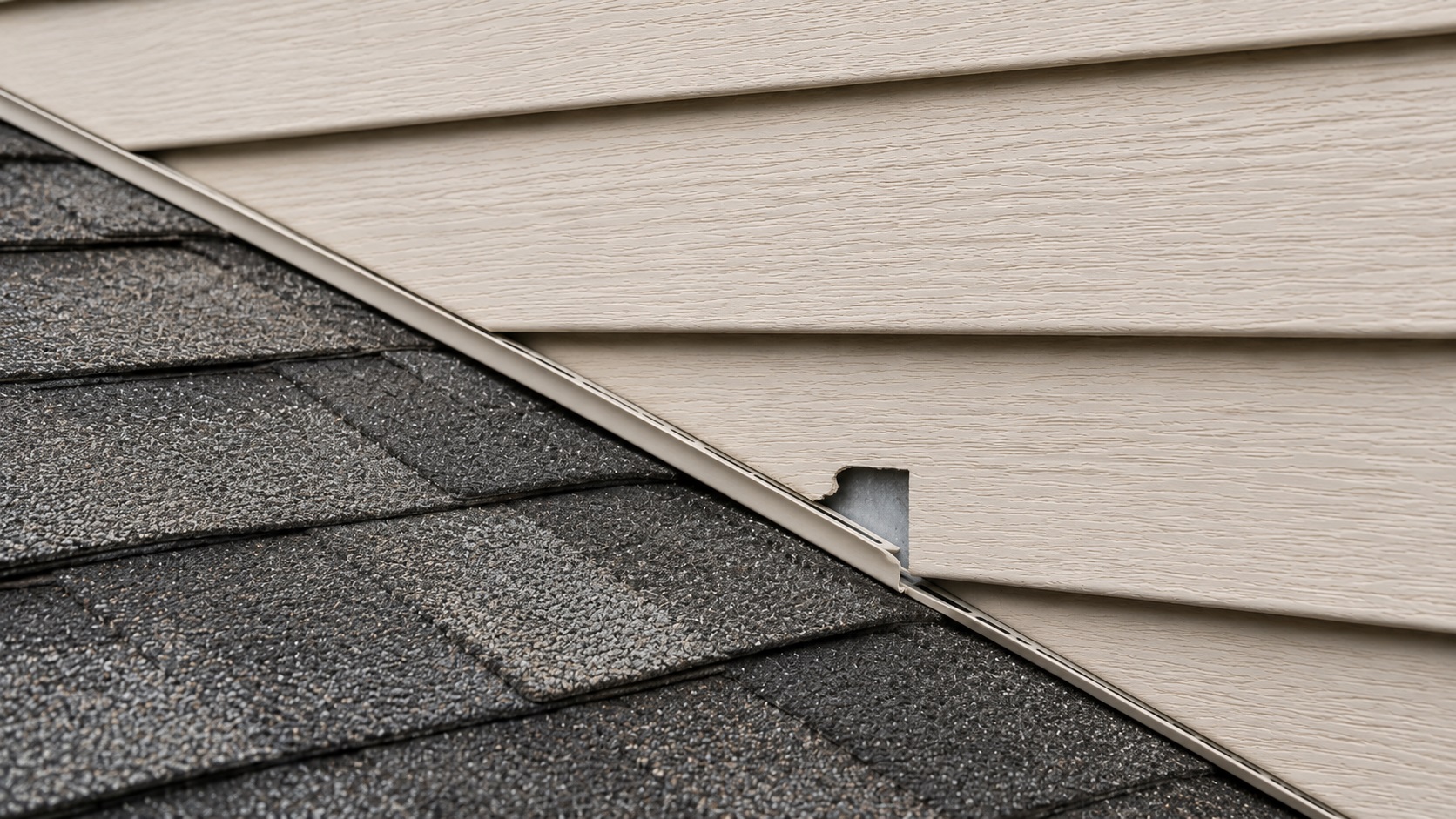
Hidden Siding Damage That Leads to Moisture Problems Behind Walls
Hidden siding damage can create moisture problems long before a homeowner sees an obvious leak indoors. A small crack, loose panel, open seam, failed trim joint, or damaged lower edge may not look serious from the outside, but it can change how rainwater moves across the wall. Once water gets behind the siding repeatedly, the wall system may begin holding moisture in places that are difficult to see.
The key question is not only whether the siding still looks acceptable. It is whether the siding still sheds water away from the wall, protects vulnerable transitions, and allows incidental moisture to drain and dry before it reaches sheathing, insulation, trim, or drywall.
Siding is only one part of a layered exterior wall system. For a broader explanation of how exterior walls become moisture entry points, see how exterior walls allow moisture into homes. This article focuses specifically on hidden siding damage and how that damage can lead to damp sheathing, wet trim, insulation problems, drywall stains, musty odors, and mold risk behind walls.
Why Hidden Siding Damage Is Easy to Miss
Hidden siding damage is easy to miss because the visible surface does not always show the full problem. Siding can appear mostly intact while a seam has opened, a panel has shifted, a lower edge has swollen, or water has begun entering behind the exterior cladding.
Many siding problems also develop slowly. A storm may loosen a panel, but the wall may not stain indoors right away. A hairline crack may allow water behind the siding only during wind-driven rain. A small gap near a window trim board may wet the same area repeatedly before drywall or baseboard symptoms appear inside.
Homeowners often assume siding is a waterproof outer shell. In reality, most siding systems are designed to shed bulk water, not seal the wall perfectly. The wall also depends on overlapping siding, flashing, trim details, drainage paths, and drying potential.
Hidden siding damage often becomes more serious when it affects one of these areas:
- horizontal laps where panels or boards overlap.
- vertical seams or butt joints.
- outside corners and corner trim.
- window and door trim.
- hose bibs, vents, meters, lights, and other penetrations.
- lower siding edges near splashback or mulch.
- older panels that have become brittle, warped, or loose.
This is also why exterior damage after a storm should not be dismissed too quickly. If wind, hail, or debris recently hit the wall, it helps to inspect siding after a storm before small openings become repeated wetting points.
How Water Gets Behind Damaged Siding
Water usually gets behind damaged siding through openings that interrupt the normal shedding pattern of the wall. These openings may be obvious, such as a hole or missing panel, but they may also be subtle, such as a lifted lap, cracked caulk joint, or widened seam.
Wind-driven rain is one of the most common triggers. Rain that would normally run down the siding can be pushed sideways or upward into gaps. If siding is loose, cracked, or separated from trim, wind pressure can drive water behind the surface and into the drainage space or wall assembly.
Common water-entry paths include:
- Cracked siding: A crack can let water pass through the face of a panel or board, especially during wind-driven rain.
- Open seams: Widened joints can allow water to reach the water-resistive layer behind the siding.
- Loose panels: Siding that has pulled away from the wall can direct rain behind the surface instead of shedding it outward.
- Failed caulk: Gaps around trim, fixtures, and penetrations can channel water into vulnerable wall transitions.
- Damaged corners: Broken or separated corner trim can expose wall edges to repeated wetting.
- Lower-edge damage: Swollen, cracked, or soil-contact siding near the bottom of the wall can absorb or trap moisture.
- Impact holes: Hail, branches, and wind-blown objects can create small punctures that are easy to overlook.
Once water gets behind the siding, the outcome depends on how much water entered, how often it happens, what materials are behind the siding, and whether the wall can dry. A one-time small wetting event may dry without major damage. Repeated wetting through the same hidden defect is more concerning because the affected area may never fully dry between storms.
This is where hidden siding damage becomes different from cosmetic siding damage. A dent, scuff, or surface mark may affect appearance only. A crack, open seam, failed trim detail, or loose panel can affect water movement. The second category is what creates moisture risk behind walls.
A simple way to sort the risk is to ask whether the damage changes the water path. If water can enter, collect, wick into an exposed edge, or bypass a trim or flashing detail, the damage should be treated as moisture-risk damage rather than cosmetic damage.
What Happens After Moisture Gets Behind Siding
Moisture behind siding does not always move straight into the house. In many wall systems, small amounts of incidental water are expected to drain or dry. Problems begin when hidden siding damage lets water enter repeatedly, traps moisture in the same area, or wets materials that are not drying fast enough.
The first layer affected is often the drainage plane or water-resistive barrier behind the siding. If that layer is intact and properly detailed, it may direct some water downward and out. If it is torn, poorly lapped, punctured, blocked, or overwhelmed by repeated wetting, moisture can reach sheathing, trim, framing, insulation, or interior finishes.
Moisture can then begin affecting the wall in stages:
- Surface wetting: Water reaches the back side of the siding or the drainage layer.
- Repeated dampness: The same area gets wet during storms and does not fully dry between events.
- Material absorption: Wood-based sheathing, trim, framing, or siding edges begin taking in moisture.
- Drying restriction: Tight siding, insulation, coatings, or blocked drainage paths slow evaporation.
- Interior symptoms: Musty odor, stains, bubbling paint, soft trim, or wall dampness eventually appear indoors.
This delayed timeline is one reason hidden siding damage can be confusing. An interior stain may appear weeks or months after the exterior damage first occurred, and the wall may not leak visibly during every rain.
Insulation can make this worse when it becomes damp. Wet insulation may hold moisture against sheathing or framing, slow drying, and reduce the wall’s ability to recover after water intrusion. Paper-faced drywall, wood trim, and OSB sheathing can also hold moisture long enough for staining, swelling, deterioration, or mold-supporting conditions to develop.
When hidden moisture is suspected, visible symptoms should be taken seriously. Exterior staining, soft trim, swelling, and interior wall changes can all point to a problem behind the siding. For symptom-focused guidance, compare your situation with the signs of water damage behind siding.
Common Types of Hidden Siding Damage
Hidden siding damage is not always dramatic. Many moisture problems begin with small defects that seem minor until they are exposed to repeated rain. The most important defects are the ones that interrupt the wall’s ability to shed, drain, or dry water.
Loose or Unlocked Siding Panels
Loose siding can allow wind-driven rain to enter behind the wall covering. This is especially common after high winds, but it can also happen when panels were poorly fastened, aged, warped, or damaged by earlier movement. A loose panel may look like a slight wave, raised edge, or uneven course rather than a missing piece.
Cracks, Holes, and Impact Damage
Cracks and holes create direct water paths. Vinyl may crack from hail or brittleness. Fiber cement may chip or fracture at edges. Wood may split. Engineered wood may expose its substrate. Metal siding may dent without absorbing water, but punctures or distorted seams can still allow water behind it.
Open Seams and Butt Joints
Open seams are easy to underestimate. A widened joint can let water bypass the outer siding layer, especially during wind-driven rain. On lap siding, butt joints and board ends are particularly important because exposed edges may absorb moisture faster than the face of the siding.
Failed Caulk Around Trim and Penetrations
Caulk gaps around windows, doors, vents, hose bibs, meters, lights, and utility penetrations can become hidden leak paths. The problem is not just the missing caulk itself, but what the gap connects to. If water can follow the opening behind trim or into a wall penetration, moisture may collect where it is hard to see.
Damaged Corners and Trim Boards
Corners and trim boards protect edges and transitions. When they crack, separate, rot, or pull away, water can wrap around the wall edge and enter behind siding courses. Corner damage is especially concerning because wind and runoff often concentrate around these edges.
Lower-Edge Swelling and Splashback Damage
Lower siding can stay damp when soil, mulch, decks, patios, or poor drainage keep water close to the wall. If lower edges swell, darken, crack, or soften, moisture may already be affecting the siding material or the wall behind it.
Some siding materials and assemblies are more likely to trap moisture than others, especially when drainage is blocked or lower edges stay wet. For a deeper explanation of that behavior, see why exterior siding traps moisture.
Material-Specific Moisture Risks Behind Siding
Different siding materials respond to hidden moisture in different ways. The same open seam, crack, or storm impact may have different consequences on vinyl, fiber cement, wood, engineered wood, metal, or aluminum siding.
Vinyl Siding
Vinyl siding does not absorb water the way wood does, but that does not mean vinyl siding damage is harmless. The moisture risk usually comes from water getting behind the vinyl through cracks, holes, unlocked panels, broken trim, or open seams. Once water passes the siding surface, the materials behind it may be much more vulnerable than the vinyl itself.
Loose vinyl panels can also move during storms. That movement may enlarge gaps, stress nail hems, or open laps enough for wind-driven rain to enter. A vinyl panel that looks only slightly displaced may still need attention if it no longer overlaps or drains correctly.
Fiber Cement Siding
Fiber cement siding can perform well when installed, flashed, painted, and sealed correctly, but damaged edges and open joints are important. Cracked boards, chipped bottom edges, broken corners, and failed caulk can expose vulnerable areas to repeated wetting.
The face of the board may still look solid while water enters at a joint, cut edge, or trim transition. That is why butt joints, window trim, door trim, and lower edges deserve close attention when hidden moisture is suspected.
Wood Siding
Wood siding is more directly affected by repeated wetting. Splits, lifted boards, exposed end grain, peeling paint, and soft lower edges can absorb moisture and hold it. Once wood siding begins staying damp, the problem can spread from the siding itself into trim, sheathing, framing, or interior finishes.
Wood siding problems often start at board ends, lower edges, and places where paint or stain has failed. If these areas are repeatedly exposed to storm water or splashback, they may swell, soften, cup, or decay.
Engineered Wood Siding
Engineered wood siding depends heavily on intact coatings, sealed edges, and proper clearances. If the surface coating cracks, the edges swell, or the substrate becomes exposed, repeated wetting can cause deterioration faster than many homeowners expect.
Look closely at bottom edges, cut ends, seams, and areas near trim. Swelling, delamination, surface cracking, and edge softness are warning signs that moisture may be affecting more than the siding face.
Metal or Aluminum Siding
Metal and aluminum siding do not absorb water, so shallow dents may be cosmetic. The moisture concern begins when impact damage creates punctures, distorted seams, opened edges, loose fasteners, or bent trim. Water can then pass behind the siding and affect the wall materials underneath.
Creased metal siding is more concerning than a smooth shallow dent because it may distort the panel shape or open a seam. Check whether damaged metal siding still overlaps correctly and whether trim details remain tight.
Warning Signs Moisture May Be Behind the Siding
Hidden siding moisture usually reveals itself through patterns rather than one single sign. The best clue is often a combination of exterior damage, repeated dampness, and interior symptoms on the same wall.
Outside the home, watch for:
- siding that looks wavy, bowed, shifted, or loose.
- cracks, holes, punctures, or broken corners.
- open seams, widened joints, or separated laps.
- failed caulk around windows, doors, trim, fixtures, or vents.
- dark staining below seams, windows, or wall penetrations.
- swollen lower edges on wood or engineered wood siding.
- soft or deteriorated trim boards.
- siding that stays wet longer than surrounding areas.
- exposed sheathing, housewrap, substrate, or wall layers.
- recurring dampness near decks, patios, mulch, or lower wall sections.
Inside the home, check the rooms that line up with the suspect exterior wall. Moisture behind siding may show up indoors as:
- musty odor near an exterior wall.
- bubbling, peeling, or blistering paint.
- soft drywall near the base of the wall.
- swollen baseboards or window trim.
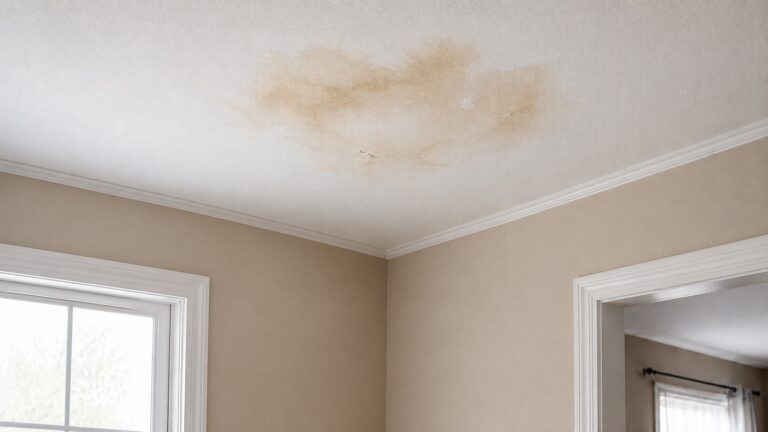
- water stains near corners, windows, doors, or lower wall areas.
- damp carpet edges or flooring near the wall.
- recurring mold near an exterior wall surface.
- cold, clammy, or damp-feeling wall sections after rain.
These signs do not prove the siding is the only source of moisture. Windows, doors, roof leaks, plumbing lines, condensation, and exterior grading can create similar symptoms. The siding becomes more suspicious when the interior symptom lines up with exterior siding damage, open seams, failed trim, or a wall section that gets wet during storms while nearby wall areas stay normal.
If the warning signs point to hidden moisture, the next step is usually non-destructive detection before opening the wall or removing siding. A focused guide on how to detect moisture behind exterior siding can help you understand what to check before the problem becomes more invasive.
Avoid cutting into damp walls, removing siding near electrical fixtures, or disturbing moldy materials without proper precautions. If the area involves outlets, wiring, widespread mold, soft structural materials, or exposed wall layers, stop and get professional help before opening the assembly further.
Why Hidden Siding Moisture Can Lead to Mold
Mold risk increases when moisture repeatedly reaches materials that can support growth and those materials do not dry quickly. Hidden siding damage can create that situation because water may enter behind the siding, wet wood-based materials, and stay concealed from view.
This does not mean every siding crack automatically causes mold. A small defect that dries quickly may never become a serious problem. The risk increases when the same area gets wet again and again, especially around sheathing, trim, framing, insulation, or paper-faced drywall. These materials can hold moisture long enough for musty odors, staining, and mold-supporting conditions to develop.
Mold behind siding is often a consequence of a moisture pattern, not a separate mystery. If the siding damage keeps allowing water into the wall, surface cleaning inside the home will not solve the underlying problem. The wall must stop getting wet before affected materials can be evaluated or repaired correctly.
For a more focused explanation of the mold side of this issue, see why mold forms behind siding. In this article, the key point is that hidden siding damage becomes more serious when it creates repeated wetting behind the wall covering.
When Hidden Siding Damage Needs Professional Inspection
Some siding damage can be monitored or repaired before it becomes severe. Other damage should be checked by a professional because the wall may already be exposed to water, or because siding may need to be opened carefully to see what is happening behind it.
Professional inspection is wise when you see:
- missing siding panels or exposed wall layers.
- cracks, holes, or punctures that reach through the siding.
- loose siding that moves during wind.
- open seams or separated laps that allow water behind the siding.
- swollen wood or engineered wood siding edges.
- soft trim, deteriorated corner boards, or rotting lower siding.
- interior stains, musty odors, or damp drywall on the same wall.
- damage around windows, doors, vents, meters, or hose bibs.
- repeated dampness after rain even when no active leak is visible.
- storm damage across multiple wall sections.
A professional may need to evaluate whether the siding can be repaired in place, whether a section should be opened carefully for inspection, whether trim or flashing details failed, or whether moisture has reached the sheathing or framing. This is especially important when the exterior damage looks minor but the interior wall shows dampness, staining, or odor.
Hidden moisture problems can also affect repair decisions. If the siding is cracked, loose, or damaged across a wide area, or if water has already affected the wall behind it, the question may shift from simple repair to replacement. In that situation, it helps to understand when storm-damaged siding must be replaced.
How to Reduce the Risk of Hidden Siding Moisture Problems
The best way to reduce hidden siding moisture risk is to correct water-entry paths before repeated wetting causes deeper damage. Small siding defects are usually easier to handle before they lead to damp sheathing, soft trim, or interior symptoms.
Start by inspecting siding after major wind, hail, debris impact, and heavy wind-driven rain. Look for cracked panels, loose siding, opened seams, damaged trim, failed caulk, and lower-edge deterioration. If you find exterior damage, check the interior side of the same wall for odor, staining, paint bubbling, or soft trim.
Keep siding and trim details maintained. Replace cracked or failed sealant where sealant is part of the intended detail, but do not rely on caulk as a cure for every problem. Caulk cannot restore broken siding, failed flashing, rotten trim, trapped moisture, or damaged wall sheathing.
Also reduce lower-wall wetting. Keep mulch, soil, stored items, and vegetation from holding moisture against siding. Watch for splashback from hard surfaces, poor drainage, clogged gutters, and areas where storm water repeatedly hits the same lower wall section.
If moisture keeps returning behind siding even after small repairs, the problem may involve drainage, installation, flashing, trim design, or wall assembly conditions. Persistent siding moisture should be treated as a wall-system issue, not just a surface problem. For broader guidance on how to find, fix, and prevent moisture problems throughout a home, use a whole-home moisture approach rather than focusing only on the visible siding face.
FAQ
Can water get behind siding without an obvious leak?
Yes. Water can get behind siding through small cracks, open seams, loose panels, failed caulk, damaged trim, or wind-driven rain. It may wet the drainage layer or sheathing before any interior leak becomes visible.
How long can moisture stay hidden behind siding?
It depends on how much water entered, the wall materials, drainage paths, insulation, airflow, weather, and repeated wetting. Moisture may dry after a minor event, but areas that keep getting wet can stay damp long enough to cause staining, odor, swelling, or mold risk.
Does loose siding always cause water damage?
No. Loose siding does not always mean water damage has already occurred. However, it increases the risk because wind-driven rain can enter behind panels that no longer overlap, lock, or shed water correctly.
Can cracked siding lead to mold?
Yes, if the crack allows repeated moisture into materials that stay damp. Mold risk increases when water reaches wood, paper-faced drywall, trim, sheathing, or insulation and the area cannot dry. A crack alone does not prove mold is present.
Should homeowners remove siding to check for hidden damage?
Most homeowners should not remove siding casually. Removing panels can damage the siding or expose the wall to more water. If hidden moisture is likely, a professional can open the area carefully and evaluate the layers behind the siding.
What is the difference between cosmetic siding damage and moisture-risk damage?
Cosmetic damage affects appearance but does not open a water path. Moisture-risk damage includes cracks, holes, exposed substrate, open seams, failed trim, loose panels, or damaged edges that allow water to reach behind the siding.
What to Remember About Hidden Siding Damage
- Hidden siding damage often begins as small cracks, open seams, loose panels, or failed trim details.
- Moisture problems develop when water repeatedly gets behind siding and cannot dry quickly.
- Vinyl, fiber cement, wood, engineered wood, and metal siding all have different moisture-risk patterns.
- Interior symptoms may appear late, after sheathing, trim, insulation, or drywall has already been affected.
- Not every dent or surface mark is a leak, but damage that opens a water path should be taken seriously.
- Professional inspection is important when siding damage lines up with musty odor, damp drywall, stains, soft trim, or exposed wall layers.
The Bottom Line on Hidden Siding Moisture Risk
Hidden siding damage becomes a moisture problem when it changes the way water moves across the exterior wall. A small crack, loose panel, failed caulk joint, or opened seam may seem minor at first, but repeated rain can drive moisture behind the siding and into materials that were not meant to stay wet.
Treat hidden siding damage as a water-path question. Ask whether the siding still sheds water correctly, whether vulnerable joints remain protected, and whether indoor symptoms are appearing on the same wall. If the answer is uncertain, or if exterior damage lines up with musty odor, stains, soft trim, or damp drywall, the wall should be inspected before the problem spreads behind the surface.