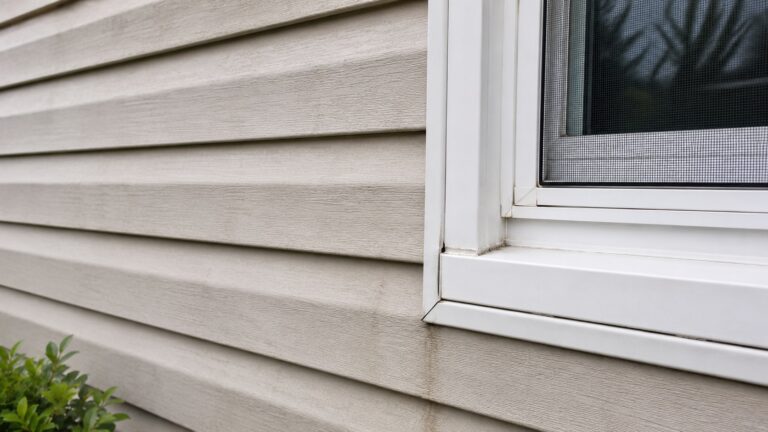
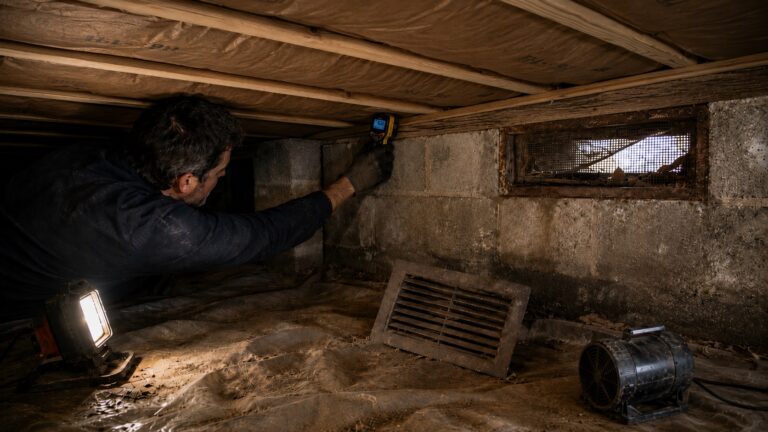
Fiber Cement vs Engineered Wood Siding
Fiber cement and engineered wood siding are both upgraded siding choices, but they solve different problems. Fiber cement is the more moisture-forgiving, rot-resistant, cement-based option. Engineered wood is the lighter, easier-to-work, wood-based option with a warmer wood-like appearance.
The quick answer is this: fiber cement is usually better for moisture resistance, rot resistance, heat resistance, and wet-climate forgiveness. Engineered wood is usually better for lighter installation, workability, impact flexibility, and a more natural wood-like feel. Neither material is maintenance-free, and neither should be treated as a waterproof wall system.
If you are still comparing several exterior materials, start with this broader guide to the types of house siding. If your decision is specifically fiber cement vs engineered wood siding, the real comparison comes down to moisture behavior, installation quality, maintenance expectations, cost, and the way each material performs as part of the exterior wall system.
Fiber Cement vs Engineered Wood Siding: Quick Answer
Choose fiber cement siding if your top priorities are rot resistance, long-term durability, heat resistance, and better performance in damp conditions. Because fiber cement is not wood-based, it is generally more forgiving than engineered wood when moisture exposure is a concern. It still needs correct flashing, clearances, joint details, and finish maintenance, but the material itself is less vulnerable to rot than a wood-based siding product.
Choose engineered wood siding if you want a wood-like appearance, easier handling, faster installation, and a siding product that is often lighter and simpler to cut than fiber cement. Engineered wood can perform well when installed and maintained correctly, but it remains a wood-based material. That means exposed edges, damaged coatings, lower boards, and repeated wetting require careful attention.
The most important point is that both siding types depend on the wall assembly behind them. Siding sheds most rain, but flashing, housewrap, drainage, clearances, and drying potential determine whether water stays out of the wall. For more context on that system, see this guide on how exterior walls allow moisture into homes.
Quick Comparison Table
| Category | Fiber Cement Siding | Engineered Wood Siding | Practical Winner |
|---|---|---|---|
| Moisture Resistance | Strong; not wood-based, but still needs correct detailing | Good when protected, but edges and damaged coatings matter | Fiber cement |
| Rot Resistance | Very strong compared with wood-based siding | Better than untreated wood, but still wood-based | Fiber cement |
| Impact Resistance | Rigid and durable but can chip or crack | Often more flexible and impact-tolerant | Depends on impact type |
| Heat Resistance | Strong heat resistance | Good, but still wood-based and finish-dependent | Fiber cement |
| Weight and Handling | Heavy and more labor-intensive | Lighter and easier to handle | Engineered wood |
| Installation Difficulty | More detail-sensitive and harder to cut | Usually easier to cut and install | Engineered wood |
| Maintenance | Moderate; finish, joints, clearances, and chips matter | Moderate; finish, edges, and lower boards matter | Tie; fiber cement needs finish/chip care, engineered wood needs edge/coating care |
| Appearance | Clean painted-siding look | Often warmer and more wood-like | Engineered wood for wood-like character |
| Wet-Climate Forgiveness | Usually more forgiving | Can work, but needs stronger moisture discipline | Fiber cement |
What Fiber Cement Siding Does Best
Fiber cement siding is usually chosen for durability, a premium painted look, and stronger resistance to moisture-related decay than wood-based siding. It gives homeowners the look of painted siding without the same rot risk as traditional wood or engineered wood.
Rot and Moisture Resistance
Fiber cement’s biggest advantage over engineered wood is that it is not a wood-based product. That gives it stronger resistance to rot and decay when compared with siding made from wood fibers or strands. In damp climates or on walls exposed to frequent rain, this can be an important difference.
However, fiber cement should not be described as waterproof. It still needs proper installation details. Lower edges should not sit too close to soil, decks, patios, roof surfaces, or areas where splashback is constant. Joints, trim transitions, cut edges, and penetrations must be handled correctly so water does not collect or move behind the siding.
Fiber cement is best understood as moisture-resistant, not moisture-proof. It is more forgiving than engineered wood in many wet conditions, but the wall behind it still needs drainage and flashing to prevent hidden moisture problems.
Heat and Fire Resistance
Fiber cement also performs well where heat and fire resistance matter. Because it is cement-based, it does not soften or warp like some plastic materials, and it is not combustible in the same way wood-based siding is. That can matter in hot climates, wildfire-prone regions, or areas where reflected heat is a concern.
This does not mean fiber cement makes the entire exterior wall fireproof. Windows, trim, insulation, framing, vents, and other wall components still matter. But as a siding material, fiber cement has a clear advantage over engineered wood when heat and fire resistance are major priorities.
Rigid, Premium Exterior Appearance
Fiber cement has a solid, rigid look that many homeowners associate with higher-end painted siding. It usually sits flatter and feels more substantial than lighter materials. It can also provide crisp lines and a clean painted appearance that works well on many modern, traditional, and craftsman-style homes.
This premium appearance is also why many homeowners compare vinyl vs fiber cement siding when deciding whether fiber cement is worth the upgrade over a lower-maintenance plastic siding.
What Engineered Wood Siding Does Best
Engineered wood siding is designed to provide a wood-like appearance with more consistency than natural wood. It is manufactured from wood strands, fibers, or other wood-based materials combined with binders and protective treatments, depending on the product. It is not the same as ordinary untreated lumber, but it is still a wood-based siding material.
Wood-Like Appearance
Engineered wood often has a warmer, more natural appearance than fiber cement. Some products are designed to imitate real wood grain and siding profiles closely. For homeowners who want wood character without using traditional solid wood boards, engineered wood can be an appealing middle ground.
This appearance advantage is especially important on homes where the siding texture and shadow lines affect the overall design. Fiber cement can look clean and premium, but engineered wood may feel closer to a traditional wood exterior.
Lighter Handling and Easier Installation
Engineered wood is usually lighter and easier to cut than fiber cement. That can make installation faster and less physically demanding. Contractors may find it easier to handle long boards, make cuts, and work around details compared with heavier fiber cement products.
This workability can reduce labor difficulty, although it does not remove the need for proper installation. Engineered wood still needs correct clearances, flashing, joint spacing, edge protection, and finish care. Easier installation does not mean moisture details can be ignored.
Good Impact Flexibility
Engineered wood siding can sometimes handle certain impacts better than fiber cement because it is less brittle. Fiber cement is rigid and strong, but it can chip or crack if struck hard or mishandled during installation. Engineered wood may have more impact flexibility depending on the product, profile, thickness, and installation.
This does not mean engineered wood is always more durable. It simply means the durability profile is different. Fiber cement usually has the advantage for rot resistance, heat resistance, and wet-climate forgiveness. Engineered wood may have the advantage for workability and certain impact conditions, but only if the finish and edges remain protected from water.
Moisture Resistance: Which Handles Water Better?
Fiber cement usually has the advantage for moisture resistance because it is not wood-based. Engineered wood can also perform well, but it depends more heavily on protecting the wood-based core from repeated wetting. The biggest difference is not whether either material can get wet during normal rain. The difference is what happens when vulnerable edges, joints, and lower wall areas stay wet over time.
Where Fiber Cement Performs Well
Fiber cement performs well when homeowners want a siding material that resists rot better than wood-based products. Normal rain exposure is not usually a problem when the siding is installed correctly, the finish is intact, and the wall is detailed to drain. It is generally more forgiving than engineered wood if the home is in a humid, rainy, or high-moisture environment.
Fiber cement also performs well where heat exposure is a concern because it does not soften like plastic siding and is not wood-based like engineered wood.
Where Fiber Cement Still Needs Protection
Fiber cement is not waterproof. It still needs proper clearances, flashing, fasteners, and finish maintenance. Problems are more likely when boards are installed too close to soil, decks, patios, roof surfaces, or other horizontal areas where splashback and standing moisture are common.
Cut edges, damaged finish, open joints, and lower boards deserve special attention. If water repeatedly enters behind the siding, the sheathing and framing can still be affected even if the fiber cement itself resists rot better than engineered wood. The entire exterior wall system must still be designed to manage water. For a siding-specific prevention guide, see how to prevent moisture damage behind siding.
Where Engineered Wood Performs Well
Engineered wood performs well when it is installed with correct clearances, protected edges, good flashing, and an intact finish. It is not the same as ordinary untreated wood siding. Many engineered wood products are designed with treatments, resins, or factory finishes that improve consistency and moisture resistance compared with traditional wood.
Engineered wood can be a practical choice when the homeowner wants a wood-like look with easier installation than fiber cement. It can also be a good fit in climates where rain exposure is manageable, walls have good roof overhangs, and the siding is not constantly exposed to splashback or trapped moisture.
Where Engineered Wood Becomes Vulnerable
Engineered wood becomes vulnerable when water reaches the wood-based core repeatedly. The most common weak points are cut edges, butt joints, lower edges, damaged coatings, areas near grade, and places where water is concentrated by roof runoff, sprinklers, decks, or hardscape splashback.
If engineered wood siding swells at the edges, softens near the bottom, shows coating failure, or develops staining around joints, those are warning signs that water may be reaching areas that should have remained protected. Because it is wood-based, engineered wood usually has less margin for repeated wetting than fiber cement.
A good quick check is to look at the lowest boards after a hard rain. If the same sections stay damp longer than the surrounding siding, the problem may be splashback, poor clearance, gutter overflow, or trapped water rather than the siding material alone.
This is why installation discipline matters. Engineered wood can perform well, but it should not be treated as moisture-proof. It needs the same kind of water-management thinking used for other siding systems, including flashing, drainage, and drying potential.
Durability and Structural Performance
Fiber cement and engineered wood are both durable siding materials when used correctly, but they fail in different ways. Fiber cement is rigid, heavy, and resistant to rot, but it can crack, chip, or break if mishandled. Engineered wood is lighter and often easier to work with, but it is more vulnerable to swelling and deterioration if water reaches exposed or damaged areas.
Fiber cement’s main durability concerns involve cracking, impact chips, improper fastening, poor clearances, and finish damage. Engineered wood’s main durability concerns involve edge swelling, coating failure, repeated wetting, and decay if water reaches the protected wood-based core.
Neither material should be judged only by the surface. A durable siding product can still fail if the wall behind it traps moisture. If water is entering around windows, doors, roof-wall intersections, or penetrations, the problem may be with the exterior moisture-control system rather than the siding product alone.
Installation Differences
Installation is one of the biggest differences between fiber cement and engineered wood siding. Fiber cement is heavier, harder to cut, and more labor-intensive. Engineered wood is usually lighter, easier to cut, and easier to handle on the wall. That can affect labor cost, installation speed, and how demanding the project is for the installer.
Fiber cement installation requires careful handling because boards can crack or chip. Cutting may create dust that needs proper safety controls. Fasteners, clearances, joints, flashing, and trim details must be handled correctly. Because the material is heavy, poor installation can lead to alignment problems, fastening issues, or damage during handling.
Engineered wood is often easier to install because it cuts more like wood and is less heavy than fiber cement. This can make it more appealing for contractors and homeowners who want a faster installation process. But easier handling does not mean easier moisture performance. Engineered wood still needs careful edge protection, correct spacing, flashing, clearances, and finish protection.
The highest-risk areas are lower wall edges, window and door openings, roof-wall intersections, deck connections, and any place where water repeatedly hits the siding. The most important installation details for both materials include:
- Proper flashing around windows, doors, decks, rooflines, and penetrations.
- Correct clearance from soil, mulch, patios, decks, and roof surfaces.
- Proper joint spacing and treatment according to the product requirements.
- Protection of cut edges and damaged finish areas where required.
- A drainage plane behind the siding so incidental moisture can leave the wall.
- Gutters and roof details that do not dump water directly onto siding.
If installation is rushed or water-control details are ignored, either material can disappoint. Fiber cement may be the more moisture-forgiving product, but it still needs correct detailing. Engineered wood may be easier to install, but it needs even more discipline around edges and repeated wetting.
Maintenance Differences
Fiber cement and engineered wood both require moderate maintenance. Neither material is as maintenance-heavy as traditional wood siding in most situations, but neither should be treated as maintenance-free. The maintenance focus is different because each material has different moisture vulnerabilities.
Fiber Cement Maintenance
Fiber cement maintenance focuses on protecting the finish, preserving clearances, and watching for cracked or chipped areas. Homeowners should inspect paint or factory finish, caulked joints where sealant is required, lower boards, trim transitions, and areas exposed to roof runoff or splashback.
If the finish is damaged, the exposed area should be repaired before repeated rain exposure becomes a problem. If boards are too close to grade, decks, patios, or roof surfaces, water may soak lower edges or remain against the siding longer than intended. Do not simply caulk or paint over recurring moisture symptoms until the water source is corrected.
Fiber cement maintenance is usually manageable, but it should be consistent. Small cracks, chips, failed sealant, or open joints are easier to correct early than after water has reached the wall behind the siding.
Engineered Wood Maintenance
Engineered wood maintenance focuses on protecting the coating and preventing water from reaching the wood-based core. Homeowners should inspect lower edges, butt joints, cut ends, damaged finish, nail heads, trim transitions, and areas where water repeatedly hits the wall.
The most important warning signs are swelling, edge expansion, soft areas, coating failure, staining, and boards that stay damp after rain. These signs do not always mean the wall behind the siding is damaged, but they do indicate that water may be reaching parts of the material that should remain protected.
Engineered wood can perform well when maintained, but it is less forgiving when water reaches exposed edges or damaged coatings. Homeowners should not let mulch, soil, or hardscape sit too close to the siding, and they should keep sprinklers, gutter overflow, and roof runoff from wetting the same wall sections repeatedly.
Cost and Long-Term Value
Engineered wood siding may be less expensive to install than fiber cement in some projects because it is lighter, easier to cut, and often faster to handle. Fiber cement may cost more because it is heavier, more labor-intensive, and more demanding during installation. However, actual cost depends on product quality, labor rates, home design, trim details, finish choices, and local contractor experience.
Fiber cement may provide stronger long-term value when moisture resistance, rot resistance, and durability are the main priorities. If the home is in a wet climate or has walls that receive frequent rain exposure, the extra cost may be easier to justify. Fiber cement can also add value when homeowners want a premium exterior with less wood-based moisture risk.
Engineered wood may provide strong value when appearance, workability, and installation efficiency matter. If the home has good overhangs, good drainage, and a homeowner who will maintain the finish, engineered wood can offer a warm wood-like exterior without the same installation difficulty as fiber cement.
The lowest-cost option is not always the best value. A siding material that is installed poorly, placed too close to grade, or exposed to constant water can become expensive later. The best value comes from matching the material to the home’s moisture exposure, maintenance habits, and installation quality.
Appearance and Curb Appeal
Both fiber cement and engineered wood can look much more substantial than basic budget siding. Fiber cement usually provides a crisp painted-siding appearance with strong lines and a solid feel. Engineered wood often provides a warmer, more natural wood-like texture.
Fiber cement is usually better for a clean, durable painted exterior. Engineered wood is usually better when warmth, grain, and wood-like character matter more than maximum moisture forgiveness.
The appearance choice is subjective. Fiber cement usually wins for durability-focused curb appeal, while engineered wood often wins for wood-like character.
Which Is Better for Wet Climates?
Fiber cement is usually the better choice for wet climates because it is not wood-based and generally has stronger rot resistance. It is more forgiving when exterior walls are exposed to frequent rain, humidity, or damp conditions. That does not mean fiber cement is waterproof, but it usually provides a wider margin of safety than engineered wood when moisture exposure is high.
Engineered wood can still work in wet climates, but it needs better moisture discipline. The siding must have proper clearance from grade, protected edges, correct flashing, an intact coating, and good drainage behind the cladding. It should not be placed in conditions where lower edges are repeatedly soaked by splashback, sprinklers, roof runoff, or trapped water.
In wet areas, the siding material is only part of the decision. Roof overhangs, gutters, grading, window flashing, kick-out flashing, and drainage behind the siding all matter. For broader climate-focused guidance, compare this decision with the best siding materials for wet climates.
Choose Fiber Cement Siding If…
Fiber cement siding is usually the better choice when long-term moisture resistance, rot resistance, and durability matter more than the easiest installation. It is especially practical for homes in damp climates, homes with frequent rain exposure, or homeowners who want a premium exterior that is less dependent on wood-based material performance.
- Choose fiber cement if wet-climate performance is a major concern.
- Choose fiber cement if you want stronger rot resistance than engineered wood.
- Choose fiber cement if heat or fire resistance matters.
- Choose fiber cement if you want a rigid, premium painted-siding appearance.
- Choose fiber cement if you have a qualified installer who understands clearances, flashing, and joint details.
- Choose fiber cement if you are willing to maintain the finish and repair chips or cracks when they appear.
Fiber cement is not the best choice if the project needs the lightest, easiest-to-install material or if the installer is not experienced with its handling and detailing requirements. The material is strong, but installation mistakes can reduce its advantages.
Choose Engineered Wood Siding If…
Engineered wood siding is usually the better choice when wood-like appearance, lighter handling, and installation efficiency matter. It can be a strong option for homeowners who want more warmth than fiber cement and who are willing to maintain the coating and moisture details.
- Choose engineered wood if you want a more natural wood-like appearance.
- Choose engineered wood if easier cutting and handling are important for the project.
- Choose engineered wood if the home has good roof overhangs, drainage, and drying potential.
- Choose engineered wood if the siding will not be exposed to constant splashback or trapped moisture.
- Choose engineered wood if you are willing to inspect edges, lower boards, and finish condition regularly.
- Choose engineered wood if you want a manufactured wood-based siding rather than a cement-based product.
Engineered wood is not the best choice if the siding will be installed too close to soil, repeatedly soaked by sprinklers, exposed to frequent roof runoff, or neglected after the finish is damaged. It can perform well, but it needs protection from repeated wetting.
When Either Siding Type Can Cause Moisture Problems
Fiber cement and engineered wood can both become part of a moisture problem if water gets behind the siding or remains trapped against vulnerable areas. The difference is that engineered wood is more vulnerable to material swelling and decay when water reaches the wood-based core, while fiber cement is more resistant to rot but can still allow wall damage behind it if the assembly is poorly detailed.
Moisture problems are more likely when:
- Window or door flashing is missing, damaged, or poorly integrated.
- Kick-out flashing is missing where roof water drains into a wall.
- Lower siding is too close to soil, mulch, patios, decks, or roof surfaces.
- Gutters overflow and soak the same siding area repeatedly.
- Engineered wood cut edges or damaged coatings are left exposed.
- Fiber cement joints, chips, or lower edges are neglected.
- Drainage behind the siding is missing or blocked.
- Water stains, musty smells, or interior wall damage appear after storms.
If moisture symptoms appear, the siding material should not be the only thing inspected. The wall behind the siding, the flashing, the drainage plane, and the water source all matter. Homeowners should watch for the signs of water damage behind siding and inspect the exterior before deciding that a simple siding patch will solve the issue.
If the damage is already visible, do not judge the problem by the siding surface alone. Before deciding whether a patch is enough, inspect exterior siding for water damage and look for signs that the wall behind the siding is still getting wet.
FAQ
Which siding is safer near splashback or frequent rain exposure?
Fiber cement is usually the safer choice near splashback, frequent rain exposure, or damp lower-wall areas because it is not wood-based. Engineered wood can still work, but only when clearances, edge protection, flashing, coating condition, and drainage are carefully maintained.
Is engineered wood siding more moisture-resistant than fiber cement?
No. Fiber cement is usually more moisture-resistant because it is not wood-based. Engineered wood can perform well when protected, but exposed edges, damaged coatings, lower boards, and repeated wetting can create swelling or decay risks. Both materials still need proper flashing and drainage.
Does engineered wood siding rot?
Engineered wood siding can deteriorate or decay if water repeatedly reaches the wood-based core, especially at cut edges, damaged coatings, lower boards, or poorly detailed joints. It is more moisture-resistant than untreated wood in many cases, but it is not waterproof or immune to rot.
Is fiber cement siding maintenance-free?
No. Fiber cement is lower maintenance than many wood-based siding options, but it is not maintenance-free. It needs an intact finish, correct clearances, sound joints, proper flashing, and repair of chips, cracks, or damaged areas before water exposure becomes a problem.
Is engineered wood siding easier to install than fiber cement?
Yes, engineered wood is usually easier to cut, handle, and install than fiber cement because it is lighter and works more like wood. Fiber cement is heavier and more labor-intensive. However, engineered wood still requires careful installation to protect edges, joints, and lower wall areas from moisture.
Fiber Cement vs Engineered Wood Siding: Bottom Line
- Fiber cement is usually better for rot resistance, wet-climate performance, heat resistance, and long-term durability.
- Engineered wood is usually better for wood-like appearance, lighter handling, and easier installation.
- Fiber cement is moisture-resistant, but it is not waterproof or maintenance-free.
- Engineered wood is manufactured for exterior use, but it remains wood-based and must be protected from repeated wetting.
- Both siding types need proper flashing, drainage, clearances, and finish maintenance.
- Fiber cement is often the safer choice when moisture exposure is high.
- Engineered wood can be a good choice when the home has good drying conditions and the homeowner will maintain the siding.