
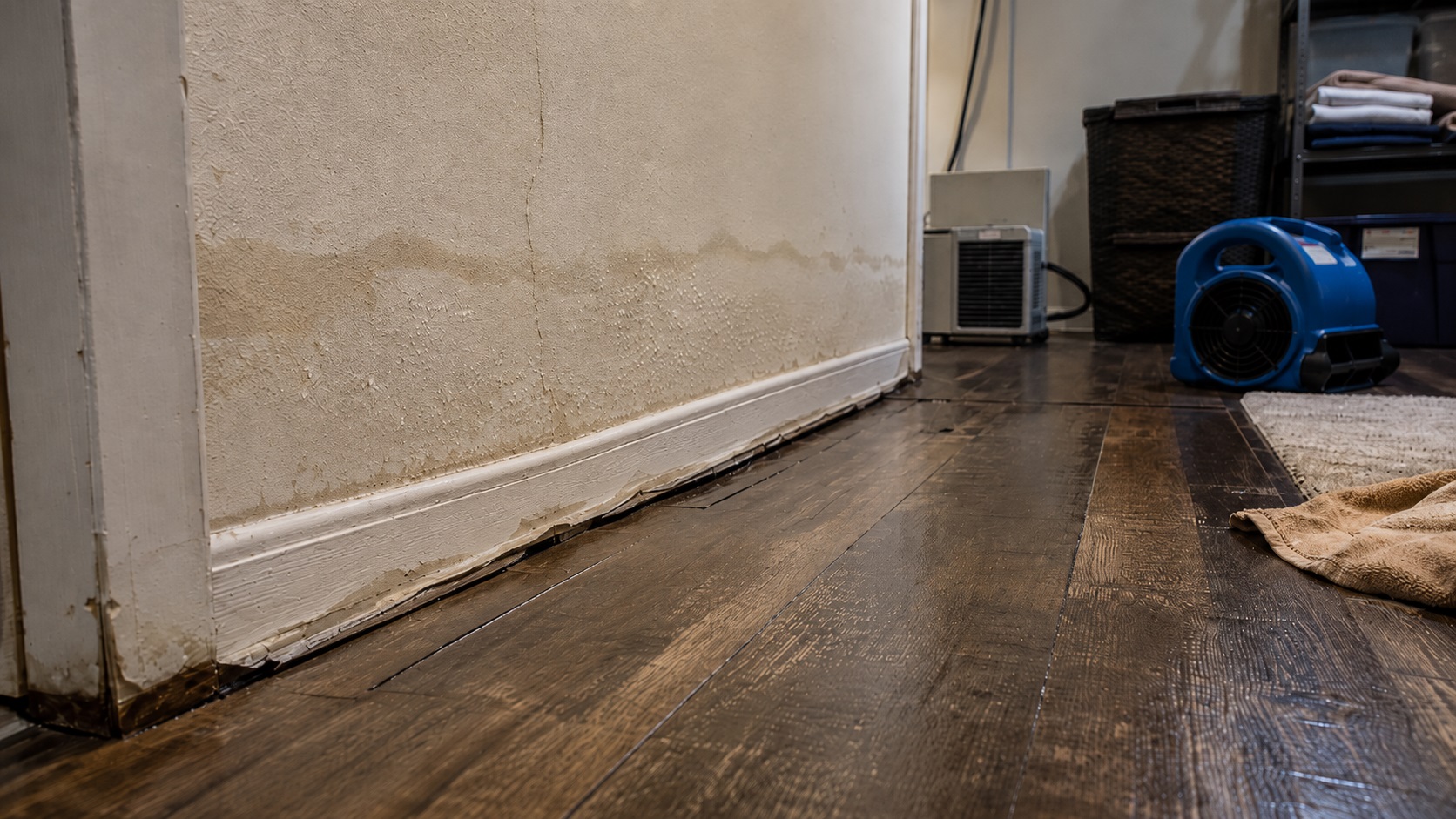
Signs of Structural Damage After Flooding
Flooding can damage more than flooring, drywall, and belongings. When water reaches foundation areas, subfloors, joists, beams, wall framing, crawl spaces, or basement walls, it can affect the structural parts of a home. Some signs are obvious right away, such as sagging floors or bowed walls. Others appear later as materials dry, shift, swell, or weaken.
The most important thing after flooding is safety. Do not enter or remain in a home if floors feel unstable, ceilings are sagging, walls are leaning, major cracks have appeared, or floodwater may have reached electrical systems. Structural damage is not always visible from the doorway, and a flooded home can have hazards that are not obvious at first glance.
The warning signs below focus on symptoms, not repair instructions. If flooding is followed by movement, instability, soft structural areas, foundation changes, or sudden alignment problems, treat it as a safety issue before making cosmetic repairs.
What Counts as Structural Damage After Flooding?
Structural damage after flooding means water has affected parts of the home that help support, stabilize, or transfer loads through the building. This is different from surface-level water damage, such as paint stains, damp carpet, or cosmetic trim swelling.
Structural components may include:
- foundation walls and footings,
- concrete slabs,
- floor joists and beams,
- subflooring,
- load-bearing walls,
- posts and columns,
- sill plates,
- crawl space supports,
- roof or ceiling framing affected by leaks or flood-related moisture,
- connections between framing members.
Floodwater can soak wood framing, weaken subfloor materials, increase pressure against basement walls, erode soil around supports, move debris into crawl spaces, and leave moisture trapped in enclosed areas. Even after water recedes, the structure may still be drying, shifting, or reacting to the moisture exposure.
Not every stain or warped finish means the home has structural damage. A water stain on drywall may be cosmetic if the framing behind it stayed dry. A swollen baseboard may be a finish problem if the wall and subfloor are intact. But when flooding causes movement, sagging, softness, bowing, cracking, or misalignment, the concern becomes more serious.
Look beyond visible finishes and think about the larger moisture path. Water may have entered through a basement, crawl space, slab edge, foundation crack, exterior wall, or lower-level opening. If you are trying to understand broader structural moisture warning signs, flood damage should be treated as a major event that can expose weak points in the home.
Warning Signs a Flooded Home May Be Unsafe
Some post-flood signs require immediate caution. These are not signs to monitor casually while continuing normal use of the home. They may indicate instability, electrical danger, contaminated water, or structural movement.
Do not enter or remain in the home if you notice:
- sagging ceilings,
- floors that feel soft, spongy, or unstable,
- walls that appear to lean, bow, or bulge,
- large new cracks in walls, floors, or foundation areas,
- doors or windows that suddenly will not open or close,
- visible separation between walls, floors, ceilings, or trim,
- posts, beams, or supports that look shifted or tilted,
- unusual creaking, popping, cracking, or shifting sounds,
- standing water near electrical outlets, panels, appliances, or wiring,
- gas odor, sewage contamination, or floodwater from outside.
A sagging ceiling is especially serious after flooding or water intrusion from above. It may mean drywall, insulation, framing, or ceiling materials have absorbed water. Standing under a sagging ceiling can be dangerous because wet materials can fail suddenly.
Soft or unstable floors are also serious. A floor covering may be wet and soft without immediate structural failure, but a floor that dips, bounces, shifts, or feels unsafe can point to wet subflooring, joist problems, support movement, or hidden deterioration. Avoid walking on any area that feels unstable.
Flooding also creates electrical hazards. Water near outlets, wiring, panels, appliances, extension cords, or HVAC equipment should be treated as unsafe until checked by qualified help. If the flood affected electrical areas, review electrical safety after flood damage before attempting cleanup or inspection.
Standing water removal may also need caution. In a basement, crawl space, or lower-level room, water can hide floor openings, debris, contamination, electrical hazards, and unstable surfaces. If water is still present, follow safe removal principles and do not rush into the area. For the removal side of the process, see how to remove standing water safely.
The safest approach is simple: if the structure looks shifted, sagging, cracked, unstable, contaminated, or electrically unsafe, stay out and call qualified help. A restoration company, building inspector, structural engineer, foundation contractor, utility provider, or local authority may need to evaluate the home before normal use resumes.
Floor and Subfloor Damage Signs After Flooding
Floors are one of the first places structural flood damage may become noticeable. Water can soak finished flooring, underlayment, subflooring, joists, beams, and crawl space supports. Sometimes the top surface looks damaged but the structure below is still sound. Other times, the visible flooring looks only slightly affected while the subfloor or framing below stayed wet for too long.
Watch for these floor and subfloor warning signs after flooding:
- Soft or spongy spots: These may mean the finished floor, underlayment, or subfloor has absorbed water and weakened.
- Sagging or dipping areas: A floor that slopes or dips after flooding may indicate subfloor, joist, beam, or support movement.
- Buckled flooring: Buckling can happen when wood, laminate, vinyl plank, or underlayment swells from trapped moisture.
- New squeaks or movement: Flooding can loosen fasteners, swell materials, or expose existing weakness in the floor system.
- Gaps between flooring and baseboards: New separation can point to swelling, shrinkage, settlement, or shifting after water exposure.
- Persistent dampness at floor edges: Moisture often collects where floors meet walls, cabinets, or trim.
- Musty odor near the floor: Odor can suggest moisture remained below the surface long after visible water was removed.
A soft floor after flooding does not always mean the floor is about to collapse. It may be wet carpet, saturated padding, swollen underlayment, or damaged finish flooring. But it should not be ignored, especially if the floor feels unstable under weight or the problem appears near load-bearing walls, support posts, stair openings, or plumbing penetrations.
Mark the soft area with tape or a photo reference if it is safe to do so, then avoid repeated foot traffic until the floor system has been checked.
Subfloors are particularly vulnerable because they are often covered by finished flooring. Water can remain trapped below carpet, laminate, vinyl, engineered wood, or tile transitions. If the subfloor is plywood or OSB, moisture may enter through seams, edges, and fastener holes. As it dries unevenly, the floor may warp, swell, soften, or separate.
Flooding can also affect floor framing below the subfloor. In crawl spaces and basements, joists, beams, posts, and sill plates may stay damp after floodwater recedes. If those components were already weakened by prior moisture, insects, rot, or repeated leaks, flooding can expose the problem quickly.
If finished flooring is badly warped, delaminated, contaminated, or still soft after drying, the next question may be whether the flooring system can be saved. That decision is covered separately in when flooring must be replaced after flooding.
Look below the floor only if the area is safe. Do not enter a crawl space or basement with standing water, electrical hazards, sewage contamination, unstable supports, or limited access. If you can safely view the area, look for wet joists, shifted supports, sagging beams, separated connections, mud lines on framing, or wood that feels soft. For a more focused look at load paths and serious wood support concerns, see signs of load-bearing wood damage.
Foundation and Basement Wall Warning Signs
Flooding can create serious stress around foundations and basement walls. Water-saturated soil becomes heavier, drainage systems can become overwhelmed, and pressure against below-grade walls can increase. In some cases, floodwater inside a basement can also interact with pressure outside the walls, which is why flooded basement situations should be handled carefully.
After flooding, inspect foundation and basement areas from a safe position. Do not enter if walls look unstable, water is still present, electrical hazards exist, or the structure appears shifted. If the area is safe to view, look for changes that were not present before the flood.
Concerning foundation and basement wall signs include:
- New horizontal cracks: Horizontal cracking in basement walls can indicate pressure against the wall.
- Stair-step cracks in masonry: These may suggest movement through block, brick, or mortar joints.
- Diagonal cracks near openings: Cracks near windows, doors, or corners may point to shifting or settlement.
- Widening cracks: A crack that grows after flooding deserves professional evaluation.
- Wall bowing or bulging: A basement wall that curves inward may be under soil or water pressure.
- Displaced foundation sections: Any offset, movement, or separation is a serious warning sign.
- New gaps around sill plates or framing: Separation between framing and foundation areas may indicate movement.
- Heaved or cracked slab areas: Slab movement after flooding may point to soil pressure, erosion, or water movement beneath the slab.
Not every small crack is automatically flood-related. Many homes have older settlement cracks, shrinkage cracks, or cosmetic surface cracks. What matters after flooding is change. A crack that is new, wider than before, displaced, leaking, horizontal, stair-stepped, or paired with wall bowing should be taken more seriously.
Basement walls deserve special attention because they hold back soil. When soil is saturated, pressure can increase against the wall. If drainage systems fail or water accumulates around the foundation, weak points may appear as seepage, cracking, bowing, or movement. A wall that was already cracked before flooding may become more vulnerable during a major water event.
Flooding can also undermine soil around footings, slabs, posts, or exterior foundation areas. If you notice settlement, new gaps, sunken soil, washed-out areas, leaning supports, or cracks extending from the foundation into interior finishes, call a professional for evaluation.
The main difference between cosmetic and structural foundation signs is movement. A surface stain or minor efflorescence may show moisture exposure. A bowed wall, displaced crack, widening gap, or shifted support suggests a possible structural issue. When in doubt, treat post-flood foundation movement as a professional inspection issue rather than a cosmetic repair.
Wall, Ceiling, and Framing Deformation
Walls and ceilings can show important clues after flooding. Some damage is limited to finishes, such as stained paint or damp drywall. More serious signs appear when the wall or ceiling changes shape, separates from surrounding materials, or suggests that framing behind the surface may have moved or stayed wet.
Watch for these wall and ceiling warning signs after flooding:
- Bulging drywall: A wall that bows outward or feels soft may have trapped water, swollen materials, or damaged framing behind it.
- Sagging ceilings: Wet drywall, insulation, or framing above the ceiling can create a collapse risk.
- New gaps at ceiling lines: Separation where walls meet ceilings may suggest movement or material distortion.
- Trim pulling away from walls: Baseboards, crown molding, and casing can separate when framing, drywall, or flooring shifts.
- Diagonal cracks from doors or windows: These can appear when framing openings move or settle after flooding.
- Walls that lean or appear out of plane: A wall that no longer looks straight should be evaluated.
- Persistent dampness near framing lines: Moisture that follows studs, plates, or ceiling framing may indicate hidden wet materials.
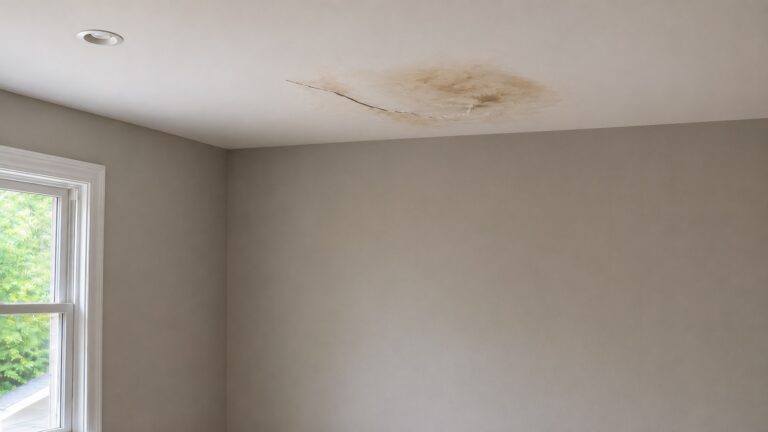
A ceiling stain by itself may not prove structural damage. It may mean water affected the drywall surface. But a sagging, swollen, cracked, or dripping ceiling is different. Wet ceiling materials can fail without much warning, especially if insulation above the drywall is saturated. Do not stand beneath a ceiling that is sagging after flooding or a major leak.
Wall deformation also deserves attention. Floodwater can soak lower drywall, insulation, and wall plates. As materials absorb water, they may swell, soften, or separate. If framing behind the wall was exposed to moisture, the issue may continue even after the painted surface dries. A wall that feels soft at the base, smells musty, or shows new cracks after flooding should not be treated as only a paint problem.
Framing damage is harder to see because studs, plates, headers, beams, and connections are usually hidden. Signs that hidden framing may be involved include repeated cracking, trim separation, doors that shift, soft wall bases, sagging ceiling areas, and floor movement nearby. If structural wood stayed wet long enough, the concern may expand from temporary moisture exposure to long-term deterioration. For longer-term wood deterioration signals, see signs of structural wood rot.
Doors and Windows That Suddenly Stick After Flooding
Doors and windows can reveal structural movement after flooding because they depend on square, stable openings. If a door or window suddenly sticks after a flood, the cause may be simple swelling, but it can also point to shifting floors, wall movement, foundation settlement, or framing distortion.
Pay attention to doors and windows that:
- worked normally before the flood but now scrape or bind,
- no longer latch properly,
- show uneven gaps around the frame,
- have cracks extending from the corners,
- appear out of square,
- open by themselves or swing closed because the frame shifted,
- are paired with nearby floor sagging, wall cracks, or foundation movement.
After flooding, a wood door may swell from humidity or direct water exposure. That kind of swelling may improve as materials dry. Sticking doors and windows become more concerning when they appear suddenly, affect multiple openings, get worse instead of improving, or occur with cracks, sloping floors, bowed walls, or gaps around trim.
Openings are weak points in wall systems because framing has to transfer loads around them. If the structure moves, door and window frames often show the change early. A diagonal crack from the corner of a window or door after flooding should be taken more seriously than a small isolated paint crack.
Do not force a stuck door if the surrounding wall, ceiling, or floor looks unstable. Forcing it can damage the frame further and may hide a sign that should be inspected. Instead, document the change with photos and note whether the opening worked normally before the flood.
Crawl Space and Basement Structural Red Flags
Crawl spaces and basements are high-risk areas after flooding because they often contain structural supports, framing, beams, joists, foundation walls, posts, and moisture-sensitive materials. They also tend to dry slowly because airflow may be limited and humidity may stay high.
Do not enter a flooded crawl space or basement if there is standing water, electrical risk, sewage contamination, gas odor, unstable soil, shifted supports, or low visibility. These areas can be dangerous after a flood. If the area is unsafe, wait for qualified help.
If the space can be viewed safely, look for these red flags:
- Wet joists or beams: Structural wood that stayed wet may need drying verification and inspection.
- Sagging beams: A beam that bows downward may indicate support movement, overloading, or moisture-weakened materials.
- Leaning posts or columns: Supports should remain vertical and firmly seated.
- Shifted pier blocks or footings: Floodwater can disturb soil or supports in some crawl spaces.
- Mud lines on structural wood: These show how high floodwater reached and which components were exposed.
- Separated connections: Gaps between joists, beams, hangers, sill plates, or supports may suggest movement.
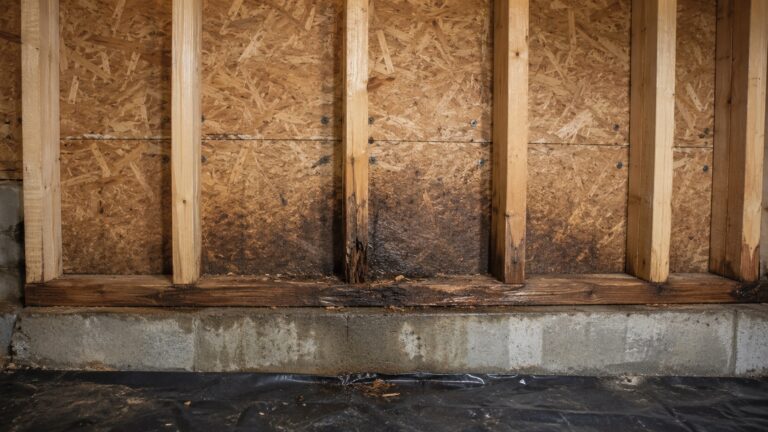
- Soft or darkened wood: This can indicate prolonged moisture exposure, especially if the area had previous dampness.
- Washed-out soil: Erosion around supports can reduce stability.
Basements can show structural red flags through wall movement, slab cracks, water pressure damage, and foundation shifting. Crawl spaces can show structural red flags through wet joists, damp beams, shifting supports, and soil erosion. Both areas should be approached carefully after flooding because the visible water line does not always show how deeply moisture affected the structure.
If a crawl space or basement flooded and the floors above now feel soft, uneven, or bouncy, the structural system below should be inspected. Do not assume the floor problem is only finished flooring. The issue may involve subflooring, joists, beams, sill plates, or support posts.
When a flood affects structural wood, the long-term decision may eventually involve whether the wood can be dried and kept or whether it needs repair or replacement. That decision belongs in a separate repair evaluation, but the warning signs here should tell you when to escalate. For that next-stage decision, see whether to repair or replace structural wood affected by moisture.
How to Tell Cosmetic Damage From Structural Warning Signs
After flooding, some damage affects only finishes, such as stained paint, damp carpet, minor trim swelling, or surface discoloration. Structural damage is different because it affects movement, alignment, strength, or stability in parts of the home that support loads or keep the building stable.
The damage may be more than cosmetic when you see:
- Movement: Floors, walls, ceilings, supports, or foundation areas appear shifted, sloped, bowed, or separated.
- Softness in structural areas: Floors feel spongy, subfloors flex, or exposed wood feels soft after flooding.
- Cracks that changed: New cracks appeared, old cracks widened, or cracks now show displacement.
- Repeated symptoms: Doors keep sticking, floors keep moving, or walls continue cracking after the home begins drying.
- Persistent dampness: Structural materials remain wet or musty after normal drying efforts.
- Load-bearing warning signs: Beams, posts, joists, sill plates, or supports look wet, bowed, tilted, separated, or deteriorated.
Cosmetic water damage usually affects appearance. Structural damage affects shape, alignment, strength, or safety. A water stain on drywall may be cosmetic. A wall that bows inward after flooding is not. A damp floor covering may be a finish problem. A floor that sags, dips, or feels unstable may involve the subfloor or framing below.
Timing also matters. Some structural signs are visible immediately after flooding, while others appear days or weeks later as materials dry unevenly. Wood may shrink after swelling. Fasteners may loosen. Flooring may cup or separate. Cracks may widen as foundation or framing movement becomes more visible. That is why post-flood monitoring is important even after the first cleanup is complete.
The safest approach is to treat any sign of movement, sagging, instability, or major cracking as more than cosmetic until a qualified person confirms otherwise. Do not cover these signs with paint, trim, flooring, or patching compound before the underlying cause is understood.
When to Call a Structural Professional After Flooding
Call a structural professional after flooding if the home shows signs of instability, movement, foundation stress, or load-bearing damage. Depending on the situation, that professional may be a structural engineer, building inspector, foundation contractor, restoration company, or qualified repair contractor.
You should seek professional evaluation when you notice:
- sagging, soft, or unstable floors;
- sagging ceilings or wet ceiling assemblies;
- bowed, bulging, or leaning walls;
- new horizontal, stair-step, diagonal, or widening cracks;
- doors and windows that suddenly stick after flooding;
- foundation movement, slab heaving, or displaced cracks;
- wet crawl space joists, beams, posts, or sill plates;
- washed-out soil around supports or foundation areas;
- standing water near electrical systems or structural supports;
- any area of the home that feels unsafe to walk through.
If the home still has active water damage, restoration may be the first step. A restoration company can remove water, dry affected materials, map moisture, and help identify areas that need further inspection. For larger, contaminated, or hidden water events, see when to call water damage restoration services before assuming the damage is manageable with basic drying.
If the issue involves movement, cracking, bowing, sagging, or load-bearing concerns, a structural engineer or qualified building professional may be needed. Restoration companies can dry materials, but they may not be the final authority on whether a foundation, beam, joist system, or load-bearing wall is structurally sound. For a next-step inspection framework, see how to evaluate structural safety after water damage.
Document what you see before repairs begin, as long as it is safe. Take photos of cracks, water lines, sagging areas, floor movement, damaged supports, and affected rooms. Note when the flooding occurred, how high the water reached, how long materials stayed wet, and which areas changed after the flood. This information can help inspectors, contractors, restoration crews, and insurance representatives understand the sequence of damage.
Most importantly, do not wait if the home appears unstable. Structural warning signs after flooding should be evaluated before cosmetic repairs begin. Drying, patching, repainting, or replacing flooring will not solve the problem if the structure underneath has shifted or weakened.
Structural Damage After Flooding FAQs
Can flooding damage a home’s structure?
Yes. Flooding can damage a home’s structure when water reaches foundations, subfloors, joists, beams, posts, load-bearing walls, crawl spaces, or basement walls. The risk is higher when water stays in place, soil becomes saturated, supports shift, or structural materials remain wet long enough to weaken or deform.
Are soft floors after flooding dangerous?
Soft floors after flooding should be taken seriously. The cause may be wet carpet, swollen underlayment, damaged subflooring, weakened joists, or support movement below the floor. A soft spot does not always mean collapse is likely, but you should avoid walking on areas that feel unstable and have the floor system evaluated if softness remains after drying.
What cracks are concerning after a flood?
Concerning cracks include new horizontal foundation cracks, stair-step masonry cracks, diagonal cracks from doors or windows, cracks that widen, cracks with displacement, and cracks paired with bowing walls, sticking doors, sloping floors, or foundation movement. Older hairline cracks may be less concerning, but any crack that changes after flooding deserves attention.
Can a flooded basement damage the foundation?
Yes. A flooded basement can contribute to foundation problems, especially when soil outside the foundation is saturated, drainage is poor, walls are already cracked, or water pressure increases against below-grade walls. Warning signs include bowing walls, new cracks, widening cracks, wall displacement, slab movement, and recurring seepage after the flood.
Should I enter a house with sagging ceilings after flooding?
No. Avoid entering or standing beneath areas with sagging ceilings after flooding or major water intrusion. Wet drywall, insulation, and ceiling materials can fail suddenly. Wait for qualified help if ceilings are sagging, dripping, cracked, bulging, or visibly unstable.
When should I call a structural engineer after flooding?
Call a structural engineer when flooding is followed by foundation movement, bowed walls, sagging floors, shifted supports, major cracking, structural wood concerns, or any sign that the home’s load-bearing components may be affected. A restoration company may help dry the home, but a structural engineer can evaluate whether the structure itself is safe.
Can structural damage appear days after flooding?
Yes. Some structural signs appear after materials begin drying, shrinking, swelling, or shifting. Floors may cup, doors may start sticking, cracks may widen, trim may separate, and damp framing may show delayed effects. Continue monitoring basements, crawl spaces, lower walls, subfloors, and foundation areas after cleanup.
Key Takeaways After Flood-Related Structural Damage
- Flooding can affect structural components such as foundations, subfloors, joists, beams, posts, wall framing, and basement walls.
- Sagging ceilings, soft floors, bowed walls, new cracks, shifted supports, and sticking doors or windows are important warning signs.
- Cosmetic water damage affects surfaces; structural damage affects movement, alignment, strength, or stability.
- Do not enter or remain in a home that appears unstable, electrically unsafe, contaminated, or at risk of collapse.
- Crawl spaces and basements need special caution because they often contain supports, joists, beams, and foundation systems.
- Call a restoration company for active water damage and a structural professional when movement, sagging, cracking, or load-bearing concerns are present.
One Comment
Comments are closed.