Best Exterior Caulks for Siding Repairs
Introduction
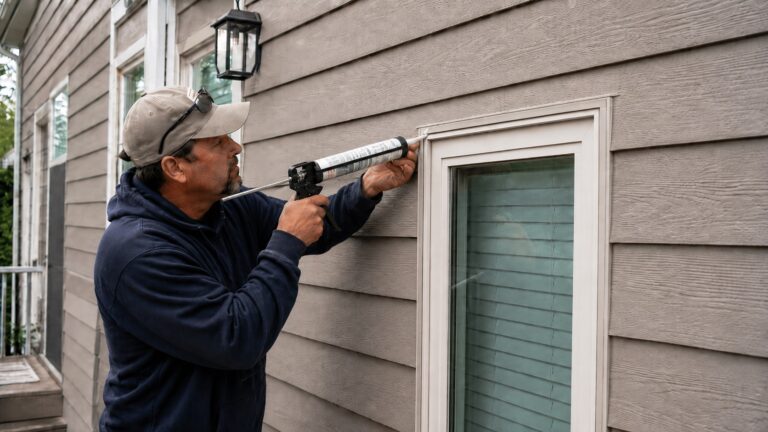
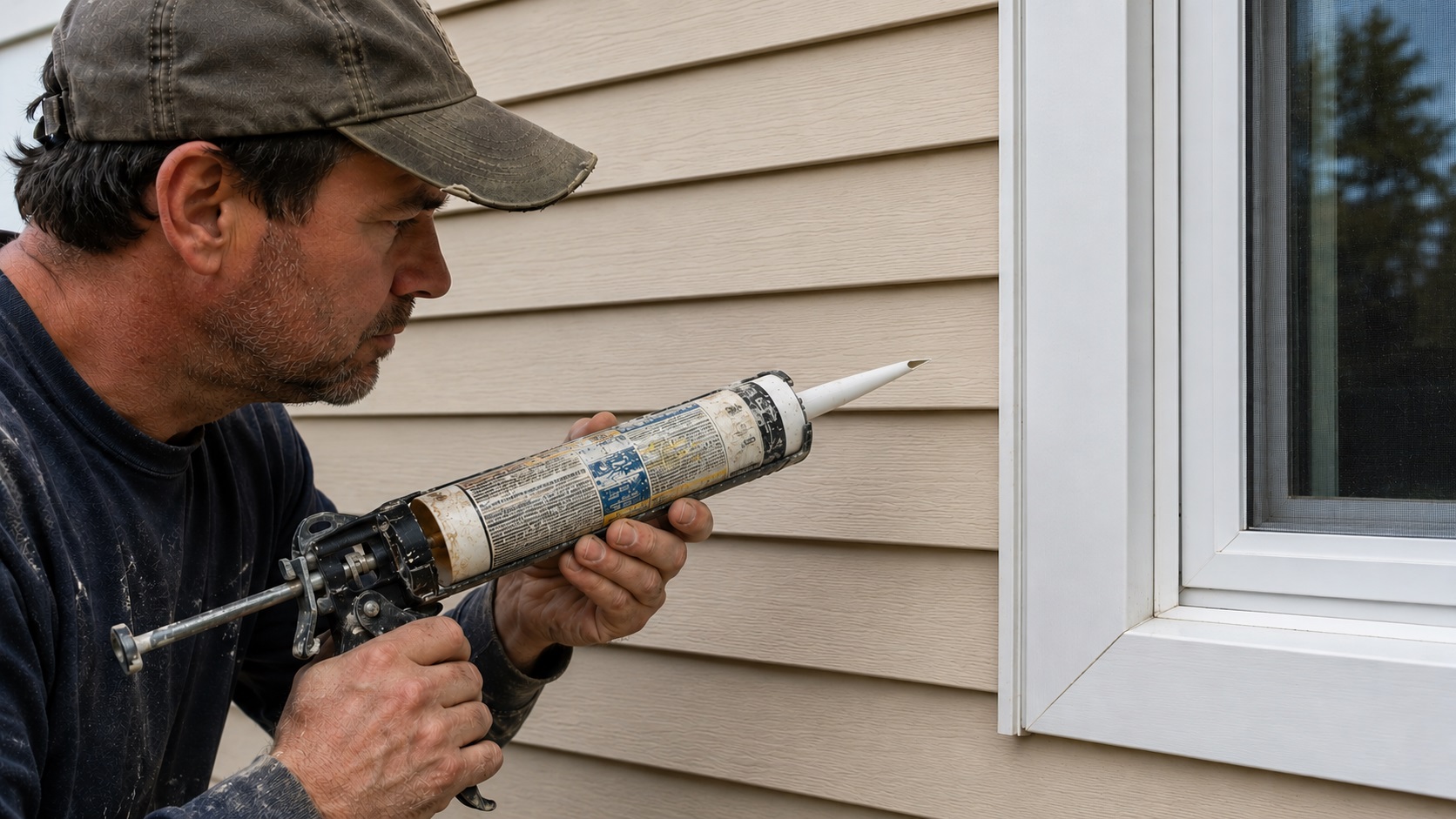
Small siding gaps can look harmless, but they often become weak points where wind-driven rain, damp air, and repeated expansion and contraction start working into the exterior wall system. The right caulk can help seal narrow joints around siding trim, corner boards, window and door edges, and small cracks before they turn into bigger moisture problems.
This guide focuses on the best exterior caulks for siding repairs, not roof caulks, flashing tapes, large gap fillers, or broad waterproof coatings. For a deeper look at how siding and exterior walls allow moisture indoors, see How Exterior Walls Allow Moisture Into Homes. You can also use this article alongside the sitewide moisture guide, How to Find, Fix, and Prevent Moisture Problems in Homes, if you are trying to understand the bigger cause of recurring dampness.
As an Amazon Associate, this site earns from qualifying purchases. This does not affect the price you pay. Our recommendations are based on research, product reliability, and real-world usability in moisture-prone environments.
Quick Picks for Siding Trim, Seams, and Small Gaps
- Best Overall Exterior Caulk for Siding Repairs: DAP DYNAFLEX 230 Premium Elastomeric Sealant
- Best for Moving Siding Joints: Sashco Big Stretch Acrylic Latex High Performance Caulking Sealant
- Best Professional-Grade Siding Caulk: OSI QUAD MAX Window, Door & Siding Sealant
- Best for Small-to-Medium Flexible Gaps: DAP Extreme Stretch Acrylic Urethane Premium Elastomeric Sealant
- Best Budget Paintable Siding Caulk: DAP Alex Plus Acrylic Latex Caulk, White, 10.1 Oz
- Best Alternative Paintable Exterior Caulk: Red Devil Lifetime Ultra 230 Premium Elastomeric Acrylic Latex Sealant
Exterior Siding Caulk Reviews for Trim, Seams, and Small Gaps
DAP DYNAFLEX 230 Premium Elastomeric Sealant — Best Overall Exterior Caulk for Siding Repairs
DAP DYNAFLEX 230 is the best overall choice for most homeowners because it fits the most common siding repair situations: trim seams, corner boards, siding-to-window edges, siding-to-door edges, and small exterior cracks that need a flexible, paintable seal. It is a practical choice when the goal is to reduce water entry around vulnerable exterior joints without turning the repair into a roof patch, flashing repair, or large-gap filler project.
This is the product I would use as the main recommendation when a homeowner wants one dependable exterior caulk for siding repairs before painting. It has enough flexibility for normal exterior movement, but it still stays in the paintable siding-caulk category rather than drifting into specialty waterproof sealants.
Key Features
- Paintable exterior sealant for siding, trim, windows, doors, and similar joints
- Flexible formula designed for normal exterior movement
- Useful for small gaps, narrow seams, and siding trim transitions
- Good homeowner-friendly balance of durability, tooling, and paintability
- Available in multi-pack form for larger exterior maintenance projects
Pros
- ✔ Strong all-around fit for common siding caulk repairs
- ✔ Paintable, which matters for siding trim and exterior touch-up work
- ✔ Easier for most homeowners to use than more aggressive solvent-based sealants
- ✔ Works well as the default choice for routine siding maintenance
Cons
- ✖ Not the right fix for rotten siding, missing flashing, or major wall leaks
- ✖ Larger gaps may need backer rod, trim repair, or a different repair approach
- ✖ A 12-pack may be more than a homeowner needs for one small repair
Best For
- Homeowners sealing siding-to-trim joints before painting
- Small exterior gaps around corner boards, windows, doors, and trim
- Routine siding maintenance where paintability matters
Check the DAP DYNAFLEX 230 Premium Elastomeric Sealant on Amazon to see current availability.
Sashco Big Stretch Acrylic Latex High Performance Caulking Sealant — Best for Moving Siding Joints
Sashco Big Stretch is the best pick when the problem is movement. Siding, trim, corner boards, and exterior joints expand and contract as temperatures change. If a joint keeps cracking after being caulked, the issue may not be the size of the gap alone. It may be that the joint is moving more than a basic caulk can handle.
This product is especially useful around older siding, long trim seams, eaves, soffits, and siding transitions where a stiff bead can split. It is still a paintable caulk, so it fits this article well, but it should be used for appropriate siding joints rather than as a substitute for repairing loose siding panels or hidden water damage.
Key Features
- High-flexibility acrylic latex sealant for moving joints
- Designed for interior and exterior applications
- Suitable for siding, windows, doors, vents, soffits, eaves, and trim
- Paintable after proper curing according to product directions
- Good option for joints where ordinary caulk has cracked repeatedly
Pros
- ✔ Excellent choice for expansion and contraction around siding trim
- ✔ Paintable, making it useful for finished exterior repairs
- ✔ Helpful for older homes where joints may move more than expected
- ✔ Strong category fit for siding seams and exterior trim joints
Cons
- ✖ Not ideal where the repair needs a hard sandable filler
- ✖ Not a replacement for flashing, siding patches, or structural repair
- ✖ May be more flexible than needed for simple nail holes or tiny cosmetic cracks
Best For
- Siding joints that crack because of seasonal movement
- Trim-to-siding joints on older homes
- Long exterior seams where flexibility is more important than hardness
OSI QUAD MAX Window, Door & Siding Sealant — Best Professional-Grade Siding Caulk
OSI QUAD MAX is the most professional-leaning option in this lineup. It is made specifically for window, door, and siding applications, which makes it a strong match for homeowners who want a more contractor-style exterior sealant for siding trim, window edges, door edges, and exposed exterior joints.
The main advantage of OSI QUAD MAX is its siding-specific positioning and color availability. It is often used where appearance and exterior durability both matter. For this article, the white version is the safest default link because white is commonly used around trim and can fit many siding repair situations. Black and clear versions may be useful for specific colors or materials, but they are not as universal.
Key Features
- Designed for window, door, and siding sealing
- Professional-style exterior sealant for demanding outdoor joints
- Available in multiple colors for siding and trim matching
- Useful for siding-to-trim, window, and door perimeter joints
- Good choice where a basic budget caulk may not feel durable enough
Pros
- ✔ Very strong fit for siding-specific exterior caulking
- ✔ Good option for homeowners who want a more pro-grade product
- ✔ Color options make it easier to match visible exterior joints
- ✔ Better suited to exterior exposure than general-purpose interior caulks
Cons
- ✖ Can be less beginner-friendly than simple acrylic latex caulk
- ✖ Color choice matters; black or clear may not be right for most trim work
- ✖ Not the right product for filling large voids behind siding
Best For
- Professional-style siding trim repairs
- Window and door perimeter sealing where the joint meets siding
- Visible exterior joints where color and durability both matter
Check the OSI QUAD MAX Window, Door & Siding Sealant on Amazon to see current availability.
DAP Extreme Stretch Acrylic Urethane Premium Elastomeric Sealant — Best for Small-to-Medium Flexible Gaps
DAP Extreme Stretch is the right choice when you need more flexibility than a basic paintable caulk but still want to stay within the siding-caulk category. It is useful for small-to-medium exterior joints that move, such as trim transitions, siding seams, and gaps around exterior details.
The important thing is not to treat this as a solution for every large opening. Manufacturer gap-width claims can be helpful, but in real siding repairs, large or deep gaps often need backer rod, trim correction, siding repair, or flashing work. Use this product when the joint is still a caulkable siding joint, not when the wall assembly has a bigger failure.
Key Features
- Acrylic urethane formula with strong flexibility
- Paintable after proper curing according to label directions
- Useful for exterior siding, trim, windows, doors, eaves, and vents
- Good choice where ordinary caulk may split from movement
- Designed for weather-exposed exterior joints
Pros
- ✔ More flexible than many basic budget caulks
- ✔ Strong fit for small-to-medium siding gaps that move
- ✔ Paintable, which keeps it useful for finished siding repairs
- ✔ Good option for problem joints that need more stretch
Cons
- ✖ Should not be used to hide serious siding damage
- ✖ Large gaps may still require backer rod or a different repair product
- ✖ Can overlap with gap-filler products if used outside its proper role
Best For
- Small-to-medium siding gaps with repeated movement
- Exterior trim transitions that need paintable flexibility
- Homeowners who want more stretch than a basic acrylic caulk
DAP Alex Plus Acrylic Latex Caulk, White, 10.1 Oz — Best Budget Paintable Siding Caulk
DAP Alex Plus is the budget-friendly option for simple exterior siding touch-ups. It is not the most advanced product in this list, but it makes sense for homeowners sealing small trim cracks, nail holes, and light-duty siding joints before painting.
This is the pick for low-risk repairs, not high-movement problem joints. If the joint has cracked multiple times, use Sashco Big Stretch or DAP Extreme Stretch instead. If the repair is around a window, door, or siding joint that needs a more professional-grade exterior sealant, OSI QUAD MAX may be the better choice.
Key Features
- Siliconized acrylic latex caulk for general interior and exterior use
- Paintable, making it useful for siding trim touch-ups
- Good for small cracks, nail holes, and narrow trim gaps
- Easy water cleanup compared with many heavier-duty sealants
- Common homeowner-friendly caulk for basic paint-prep repairs
Pros
- ✔ Good budget pick for simple siding trim repairs
- ✔ Easy to use for homeowners doing small maintenance jobs
- ✔ Paintable and practical for exterior touch-up work
- ✔ Less specialized than premium options, but useful for basic repairs
Cons
- ✖ Not the best choice for high-movement siding joints
- ✖ Not ideal for large gaps, severe water exposure, or failing siding
- ✖ Budget caulk may not hold up well if the joint actually needs a more flexible product
Best For
- Small siding trim gaps before painting
- Light-duty exterior caulking around painted trim
- Homeowners who need an affordable paintable caulk for minor maintenance
Check the DAP Alex Plus Acrylic Latex Caulk on Amazon to see current availability.
Red Devil Lifetime Ultra 230 Premium Elastomeric Acrylic Latex Sealant — Best Alternative Paintable Exterior Caulk
Red Devil Lifetime Ultra 230 is a strong alternative option when you want a paintable elastomeric exterior caulk and one of the other main picks is unavailable. It fits the siding repair category better than a pure silicone caulk because it can be painted and used for exterior joints where appearance matters.
This product is best treated as an alternative to DAP DYNAFLEX 230 or DAP Alex Plus, depending on the size and importance of the job. It is not the first product I would choose for a repeatedly cracking joint, but it is a reasonable option for general exterior caulking around siding, trim, and small gaps.
Key Features
- Paintable elastomeric acrylic latex sealant
- Suitable for interior and exterior use
- Useful for siding trim, small gaps, and general exterior joints
- Water cleanup makes it easier for homeowners to handle
- Good alternative when other paintable siding caulks are unavailable
Pros
- ✔ Good paintable alternative to the main DAP options
- ✔ Better topical fit than pure silicone for siding trim repairs
- ✔ Useful for common exterior maintenance projects
- ✔ Works as an alternate product if availability changes
Cons
- ✖ Not as strong a primary recommendation as DAP DYNAFLEX 230 or Sashco Big Stretch
- ✖ Listing availability and pack options may vary
- ✖ Not a substitute for siding patch kits, flashing repair, or wood filler
Best For
- Homeowners who need an alternative paintable exterior caulk
- General siding trim and small-gap sealing
- Minor exterior maintenance where a flexible acrylic latex sealant is appropriate
Side-by-Side Comparison of Exterior Siding Caulks
| Product | Category | Best Use Case | Key Strengths | Main Limitation | Amazon Link |
|---|---|---|---|---|---|
| DAP DYNAFLEX 230 Premium Elastomeric Sealant | Best Overall Exterior Caulk for Siding Repairs | Most siding trim, corner board, window, and door edge repairs | Paintable, flexible, strong all-around siding fit | Multi-pack may be more than needed for one small job | View on Amazon |
| Sashco Big Stretch Acrylic Latex High Performance Caulking Sealant | Best for Moving Siding Joints | Joints that crack from expansion and contraction | Very flexible and paintable | Not needed for every tiny cosmetic gap | View on Amazon |
| OSI QUAD MAX Window, Door & Siding Sealant | Best Professional-Grade Siding Caulk | Visible siding, window, door, and trim joints | Siding-specific, color options, pro-style exterior use | Less beginner-friendly than basic acrylic caulk | View on Amazon |
| DAP Extreme Stretch Acrylic Urethane Premium Elastomeric Sealant | Best for Small-to-Medium Flexible Gaps | Flexible siding gaps and moving exterior joints | High flexibility while remaining paintable | Large or deep gaps may need backer rod or repair work | View on Amazon |
| DAP Alex Plus Acrylic Latex Caulk, White, 10.1 Oz | Best Budget Paintable Siding Caulk | Small paint-prep siding trim repairs | Affordable, paintable, easy to apply | Not best for high-movement or high-exposure joints | View on Amazon |
| Red Devil Lifetime Ultra 230 Premium Elastomeric Acrylic Latex Sealant | Best Alternative Paintable Exterior Caulk | General siding trim and small exterior gaps | Paintable, flexible, useful alternative option | Not as strong a lead pick as the top products | View on Amazon |
How to Choose the Right Caulk for Siding Joints and Trim Repairs
Choose paintable caulk for most siding trim repairs
For siding repairs, paintability is usually more important than many homeowners realize. A pure silicone product may shed water well, but if you need to paint the trim, siding edge, or caulk bead, silicone can become a problem. For most siding joints, a paintable acrylic latex, elastomeric latex, or acrylic urethane sealant is the better fit.
If you are sealing around painted trim, corner boards, fiber cement siding, wood siding, or painted window trim, start with a paintable product such as DAP DYNAFLEX 230, Sashco Big Stretch, DAP Extreme Stretch, DAP Alex Plus, or Red Devil Lifetime Ultra 230.
Match the caulk to joint movement
Siding joints move. Vinyl siding expands and contracts. Wood trim swells and shrinks. Fiber cement and painted trim can shift slightly as temperature and moisture levels change. If the joint is long, exposed, or has cracked before, choose a more flexible product such as Sashco Big Stretch or DAP Extreme Stretch.
For simple trim touch-ups, DAP Alex Plus may be enough. For the best all-around siding repair balance, DAP DYNAFLEX 230 is the safest default.
Decide whether you need one tube or a multi-pack
A single tube is usually enough for one or two small trim repairs. A 12-pack makes more sense if you are recaulking several windows, doors, corner boards, or long siding trim runs before repainting. Do not buy a large pack just because it looks convenient if the caulk may sit unused for a long time.
Do not use siding caulk to hide major water-entry problems
Caulk can help protect small joints, but it cannot fix failed flashing, rotten trim, loose siding, missing J-channel, or water behind the wall. If you see staining, soft sheathing, recurring dampness, or moldy odors near an exterior wall, read Signs of Water Damage Behind Siding before assuming caulk alone will solve the problem.
Use a pro-grade sealant where visibility and durability matter
For highly visible siding joints around doors, windows, and trim, OSI QUAD MAX is a strong choice. It is especially useful when you want a more professional-looking exterior bead and need color options. It may be more product than you need for a tiny nail hole, but it makes sense for exposed joints where appearance and long-term exterior exposure both matter.
Know when this is not a caulk job
If a gap is wide, deep, irregular, or open behind the siding, it may not belong in a caulk article at all. Large gaps may need backer rod, a trim repair, a proper siding repair kit, flashing correction, or replacement parts. If the problem is cracked or missing siding, compare that situation with Best Siding Repair Kits rather than trying to fill everything with caulk.
How to Apply Exterior Siding Caulk Without Trapping Moisture
Clean the joint before applying caulk
Caulk sticks best to clean, dry, sound surfaces. Remove loose old caulk, dirt, mildew, peeling paint, and chalky residue before applying a new bead. If you caulk over dirt or failing paint, the caulk may bond to the weak layer instead of the siding or trim.
Cut the nozzle smaller than you think
Many homeowners cut the caulk tube too wide. For siding seams and trim joints, start with a smaller opening and enlarge it only if needed. A smaller bead is easier to control and less likely to smear across the siding face.
Use backer rod for deeper joints
Deep gaps should not be filled with a giant mass of caulk. Backer rod helps control bead depth and allows the caulk to stretch correctly. Without it, the caulk can shrink, slump, cure poorly, or tear away from the sides of the joint.
Tool the bead before it skins over
After applying the caulk, smooth it while it is still workable. The goal is a neat bead that contacts both sides of the joint. Do not leave gaps, ridges, or thin spots where water can sit.
Let it cure before painting or heavy exposure
Follow the product label for paint time and cure time. Paintable does not mean instantly paintable in every condition. Cool, damp, or shaded areas can slow drying. Rushing the paint step can trap moisture or weaken the finish.
Inspect the wall if the caulk keeps failing
If a joint keeps splitting, staining, or staying damp, the issue may be movement, trapped moisture, or water entering from above. In that case, inspect the area more carefully with help from How to Detect Moisture Behind Exterior Siding.
Siding Caulk Mistakes That Can Let Moisture Back In
Using roof caulk on siding trim
Roofing caulks are made for roof leak prevention, flashing, shingles, vents, and roof surfaces. They are not usually the best choice for siding trim seams or painted exterior joints. Siding caulk should be selected for paintability, flexibility, appearance, and compatibility with siding materials.
Using pure silicone where paint is needed
Pure silicone may be waterproof, but it is often a poor fit for painted siding trim. If the repair will be painted, choose a paintable product. Otherwise, the paint may not bond well to the caulk bead.
Caulking over wet or damaged material
Caulk should not be used to seal in moisture. If the siding, trim, or sheathing is wet, soft, moldy, or rotten, the moisture problem needs to be addressed first. Sealing damp material can trap the problem instead of solving it.
Filling large gaps with caulk alone
Caulk is not a structural filler. Large gaps, missing trim, broken siding pieces, and open wall joints need the correct repair method. Caulk can finish a joint, but it should not replace missing building materials.
Blocking drainage paths
Some siding systems are designed to drain and breathe. Do not caulk weep holes, bottom edges, or drainage gaps unless the manufacturer’s instructions say to do so. Blocking drainage can trap water behind the siding.
Ignoring the source of recurring moisture
If moisture keeps returning after repairs, caulk may not be the real solution. Recurring moisture can come from failed flashing, roof runoff, window leaks, exterior penetrations, or trapped water behind siding. In that situation, use Why Moisture Problems Keep Returning to think through the larger pattern.
Exterior Siding Caulk FAQ
What is the best exterior caulk for siding repairs?
For most homeowners, DAP DYNAFLEX 230 is the best overall exterior caulk for siding repairs because it is paintable, flexible, and suitable for common exterior siding and trim joints. If the joint moves a lot, Sashco Big Stretch or DAP Extreme Stretch may be better.
Should I use silicone or paintable caulk on siding?
Use paintable caulk for most siding trim, corner board, window trim, and door trim repairs. Pure silicone can be useful in some waterproofing situations, but it is usually not the best choice where the bead needs to be painted.
Can caulk stop water from getting behind siding?
Caulk can help seal small, appropriate joints, but it cannot fix every water-entry problem. If water is getting behind siding because of failed flashing, loose panels, damaged trim, or hidden wall damage, caulk alone will not solve the root cause.
What caulk should I use for siding joints that keep cracking?
For siding joints that keep cracking, choose a flexible product such as Sashco Big Stretch or DAP Extreme Stretch. Repeated cracking often means the joint is moving more than a basic caulk can handle.
Can I caulk vinyl siding seams?
Be careful with vinyl siding. Vinyl is designed to move, and many seams should not be permanently sealed. Caulk is more appropriate around trim, penetrations, and certain transition points than along every siding lap or panel joint.
Do I need backer rod before caulking siding gaps?
Use backer rod when the gap is deeper than a normal caulk bead should be. Backer rod helps control bead depth and improves the way the caulk stretches. Without it, deep caulk beads can fail prematurely.
How long should exterior siding caulk last?
Lifespan depends on the product, sun exposure, joint movement, surface preparation, moisture exposure, and installation quality. Even good caulk should be inspected regularly as part of exterior maintenance.
When should I replace siding instead of caulking it?
If siding is cracked, warped, rotten, loose, soft, or allowing repeated moisture behind the wall, caulk may only hide the problem. For bigger decisions, see How to Decide Whether to Repair or Replace Siding.
Which Siding Caulk Should You Choose?
The best exterior caulk for siding repairs depends on the type of joint you are sealing. For most homeowners, DAP DYNAFLEX 230 is the best overall choice in this lineup because it balances paintability, flexibility, and siding repair usefulness. Choose Sashco Big Stretch if the joint moves or has cracked before. Use OSI QUAD MAX when you want a more professional-grade siding, window, and door sealant.
DAP Extreme Stretch is the best fit for small-to-medium flexible gaps that need more movement capacity, while DAP Alex Plus is the budget option for simple paint-prep siding trim repairs. Red Devil Lifetime Ultra 230 works well as an alternative paintable exterior caulk if the main picks are unavailable.
Caulk is most useful when the joint is clean, dry, narrow, and structurally sound. If you see hidden moisture, recurring staining, soft trim, or water behind the siding, treat that as a moisture investigation first and a caulking job second.