Best Exterior Sealants for Water Protection: Walls, Concrete, Brick, and Masonry
Introduction
Exterior walls, concrete, brick, stucco, block, and exposed masonry can absorb or hold water long before moisture shows up indoors. Once water gets into porous exterior surfaces, it can contribute to damp wall cavities, peeling coatings, efflorescence, musty odors, and hidden moisture problems behind finishes. The right exterior waterproofing product can help reduce water absorption, protect masonry surfaces, and slow down moisture intrusion at vulnerable wall areas.
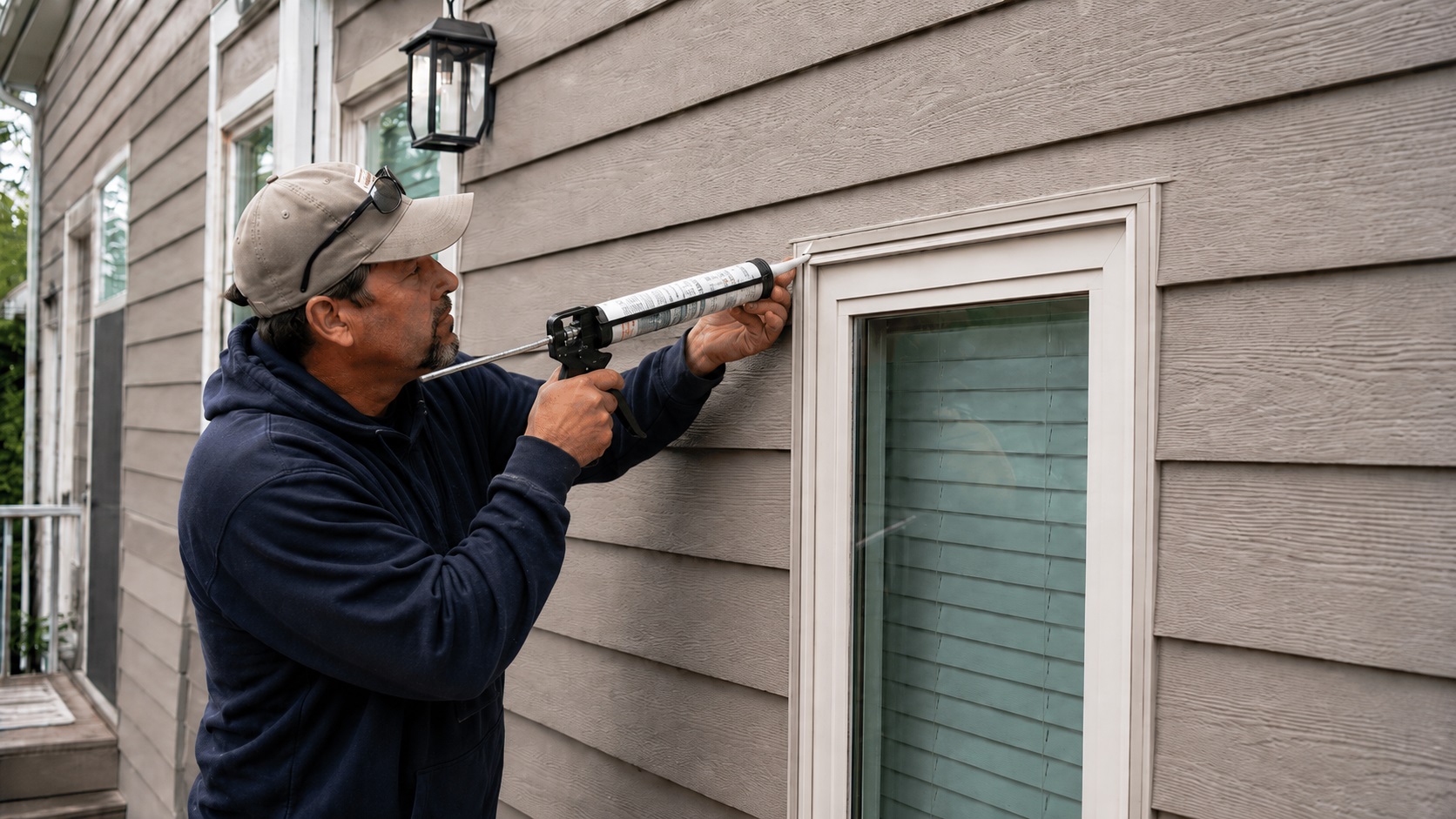
This guide focuses on the best exterior sealants for water protection in the sense of waterproofing paints, liquid rubber wall coatings, penetrating concrete sealers, masonry water repellents, and exterior wall surface sealers. It does not cover standard siding caulk, flashing tape, roofing tar, or roof repair sealants. If you are trying to seal narrow siding joints, trim gaps, or bead-style cracks, you probably need exterior caulk instead; this guide is for surface-applied wall, concrete, brick, and masonry water protection. For the larger exterior wall system, see our guide to how exterior walls allow moisture into homes. For whole-home moisture prevention, see How to Find, Fix, and Prevent Moisture Problems in Homes.
As an Amazon Associate, this site earns from qualifying purchases. This does not affect the price you pay. Our recommendations are based on research, product reliability, and real-world usability in moisture-prone environments.
Quick Picks for Exterior Wall and Masonry Water Protection
- Best Overall Exterior Waterproofing Paint: KILZ Basement and Masonry Waterproofing Paint
- Best Flexible Exterior Foundation Coating: Liquid Rubber Basement and Foundation Repair Sealant
- Best for Exterior Block and Masonry Walls: Ames Block & Wall Liquid Rubber Waterproofer
- Best Penetrating Concrete and Masonry Sealer: Foundation Armor SX5000 WB Natural-Look Penetrating Silane/Siloxane Concrete Sealer
- Best for Brick and Mortar: Rain Guard Brick Sealer
- Best Clear Sealer for Exterior Concrete Flatwork: Rain Guard Concrete Sealer
- Best for Natural-Look Masonry Protection: MasonryDefender All Purpose Masonry & Concrete Sealer
Exterior Waterproofing Sealant Reviews
Best Overall Exterior Waterproofing Paint: KILZ Basement and Masonry Waterproofing Paint
KILZ Basement and Masonry Waterproofing Paint is a strong choice for homeowners who want a paint-like waterproofing coating for porous masonry surfaces. It fits this article well because it is made for concrete, brick, cinder block, stucco, and masonry wall surfaces rather than siding seams, flashing tape, or roof patches. For exterior wall water protection, it is most useful when you want a white coated finish on masonry that has been properly cleaned and prepared.
Key Features
- Designed for masonry surfaces such as concrete, brick, cinder block, stucco, and wall surfaces.
- Paint-style application for homeowners who want a coated waterproofing finish rather than a clear sealer.
- Useful for vertical wall surfaces where bare masonry is absorbing moisture.
- Works best when applied to clean, sound, uncoated masonry according to the label directions.
Pros
- ✔ Good lead option for homeowners who want a familiar paint-style waterproofing product.
- ✔ Better for masonry walls than standard exterior caulk or flashing tape.
- ✔ Covers a wide range of common exterior wall materials.
- ✔ Helpful when the goal is a uniform white protective coating.
Cons
- ✖ Not the right choice if you want to preserve the natural look of brick, stone, or concrete.
- ✖ Surface preparation matters; poor cleaning or loose old coatings can lead to poor adhesion.
- ✖ Not a substitute for fixing active drainage, grading, gutter, or structural water-entry problems.
Best For
- Homeowners sealing exterior masonry walls, concrete block, stucco, or painted-looking wall surfaces where a waterproofing paint is preferred.
Check the KILZ Basement and Masonry Waterproofing Paint on Amazon to see current availability.
Best Flexible Exterior Foundation Coating: Liquid Rubber Basement and Foundation Repair Sealant
Liquid Rubber Basement and Foundation Repair Sealant is a better fit for heavier waterproofing jobs where a flexible, membrane-like coating is needed on exterior foundation faces, retaining walls, or concrete surfaces. It is not a simple paint or clear sealer. It is more of a thick waterproofing coating that needs adequate film build, multiple coats, and careful surface preparation. For this article, the best use case is exterior foundation-facing walls and exterior concrete surfaces rather than interior basement seepage.
This product should not be used as a way to ignore active water pressure, poor grading, clogged gutters, or drainage problems around the foundation. If water is repeatedly pushing against the wall, deal with the water source before relying on any coating.
Key Features
- Flexible liquid coating designed for foundation and concrete waterproofing applications.
- Applied in multiple coats to build a thicker waterproofing layer.
- Useful where small movement or hairline cracking makes a flexible coating more appropriate than a hard paint film.
- Best suited to prepared exterior foundation faces, concrete retaining walls, and similar surfaces.
Pros
- ✔ Better flexibility than many paint-style masonry coatings.
- ✔ Strong option for exterior foundation faces and concrete surfaces that need a thicker protective coating.
- ✔ Good fit for problem areas where a clear penetrating sealer is not enough.
- ✔ Useful for homeowners who want a brush- or roller-applied liquid membrane approach.
Cons
- ✖ Coverage can be much lower than ordinary paint because it needs heavier application.
- ✖ Not ideal for decorative exposed masonry where appearance matters.
- ✖ Should not be treated as a cure for structural cracks, major foundation movement, or poor exterior drainage.
- ✖ Long-term sun exposure and topcoat requirements should be checked on the exact product label.
Best For
- Exterior foundation faces, retaining walls, and concrete wall areas where flexibility and heavier waterproofing coverage matter more than appearance.
Best for Exterior Block and Masonry Walls: Ames Block & Wall Liquid Rubber Waterproofer
Ames Block & Wall Liquid Rubber Waterproofer is another flexible coating option, but it is especially useful to consider for exterior block, masonry, foundation, and retaining-wall surfaces. It gives homeowners a white liquid rubber style coating instead of a black foundation coating or clear penetrating sealer. It belongs in this article because it addresses exterior wall water protection at the wall-surface level, not siding gaps or roof repairs.
Like other exterior coatings, Ames works best when the wall is not being overwhelmed by ongoing water pressure. If the surrounding soil stays saturated or water is pooling against the structure, correct drainage and grading problems first.
Key Features
- Liquid rubber style waterproofer for block, wall, masonry, and foundation-related surfaces.
- Dries into a flexible waterproofing membrane when applied at the proper thickness.
- Can help bridge small surface imperfections when applied correctly.
- White finish is more wall-friendly than many black foundation coatings.
Pros
- ✔ Strong fit for exterior block and masonry wall surfaces.
- ✔ Flexible coating is useful on porous wall materials that may experience minor movement.
- ✔ White finish may be easier to integrate visually than black foundation coating.
- ✔ Good option when a painted waterproofing surface is acceptable.
Cons
- ✖ May require top-coating or extra care in exposed exterior applications depending on sun exposure and label instructions.
- ✖ Not the best choice for natural brick, stone, or decorative concrete if you want the original look preserved.
- ✖ Does not replace proper drainage, flashing, gutter control, or structural repairs.
Best For
- Exterior block walls, foundation faces, retaining walls, and masonry surfaces where a flexible white coating is preferred.
Check the Ames Block & Wall Liquid Rubber Waterproofer on Amazon to see current availability.
Best Penetrating Concrete and Masonry Sealer: Foundation Armor SX5000 WB Natural-Look Penetrating Silane/Siloxane Concrete Sealer
Foundation Armor SX5000 WB is the product in this lineup for homeowners who want water repellency without a painted or rubber-coated look. It is a penetrating silane/siloxane sealer, which means it is meant to work below the surface instead of forming a thick visible coating. That makes it useful for concrete, brick, pavers, and natural stone where breathability and a natural appearance are important.
Key Features
- Penetrating silane/siloxane formula for porous concrete and masonry.
- Natural-look finish for surfaces where a visible coating is not desired.
- Designed to reduce water absorption while allowing vapor movement.
- Useful for exterior concrete, brick, pavers, natural stone, patios, walkways, and similar surfaces.
Pros
- ✔ Excellent choice when you do not want a painted finish.
- ✔ Strong fit for exterior concrete, brick, pavers, and masonry surfaces.
- ✔ Breathable penetrating approach is useful for masonry that should not be trapped under a film.
- ✔ Less likely to peel than film-forming coatings when used on the right surface.
Cons
- ✖ Not designed to fill cracks or cover damaged surfaces.
- ✖ Will not hide stains, discoloration, or cosmetic problems.
- ✖ Porous, unsealed surfaces usually respond best; previously coated surfaces may not absorb properly.
Best For
- Homeowners protecting concrete, brick, stone, pavers, patios, walkways, and masonry surfaces while keeping a natural appearance.
Check the Foundation Armor SX5000 WB Concrete Sealer on Amazon to see current availability.
Best for Brick and Mortar: Rain Guard Brick Sealer
Rain Guard Brick Sealer is the most targeted pick for brick walls and mortar joints. Brick and mortar can absorb wind-driven rain, especially on exposed walls, chimneys, garden walls, and older masonry. A brick-specific water repellent is often a better match than a general concrete paint when you want to reduce water absorption without covering the brick face with a solid coating.
Key Features
- Designed for brick and mortar surfaces rather than general painted siding repairs.
- Penetrating water-repellent approach for porous masonry.
- Useful where the goal is to protect the brick while keeping its original look.
- Good fit for exterior brick walls, brick veneer, masonry fences, and similar surfaces.
Pros
- ✔ More specific to brick and mortar than a generic concrete coating.
- ✔ Better visual fit for natural brick surfaces than waterproofing paint.
- ✔ Useful for wind-driven rain exposure on porous masonry.
- ✔ Helps keep this article from becoming only paint-style waterproofers.
Cons
- ✖ Not intended to repair cracked mortar or failing brickwork.
- ✖ Surface must be clean, absorbent, and compatible with penetrating sealer.
- ✖ Not a substitute for tuckpointing, flashing repair, or chimney cap/crown repairs where those are needed.
Best For
- Brick walls, mortar joints, brick veneer, garden walls, and masonry surfaces exposed to rain.
Check the Rain Guard Brick Sealer on Amazon to see current availability.
Best Clear Sealer for Exterior Concrete Flatwork: Rain Guard Concrete Sealer
Rain Guard Concrete Sealer is a clear concrete-focused option for homeowners who want to protect exterior slabs or concrete surfaces without applying a colored coating. It is most useful for exposed concrete where the surface is sound but porous. Compared with waterproofing paints, a clear concrete sealer is usually chosen when appearance matters and the surface does not need cosmetic coverage.
Key Features
- Clear sealer approach for concrete surfaces where the original look should remain visible.
- Useful for exterior concrete that is absorbing water but does not need a heavy coating.
- Better fit for slabs and flatwork than flexible foundation coatings.
- Good option when you want water repellency without a painted finish.
Pros
- ✔ Good choice for homeowners who want a clear concrete sealer rather than waterproofing paint.
- ✔ Useful for patios, walkways, exterior concrete, and other exposed concrete flatwork.
- ✔ Helps reduce overlap with foundation coating products by serving a flatwork/concrete role.
- ✔ Easier to recommend when the concrete is sound and appearance matters.
Cons
- ✖ Not a crack repair product.
- ✖ Not the strongest option for severe wall seepage or below-grade pressure.
- ✖ May overlap with other penetrating masonry sealers, so choose it mainly for concrete-specific flatwork use.
Best For
- Exterior concrete slabs, walkways, patios, garage-adjacent concrete, and sound concrete flatwork that needs clear water protection.
Check the Rain Guard Concrete Sealer on Amazon to see current availability.
Best for Natural-Look Masonry Protection: MasonryDefender All Purpose Masonry & Concrete Sealer
MasonryDefender All Purpose Masonry & Concrete Sealer is a clean fit for this article because it is aimed at exterior, above-grade masonry and concrete surfaces. It is a natural-look water-repellent sealer rather than a coating that changes the surface appearance. That makes it a good choice for homeowners who want exterior masonry protection without making brick, stone, or concrete look painted.
Key Features
- Designed for exterior, above-grade masonry and concrete surfaces.
- Natural-look, non-film-forming approach for decorative masonry.
- Useful for concrete, brick, stone, and similar porous exterior materials.
- Good fit where breathability and original appearance matter.
Pros
- ✔ Very clean fit for exterior wall and masonry protection.
- ✔ Helps avoid cannibalization with interior basement waterproofing products.
- ✔ Good choice for homeowners who want water repellency without a visible coating.
- ✔ Works well as a natural-look alternative to KILZ, Ames, and Liquid Rubber.
Cons
- ✖ Not intended for below-grade or interior basement waterproofing.
- ✖ Does not fill cracks or repair damaged masonry.
- ✖ Requires absorbent, bare, compatible masonry for best results.
Best For
- Exterior above-grade brick, concrete, stone, and masonry surfaces where the homeowner wants natural-looking water protection.
Exterior Sealant Comparison for Concrete, Brick, and Masonry
| Product | Category | Best Use Case | Key Strengths | Main Limitation | Amazon Link |
|---|---|---|---|---|---|
| KILZ Basement and Masonry Waterproofing Paint | Best Overall Exterior Waterproofing Paint | Masonry walls, block, concrete, brick, and stucco where a white coating is acceptable. | Paint-style waterproofing finish for vertical masonry surfaces. | Not ideal when you want a natural brick or stone appearance. | View on Amazon |
| Liquid Rubber Basement and Foundation Repair Sealant | Best Flexible Exterior Foundation Coating | Exterior foundation faces, retaining walls, and concrete walls needing a flexible coating. | Flexible, heavier-build liquid coating for waterproofing applications. | Lower coverage than paint and may need multiple heavy coats. | View on Amazon |
| Ames Block & Wall Liquid Rubber Waterproofer | Best for Exterior Block and Masonry Walls | Block walls, foundation faces, retaining walls, and masonry surfaces. | Flexible white liquid rubber style coating. | Check UV/topcoat guidance before exposed exterior use. | View on Amazon |
| Foundation Armor SX5000 WB | Best Penetrating Concrete and Masonry Sealer | Concrete, brick, pavers, stone, patios, walkways, and natural-look masonry. | Penetrating silane/siloxane sealer that does not create a heavy visible film. | Does not hide stains or repair cracks. | View on Amazon |
| Rain Guard Brick Sealer | Best for Brick and Mortar | Brick walls, brick veneer, mortar joints, and exposed masonry. | Brick-specific water-repellent protection. | Will not repair deteriorated mortar or structural brick damage. | View on Amazon |
| Rain Guard Concrete Sealer | Best Clear Sealer for Exterior Concrete Flatwork | Concrete patios, walkways, slabs, and exposed concrete flatwork. | Clear concrete-focused water protection. | Not for severe wall seepage or crack repair. | View on Amazon |
| MasonryDefender All Purpose Masonry & Concrete Sealer | Best for Natural-Look Masonry Protection | Exterior above-grade brick, stone, concrete, and masonry. | Natural-look breathable water-repellent finish. | Not for below-grade or interior basement waterproofing. | View on Amazon |
How to Choose an Exterior Waterproofing Sealant for Your Surface
The right exterior sealant depends less on the label and more on the surface you are treating. A concrete wall, brick veneer, stucco wall, retaining wall, and patio slab do not all need the same product.
If you want a visible waterproofing coating, choose a paint-style or liquid rubber product. KILZ is the best fit when you want a white waterproofing paint on masonry. Liquid Rubber and Ames Block & Wall are better when you want a thicker, more flexible coating on exterior foundation faces, block walls, or retaining walls.
If you want the surface to look mostly unchanged, choose a penetrating sealer. Foundation Armor SX5000 WB, Rain Guard Brick Sealer, Rain Guard Concrete Sealer, and MasonryDefender are better for natural-look protection. These products are especially useful on porous concrete, brick, pavers, stone, and masonry where you do not want a painted appearance.
Vertical walls and horizontal concrete surfaces also need to be treated differently. A flexible coating such as Liquid Rubber or Ames is usually more relevant to foundation faces and vertical block walls, while clear concrete sealers are usually better suited to patios, walkways, slabs, and sound flatwork.
For trim joints, siding gaps, and small bead-style exterior sealing, use a dedicated caulk instead. See our separate guide to Best Exterior Caulks for Siding Repairs. For housewrap, sheathing seams, and window or door flashing details, use our separate guide to Best Flashing Tape for Siding Repairs, not this one. For diagnosing whether the wall is already wet, read Signs of Moisture in Exterior Walls.
How to Apply Exterior Wall and Masonry Sealers Correctly
Exterior waterproofing products work best when the wall is dry, clean, sound, and compatible with the product. Do not coat over loose paint, crumbling mortar, active leaks, trapped moisture, or dirt. The surface should be cleaned and allowed to dry according to the product label before application.
For film-forming coatings such as KILZ, Liquid Rubber, and Ames, film thickness matters. A thin coat may look finished but may not perform the way the product is intended. Follow the recommended number of coats, recoat timing, and coverage guidelines. Thick flexible coatings often cover far less area than ordinary wall paint.
For penetrating sealers, absorption matters. If the surface has already been painted, sealed, or heavily contaminated, a penetrating sealer may not soak in properly. Test a small area if the surface history is uncertain. Natural-look sealers are best for bare, porous masonry or concrete.
Always address the water source first. If gutters are overflowing, soil is sloped toward the house, downspouts are dumping water near the foundation, or flashing is failing, a surface sealer may only reduce symptoms temporarily. Our guide on how to prevent moisture build-up in exterior walls explains why surface protection should be part of a larger water-control plan.
Mistakes That Make Exterior Waterproofing Sealants Fail
- Using a wall coating as a crack repair: Hairline surface imperfections are different from active structural cracks. Larger cracks may need dedicated repair before coating.
- Sealing damp masonry too soon: Trapped moisture can cause poor adhesion, peeling, blistering, or continued dampness behind the coating.
- Using clear sealer where a membrane is needed: Penetrating sealers reduce absorption, but they do not build a thick waterproof barrier.
- Using waterproofing paint where appearance matters: KILZ, Ames, and Liquid Rubber can change the look of the surface. For natural brick or stone, use a penetrating masonry sealer instead.
- Ignoring drainage problems: Coatings are not a replacement for grading, gutters, downspouts, flashing, or exterior drainage improvements.
- Applying below-grade products in the wrong place: Some foundation coatings are better for buried or protected surfaces than exposed decorative walls.
- Confusing this category with caulk or tape: Caulk belongs in joint repair; flashing tape belongs behind siding, housewrap, and window/door details.
- Skipping inspection after application: Recheck walls after heavy rain. If stains, dampness, or musty smells continue, inspect the larger exterior wall system.
FAQ: Exterior Waterproofing Sealants and Masonry Sealers
What is the best exterior sealant for water protection?
The best exterior sealant depends on the surface. For a paint-style coating on masonry, KILZ is a strong all-around choice. For flexible foundation-face coating, Liquid Rubber or Ames may fit better. For natural-looking concrete, brick, or stone, a penetrating sealer such as Foundation Armor SX5000 WB or MasonryDefender is usually more appropriate.
Are exterior waterproofing sealants the same as caulk?
No. In this article, exterior waterproofing sealants are paints, coatings, and penetrating masonry sealers. Caulk is used for joints, seams, trim gaps, and narrow cracks. If you need bead-style sealing around siding or trim, use a dedicated exterior caulk instead of a wall coating.
Can I use these products on basement walls?
Some products can be used on basement or foundation surfaces, but this article focuses on exterior wall and exterior masonry use. If your main problem is interior basement seepage, hydrostatic pressure, or below-grade water intrusion, compare interior basement waterproofing products separately.
Should I choose waterproofing paint or a penetrating sealer?
Choose waterproofing paint or liquid rubber when you want a visible coating and heavier surface coverage. Choose a penetrating sealer when you want brick, stone, concrete, or masonry to keep its natural appearance while reducing water absorption.
Will an exterior sealer stop water from entering a wall?
An exterior sealer may reduce water absorption through a porous surface, but it will not fix every water-entry problem. If water is entering through failed flashing, open siding joints, missing caulk, cracks, bad grading, or overflowing gutters, those issues need to be corrected too.
Can I apply these products over old paint?
It depends on the product. Waterproofing paints may be able to coat properly prepared surfaces, but penetrating sealers usually need bare, absorbent masonry. If the surface is already painted or sealed, a penetrating product may not soak in correctly.
Which product is best for brick walls?
Rain Guard Brick Sealer is the most brick-specific option in this lineup. MasonryDefender and Foundation Armor may also work for porous masonry, but brick and mortar should be sound, clean, and properly repaired before sealing.
Which product is best for exterior concrete?
For natural-looking concrete protection, Foundation Armor SX5000 WB or Rain Guard Concrete Sealer are better fits. For concrete walls or foundation faces needing a visible waterproofing coating, KILZ, Liquid Rubber, or Ames may be more appropriate.
Conclusion: Which Exterior Sealant Should You Choose?
For most homeowners who want a broad waterproofing paint for masonry walls, KILZ Basement and Masonry Waterproofing Paint is the safest overall starting point. It is the best fit when you want a coated finish on concrete, block, brick, stucco, or masonry wall surfaces.
If you need a thicker flexible coating for exterior foundation faces or concrete retaining walls, Liquid Rubber Basement and Foundation Repair Sealant is the stronger membrane-style option. For exterior block and masonry walls where a white flexible coating makes sense, Ames Block & Wall Liquid Rubber Waterproofer is a practical alternative.
If you do not want to change the look of the surface, choose a penetrating sealer instead. Foundation Armor SX5000 WB is the best all-around penetrating concrete and masonry sealer, while Rain Guard Brick Sealer is the more focused brick-and-mortar pick. For exterior concrete patios, walkways, slabs, and other flatwork, Rain Guard Concrete Sealer is the clearer concrete-focused option. For exterior above-grade masonry where a natural look matters, MasonryDefender All Purpose Masonry & Concrete Sealer is a strong choice.
Use these products as part of a larger exterior moisture plan. Sealers can help protect porous surfaces, but they should not be used to ignore failing flashing, damaged siding, bad drainage, or hidden wall moisture. When exterior wall dampness keeps returning, inspect the whole wall system before applying another coating.