How Many Layers of Shingles Are Too Many
Two layers of asphalt shingles is usually the practical limit for most homes, and three layers is generally too many. A second layer may be possible in some situations if the existing roof is dry, flat, structurally sound, and allowed by local code. But adding shingles over old shingles is not automatically a good idea. Extra layers add weight, hide roof deck problems, complicate flashing, and can make leaks harder to find.
The safest roofing approach is usually a full tear-off, because removing the old shingles lets the roof deck be inspected before new materials are installed. That matters because old shingles can hide soft decking, trapped moisture, rot, old leaks, and uneven surfaces. If another layer is added over those problems, the roof may look finished while the structure underneath continues to deteriorate.
If you are comparing shingle layering with broader common roofing material failures, the key issue is that too many layers can turn a roof replacement shortcut into a moisture, load, fastening, and inspection problem.
The Short Answer: Two Layers Is Usually the Practical Limit
For asphalt shingle roofs, one layer is usually best. One layer allows the roof deck to be inspected, damaged sheathing to be replaced, flashing to be integrated cleanly, and new shingles to lie flat. It also keeps roof weight lower and makes future leak detection easier.
Two layers may be allowed in some cases, but only when the existing roof is suitable. The old shingles should be flat, dry, secure, and free of major curling, leaks, trapped moisture, or soft decking. Local code, manufacturer requirements, roof slope, roof structure, and contractor judgment all matter. A roof-over should never be treated as safe just because there is only one existing layer.
Three layers is generally too many. By the time a roof has three layers of shingles, the extra weight, hidden damage risk, fastening limitations, flashing complications, and uneven surface problems become much harder to justify. Many roofers will recommend tear-off once there are already two layers because adding a third layer can create more problems than it solves.
A simple way to think about it is:
- One layer: usually the best condition for inspection, installation, and long-term performance.
- Two layers: sometimes possible if the roof is sound, flat, dry, and code-compliant.
- Three layers: generally too many and usually a strong reason to remove old shingles before reroofing.
A second layer is only worth considering when the existing roof has one layer, no active leaks, no soft decking, no major curling, no sagging, clean transition details, and local code and manufacturer instructions allow it. If any of those conditions fail, tear-off is usually the safer roofing decision.
Local rules matter, so do not rely on a universal rule without checking. Some areas prohibit additional roof layers, and some shingle manufacturers may limit warranty coverage when new shingles are installed over old shingles. Even when a second layer is allowed, it may still be a poor choice if the roof has leaks, sagging, weak decking, poor ventilation, poor flashing details, or visible moisture damage.
Why Too Many Shingle Layers Become a Problem
Too many shingle layers create problems because a roof is not just a stack of waterproof materials. It is a system that depends on proper fastening, flat surfaces, clean edges, reliable flashing, and a sound roof deck. Adding another layer can make each of those things harder to achieve.
The biggest problems with too many layers include:
- Extra weight on the roof deck and framing
- Hidden moisture damage below the old shingles
- Soft or rotten decking that cannot be inspected properly
- Uneven surfaces that prevent new shingles from lying flat
- Shorter fastener effectiveness if nails do not reach solid decking properly
- Thicker roof edges that complicate drip edge and gutter details
- Flashing transitions that become harder to integrate cleanly
- Leaks that are harder to trace because water can travel between layers
A roof-over can seem attractive because it may reduce tear-off labor, disposal cost, and installation time. But those savings can disappear if the added layer traps old problems. Covering a worn roof does not repair damaged decking, dry hidden moisture, correct old flashing failures, or flatten curled and cracked shingles. It simply covers them.
This is why installing new shingles over old shingles should be treated as a conditional decision, not a default shortcut. If the roof is already leaking, has soft areas, or shows signs of hidden moisture, covering it can delay the real repair while allowing damage to continue below the new surface.
Too many layers can also make the new roof look worse. Old shingles beneath the surface may telegraph through the new layer, creating waves, bumps, or uneven courses. That unevenness can affect appearance, wind resistance, and water shedding. A roof that does not lie flat is more vulnerable to lifted shingles and premature wear.
How Multiple Shingle Layers Affect Roof Structure
Every layer of shingles adds weight to the roof. One properly installed asphalt shingle layer is part of the normal load a roof is expected to carry. Multiple layers increase that load, and the concern becomes greater when the roof is older, the framing is already stressed, or the decking has been weakened by leaks or moisture.
Extra shingle weight does not automatically mean the roof will fail, but it does reduce the margin for other problems. A roof that already has soft decking, old framing, sagging areas, or long-term moisture damage is a poor candidate for another layer. The added weight can make existing weaknesses more serious, especially when combined with heavy rain, wet debris, snow load in colder regions, or structural movement.
Structural concerns become more important when you notice:
- A roofline that sags or dips
- Wavy roof planes under multiple shingle layers
- Soft decking reported during inspection
- Ceiling cracks or sagging below roof areas
- Old leak history in the attic
- Visible staining or deterioration on roof sheathing
- Multiple layers on an older home with unknown framing condition
Multiple shingle layers can also make structural problems harder to see. If the old shingles are left in place, the contractor may not be able to inspect the full roof deck from above. That means soft sheathing, old rot, delamination, or hidden moisture damage may remain covered until the next leak or replacement.
If the roof already has sagging, soft areas, or visible movement, the question is no longer just how many shingle layers are allowed. The better question is whether the roof can safely support another layer at all. In that situation, review how to tell if roof damage is structural before approving any roof-over plan.
A tear-off is often the safer choice when structural condition is uncertain because it allows the decking to be checked, damaged sheathing to be replaced, and new materials to be installed on a sound surface.
How Extra Shingle Layers Can Hide Moisture Damage
Moisture risk is one of the biggest reasons too many shingle layers become a problem. A roof-over can cover old leaks without correcting them. It can also trap moisture between layers or delay the discovery of damaged decking. Once the new shingles are installed, the roof may look improved while old moisture damage remains hidden below.
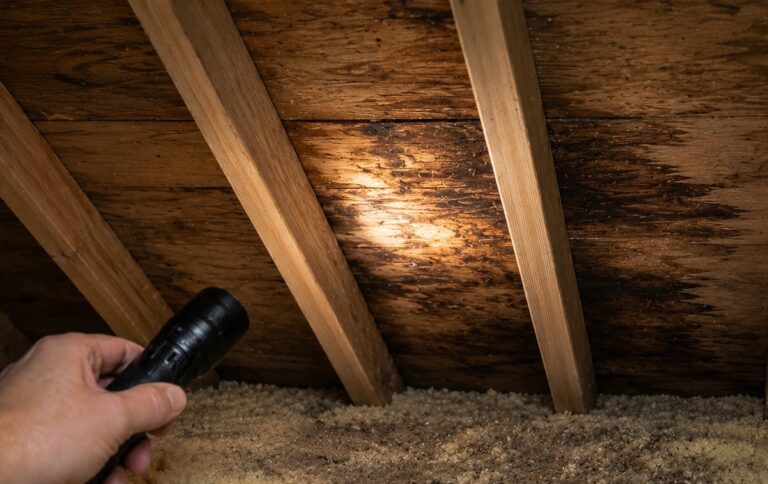
Old roof leaks often leave clues on the deck: dark stains, soft sheathing, delamination, rusted fasteners, mold-like discoloration, or damp insulation below. A full tear-off gives the contractor a chance to find those problems before installing new shingles. A roof-over limits that inspection.
Extra layers can hide moisture damage in several ways:
- Old leaks may be covered instead of traced and corrected
- Rotten decking may remain below the new roof layer
- Trapped moisture may stay between roofing layers
- Uneven old shingles may prevent the new layer from sealing flat
- Water may travel between layers before showing up indoors
- Leak detection becomes harder because the visible entry point may not match the interior stain
A roof-over should not be used to avoid known moisture problems. If the old roof leaked, the deck and attic should be inspected before another layer is considered. Otherwise, the new roof may hide damage until it becomes more expensive to repair.
Moisture hidden under old shingles can eventually affect the roof deck, rafters, insulation, ceilings, and interior finishes. A leak that was once a small roof problem can become a structural moisture problem if the wood stays wet long enough. If there are already stains, damp attic materials, or interior ceiling marks, compare the symptoms with water damage from roof leaks before deciding that another layer is safe.
Decking is the most important hidden surface in this decision. If the roof deck is soft, rotten, or delaminated, new shingles need a proper repair surface. Covering weak decking with another layer does not make it stronger.
If you suspect deck rot, look for attic staining, musty odors, soft spots reported by a roofer, sagging roof areas, or repeated leaks in the same section. A more specific guide to signs roof decking is rotten can help separate ordinary staining from more serious deterioration. If deterioration is confirmed, the relevant decision becomes when roof decking must be replaced, not whether another shingle layer can be added.
Why Roof-Overs Can Cause Flashing, Valley, and Edge Problems
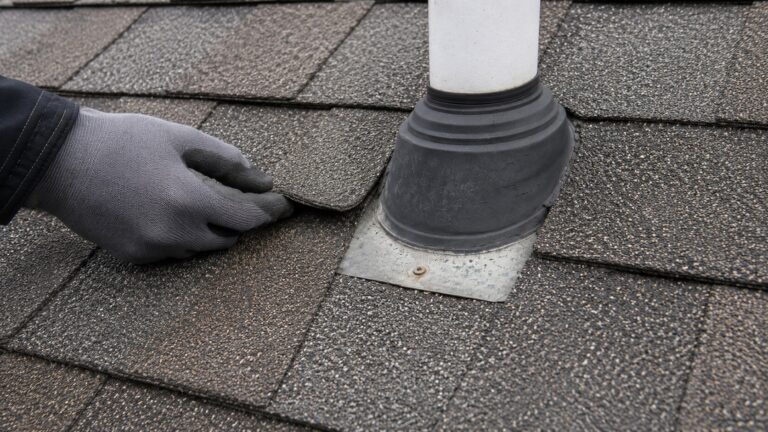
Adding shingles over old shingles can make roof transitions harder to detail correctly. Flashing, valleys, vents, roof edges, chimneys, skylights, and wall intersections are designed to move water in a controlled path. When another shingle layer is added, those areas become thicker and harder to integrate cleanly.
Flashing is one of the biggest concerns. Flashing is supposed to direct water away from roof penetrations and transitions. If old flashing is buried, reused poorly, or not reset correctly for the new roof height, water may find a path behind the roofing materials. A roof-over may save time during installation, but it can also make it harder to correct old flashing problems that already existed.
Valleys are another weak point. A valley carries water from two roof planes, so it needs a clean water channel. Multiple shingle layers can make valleys bulky, uneven, or harder to cut correctly. If water slows down, catches on uneven edges, or reaches fasteners near the valley, leaks become more likely.
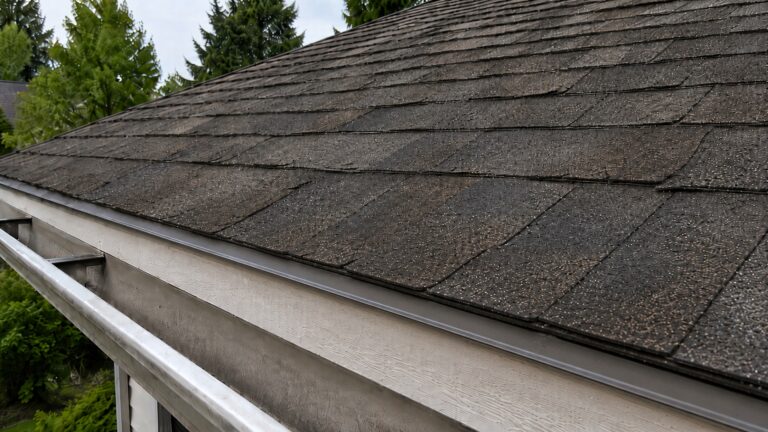
Roof edges can also suffer. With multiple shingle layers, the eaves and rakes become thicker. That can affect drip edge placement, gutter alignment, shingle overhang, and how water leaves the roof. If the edge detail is not handled correctly, water may run behind gutters, soak fascia boards, or reach the roof deck edge.
Common roof-over transition problems include:
- Old flashing reused when it should have been replaced or reset
- Valleys that become bulky, uneven, or poorly drained
- Vent boots that do not sit correctly over thicker roof layers
- Shingles cut awkwardly around roof penetrations
- Drip edge details that no longer line up properly
- Thick roof edges that interfere with gutter drainage
- Old leak-prone areas covered instead of repaired
This is why roof-overs can become one of the common roof installation mistakes when the existing roof is not suitable. The problem is not simply that another layer was added. The problem is that the added layer may prevent the installer from correcting the details that control water at the most vulnerable parts of the roof.
How to Tell How Many Layers of Shingles Your Roof Has
Homeowners can sometimes identify multiple shingle layers from safe ground-level observations, but the most reliable answer usually comes from a roof inspection. Do not climb onto the roof, walk on an older roof, or pry up shingles just to count layers. Disturbing the roof surface can create damage, and walking on an older, steep, wet, brittle, or overloaded roof may be unsafe.
Clues that a roof may have multiple shingle layers include:
- Thick edges visible at the rake or eave
- Several shingle edges visible along the side of the roof
- A bulky roofline near gutters or drip edge
- Old shingles visible below newer shingles at edges
- Uneven or wavy roof surfaces
- Flashing that looks buried under layers
- Inspection reports noting “two layers” or “multiple layers”
- Roofing permits or contractor records showing a roof-over
The roof edge is often the best visible clue. At the rake edge, you may be able to see whether there is one shingle thickness or more than one stacked layer. At the eaves, layers may be visible near the gutter line. A home inspector or roofing contractor can usually confirm the layer count more safely and accurately.
If the edge view is blocked by gutters, drip edge, or trim, do not force materials apart to count layers. Ask the inspector or roofer to document the layer count with photos from a safe inspection point.
The attic may also provide clues, but it usually will not show the number of shingle layers directly. What it can show is whether the roof deck has stains, damp areas, or signs of past leaks. If the attic already shows moisture problems, adding another layer over the roof surface becomes harder to justify.
If you are buying a home, read the inspection report carefully. Multiple shingle layers are often called out because they affect future replacement cost, roof weight, inspection visibility, and repair decisions. Even if the roof is not leaking now, two layers may mean the next replacement requires full tear-off and higher disposal cost.
When Old Shingles Should Be Removed Instead of Covered
Old shingles should be removed instead of covered when the existing roof is not flat, dry, sound, and suitable for another layer. A tear-off costs more upfront, but it gives the contractor access to the roof deck and allows hidden problems to be corrected before the new roof is installed.
Tear-off is usually the safer choice when:
- The roof already has two layers of shingles
- The existing shingles are curled, brittle, cracked, or uneven
- The roof has active leaks or a history of repeated leaks
- The roof deck is soft, stained, rotten, or questionable
- The roof plane is sagging or visibly wavy
- Flashing around chimneys, walls, skylights, or vents needs replacement
- Valleys are leaking or poorly drained
- There are signs of attic moisture or mold-like staining
- Local code or product warranty requirements do not allow another layer
If the existing roof is already uneven, the new shingles may not lie flat. If the old shingles are curled, the new layer may telegraph those ridges and gaps. If the roof deck is damaged, fasteners may not hold properly. If flashing needs to be replaced, leaving old shingles in place can make the new flashing detail weaker or messier.
A tear-off also gives the contractor a chance to correct old moisture problems. This is important because roof leaks can spread into decking, insulation, rafters, ceilings, and walls. The longer hidden moisture remains covered, the harder it can be to find and repair. In that sense, removing old shingles is not only a roofing decision. It can help prevent moisture problems from spreading through the home.
If the roof already has multiple layers and is showing leaks, sagging, or widespread wear, another layer is usually the wrong direction. At that point, the homeowner should be asking whether the roof needs tear-off, deck repair, flashing replacement, or broader replacement planning. If the roof is near failure, compare the situation with broader signs a roof needs replacement and the conditions when a roof must be replaced instead of repaired.
Questions to Ask Before Adding Another Layer
Before approving another layer of shingles, ask questions that reveal whether the existing roof is safe, code-compliant, dry, structurally sound, and likely to perform well. A roof-over should be judged by more than price.
Start with the layer count. If there is already one layer, a second layer may be possible only under the right conditions. If there are already two layers, adding another layer is generally too many. At that point, a tear-off is usually the more responsible option because the roof deck needs to be inspected and the extra weight should not keep increasing.
Do not approve a roof-over just because it is cheaper if the contractor has not confirmed the layer count, decking condition, leak history, flashing plan, and warranty status.
Ask the roofer these questions before agreeing to another layer:
- How many shingle layers are currently on the roof?
- Is another layer allowed by local code?
- Will the existing roof be inspected for leaks, soft decking, and moisture damage first?
- Are the old shingles flat enough for a roof-over?
- Will damaged or questionable decking be visible without a tear-off?
- How will flashing around chimneys, walls, skylights, and vents be handled?
- Will valleys, drip edge, gutters, and roof edges still drain correctly?
- Will the manufacturer warranty apply over old shingles?
- What happens if hidden decking damage is found later?
- Would you recommend the same roof-over if this were your own home?
A good contractor should be able to explain the risks clearly. If the answer is only “it saves money,” that is not enough. The roof still has to shed water, hold fasteners, support the added weight, and protect the structure below. A cheaper roof-over can become more expensive if it hides rot, causes leaks, or has to be removed sooner than expected.
Also ask for photos and written details. If the contractor says the decking is sound, ask how that was confirmed. If old flashing will be reused, ask why. If the roof has a leak history, ask how the leak path will be found before new shingles are installed. These questions help prevent the roof-over from becoming a shortcut that covers problems instead of correcting them.
If the roof already has leaks, sagging, soft decking, or moisture stains, get a more careful inspection before deciding. Multiple shingle layers can make future repairs harder, and the next roof replacement will usually require removing all layers at once. That means the money saved now may become a larger cost later.
FAQ
Is two layers of shingles bad?
Two layers of shingles are not always bad, but they are not ideal. A second layer may be acceptable only if the existing roof is dry, flat, sound, code-compliant, and approved by the shingle manufacturer’s installation requirements. Two layers make it harder to inspect decking, trace leaks, and install clean flashing details.
Can you put a third layer of shingles on a roof?
A third layer is generally too many. It adds weight, hides damage, complicates flashing and roof-edge details, and makes future repairs harder. Many roofers will recommend removing the old layers once a roof already has two layers of shingles.
Does adding shingles over shingles cause leaks?
Adding shingles over shingles can contribute to leaks if old problems are covered instead of fixed. Existing leaks, damaged decking, poor flashing, uneven shingles, and trapped moisture can remain hidden below the new layer and continue causing damage.
How can I tell if my roof has multiple layers?
Look safely from the ground at the rake edges, eaves, and gutter line. Multiple visible shingle edges, thick roof edges, buried flashing, or a bulky roofline can suggest more than one layer. A roofer or home inspector can confirm the layer count more safely.
Should I tear off old shingles before reroofing?
Tear-off is usually the better choice if the roof already has two layers, has leaked, has soft decking, shows sagging, has curling shingles, or needs flashing replacement. Removing old shingles lets the contractor inspect and repair the roof deck before installing new materials.
Key Takeaways About Shingle Layers
- One layer of shingles is usually best for inspection, fastening, and long-term roof performance.
- Two layers may be acceptable only when the old roof is dry, flat, sound, and code-compliant.
- Three layers of shingles are generally too many and usually point toward tear-off.
- Multiple layers add weight and can make sagging, soft decking, and framing concerns worse.
- Extra shingle layers can hide leaks, rot, trapped moisture, and damaged decking.
- Roof-overs can complicate flashing, valleys, vents, drip edge, gutters, and roof edges.
- Old shingles should usually be removed when there are leaks, curling shingles, soft decking, sagging, moisture stains, or already two layers.
- Ask about code, decking condition, flashing, valleys, warranty, and hidden moisture before approving another layer.