
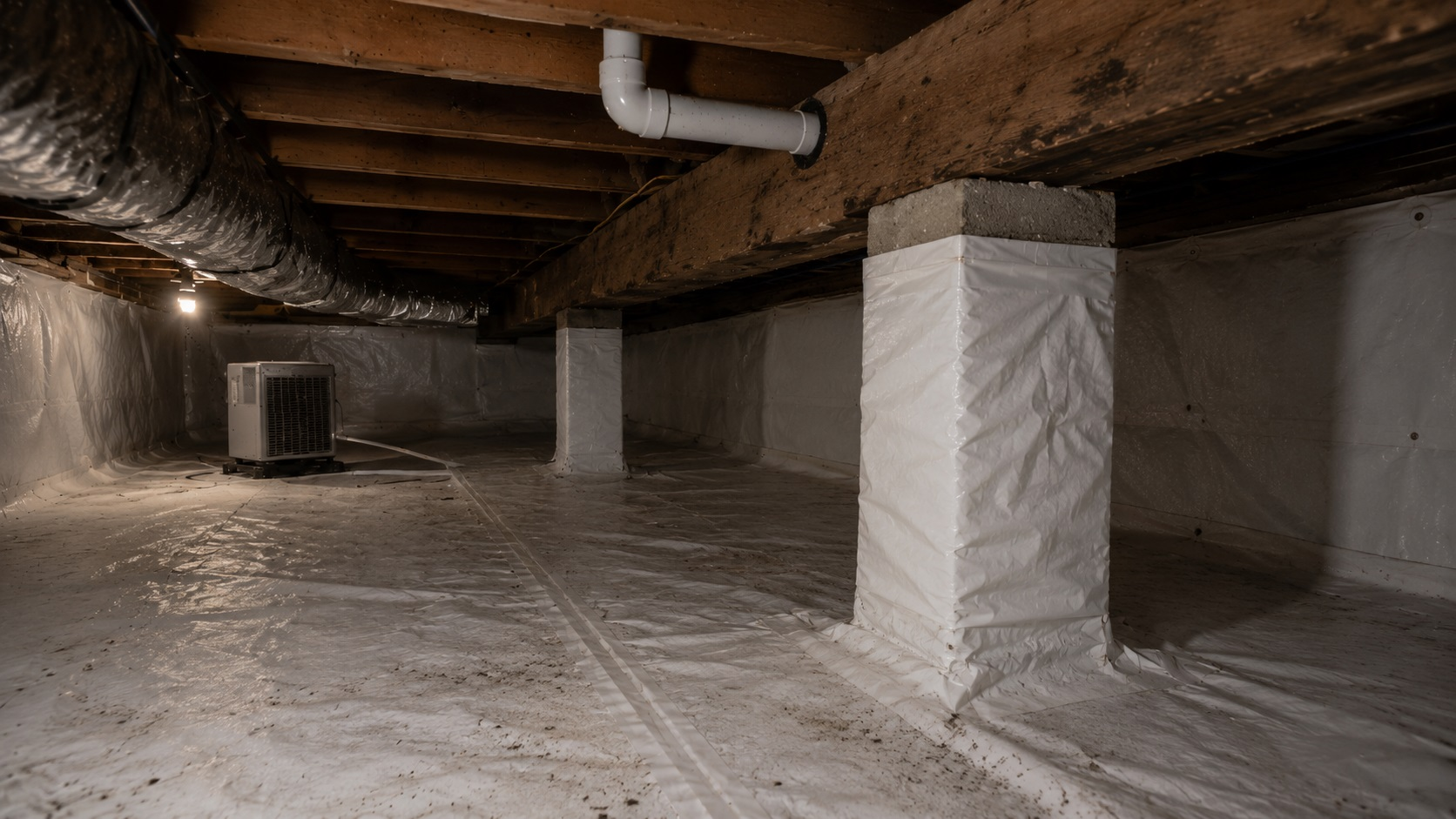
What Is Crawl Space Encapsulation and How It Works
Crawl space encapsulation is the process of sealing the crawl space with a vapor barrier, sealed vents, air sealing, and humidity control so ground moisture and humid outdoor air cannot keep the area damp.
If you have noticed musty odors, damp air, sagging insulation, or moisture beneath your home, encapsulation may be one long-term solution. Many of these problems begin as structural moisture conditions, which are explained in detail in the Structural Moisture Problems in Homes: Causes, Risks, and Repair Guide.
This guide explains what crawl space encapsulation is, how the system works, what components it includes, and when it is not enough by itself.
What Crawl Space Encapsulation Means
Crawl space encapsulation is a method of sealing a crawl space to control moisture, air movement, and humidity. Instead of allowing outside air and ground moisture to enter freely, encapsulation creates a controlled environment beneath the home.
In traditional construction, crawl spaces were often built with open vents to allow air circulation. The idea was that airflow would help moisture evaporate and prevent damp conditions. However, in many climates—especially humid ones—this design created the opposite effect. Outside air frequently introduced more moisture rather than removing it.
Encapsulation replaces the open-air approach with a sealed system that blocks moisture from entering and allows humidity to be managed more effectively.
The Core Concept Behind Encapsulation
The main goal of crawl space encapsulation is to isolate the crawl space from outside moisture sources while stabilizing humidity levels. This is achieved by installing moisture-resistant materials and sealing gaps where humid air could enter.
Rather than relying on uncontrolled airflow, encapsulation turns the crawl space into a semi-conditioned space that behaves more like the interior of the home.
Encapsulation typically includes:
- A thick vapor barrier covering the ground
- Sealed vents to prevent outside air entry
- Air sealing around gaps and penetrations
- Wall vapor barriers in many installations
- Humidity control equipment such as dehumidifiers
- Drainage improvements when moisture intrusion exists
This combination creates a protective barrier that reduces moisture exposure to framing, insulation, and flooring systems above the crawl space. A true encapsulation system is more than loose plastic on the soil; seams, edges, vents, access doors, and penetrations all need attention.
How Encapsulation Differs From Traditional Crawl Spaces
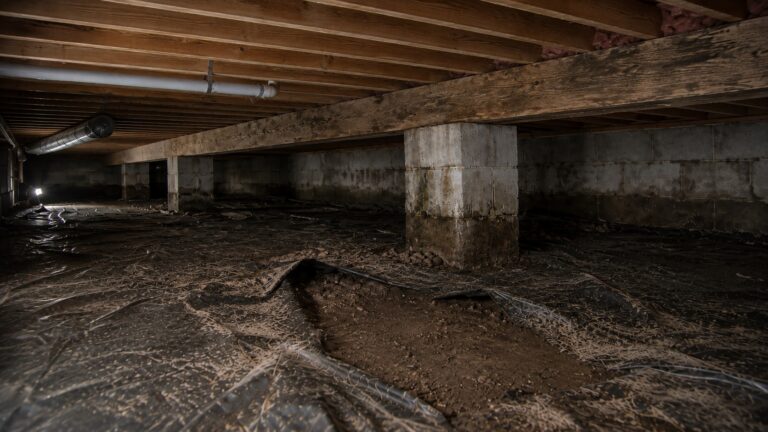
Older crawl spaces relied on passive airflow through foundation vents. The assumption was that outdoor air would keep the crawl space dry. In reality, this approach often allowed humid air to enter and condense on cooler surfaces.
When humid outdoor air enters a crawl space, it can settle on wood framing, ductwork, and subfloors. Over time, repeated condensation cycles allow materials to absorb moisture, creating ideal conditions for mold growth.
Encapsulation changes this system entirely. Instead of introducing outdoor humidity, the crawl space is sealed so moisture can be controlled more predictably. This reduces humidity fluctuations and protects structural materials from long-term exposure.
Why Crawl Space Conditions Affect the Entire Home
Many homeowners assume crawl spaces are isolated from living areas, but that is rarely true. Air inside crawl spaces often moves upward into the home through small gaps and openings.
This upward movement of air is commonly known as the stack effect. Warm air rises, pulling air from the crawl space into wall cavities, duct systems, and living spaces.
When crawl space air contains excess humidity or mold spores, those contaminants can move into the house and contribute to indoor air quality concerns. In severe cases, persistent crawl space moisture can lead to mold conditions that require removal, which is explained in How to Remove Mold Permanently.
Encapsulation helps reduce this upward moisture movement by keeping crawl space humidity more stable.
Why Crawl Spaces Develop Moisture Problems
Crawl space encapsulation works because most crawl space moisture problems come from ongoing exposure, not one isolated event.
Crawl spaces are naturally vulnerable to moisture because they sit directly above soil and below living areas. Without proper protection, moisture enters from multiple directions at the same time.
Ground Moisture Evaporation
The soil beneath a crawl space is one of the largest moisture sources. Even when it looks dry, it can release water vapor into the air, especially during warm weather.
Without a sealed ground vapor barrier, that moisture keeps raising crawl space humidity and increases the risk of mold growth, damp insulation, and wood damage.
Outdoor Air Entering Through Vents
Outdoor air can introduce large amounts of moisture into crawl spaces, especially in humid climates. When warm, humid air enters a cooler crawl space, condensation can form on surfaces such as:
- Wood framing
- Metal ductwork
- Subfloor materials
- Foundation walls
Repeated condensation cycles allow moisture to accumulate over time. Materials that remain damp become vulnerable to mold growth and structural weakening.
Water Intrusion From Drainage Problems
In some homes, crawl space moisture comes from outside water entering the space. Poor drainage, clogged gutters, or sloped landscaping can direct water toward the foundation.
When water collects near foundation walls, it may seep into the crawl space through cracks or openings. In severe cases, standing water may form beneath the home.
Before encapsulation is installed, these drainage problems must be corrected. Otherwise, moisture will remain trapped inside the sealed space.
Drainage-related moisture problems are closely connected to many structural water entry issues explained in How Water Enters Homes Through Structural Gaps.
Hidden Plumbing Leaks
Small plumbing leaks can introduce moisture continuously, even when they are difficult to detect. Pipes running through crawl spaces may develop slow leaks that soak nearby materials.
Because crawl spaces are often difficult to access, these leaks can continue for long periods before being noticed.
Encapsulation systems should never be installed over active leaks. Repairs must be completed before sealing the space.
If water is near electrical wiring, junction boxes, HVAC equipment, or damaged plumbing, avoid entering the crawl space until it has been evaluated safely.
How Crawl Space Encapsulation Works
Crawl space encapsulation works by controlling the ways moisture enters, moves through, and accumulates beneath a home. Instead of allowing uncontrolled air and vapor movement, encapsulation creates a sealed environment where humidity can be managed more predictably.
Moisture does not enter crawl spaces through a single pathway. It moves through air leaks, vapor diffusion, and liquid water intrusion. Encapsulation addresses all three of these pathways at the same time, which is why it is considered a system rather than a single repair.
Blocking Moisture From the Ground
The first step in encapsulation involves covering exposed soil with a heavy-duty vapor barrier. This barrier prevents water vapor from evaporating into the crawl space air.
This matters because soil vapor can raise humidity even when no standing water is visible.
The vapor barrier is typically made from thick polyethylene material designed to resist tearing and moisture penetration. It is installed across the entire crawl space floor, overlapped at seams, sealed with compatible tape, and usually fastened or sealed at the foundation walls.
In many homes, ground moisture is the same underlying cause of long-term damp conditions discussed in Why Crawl Spaces Stay Damp. Encapsulation directly addresses this persistent source of humidity.
Sealing Air Entry Points
Air movement is one of the fastest ways moisture spreads inside crawl spaces. Even small openings allow humid outdoor air to enter and circulate beneath the home.
Encapsulation includes sealing foundation vents, cracks, and small openings that allow air infiltration. These areas often include:
- Foundation vents
- Pipe penetrations
- Electrical openings
- Gaps at rim joists
- Access doors
Sealing these openings helps prevent humid air from entering the crawl space and reduces temperature fluctuations that cause condensation.
Homes that continue to allow uncontrolled airflow often experience symptoms similar to those described in Signs of Poor Crawl Space Ventilation, including damp framing and persistent humidity.
Controlling Humidity With Mechanical Systems
Many encapsulated crawl spaces include mechanical humidity control systems, most commonly a crawl space dehumidifier. These systems remove excess moisture from the air and maintain stable humidity levels.
Maintaining humidity below about 60 percent relative humidity significantly reduces mold growth risk and slows wood deterioration.
When humidity remains high after sealing, a crawl space dehumidifier may be needed to stabilize conditions and protect structural components.
Stabilizing Temperature Conditions
Temperature changes can cause condensation when warm air contacts cooler surfaces. Crawl spaces that experience wide temperature swings are more likely to develop condensation problems.
Encapsulation helps stabilize temperatures by reducing outdoor air intrusion and insulating exposed surfaces. This stabilization reduces the frequency of condensation cycles that damage materials.
Main Components of a Crawl Space Encapsulation System
Encapsulation works as a system. If the ground is covered but vents, seams, drainage, or humidity remain uncontrolled, moisture problems can continue.
Ground Vapor Barrier
The vapor barrier covering the ground is one of the most important elements of encapsulation. It prevents moisture vapor from rising into the crawl space air.
This barrier typically extends across the entire crawl space floor and overlaps at seams. The seams are sealed using specialized tape to prevent moisture from escaping.
In many installations, the barrier also extends slightly up the foundation walls. This helps prevent moisture from entering at wall-to-floor junctions.
Homes without a properly installed ground barrier often experience recurring humidity problems that lead to structural damage, similar to those discussed in Signs of Moisture in Crawl Spaces.
Wall Vapor Barrier
In many encapsulation systems, vapor barriers are installed along crawl space foundation walls. This additional layer helps block moisture that enters through concrete or masonry surfaces.
Foundation walls naturally absorb moisture from surrounding soil. Over time, this moisture can migrate into the crawl space air.
Installing vapor barriers along the walls helps reduce this transfer and protects insulation and wood framing from moisture exposure.
Sealed Crawl Space Vents
Traditional crawl spaces use vents to promote airflow. In encapsulated systems, these vents are sealed to prevent outside air from entering.
Vent sealing is critical because outdoor air often carries high humidity levels. Allowing that air to enter defeats the purpose of encapsulation.
Homes that continue to rely on open vents may experience the moisture patterns explained in Why Crawl Space Ventilation Causes Moisture Problems.
Air Sealing Around Openings
Small gaps allow significant air movement. During encapsulation, contractors seal openings around pipes, ducts, wiring, and access points.
This step reduces air infiltration and improves humidity control. Even small unsealed gaps can allow humid air to circulate freely.
Proper sealing helps maintain stable conditions beneath the home and prevents moisture from entering hidden cavities.
Drainage and Moisture Control Systems
Some crawl spaces require drainage systems before encapsulation can be completed. These systems may include:
- Interior drainage channels
- Sump pumps
- Water diversion systems
- Grading improvements outside the foundation
If standing water exists, it must be addressed before sealing the crawl space. Otherwise, moisture will remain trapped inside.
Homes experiencing repeated water entry often show warning patterns described in Signs of Standing Water in Crawl Spaces.
Benefits of Crawl Space Encapsulation
When installed correctly, crawl space encapsulation can reduce mold risk, protect wood framing, improve indoor air quality, reduce odors, and stabilize conditions below the home.
Reducing Mold Growth Risk
Crawl spaces already contain organic materials such as wood framing and paper-faced insulation. Encapsulation reduces the moisture those materials are exposed to, making mold growth less likely.
For a deeper explanation of the mold-prevention angle, see Why Crawl Space Encapsulation Prevents Mold Growth.
Protecting Structural Wood Components
Wood framing in crawl spaces supports floors, walls, and load-bearing components. When wood absorbs moisture over time, it weakens and becomes vulnerable to decay.
Encapsulation helps maintain stable humidity levels, reducing the amount of moisture wood absorbs. This stabilization protects:
- Floor joists
- Support beams
- Subfloor panels
- Rim joists
- Structural connectors
Without moisture control, repeated wetting and drying cycles can eventually lead to wood deterioration. These cycles are similar to those described in Signs of Moisture Damage in Floor Joists, where structural weakening becomes a serious concern.
Improving Indoor Air Quality
Crawl spaces often influence indoor air quality more than homeowners realize. Air from beneath the home can move upward into living areas through gaps in flooring, duct systems, and wall cavities.
If crawl space air contains mold spores or excess humidity, those contaminants may circulate throughout the home.
Encapsulation helps improve indoor air quality by reducing moisture levels and limiting mold growth. By controlling humidity below the home, the amount of airborne moisture entering living spaces decreases.
For a fuller look at this benefit, see How Crawl Space Encapsulation Improves Indoor Air Quality.
Reducing Odors Inside the Home
Musty odors often originate in damp crawl spaces. These odors travel upward with airflow and can become noticeable inside living areas.
Encapsulation helps reduce odor migration by controlling humidity and limiting mold growth. Homeowners who notice persistent musty smells often find that crawl space moisture is a contributing factor.
Improving Energy Efficiency
Encapsulation can improve energy efficiency by reducing uncontrolled airflow and stabilizing temperature conditions beneath the home.
When crawl spaces remain damp and humid, HVAC systems must work harder to maintain indoor comfort. Excess humidity increases cooling demand during warm seasons.
By reducing humidity fluctuations and air leakage, encapsulation may help lower HVAC strain. Energy savings vary by home, but many encapsulated crawl spaces experience better temperature stability.
Limitations and Situations Where Encapsulation Alone Is Not Enough
Although crawl space encapsulation provides strong moisture control, it does not solve every type of moisture problem. Some conditions must be corrected before encapsulation is installed.
Understanding these limitations helps prevent costly mistakes and ensures the encapsulation system performs as intended.
Active Water Leaks Must Be Repaired First
Encapsulation is designed to control humidity, not stop active water intrusion. If water is entering the crawl space through leaks, sealing the area without repairs can trap moisture inside.
Common sources of water leaks include:
- Plumbing failures
- Foundation cracks
- Improper exterior drainage
- Roof runoff directed toward foundations
These water entry pathways are commonly described in How Water Enters Homes Through Structural Gaps, where foundation and structural openings allow moisture infiltration.
Standing Water Requires Drainage Solutions
Some crawl spaces experience recurring standing water after rainfall or seasonal flooding. In these cases, drainage improvements must be installed before encapsulation begins.
Typical drainage corrections may include:
- Installing interior drainage systems
- Adding sump pumps
- Regrading soil around the foundation
- Extending downspouts away from the home
Encapsulation installed over standing water conditions can lead to trapped moisture and worsening damage.
Severe Mold Contamination Requires Cleanup
If large areas of mold are already present, cleanup may be necessary before encapsulation. Sealing contaminated materials inside a crawl space can allow mold to remain active.
Professional mold remediation may be required when contamination spreads across structural materials.
These remediation scenarios are explained in detail in How to Remove Mold Permanently, where safe removal practices are outlined.
Structural Damage Must Be Addressed
If moisture exposure has already caused structural deterioration, repairs may be required before encapsulation begins.
Common structural problems include:
- Rotting joists
- Sagging subfloors
- Compromised support beams
- Deteriorated sill plates
Encapsulation protects against future moisture damage but cannot restore damaged materials. Structural repairs should be completed before sealing the crawl space.
Encapsulation vs Traditional Crawl Space Ventilation
Encapsulation and traditional crawl space ventilation manage moisture in opposite ways: one seals the space from outdoor humidity, while the other depends on outside air movement.
How Traditional Vented Crawl Spaces Work
Traditional crawl spaces rely on open vents to move outside air beneath the home. The theory is that airflow removes moisture, but in humid weather that same airflow can bring more moisture into the crawl space.
When warm, humid air enters a cooler crawl space, condensation can form on wood framing, ductwork, and other surfaces. Over time, repeated condensation cycles allow moisture to accumulate inside materials.
Why Vented Crawl Spaces Often Fail in Humid Conditions
Humidity levels in outdoor air fluctuate throughout the year. During warm seasons, vented crawl spaces may experience prolonged periods of high humidity.
These conditions increase the likelihood of mold growth and wood deterioration.
Moisture patterns associated with ventilation failures are described in Signs of Poor Crawl Space Ventilation, where damp surfaces and condensation become common warning signs.
How Encapsulation Improves Moisture Control
Encapsulation improves moisture control by sealing the crawl space from external humidity sources. Instead of relying on unpredictable outdoor airflow, humidity can be managed with sealed barriers, air sealing, and mechanical drying when needed.
Situations Where Ventilation May Still Be Used
Ventilation may still be acceptable in some dry climates or low-risk crawl spaces. In humid regions or homes with recurring moisture problems, encapsulation is usually more reliable because it controls moisture sources instead of depending on outdoor air conditions.
When Crawl Space Encapsulation Becomes Necessary
Not every crawl space requires encapsulation, but certain conditions strongly indicate that moisture problems are becoming persistent. Recognizing these conditions early can prevent long-term structural damage and reduce costly repairs later.
Encapsulation typically becomes necessary when moisture exposure is continuous rather than occasional. Short-term dampness after heavy rain may not require full encapsulation, but recurring humidity problems usually signal a larger issue.
Persistent High Humidity Levels
One of the most common indicators that encapsulation may be necessary is consistently high humidity inside the crawl space. Humidity levels above about 60 percent create favorable conditions for mold growth and wood moisture absorption.
When humidity remains elevated for extended periods, wood framing and insulation absorb moisture repeatedly. Over time, this leads to structural weakening and increases the likelihood of mold development.
Signs of long-term humidity exposure are often described in Signs of Moisture in Crawl Spaces, where damp surfaces and musty odors are common warning signs.
Recurring Mold or Musty Odors
Repeated mold growth or persistent musty odors inside the home often indicate moisture problems below the structure. Crawl spaces that remain damp provide ideal conditions for mold to develop on wood framing and insulation.
Even if mold is cleaned temporarily, it often returns when moisture conditions remain unchanged. Encapsulation helps reduce the humidity levels that allow mold to survive.
If visible mold has already developed, the growth patterns described in Signs of Mold Growth in Crawl Spaces can help determine the severity of the problem.
Deteriorating Insulation or Structural Materials
Moisture exposure often causes insulation to sag, collapse, or separate from structural components. Fiberglass insulation is especially vulnerable to moisture damage and may lose effectiveness when damp.
Structural wood components may also show signs of deterioration when exposed to humidity over time. These changes may include discoloration, softening wood, or surface cracking.
Material damage caused by repeated moisture exposure may resemble the warning patterns explained in Signs of Moisture Damage in Floor Joists.
Visible Condensation on Crawl Space Surfaces
Condensation inside crawl spaces indicates unstable humidity and temperature conditions. Water droplets forming on surfaces such as ducts or framing signal that moisture levels are exceeding safe limits.
When condensation occurs regularly, moisture accumulates inside materials, increasing the risk of mold and wood decay.
Encapsulation helps reduce condensation cycles by stabilizing humidity and limiting airflow changes.
Repeated Moisture Problems Despite Repairs
Some crawl spaces continue to experience moisture problems even after individual repairs are completed. For example, fixing a small leak may not resolve ongoing humidity caused by soil vapor or outdoor air infiltration.
Encapsulation addresses the larger environmental conditions contributing to recurring problems rather than focusing on isolated repairs.
Homes experiencing repeated moisture problems often require a broader solution rather than localized fixes.
For a more symptom-focused breakdown, see Signs Your Crawl Space Needs Encapsulation.
When to Call a Professional for Crawl Space Evaluation
Some crawl space issues are easy to spot, but widespread moisture, standing water, mold growth, electrical hazards, or structural movement should be evaluated professionally before encapsulation begins.
When Moisture Damage Appears Widespread
If multiple areas of the crawl space show signs of moisture damage, professional evaluation becomes important. Widespread deterioration may indicate systemic moisture exposure rather than isolated problems.
Examples of widespread damage include:
- Multiple damp framing members
- Large areas of mold growth
- Extensive insulation damage
- Strong persistent odors
These conditions should be evaluated before sealing the space, as explained in How to Inspect a Crawl Space Before Encapsulation.
When Standing Water Is Present
Standing water beneath a home requires immediate attention. Water accumulation increases the risk of structural damage and mold growth.
Professionals can identify the source of water intrusion and recommend drainage solutions before encapsulation begins.
Standing water conditions often follow patterns described in Signs of Standing Water in Crawl Spaces, where persistent pooling indicates drainage failures.
When Structural Damage Is Suspected
If floors begin to sag, bounce, or feel uneven, moisture-related structural damage may already be occurring. Structural deterioration can affect safety and should be addressed immediately.
Professional inspection helps determine whether repairs are needed before encapsulation can be installed.
Ignoring structural warning signs may allow damage to worsen over time.
When Planning a Full Encapsulation Project
Encapsulation requires careful preparation and proper installation methods. Professional guidance helps ensure the system functions as intended.
Experts can evaluate moisture sources, recommend appropriate materials, and verify that drainage systems are functioning correctly.
Frequently Asked Questions About Crawl Space Encapsulation
Does crawl space encapsulation stop all moisture problems?
No. Encapsulation controls soil vapor, humid air entry, and crawl space humidity, but it does not repair active plumbing leaks, foundation seepage, roof runoff, or poor exterior drainage.
If water is entering the crawl space, those sources should be corrected before the area is sealed.
How long does crawl space encapsulation last?
Most encapsulation systems are designed to last many years when properly installed and maintained. Durable vapor barriers and sealed systems resist wear, but periodic inspections help ensure long-term effectiveness.
Damage from pests, accidental punctures, or severe flooding may reduce system lifespan.
Is encapsulation better than open crawl space vents?
In humid climates, encapsulation is often more reliable than open vents because it blocks humid outdoor air instead of bringing it into the crawl space.
In dry climates or unusual designs, ventilation may still be part of the strategy, but it should be evaluated based on actual moisture conditions.
Can mold still grow after encapsulation?
Mold growth is less likely after encapsulation but can still occur if moisture problems return. Plumbing leaks, drainage failures, or excessive humidity can create new growth conditions.
Routine inspections help identify early warning signs before problems become severe.
Does crawl space encapsulation improve indoor air quality?
Encapsulation often improves indoor air quality by reducing humidity and limiting mold growth beneath the home. Lower moisture levels reduce airborne contaminants that can travel into living spaces.
Improved environmental stability beneath the home supports healthier indoor conditions.
Key Takeaways
- Crawl space encapsulation creates a sealed environment that controls moisture and humidity.
- Ground moisture, outdoor air, and water intrusion are the most common sources of crawl space humidity.
- Encapsulation systems include vapor barriers, air sealing, and humidity control equipment.
- Persistent humidity, mold growth, and structural deterioration often indicate the need for encapsulation.
- Professional evaluation helps ensure proper installation and long-term system performance.
- Encapsulation improves moisture control but does not replace drainage repairs or leak corrections.
Conclusion
Crawl space encapsulation controls moisture by sealing the ground, closing outside air entry points, and managing humidity below the home. When installed after leaks, drainage problems, standing water, mold contamination, and structural damage are addressed, it can protect framing, reduce musty odors, and lower the risk of recurring moisture damage.
If the crawl space stays damp despite basic repairs, encapsulation may be worth evaluating as a full moisture-control system rather than a single repair.
One Comment
Comments are closed.