How to Shut Off Utilities After Flooding Safely
Shutting off utilities after flooding can reduce the risk of electric shock, gas leaks, fire, plumbing damage, and unsafe cleanup conditions. But only shut off a utility yourself if you can reach the control from a dry, stable location without touching wet electrical equipment, smelling gas, or entering a damaged area.
If the shutoff is blocked by floodwater, damaged wiring, gas odor, or structural damage, do not try to force your way in. Leave the area and call the utility company, fire department, electrician, plumber, or water damage professional. The safest first step is not always shutting something off yourself. Sometimes the safest step is staying out until the right utility or emergency responder can make the area safe.
This guide explains how to think through electricity, gas, water, appliances, and mechanical systems before cleanup begins. It focuses on immediate utility control, not full repair or drying. For the broader repair path after the emergency stage, see this guide to structural moisture problems in homes.
Why Utility Shutoff Comes Before Flood Cleanup
Flood cleanup should not begin while active utility hazards are still present. Water can reach outlets, extension cords, appliance wiring, gas appliances, furnaces, water heaters, sump pumps, and plumbing connections before the damage looks severe. A room may look like it only has a few inches of water, but that water may already be touching energized components, hidden wiring, or equipment that is no longer safe to operate.
The main reason to think about utilities early is simple: water damage can be repaired, but electric shock, gas ignition, and unsafe reentry can become immediate life-safety hazards. Before removing water, pulling carpet, opening walls, or moving appliances, the first question should be whether the area is safe enough to enter.
Utility shutoff can also slow secondary damage. Turning off the water may stop a burst pipe, failed appliance hose, leaking water heater, or damaged fixture from feeding more water into the home. Cutting power from a dry, safe location may reduce shock or fire risk. If gas equipment has shifted, flooded, or begun leaking, the gas supply should usually be handled by the gas utility or a qualified professional.
Use this safer sequence:
- Stay out of standing water until you know the area is safe.
- Look for immediate hazards from a dry location.
- Shut off utilities only if the controls are safely accessible.
- Call professionals when the shutoff is wet, blocked, damaged, or unsafe to reach.
- Begin water removal and drying only after immediate utility hazards are controlled.
If water is still rising, if you hear buzzing or popping, if you see sparks, if you smell gas, or if the floor feels unstable, do not stay in the area. Utility shutoff is important, but it is never worth walking through a dangerous flood zone to reach a panel, valve, or appliance.
Before You Touch Any Utility Shutoff
Before touching a breaker panel, gas valve, water valve, appliance cord, or mechanical system, pause and inspect the situation from a safe, dry place. Many post-flood injuries happen because people try to solve the problem before checking whether the path to the shutoff is safe.
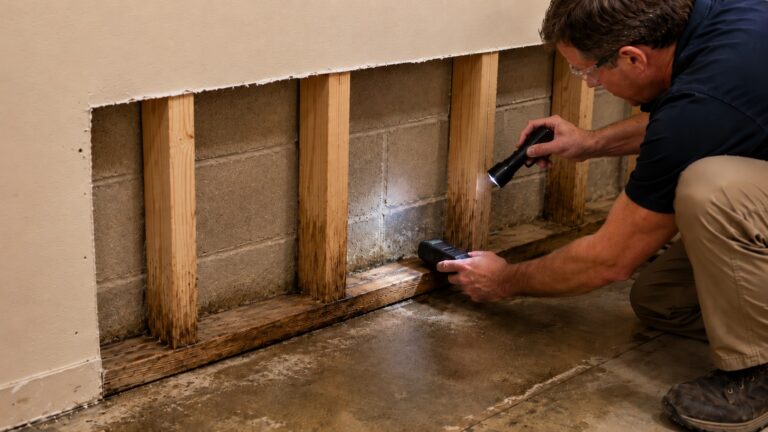
Use a battery-powered flashlight if the area is dark. Do not use candles, lighters, torches, matches, or open flames to inspect a flooded home. Flooding can affect gas lines, appliances, and pilot lights, and an open flame can make a dangerous situation worse if gas is present.
Do not enter standing water to reach a utility control. This is especially important if the water is near outlets, appliances, extension cords, a breaker panel, a furnace, a water heater, or a sump pump. Even if the power appears to be out, you should not assume the area is electrically safe. Power can return unexpectedly, damaged circuits can remain hazardous, and backup power sources can create risks if connected improperly.
Before touching anything, ask these questions:
A simple rule helps: if you cannot keep both feet dry while reaching the shutoff, do not touch it yourself.
- Can I reach the shutoff while standing on a dry surface?
- Is the panel, valve, wall, or floor around the shutoff dry?
- Is water touching outlets, cords, appliances, or electrical equipment?
- Do I smell gas, hear hissing, or see damaged gas piping or appliances?
- Are there downed power lines outside or water near exterior electrical equipment?
- Does the floor, stairway, wall, or ceiling look unstable?
- Can I leave quickly if the situation changes?
If any answer raises concern, stop. Do not test the area by stepping farther in. Call the correct utility provider or emergency service instead.
When You Should Leave Immediately
Some flood situations are not homeowner shutoff situations. They are evacuation or professional-response situations. Leave immediately if you smell gas, hear hissing near a gas line or appliance, see sparks, hear electrical buzzing, notice smoke, see downed wires, or find water touching electrical equipment.
You should also leave if floodwater is contaminated, moving quickly, rising, or blocking the exit. Utility controls are not helpful if reaching them traps you inside the home. If the flood involves sewage, storm surge, chemical contamination, or structural movement, the broader environment may be unsafe even if the utilities appear normal. Those risks are covered more fully in safety hazards to watch for after flooding.
If you already know the utility controls are in a flooded basement, crawl space, garage, or utility room, do not assume you need to personally reach them. In many cases, the electric utility, gas utility, fire department, electrician, or plumber can shut off service more safely from outside the home or from upstream equipment.
The safest rule is this: if you cannot reach the shutoff from a dry, stable, well-lit location, do not touch it. Call for help and keep other people away from the affected area.
How to Shut Off Electricity After Flooding
Electricity is usually the first utility homeowners worry about after flooding, and for good reason. Floodwater can reach outlets, cords, appliances, junction boxes, breaker panels, sump pumps, HVAC equipment, and hidden wiring. If electrical parts are wet or the floor around them is wet, the area may be unsafe even if the lights are off.
If you can reach the main breaker or fuse box from a completely dry location, and the panel itself is dry, shut off power at the main disconnect. This usually means switching the main breaker to the off position or removing power through the main service disconnect, depending on the type of electrical system in the home.
Do not turn individual breakers on and off one by one while standing near floodwater. The safest homeowner-level action, when it is safe to act at all, is to shut off the main power source from a dry location. If you need more detailed guidance on flood-exposed wiring, panels, outlets, and reactivation risks, review electrical safety after flood damage.
Only Shut Off Power If the Panel Is Safely Accessible
The breaker panel must be approached with caution. Do not touch the panel if you are standing in water, if the floor is wet, if the panel is wet, if water is dripping near the panel, or if you see corrosion, smoke, sparks, buzzing, or heat damage.
Also avoid the panel if it is in a flooded basement, damp crawl space, wet garage, or utility room where water has reached electrical equipment. A dry-looking panel can still be unsafe if the surrounding wall, floor, conduit, or service equipment has been exposed to water.
Call the electric utility, fire department, or licensed electrician if:
- The panel is located in a flooded or damp area.
- You would have to step through water to reach the panel.
- Water is near outlets, cords, appliances, or electrical equipment.
- You hear buzzing, crackling, popping, or humming from electrical parts.
- You see sparks, smoke, scorch marks, or melted components.
- Floodwater has reached the panel, meter, or main service equipment.
In those situations, do not test the system yourself. Do not touch switches, outlets, cords, appliances, or the panel cover. Keep people away from the area until the power is confirmed off by a qualified person.
Do Not Assume a Power Outage Means the Home Is Safe
A common mistake after flooding is assuming that a dark home is electrically safe. A power outage reduces some immediate risks, but it does not guarantee that the electrical system is safe to touch. Utility power can return without warning. A generator can backfeed circuits if it was connected incorrectly. Wet wiring and damaged equipment can still create fire or shock risks when power is restored.
For that reason, treat flooded electrical systems as unsafe until they have been inspected. Do not plug in appliances, reset breakers, use wet outlets, reconnect extension cords, or turn equipment back on just because the water has gone down.
If the home lost power during the flood, leave switches and breakers alone unless you are shutting off the main power from a dry, safe place. Before anyone works near affected circuits, flood-exposed electrical components may still need professional evaluation.
What If Water Is Near Outlets or Appliances?
If water is near outlets, cords, appliances, power strips, sump pumps, washer outlets, dryer outlets, refrigerators, freezers, dehumidifiers, or HVAC equipment, do not unplug items by hand. A wet cord or appliance can be dangerous to touch.
If the main breaker is dry and safely accessible, shut off power there. If it is not safely accessible, stay out and call for help. Do not try to solve the problem by moving appliances, lifting cords out of water, or unplugging wet equipment.
This matters especially in basements, laundry rooms, garages, and utility rooms because those areas often contain a mix of water, grounded appliances, metal equipment, concrete floors, and electrical outlets. A few inches of water can create a serious hazard when it reaches appliance bases or cords.
When Power Should Stay Off After Flooding
Once power is shut off after flooding, it should usually stay off until the affected electrical components have been inspected. That is especially true if water reached the breaker panel, outlets, switches, wiring, appliances, furnace, boiler, water heater, sump pump, or HVAC system.
Do not restart the electrical system just because the floor looks dry. Water can remain inside outlet boxes, conduit, wall cavities, appliance compartments, and mechanical equipment. Restoring power too soon can create hidden shock and fire risks.
After utilities are controlled, the next stage is usually water removal, drying, and damage assessment. If standing water remains, the removal process should wait until electrical hazards have been addressed. For the next recovery step, see how to remove standing water safely.
How to Shut Off Gas After Flooding
Gas safety after flooding is different from water or electricity because a gas leak may not be visible. If you smell gas, hear hissing, see a damaged gas line, notice a shifted gas appliance, or suspect a leak, leave immediately. Do not search for the leak. Do not turn lights on or off. Do not use a phone inside the affected area. Do not use matches, candles, lighters, or any open flame. Get outside and call the gas utility or emergency services from a safe location.
If the gas shutoff is outside, dry, clearly accessible, and you can reach it without entering a flooded or damaged area, the gas supply may need to be shut off. In many homes, the main gas shutoff is located near the gas meter. Some appliances also have individual gas shutoff valves, but after flooding, the main concern is not restarting or testing gas appliances yourself.
Do not attempt to relight pilots or restart gas appliances after flood exposure. Furnaces, boilers, water heaters, gas dryers, stoves, and other gas appliances may have damaged burners, controls, valves, regulators, or venting. Even if the appliance looks normal from the outside, floodwater can affect internal components.
If gas has been shut off, it should usually be turned back on by the gas company or a qualified professional. This is especially important after flooding because appliances may need inspection before service is restored.
When to Call the Gas Utility Instead of Shutting It Off Yourself
Call the gas utility or emergency services instead of trying to shut off gas yourself if the valve is hard to reach, underwater, damaged, surrounded by debris, or located inside a flooded area. You should also call if you are unsure whether the odor is gas, if the meter area has been damaged, or if gas appliances have shifted or been submerged.
Do not rely on smell alone as your only safety check. If there has been significant flooding around gas equipment, assume inspection is needed before the system is used again.
Gas shutoff is not a repair step. It is a hazard-control step. Once gas is off, the next step is professional evaluation before anything is restarted.
How to Shut Off Water After Flooding
Shutting off the water supply is often safer and more straightforward than shutting off electricity or gas, but only if the valve is accessible from a dry, stable location. The water main controls the pressurized water supply entering the home. Turning it off can stop or reduce damage when flooding is caused by a broken pipe, failed appliance hose, leaking water heater, damaged fixture, overflowing supply line, or plumbing failure.
If the flood is caused by outside stormwater, groundwater, or river flooding, shutting off the water main will not stop the incoming floodwater. However, it can still be helpful if plumbing lines, fixtures, or appliances have been damaged during the event. A pressurized plumbing leak can add clean water to an already flooded area and make drying more difficult.
The main water shutoff is commonly located near the water meter, along the main supply line, in a basement, crawl space, garage, utility room, or exterior meter box. Some homes also have fixture-level shutoffs under sinks, behind toilets, near washing machines, or near water heaters. Use fixture shutoffs only if the area is dry and the source of the leak is obvious.
When to Shut Off the Main Water Valve
Shut off the main water valve if you see or suspect a plumbing source contributing to the flood. This includes burst pipes, broken supply lines, failed washing machine hoses, leaking water heater connections, refrigerator water line failures, toilet supply leaks, sink supply leaks, or water running from a wall, ceiling, cabinet, or appliance.
Shutting off the main valve is also wise if water damage is severe enough that you cannot safely identify the exact leak source. It is better to stop the whole pressurized supply temporarily than to let hidden plumbing continue feeding water into the structure.
After shutting off the water, open a nearby faucet briefly only if the plumbing system is safe and accessible. This may reduce pressure in the lines. Do not do this if the sink, fixture, or surrounding area is flooded, contaminated, electrically unsafe, or structurally unstable.
When to Call a Plumber
Call a plumber if the valve is stuck, broken, buried, underwater, corroded, or impossible to identify. You should also call if water continues entering the home after the main valve is closed, because the source may be outside groundwater, sewer backup, foundation seepage, a failed drain system, or a line that is not controlled by the valve you turned.
Water shutoff is only the first step. Once the supply is controlled, the damaged area still needs inspection, drying, and repair planning. If the flood has affected walls, floors, insulation, or structural materials, utility control should lead into a broader recovery plan for how moisture problems move from emergency response to long-term prevention.
What to Do About Appliances, HVAC Equipment, and Water Heaters
Flooded appliances and mechanical systems should not be restarted just because the water has gone down. Appliances can hold water inside motors, wiring compartments, insulation, switches, controls, burners, and electrical connections. HVAC equipment and water heaters can also be damaged internally even when the outside cabinet looks intact.
Do not unplug wet appliances by hand. Do not move wet appliances while power may still be connected. Do not restart a furnace, boiler, air handler, condenser, water heater, washer, dryer, refrigerator, freezer, sump pump, dehumidifier, or other equipment that has been exposed to floodwater until the correct professional has inspected it.
For electric equipment, power should be controlled at the breaker or main disconnect only if that can be done safely. For gas equipment, the gas supply should be handled with the same caution described above. For water-using appliances, the local fixture valve or main water valve may need to be closed if the appliance is leaking or damaged.
Water Heaters After Flooding
Water heaters deserve special attention because they involve water, electricity or gas, pressure, heat, and sometimes combustion venting. If a water heater has been exposed to floodwater, do not relight it, reset it, or restart it yourself. Floodwater can damage controls, insulation, burners, heating elements, sensors, valves, and venting components.
If the water heater is leaking, and the area is safe, shut off the water supply to the heater or the main water valve. If it is gas-fired and you smell gas or suspect damage, leave and call the gas utility or a qualified technician. If it is electric and the area is wet, do not touch the unit or nearby electrical controls.
Furnaces, Boilers, and HVAC Systems After Flooding
Furnaces, boilers, air handlers, and other HVAC equipment should be treated as unsafe if floodwater reached the cabinet, controls, wiring, burners, blower motor, duct connections, or surrounding electrical components. Do not turn the thermostat on to “test it.” Do not run the fan to dry the house. Do not restart the system until it has been inspected.
Running flood-exposed HVAC equipment can spread contaminants, damage the equipment further, or create electrical and combustion hazards. If the system was affected by water, it may need an HVAC technician, electrician, or gas professional before it can be used again.
Washer, Dryer, Refrigerator, Freezer, and Other Appliances
Laundry rooms, kitchens, basements, and garages often contain appliances that are connected to both utilities and water sources. A washing machine may have hot and cold supply lines. A dryer may use electricity or gas. A refrigerator may have a water line. A freezer may sit in a garage or basement where floodwater reaches outlets and cords.
If the area is wet, do not unplug or move these appliances. Shut off power, gas, or water only from a safe location. If an appliance supply line caused the flooding, close the appliance valve if it is dry and easy to reach. If not, shut off the main water supply or call a plumber.
Once utilities are controlled, the appliance area still needs drying and inspection. Floodwater near appliances can affect flooring, drywall, baseboards, cabinets, insulation, and hidden wall cavities. Those material decisions come later, after the immediate utility hazards have been handled.
When You Should Not Shut Off Utilities Yourself
There are times when shutting off utilities yourself is not the safest choice. If the shutoff is easy to reach from a dry, stable location, you may be able to act quickly. If the shutoff requires you to enter floodwater, touch wet equipment, move debris, pass damaged wiring, or approach a suspected gas leak, stop and call for help.
Do not try to shut off utilities yourself if:
- You would have to walk through standing water to reach the breaker panel, gas valve, or water valve.
- The electrical panel, meter, outlets, cords, or appliances are wet.
- You smell gas, hear hissing, or suspect a gas line or appliance has been damaged.
- You see sparks, smoke, scorch marks, buzzing, or damaged electrical equipment.
- Downed power lines are near the home, driveway, yard, or floodwater.
- The floor, stairs, walls, ceiling, or foundation appear unstable.
- Floodwater is rising, moving, contaminated, or blocking your exit.
- The shutoff valve or panel is hidden, corroded, stuck, damaged, or underwater.
In these situations, the safer decision is to stay out of the affected area and call the right utility provider or emergency service. A homeowner should not risk electric shock, gas exposure, collapse hazards, or contaminated water exposure just to reach a shutoff.
If the flooding is part of a larger disaster, local authorities may also give instructions about evacuation, utility service, reentry, and cleanup timing. Follow those instructions first. Home utility shutoff is important, but it does not override evacuation orders or emergency warnings.
Who to Call When Utility Shutoff Is Unsafe
The right professional depends on which utility or system is affected. In many flood situations, more than one professional may be needed before cleanup or drying can begin safely.
Call the Electric Utility or an Electrician
Call the electric utility, fire department, or a licensed electrician if floodwater is near the breaker panel, meter, outlets, wiring, cords, appliances, or electrical equipment. You should also call if you cannot shut off power from a dry location.
An electrician may need to inspect the panel, outlets, wiring, switches, circuits, appliances, and mechanical equipment before power is restored. Do not reset breakers or turn power back on until flood-exposed components have been cleared by a qualified person.
Call the Gas Utility
Call the gas utility or emergency services immediately if you smell gas, hear hissing, suspect a leak, see a damaged meter, or know that gas appliances were moved, flooded, or damaged. Leave the area first, then call from outside or from another safe location.
If gas has been turned off, do not turn it back on yourself. Gas service and gas appliances should be checked before use, especially after floodwater reaches furnaces, boilers, water heaters, dryers, ranges, or gas piping.
Call a Plumber
Call a plumber if flooding is coming from a broken pipe, failed supply line, leaking water heater, damaged fixture, appliance hose, sewer backup, or plumbing system you cannot control. A plumber can also help if the main shutoff valve is stuck, damaged, hidden, or not stopping the water.
If water keeps entering the home after the main valve is closed, the source may not be a pressurized supply line. It may be groundwater, stormwater, foundation seepage, drain backup, sump pump failure, or exterior drainage failure. That may require a broader water damage or drainage response.
Call a Water Damage Restoration Company
Once immediate utility hazards are controlled, a water damage restoration company may be needed for standing water removal, drying, moisture mapping, material removal, and mold-risk reduction. This is especially true when flooding affects multiple rooms, finished walls, flooring, insulation, crawl spaces, basements, or mechanical areas.
If you are unsure whether the situation is beyond DIY cleanup, use this guide on when to call water damage restoration services to decide when professional drying and recovery are needed.
What Comes Next After Utilities Are Controlled
Utility shutoff does not finish the recovery process. It only helps make the home safer for the next steps. Once electricity, gas, and water hazards are controlled, the focus shifts to water removal, safety assessment, drying, and material decisions.
Start by confirming that the area is safe enough to enter. Look for unstable flooring, sagging ceilings, contaminated water, loose materials, exposed nails, broken glass, damaged appliances, and hidden electrical risks. If the environment is unsafe, wait for professional help rather than beginning cleanup.
After safety is confirmed, standing water usually needs to be removed. Do not begin pumping, vacuuming, or extracting water until electrical hazards are addressed. Once the area is safe, follow a controlled water-removal process instead of randomly pulling materials apart.
Drywall, flooring, and insulation decisions come after immediate utility control and water removal. Flood-damaged materials can hold moisture behind finished surfaces, under flooring, inside wall cavities, and within insulation. Some materials may need removal rather than drying in place, depending on the water source, exposure time, contamination level, and material type.
For the next material-specific decisions, review drywall replacement after flooding, when flooring must be replaced after flooding, and when insulation must be replaced after flooding.
Even after visible water is gone, hidden moisture can remain in wall cavities, subfloors, insulation, baseboards, cabinets, crawl spaces, and mechanical rooms. Utility control should lead into moisture inspection and drying verification rather than quick surface cleanup.
FAQ: Shutting Off Utilities After Flooding
Should I turn off electricity if my basement is flooded?
Yes, but only if you can shut off power from a dry, safe location. Do not walk through basement floodwater to reach the breaker panel. If the panel is in the flooded area, call the electric utility, fire department, or a licensed electrician instead.
Can I touch the breaker panel if the floor is wet?
No. Do not touch the breaker panel if the floor is wet, the panel is wet, water is nearby, or you are unsure whether the area is safe. A wet floor near electrical equipment should be treated as a serious hazard.
Should I shut off gas after a flood?
If you smell gas, hear hissing, see damaged gas equipment, or suspect a leak, leave immediately and call the gas utility or emergency services. If the gas shutoff is outside, dry, and safely accessible, it may need to be turned off, but do not risk entering a flooded or damaged area to reach it.
Can I turn utilities back on myself after flooding?
Do not turn utilities back on if electrical systems, gas appliances, water heaters, furnaces, HVAC equipment, outlets, wiring, or appliances were exposed to floodwater. Flood-damaged systems should be inspected before service is restored.
What if my shutoff valves are in the flooded area?
Do not enter floodwater to reach them. Call the utility company, fire department, plumber, electrician, or gas utility depending on which shutoff is blocked. Many utilities can be controlled more safely from outside the home or from upstream service equipment.
Should I shut off the water main after flooding?
Shut off the water main if a plumbing leak, broken pipe, failed appliance hose, leaking water heater, or fixture failure is contributing to the flood. If the flooding is from stormwater or groundwater, the water main may not stop the flood, but it can still prevent additional plumbing-related damage.
What should I do if I smell gas after flooding?
Leave immediately. Do not turn lights on or off, do not use a phone inside the affected area, do not use open flames, do not unplug appliances, and do not search for the leak. Call the gas utility or emergency services from outside the home or another safe location.
Can I unplug appliances after floodwater reaches them?
Do not unplug appliances if the appliance, cord, outlet, or floor is wet. Shut off power from a dry, safe location if possible. If that is not possible, stay away and call for professional help.
Is it safe to start cleanup once utilities are off?
Not always. Utility shutoff reduces some immediate risks, but the home may still have contaminated water, unstable materials, hidden electrical hazards, damaged gas appliances, weak flooring, or moisture trapped inside building materials. Check the area carefully before cleanup begins.
Final Safety Check Before Cleanup
Before cleanup begins, confirm that electricity, gas, water, appliances, and mechanical systems are controlled from a safe location or handled by the right professional. Do not rush into a flooded area just to reach a shutoff.
If the shutoff is dry, visible, stable, and easy to reach, you may be able to turn off the appropriate utility. If water, gas odor, damaged wiring, sparks, structural movement, or unsafe access is involved, leave and call the proper utility or emergency professional.
Once utilities are controlled, recovery can move into water removal, drying, inspection, and material decisions. Keeping that order reduces injury risk and helps prevent hidden moisture damage later.
Utility Shutoff Safety Checklist
- Do not walk through standing water to reach a breaker panel, gas valve, or water valve.
- Shut off electricity only if the main panel is dry and safely accessible.
- Leave immediately if you smell gas or suspect a gas leak.
- Shut off the water main if a plumbing source is contributing to the flood.
- Do not unplug, move, relight, reset, or restart flood-exposed appliances.
- Call the utility company, electrician, plumber, gas professional, or restoration company when shutoff is unsafe.
- Keep utilities off until flood-exposed systems have been inspected.