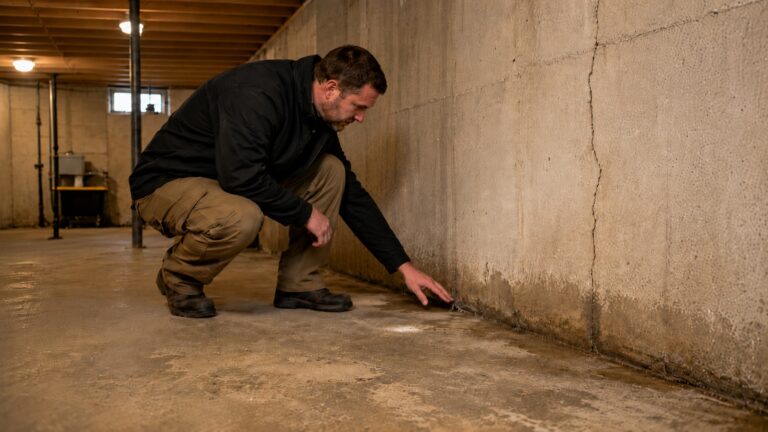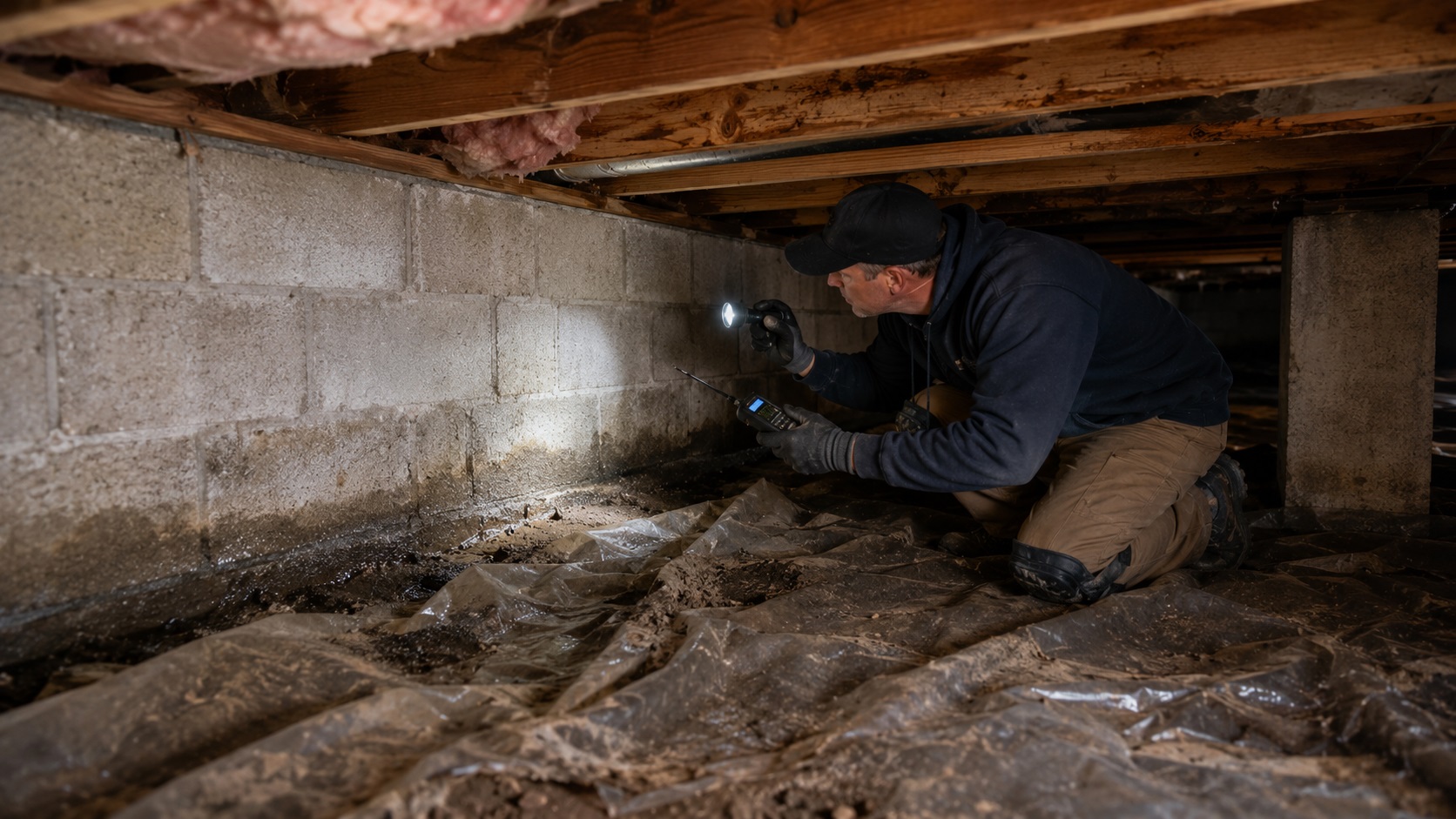
When to Hire a Crawl Space Repair Specialist
A damp crawl space does not always mean you need major repair work right away. The line between monitoring and hiring a specialist usually depends on three things: whether the problem keeps returning, whether building materials are being affected, and whether the moisture source is unclear.
Minor humidity, visible moisture, or a small vapor barrier defect may be worth monitoring first. But recurring odors, wet insulation, standing water, soft floors, or moisture spreading into framing usually move the problem beyond casual observation.
You should hire a crawl space repair specialist when the problem is recurring, structural, mold-related, water-related, or difficult to trace. A specialist can evaluate the moisture source, affected materials, drainage conditions, and whether encapsulation, insulation replacement, or structural repair is actually needed. For broader context on how crawl space damage fits into whole-home moisture risks, see Structural Moisture Problems in Homes: Causes, Risks, and Repair Guide.
Quick Decision Guide: Should You Monitor, Inspect, or Hire?
You can usually monitor a crawl space issue if it is small, recent, dry, and not spreading. You should inspect more carefully if humidity, odor, or minor vapor barrier damage keeps returning. You should hire a crawl space repair specialist when water, mold-like growth, wet insulation, damaged wood, failed repairs, unclear moisture sources, or soft floors are involved.
What a Crawl Space Repair Specialist Should Evaluate
A crawl space repair specialist evaluates the systems below the home that control moisture, air movement, wood damage, mold risk, insulation performance, and structural support. Depending on the company, the work may include drainage corrections, vapor barrier repair, encapsulation, insulation replacement, wood repair, or coordination with mold, plumbing, HVAC, or structural professionals.
A useful crawl space evaluation should separate the visible symptom from the source of the problem. Damp soil, standing water, wet insulation, mold-like growth, damaged vapor barriers, and soft floors may look like separate problems, but they often share the same underlying moisture pattern.
The specialist should check where water or humidity is entering, whether the vapor barrier and drainage system are working, whether insulation or ducts are being affected, and whether joists, beams, posts, or subflooring show signs of moisture damage. If the problem is still at the symptom stage, start with Signs of Moisture in Crawl Spaces. If encapsulation is being recommended, compare the proposal with What Is Crawl Space Encapsulation and How It Works.
Signs You Should Hire a Crawl Space Repair Specialist
You do not need to hire a specialist for every small crawl space concern. But certain symptoms indicate that the issue has moved beyond casual monitoring. These signs suggest the crawl space needs a professional evaluation because moisture may be affecting the building system, not just the soil under the home.
Persistent musty odors inside the home
A musty smell coming from the crawl space is one of the most common early warning signs. The odor may be strongest near floor registers, closets, lower rooms, or areas above the crawl space. In some homes, it becomes more noticeable after rain, during humid weather, or when the HVAC system runs.
A musty odor does not prove that the crawl space has severe damage, but it does suggest that damp materials, mold growth, wet soil, or decaying organic material may be present. If the smell keeps returning after cleaning, airing out the space, or using temporary moisture control, the source should be investigated more carefully.
This is especially important when the odor reaches living areas. Crawl spaces can influence indoor air through floor gaps, plumbing penetrations, duct leakage, and pressure differences inside the home. If odor is your first clue, the next step is not to cover it up with deodorizer. The next step is to find the moisture source.
Standing water or muddy soil
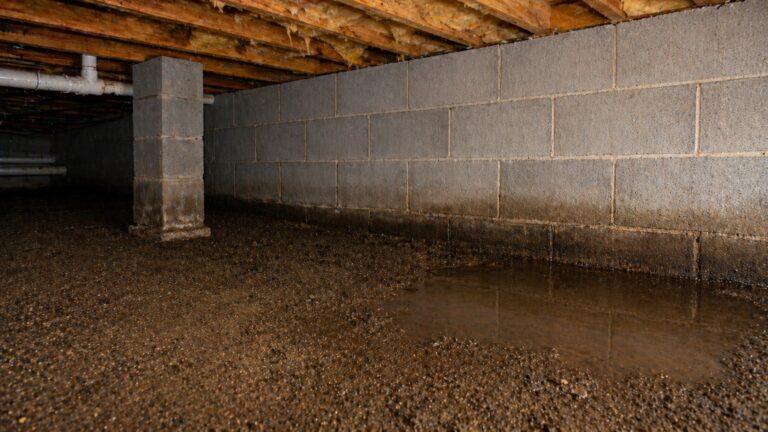
Standing water, puddles, muddy soil, water trails, or repeated wet areas after rain usually mean the crawl space has a bulk water problem, not just normal humidity. This can come from gutters, downspouts, grading, foundation openings, plumbing leaks, or failed drainage.
If water appears after multiple rain events, the problem should be treated as a repair issue rather than a one-time cleanup. Standing water can raise crawl space humidity, wet insulation, encourage mold growth, attract pests, and increase the chance of wood moisture damage.
Wet or falling insulation
Insulation problems are another strong sign that the crawl space environment is not under control. Fiberglass batts may sag, fall from the joist bays, darken, smell musty, or feel damp. In some cases, insulation becomes damaged by condensation, plumbing leaks, pest activity, or long-term humidity.
Replacing insulation without correcting the moisture source is usually a temporary fix. New insulation can become wet again if the crawl space still has exposed soil, poor drainage, excessive humidity, condensation, or air leakage. A crawl space specialist should look at why the insulation failed before recommending replacement.
Visible mold or fungal growth on crawl space materials
Visible mold-like growth on joists, subflooring, beams, insulation, or stored materials is a strong reason to take the crawl space seriously. It usually means moisture has been present long enough to support biological activity, even if the growth appears limited.
A crawl space repair specialist may not be the same company that performs mold remediation, but the repair side still matters. Mold cleanup will not last if drainage, vapor, humidity, insulation, or ventilation problems continue feeding the same conditions.
Soft, sagging, or uneven floors above the crawl space
Floor symptoms above a crawl space can be more serious than visible dampness below it. Soft spots, bouncing floors, sagging sections, uneven rooms, or doors that begin to stick can point to moisture-related wood movement, joist damage, subfloor deterioration, or support problems.
These symptoms do not always prove that the crawl space structure is failing, but they do justify a professional inspection. Moisture can weaken wood gradually, and the most damaged areas are not always visible from the living space. A floor that feels different underfoot may be reflecting damage below the surface.
If you notice floor movement along with musty odors, damp crawl space soil, mold growth, or wet insulation, the issue should not be treated as ordinary settling until the crawl space has been evaluated. For more detail on framing-specific warning signs, see Signs of Moisture Damage in Crawl Space Joists.
A failed or missing vapor barrier
A vapor barrier is supposed to reduce ground moisture entering the crawl space from exposed soil. If the liner is missing, torn, displaced, loosely overlapped, or covered with water, the crawl space may be receiving more moisture than the structure can tolerate.
Small defects may be simple to correct, especially if the crawl space is otherwise dry and accessible. But widespread vapor barrier failure is different. If large sections of soil are exposed, seams are loose, water is collecting on top of the liner, or the barrier has pulled away from walls and piers, a professional repair may be needed.
Repairs that do not last
Recurring crawl space problems are one of the clearest signs that it is time to hire a specialist. If you keep replacing insulation, patching liner tears, drying wet areas, cleaning surface growth, or running fans without solving the source, the crawl space needs a deeper diagnosis.
Moisture that returns after cleanup usually means the original source was never fixed, multiple sources are present, or the repair addressed a symptom instead of the system. This ties closely to the broader pattern explained in Why Moisture Problems Keep Returning.
When Crawl Space Moisture Is Beyond DIY
Some crawl space tasks are reasonable for careful homeowners. You may be able to check for visible water, look for torn vapor barrier sections, photograph damage, monitor humidity, clear minor debris, or notice when odors appear. But DIY work becomes risky when the problem involves hidden sources, structural materials, mold, electrical hazards, or repeated water intrusion.
The main issue is not whether a homeowner can physically enter the crawl space. The issue is whether the homeowner can safely identify the moisture source and understand what has been affected. Important damage can hide behind insulation, under vapor barriers, around piers, near plumbing lines, or at the ends of joists.
The moisture source is unclear
If you cannot tell where the moisture is coming from, it is wise to get help before spending money on repairs. Crawl space moisture can come from several directions at once. Ground vapor may rise from exposed soil. Rainwater may enter at the perimeter. Plumbing may leak only during fixture use. HVAC ducts may sweat during humid weather. Poor grading may drive water toward the foundation during storms.
Each source requires a different type of response. Guessing can lead to wasted money. A homeowner might install a vapor barrier when the actual problem is bulk water intrusion. Another might add ventilation when humid outdoor air is making condensation worse. A specialist should separate the likely sources before recommending a repair plan.
If you are still in the inspection stage, How to Detect Hidden Moisture in Crawl Spaces can help you understand what a careful crawl space check should look for before you decide whether professional help is needed.
The crawl space is unsafe to enter
Do not enter a crawl space if it appears unsafe. Standing water near electrical wiring, exposed sharp debris, unstable soil, animal activity, sewage contamination, strong chemical odors, severe mold growth, or visibly damaged structural supports can make entry dangerous.
Limited visibility is also a problem. If you cannot safely move, see the framing, or inspect the source of the moisture, the crawl space is not a good DIY environment. In those cases, it is better to document what you can from the access opening and contact a qualified professional.
Safety matters because crawl spaces can contain hazards that are easy to underestimate. Moisture may affect wiring, ducts, plumbing supports, fasteners, insulation, and wood. If there is any doubt about safe access, do not force an inspection.
Crawl Space Problems That Need Prompt Professional Help
Some crawl space problems should move to the front of the repair list. These are not just signs that a specialist may be useful; they are signs that waiting could allow water, mold, or structural damage to spread.
Floors are sagging, soft, or noticeably uneven
Sagging, soft, bouncy, or noticeably uneven floors above a crawl space should be evaluated promptly, especially if the crawl space also has damp soil, wet insulation, mold-like growth, or wood staining. The issue may involve wet subflooring, weakened joists, damaged beams, support movement, or long-term moisture exposure.
A crawl space specialist can inspect visible framing and moisture conditions, but serious structural movement may also require a structural contractor or engineer.
Water appears after every heavy rain
Water that appears after every heavy rain usually points to a drainage, grading, gutter, downspout, foundation opening, or crawl space drainage problem. Even if the water eventually disappears, repeated wetting can keep humidity high long enough to affect insulation, wood framing, fasteners, ducts, and vapor barrier materials.
This should be treated as a repair issue, not as normal seasonal dampness.
There is rot, fungal growth, or wood deterioration
Rot, fungal growth, soft joist ends, crumbling wood fibers, or wood that flakes apart when touched are not cosmetic crawl space issues. They suggest that moisture has affected the material long enough to change its condition.
A specialist should determine whether the damage is surface-level, localized, recurring, or connected to a larger moisture-control failure. If load-bearing wood appears compromised, a structural professional may also be needed.
Mold or odor is spreading into living areas
If crawl space odors, mold concerns, or damp air seem to be affecting the rooms above, the problem deserves professional attention. Crawl spaces are not completely separate from the home. Air movement through gaps, duct leaks, plumbing openings, and pressure differences can carry odors and moisture upward.
This is especially important if musty smells are strongest near floor vents, lower cabinets, closets, bedrooms above the crawl space, or rooms with plumbing penetrations. The issue may involve crawl space mold, wet insulation, damp soil, leaking ducts, or hidden moisture beneath the floor.
A crawl space repair specialist can help identify the moisture conditions that are feeding the problem. If mold is widespread or contaminated materials need removal, a mold remediation professional may also be needed. The key is not only removing affected material but correcting the crawl space condition that allowed it to develop.
Moisture is near electrical, plumbing, or HVAC components
Moisture near wiring, junction boxes, ducts, condensate lines, plumbing connections, or mechanical equipment should be handled carefully. Crawl spaces often contain multiple home systems in a cramped space, and moisture can create safety and repair complications.
Water near electrical components is an immediate reason to avoid entering the area and call the appropriate professional. Wet ductwork, sweating ducts, leaking pipes, or HVAC condensation may require a crawl space specialist, plumber, electrician, or HVAC technician depending on the source.
This is another reason professional diagnosis matters. A crawl space contractor may identify the general moisture pattern, but some repairs should be performed by licensed trade professionals. A good repair plan should separate crawl space moisture control from plumbing, electrical, and HVAC work when needed.
When You May Not Need a Crawl Space Repair Specialist Yet
The key is to be honest about the severity. A small issue that improves after a known cause is different from a problem that keeps returning after rain, spreads across the crawl space, or affects materials attached to the structure.
Minor humidity with no visible damage
Slightly elevated humidity may not require a repair specialist if there is no visible water, no musty odor, no mold growth, no wet insulation, and no wood staining. In this case, monitoring may be reasonable.
A homeowner can track humidity readings, look for changes after rain, check whether the vapor barrier is intact, and inspect for new odors or condensation. If the readings stabilize and no physical damage appears, immediate repair may not be necessary.
However, persistent humidity should not be ignored because it can eventually contribute to mold, wood moisture, insulation failure, and pest activity.
A small vapor barrier issue in an otherwise dry crawl space
A small tear, wrinkle, or displaced section of vapor barrier may not require a specialist if the crawl space is otherwise dry and the issue is easy to correct. For example, a small area shifted during plumbing work may be simple to reposition or patch.
But the context matters. If the vapor barrier is damaged across large areas, soil is exposed, seams are failing, water is on top of the liner, or the crawl space smells musty, the issue is more than a small liner defect.
A vapor barrier is part of a moisture-control system. When that system is failing broadly, professional repair may be more cost-effective than repeated patching.
A recent, known leak that was quickly corrected
If a plumbing leak or small water event was caught quickly, repaired fully, and dried properly, you may not need a crawl space repair specialist right away. In that case, careful follow-up inspection may be enough.
You should still monitor the area for several signs: lingering odor, damp insulation, soft subflooring, staining, mold growth, or moisture that returns after the leak is fixed. If any of those signs appear, the problem may have affected more material than expected.
The main question is whether the crawl space returns to normal after the known source is corrected. If it does not, professional evaluation becomes more important.
No structural symptoms are present
If there are no sagging floors, soft spots, damaged joists, wet insulation, standing water, musty odors, or visible mold, you may be dealing with a maintenance issue rather than a repair emergency. A measured approach may be enough: document the condition, monitor humidity, inspect after heavy rain, and check whether the vapor barrier and drainage appear to be working.
If the condition changes or symptoms begin to repeat, the decision changes. Crawl space repair is often most effective when the problem is caught before major structural damage develops.
Who to Call for Different Crawl Space Problems
The right professional depends on the first failure point. Start with the symptom, then match the contractor to the source instead of assuming every crawl space problem needs the same repair package.
Call a crawl space repair specialist for system-level moisture problems
A crawl space repair specialist is usually the best starting point when the problem involves recurring moisture, damaged vapor barriers, wet insulation, standing water, musty odors, or a combination of crawl space symptoms.
This type of specialist should evaluate the crawl space as a system. That includes the soil, vapor barrier, foundation perimeter, drainage, insulation, framing, ventilation, and signs of water entry. The best contractor is not just looking for something to sell. They are looking for the reason the crawl space keeps creating moisture problems.
Call an encapsulation contractor for full moisture-control upgrades
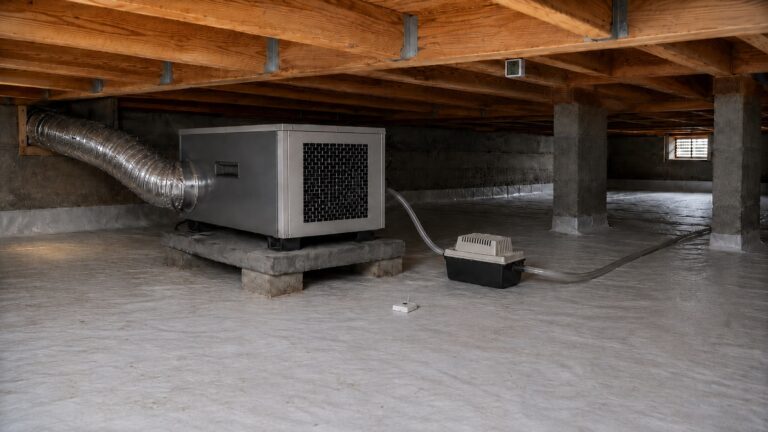
An encapsulation contractor may be appropriate when the crawl space needs a full sealing and moisture-control system. This may include a heavy-duty liner, sealed seams, wall coverage, sealed vents, dehumidification, drainage improvements, or other system upgrades.
Encapsulation is not always the first step, though. A crawl space with active water intrusion, damaged framing, mold-contaminated insulation, or unresolved drainage problems may need preparation before encapsulation. If your main concern is choosing the right contractor for this type of work, that belongs more directly to How to Choose a Crawl Space Encapsulation Contractor.
Call a structural contractor or engineer for framing concerns
If joists, beams, girders, support posts, or subflooring appear damaged, a structural professional may be needed. This is especially true when floors are sagging, support posts are shifting, wood is soft, or the damage appears to affect load-bearing components.
A crawl space repair specialist may be able to identify visible damage and recommend next steps, but serious structural questions may require a structural repair contractor or engineer. Moisture control and structural repair often need to work together because replacing wood without solving the moisture source can lead to repeat damage.
Call a mold remediation company for widespread contamination
If the crawl space has widespread mold growth, contaminated insulation, or mold concerns affecting indoor air, a mold remediation company may be needed. Mold cleanup should follow appropriate containment and safety practices, especially when materials are heavily contaminated.
However, mold remediation alone does not fix the crawl space if the moisture source remains. In many cases, the homeowner may need both mold remediation and crawl space repair. The remediation company addresses affected materials, while the crawl space specialist addresses the moisture conditions that allowed mold to grow.
Call a plumber, HVAC technician, or drainage contractor when the source is specialized
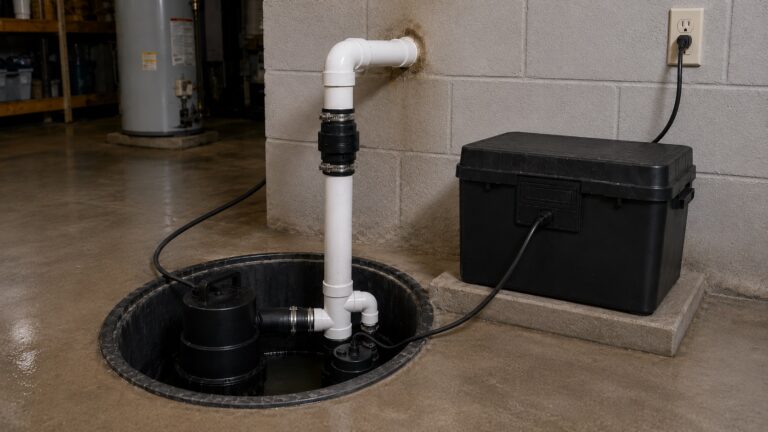
Some crawl space moisture problems begin outside the crawl space repair contractor’s main trade. A leaking pipe may require a plumber. Condensation from ducts or equipment may require an HVAC technician. Water entering from poor grading or drainage failure may require drainage or waterproofing work.
A good crawl space evaluation should help identify when another trade is needed. The best repair plan is not always one contractor doing everything; it is the right sequence of repairs by the right professionals.
How to Prepare Before Hiring a Crawl Space Specialist
Document what you can see and smell
Take notes about visible symptoms, odors, and when the problem appears. Does the crawl space smell musty all the time, or only after rain? Is water visible near one foundation wall, under plumbing, or across the entire ground surface? Is the insulation wet in one area or falling throughout the crawl space?
Photos can help, especially if the problem changes over time. Photograph standing water, damaged insulation, vapor barrier gaps, wood staining, mold-like growth, plumbing penetrations, foundation openings, and any areas where water appears to enter. Do not enter the crawl space if it seems unsafe. Photos from the access opening are better than risking injury.
Track when the problem happens
Timing can reveal the source. Water after heavy rain may point toward drainage, grading, gutters, or foundation entry points. Dampness during humid weather may suggest condensation or poor moisture control. Wet areas near bathrooms, kitchens, or laundry rooms may suggest a plumbing leak.
Tell the contractor whether the issue is constant, seasonal, rain-related, or connected to plumbing use. A crawl space that becomes wet after every storm requires a different repair approach than one affected by a one-time pipe leak.
Ask for diagnosis before accepting a repair package
A good crawl space repair recommendation should explain why the problem is happening. Be cautious if a contractor recommends encapsulation, insulation replacement, or a dehumidifier without explaining the moisture source.
Ask what evidence supports the recommendation. Is the problem ground vapor, bulk water, condensation, plumbing leakage, poor drainage, damaged ventilation, or structural deterioration? A good specialist should be able to connect the proposed repair to the observed conditions.
Separate urgent repairs from long-term upgrades
Some crawl space work is urgent. Structural wood damage, standing water, unsafe electrical conditions, and widespread mold need prompt attention. Other improvements, such as upgraded vapor barriers, encapsulation, vent sealing, or dehumidifier installation, may be part of a long-term moisture-control plan.
Ask the contractor to separate immediate repair needs from optional upgrades. This helps you understand what must be done now, what can be planned later, and what is being recommended mainly for prevention.
What a Good Crawl Space Repair Evaluation Should Include
Moisture source identification
The evaluation should identify likely moisture sources. These may include exposed soil, missing vapor barrier coverage, poor exterior drainage, foundation openings, plumbing leaks, HVAC condensation, gutter discharge, high outdoor humidity, or water entering after storms.
If the contractor cannot explain where the moisture is coming from, the repair plan may be incomplete. Crawl space repairs are most successful when they correct the source instead of only covering the symptoms.
Wood and structural inspection
The evaluation should include visible floor framing, joists, beams, girders, support posts, subflooring, and wood near foundation bearing points. The contractor should look for staining, rot, fungal growth, soft wood, insect damage, rusted fasteners, and signs of movement.
If structural concerns are present, ask whether the company performs structural repairs or whether a structural contractor or engineer should evaluate the damage. Crawl space moisture control is important, but damaged support materials may require a separate repair scope.
Vapor barrier, insulation, and encapsulation assessment
The contractor should inspect the vapor barrier for coverage, seam condition, tears, exposed soil, water on top of the liner, attachment at walls or piers, and signs that moisture is coming from below or around the barrier.
Insulation should also be evaluated. Wet, moldy, compressed, falling, or pest-damaged insulation usually means the crawl space environment has not been controlled. If the home already has an encapsulation system, the evaluation should check whether it is sealed properly and whether drainage or humidity problems are undermining it.
Drainage and exterior water review
A crawl space problem often begins outside the crawl space. A useful evaluation should consider grading, gutters, downspouts, foundation perimeter conditions, water stains, soil erosion, and where rainwater goes during storms.
This matters because interior crawl space repairs can fail if exterior water keeps entering. If the crawl space has standing water, the contractor should explain whether drainage improvements are needed before or alongside vapor barrier work.
Written scope of work
Before hiring, ask for a written scope that explains what will be repaired, what materials will be used, what problems the repair is intended to solve, and what is excluded. This is especially important when the project includes drainage, vapor barrier replacement, insulation removal, encapsulation, mold-related cleanup, or structural repairs.
A clear scope should separate source correction, cleanup, structural repair, moisture-control upgrades, and optional improvements. For example, “crawl space repair” could mean many different things: drainage correction, vapor barrier installation, dehumidifier setup, joist repair, insulation removal, vent sealing, or encapsulation. The written plan should be specific enough that you know what you are paying for.
Common Mistakes to Avoid Before Hiring
Do not assume a dry surface means the problem is gone
Water can disappear from the ground while moisture remains in wood, insulation, soil, or hidden pockets. A crawl space may look better after a few dry days even though the underlying issue has not been corrected.
This is why recurring inspection matters. If symptoms return after rain, during humid weather, or after temporary cleanup, the problem should be evaluated as a pattern rather than a one-time event.
Do not replace insulation before fixing the moisture source
New insulation will not last if the crawl space remains damp. If the old insulation failed because of humidity, condensation, mold, pests, or water intrusion, the cause needs to be corrected first.
Otherwise, the replacement insulation can absorb moisture, sag, smell musty, and hide damage again. Insulation replacement should usually be part of a larger crawl space moisture-control plan, not the only repair.
Do not treat encapsulation as a cure-all
Encapsulation can be a strong solution when used correctly, but it is not a cure for every crawl space problem. It will not automatically fix poor drainage, active plumbing leaks, rotted joists, mold-contaminated insulation, or structural movement.
In many cases, encapsulation works best after the crawl space has been cleaned, drained, repaired, and prepared properly. If a contractor recommends encapsulation, ask what must be corrected first and how the system will handle future moisture.
Do not ignore small symptoms that keep returning
A small recurring symptom can be more important than a larger one-time event. A musty odor that returns every summer, a small puddle that appears after every storm, or insulation that keeps sagging in the same area may point to an ongoing source.
Recurring symptoms are often the reason to hire a specialist. They show that the crawl space is responding to a continuing condition, not just an isolated accident.
FAQ: Hiring a Crawl Space Repair Specialist
Do I need a crawl space repair specialist for a musty smell?
You may need one if the smell is persistent, returns after cleaning, gets worse after rain, or enters the living space. A musty odor often points to damp soil, wet insulation, mold growth, or poor crawl space moisture control. If the odor is occasional and no moisture or damage is visible, you may start by monitoring, but recurring odor deserves a closer inspection.
Should I call a mold company or a crawl space repair specialist first?
If the main issue is widespread mold or contaminated materials, a mold remediation company may be needed. If the main issue is recurring moisture, failed vapor barrier, standing water, or crawl space system failure, a crawl space repair specialist may be the better first call. In many cases, both may be needed because mold cleanup will not last unless the moisture source is corrected.
Is crawl space encapsulation always necessary?
No. Encapsulation can be helpful for many crawl spaces, but it is not always the first or only solution. Some homes need drainage correction, plumbing repair, insulation removal, vapor barrier repair, wood repair, or grading improvements before encapsulation makes sense.
What crawl space problems are urgent?
Urgent problems include sagging floors, soft or damaged joists, standing water after rain, widespread mold growth, wet electrical areas, severe wood rot, sewage contamination, or moisture spreading into living spaces. These issues should be evaluated quickly because they may involve safety, structure, or indoor air concerns.
Can a crawl space repair specialist fix sagging floors?
Some crawl space repair specialists can repair or reinforce floor supports, joists, beams, or piers. However, serious structural movement may require a structural contractor or engineer. The first step is determining whether the sagging is caused by moisture damage, support failure, settlement, or another structural condition.
Conclusion
You should hire a crawl space repair specialist when the problem is recurring, difficult to trace, water-related, mold-related, or connected to structural warning signs. Small, isolated issues can often be monitored, but standing water, wet insulation, failed vapor barriers, musty odors, visible growth, soft floors, or damaged wood deserve a professional evaluation.
The best crawl space repair starts with diagnosis. Before paying for encapsulation, insulation replacement, drainage work, or structural repairs, make sure the contractor explains where the moisture is coming from, what has been affected, and which repairs are urgent versus optional.