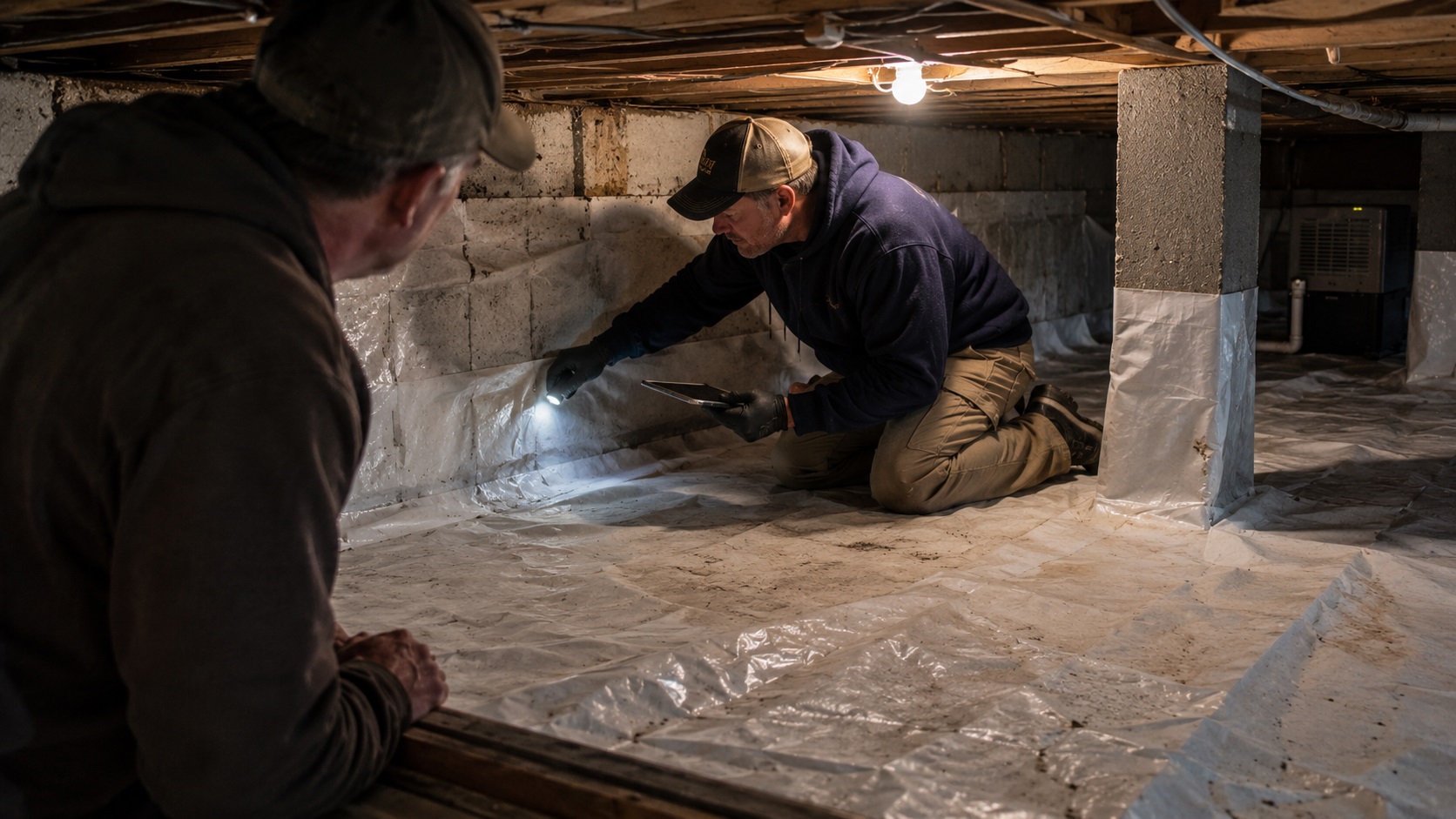
How to Choose a Crawl Space Encapsulation Contractor
To choose a crawl space encapsulation contractor, look for someone who inspects the full crawl space, identifies the moisture source, addresses drainage before sealing, explains the liner and sealing details, and gives you a clear written scope. A good encapsulation job is not just plastic sheeting over soil. It is a moisture-control system matched to the actual conditions under your home.
The wrong contractor may cover the ground without fixing drainage problems, ignore wet insulation, seal over moldy materials, skip important wall and pier details, or recommend the same package for every crawl space. That can leave you with a cleaner-looking crawl space that still has moisture problems underneath the surface.
If your crawl space also has structural symptoms, long-term wood damage, or multiple moisture problems, it helps to understand how encapsulation fits into the broader issues covered in Structural Moisture Problems in Homes: Causes, Risks, and Repair Guide.
Why Choosing the Right Crawl Space Encapsulation Contractor Matters
Encapsulation works best when the contractor understands why the crawl space is damp before recommending materials. A sealed crawl space can perform well when drainage, vapor control, air sealing, insulation, and humidity management are handled correctly. It can also fail when those details are skipped.
One contractor may be quoting a simple ground vapor barrier while another is quoting sealed ground coverage, wall coverage, pier sealing, drainage work, old insulation removal, and humidity control. Both may call the job “encapsulation,” but they are not the same scope of work. If you need a basic refresher on the full concept, read What Is Crawl Space Encapsulation and How It Works before comparing quotes.
A liner can also hide problems if it is installed before drainage, wet insulation, mold-contaminated materials, plumbing leaks, or damaged wood are addressed. A good contractor should explain what must be corrected before encapsulation and what the system is designed to control.
The best contractor starts with diagnosis. They should explain why the crawl space is damp, where water or vapor is entering, whether the floor framing has been affected, and whether the proposed system fits those conditions. If you are not yet sure whether encapsulation is actually needed, start with Signs Your Crawl Space Needs Encapsulation.
Start With the Contractor’s Inspection Process
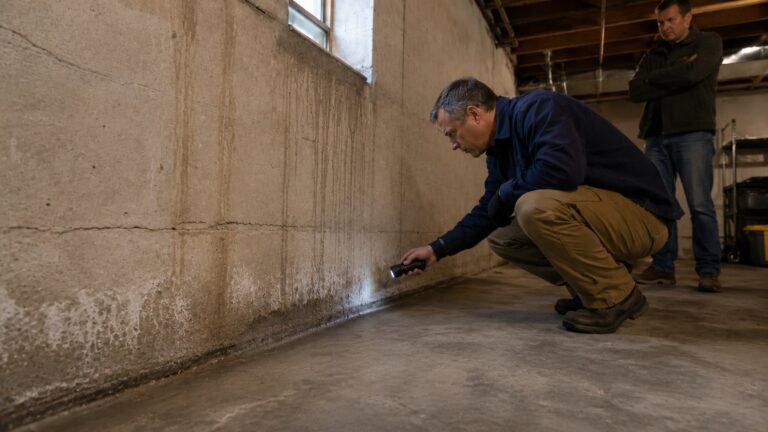
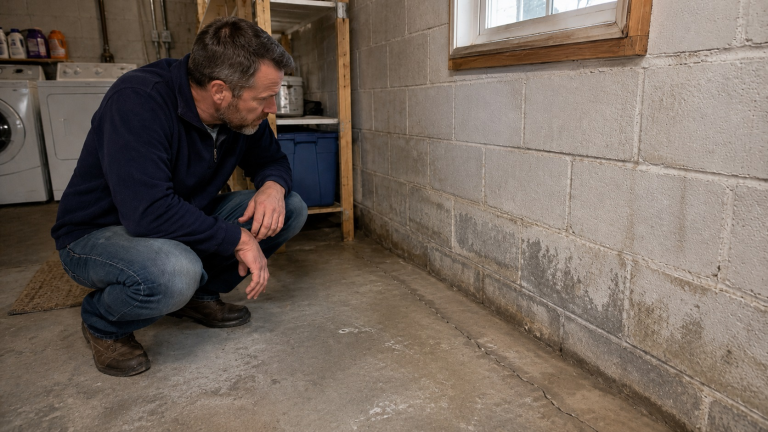
The inspection tells you a lot about the contractor. A careful inspection should happen before the contractor gives a serious recommendation. A quick glance from the access opening, a generic sales presentation, or a quote without moisture-source evaluation is not enough for a project that may affect the home’s structure, air quality, and long-term moisture control.
For a fuller homeowner checklist, see How to Inspect a Crawl Space Before Encapsulation. In this article, the focus is how the contractor’s inspection helps you judge whether their proposal is trustworthy.
They should inspect the full crawl space, not just the entrance
A contractor should inspect as much of the crawl space as safely accessible. Moisture problems are often uneven: one corner may be dry while another has standing water, wet insulation, condensation, or joist staining.
If parts of the crawl space are inaccessible, the contractor should say so clearly instead of writing a proposal as if the entire area was inspected.
They should identify the moisture source
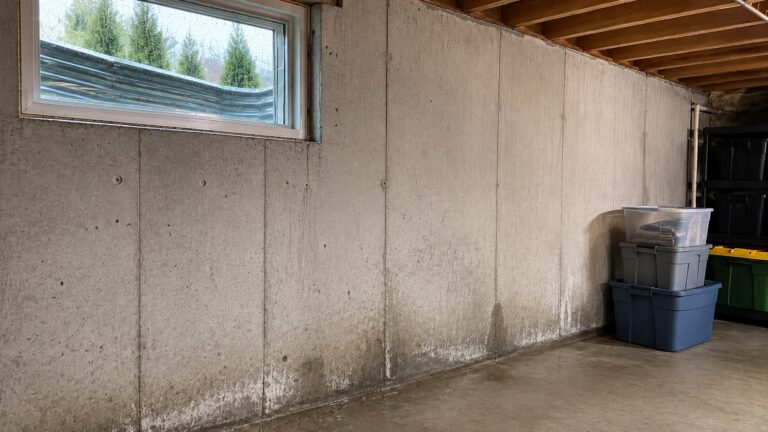
A strong contractor should explain whether the main issue appears to be ground vapor, bulk water, poor drainage, condensation, plumbing leakage, air leakage, or a combination of sources. If water appears after storms, the proposal should not ignore drainage and exterior water control. If the problem is high humidity without puddles, it should explain air sealing, vapor control, and dehumidification.
Be cautious if the contractor jumps directly to a product package without explaining the source. Encapsulation works best when it is matched to the problem it is supposed to solve.
They should check drainage and standing water before proposing a liner
A liner is not a drainage system. If the crawl space has standing water, muddy soil, water trails, or repeated wet areas after rain, the contractor should address water movement before or alongside encapsulation.
Depending on the home, this may involve downspout correction, grading improvements, exterior drainage, interior crawl space drainage, sump systems, discharge planning, or foundation-entry repairs. The contractor does not need to perform every trade personally, but the proposal should explain who will handle the water source and when.
If a contractor wants to encapsulate directly over a crawl space that clearly collects water, ask how the system will handle future water intrusion. A clear answer is essential.
They should inspect wood, insulation, ducts, and vents
Encapsulation should not hide existing damage. Before sealing, the contractor should look at floor joists, beams, subflooring, support posts, insulation, HVAC ducts, plumbing lines, vents, and visible mold-like staining.
Wet insulation may need removal. Mold-contaminated materials may need remediation. Wood damage may need repair or further structural evaluation. Sweating ducts may need HVAC attention. Open vents or leaky access doors may undermine the moisture-control system if the encapsulation design depends on controlling outside air.
For a closer look at the problems contractors often uncover, see Common Problems Found During Crawl Space Encapsulation.
That kind of inspection helps separate a complete encapsulation plan from a cosmetic liner installation. A good contractor should tell you what needs to happen before the crawl space is sealed, what is included in their scope, and what may require another trade.
Ask What Is Included in the Encapsulation System
Once the contractor has inspected the crawl space, the next question is what they are actually proposing to install. “Crawl space encapsulation” can mean different things depending on the company, the materials, and the condition of the home. A complete proposal should describe the system clearly enough that you know what is included, what is excluded, and why each component is recommended.
Vapor barrier thickness and material quality
Ask what type of liner or vapor barrier the contractor plans to use. The proposal should specify the material, thickness, reinforcement, and where it will be installed. A vague description like “heavy plastic” is not enough when you are comparing contractors.
Thicker, reinforced liners are generally more durable than thin plastic sheeting, especially where workers may need future access for plumbing, HVAC, pest control, or inspections. But thickness alone does not make a good encapsulation system. Poor seam sealing, missing wall coverage, exposed soil, and unresolved water entry can still cause problems even with a better liner.
Sealed seams, walls, piers, and penetrations
A strong encapsulation system should address the places where moisture and air can bypass the liner. Ask how the contractor will seal seams, foundation walls, support piers, plumbing penetrations, access openings, and edges where the liner meets masonry or framing.
These details matter because crawl spaces rarely have one flat, simple ground surface. They may contain columns, uneven soil, pipes, ducts, wires, foundation ledges, vents, and irregular corners. If those areas are not sealed carefully, moisture can still enter the crawl space even after the main floor area is covered.
When comparing proposals, look for specific language about overlap, tape, sealant, fasteners, wall attachment, pier wrapping, and penetration sealing. A quote that only says “install vapor barrier” may not describe a complete encapsulation system.
Vent sealing and outside air control
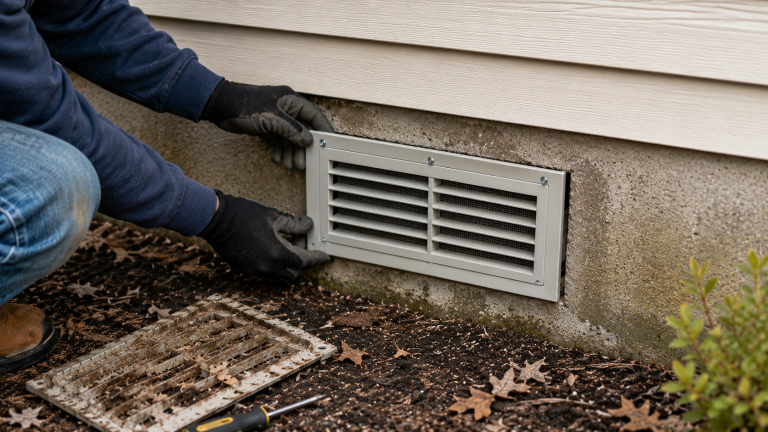
Many encapsulation systems involve reducing uncontrolled outside air entry. Open vents, loose access doors, rim joist gaps, and foundation openings can allow humid air, pests, and outdoor moisture to enter the crawl space.
Ask the contractor how vents and access points will be handled. The answer should fit the system being proposed. If the contractor recommends sealing vents, ask how humidity will be controlled afterward and whether mechanical dehumidification or conditioned air is part of the design.
Some crawl spaces need air sealing as part of encapsulation, but the contractor should explain how the sealed crawl space will stay dry after outside air paths are controlled.
Drainage, sump pumps, and water management
If there is any history of standing water, the proposal should explain how water will be managed. Encapsulation should not simply cover a crawl space that floods. Water that enters after rain can collect under or on top of the liner, damage seams, raise humidity, and undermine the entire system.
Ask whether drainage work is included, excluded, or recommended before encapsulation. If the answer is unclear, the quote may not be complete.
Dehumidification and humidity control
Some encapsulated crawl spaces need a dehumidifier, while others may not. The contractor should explain the recommendation based on humidity levels, air sealing, drainage, local climate, and how the space will be kept dry after it is sealed.
Be cautious with both extremes: a contractor who says every crawl space always needs a dehumidifier may be oversimplifying, while a contractor who seals a damp crawl space without discussing humidity control may be leaving out an important part of the system.
Ask how humidity will be monitored after the project is complete. A good encapsulation plan should include a way to confirm that the crawl space is actually staying dry.
Compare the Scope, Not Just the Price
Price matters, but two crawl space encapsulation quotes can have very different scopes. A cheaper quote may be reasonable for a simple, dry crawl space with minor vapor-control needs. It may be risky if it leaves out drainage, wall sealing, insulation removal, humidity control, or damaged-material handling in a crawl space with recurring moisture.
Look for what each quote includes
Compare each quote line by line. Does it include ground liner only, or wall coverage too? Are piers wrapped? Are seams sealed? Are vents addressed? Is old insulation removed? Is drainage included? Is a dehumidifier included or recommended separately? Is cleanup included? Is mold-related work excluded?
A complete quote should make the contractor’s plan understandable. You should not have to guess whether the liner covers walls, whether seams will be sealed, or whether water problems are being handled.
If one contractor is much cheaper, ask what is missing. If one contractor is much more expensive, ask what additional components justify the cost. The best quote is not automatically the lowest or highest. It is the one that best matches the actual crawl space conditions.
Ask what is excluded
Exclusions are just as important as included work. A contractor may exclude mold remediation, structural repairs, electrical work, plumbing leaks, HVAC duct repairs, exterior drainage, insulation replacement, or long-term monitoring.
Exclusions are not always a problem; no contractor handles every trade. The issue is whether the exclusions are clearly stated and whether the remaining work affects the encapsulation system.
For example, a contractor may install an excellent encapsulation system but exclude drainage correction. If the crawl space has active water intrusion, that missing drainage work could affect the system’s performance. Make sure the proposal explains how excluded work will be handled before, during, or after encapsulation.
Compare warranties carefully
Warranty language can sound impressive, but the details matter. Ask what the warranty covers, how long it lasts, what voids it, and whether it applies to materials, labor, seams, liner attachment, drainage components, dehumidifiers, or mold recurrence.
Some warranties may not cover problems caused by flooding, plumbing leaks, exterior drainage failure, pest damage, homeowner modifications, or lack of maintenance. That does not automatically make the warranty bad, but you should understand the limits before hiring.
Also ask what maintenance is required to keep the warranty valid. Encapsulated crawl spaces may still need periodic inspection, humidity monitoring, dehumidifier maintenance, drainage checks, and access-door checks. The article How to Maintain a Crawl Space After Encapsulation covers the long-term side of that responsibility.
Be careful with vague “whole crawl space” promises
Phrases like “encapsulate crawl space,” “seal crawl space,” or “install moisture barrier” may sound complete, but they do not tell you exactly what will happen. Ask which areas will be covered, how walls and supports will be sealed, whether vents will be closed, whether a dehumidifier is included, whether wet insulation will be removed, and whether drainage will be addressed.
A trustworthy contractor should be willing to explain the work in plain language. If they cannot describe the system clearly before you hire them, it may be difficult to hold them accountable after the work is done.
Red Flags When Hiring a Crawl Space Encapsulation Contractor
A crawl space encapsulation contractor does not need to use scare tactics, vague promises, or pressure to make a strong case. If the crawl space truly needs encapsulation, the inspection findings should support the recommendation. Be cautious when a contractor focuses more on closing the sale than explaining the moisture problem.
They recommend encapsulation without diagnosing the moisture source
This is one of the biggest warning signs. Encapsulation should be based on crawl space conditions, not used as a default answer for every damp or musty space. A contractor should be able to explain whether the issue appears to come from ground vapor, bulk water, condensation, outside air, plumbing leaks, drainage failure, or a combination of sources.
If the contractor cannot explain why the crawl space needs encapsulation, the proposal may be too generic. You may end up paying for a system that covers the symptoms without solving the actual moisture source.
They ignore standing water or drainage problems
Standing water should be addressed before or alongside encapsulation. A liner can reduce ground vapor, but it is not a substitute for drainage. If water enters the crawl space after rain, the contractor should explain how that water will be redirected, drained, pumped, or prevented from entering.
Be careful if a contractor says the liner alone will solve puddles, muddy soil, or water trails without discussing drainage. Water can collect under the liner, rise around seams, flow over the top, or damage the system over time. This is one of the reasons encapsulation systems fail when they are installed before the water problem is understood.
For more failure patterns, see Why Crawl Space Encapsulation Systems Fail.
They do not inspect wood damage or insulation
A contractor who only looks at the ground may miss important problems above it. Crawl space encapsulation should not hide wet insulation, mold-like staining, rotted joists, damaged beams, or subfloor problems.
Ask whether the contractor inspected the floor framing and insulation. If they avoid the topic, dismiss visible damage, or say it does not matter because the liner will make the crawl space dry, that is a red flag. Moisture-damaged materials may need removal, repair, remediation, or separate evaluation before the crawl space is sealed.
They pressure you to sign immediately
Crawl space problems can be serious, but most encapsulation decisions should allow enough time for you to review the scope, compare recommendations, and ask questions. Be cautious if a contractor uses aggressive scare tactics, limited-time pressure, or refuses to give you time to think.
Urgent issues like standing water, structural damage, sewage contamination, or unsafe electrical conditions may need fast action. But even then, the contractor should explain what is urgent, what can wait, and what the proposed work will actually solve.
They promise encapsulation will solve unrelated problems
Encapsulation can help control crawl space moisture, but it does not fix every issue connected to the home. It will not automatically repair rotted wood, stop an active plumbing leak, correct poor roof drainage, replace damaged insulation, or resolve structural movement.
A good contractor should be clear about what encapsulation can and cannot do. If the contractor promises that one system will solve every odor, humidity, mold, structural, and drainage concern without explaining the limits, ask more questions before signing.
Questions to Ask Before You Hire
Use these questions to confirm that the contractor understands the crawl space, the moisture source, and the system they are proposing.
What moisture source are you solving?
This should be the first question. The contractor should explain whether the project is mainly controlling ground vapor, outside air, drainage-related moisture, condensation, or a combination of issues.
If the answer is vague, ask what evidence they found during the inspection. Did they see standing water, exposed soil, condensation, water marks, wet insulation, high humidity, foundation openings, or wood staining? Their recommendation should connect to real findings.
What liner material will be used?
Ask for the liner thickness, material type, and whether it is reinforced. Also ask where the liner will be installed. Will it cover only the floor, or will it extend up the foundation walls? Will piers be wrapped? Will exposed soil remain anywhere?
This question helps you separate a basic ground vapor barrier from a more complete encapsulation system. It also makes it easier to compare proposals from different contractors.
How will seams, piers, walls, and penetrations be sealed?
Sealing details are critical. Ask how seams will be overlapped and sealed, how the liner will attach to foundation walls, how piers will be handled, and how pipe or duct penetrations will be sealed.
Weak sealing details can allow moisture and air to bypass the system. The contractor should be able to describe these details clearly, even if they do not use highly technical language.
Will drainage or standing water be addressed?
If the crawl space has ever had standing water, ask this directly. The contractor should explain whether drainage is included, whether exterior water management is needed, whether a sump system is recommended, and whether the crawl space should be dried or repaired before encapsulation.
Do not assume that drainage is included just because the quote says “encapsulation.” Water management should be clearly listed if it is part of the work.
What happens to wet insulation, moldy materials, or damaged wood?
Ask what will happen to materials that are already affected. Wet insulation may need removal. Mold-contaminated materials may require remediation. Damaged joists or beams may need separate repair. Duct or plumbing problems may require another trade.
This question is important because encapsulation should not bury existing problems. A contractor who gives a complete answer is more likely to understand the full crawl space system.
How will humidity be controlled after encapsulation?
Ask whether a dehumidifier is included, recommended, or unnecessary based on the inspection. If a dehumidifier is included, ask how it drains, how it will be maintained, and how humidity will be monitored.
If no dehumidifier is recommended, ask why. The answer may be reasonable in some crawl spaces, but the contractor should still explain how the sealed space will stay within a safe moisture range.
What warranty and maintenance are required?
Ask what the warranty covers, what it excludes, what voids it, and what maintenance you are expected to perform. Encapsulated crawl spaces may need dehumidifier service, drainage checks, humidity monitoring, access-door inspections, and occasional liner or seam checks.
A contractor who clearly explains maintenance is often more trustworthy than one who implies the system will never need attention again.
How to Choose Between Multiple Crawl Space Encapsulation Contractors
Once you have more than one quote, do not choose based only on price, sales confidence, or how clean the final crawl space photos look. The best contractor is usually the one who gives the clearest diagnosis, explains the full scope, identifies what must happen before sealing, and shows how the system will stay dry over time.
Look for the clearest diagnosis
A strong contractor should be able to explain what is happening in your crawl space in plain language. They should tell you whether the main issue appears to be ground vapor, drainage, standing water, condensation, air leakage, plumbing leakage, failed insulation, or a combination of problems.
If one contractor explains the moisture source clearly and another only says “you need encapsulation,” the clearer diagnosis should carry more weight. The better the diagnosis, the more likely the system is to solve the real problem.
Choose the most complete scope, not the flashiest sales pitch
A complete scope should tell you what will be installed, what will be removed, what will be sealed, what will be repaired, and what is excluded. It should include enough detail to understand the liner, seams, walls, piers, vents, access door, drainage, insulation, humidity control, cleanup, and warranty.
The contractor with the best presentation is not always the contractor with the best plan. Look past the sales materials and compare what each company is actually promising to do. If the crawl space has moisture problems, the written scope matters more than verbal reassurance.
Prioritize moisture-control logic over product promises
Some contractors focus heavily on the liner, dehumidifier, or warranty. Those details matter, but they do not replace moisture-control logic. A thick liner does not fix active water entry, a dehumidifier does not fix standing water, and a warranty does not help much if the exclusions remove the exact problem your crawl space has.
Choose the contractor who can explain how drainage, vapor control, air sealing, humidity management, and material removal work together. If the system depends on another repair happening first, that should be stated clearly.
Confirm documentation, insurance, and references
Before hiring, confirm that the contractor provides written documentation, carries appropriate insurance, and can show relevant crawl space experience. Ask for photos of similar projects, references when available, and a clear explanation of who will perform the work.
You should also ask whether permits, structural repairs, electrical work, plumbing work, or HVAC work are needed. Some encapsulation projects are straightforward, while others involve multiple trades. A trustworthy contractor should explain when another professional is needed instead of pretending encapsulation covers every issue.
FAQ: Choosing a Crawl Space Encapsulation Contractor
What should a crawl space encapsulation contractor inspect first?
A contractor should inspect the moisture source before recommending encapsulation. That includes checking exposed soil, standing water, drainage problems, foundation openings, plumbing leaks, condensation, wet insulation, mold-like growth, wood staining, vents, ducts, and access-door conditions. The inspection should explain why encapsulation is being recommended.
Should a contractor fix drainage before crawl space encapsulation?
Yes, if the crawl space has standing water, muddy soil, water trails, or recurring water after rain. A liner can help control ground vapor, but it is not a replacement for drainage. Bulk water problems should be corrected before or alongside encapsulation so water does not collect under or on top of the system.
What should be included in a crawl space encapsulation quote?
A good quote should describe the liner material, thickness, coverage area, seam sealing, wall treatment, pier sealing, penetration sealing, vent or access-door work, insulation removal if needed, drainage work if included, dehumidification if recommended, cleanup, warranty, maintenance requirements, and exclusions. The more specific the scope is, the easier it is to compare contractors.
Is the cheapest crawl space encapsulation quote a bad idea?
Not always. A lower quote may be reasonable if the crawl space is simple, dry, and does not need drainage, insulation removal, or humidity control. But a cheap quote can be risky if it leaves out important work in a crawl space with recurring moisture, standing water, wet insulation, or wood damage. Compare the scope before comparing the price.
Should crawl space encapsulation include a dehumidifier?
Some encapsulated crawl spaces need a dehumidifier, and some may not. The contractor should explain the recommendation based on humidity levels, air sealing, drainage conditions, climate, crawl space size, and the design of the encapsulation system. Be cautious if the contractor includes or excludes a dehumidifier without explaining why.
How do I know if crawl space encapsulation was installed correctly?
A properly installed system should have sealed seams, good wall and pier transitions, no exposed soil, controlled access points, clear drainage handling if water was present, and a plan for humidity monitoring. You should not see loose liner sections, open seams, water collecting on top of the liner, unaddressed wet insulation, or strong musty odors after the work has had time to stabilize. If you are already seeing problems after installation, compare your symptoms with Signs of Failed Crawl Space Encapsulation.
Key Takeaways
- Choose a contractor who diagnoses the moisture source before recommending encapsulation.
- Compare the full scope of work, not just the price.
- A complete encapsulation proposal should explain liner material, seam sealing, wall coverage, drainage, insulation, humidity control, warranty, and exclusions.
- Standing water, wet insulation, mold-like growth, or wood damage should be addressed before the crawl space is sealed.
- Be cautious with vague quotes, high-pressure sales tactics, and contractors who treat encapsulation as a one-size-fits-all solution.